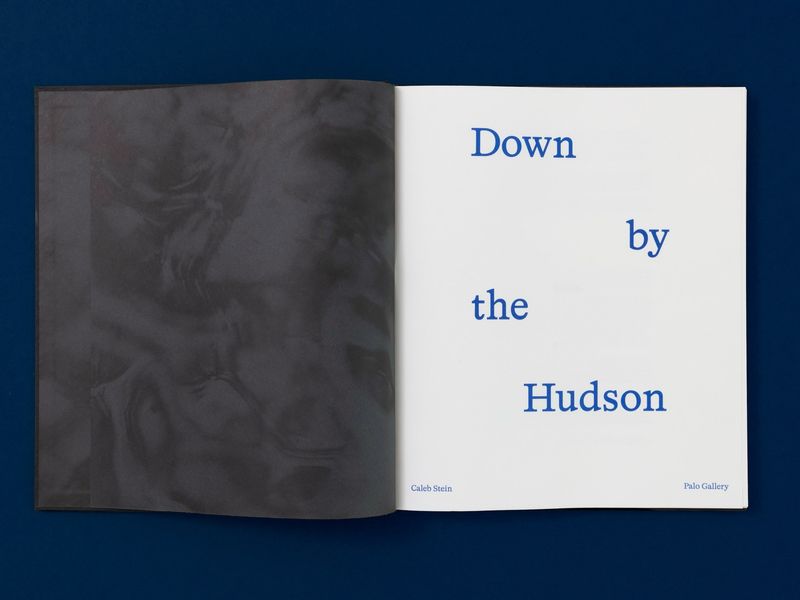
Photobook Review: Down By The Hudson by Caleb Stein
-
Published26 Aug 2026
-
Author
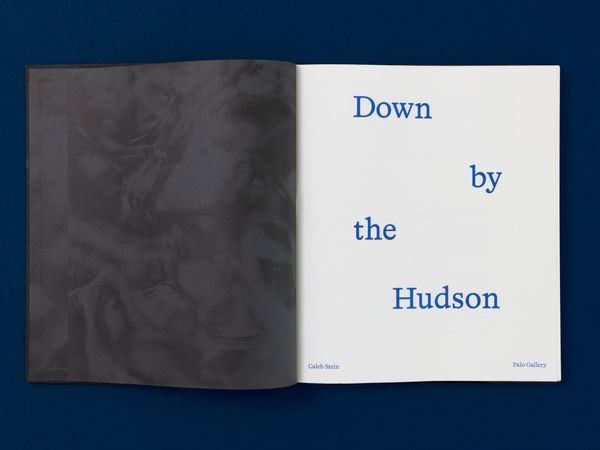
Down By The Hudson features images of the upper reaches of the Hudson River and the people who swim there. It’s a book about the flow of water around you, being surrounded by trees and the sky, and the freedom that brings.
‘Water is life’ proclaims the introductory text to Down By The Hudson. ‘The creek is flowing, but time has stopped still. There is no burden of history here. You are with your friends, afloat in the water. It is not only your body; it appears even breath is finally weightless.’
Such is the arcadian world that Caleb Stein conjures in his large-sized collection of images.
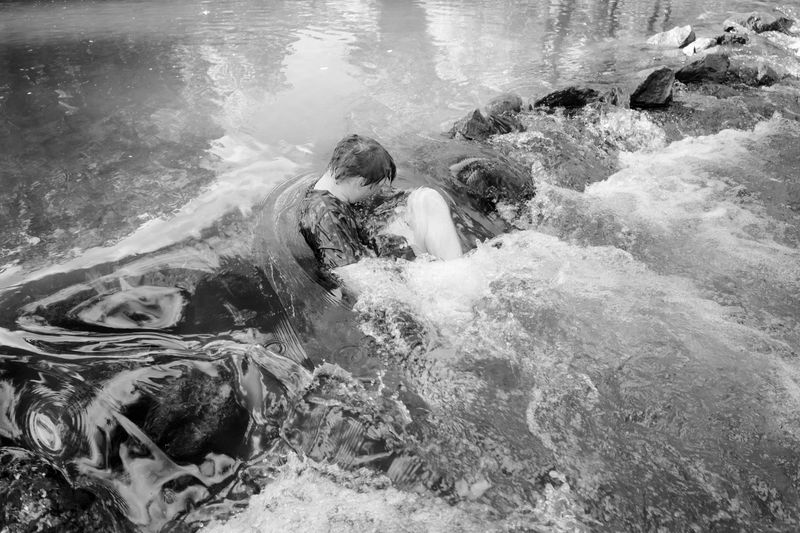
It begins with a picture of a boy crouched on the riverbed, in a place where the river slopes, a flurry of current running over the boy who is clad in shorts and a t-shirt, his face folded towards the water.
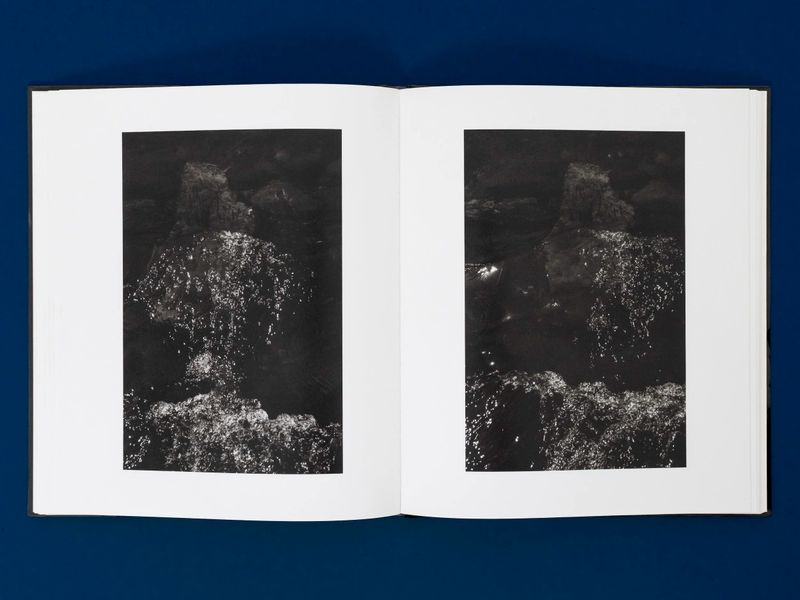
Go to the left of the picture and there is the smooth flow of water as it curves over a rock. It’s instantly recognisable, it’s part of our experience of the river, but as Robert Macfarlane points out, there’s no word for it.
There’s no word, but there is the sensory experience of it: the sight, the liminal sound of the flow that might be more imagined than real, the feel of the water as you put your hand onto it and interrupt the current. Down By The Hudson is a visual lexicon of these experiences of water.
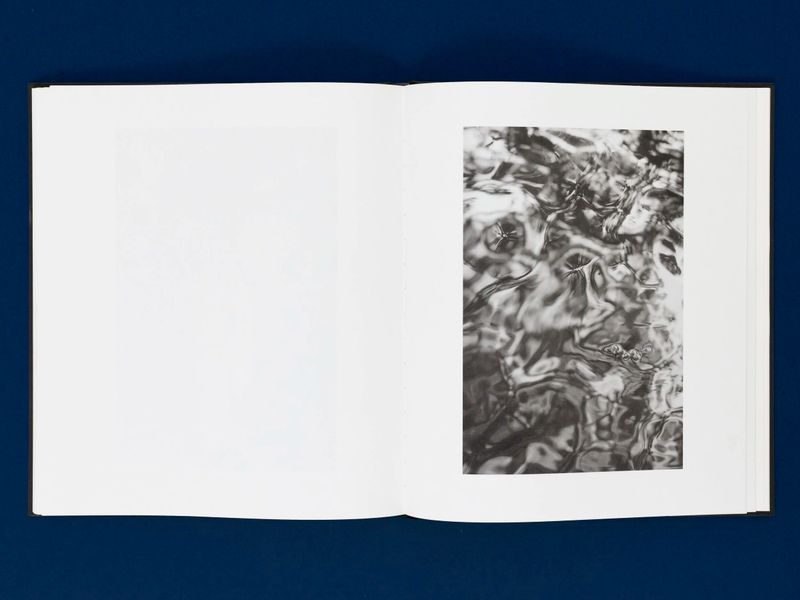
You see the same in the spread that comes later, of the sun shimmering on the rippled surface, an image partnered with the back of a young man standing over the water, his head in the end branches of a riverbank tree. That walk through foliage, the clamber down onto a soft bank and then the immersion and brisk shock of the water is one that transcends age, borders, and language.
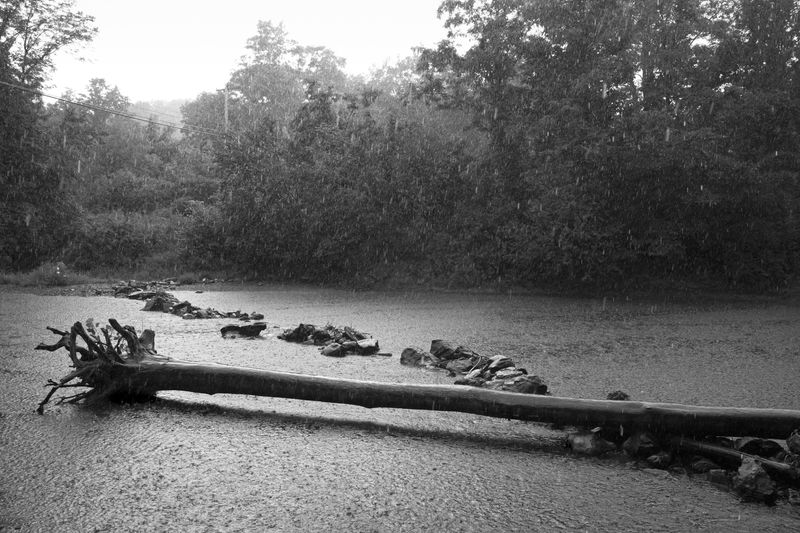
Move forward, and the weather turns bad, and the surface of the river is flicked by raindrops that explode on their summer stillness. It looks like a low river, a summer river starved of rain, once limpid but set to swell from the incoming raindrops that excite the river, that are a sight to watch and savour and wait to recede as the clouds clear and the water invites you in once again. Not that the rain is a deterrent for everyone, as you see in later images where the rain pounds those in the water, both from the drops falling from above and the ricochets of the heavy droplets falling on the face of the river.
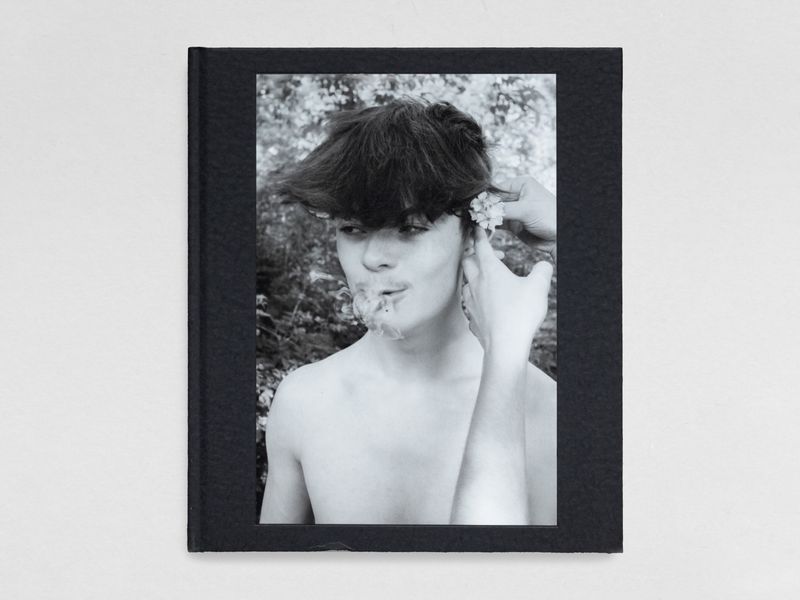
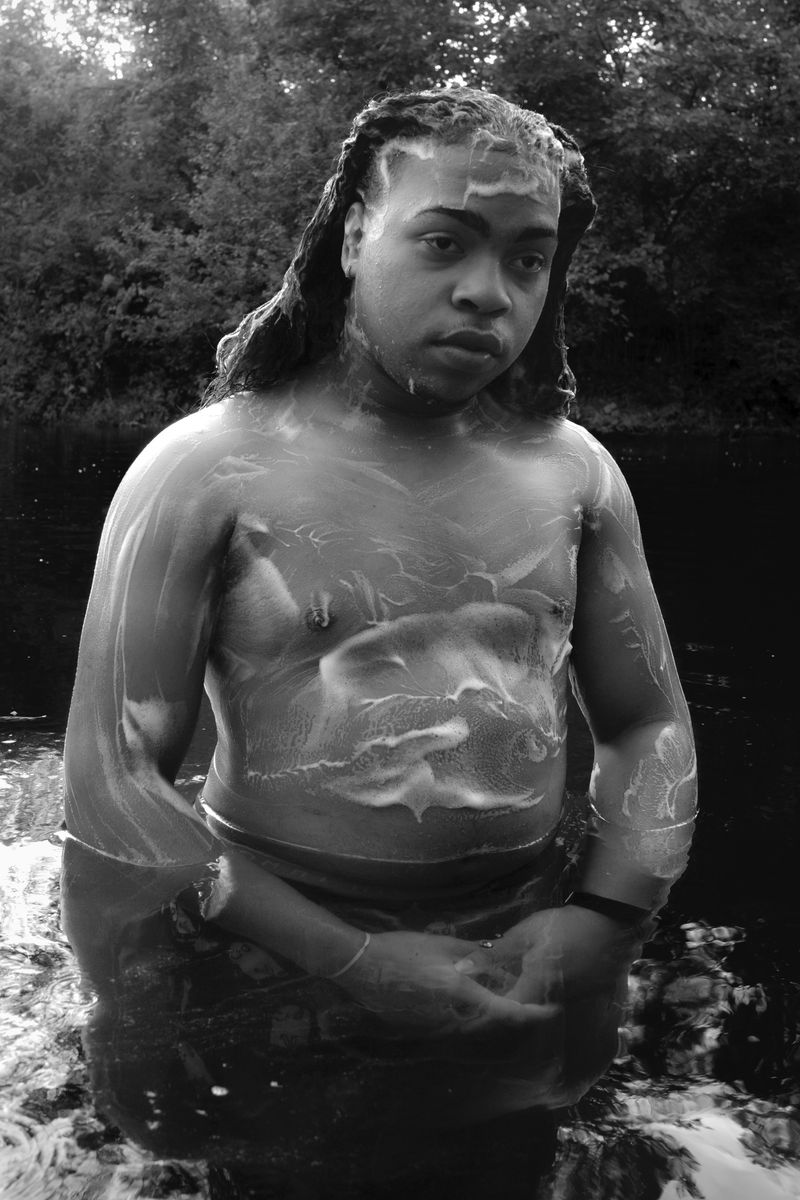
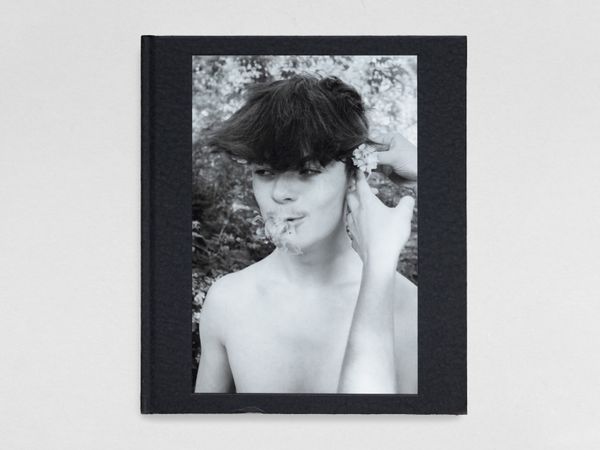
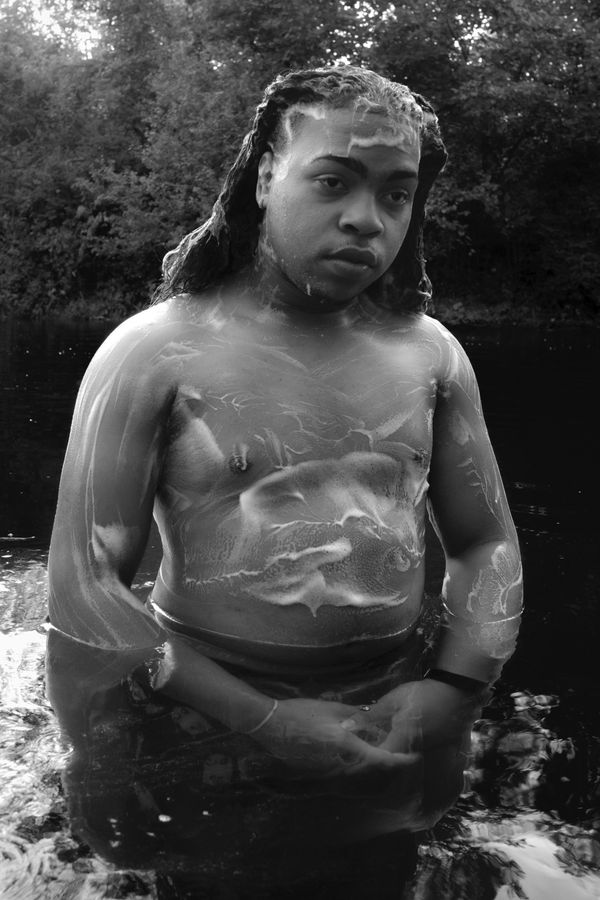
In this visual language of water in its many guises, its stillness, limpidity, sluggishness, and flow, we get the rituals of the people who partake of the river’s blessing; the floppy-haired boy releasing a stream of smoke, a flower in his hair, a young black man who stands in the water, his hands clasped beneath the surface, his solid body and hair lathered with suds smeared on his skin as he looks into the distances.
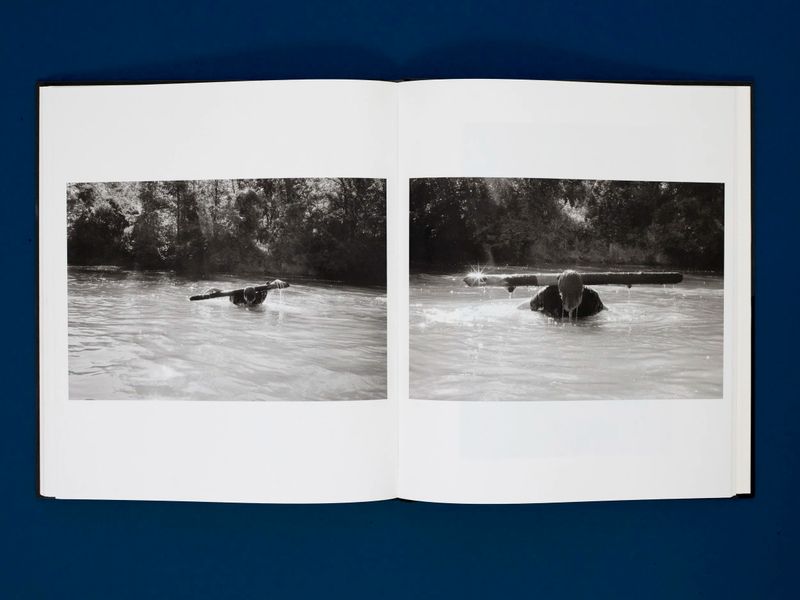
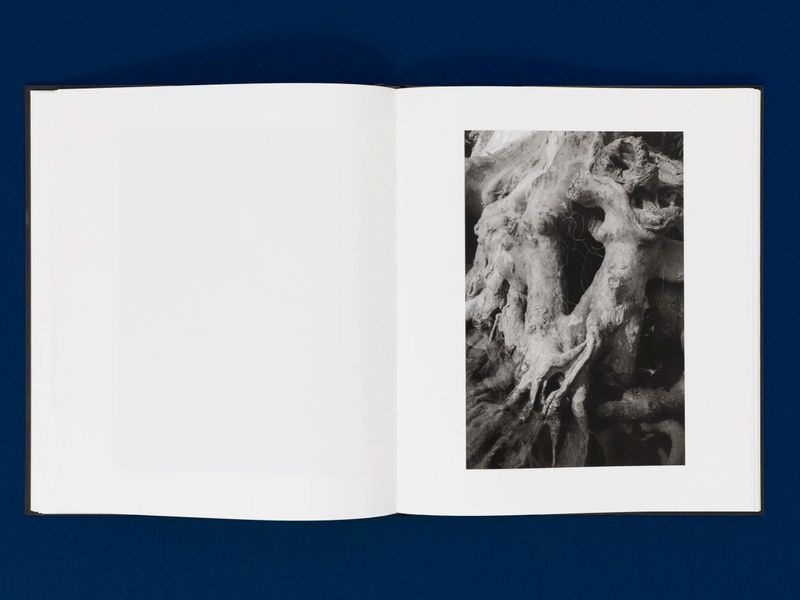
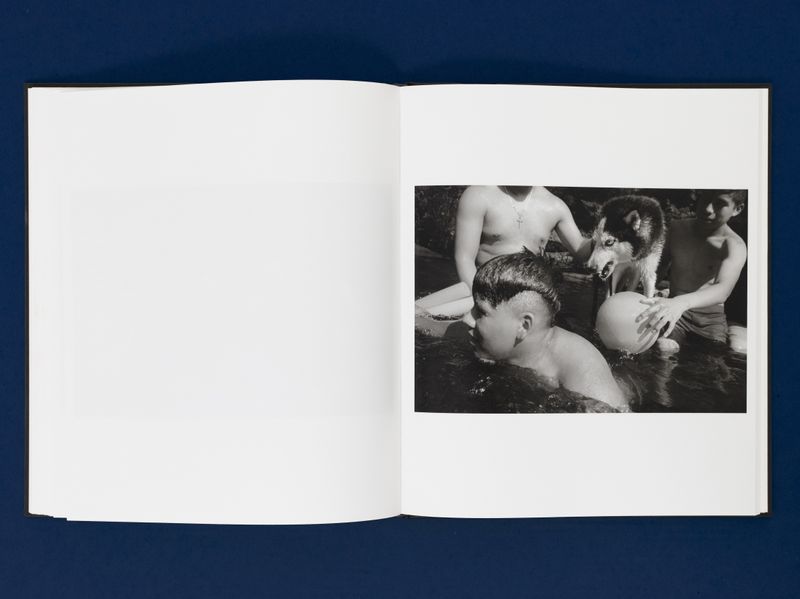
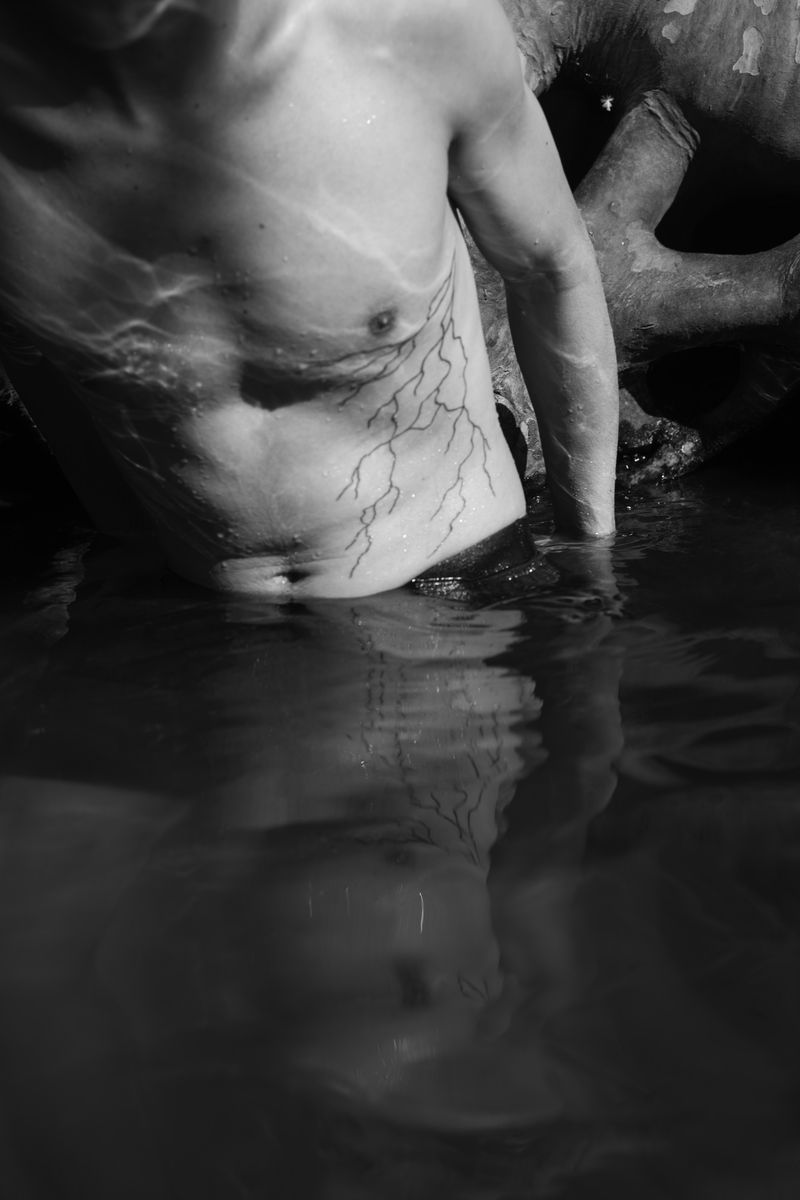
People gather by the river to socialise, to play, to fish, to connect with each other and the world around them. They bring their dogs, they show their tree root and frog tattoos, and they come to a river that has many moods. You see that in pairings where it is still as the proverbial mill pond on one side, the surface dotted with the summer debris of dead vegetation on flecks of foam, while in the other the current surges in waves as a young man braces himself on the river floor, one arm trailing as he marches waist-high upstream.
Move through the book, and a series of portraits appear and, from one of the many texts, we learn about Stein’s immersive approach to portraiture. This is a river he swims in and is part of, we learn, and perhaps that makes a difference.
‘Every photograph begins with a relationship,’ says Stein. ‘Some last years, others an afternoon. Each picture starts with a conversation and a simple ask: if I can make a photograph. I show examples of the work and talk about the context it lives in, in exhibitions, articles, and the book form… That part matters: it’s one thing to agree to a portrait and get a copy, but another to understand where the work might live.’
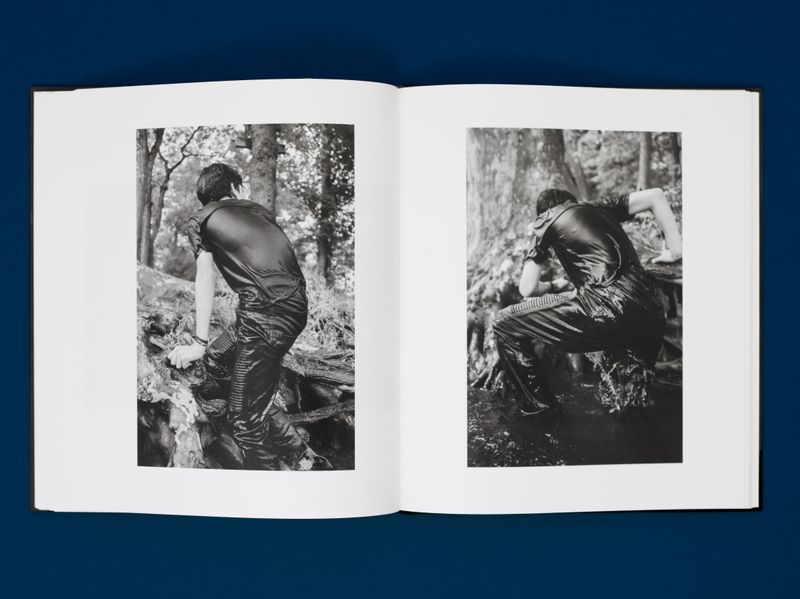
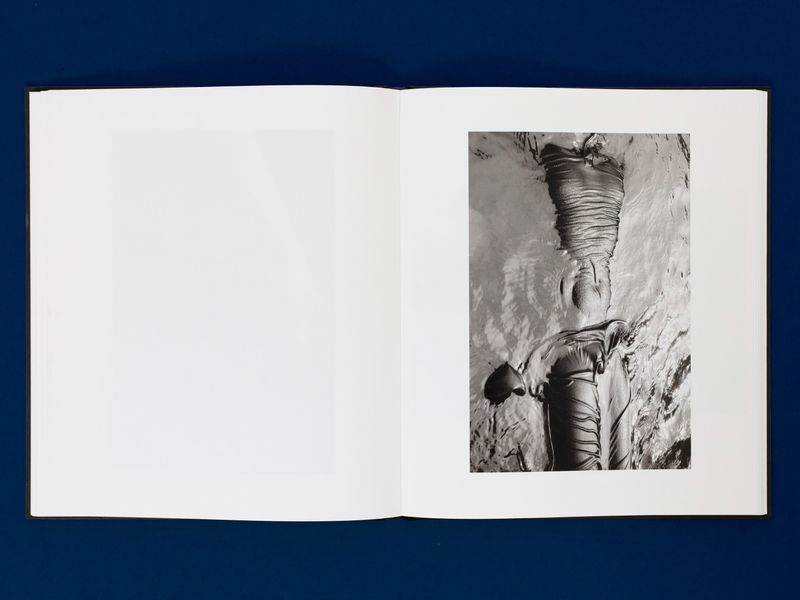
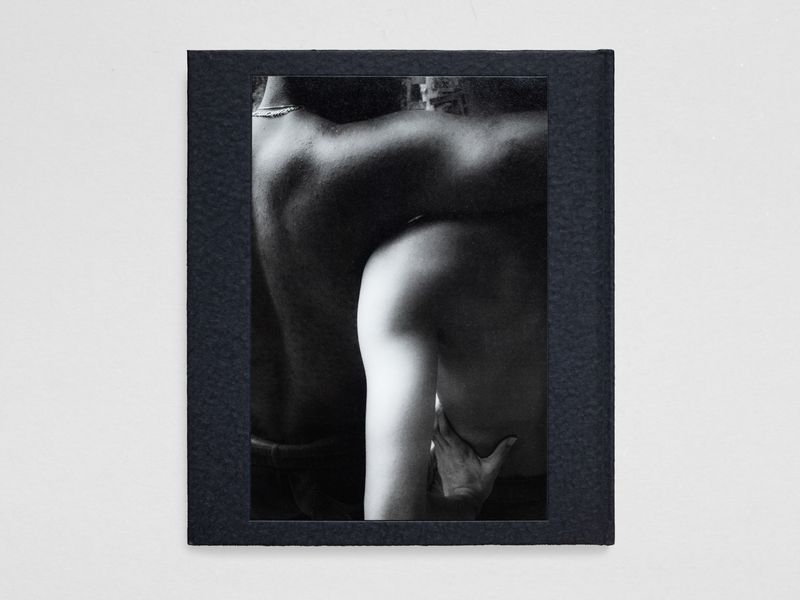
Stein believes the river is a place that allows masculine bravado to give way to tenderness. That tenderness is echoed in the textures that he photographs, the ways bodies and water and skin and dress all come together. One image shows a body lying in the water fully dressed, the t-shirt and tracksuit bottoms clinging to the skin, ripples of fabric gathered on the torso and the legs, half part of the world of water, half in the world of air.
There are many river books; Half-Story Half-Life by Raymonk Meeks, Fluvial by Tito Mouraz, Riverland by Marjolein Martinot are all fantastic books that feature the rituals, the flow, the life of the river. Down By The Hudson is a beautiful addition to that list, a textured view where there is the feeling of a return to a simpler time where the water is a place of peace and a bonding with nature, and a place where we once belonged.
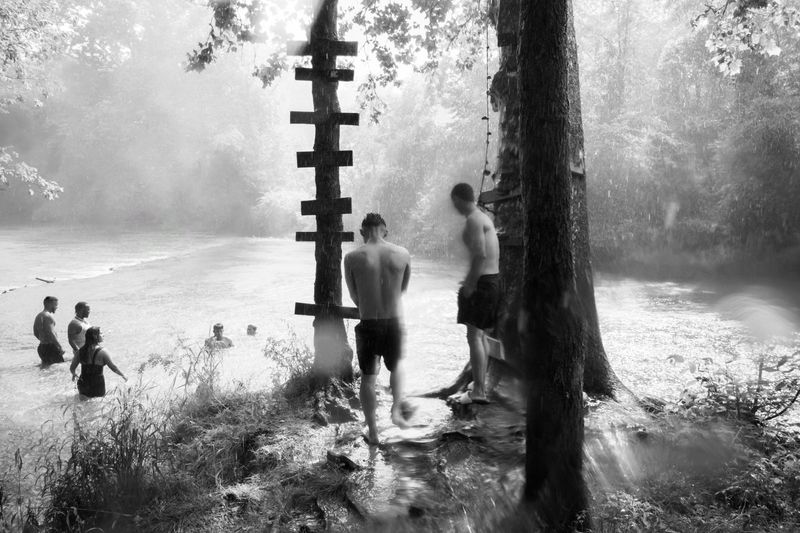
The book ends with an arcadian image of two young men standing by the impromptu ladder nailed to a riverside tree. A rope swing hangs, and the rain falls through the sunlight that appears. There are people in the water, there are people on the river bank. The rain falls, the leaves of the trees shimmy, the river flows. All is well with this world.
--------------
Down By The Hudson by Caleb Stein is published by Palo Press.
Edition: 1.500
ISBN-13: 979-8-218-93875-8
$72
--------------
All images © Caleb Stein
--------------
Caleb Stein (b. 1994, UK) is a multimedia artist currently based in the U.S. His conceptual, documentary work often takes the form of photographic installations, multi-channel video works, and artist books that engage with questions around the collective, community, and the relationship between photography, perception, and memory.
Colin Pantall is a photographer, writer, and lecturer based in Bath, England. His photography focuses on domestic environments and family, and includes his books Sofa Portraits, All Quiet on the Home Front, Sofa Portraits, and German Family Album, projects where the conflicting narratives of family, cultural, and political histories overlap with ideas of memory, the environment, and fragile documentary. He teaches on the Falmouth University Photography MA and runs independent online workshops linking contemporary photography to global, historical, and theoretical perspectives. Follow him on Instagram.
--------------
Caleb Stein will present his book Down By The Hudson at PhMuseum Lab in Bologna, Italy, on 5 November. Admission to the event is free. For more information, write to us at lab@phmuseum.com.