Last Year Recipients On Receiving The PhMuseum Women Photographers Grant
-
Published20 Oct 2026
-
Author
Sharing advice for prospective applicants, Verdiana Albano, Charlotte Yonga and Niharika Chauhan discuss how the grant strengthened trust in their research, and gave space to their personal histories and layered storytelling.
With the PhMuseum 2026 Women Photographers Grant accepting submissions until 22 October, we reached out to last year's prize recipients to hear about their experience and touch base on their current work.
What was the starting point for this particular body of work, and how would you describe your creative approach?
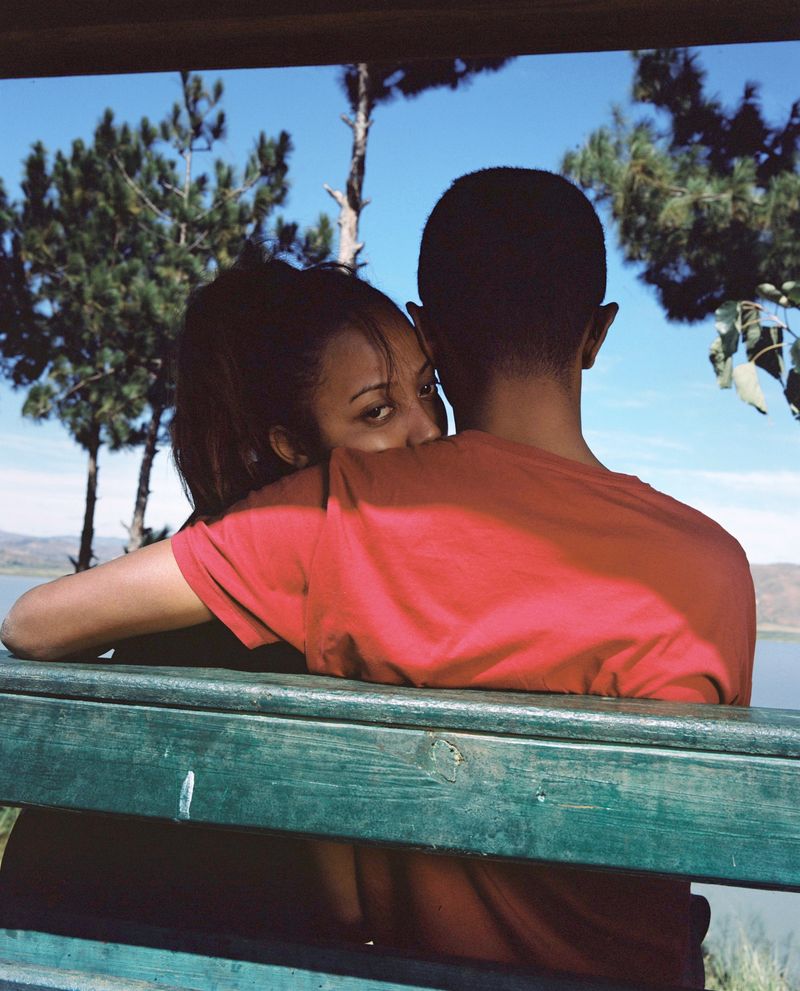
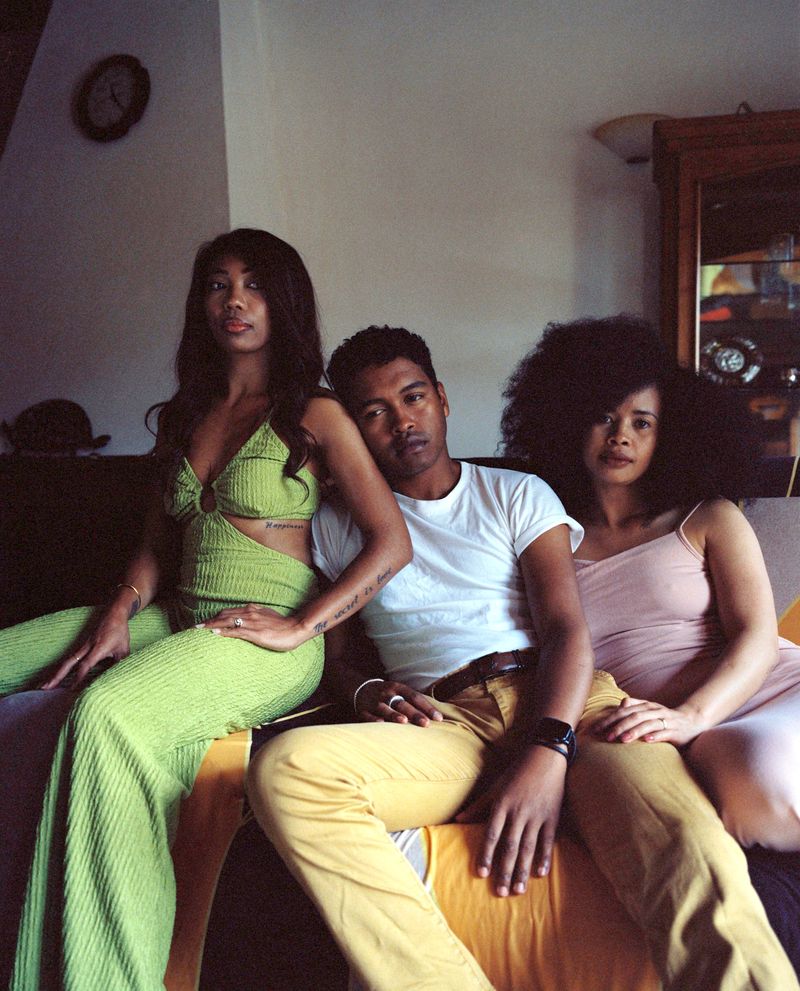
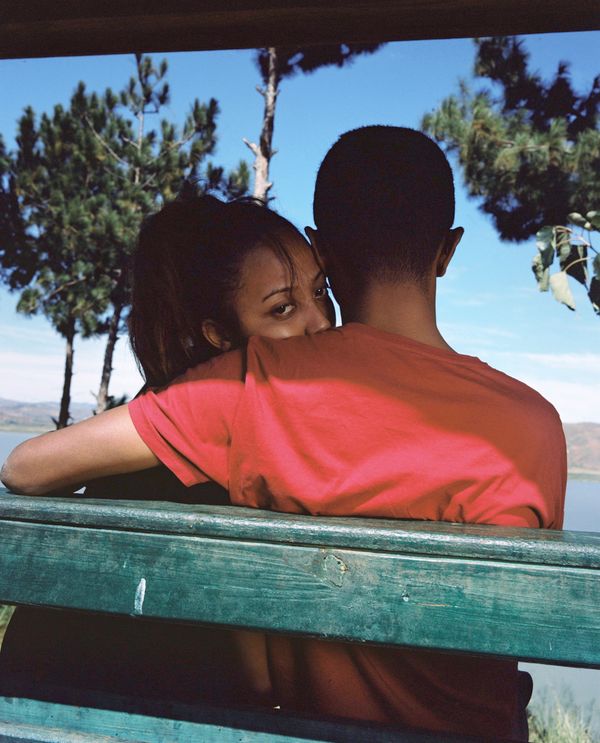
Charlotte Yonga: (Tsy) Possible began during a residency at Fondation H in Antananarivo, Madagascar. I arrived with the desire to continue a reflection already present in my previous series Naam Na La, made in Senegal, and Salt Wind, in Malta: exploring romantic love, friendship, family belonging, the bonds we build with others, and their complexities. My approach is quite simple and instinctive: the work develops through encounters, movements, and the attractions I may feel towards a person, a place, a particular light, or a situation. I invite people to pose, and something is built together. I work slowly. For me, photography is as much a way of looking as it is a way of entering into a relationship. I try to create a space for exchange, care and contemplation, where the image can emerge from what happens between us.
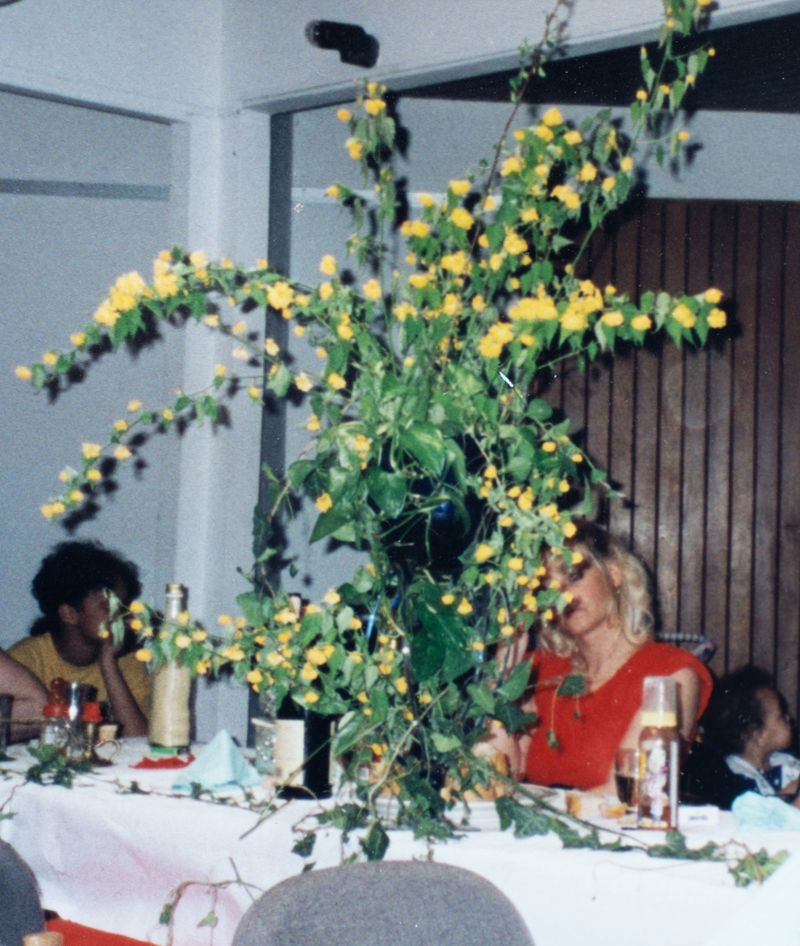
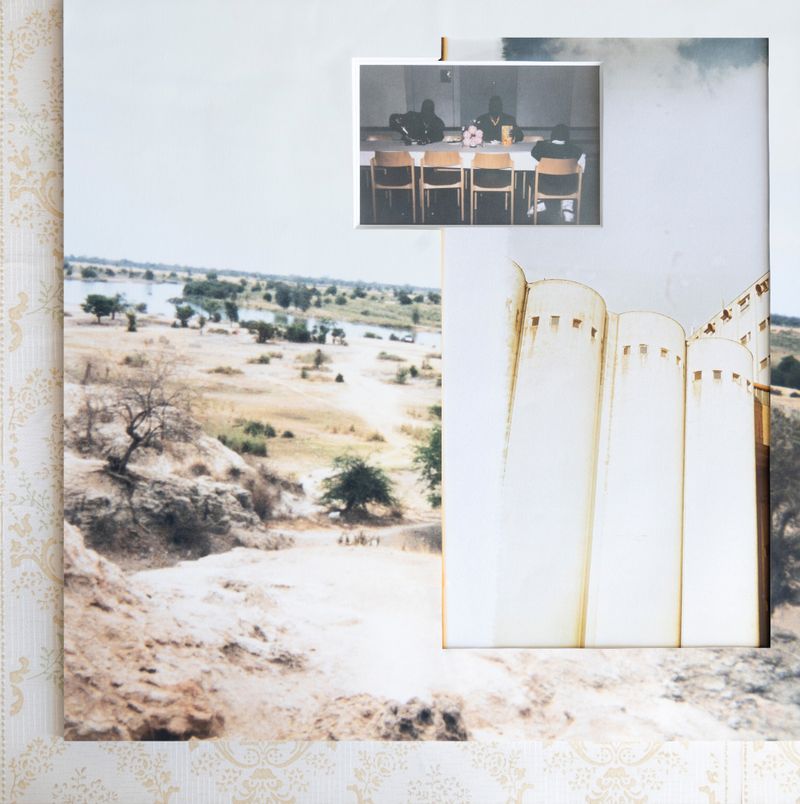
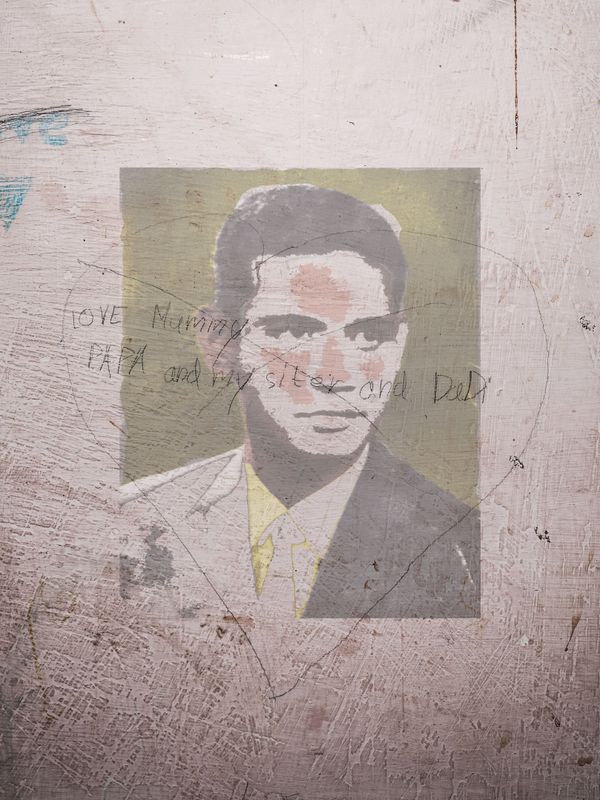
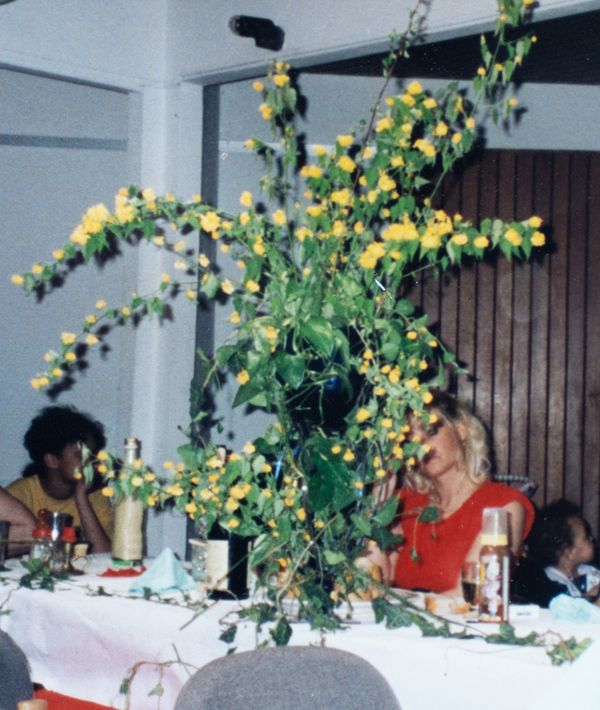
Verdiana Albano: When you are constantly asked where you come from, it makes you really think about it. The starting point of I Ain't From No East Coast was my parents’ story: my mother grew up in the GDR, and my father came from Angola as a contract worker. Their meeting belongs to a history of socialist exchange, but also to a very intimate history of love, family, and the abrupt changes around the fall of the wall in 1989. I began with our family archive and followed it into former factories, state archives, Afrogerman books and literature, and GDR everyday-life museums, some of which I visited with my brother. Our aim was to break narratives in visually speculating with historical fragments. The work moves between documentary photographs, staged scenes, collages, and objects. I try to let these materials speak to one another, including where they contradict each other or fall silent.
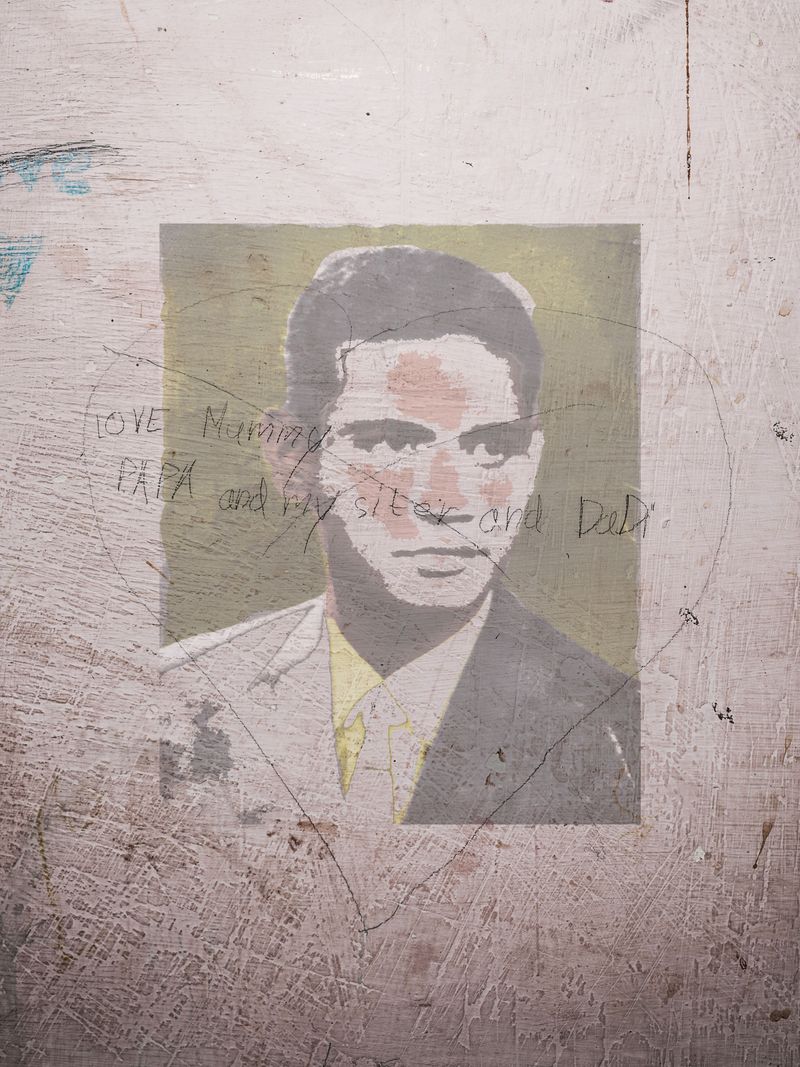
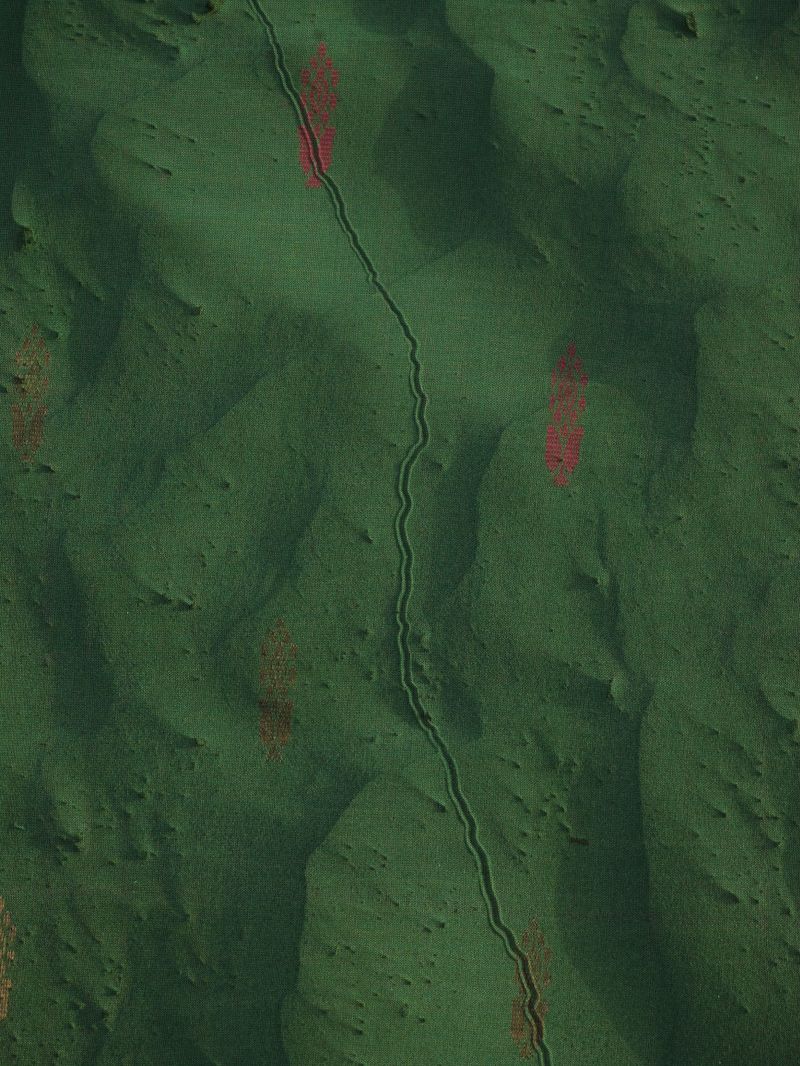
Niharika Chauhan: The starting point for Time Is A River was my family’s ancestral home in Shahpur, Uttar Pradesh, and my grandfather’s passing. The house had always been a place I associated with him, but after his death, returning to it made me notice how much the place around it had changed. The Yamuna, which runs alongside the village, had gradually shifted course and receded, becoming increasingly distant. I began photographing the house and the river almost instinctively, trying to understand what I was holding on to and what was already disappearing. Over time, I became interested in the different histories embedded in the landscape: the disappearance of the Sambar deer, sand mining, migration, and the ways caste and gender have shaped who gets to access and inhabit these spaces. My creative approach has been quite open and intuitive. I work with photography, but I also use archival material, family photographs, collage, film, printmaking and objects. The work develops through returning to the same places, collecting fragments, speaking to people, looking through family archives, and allowing unexpected connections to emerge. In many ways, the process mirrors memory itself. It is fragmented, layered and sometimes uncertain. I think of the project as an attempt to stay with a place long enough to notice its changes, and to understand what those changes mean.
What were some of the biggest challenges you encountered while developing your work, whether conceptual, practical, or personal? Did these difficulties change the way you approached the project?
Verdiana Albano: One of the hardest things was encountering my family in documents produced by a state. Those files record so much, while telling me very little about what it felt like to live through that time. I also did not want to turn my parents’ lives into illustrations of a political era. They have their own memories, and some things cannot be recovered through research. So I tried to focus more on what remains and what was given to the next generation. That made me stop asking the images to complete the story and start cutting, overlapping, and creating space between image layers, so that it became a way to show what I could know, what I could only imagine, and what remains out of reach.
Charlotte Yonga: One very concrete challenge was being on residency with my son. He was still young, and I had to find a balance between the work, travelling, meeting people, and being present for him. But what I initially imagined as a constraint sometimes produced the opposite effect: his presence facilitated certain encounters and created an immediate sense of closeness with the people we met. It also made me more open to what was happening rather than trying to control how the project unfolded. The conceptual challenge was to explore love without reducing it to an overly literal or romantic representation. In Madagascar, I discovered the Malagasy word Fitiavana, which resonated deeply with what I was looking for. It embraces a broader understanding of love, encompassing affection, friendship, family bonds, and care. This idea of love as something that circulates through different forms of connection allowed the project to open up naturally to relationships with people, but also with places, plants, animals, beliefs and the invisible.
Niharika Chauhan: One of the biggest challenges was not knowing what the project was going to become. In the beginning, it was simply an attempt to document my family’s ancestral house. The work slowly opened into other histories. At times, it was difficult to understand how all the threads could belong to the same work without forcing them together. There was also a personal difficulty in photographing a place that was tied so closely to loss and family memory. I had to learn when to step back from my own emotions and allow the place and the people around it to shape the work. Practically, I have accumulated thousands of photographs, family archives, recordings, objects and fragments of stories. Making sense of this material has been a slow process. These difficulties have ultimately changed my approach. I have become more interested in allowing the project to remain fragmented. I now see the gaps, repetitions and different voices within the work as part of its structure. The uncertainty has become important to the way I work.
How do you see the project evolving from this point onward? Are there any new directions you would like to explore as you continue developing or sharing it?
Niharika Chauhan: I see the project continuing to evolve rather than reaching a fixed conclusion. There is still a lot of material that I haven't fully understood or brought together. I am interested in spending more time with these fragments and thinking about what they reveal about memory and absence. At the same time, I have become increasingly interested in how the project can take physical form beyond the photographic image, making installations and objects that incorporate or respond to the photographs and to things I have encountered in the house. I also want to continue experimenting with film, printmaking and collage as ways of bringing different kinds of information into the work, and I am interested in finding ways for them to exist alongside the photographs and installations. I don't know exactly what the final form of the project will be, and I think that openness is important to me. What feels clear is that I want to keep expanding the language of the work while staying connected to the questions that first brought me to it: memory, place, loss and the ways a landscape changes with us and around us.
Charlotte Yonga: Since the PhMuseum Women Photographers Grant, part of (Tsy) Possible has been presented at the Rencontres d’Arles and published in several magazines and journals. Seeing the work exist in these different contexts has already changed the way I look at the project. I would like to continue exhibiting it and eventually return to Madagascar. I never really consider a series to be finished. I am interested in the possibility of meeting new people, discovering new places and forming new connections over time, allowing the project to continue evolving. I would also like to turn it into a book, where the photographs could enter into dialogue with my drawings, and perhaps with texts or other fragments. I like the idea that the same work can exist differently on a wall, in a publication, or in someone’s hands.
Verdiana Albano: Photography is continuously moving and living. Each time this series is installed, the photographs, furniture, and objects enter into slightly different relationships. A table or a piece of wallpaper can carry a memory just as much as a motif can. Currently I am extending my thoughts on the forms of the passe-partout’s cutouts on the one hand. On the other hand, I dive into alternative image supports as a possibility to reline the motif with a specific piece of furniture. This furniture carries its own history, from the design to its use as an everyday object – sometimes longer than I am alive – and I wonder how this aura influences the motif.
The term “female gaze” is frequently discussed in photographic discourse. How do you understand or relate to this idea? What advice would you give to the next generation of female and non-binary photographers working to define their own voice within the field?
Charlotte Yonga: I see the female gaze first and foremost as a way of multiplying perspectives and forms of expression within photography. Does this mean that there is a female gaze fundamentally different from a male gaze? I prefer to leave that question open. But I am convinced that we never photograph from a neutral position. My gender, my skin colour, my history, my age, the fact that I am a mother: all of these things affect the way I approach my subjects, but also the way they look at me and whether or not they agree to be photographed. Perhaps it is this reciprocity that interests me most. To female and non-binary photographers who are starting out, I would say: follow what attracts you, even when it feels fragile, strange, intimate, or already photographed a thousand times. Our tastes are made of influences, contradictions, obsessions and personal experiences. We have to work with them. Despite the overwhelming number of images that already exist, I believe there is still an enormous amount to observe, because the world changes, but also because every position from which we look at it is different.
Verdiana Albano: The term “female gaze” can be useful when it opens a conversation about power: who holds the camera, who is represented, and who gets to look back. I hesitate, though, when it suggests that women share a single way of seeing. Black feminist voices have challenged this idea since the earliest women’s rights movements, pointing out that race, class, and other lived conditions shape both how we see and how we are seen. My own perspective is, for example, shaped by my Afropean family history, my parents’ professions, privileges, as well as by gender. I would tell younger female and non-binary lens-based artists to stay with the questions that keep returning, even when they do not fit what the field expects. Be curious about your own perspective, give yourself room to experiment, and speak up for yourself and the work you want to make. You do not need to arrive with a fully formed voice. It takes shape as you look, research, change your mind, and find people with whom you can think aloud.
Niharika Chauhan: I do believe there is such a thing as the female gaze, but I don't think it is necessarily limited to a woman's perspective. For me, it is more about a shift in where we look from and what we allow ourselves to notice. It can bring attention to things that are often overlooked because they are considered too small, domestic, peripheral, or ordinary. I have been thinking about this through writers like Eve Kosofsky Sedgwick, particularly her writing on gender, power, and the relationships between different forms of looking and desire. What interests me is the way these structures can change depending on who is looking, who is being looked at, and what is considered important enough to be seen. This has become particularly interesting to me through the family album in Time Is a River. It isn't simply about replacing one perspective with another. It can be about noticing what has been pushed to the edges and understanding that those quieter details can tell us something about power, gender and the way a society is organised. Sometimes the most revealing things are not the ones that are placed at the centre. For younger female and non-binary photographers, I would say to give yourself time to develop a way of looking rather than feeling pressured to define a voice immediately. I spent many years working with photography before I understood what I wanted to say through it. I think your perspective develops through the things you keep noticing, the questions you keep returning to and the details that continue to stay with you. I would also encourage people to look beyond what they are expected to photograph. Pay attention to what sits around the obvious subject, what is missing from the frame, and what might seem insignificant at first. Sometimes your voice is already there in what you choose to notice.
How do you interpret the increased presence of female and non-binary artists within exhibitions and award circuits? Do you feel this fosters a genuine space for critical exchange, or does it risk remaining merely symbolic?
Charlotte Yonga: When I was at art school, young women were already very numerous, often even the majority among students. Yet they were far less visible later on, in lasting artistic careers, on the art market, or within certain institutions. We were made aware of this reality from the very beginning of our studies, as though it were simply a norm we had to accept. So I think something important is happening today. It is not simply about making women more visible, but about enabling them to build lasting careers despite obstacles such as motherhood and family responsibilities, economic inequalities, access to professional networks, representation, collections, or simply the time needed to produce work. Of course, representation can remain symbolic if it becomes an end in itself. What interests me is what happens afterwards: which works are shown, which conversations they generate, and which histories of art they displace, deconstruct or expand. This broader presence does not only change who is visible; it can also change what we look at and how we look at it.
Niharika Chauhan: I think it is important, and I have personally felt the difference that these opportunities can make. Receiving this grant, for example, gave me a sense that the work I had been developing for several years was being seen and taken seriously. For an artist, that kind of recognition can give you the time, confidence and support to continue working. At the same time, I think I have become more interested in what happens beyond representation. The more important question is whether there is a genuine engagement with the work. Are we being given the space to speak about what we are making, and to allow the work to be understood on its own terms? I also don't think female and non-binary artists should have to make work about gender or identity simply because of who they are. I have often felt that there is a tendency to read a woman's work through her identity before looking at the work itself. For me, that can sometimes become another kind of limitation. My own practice has inevitably been shaped by my experience as a woman, but it has also grown out of family, place, memory, ecology, caste, migration and the particular histories I have encountered. These things overlap in complicated ways. I would want the space given to my work to allow those connections to exist rather than reducing it to the fact that I am a female artist. Representation can be a starting point, but it becomes meaningful when it leads to deeper conversations and a real investment in the artist's practice. The next generation should have the freedom and support to develop their work, take risks, change their minds, and be taken seriously for the complexity of what they are trying to say.
Verdiana Albano: It changes what audiences can encounter, and that matters. But visibility can be brief. I am interested in what makes it sustainable: lasting changes in who sits on juries, who makes curatorial decisions, who receives the time and resources to develop new work, and whose histories become part of collections and teaching. I see this increased presence as a beginning we can build on.
What made you decide to apply for the PhMuseum Women Photographers Grant? Was there a particular moment when you felt this work was ready to be shared in that context?
Verdiana Albano: Actually, on my first and so far only visit to New York City, I was passing through on a trip supported by a travel grant when I had the chance to see work by Diana Markosian. Since then, it has stayed with me. When I later saw her name on the jury, it had caught my interest and I talked about it with my good friends and colleagues who were preparing submissions too; those conversations encouraged me to give it a try. Big thanks and a shout-out to my ladies!
Charlotte Yonga: I had known about the PhMuseum Women Photographers Grant for a long time and had often thought about applying. I followed the grant and really appreciated many of the selected projects, so being recognised in that context meant a great deal to me. With this series, I felt something different. The work seemed more coherent and resolved than some of my previous projects, both in its form and in what it was trying to convey. I felt the images were beginning to hold together and produce something beyond each individual photograph. I didn’t know whether it would be selected, but I felt the project was ready to leave my workspace and be confronted with other perspectives.
Niharika Chauhan: I applied because I found it quite difficult to find opportunities that felt relevant to both my position as a woman photographer and the way I was developing this work. There are already relatively few grants specifically supporting women, and within photography, there are even fewer spaces that seem open to projects that move beyond a more conventional form of documentary photography. I had been following the kind of work the PhMuseum Women Photographers Grant was supporting and noticed that it was open to practices where photography could exist alongside other forms. I was also encouraged by seeing artists like Cheryl Mukherji and Pretika Menon being supported by the grant. I really admire their work, and seeing their practices within that space gave me confidence that my own work could also have a place there. It made the decision to apply feel much more natural. I felt that my work had reached a point where I was ready to let it be seen outside of my own process. I think that was ultimately what made me apply. I was looking for a space that could recognise where the work was at that moment and allow me to continue developing it.
When you found out that your work had been selected for the grant, how did that recognition affect the trust you place in your photographic research? Has it changed the way you look at the work or at your own position as an artist?
Niharika Chauhan: I felt a huge sense of relief and excitement. Having someone outside of my immediate circle recognise the work gave me a sense of reassurance that the questions I had been spending so much time with were reaching beyond my own experience. It definitely strengthened my trust in my research and in the slower way in which the project had developed. I tend to work quite intuitively. I collect things, photograph things, follow stories and questions, and sometimes only understand their significance much later. The recognition made me more comfortable with that process. It reminded me that I don't always need to understand everything at the moment I encounter it for it to have a place within the work. It also changed the way I look at myself as an artist. The grant made me feel that I was beginning to move from simply working with photography towards developing a practice that was genuinely my own. The recognition gave me more confidence to keep following the things that felt important to me, even when they didn't immediately make sense or fit neatly into one category. The project is still evolving, and I think the grant made me more comfortable with that uncertainty rather than making me feel that I now had to prove something.
Charlotte Yonga: Being selected made me very happy. It came as an encouragement and a source of reassurance. When you work on a project for a long time, you spend a great deal of time alone with your images, and it can become difficult to know what they can produce beyond yourself. The recognition allowed me to see the potential of the work differently and imagine its future more concretely: an exhibition, a book, new encounters, perhaps a return to Madagascar. The project almost began to have a life of its own, independent of me. It also reminded me that artistic confidence is not a permanent state. It builds, sometimes disappears, and comes back. External recognition can help, but it does not replace the need to keep searching.
Verdiana Albano: This was the first work I made that felt so personal and showed photographs that were opening up a real private part of my story. Sharing those images publicly was a big step and felt vulnerable. To have the work recognised in this way was, of course, wonderful, and the award has had a positive effect on my family too. It gave me more confidence to continue working with material so close to home. Also, it means a great deal to me that this recognition brings more attention to Afrogerman history and community. These stories are part of Germany’s history, and I am glad the work has helped more people encounter them next to the books and literature that is already existing.
What advice would you give to someone thinking about applying? Is there anything you wish you had known when you were preparing your own application?
Charlotte Yonga: I would say: approach your work with tenderness and conviction, and try to look at it honestly without becoming your own constant judge. Apply to several open calls and don’t interpret rejection as a verdict on the work. A jury is a particular encounter between a project, a few people, and a specific moment. The same work can resonate very differently in another context. I have also learned that preparing an application is already a way of working on the project. Choosing and sequencing images and finding the words to describe what you are looking for creates a useful distance from your own work. And perhaps most importantly: don’t wait until you feel completely ready. I’m not sure that moment ever really exists.
Verdiana Albano: I wish I had understood sooner that a project can be ready to share even as it continues to change. You do not have to know its final form to say something meaningful about it. Keep talking to other artists, curators, and people in your community along the way. Those exchanges can be just as valuable as the application itself. Give people enough context to enter it, then leave room for their own discoveries.
Niharika Chauhan: I would say to apply even if you don't feel completely ready. I think if I had waited until I felt I had completely understood the project, I might not have applied at all. One thing I found difficult was putting a project that had developed very intuitively into a short application. I had to step back and ask myself what was really at the centre of the work, rather than trying to explain everything I had done. I also think it is important to be honest about where the work is. You don't have to make it sound more resolved than it is. Make the application from where you actually are in your practice, rather than from where you think you are supposed to be: I would not try too hard to make your work fit what you think a grant wants to see. The application itself can also be useful. Even if you don't know where it will lead, that process of looking at your own work from a little distance is valuable.
--
The PhMuseum 2026 Women Photographers Grant is currently open for submissions. Its aim is to empower the work and careers of female and non-binary professionals of all ages and from all countries working in diverse areas of photography. To learn more and apply, visit phmuseum.com/w26. Extended Deadline: 22 October