CRITICAE 2026/27
Online Masterclass On Documentary Photography
Led by
Aaron
Schuman
- Where Online
- When October 2026 to May 2027
- Language English
- Seats 13 +1 Scholarship
- Dedication 8 Months
- Fee Early Bird €1,850 – Regular €2,200
Overview
Expand your critical documentary strategies
How do we negotiate and navigate our relationship with the medium, in a time when nearly everyone is empowered to tell their own stories with a camera? In an increasingly confusing, hyper-individualized post-truth era blurring fact and fiction, entertainment and propaganda, how do we convey stories that are genuinely thoughtful and meaningful for both ourselves and others?
Led by internationally renowned photographer, writer, curator, and educator Aaron Schuman, this 8-month program will guide you to expand your creative practice and research methods. Its goal is to lead you to complete a personal project, while refining your photographic voice, your relationship with the medium, and your own critical documentary strategies.
Alternating between collective and individual meetings, you will be invited to explore the complex relationship between personal curiosity, creativity, research methods, and critical thinking. While questioning documentary histories and traditions, you will experiment with, and further evolve the possibilities of the medium through your own work.
Head professor
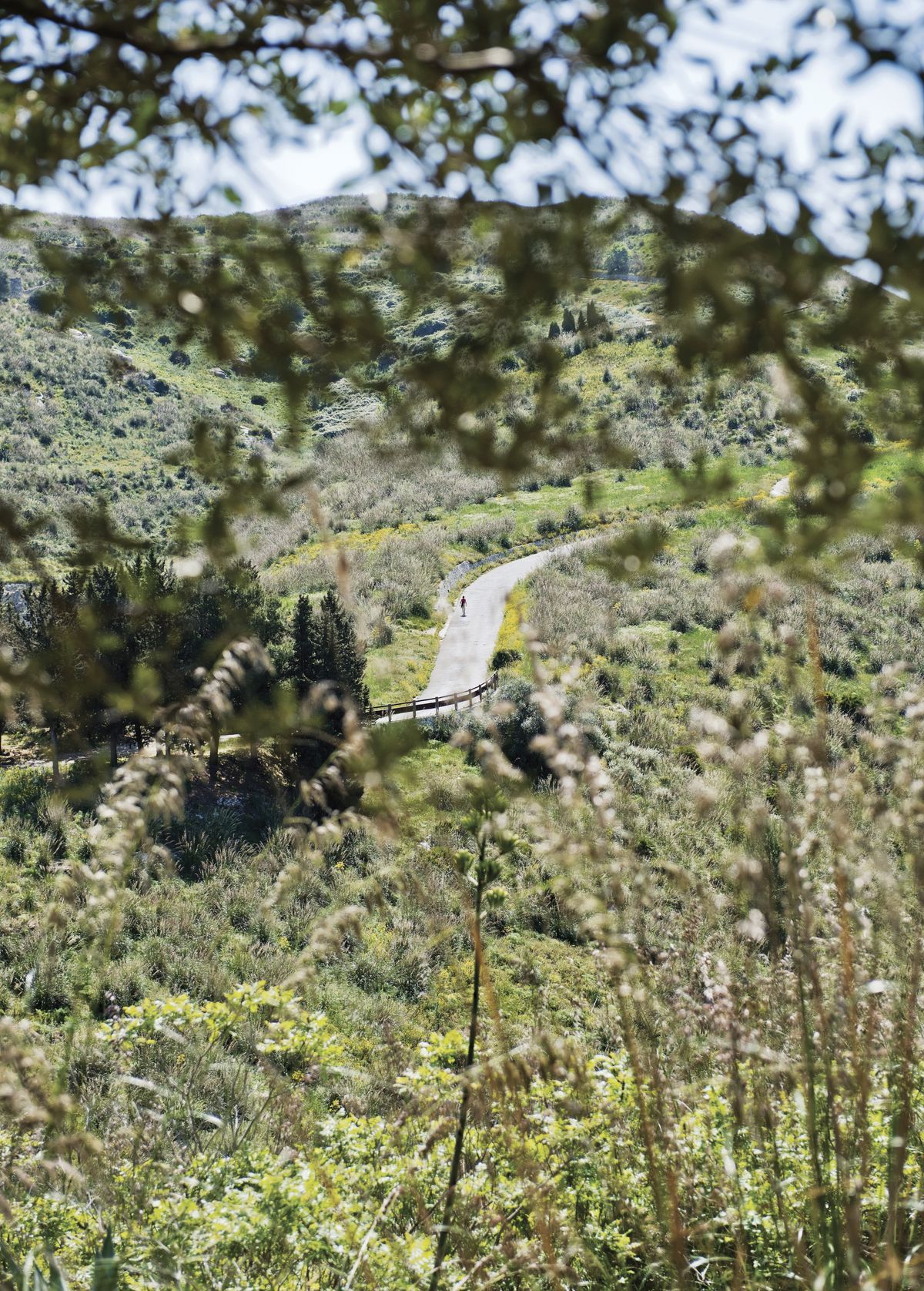
Aaron Schuman
Aaron Schuman is an American photographer, writer, curator and educator based in the United Kingdom. He is the author of several critically acclaimed photographic photobooks including: Passacör (Witty Books, 2025), Heft (GRAIN Projects, 2025), Sonata (MACK, 2022); Slant (MACK, 2019), and FOLK (NB Books, 2016). His work has been exhibited internationally and is held in many public and private collections.
In addition to his own photographic work, Schuman has contributed essays, interviews, texts and photographs to many other books and monographs. He also writes and photographs for a wide variety of magazines and publications, such as Aperture, Frieze, Foam, ArtReview, TIME, Magnum Online, Granta, Hotshoe, Hapax, 1000 Words, The British Journal of Photography and more. Schuman has curated several major international festivals including JaipurPhoto Festival, Krakow Photomonth, and FotoFest Biennial, as well as exhibitions for institutions such as FOMU Antwerp and The Royal Photographic Society. He was the founder and editor of the online photography journal, SeeSaw Magazine (2004-2014), and is Associate Professor of Photography & Visual Culture at the University of the West of England (UWE Bristol).
PROGRAM STRUCTURE
8 Group Sessions
These collective critique sessions provide a space to share your progress and questions with both the class and the head professor, and exchange ideas. They are the foundation to build a long-lasting community within the group, as they open up relevant conversations that often continue beyond the meeting. Each participant has a scheduled time to present their work, followed by feedback and discussion.
3 One-on-One Sessions
The 30-minute individual mentoring sessions provide dedicated time for in-depth discussion with Aaron Schuman, focused on refining your ideas and enhancing your methodology. Spread throughout the program, sessions are tailored to your specific needs, with the flexibility to book the time slot that best fits your schedule.
4 Seminars
Aaron Schuman’s seminars consider and question documentary histories and traditions, while exploring diverse visual and narrative strategies spanning the idiosyncratic and the collaborative, the philosophical and the intuitive, the emotional and the analytical, the personal and the universal. The first seminar will delve in the definition of documentary photography across fact, (non)-fiction, subjectivity and speculation. The second lecture will broaden your understanding of what research can be, and how it can activate your practice. The last two seminars will reflect on dissemination, from the relationship with the audience, to finding the right forms and contexts for your work.
10 Online Studio Visits
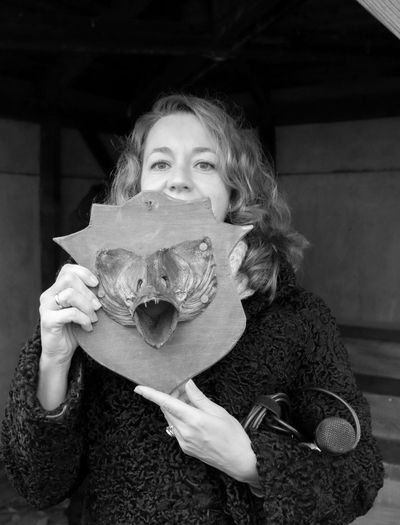
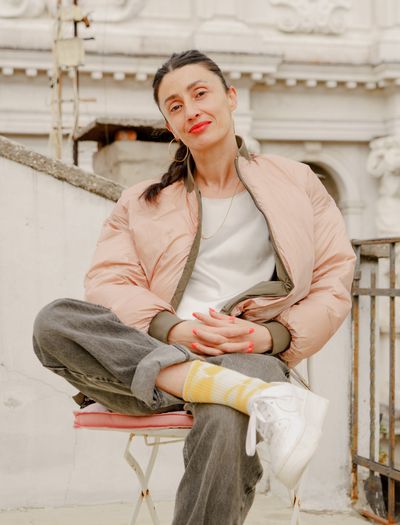
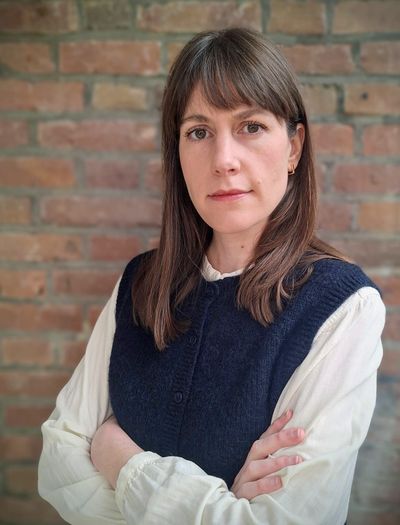
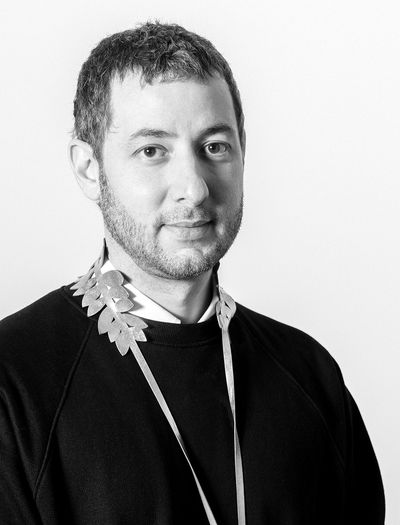
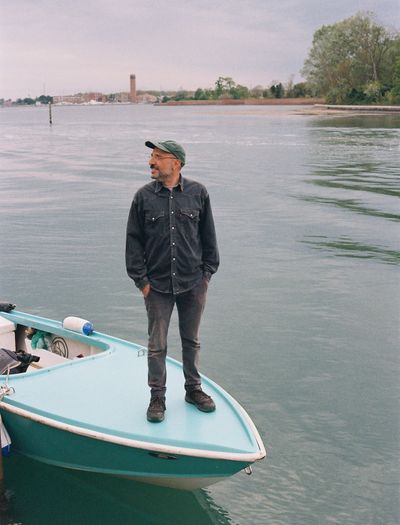
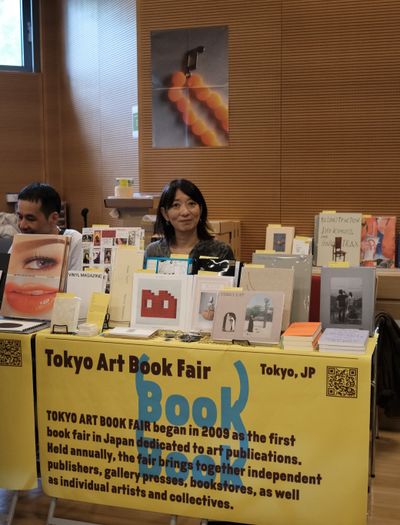
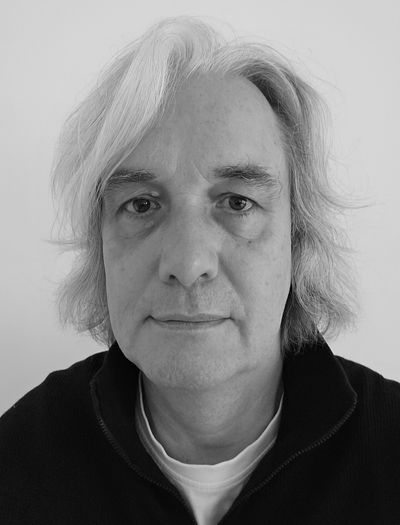
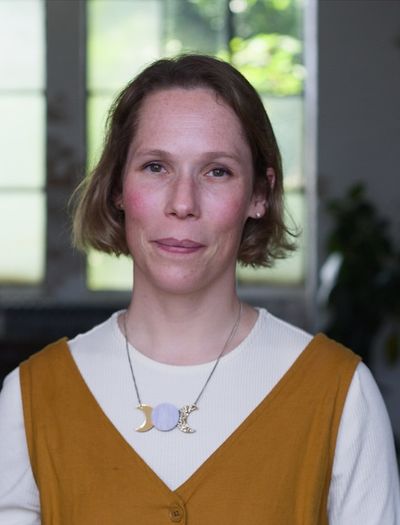
To grant you industry insight and foster cross-disciplinary exchange, we have invited expert practitioners to host 10 online studio visits. You will meet artists, curators, designers, editors and art directors and develop a deeper understanding of their production, methodology, and professional roles. Lectures are always followed by an open Q&A, providing space for direct conversation. Studio visits are shared across PhMuseum’s five masterclasses, bringing participants from different programs to meet each other and engage in a broader range of topics.
Past editions lecturers include: Jörg M. Colberg, Lisa Barnard, Natasha Christia, Niccolò Fano, Vasantha Yogananthan, Hoda Afshar, Magali Avezou, Peggy Sue Amison, Sofia Borges, Taco Hidde Bakker, Chao Tayiana Maina, Jan Hoek, Laia Abril, Mathieu Asselin, Thomas Sauvin, Amak Mahmoodian, Bindi Vora, Julie Bonzon, Monica Allende, Sybren Kuiper, Geert Goiris, Lea Vene, Melissa Catanese, Celeste Baracchi, Flavia Parisi, Giuliana Benassi, Luca Santese, Tristan Lund, Vasco Forconi, Elisa Medde, Federico Clavarino, Jon Uriarte, Lars Willumeit, Sayuri Ichida, Silvia Rosi, Alain Bieber, Anne van der Zwaag, Annegien van Doorn, Barbara Hofmann-Johnson, Claudia Kussel, Ami Beckmann, Fragmentin, Francesco Zanot, Jean-Vincent Simonet, Paolo Cirio, Tanvi Mishra, Jackson Whitefield, Brian Paul Lamotte, Max Houghton, Olivia Gideon-Thomson, Renée Mussai, Simon Gush, and Thomas Struth.
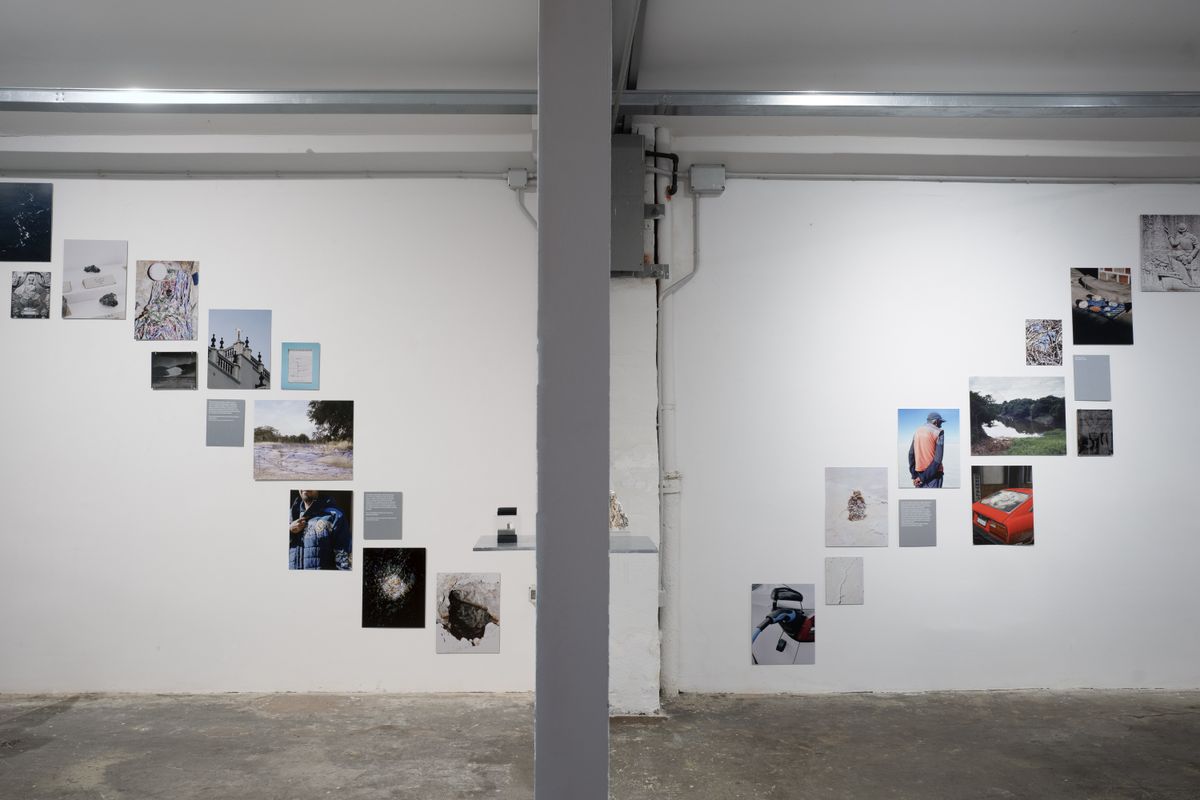
Studio visits
Alumni
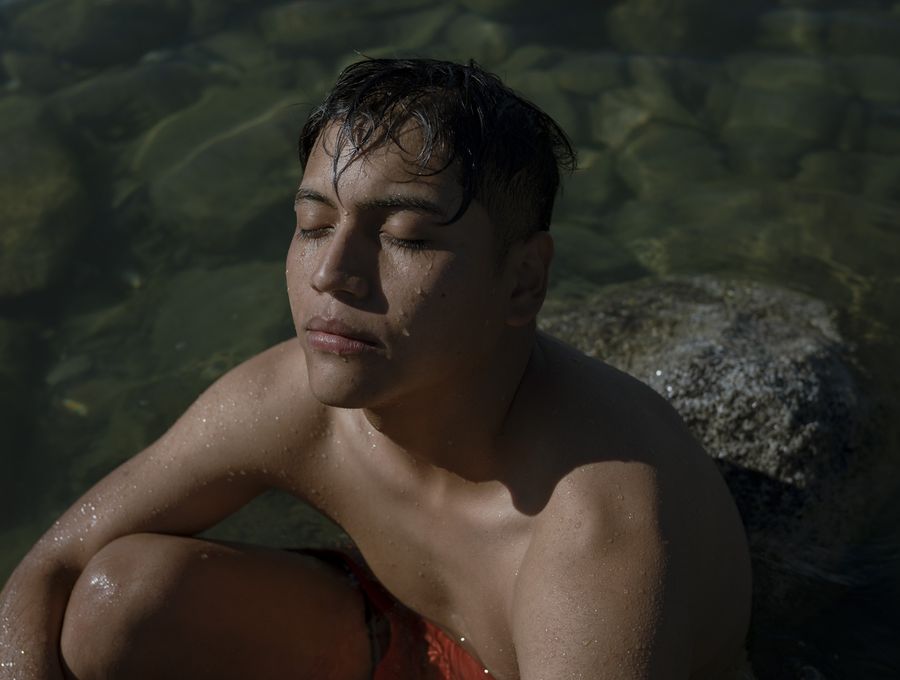
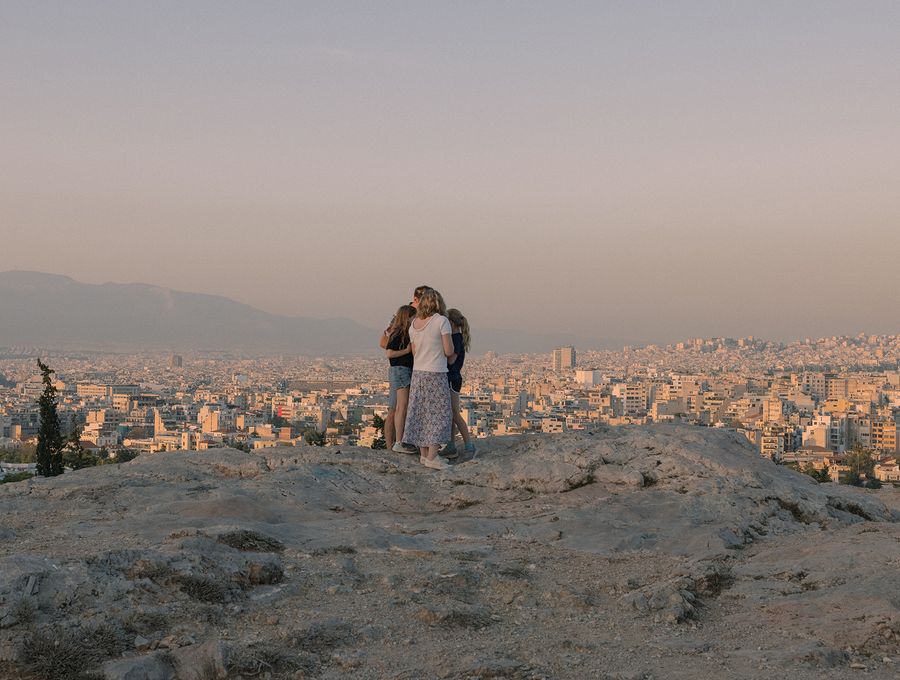
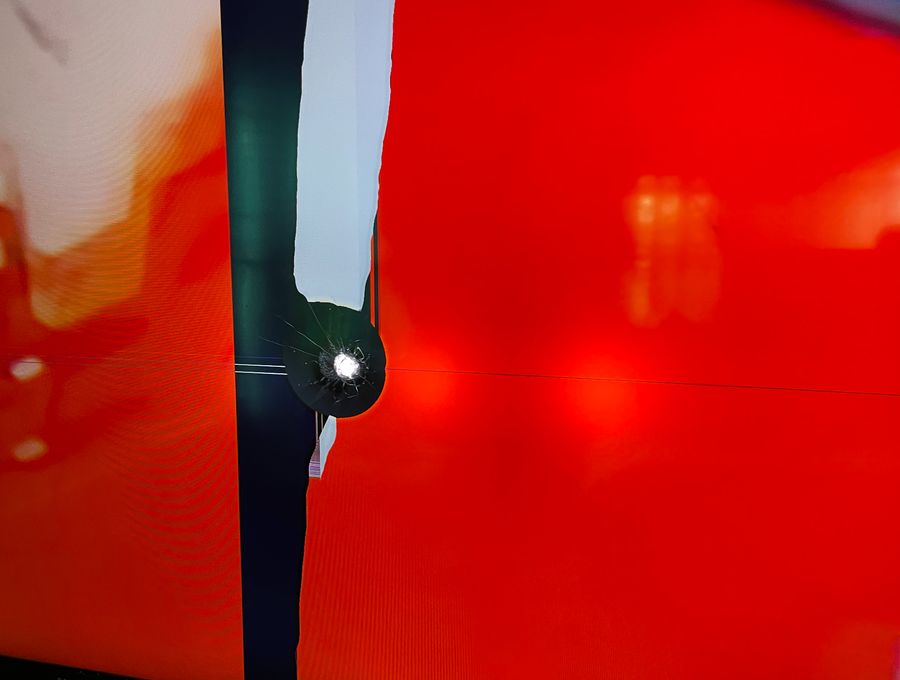
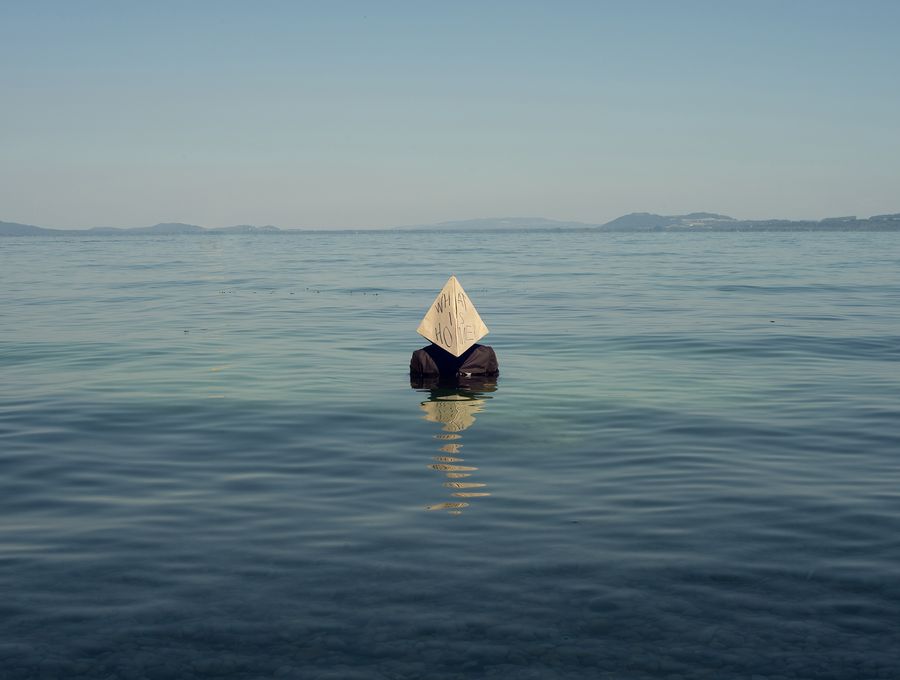
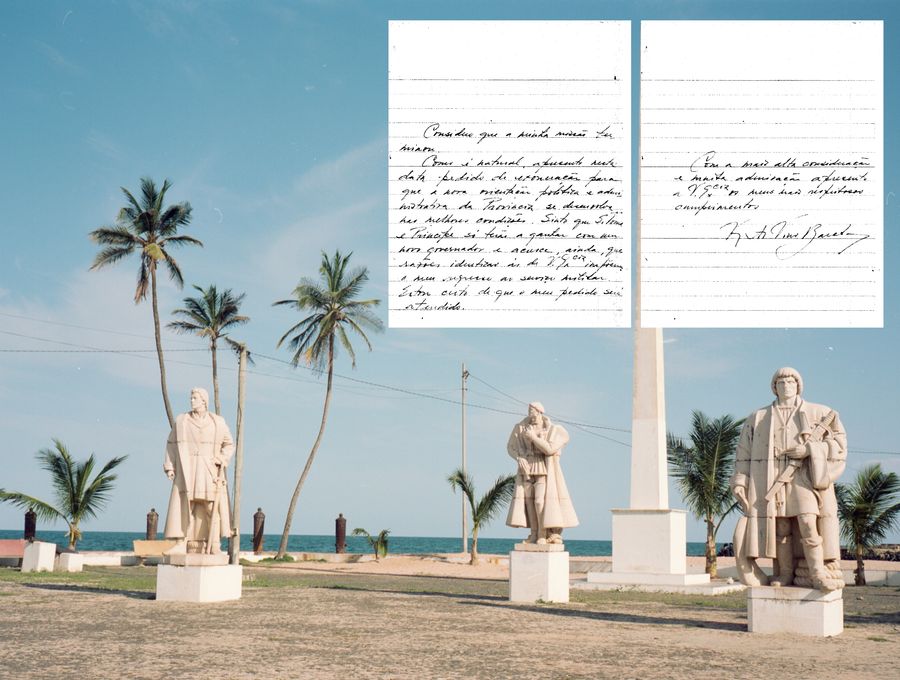
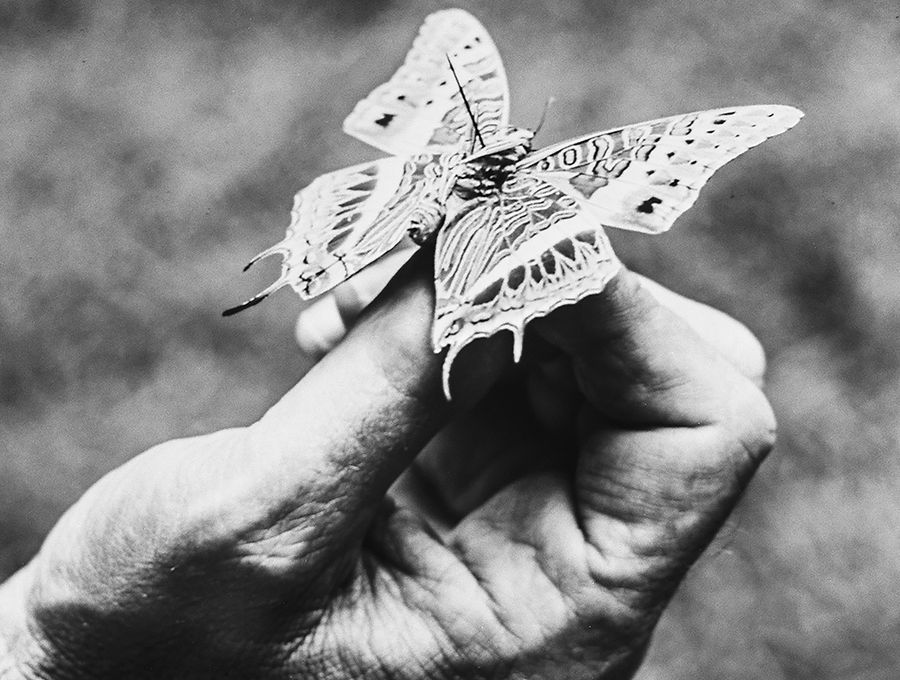
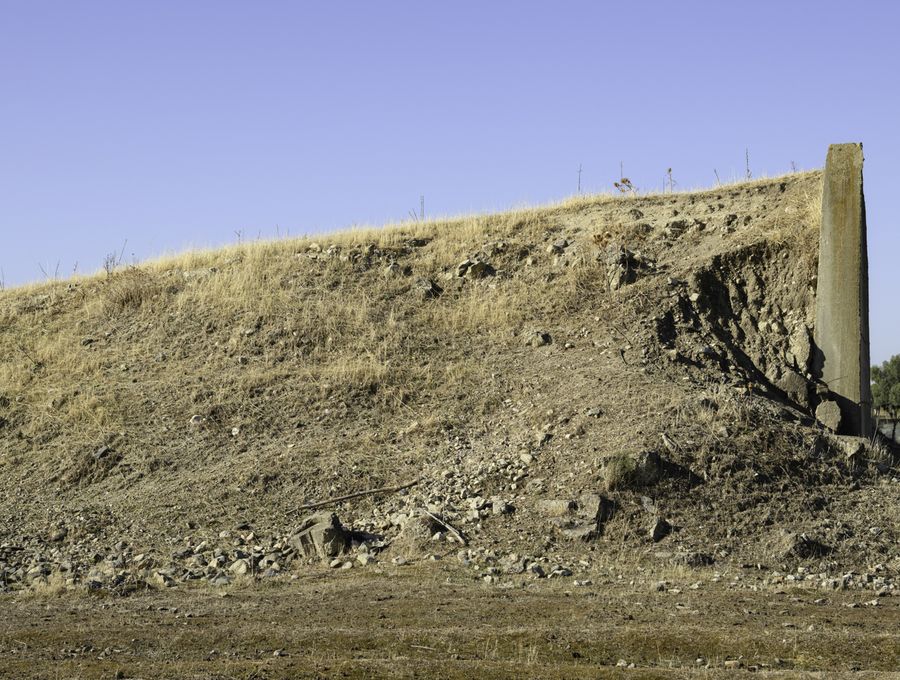
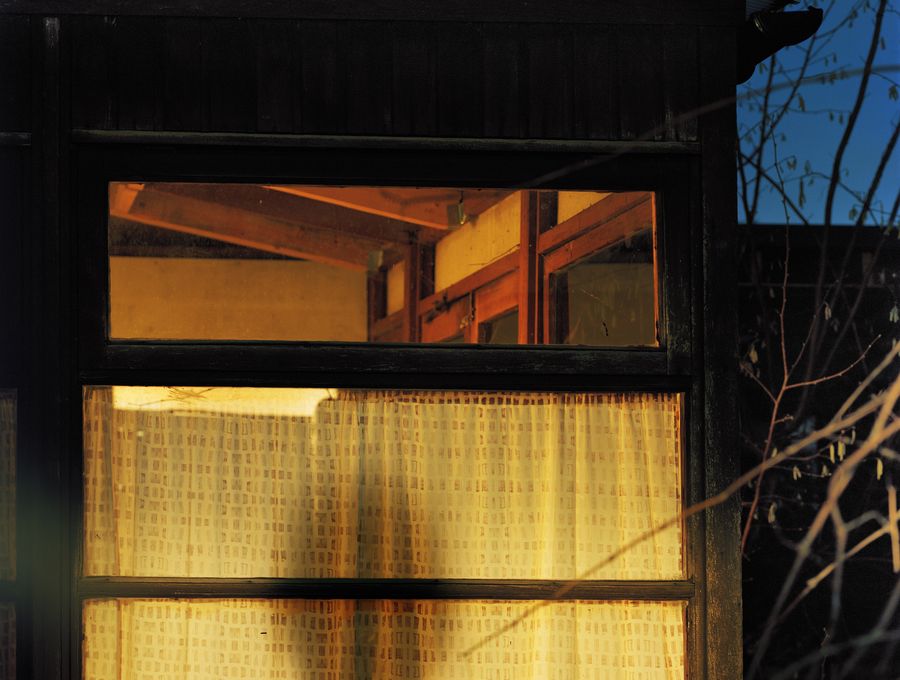
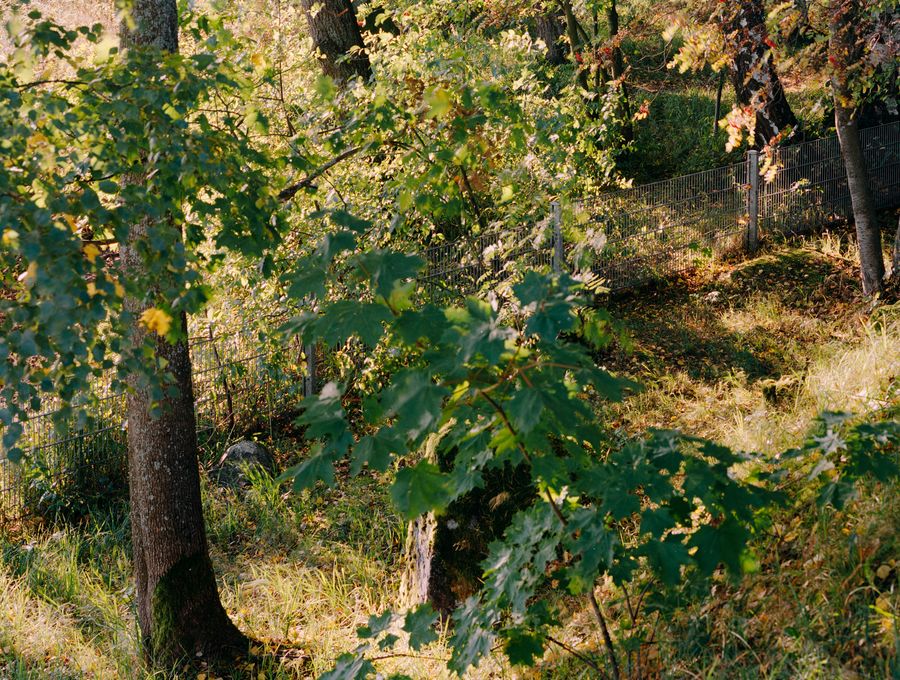
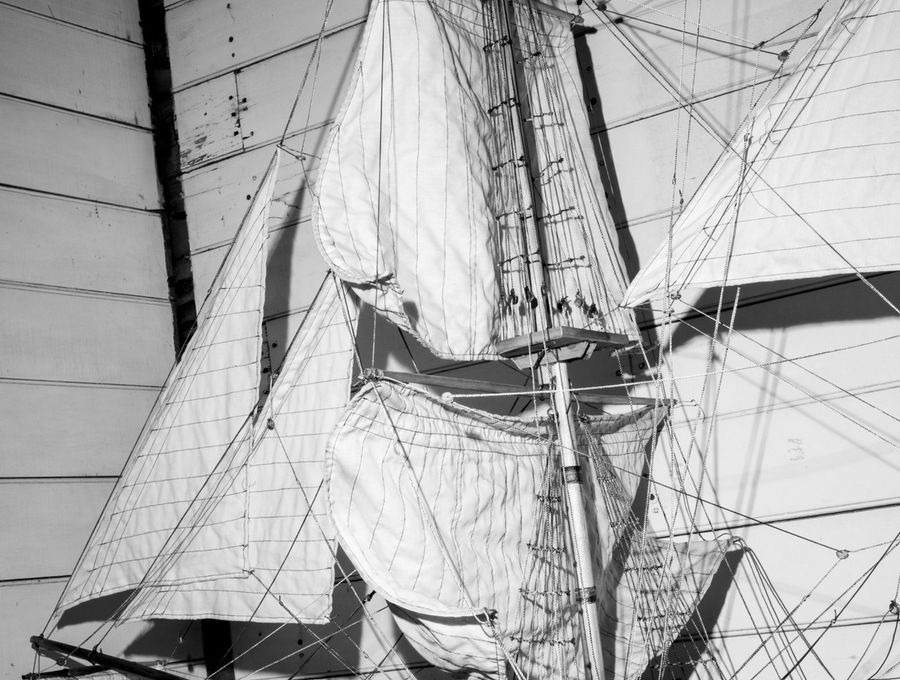
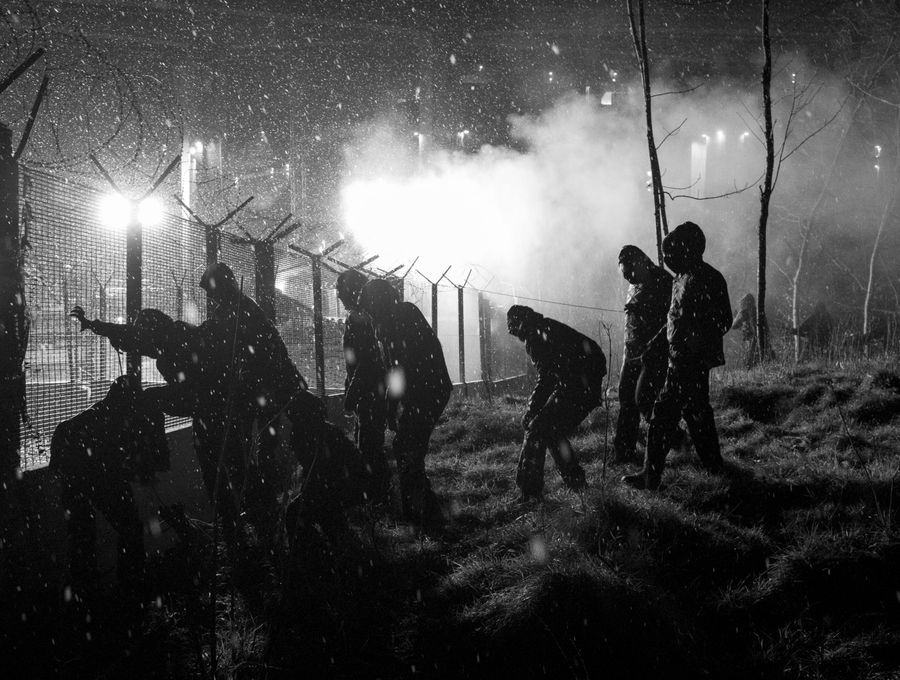
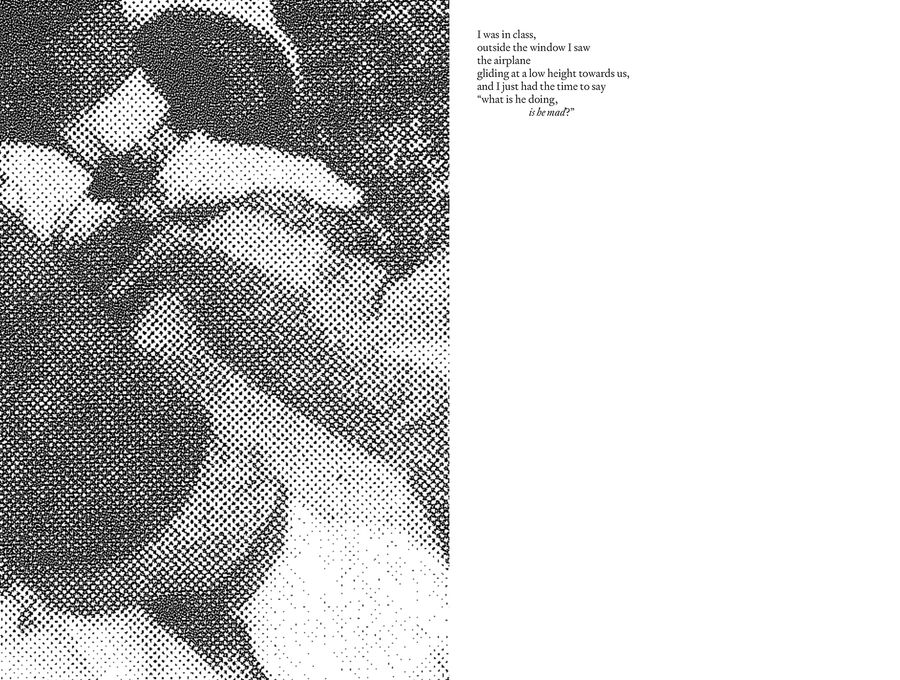
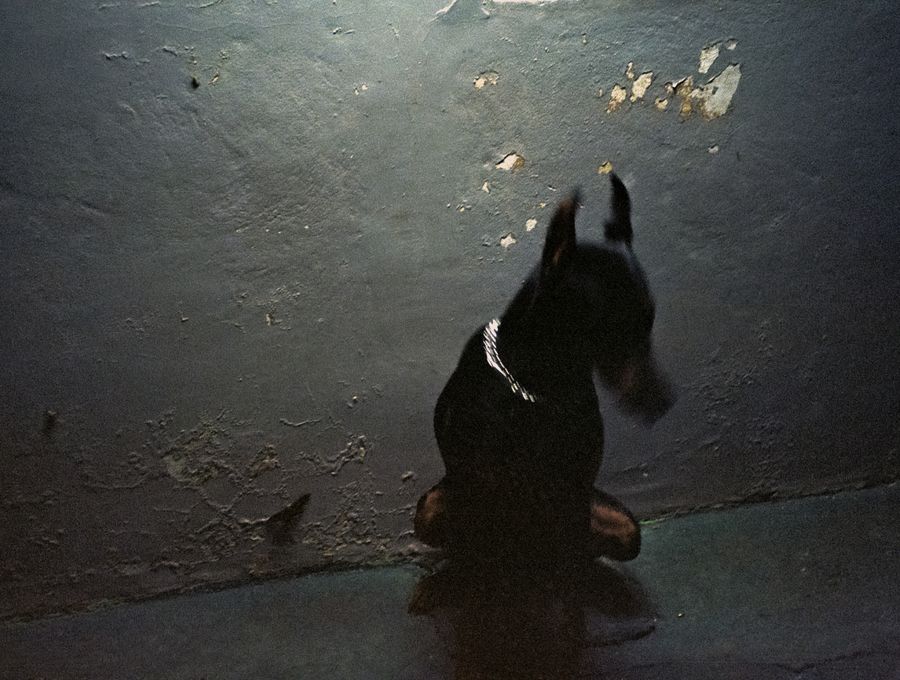
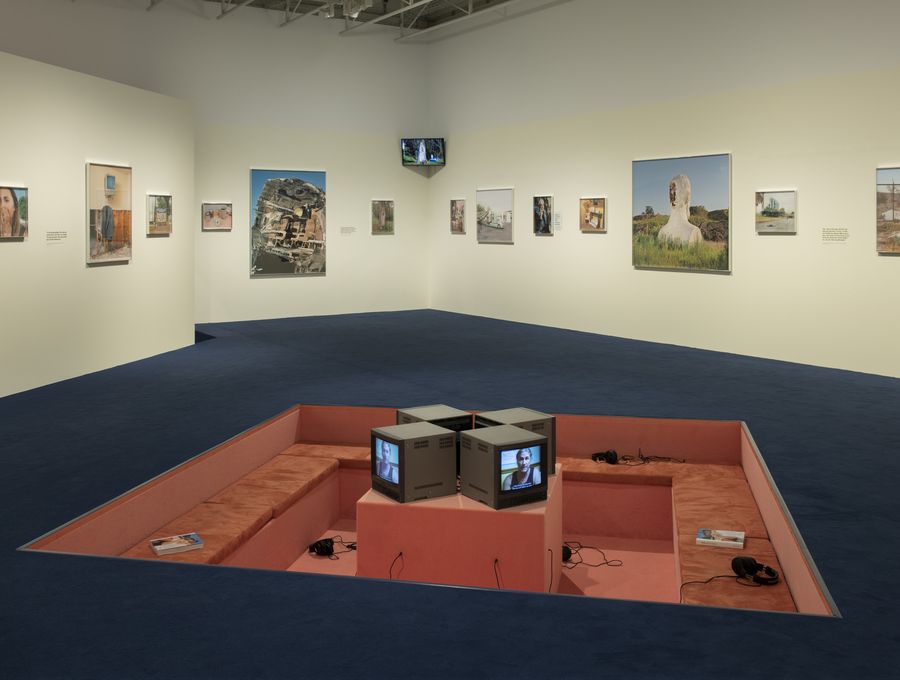
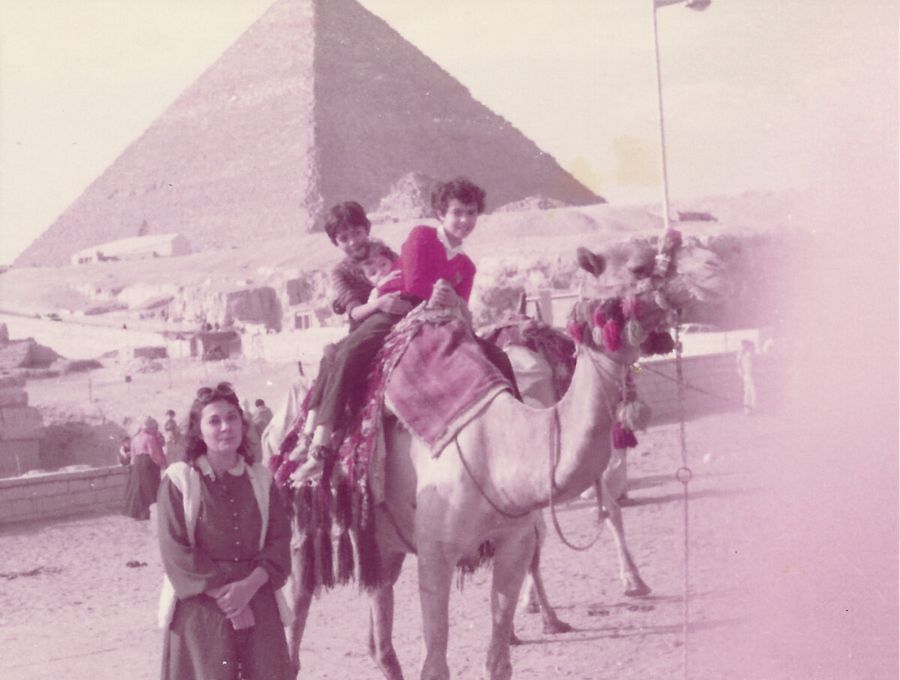
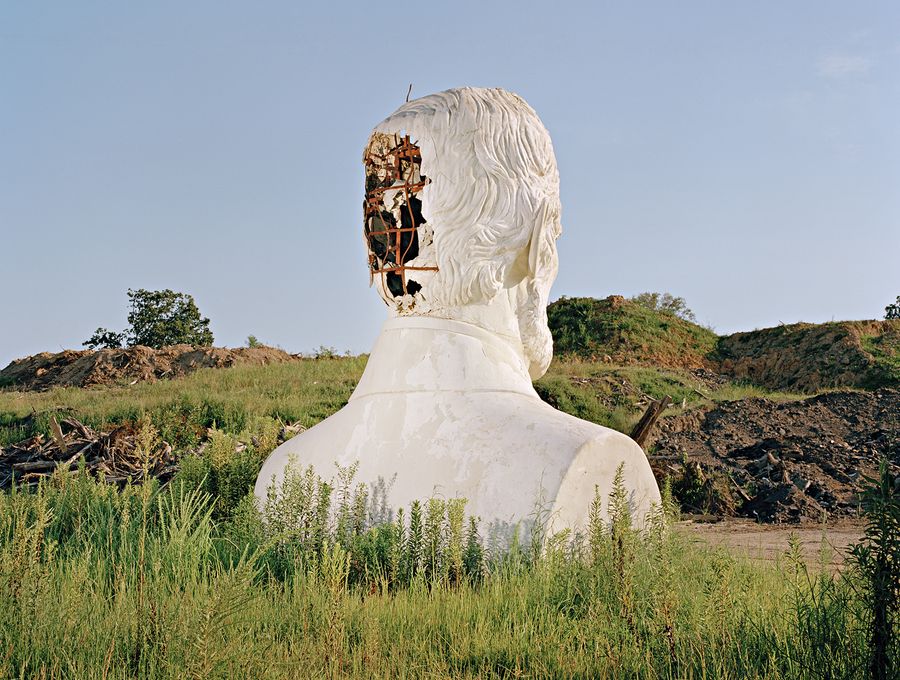
Over the past 5 years, CRITICAE welcomed more than 80 alumni from 30 countries. Since then, many have exhibited their work in venues including Photoforum Pasquart, Photo Elysée, Galerie Fotografic, Circulation(s), Encontros da Imagem, PhMuseum Lab, and Yeast Photo Festival; published with renowned imprints like Kult Books, Artphilein Editions, Fluq Books, and Dunes Editions; and received prestigious awards like LUMA Rencontres Dummy Book Award. Below you will find a selection of projects produced in the past and current editions.
Watch the last edition’s public presentation
“Group discussions helped me think differently about my work and see things I had previously been oblivious to. I felt that I developed my project at a faster rate than I would have if I had been working on my own: having to show up and present something new each time was definitely helpful for my practice.”
“It was great to have a deadline to prepare for: I worked hard every time to make new work to show. Also, the group dynamic was good, so many people had interesting and helpful insights into my work, and I had lots of advice to take forward.”
“The Masterclass has given much needed focus to my work around the different narrative structures in my project and how they are disseminated into the wider world. It has also provided me with a critical and friendly audience of peers which is an essential part of any creative practice.”
“I got to know some very talented photographers from all over the world. That for me was the best part of this class. It was really nice that there was at least a photographer from every continent and that it was possible to see works that dealt with many issues.”
Why Apply
Conclude a body of work
Our programs provide you with the necessary space, time, and support to develop your project and bring it to completion. The structure is located in-between an academic program and a more autonomous process: while your personal motivation is key, the program’s resources are designed to help you focus, and weave together the threads of your practice.
Develop a solid methodology
Taking part in CRITICAE is an investment in the interrogation of your own practice. Over eight months, your work will undergo various cycles. Presenting to the class throughout them will push you to ask new questions and challenge your ideas – a continuous exchange bringing new strength to your critical thinking. Staying consistent during this process will help you navigate phases of uncertainty, structuring a methodology that works for you. This is something you will carry into future bodies of work, and keep developing as your practice grows.
Join a growing community
Peer support is a key aspect of artistic development, particularly when working on a new project. Yet, finding a solid network outside of traditional education paths can be difficult, especially if living in locations that aren’t central to the art system. Our masterclasses are meant to fill this gap, and provide connection. Every year, participants build relationships that last after the masterclass ends. Thanks to the international nature of the program – which has so far welcomed practitioners from all continents – these bonds are also enriched by diverse cultural and aesthetic perspectives.
Participants further keep in touch with the PhMuseum team, accessing our professional network and dissemination opportunities. Events such as the International Photography Festival PhMuseum Days and publishing fair Photobook Mania, held annually in Bologna, Italy, are opportunities to meet and consolidate connections in real life.
Enjoy a flexible remote program
Designed to accommodate a worldwide audience, the program is built on flexibility. Sessions are generally held from 3pm to 6:30pm CET (Rome), which makes them accessible across time zones from different continents. With all meetings recorded and a user-friendly booking system for individual slots, the program is suited for those balancing their practice with professional or travel commitments. Upon successful completion, you will receive a certificate attesting your dedication.
Opportunities
Exhibit in Bologna
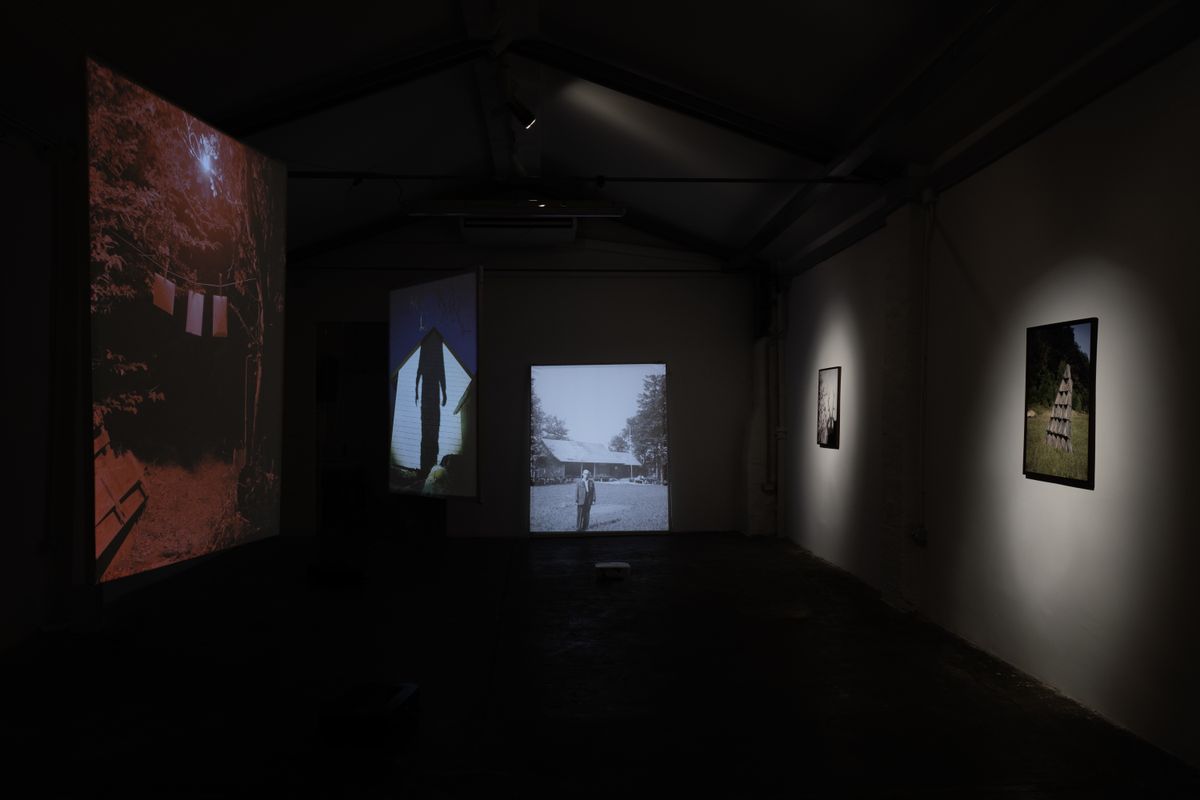
Upon the program's conclusion, one or more participants across all five Masterclasses will be selected for a solo or duo exhibition at PhMuseum Lab in Bologna, Italy, scheduled for November 2027. Other than providing a professional stage to present your project locally, the exhibition is an opportunity to work with our curatorial team, and test new dissemination avenues for your project.
Publish in our printed magazine
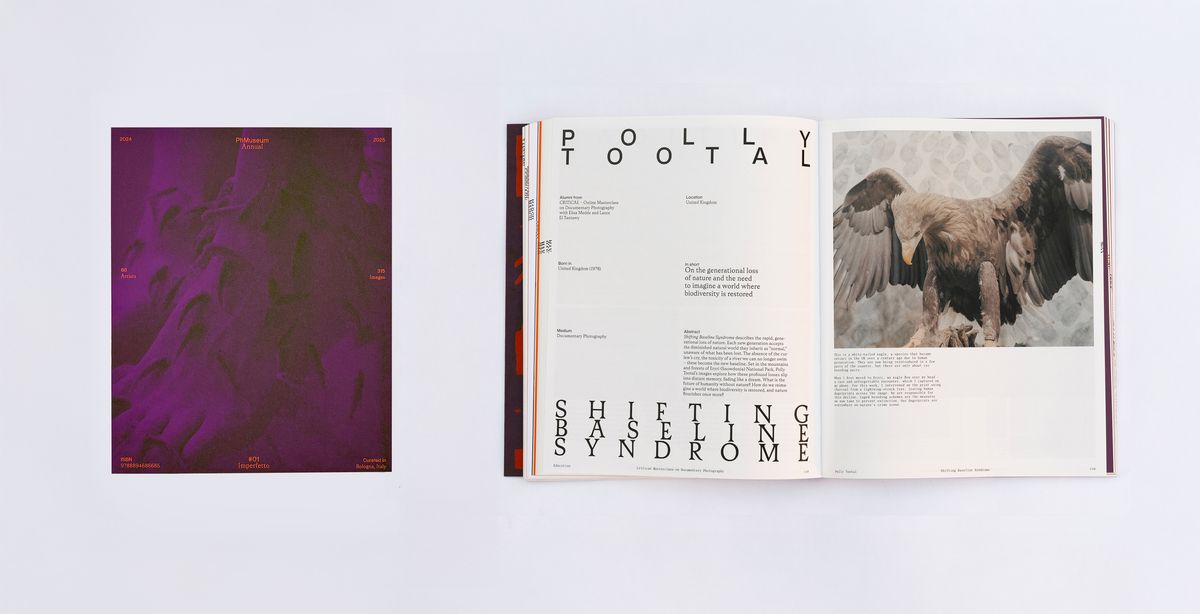
A project from all five Masterclasses will be selected for an extensive feature in the upcoming issue of PhMuseum Annual magazine, our new printed publication. Furthermore, all participants’ works will be mentioned in an archival section of the magazine. Being part of the Annual ensures your work reaches the bookshelves of collectors, curators, and photography enthusiasts worldwide, while belonging to a tangible physical record that will last in time.
Screen at our publishing fair
All the projects developed within the masterclass will be screened in a dedicated section of Photobook Mania, our annual event dedicated to photography and printed matter happening in Bologna, Italy, in October 2027. Here, your work will be seen by enthusiasts, curators, and publishers alike: it is an opportunity to have it reach a wider audience, presenting it to field professionals in person.

Other courses you might be interested in
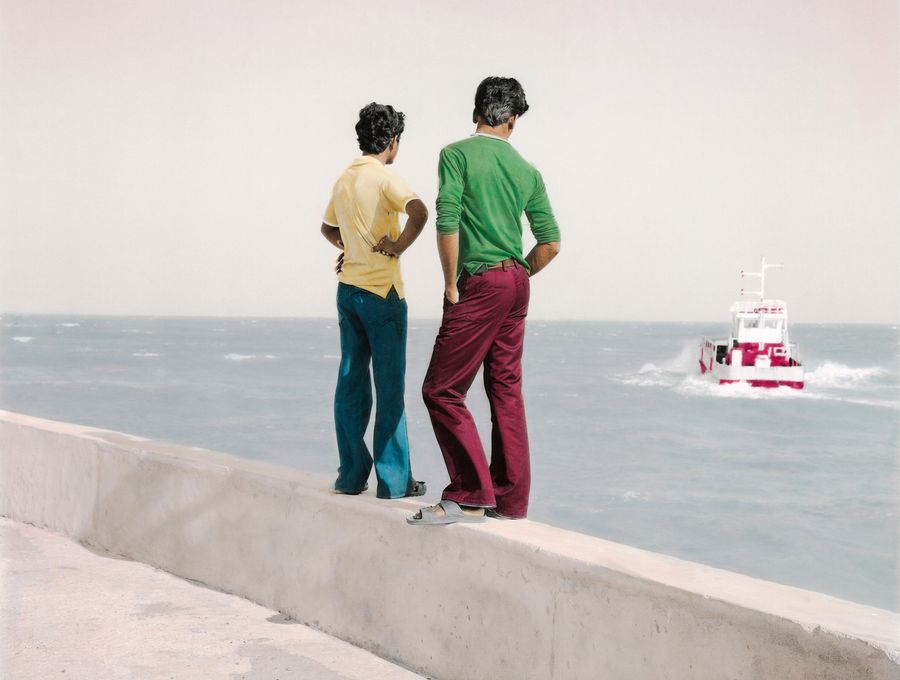
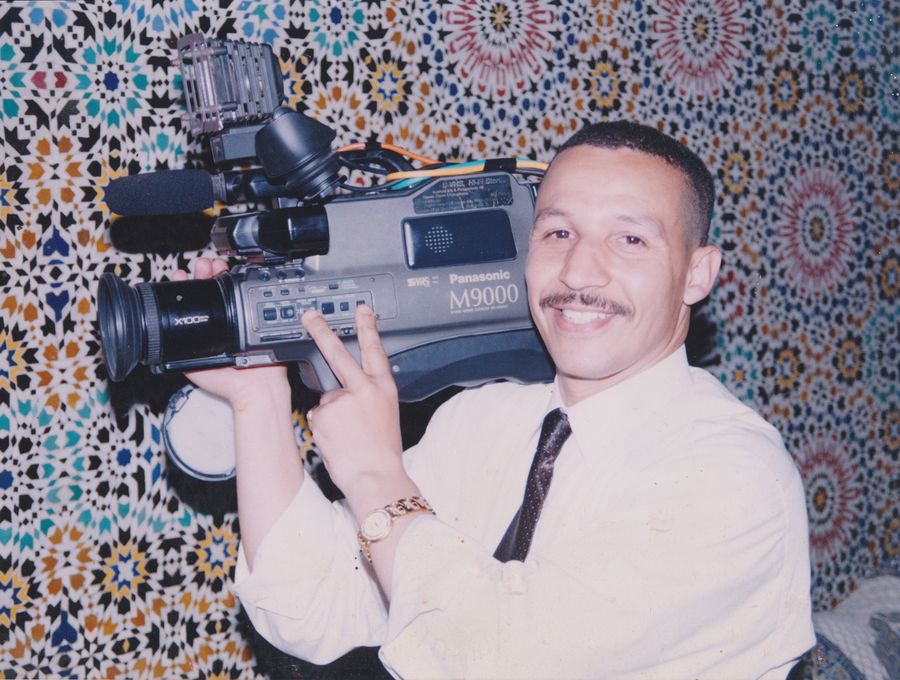
Past Editions
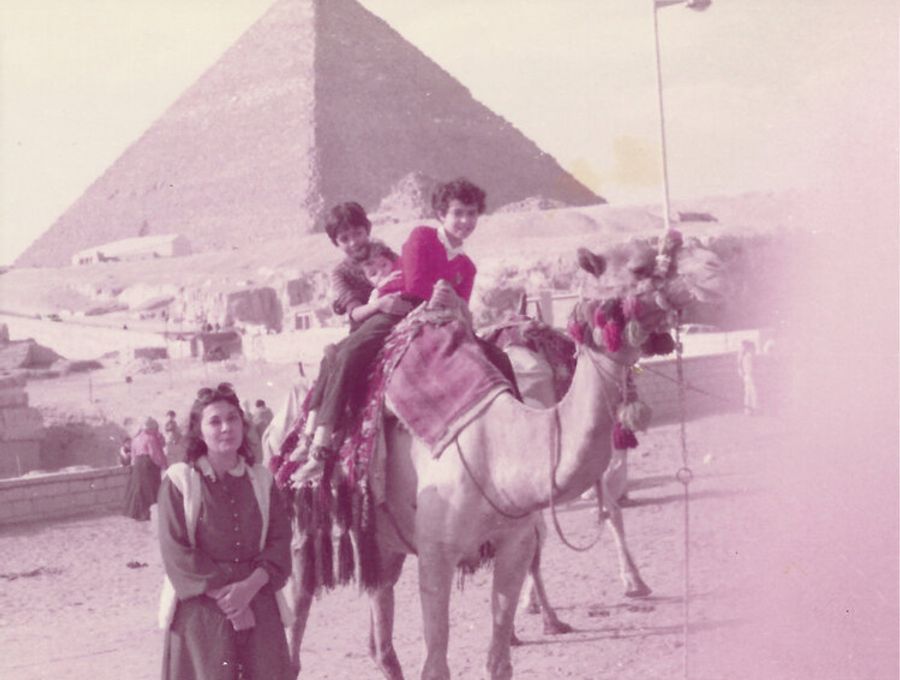
FAQ
-
In past editions, did participants have the opportunity to meet each other?
OpenWe encourage all Masterclasses participants to join us in Bologna for PhMuseum Days, our biennial international photography festival, and Photobook Mania, an annual gathering dedicated to visual publishing. Over the years, we have also met at other events such as Les Rencontres d'Arles, Fotografia Europea, Paris Photo, and Lodz Fotofestiwal.
-
Are the masterclasses more of a beginner or advanced course?
OpenWhile a professional level of expertise isn't strictly required, you should have a foundational understanding of photography and a sincere passion for developing your work. We generally filter applications to create heterogeneous and motivated groups of talented participants.
-
What are the times and days the classes would take place?
OpenYou generally have between 3 and 5 meetings per month. Classes happen on weekdays. Group sessions and seminars generally last 3 to 4 hours. Individual mentoring is 30 minutes per person. Studio visits last 1.5 hours. Most meetings start around 3pm and end before 7pm CET, to allow students attending globally (Americas, Europe and Africa, Asia and Oceania). Individual tutoring sessions are flexible, allowing you to book the slot fitting your needs the most.
-
Can the online portfolio be just the personal website, or does it need to be a regular portfolio of my work?
OpenYou can provide an online portfolio link and/or a private link from Google Drive or Dropbox. As an addition to that, including your Instagram handle is also possible. We do not accept temporary WeTransfer links, as well as email applications.
-
Is it possible to join some of the Studio Visits offline?
OpenEach Masterclass session is conducted online, including Studio Visits with invited artists, curators, graphic designers, and other professionals. In-person attendance for Studio Visits is not possible. Participants and guests are located in various countries and continents, and the fully online program allows everyone to attend each session regardless of their location.
-
Can I apply for more programs?
OpenYes, you are welcome to apply for multiple programs. However, we ask that you indicate your preference during the application process in the event you are selected for more than one.
Contact us
Reach out at edu@phmuseum.com