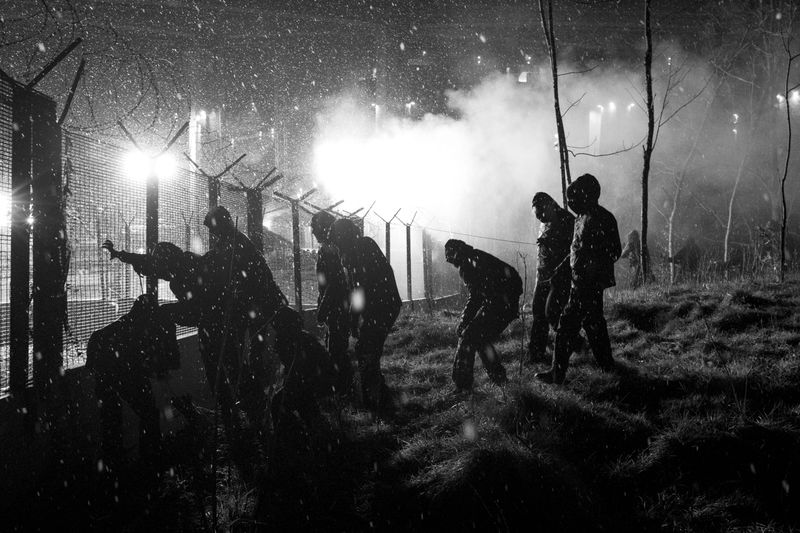
Le montagne hanno gli occhi

  • Dates
    2024 - Ongoing
  • Author
  • Location Comunità montana Valle Susa e Val Sangone, Italy

The history of the NO TAV movement is the story of a community in conflict with a distant and powerful state.

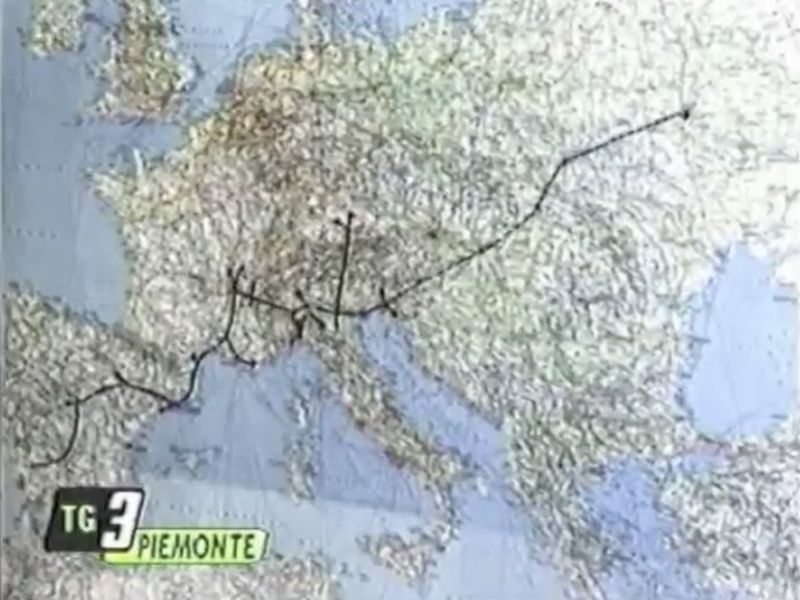
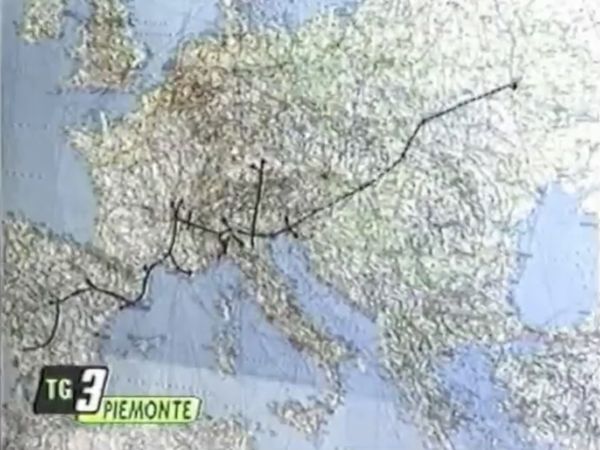
It is the story of a territory already marked by heavy cementification and the loss of its natural resources, suddenly placed at the center of a major infrastructure project: the TAV, a high-speed rail line between Turin and Lyon, part of a wider European plan that has yet to be fully carried out. At its core lies a simple but forceful idea: that progress, in its inevitability, can justify any decision at any cost.

The NO TAV movement thus emerged in the early 1990s in opposition to this project, which local residents viewed as expensive, environmentally damaging, and lacking clear public benefit. Over the past thirty years, the distance between the state and the community has grown. Trials and repression, police violence and the militarisation of an entire valley have deepened a lasting sense of division in the way many residents relate to institutions.

The project follows the voiceless narrative not only of those who live in the mountains, and of the mountains themselves, but above all of the complex relationship that develops between an inhabitant and their land, between institutions and citizens, between resistance and belonging, between different forms of power. The history of the NO TAV movement thus becomes the story of a people who feel stripped of legitimacy: a mirror of a community that, sensing its right to self-determination has been taken away, generates autonomous forms of organization and decision-making in order to choose its own future.

Within this shift, the Hobbesian pact begins to fracture: that implicit agreement by which citizens delegate to the State the monopoly of force in exchange for protection. The militarization of construction sites, the legal charges, the constant presence of law enforcement all convey the image of a vertical and distant institutional power. In contrast, public assemblies, technical committees, and counter-information networks construct a diffuse form of power, rooted in the territory and grounded in direct participation.

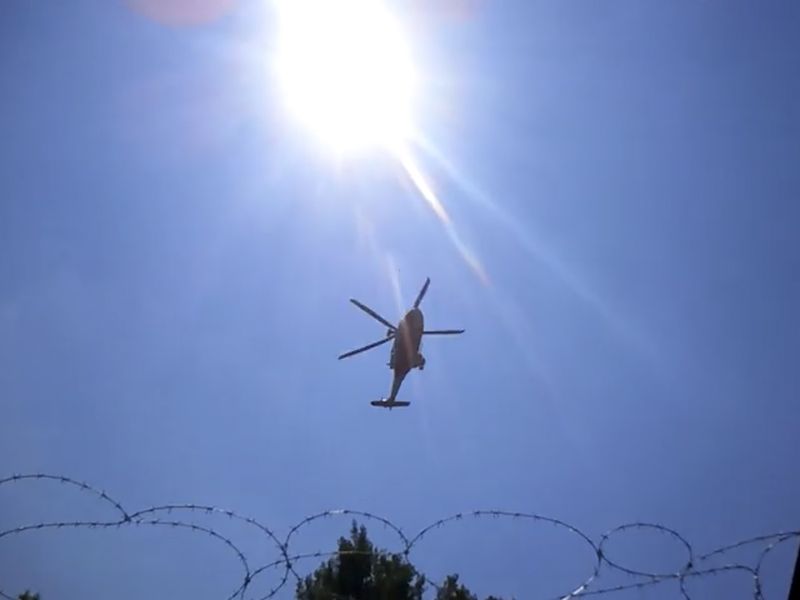
The photographic medium enters this process as a device of listening and analysis. Frames from amateur videos, technical documents, newspaper articles, and images from protest encampments intertwine in a layered narrative: material evidence of the forces that have traversed the movement and sought to hinder it. Photography thus becomes a political act in its apparent neutrality, capable of conveying complexity without simplification and of asking, image after image, who wields power, and how that power is redefined when a community chooses not to remain silent.

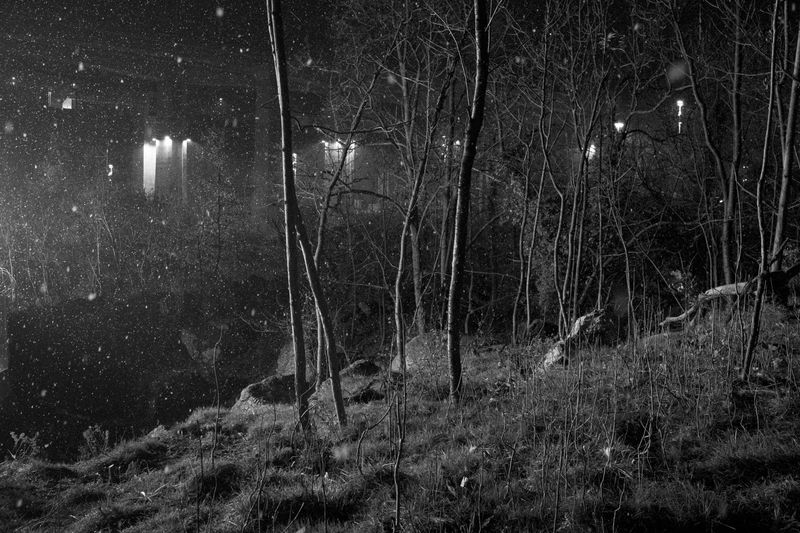
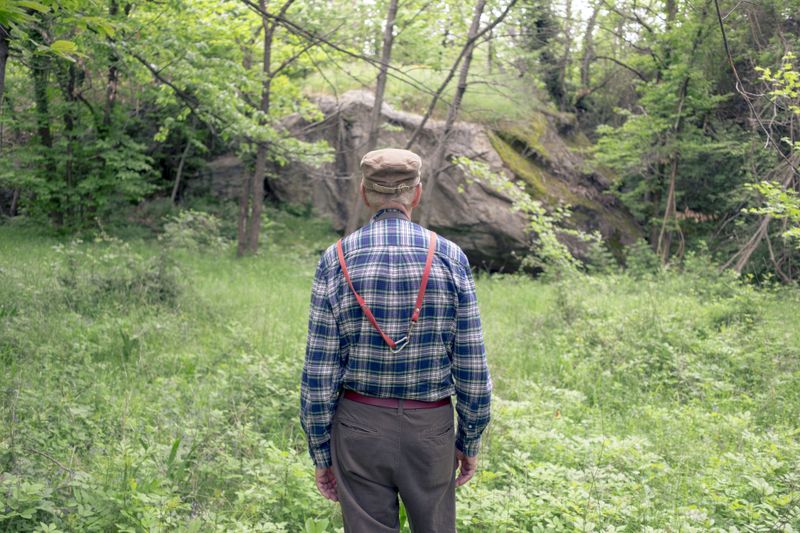
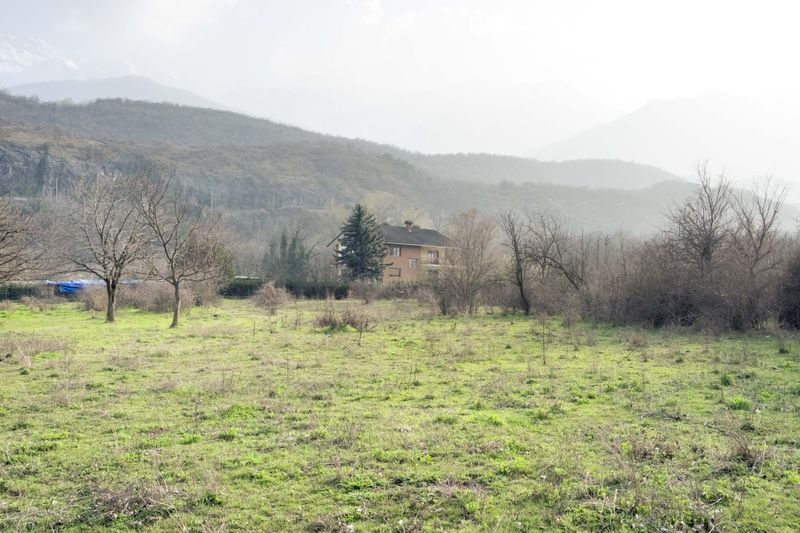
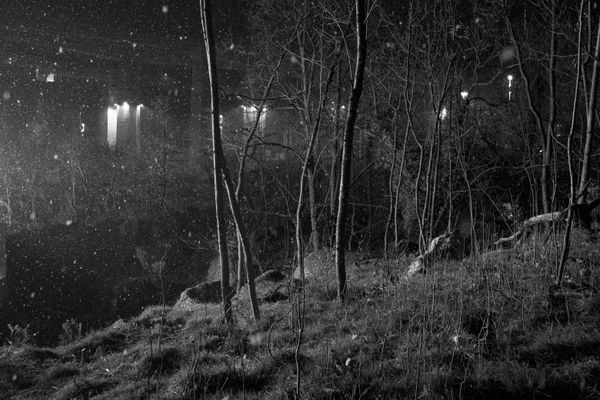
© giulio longo - View of the woods near one of the TAV construction site.
i

View of the woods near one of the TAV construction site.

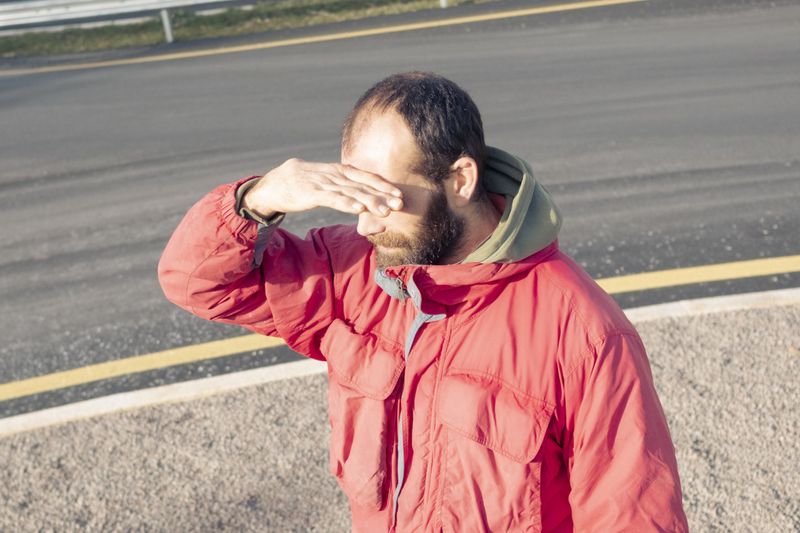
© giulio longo - Valerio, a public employee in one of Susa Valley's town, has been active in the movement since it's creation.
i

Valerio, a public employee in one of Susa Valley's town, has been active in the movement since it's creation.

© giulio longo - Image from the Le montagne hanno gli occhi photography project
i

Still from one of the many public videos taken during the various marches. Here an helicopter rescues an activist kidnapped and beaten for several hours by the police.

© giulio longo - Image from the Le montagne hanno gli occhi photography project
i

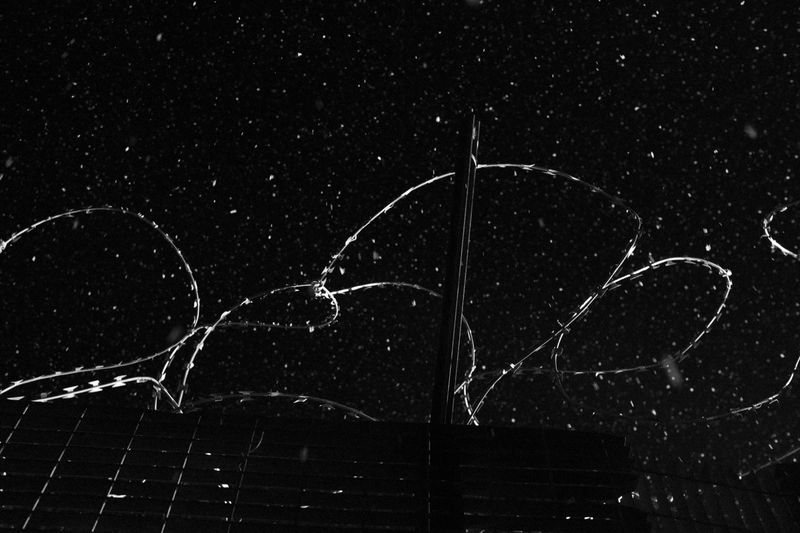
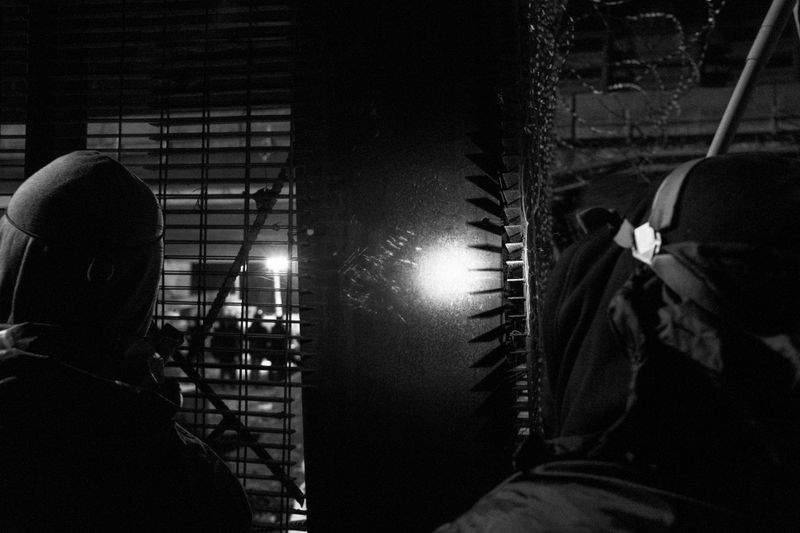
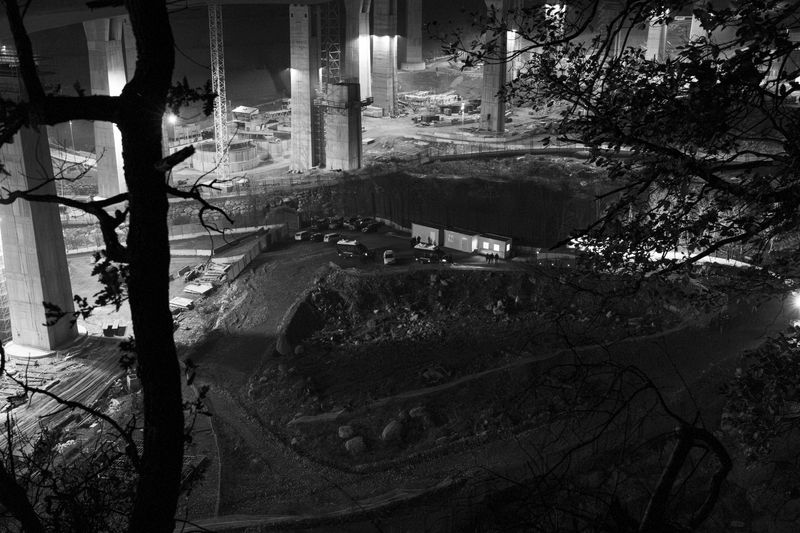
Barbed wire along one of the TAV construction site. The police are barricading themselves inside what activists describe as a “fort,” a fenced-off area, with jersey steel barriers and barbed wire, surrounding the construction site with.

© giulio longo - Image from the Le montagne hanno gli occhi photography project
i

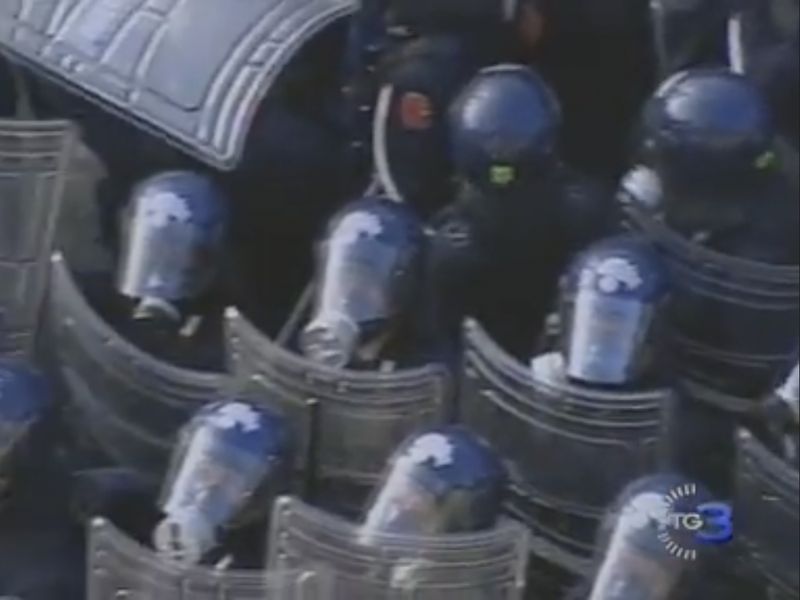
Still from a national news anchor depicting the eviction of the "Libera Repubblica della Maddalena" an area that was freed for 40 days in order to prevent the start of a new TAV construction site. During the years the local and national media have depicted the NO TAVs as violent agitators, with no true purpose than to create caos, thus silencing the true motivations behind the movement.

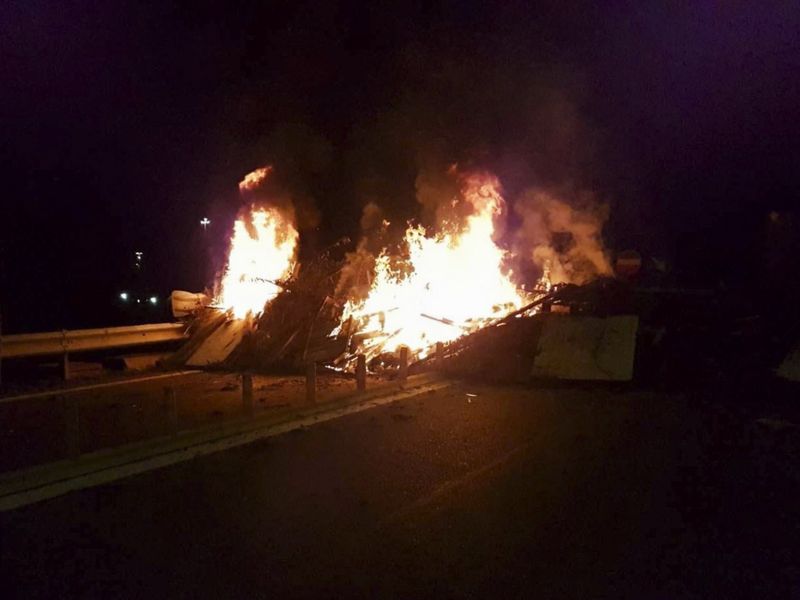
© giulio longo - A piece of burned wood from one of the NO TAV's garrison set afire by unknowns.
i

A piece of burned wood from one of the NO TAV's garrison set afire by unknowns.

© giulio longo - Image from the Le montagne hanno gli occhi photography project
i

One of the many garrisons built by the NO TAVs. The NO TAV movement uses garrison as a tool: they legally buy plots of land directly on the projected path of the train, thus forcing the authority to evict them, in order to slow down it's construction.

© giulio longo - Mompantero's mayor, near Susa. He says that being NO TAV it's something that has always accompanied his political journey.
i

Mompantero's mayor, near Susa. He says that being NO TAV it's something that has always accompanied his political journey.

© giulio longo - Image from the Le montagne hanno gli occhi photography project
i

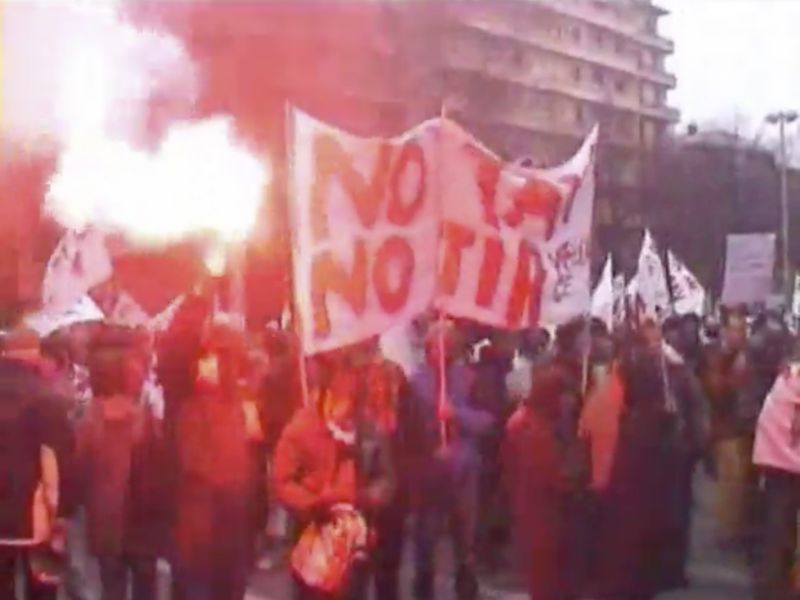
8 of Dicember march, to remember the first victory of the NO TAV movement in 2005 when they were able to stop the project for almost 6 years.

© giulio longo - Image from the Le montagne hanno gli occhi photography project
i

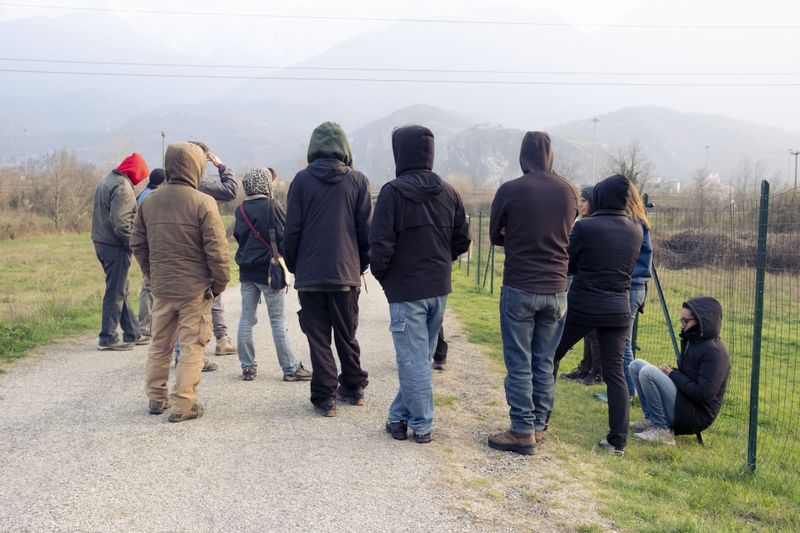
Activists in front of the TAV construction site. "They are the one in trap here, we have inverted the role, we control when they move and what they do " said one of the activist.

© giulio longo - Image from the Le montagne hanno gli occhi photography project
i

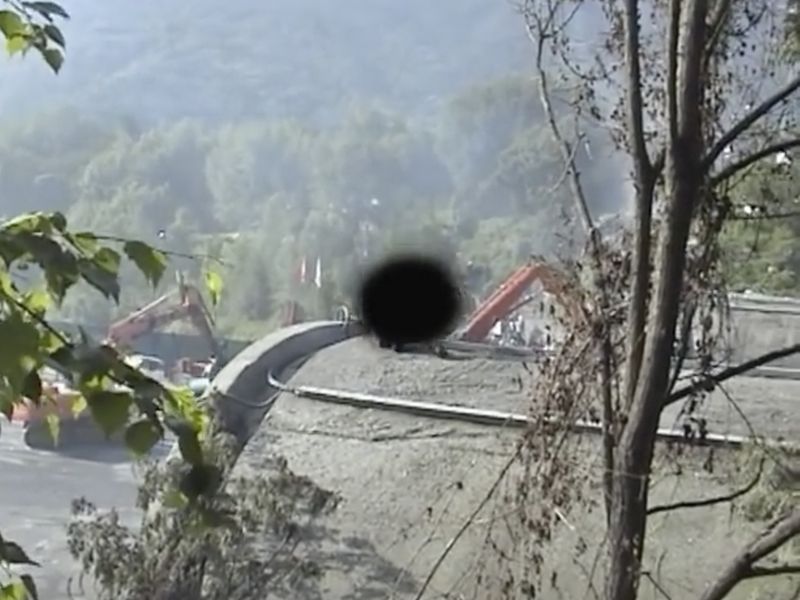
Frame of a video from the evitcion of the "Libera Repubblica della Maddalena", the black spot is a form of self censorship part of the original video because of the heavy repression from the police. It's said that during the 30 years struggle the police prosecuted thousands of activists.

© giulio longo - Image from the Le montagne hanno gli occhi photography project
i

An activist shows from afar the various TAV construction site. He climbs the nearby mountains to monitor the progress of the project.

© giulio longo - Image from the Le montagne hanno gli occhi photography project
i

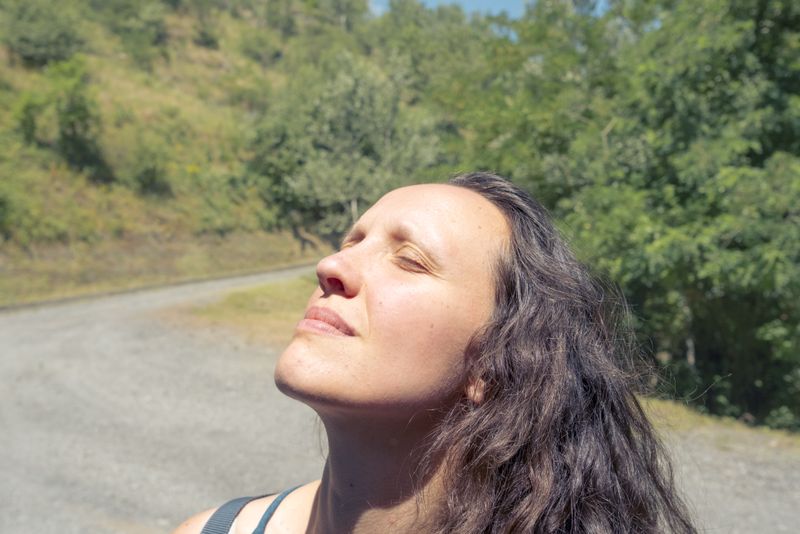
Giulia facing the sun. She is a teacher and an actor. Through her performances she tries to narrate the struggle of the NO TAV movement.

© giulio longo - Activist looks at the heavily fortified TAV construction site.
i

Activist looks at the heavily fortified TAV construction site.

© giulio longo - Image from the Le montagne hanno gli occhi photography project
i

Activists near the TAV construction site. During the years many different approaches have been used, alongside pacifist and non violent actions have emerged more direct ones. "We have many different approaches, ranging from Christians building votive pillars along the construction site to anarchist attacking them directly. Everyone coexist here" said one of the activist.