Biennale De L'image Possible 2026
-
Opens17 Oct 2026
-
Ends13 Dec 2026
-
Link
-
Author
- Location Liège, Belgium
To mark the 200th anniversary of the invention of photography, this edition explores the power of images to confront us with ourselves and with others.
Overview
Since its invention two centuries ago, photography has held up a mirror to humanity, reflecting every aspect of who we are. It has profoundly transformed how we represent ourselves, influenced other artistic media, and revolutionized portraiture – the mirror-like genre par excellence.
Photography is as much a tool for celebrating difference and diversity as it is a vehicle for narcissism, identity, or social control. It fosters social cohesion by drawing us closer together and preserving memory, yet it also contributes to fragmentation and hierarchy—not least by amplifying our egos.
Amidst the flood of imagery that has surrounded us for 200 years, and faced with the reality of a turbulent world where forms of supremacy are reasserting themselves, BIP2026 tests a core hypothesis: that we can still truly look at one another (even if we cannot fully understand or love one another) from a position of shared, precarious balance that must be constantly re-established.
Photography possesses an immediate, boundless capacity for revealing our own facets alongside those of others. Portraiture, in particular, places us face-to-face with alterity as if before a mirror – yet this stance is never static; it thrives on motion, tension, and disorder. We are invited to leap from one vantage point to another, dazzled by our constant and necessary reinvention.
As Artistic Director Anne-Françoise Lesuisse asks, “What if everything held together when we accept that nothing fits together?”
In keeping with this theme – positioning the image as a mirror of both individual and collective action in a constant exchange between self and other, identity and diversity, fragment and whole – the event presents five interrelated facets of this question.
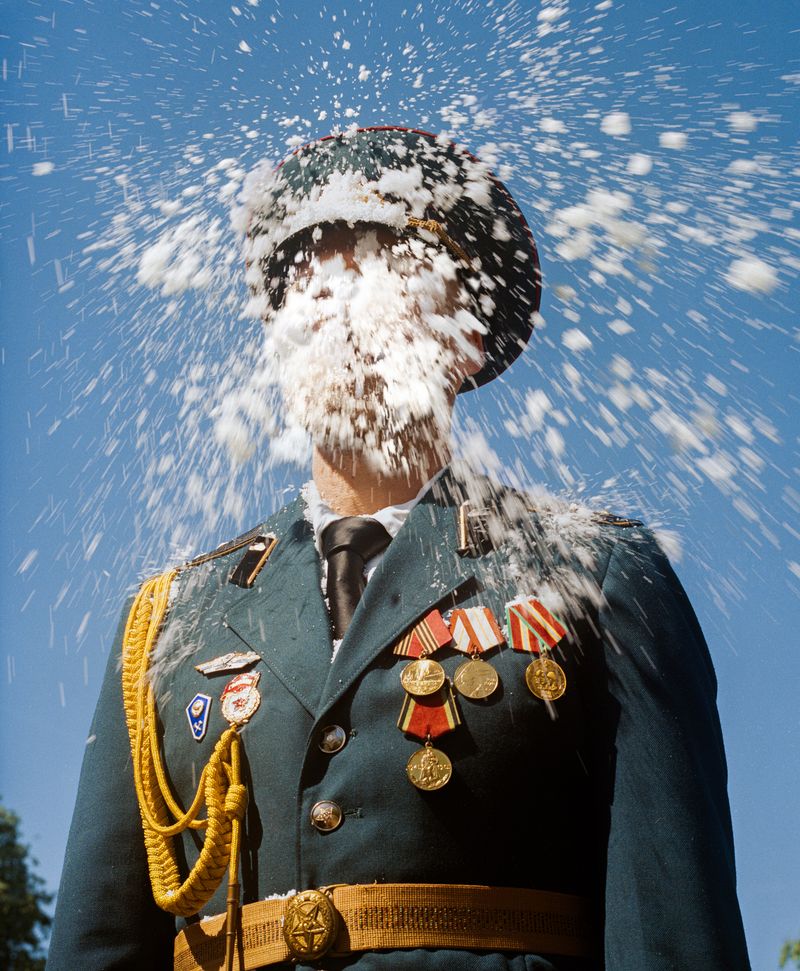
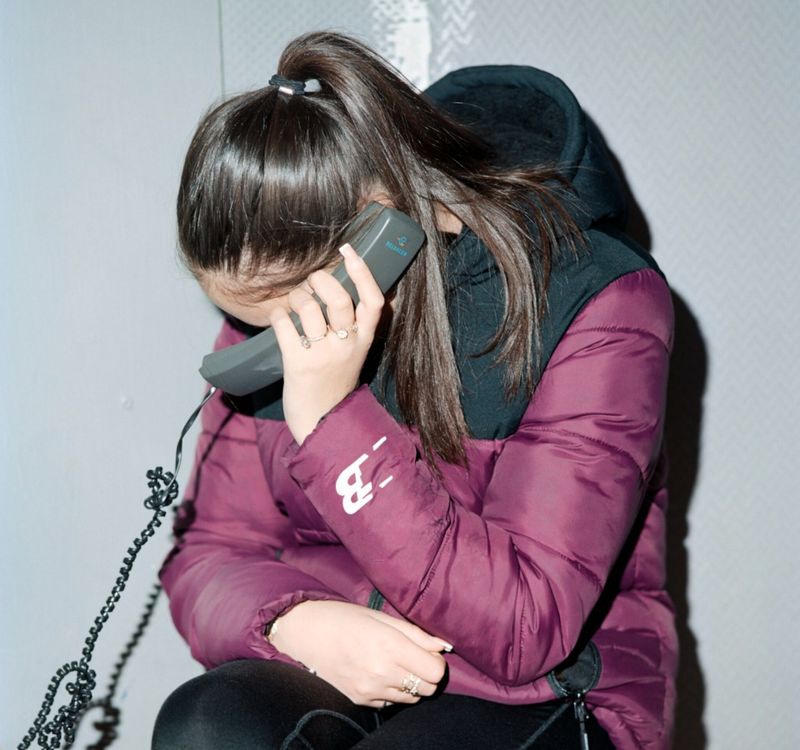
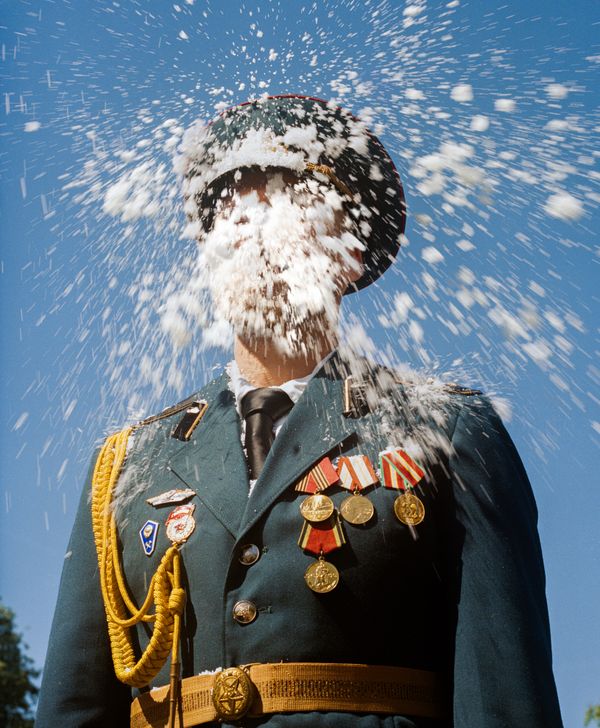
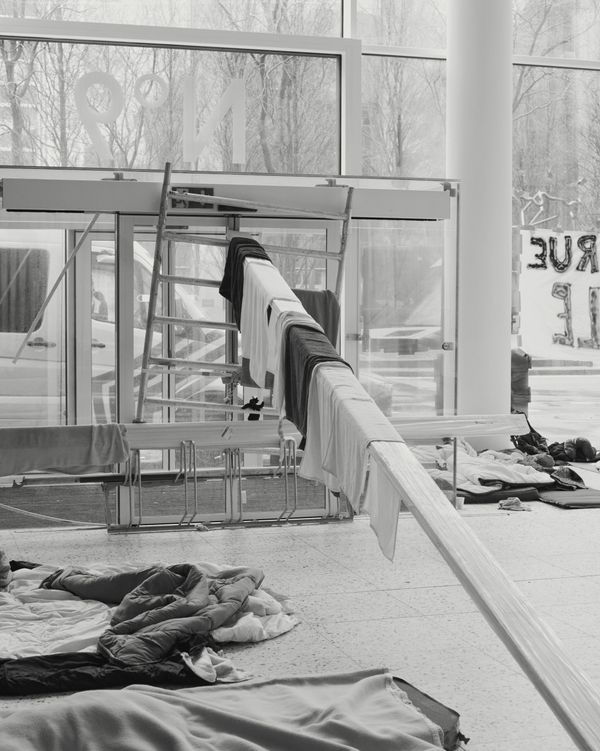
Through Aller de pair, a selection of artists explores how photography, as an expanded visual practice, enables us to observe and depict individuals – young people in particular – as they form communities, families, and social groups. This is complemented by the 2026 edition of .tiff, which features ten emerging Belgium-based photographers selected by FOMU (FotoMuseum Antwerp) to showcase the vitality of contemporary visual responses to pressing social issues.
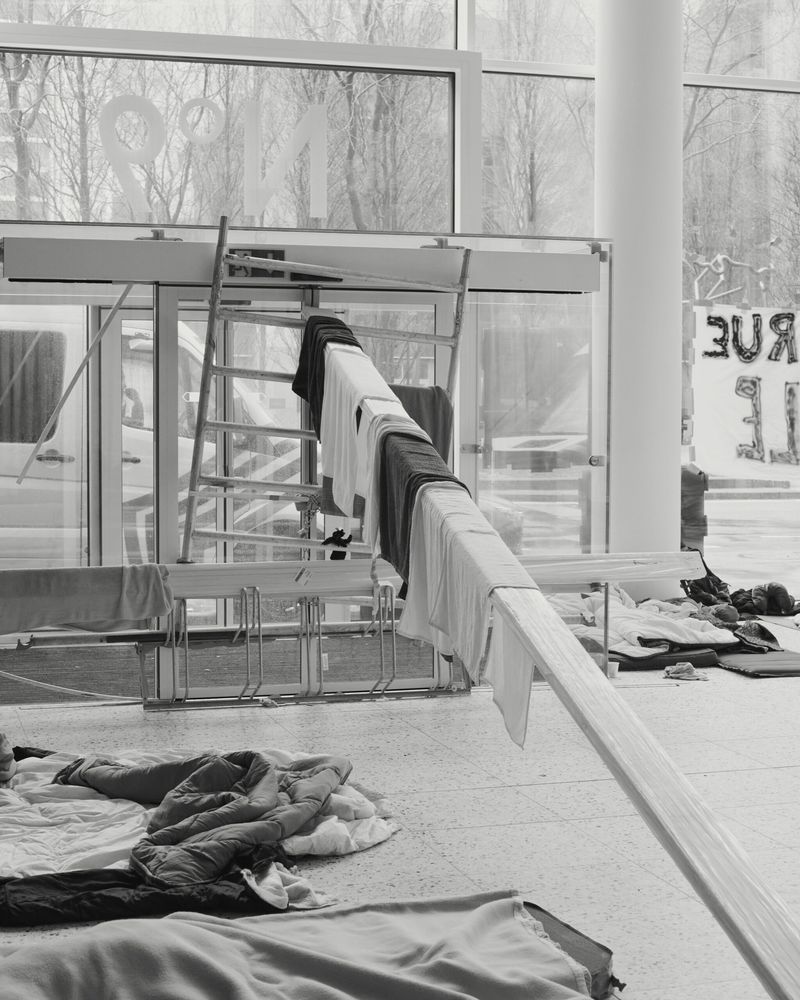
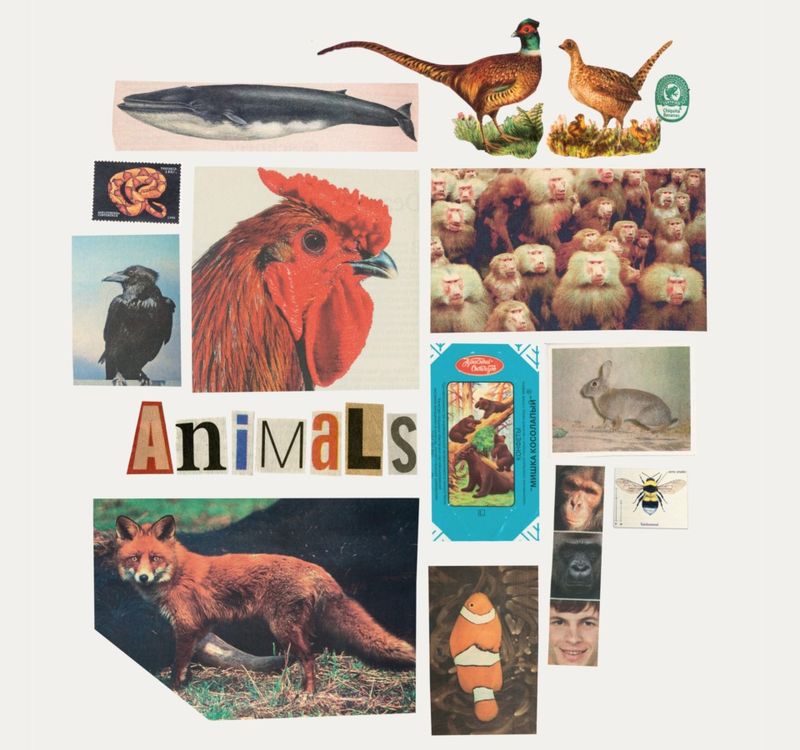
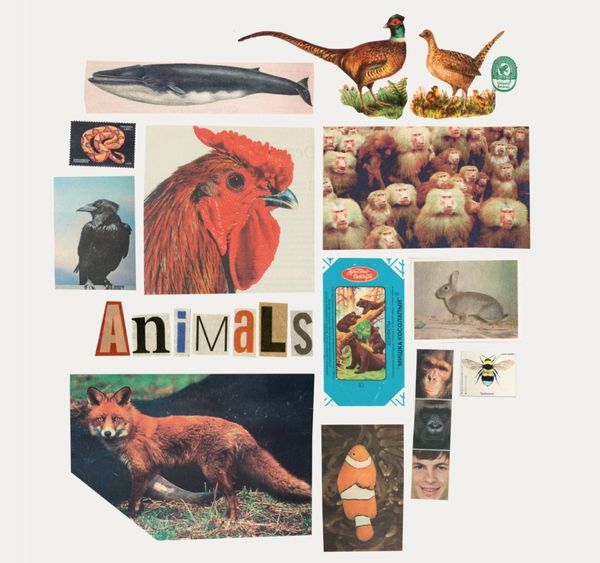
Examining the construction of truth, Through the Looking Glass brings together four young curators – following a joint call on disinformation by the German and French Embassies, the Goethe-Institut Brussels, the Alliance Française de Bruxelles-Europe, and the Institut français – to unpack manipulated and generated images in relation to knowledge, evidence, and belief. In The Execution of the Doge Marino Faliero: A Figure of Empathy and Entropy, curator Tanguy Poujol designs an installation of portraits across all media, eras, and scales, drawing from an international open call alongside contributions from invited artists and holdings from the Musée de la Photo in Charleroi and the Province of Liège collections. Finally, ANIMALS offers an exhibition designed for young visitors and families, inspired by Louis Martens’ Animal Books – a rich bestiary created using animal clippings from magazines, newspapers, and encyclopedias as a tribute to illustrative photography and its infinite variety.