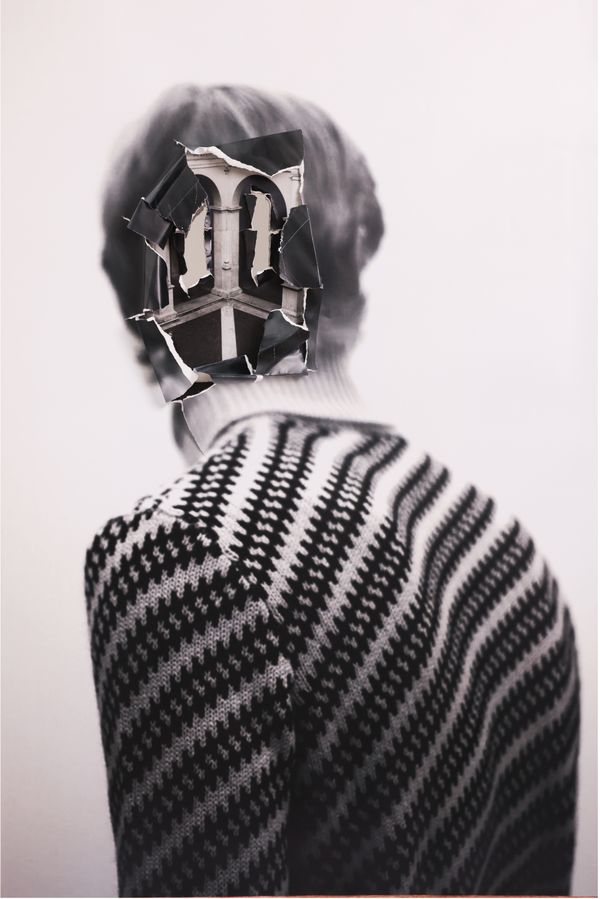
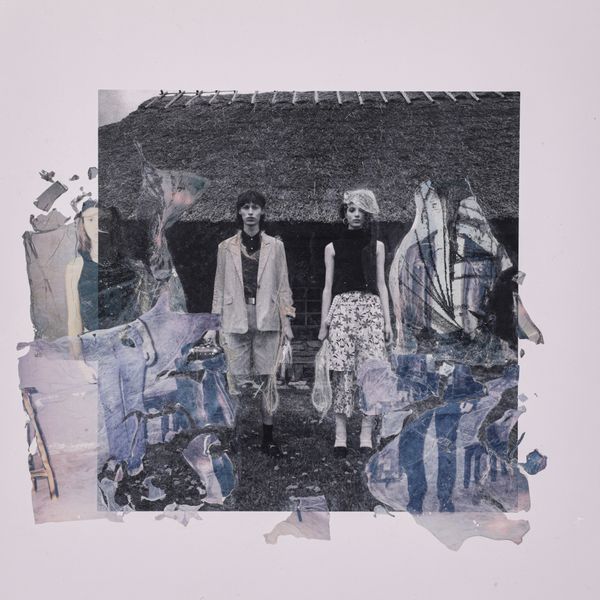
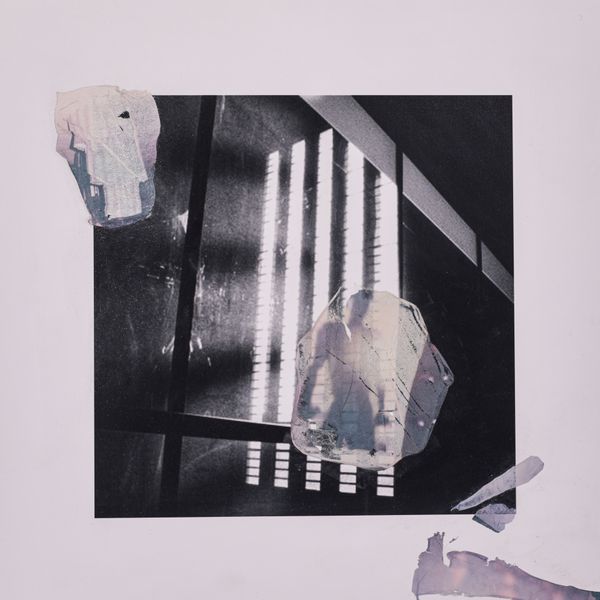
FRAGMENTIA: OCULATIONS OF REALITY by KEVIN PINEDA at SPRUCE GALLERY
-
Open22 May - 13 Jun 2026
-
Link
-
Press
-
Author
- Location Metro Manila, Philippines
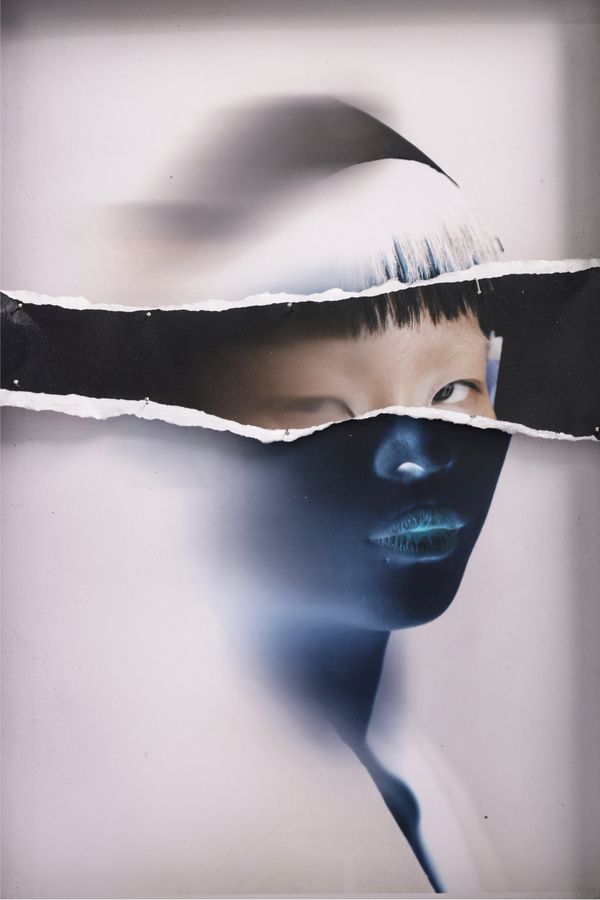
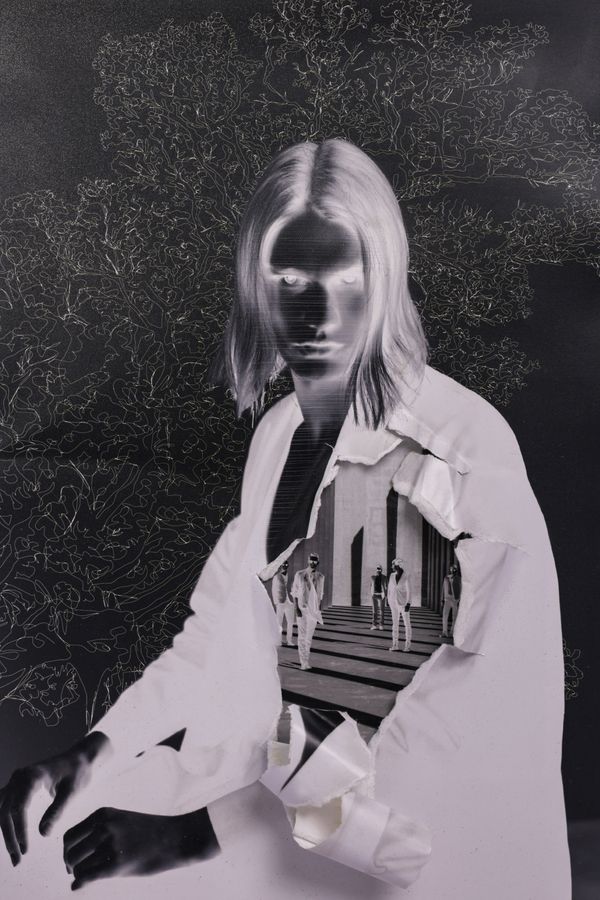
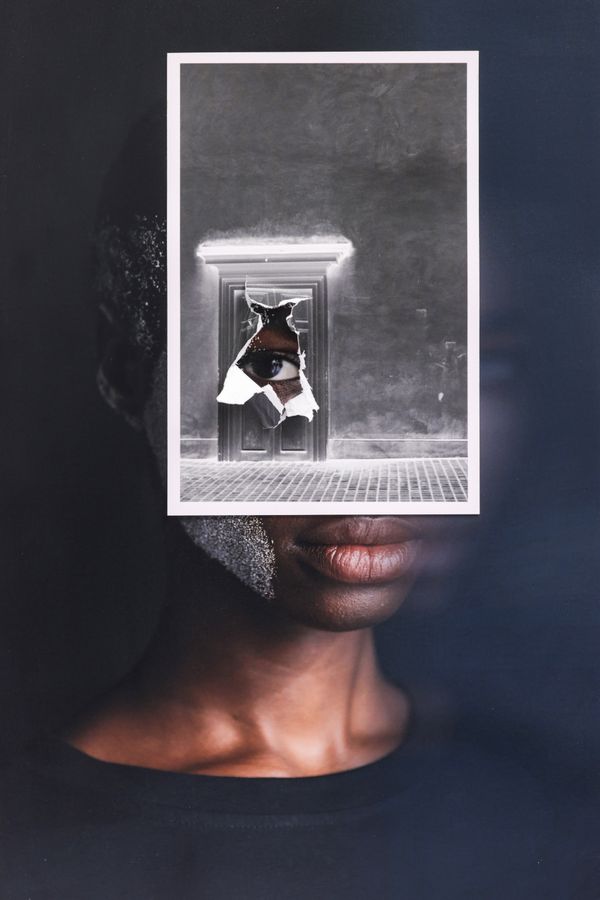
Photography usually wants to be believed. In Fragmentia: Oculations of Reality, Kevin Pineda begins where belief fractures. Through altered photographs, torn surfaces, negative treatments, applied stress, Beauty remains, only now it carries a fault line
The Rejected Image Returns
Curatorial Notes on Fragmentia: Oculations of RealityWritten by Ric Gindap
Photography usually comes with a promise: something happened here, and the picture wants to be believed.
Kevin Pineda begins where that promise first fractures.
In Fragmentia: Oculations of Reality, photographs arrive torn, inverted, folded, stressed, mirrored, and interrupted. Faces appear through rupture and bodies surface through distortion. A mouth, an eye, a figure in negative, a hand of steel around a print: each work carries the charge of something that survived pressure and became stranger for it.
The first encounter is physical. These works refuse to sit politely inside their frames. Brushed stainless steel acts as casing, threshold, reflective interference, and accomplice. It grips the photograph, shelters it, competes with it, and occasionally seems to wound it. The frame stops behaving like gallery furniture and enters the argument, bold behavior for an object expected to stand muted near a wall.
Across the exhibition, the overlooked frame keeps resurfacing: the blurred shot, the misfire, the near-deletion, the negative, the exposure normally sent away before anyone respectable has to explain it. Pineda brings these photographs back into view and subjects them to further acts of transformation. He tears, lifts, mounts, folds, transfers, suspends, and recomposes. Under his hand, failure gains fluency.
Perhaps the rejected image knows something the polished image was trained to hide.
The ghost of fashion photography sharpens the proposition. Beauty remains present, only now it carries a fault line, its editorial confidence beginning to fray. The face is covered, split, displaced, made spectral, then left to stare from some difficult angle. The body keeps its camera-ready allure while escaping the clean logic of commercial seduction. The glamour is still there, but under stress. One senses a world of polished image-making being dismantled from inside its own machinery, with a little too much elegance to be called sabotage and a little too much violence to be called styling.
Pineda’s background matters. His practice moves across photography, furniture, interiors, editorial image-making, culinary practice, and gallery work. The works carry the intelligence of someone who understands that an object reveals itself through handling, placement, pressure, reflection, and the body standing before it. In this exhibition, the photograph leaves the flat authority of the print and becomes something closer to an object with nerves.
Material intelligence guides the handling of each photograph. Some surfaces appear peeled or lifted, as if the print had developed a second skin. Others are cut into apertures or interrupted by steel. Negative treatments turn bodies into spectres, forensic traces, or afterimages. Tears create new sightlines. Folding redirects attention. Injury becomes a way of looking, not a plea for sympathy, which is a relief; art begging to be understood is often where the trouble begins.
Around these works gathers a wider contemporary unease around images: their circulation, degradation, selection, and afterlife. Hito Steyerl’s essay “In Defense of the Poor Image” describes degraded digital images as copies in motion, losing quality as they travel and becoming unstable ghosts of visual culture. Pineda’s works occupy a more tactile and composed terrain, yet they share one important affinity: the diminished image, once stripped of polish, can acquire a different kind of force. Polish has become one of our favorite little religions. In Pineda’s hands, the corrupted photograph begins to look unexpectedly alive. (e-flux.com)
Vilém Flusser offers another useful pressure point. In Towards a Philosophy of Photography, he examines photography through the apparatus: the camera and its programmed possibilities, the systems that shape what images can become. Pineda seems to intervene where the apparatus, the archive, or the editor would prefer closure: the usable shot, the correct exposure, the selected frame, the file that survives because it behaves. He revisits what the system would have discarded and gives it physical consequence. (reaktionbooks.co.uk)
The title gathers force here. Fragmentia sounds like a place, a condition, perhaps even a small republic of broken things that have refused retirement. Its remainders retain heat. They press forward. They have, inconveniently for the tidy-minded, survived.
Oculations gives the exhibition its stranger charge. The works are full of eyes, openings, mirrored interruptions, steel lips, torn viewports, and partial revelations. Fracture becomes optical. Vision forms through the cut.
The eye, here, loses its confidence and gains something more interesting. It peers through reflections, folds, negative spaces, brushed metal edges, and surfaces under stress. Looking becomes edited and implicated. The viewer is drawn into the same process of selection and dismissal that produced the works. What do we keep? What do we delete too quickly? What do we call a mistake because it refuses to flatter our habits?
Pineda gives the rejected photograph a second optical life. The damaged print becomes sculptural. The fashion image becomes volatile while the frame becomes an accomplice. The discarded file comes back with sharper manners.
Such is the seductive thrill of Fragmentia: Oculations of Reality. It asks us to stand before photographs that have lost their original instructions and gained something more difficult to name. They behave as surfaces under pressure, objects in recovery, and fragments with the unnerving habit of looking back.
The rejected image returns, altered, elegant, and faintly dangerous.
ABOUT THE ARTIST
Kevin Pineda is a Filipino multidisciplinary artist, photographer, and maker whose practice moves across photography, furniture, interiors, editorial image-making, culinary practice, and gallery work. Trained in Interior Architecture at London Metropolitan University, he developed a practice shaped by material intelligence, spatial thinking, and an instinct for images that behave beyond the flat surface.
Pineda’s formation spans several creative worlds and cities. His early exposure to London and Rome sharpened his visual and spatial sensibility, while his culinary training and professional kitchen experience introduced an exacting discipline around process, timing, pressure, and touch. His first apprenticeship was at Galleria Lorcan O’Neill in Rome, where he had brief exposure to projects involving artists such as Tracey Emin and Anselm Kiefer. He later founded The Room, an experimental art space near the Colosseum that operated for five years as a platform for creative exchange.
His move into furniture and object-based work developed further through Ma+Ke Lab in Tallinn, with Martin Tonts and Nele Kont. His editorial and fashion photography work across Milan, Paris, New York, and Manila informs the visual tension of Fragmentia: Oculations of Reality, where glamour, distortion, damage, and material intervention meet. In the exhibition, Pineda works with altered photographs, negative-style treatments, torn surfaces, applied stress, and brushed stainless steel to give rejected images a second optical life.
ABOUT SPRUCE
SPRUCE is an independent magazine gallery and art space located in Ortigas Center, Pasig City, dedicated to print culture, contemporary art, and emerging creative voices. Known for its curated selection of international independent magazines, art publications, and little-known zines from around the world, SPRUCE champions independent publishing, slow discovery, and emerging artists whose work opens new ways of seeing.
Learn more at www.spruce.gallery and @sprucegalleryph.
EXHIBITION DETAILS
Exhibition Title: Fragmentia: Oculations of Reality
Artist: Kevin Pineda
Curated by: Ric Gindap
Exhibition Staging by: Allan “Bolty” Gañgo
Curatorial Notes: The Rejected Image Returns
Exhibition Dates: May 22, 2026 – June 13, 2026
Venue: SPRUCE Gallery, UG3 City & Land Mega Plaza, ADB Avenue cor. Garnet Road, Ortigas Center, Pasig City, Metro Manila, Philippines
Contact: Telephone/landline +632-8364-5280 / email sprucegalleryph@gmail.com
Artist Instagram: @kevin_pineda_
SPRUCE Website: www.spruce.gallery
SPRUCE Instagram: @sprucegalleryph