Where the Land Ends
-
Dates2025 - Ongoing
-
Author
- Location Germany
-
Recognition
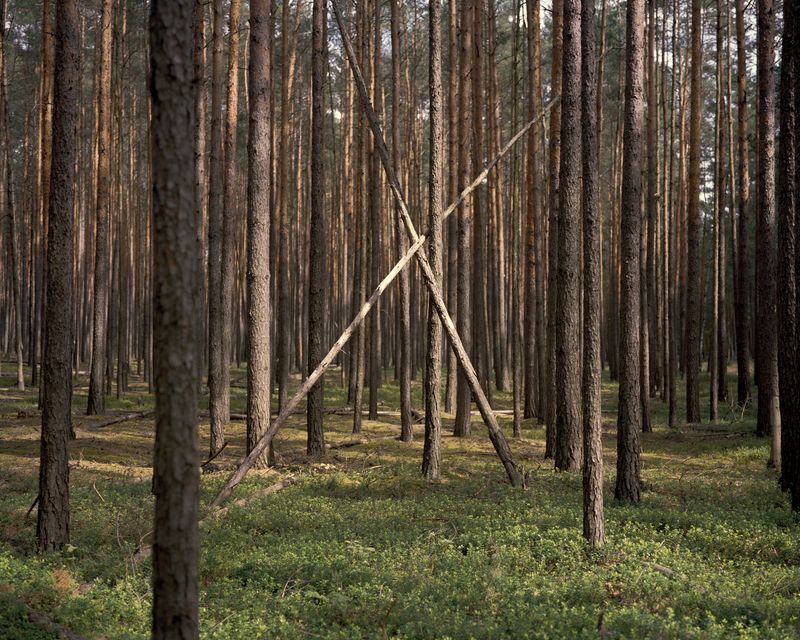
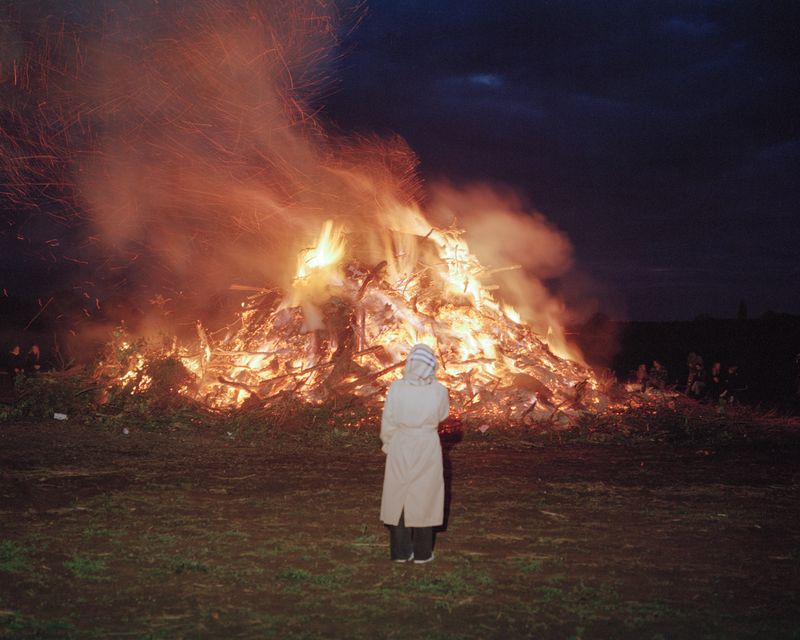
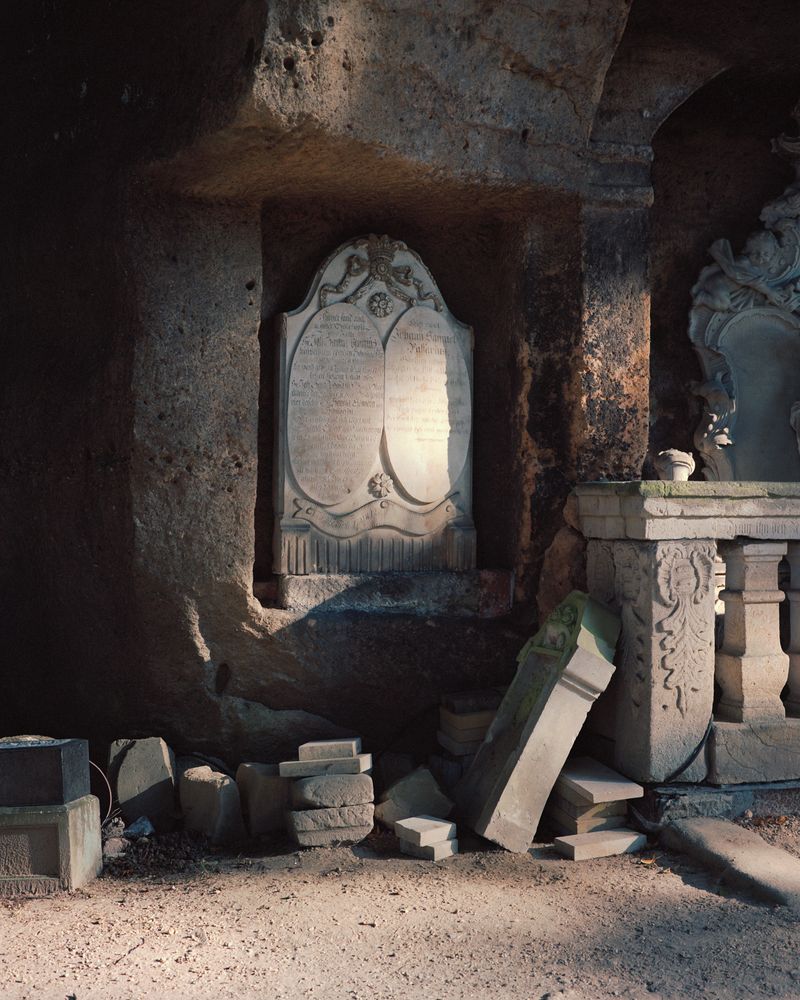
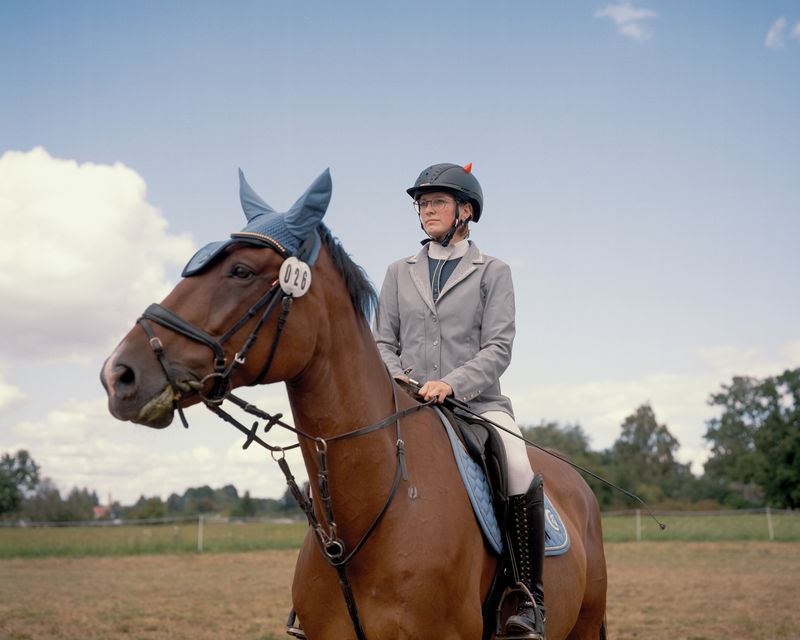
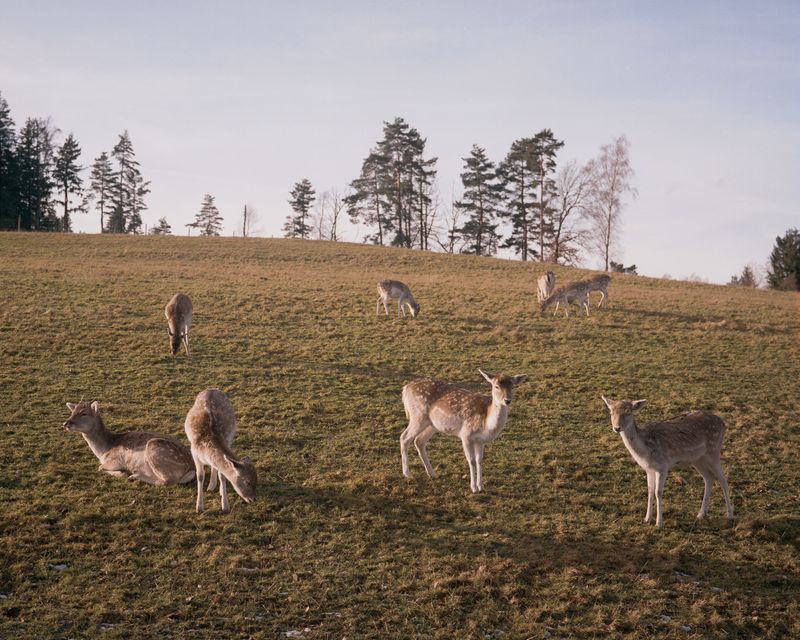
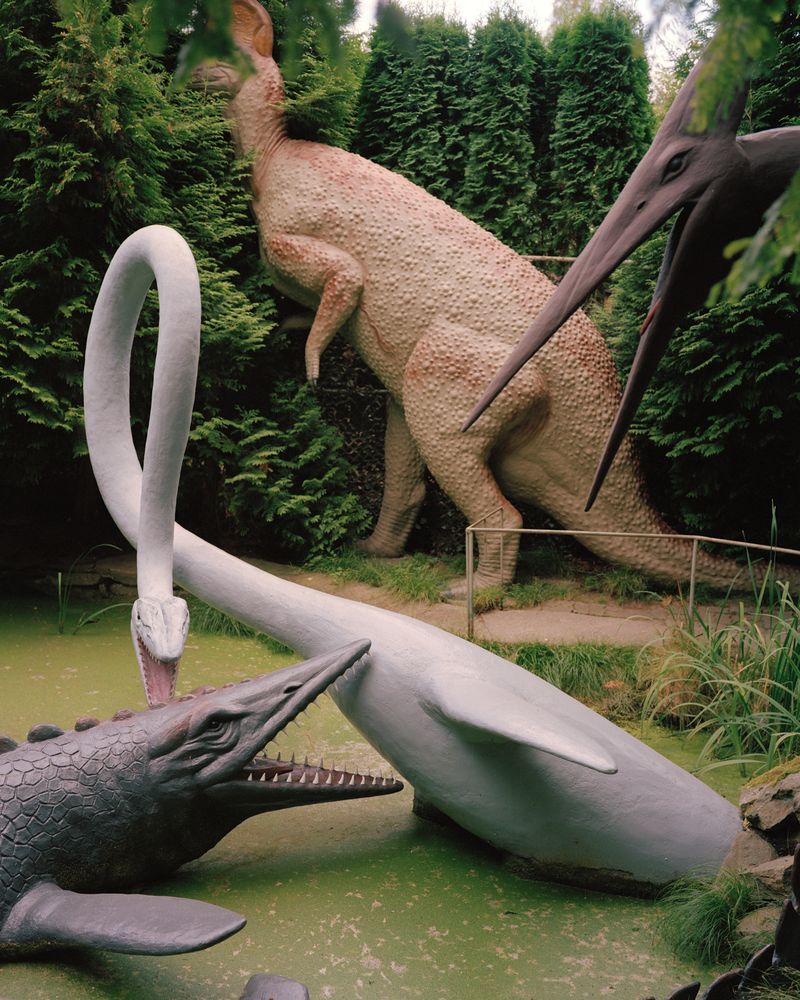
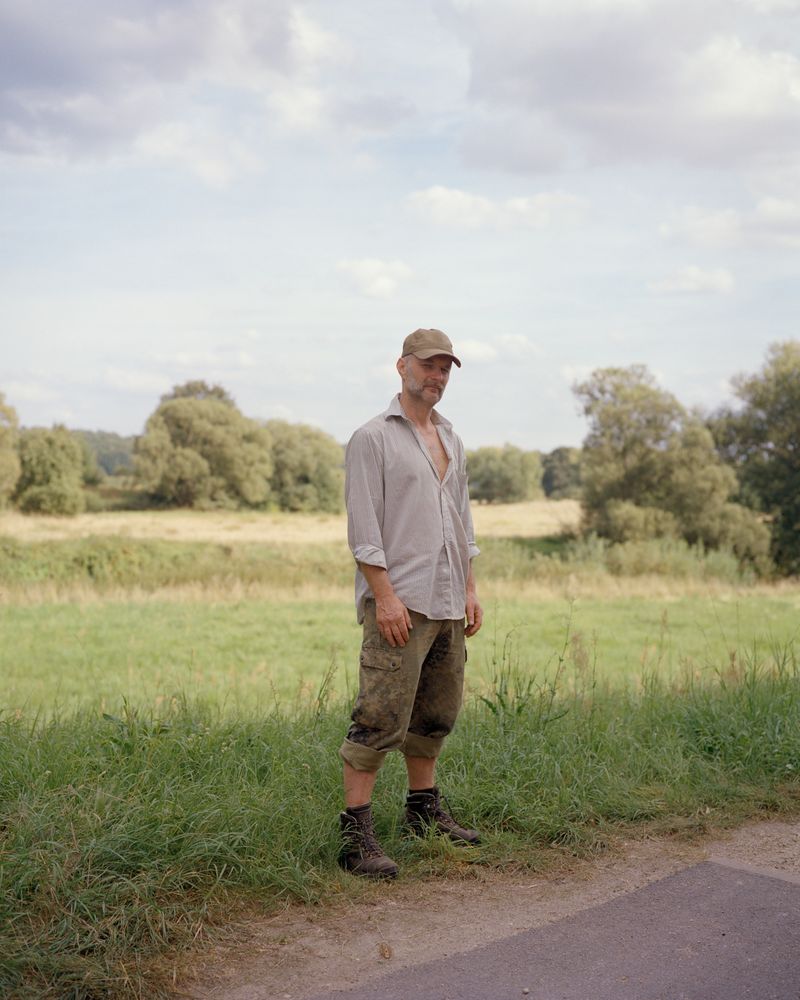
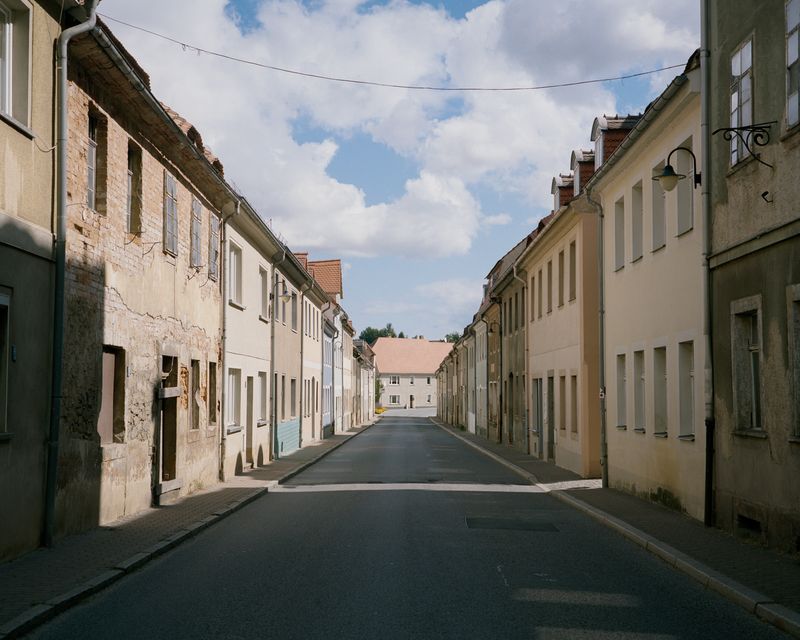
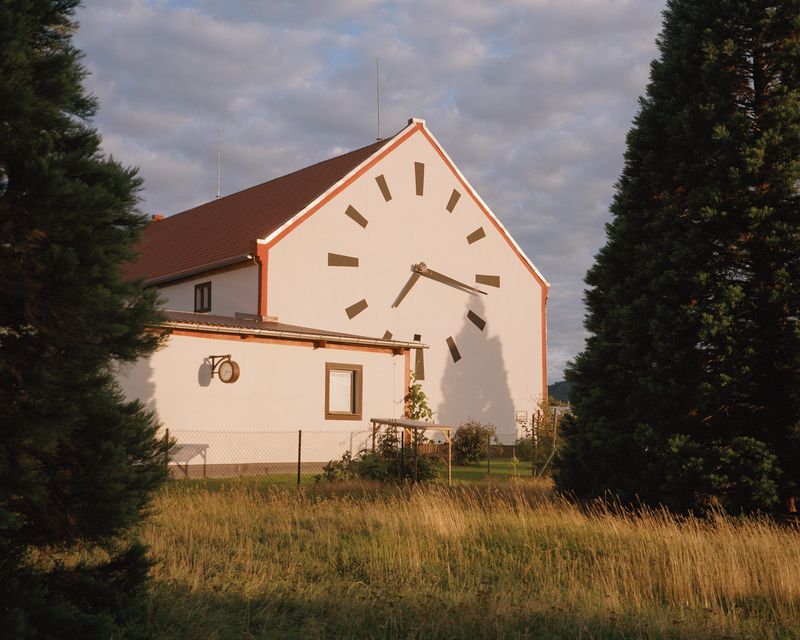
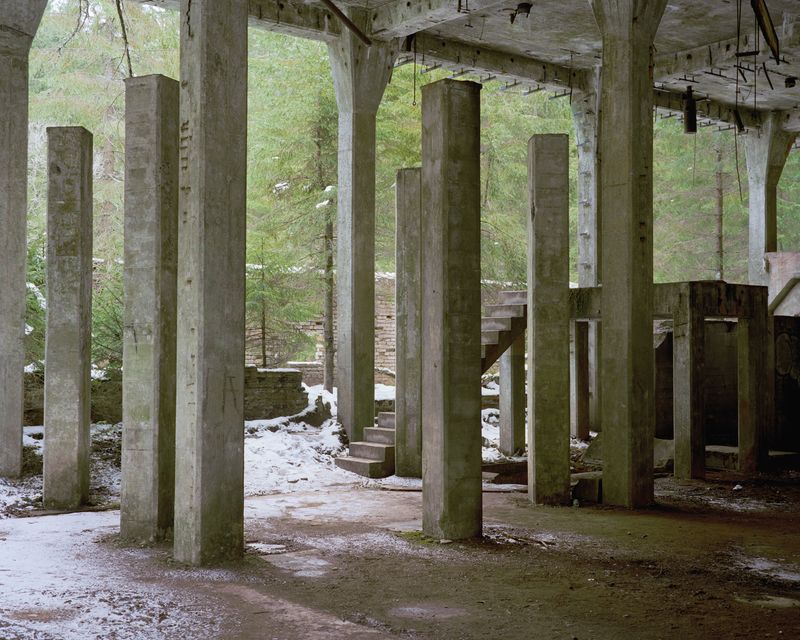
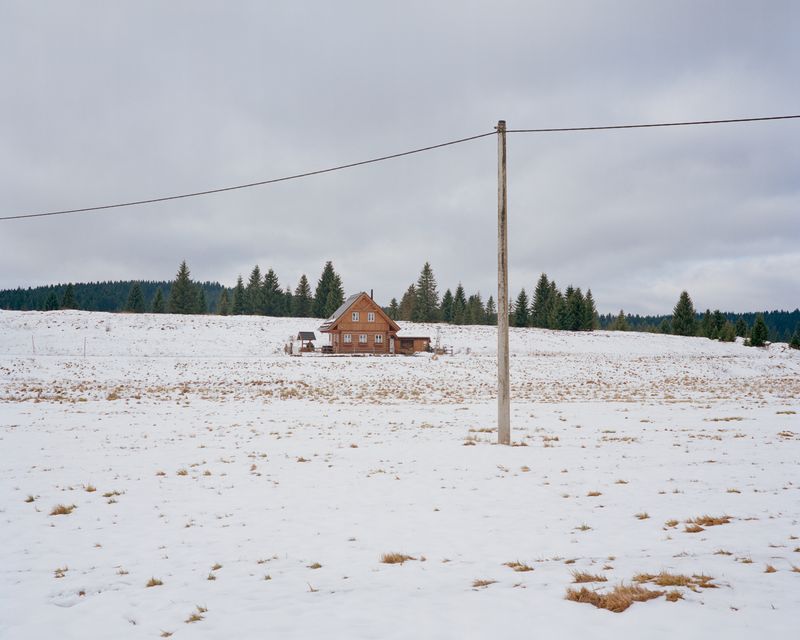
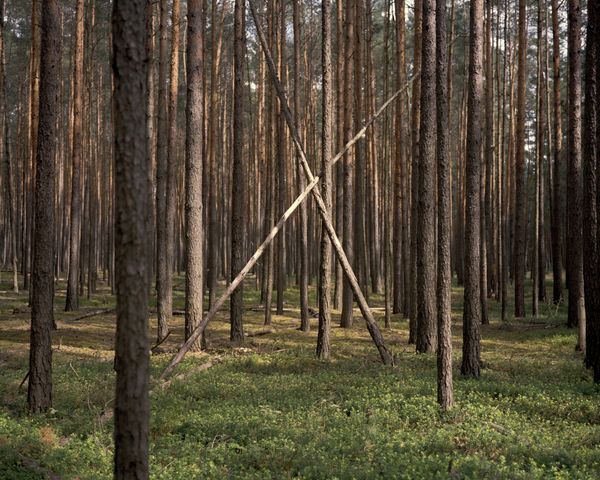
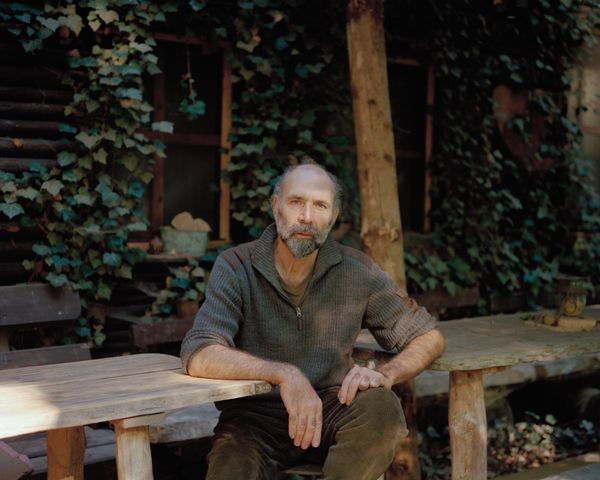
A journey along the German border to explore where belonging begins and where it ends. How is identity shaped at the edges of a nation, and can shared characteristics be derived from these different identities?
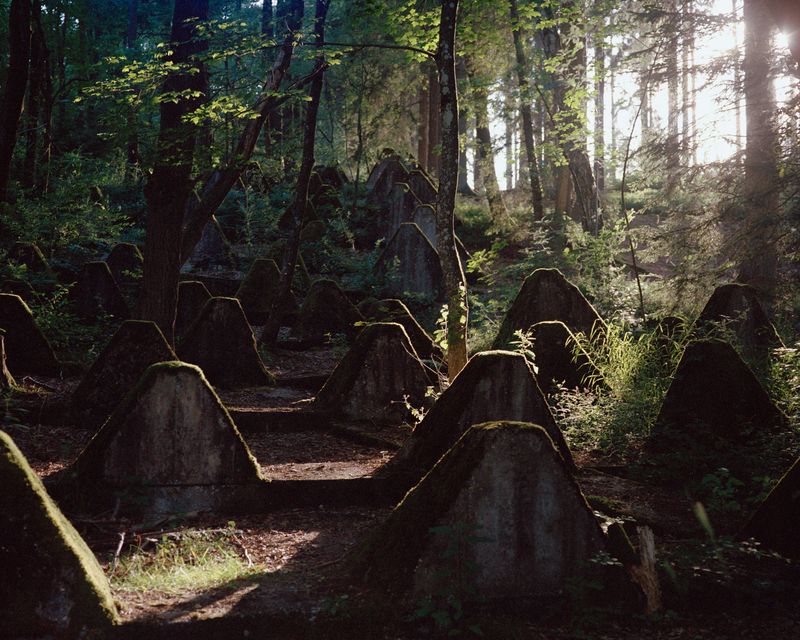
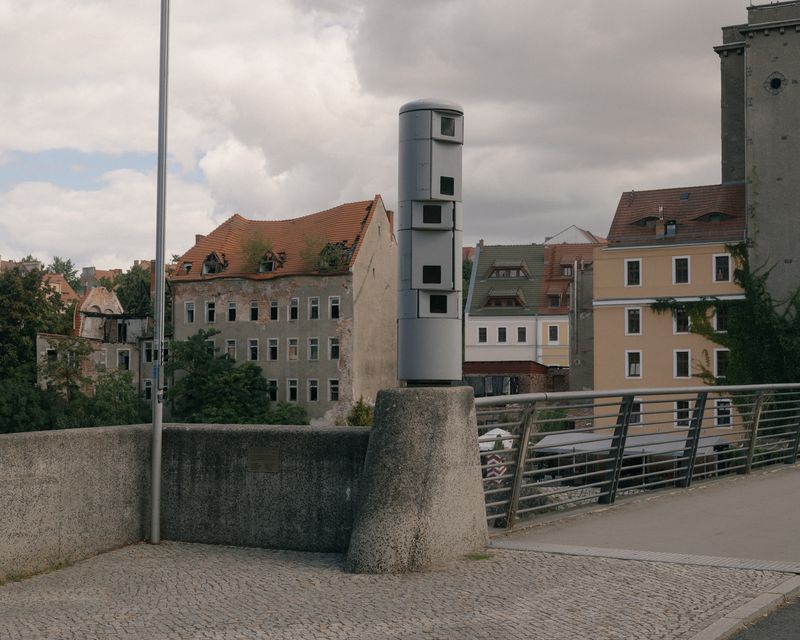
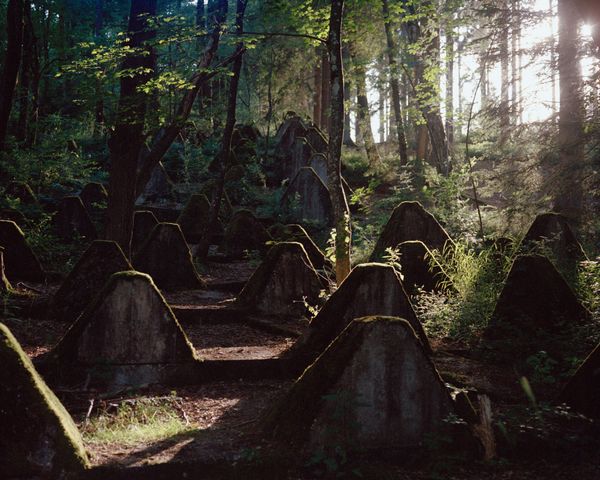
Border controls have been back in force in Germany since September 16, 2024. Borders are meant to delineate and define territories; they construct nationality and identity, but they also lead to separation and exclusion. The ideal of a free and unified Europe is increasingly being called into question by political and social tensions. National borders have once again become a dominant force in public and political discourse.
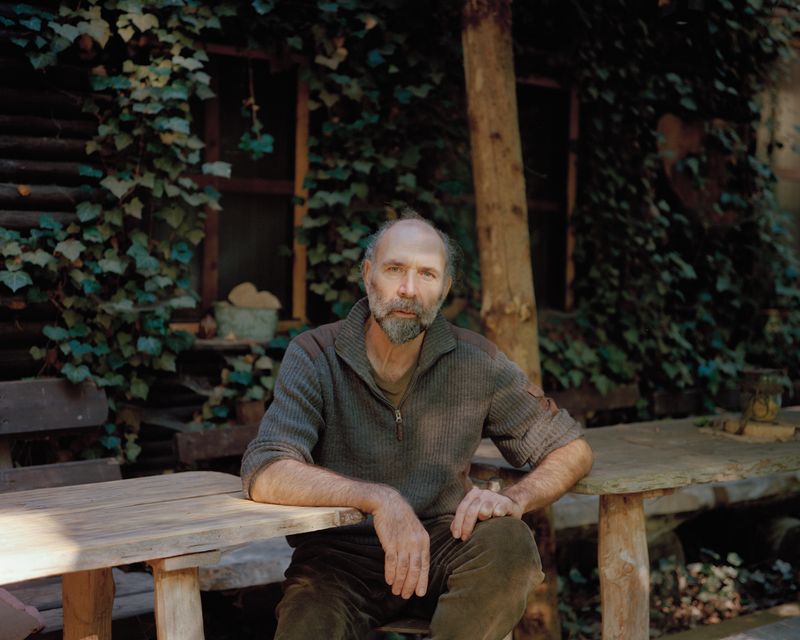
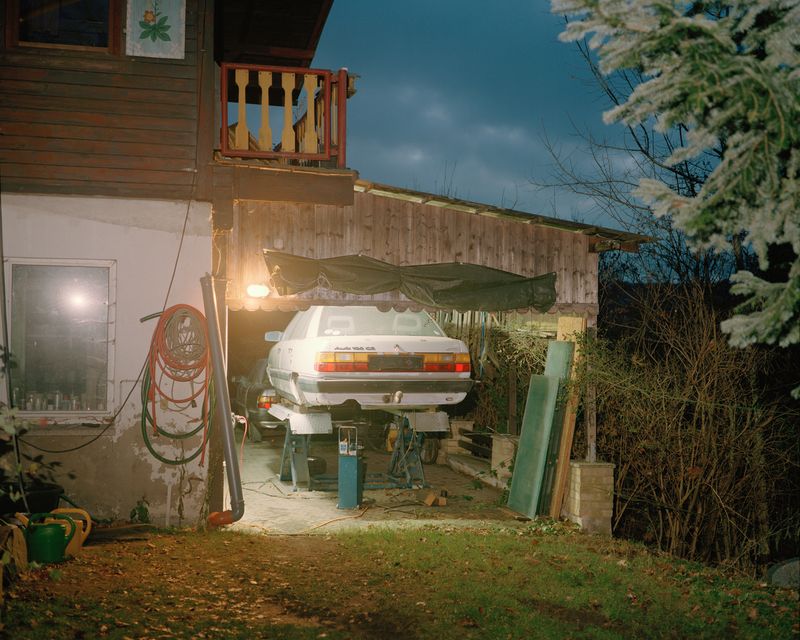
The project follows Germany’s 3,767 km external border and examines how national boundaries affect the people who live along them. How does identity form at the edges of a nation, and can shared traits be discerned across these different identities? Europe was long regarded as open and largely borderless, yet today uniformed officials are once again stationed at crossings. Statements by the German Chancellor Friedrich Merz about “some strange cars with some strange people” being “checked from time to time” raise the question: what exactly is being protected, and from what?
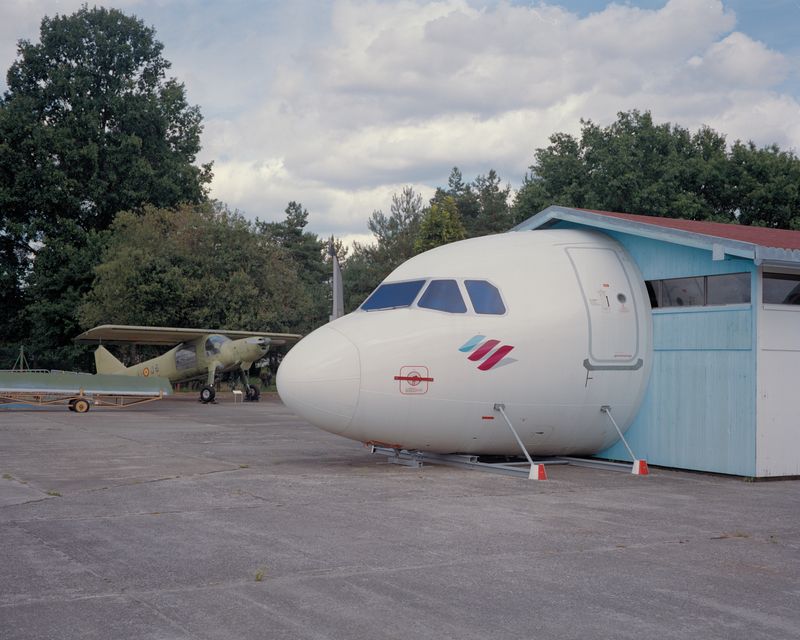
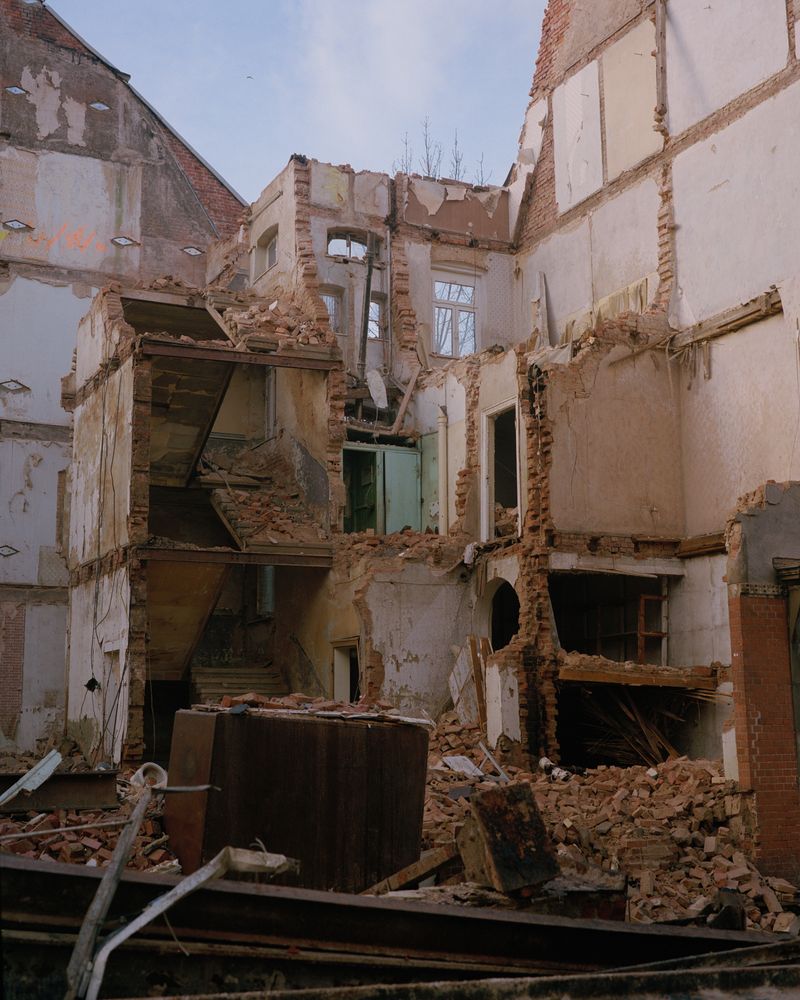
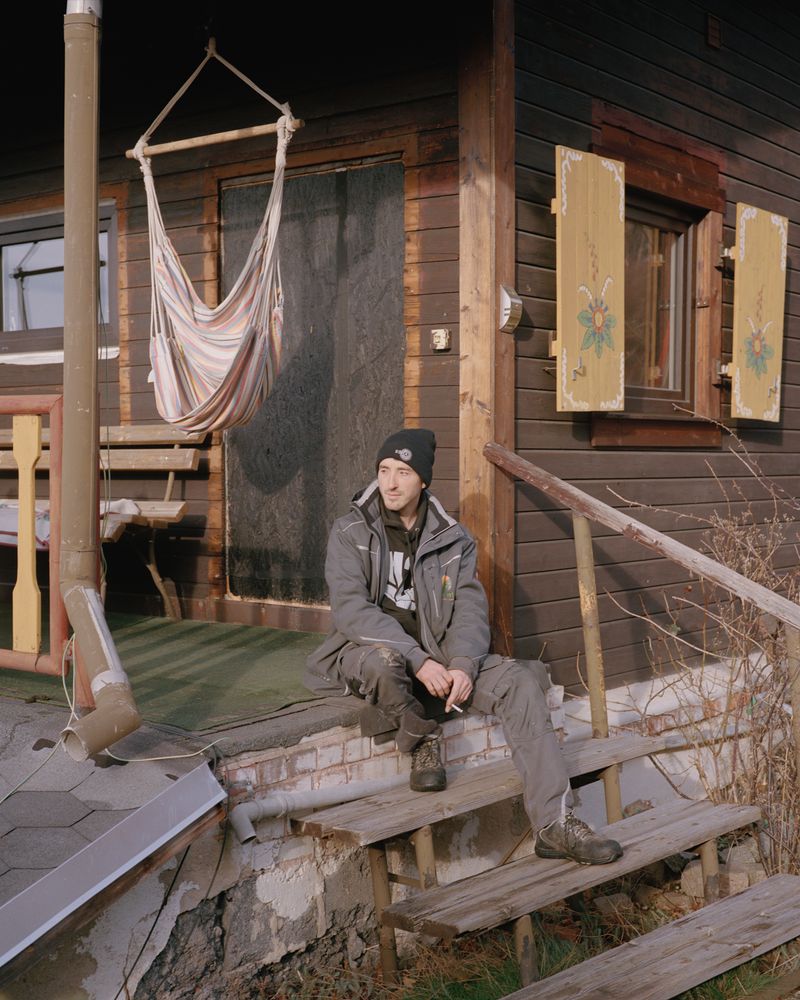
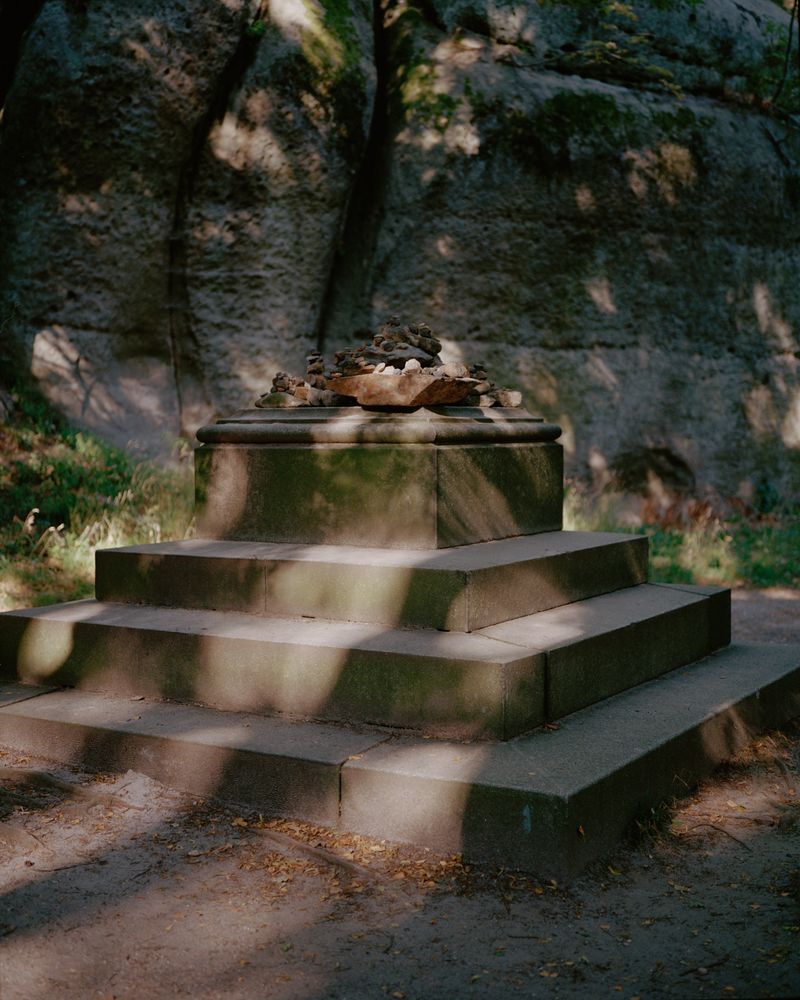
The photo essay “Where the Land Ends” aims to address both the visible and the abstract aspects of borders and to make this line on a map tangible - as a living, politically charged phenomenon that directly affects people’s lives.