Vanities

Through recontextualized religious products, Vanities explores the tension between faith and consumer culture, urging a reflection on the impact of capitalism on spiritual practices.

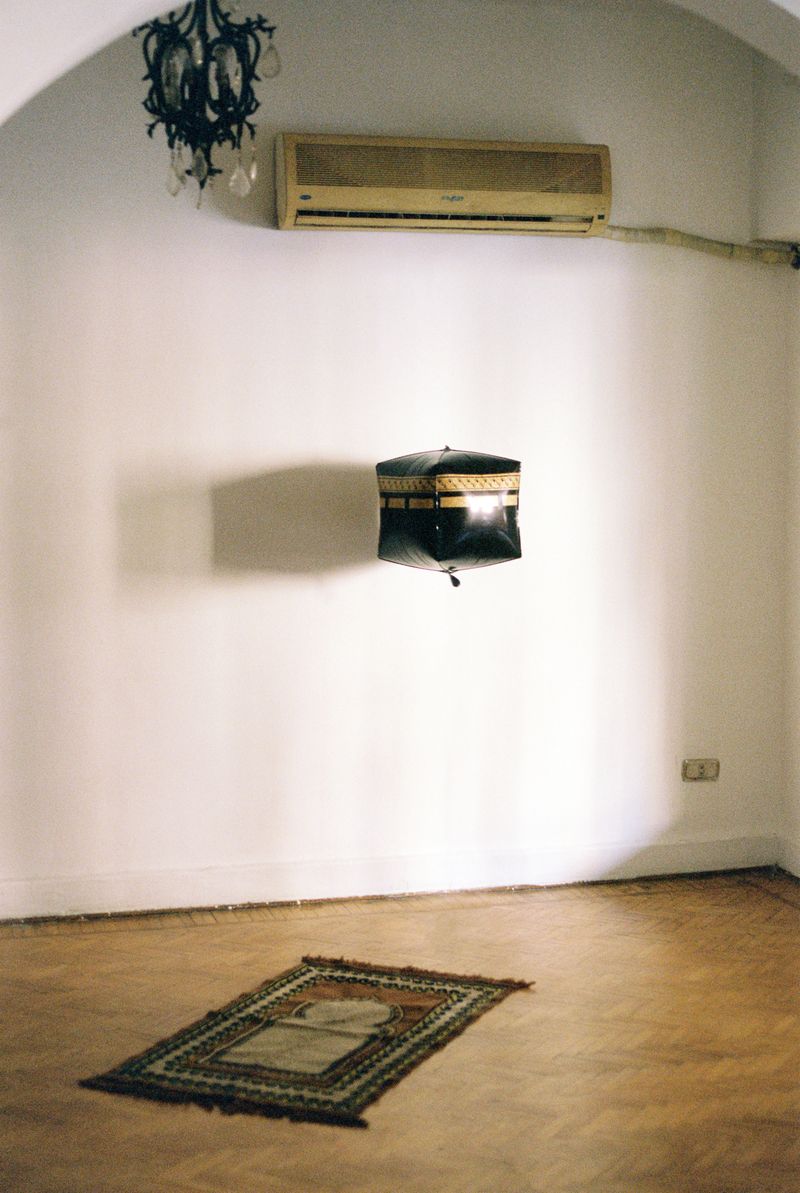
As I walked through Berlin, I stumbled upon a party decoration shop with a Kaaba balloon in its display window. I felt an urge to buy it, anticipating that sooner or later, someone would deem it blasphemous and it would disappear. But weeks passed, and it remained. Eventually, I bought one, unsure of its fate, only to discover, amidst Christmas ornaments, New Year’s streamers, Halloween props, and Valentine’s hearts, that there was an entire aisle dedicated to "Muslim" decorations. I had to suppress my laughter, but something about it felt unsettling. It wasn’t that I was unfamiliar with these traditions. I had grown up religious, I used to be a practicing Muslim. Yet, something about encountering a Ramadan advent calendar in a Berlin grocery store struck me with the same eerie feeling. Islam was being repackaged, commercialized, turned into yet another seasonal trend. It had become a market, another lucrative demographic to tap into. Curious, I began looking for other “religious” products on the market. My algorithm quickly caught on, feeding me endless suggestions, hundreds of Pinterest posts advertising "Muslimah Essentials”, among them: matcha lattes, pastel-colored Qurans, and bejeweled digital rosaries (aka Zikr Rings). Islam had become an aesthetic, faith was being sold in shades of pink and gold, wrapped in glitter and packaged for consumption.

No one truly needs a Kaaba chocolate assortment box, a Quran and Zikr Ring matching gift set, Zamzam water-infused eyeliner, or "Ruqyah Paper" to ward off magic or the evil eye. When did we allow capitalism to monopolize spirituality? When did our individualistic desires infiltrate our religious practices? Islam, at its core, emphasizes humility and detachment from material excess, in the way we fast, in the way we give charity, in the way we are buried. So how has overconsumption, the very antithesis of these values, become so unquestioned?

I documented and recontextualized many (though not all) of these so-called "religious products" in an attempt to spark a conversation. One day, when I was buying an “Allah” necklace, the seller opened up and said it felt weird he was making profit out of the name of God. Vanities challenges viewers to reflect on the extent to which capitalism and consumer culture have infiltrated spiritual practices.
© Najla Said - Image from the Vanities photography project
i

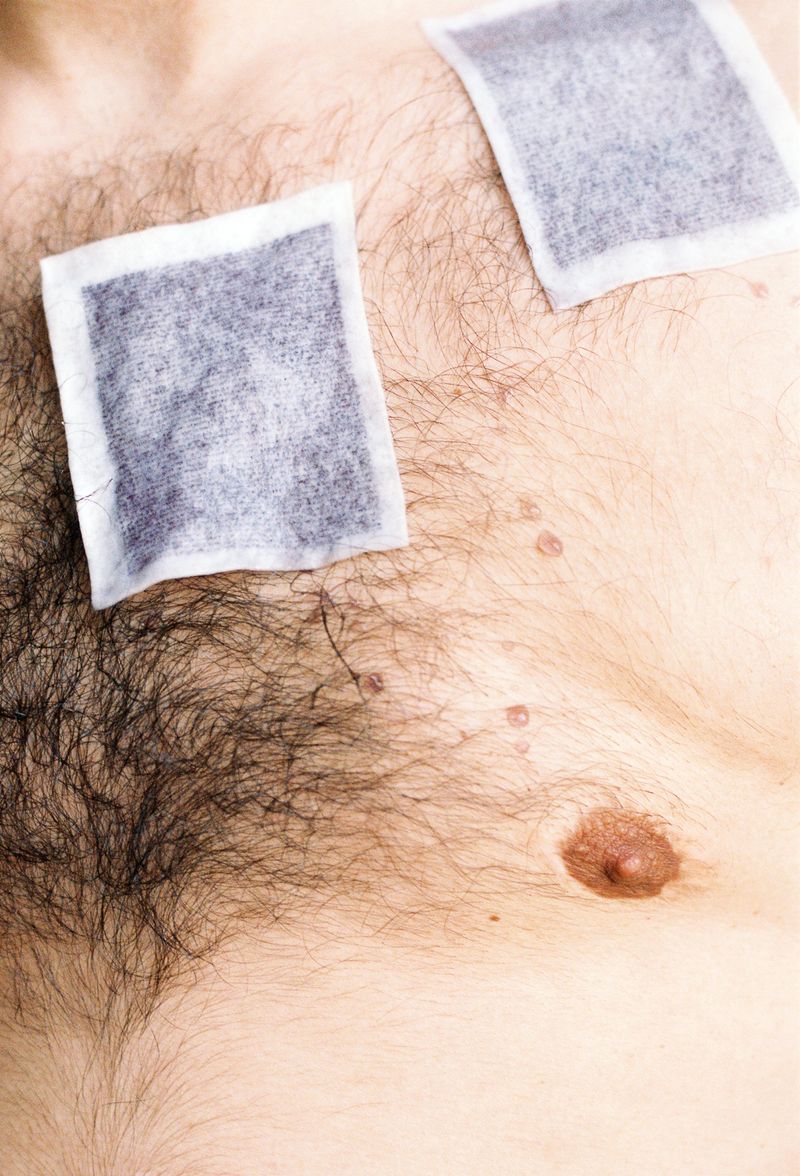
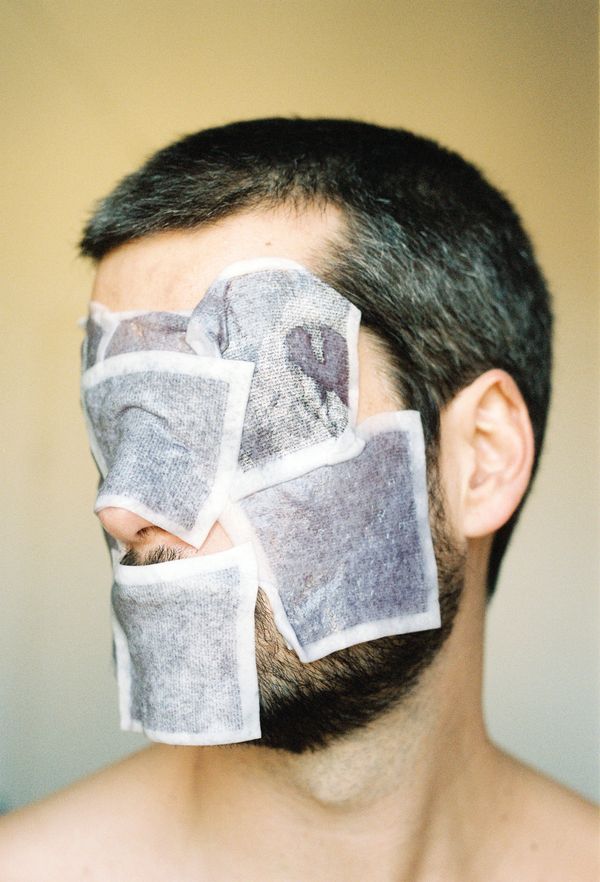
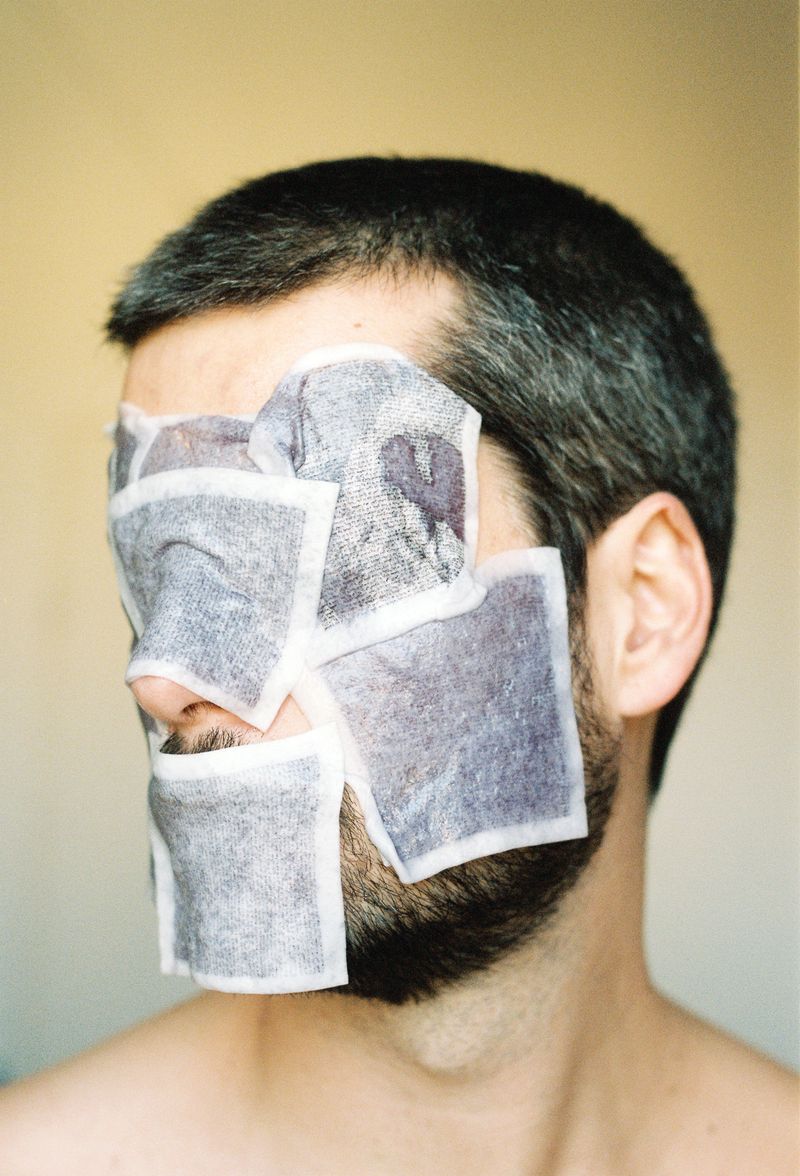
“Ruqyah” paper, an edible paper printed with Quranic verses, which dissolves in water and is meant to be used for evil eye protection and against black magic. It's meant to be soaked in water, in which one would bathe in, or alternatively drunk.

© Najla Said - Image from the Vanities photography project
i

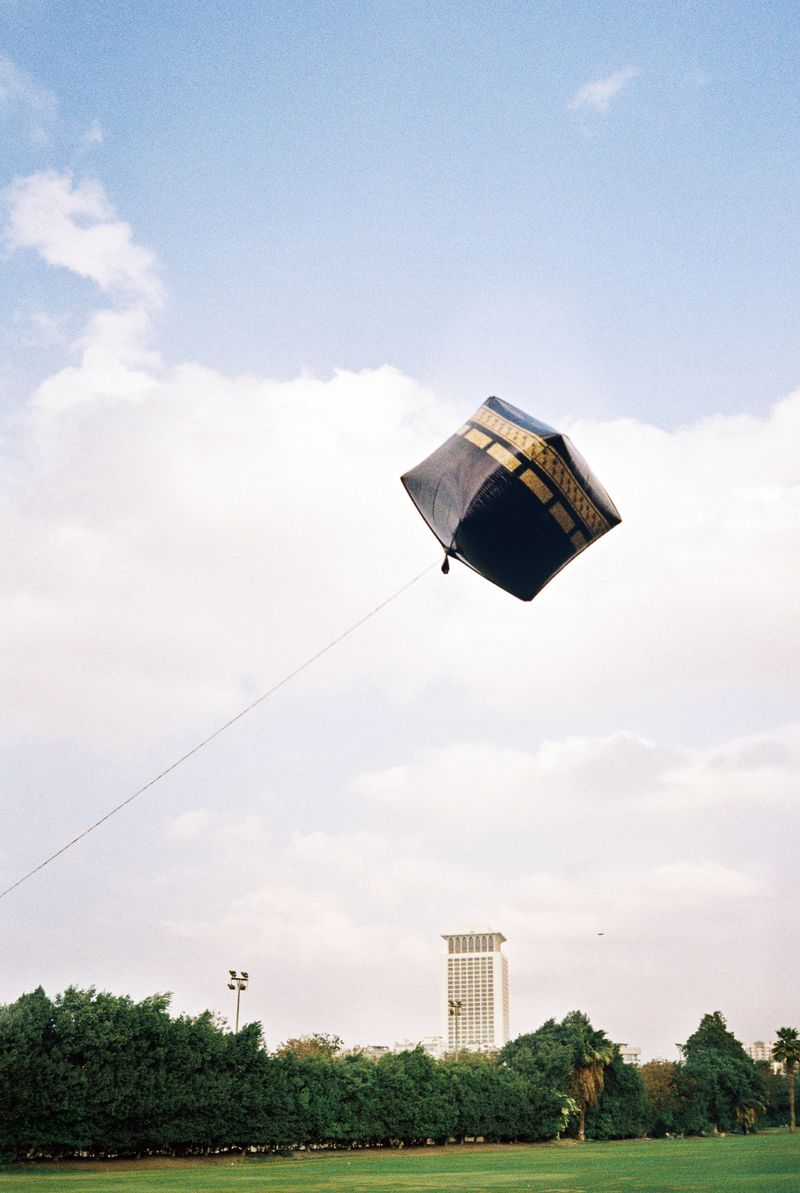
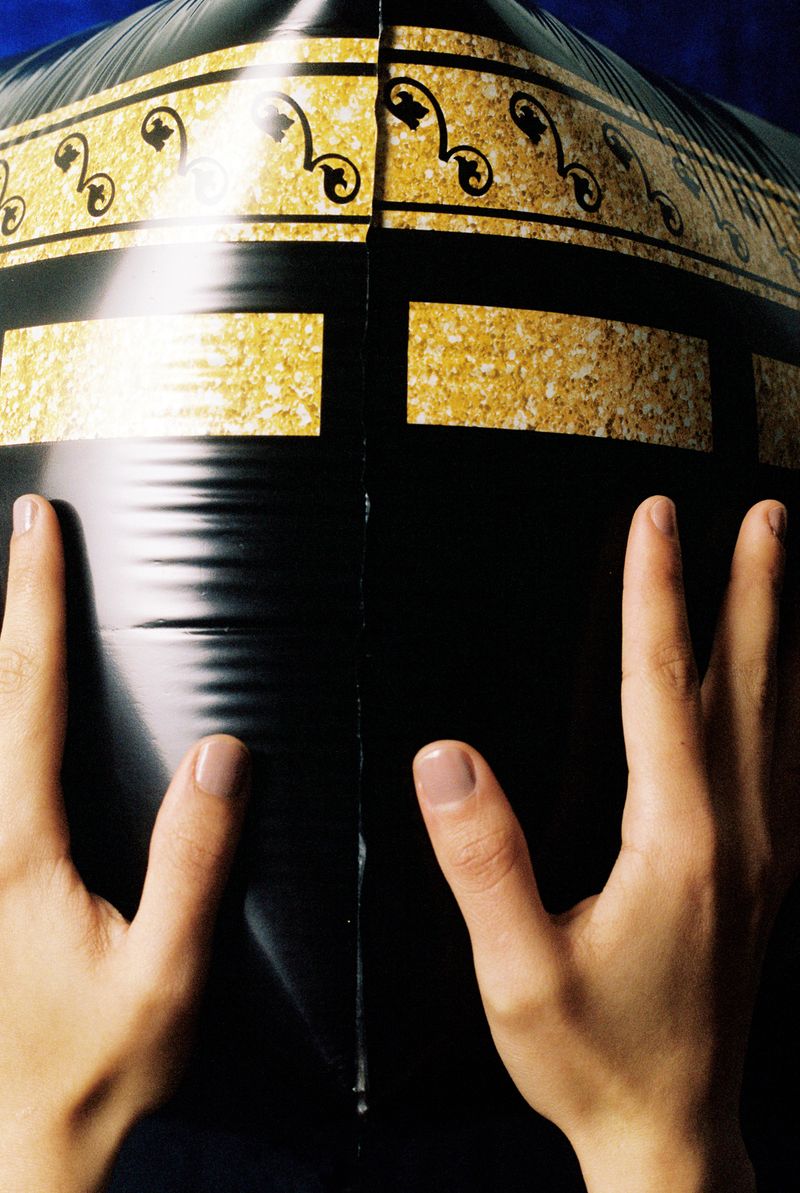
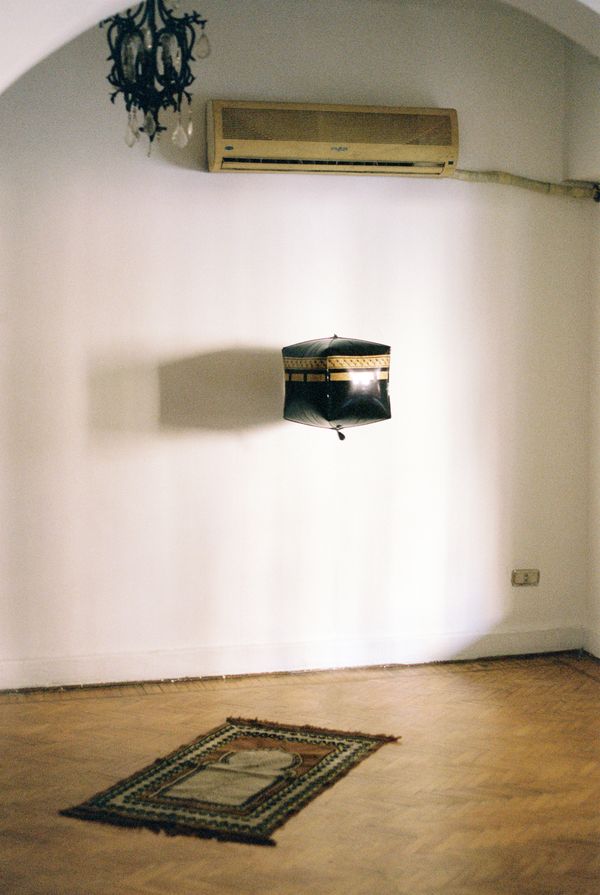
A helium balloon in the form of the Kaaba, the holiest site in the Hajj and Umrah pilgrimage and the direction in which Muslims pray towards.

© Najla Said - Image from the Vanities photography project
i

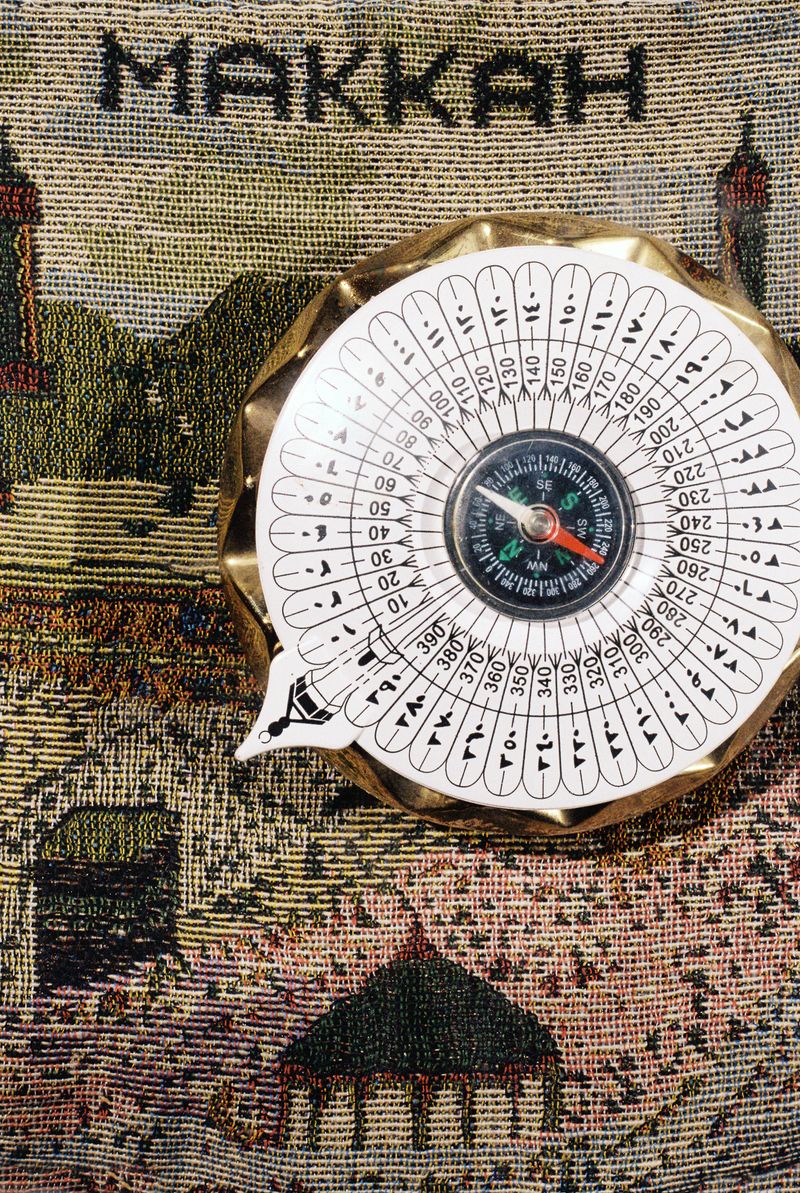
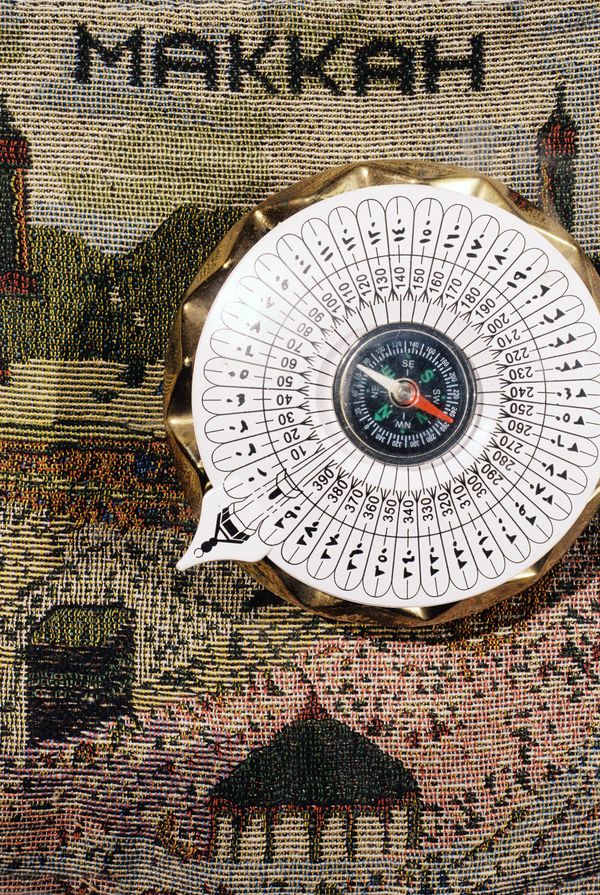
A “Qibla” compass, a product which indicates the direction of the Kaaba, towards which Muslim pray. The compass is laid on a fabric with a depiction of the Great Mosque of Mecca.

© Najla Said - Image from the Vanities photography project
i

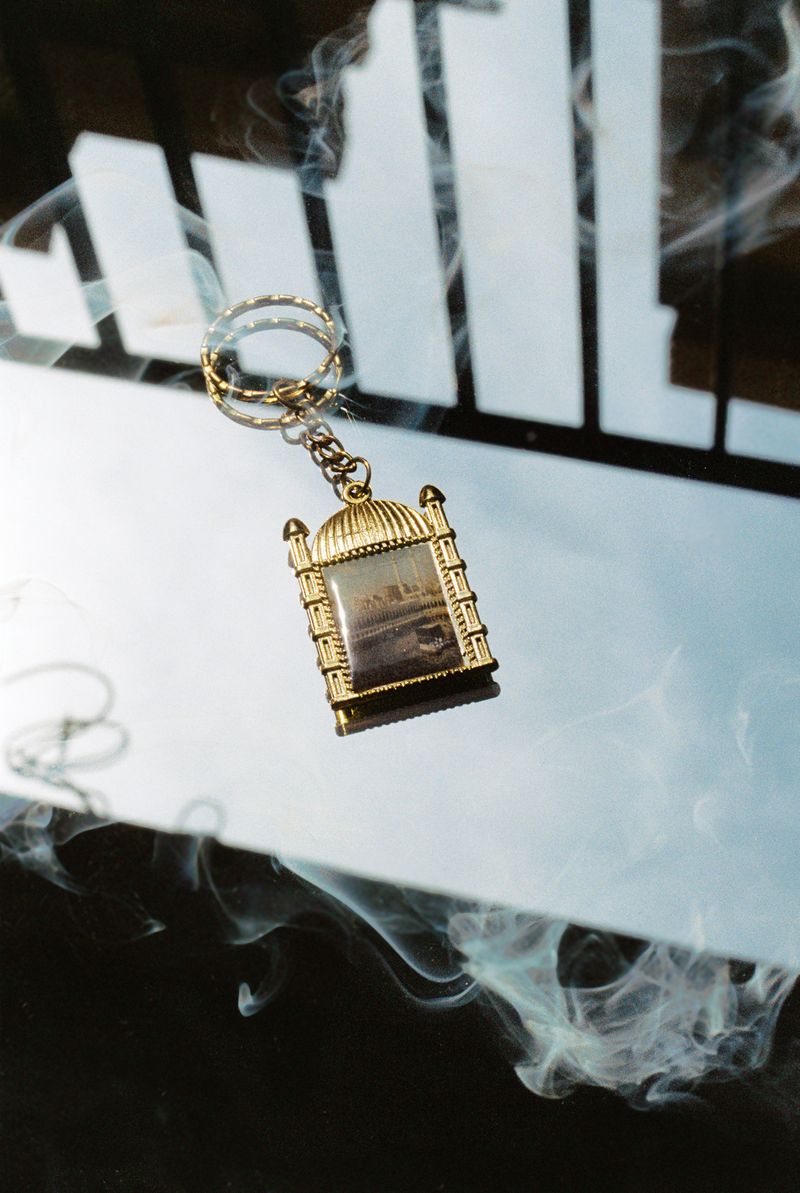
A keychain with a display of the Kaaba and the Great Mosque of Mecca, the site of the Hajj and Umrah pilgrimage. Smoke from “Bukhoor” blows through the image, an incense used against the evil eye, and for protection.

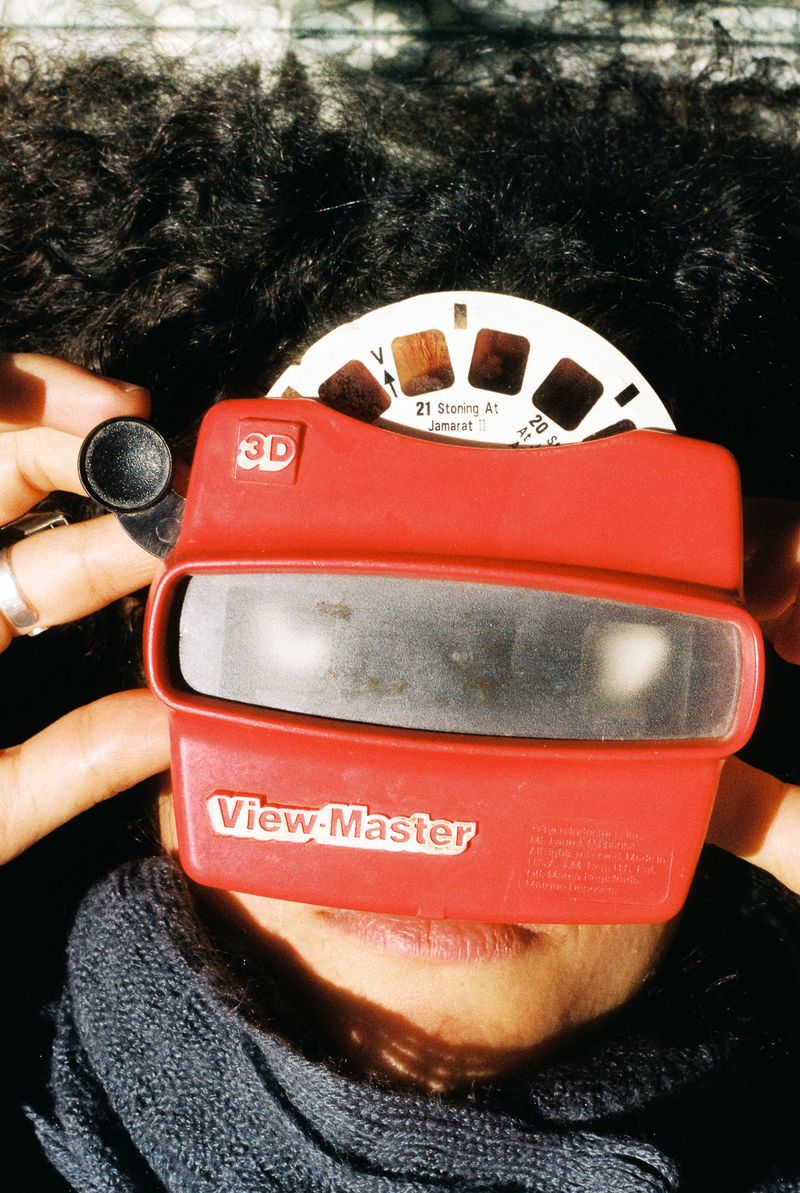
© Najla Said - A souvenir from Mecca, a 3D Viewmaster, portraying various slides from the Hajj and Umrah pilgrimage.
i

A souvenir from Mecca, a 3D Viewmaster, portraying various slides from the Hajj and Umrah pilgrimage.

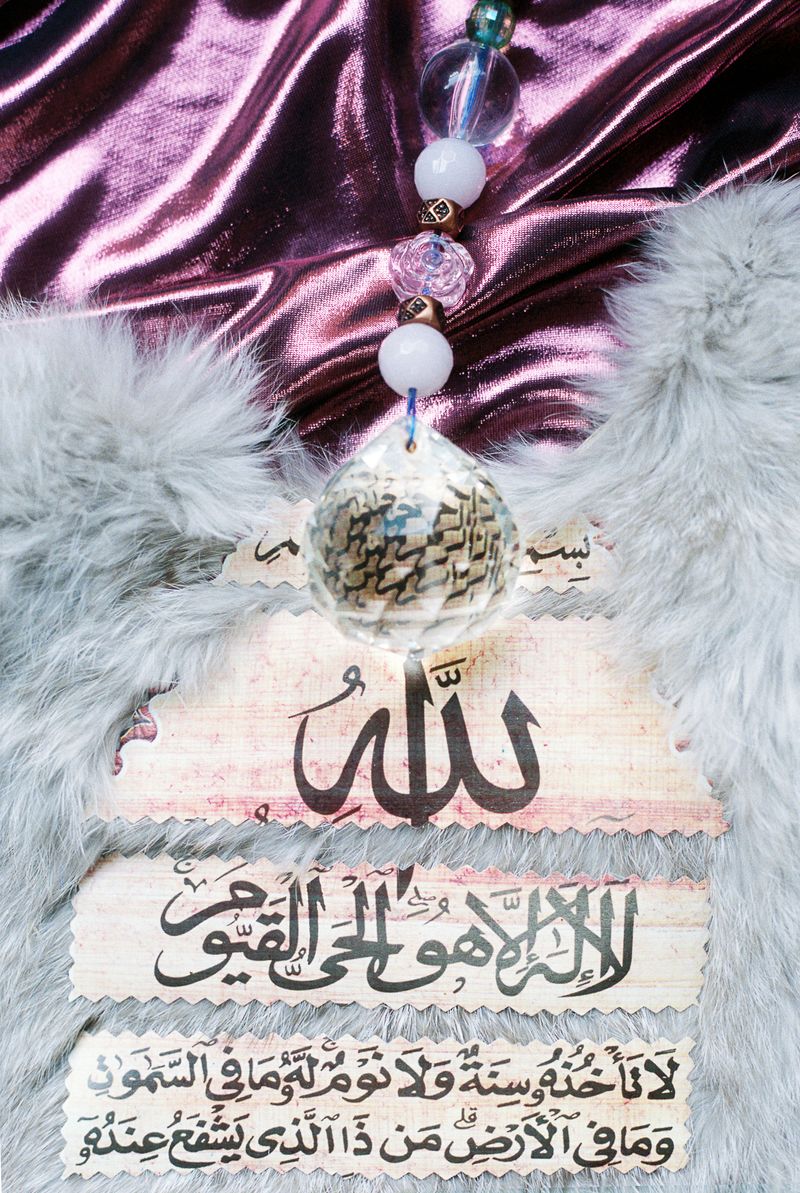
© Najla Said - A Quranic verse imprinted on rabbit fur.
i

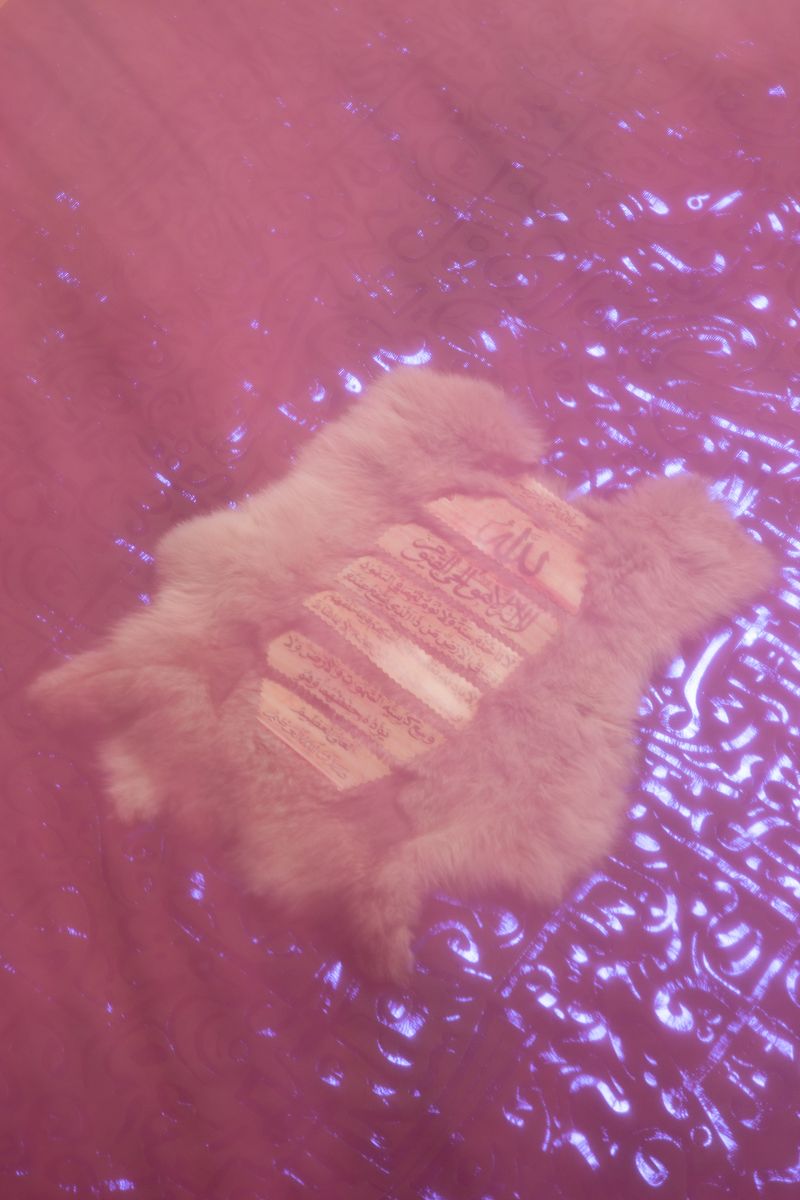
A Quranic verse imprinted on rabbit fur.

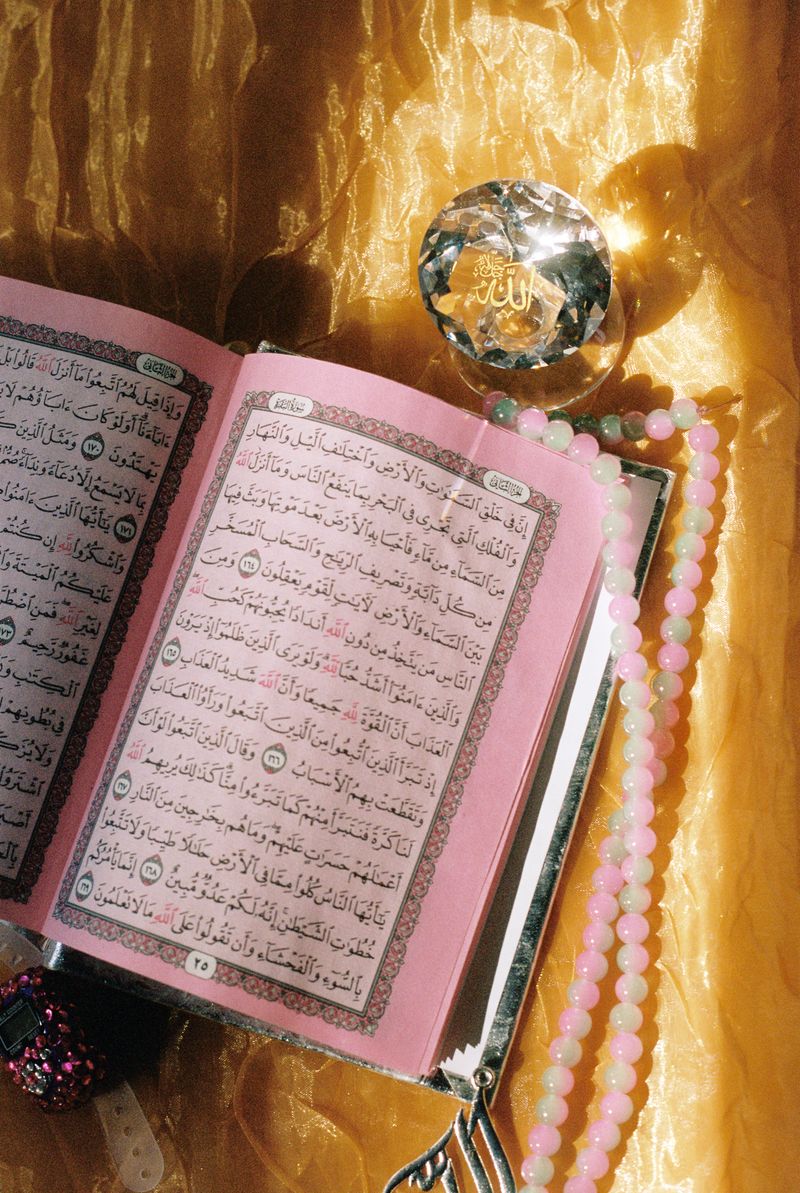
© Najla Said - A crystal with the name of God, Allah, used for home decor; as well as a rainbow Quran, and rosary beads.
i

A crystal with the name of God, Allah, used for home decor; as well as a rainbow Quran, and rosary beads.

© Najla Said - Image from the Vanities photography project
i

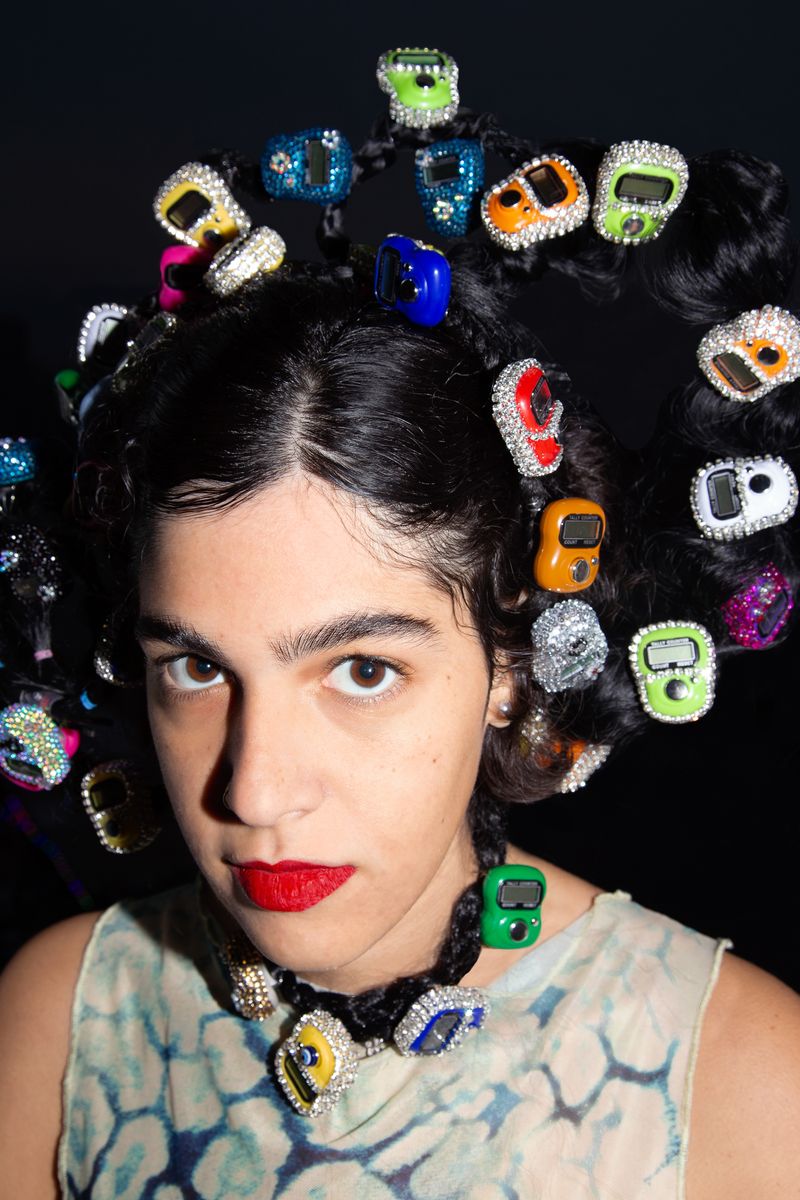
A Medusa-inspired subject with numerous bedazzled digital rosaries (aka “Zikr Ring”, used to count the number of prayers) around her voluminous hair.

© Najla Said - Image from the Vanities photography project
i

A helium balloon in the form of the Kaaba, the holiest site in the Hajj and Umrah pilgrimage and the direction in which Muslims pray towards.

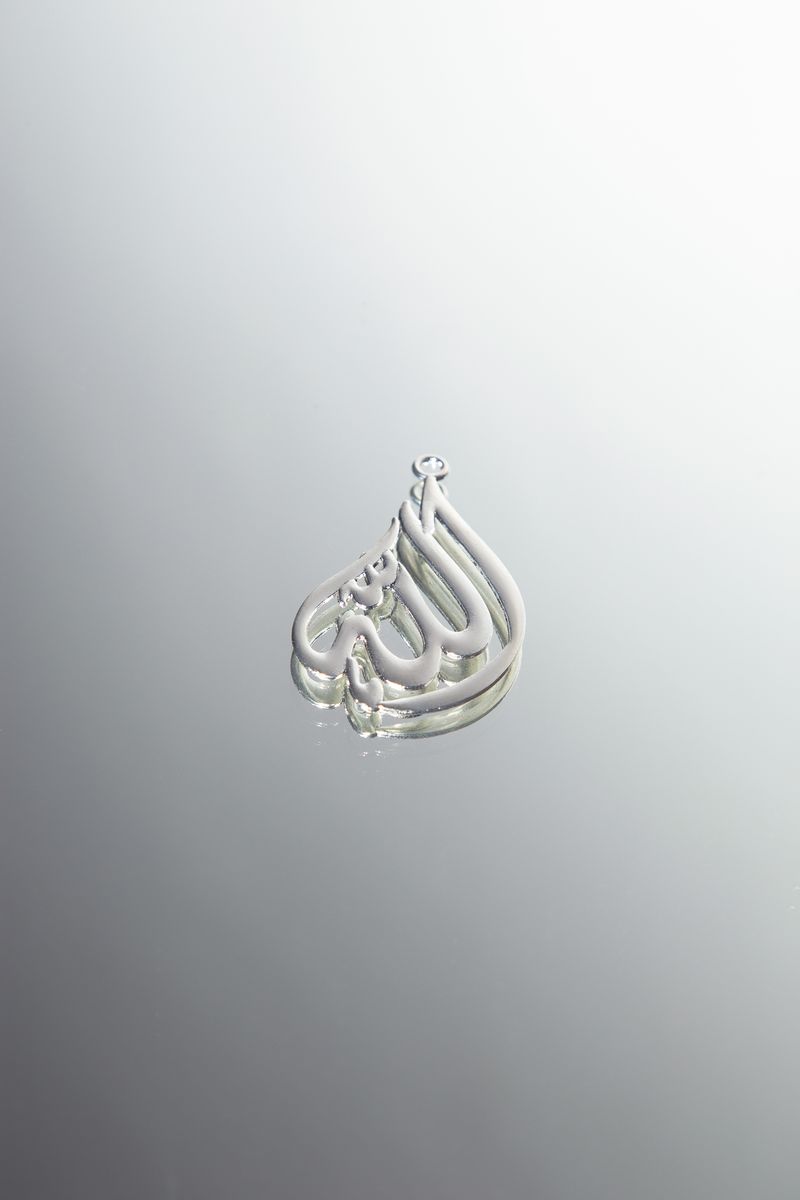
© Najla Said - A pendant of the name of God, Allah, commonly worn as a necklace.
i

A pendant of the name of God, Allah, commonly worn as a necklace.

© Najla Said - A Quranic verse imprinted on rabbit fur.
i

A Quranic verse imprinted on rabbit fur.

© Najla Said - Image from the Vanities photography project
i

“Ruqyah” paper, an edible paper printed with Quranic verses, which dissolves in water and is meant to be used for evil eye protection and against black magic. It's meant to be soaked in water, in which one would bathe in, or alternatively drunk.

© Najla Said - Image from the Vanities photography project
i

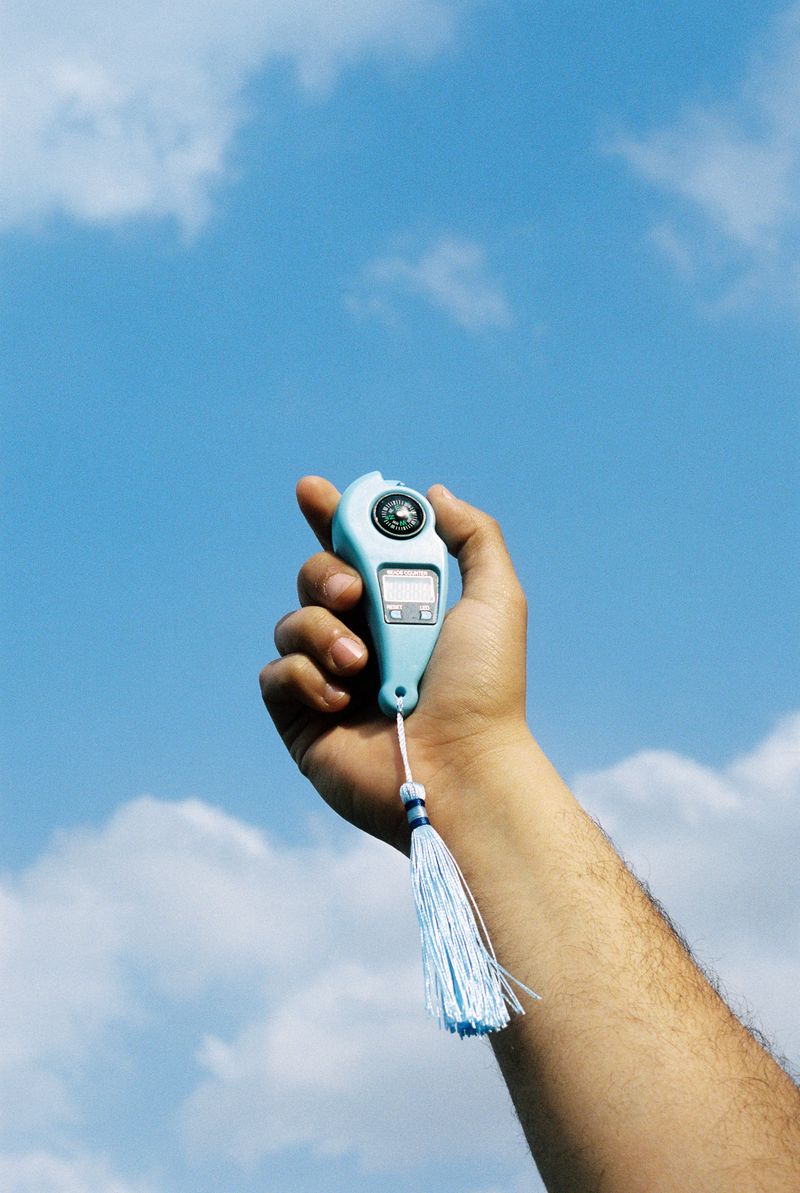
A variation of the “Zikr Ring”, which mimics the feel and movement of traditional rosary beads, while counting the number of “Zikr” (prayers). Additionally, it is equipped with a compass to help the user find the Qibla (direction to pray towards).

© Najla Said - Image from the Vanities photography project
i

A helium balloon in the form of the Kaaba, the holiest site in the Hajj and Umrah pilgrimage and the direction in which Muslims pray towards.