Through My Hands, Broken into Fingers
-
Dates2026 - Ongoing
-
Author
-
Shortlisted
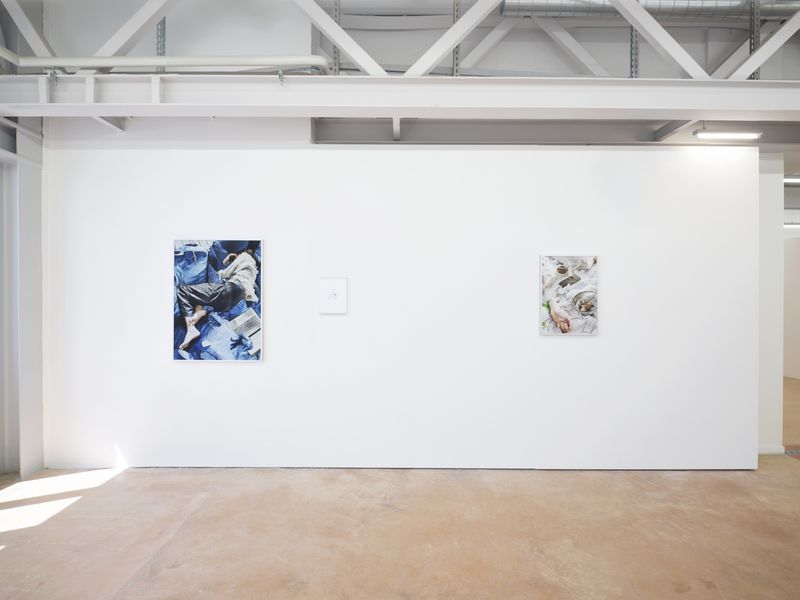
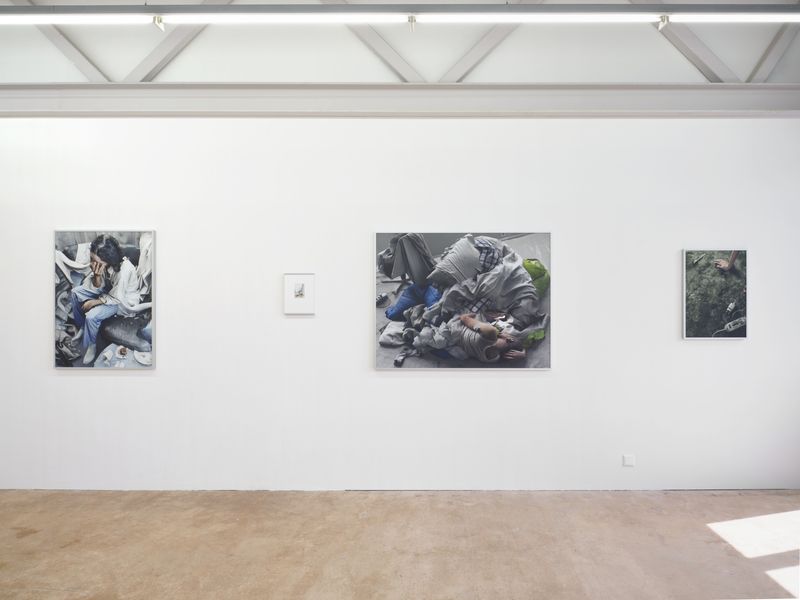
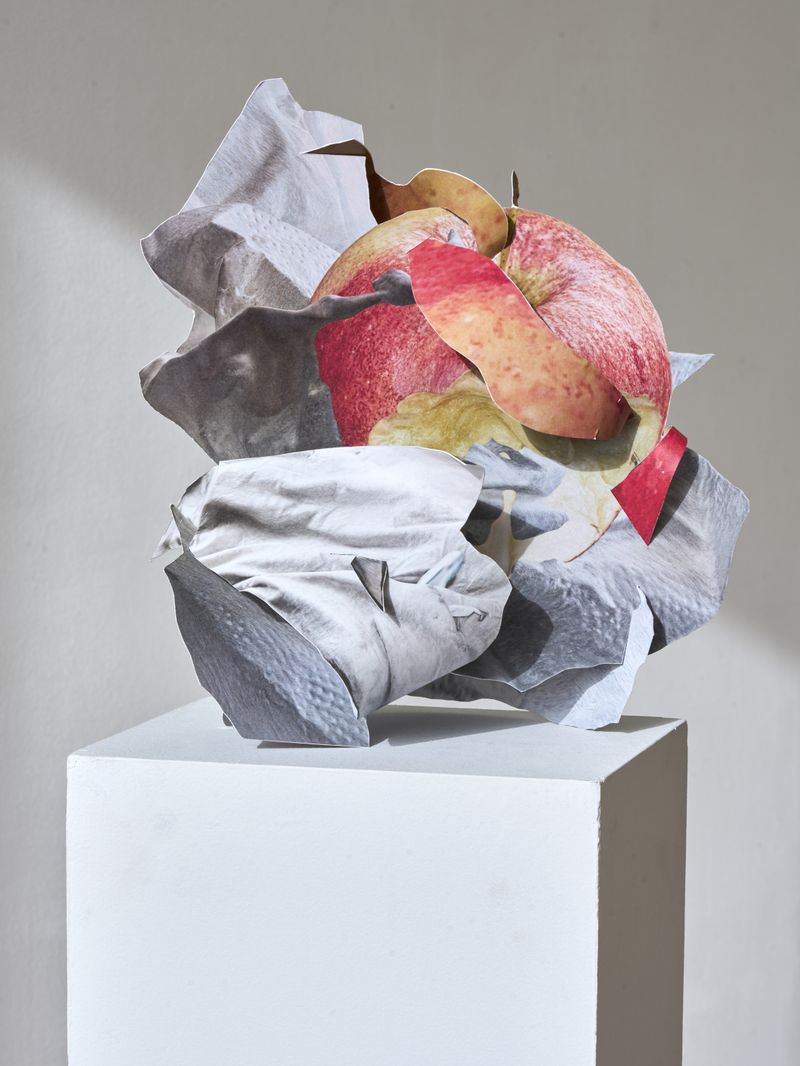
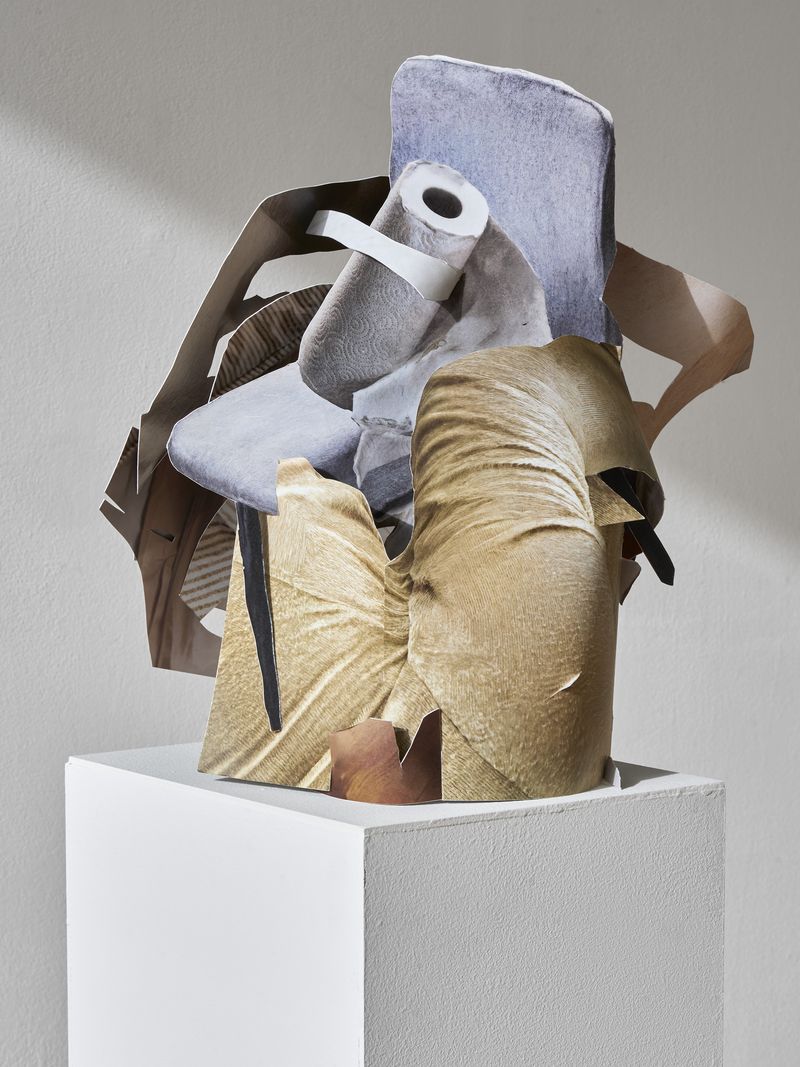
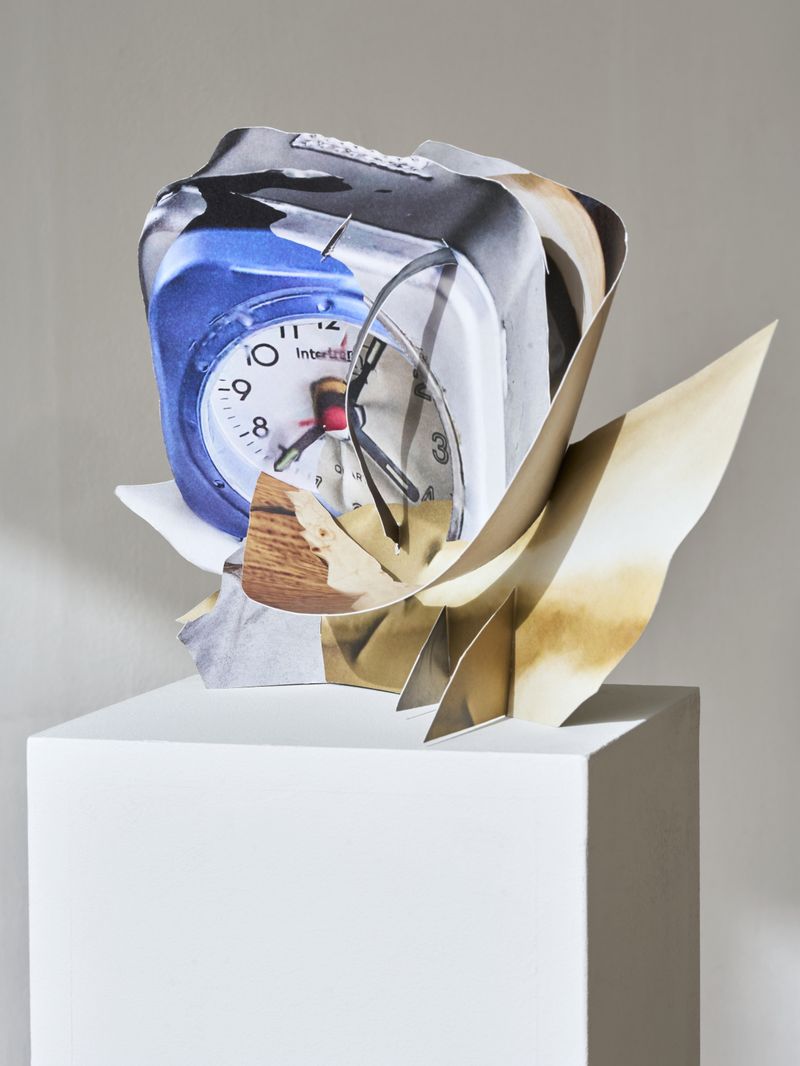
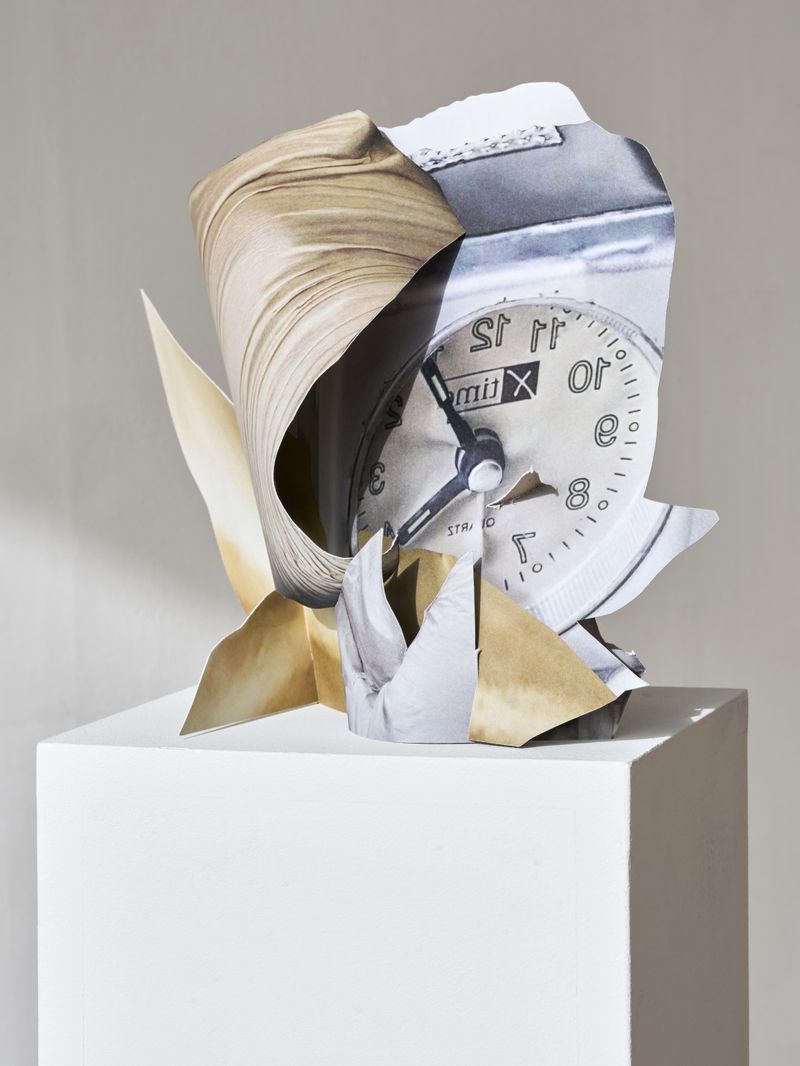
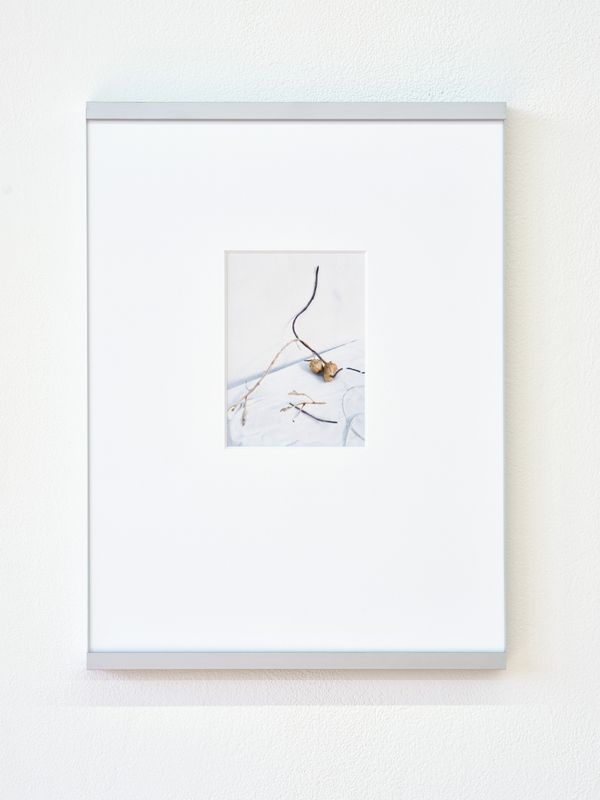
"Through My Hands, Broken into Fingers" is a photographic and sculptural exploration on how contemporary forms of loneliness, comfort, and longing are experienced through the mediation of digital devices.
Staying at home for a long time, without going out or having contact with others except through screens, can create a particular feeling: the environment around you starts to feel slightly unreal, while time becomes distorted. These feelings became familiar to many during the Covid-19 pandemic, but largely remained after, becoming part of an increasingly screen-mediated lifestyle.
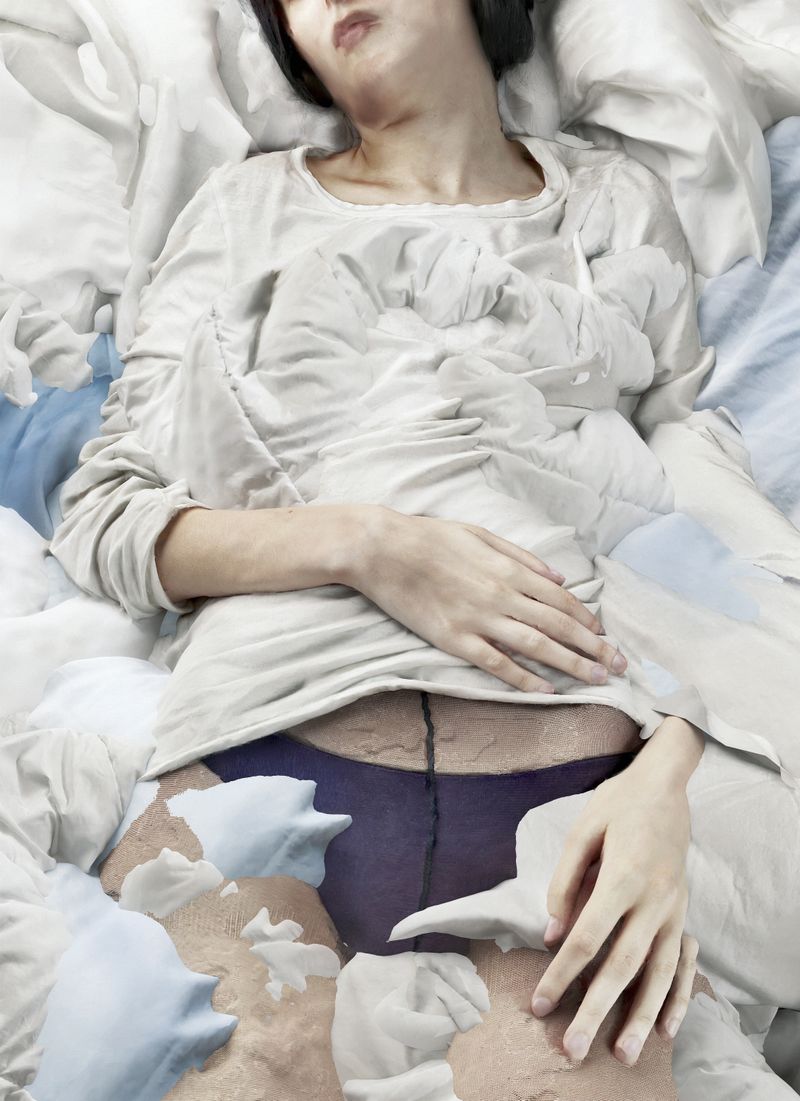
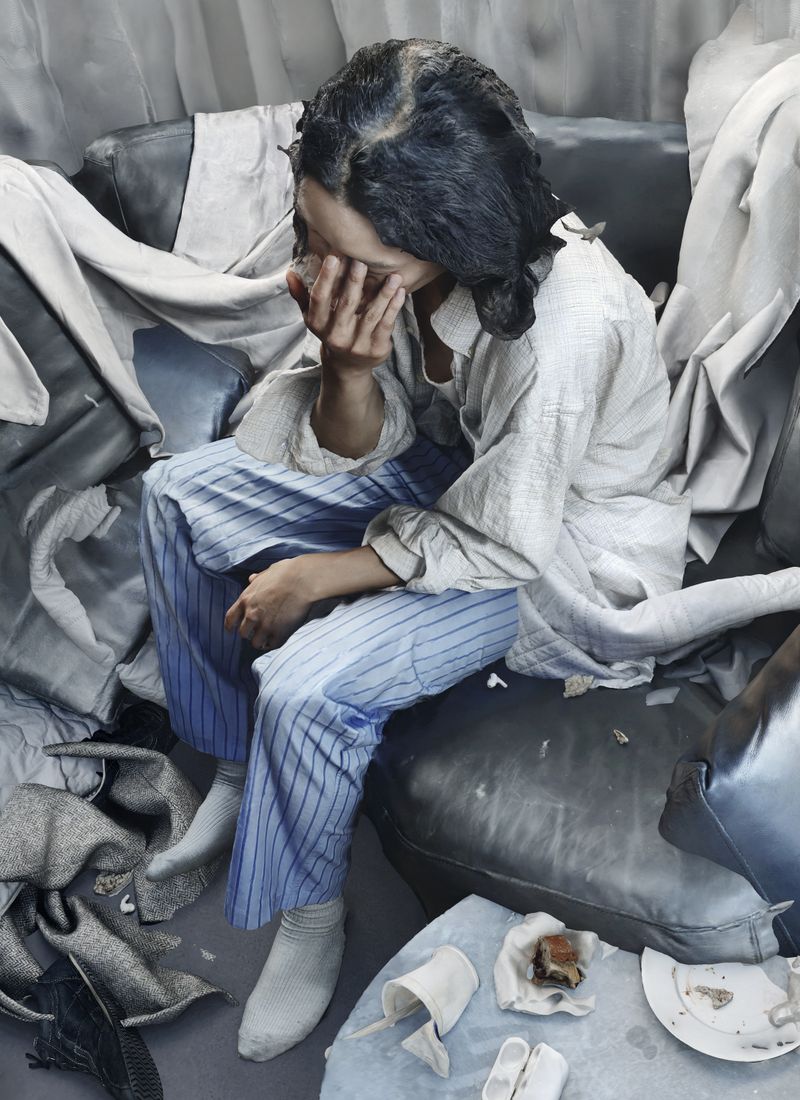
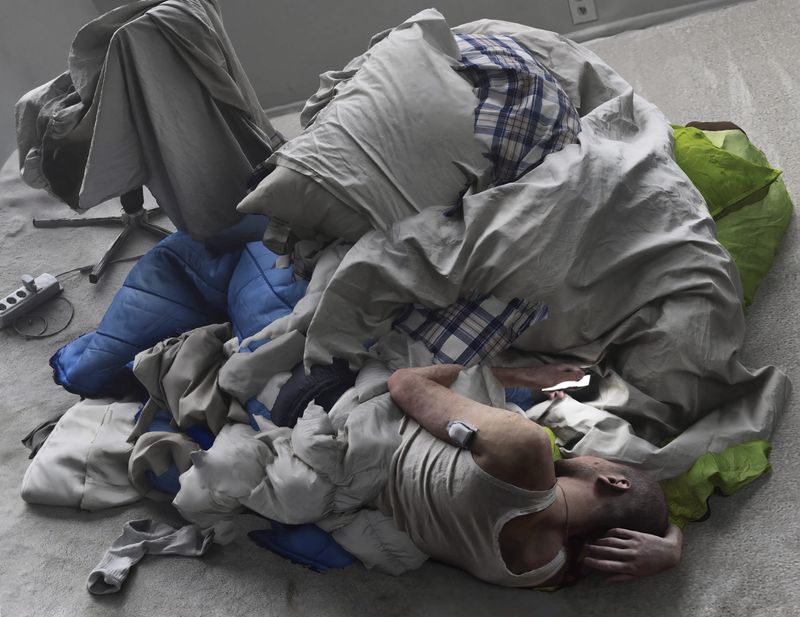
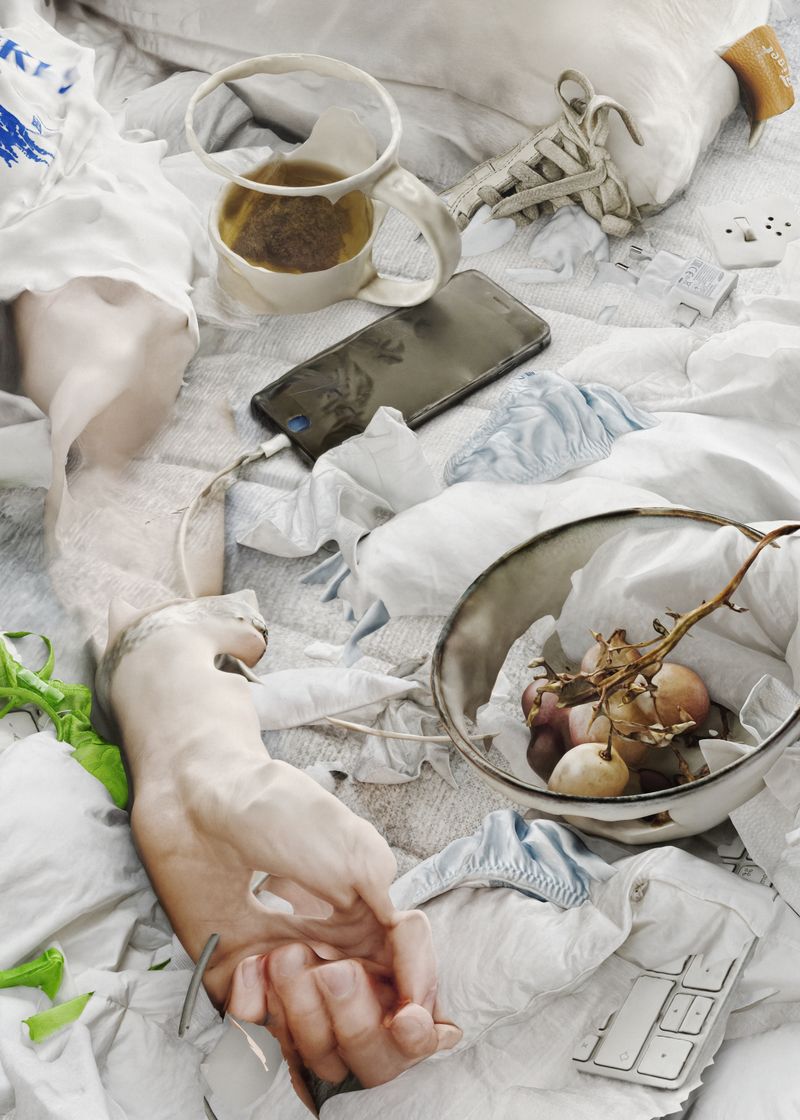
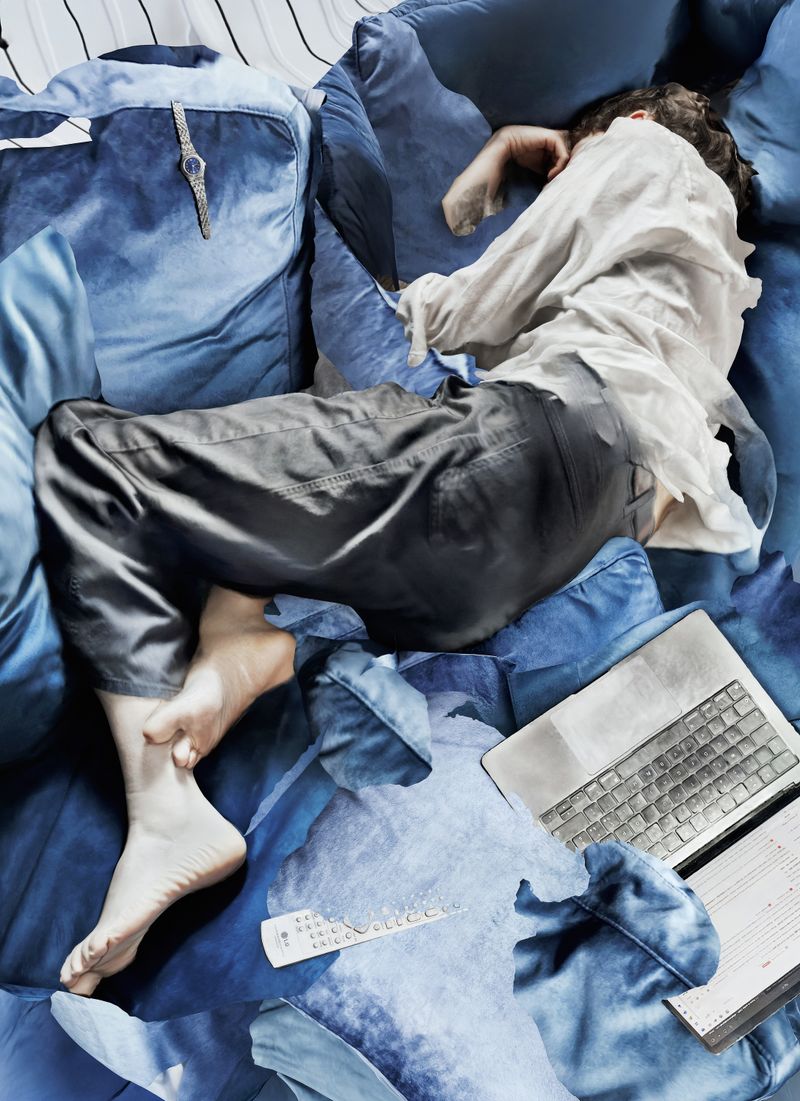
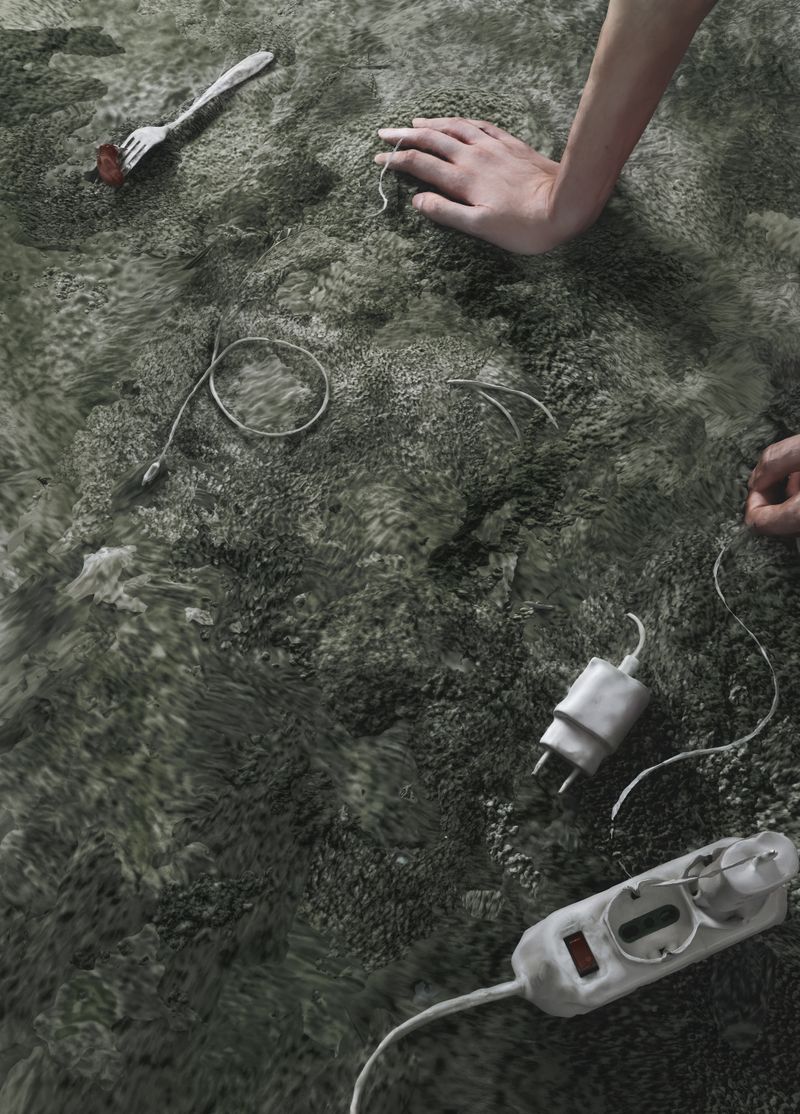
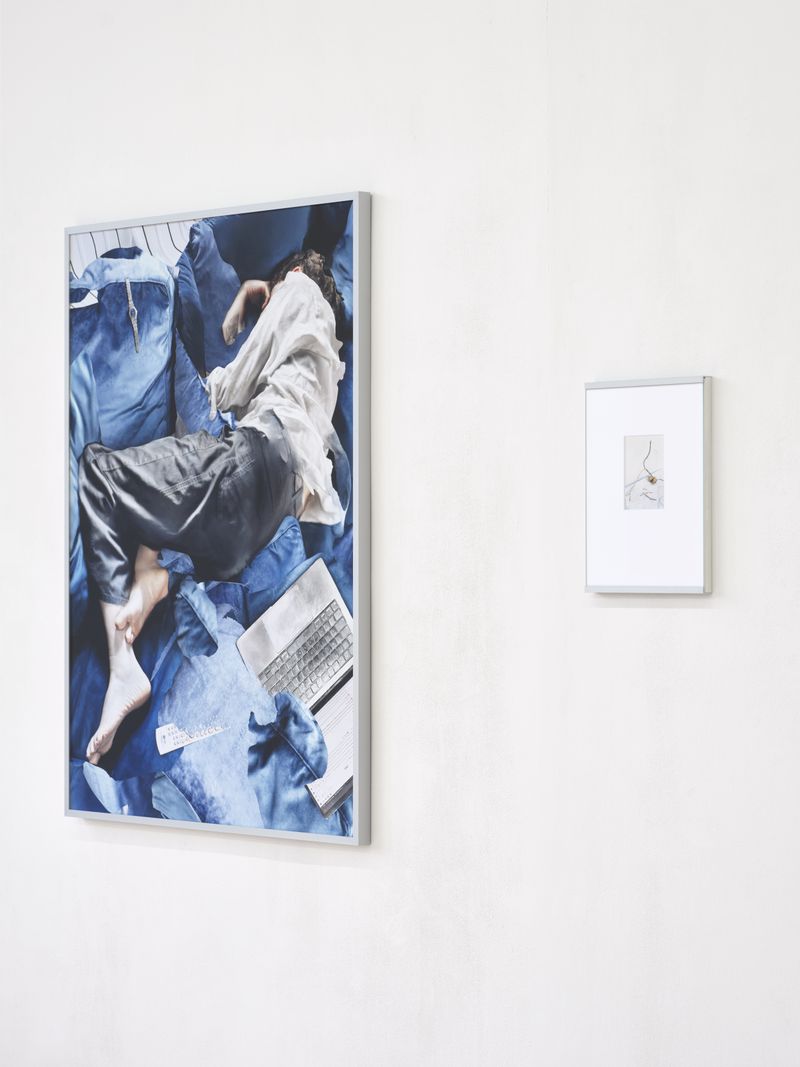
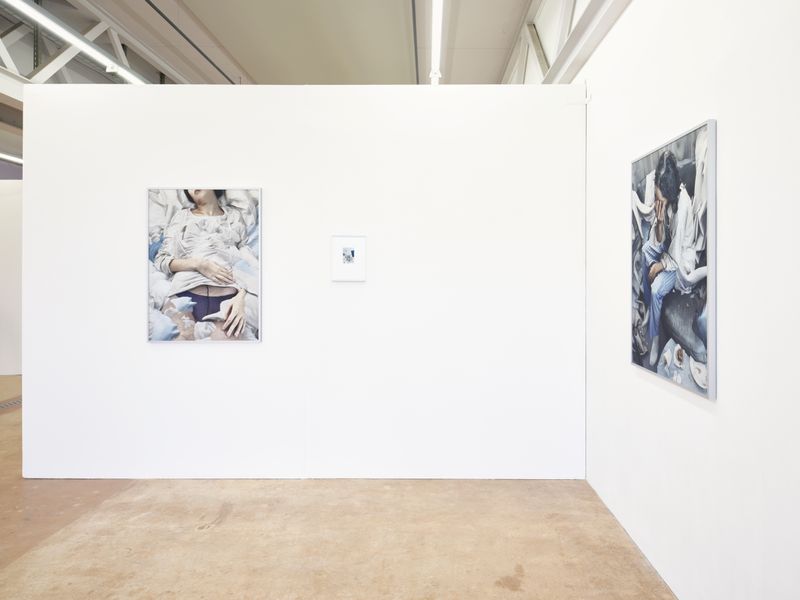
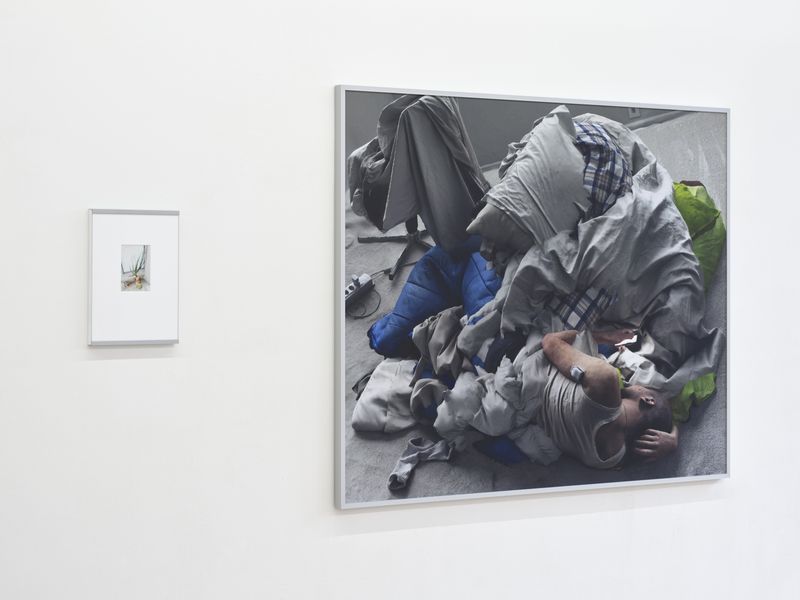
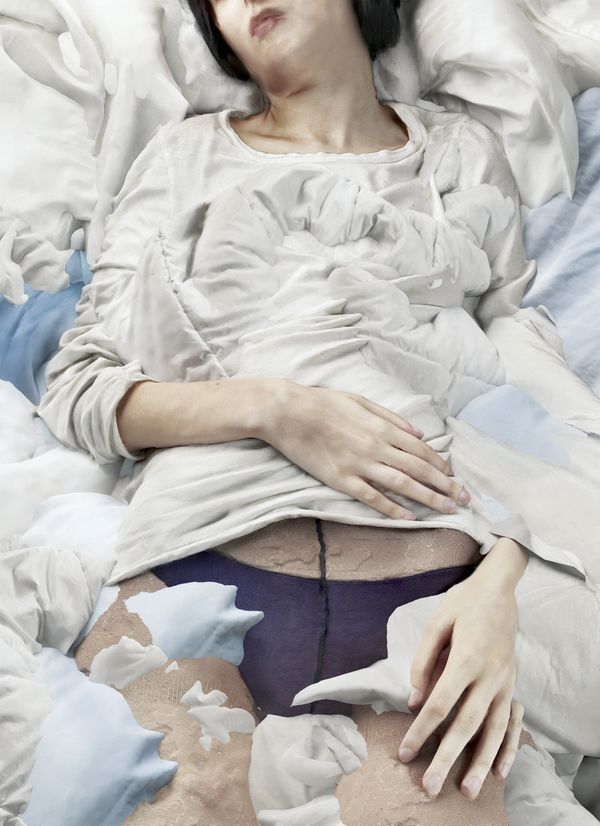
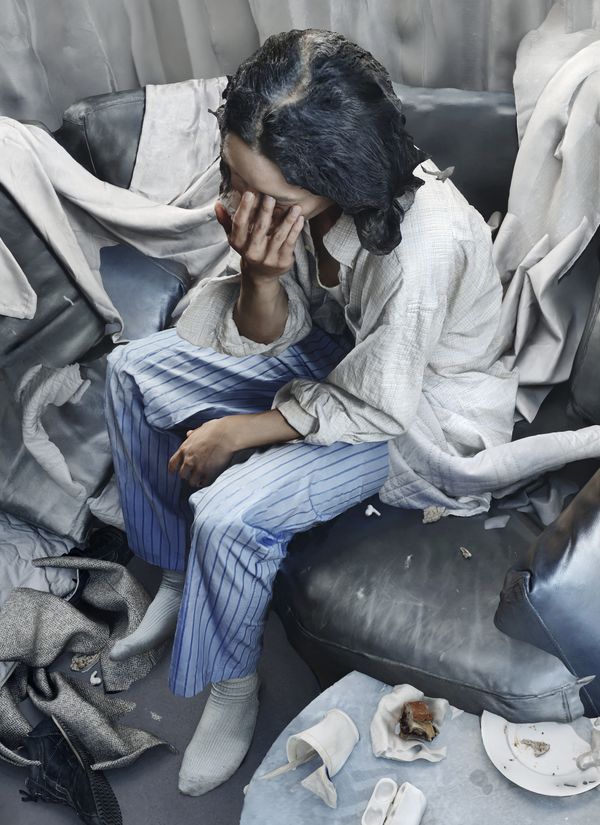
I constructed scenes portraying domestic environments, in which isolated subjects rest in states of waiting and exhaustion, while objects, bodies and spaces collapse onto each other. These environments reflect a feeling of losing touch with reality: the digitized objects are weightless and no longer strictly dependent on their physical limits.
The project is developed through a workflow based on photogrammetry, which allows to produce images with altered perspectives and painterly qualities, while remaining rooted in a photographic process. Each set is created on location, where its individual elements are photographed with a smartphone from all possible perspectives and transformed into digital objects using a software. These assets are then reassembled into more complex compositions using a 3D computer software.
Photogrammetry is a very slow process that condenses several minutes of scanning into one single object. Combining the different assets into a single scene results in a final image that is the compression of hours of continuous shooting. Time is therefore altered, influencing also the atmosphere of the images. This workflow itself is central: the objects are frozen in their original position, yet when seen through the screen, they are weightless and hollow, easy to manipulate. This allows the different elements to be forced into proximity, while their shape remains unchanged, accentuating a feeling of detachment.
The scenes draw inspiration from a wide range of sources, spanning from late 19th century painting to contemporary photography, as well as internet culture and memes.
A key aspect of the work is also the paradox of staying closed at home while longing for a connection with the outside. The figures appear to be waiting for something beyond the frame, drawn towards the glow of screens or the soft light filtering through a curtain. They are suspended between desire and inertia, longing for experiences that feel possible but remain perpetually out of reach.
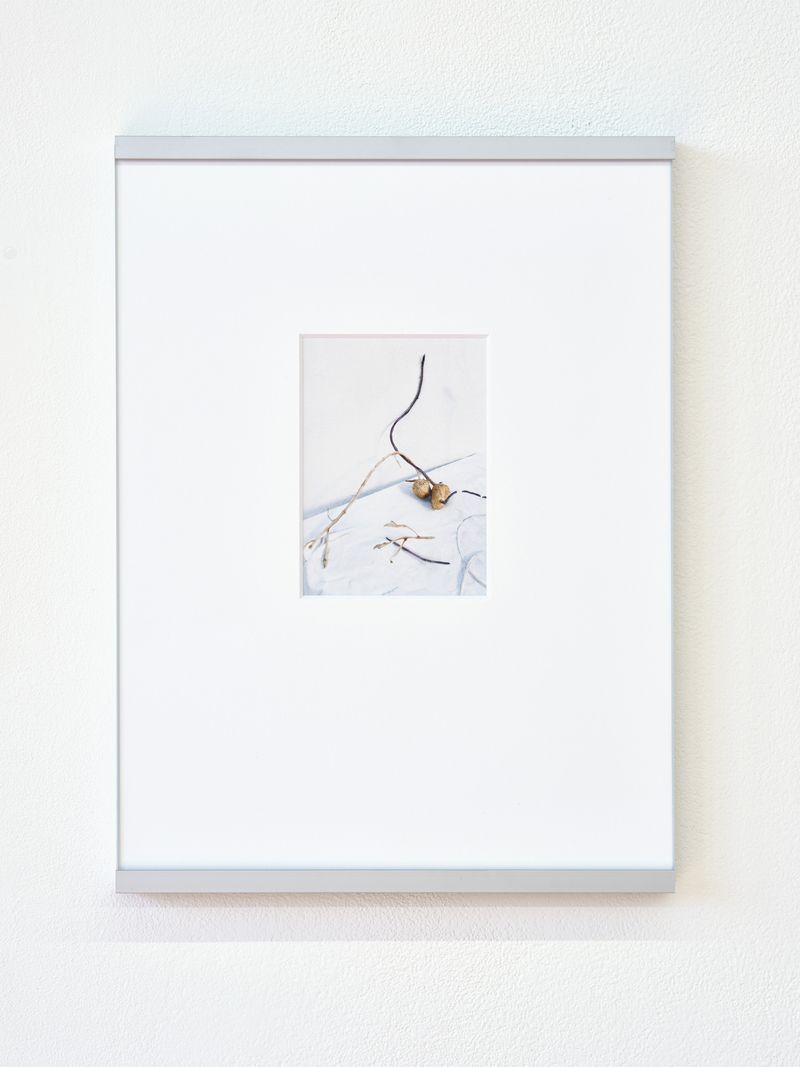
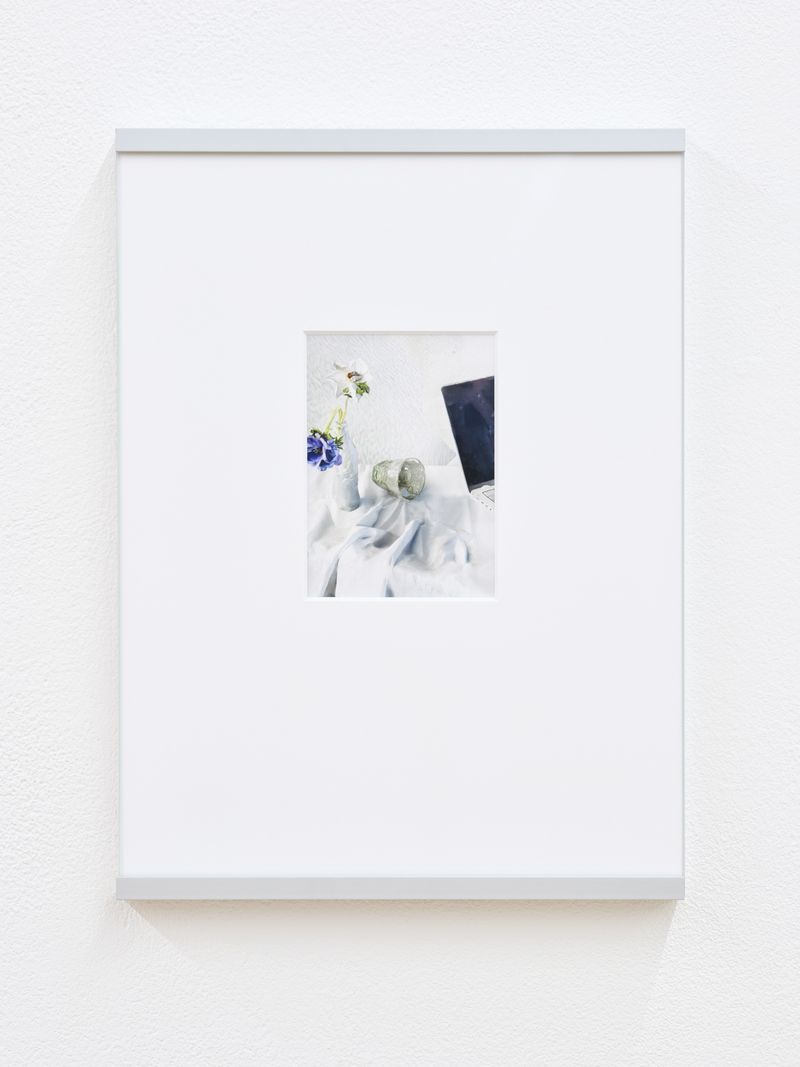
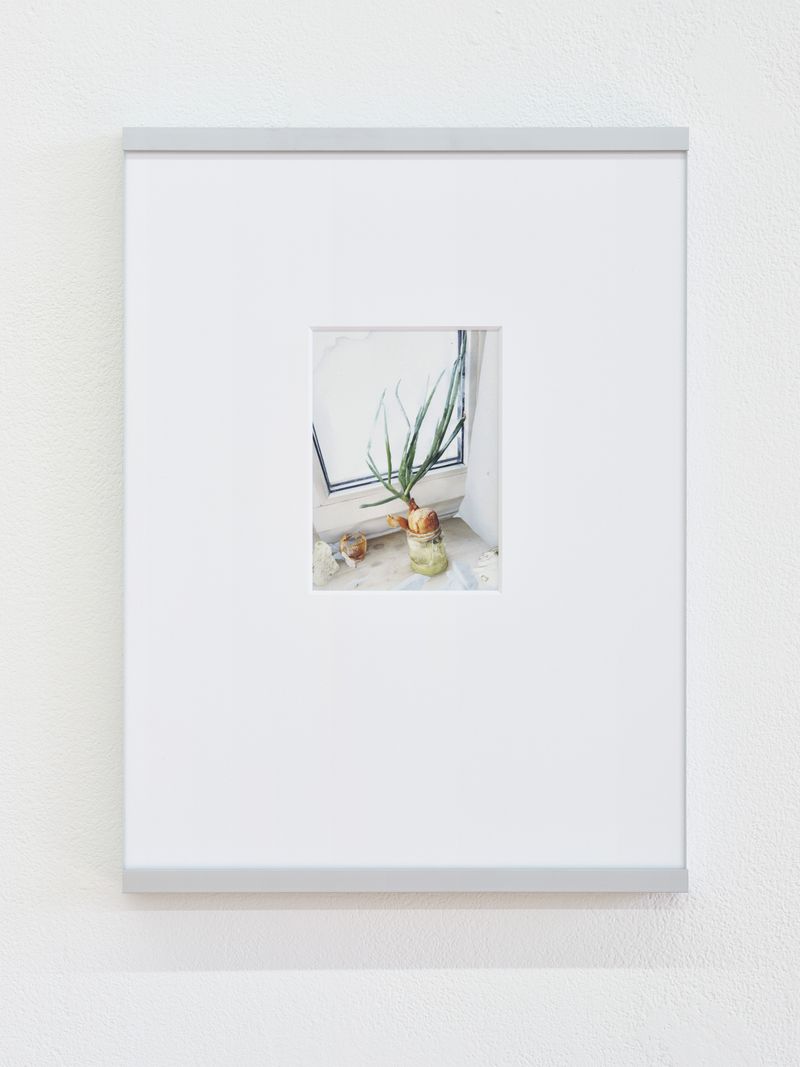
Alongside the two-dimensional pieces, the sculptural objects reintroduce the images physically into space. Like the 3D models they originate from, these objects are lightweight and shell-like, but are held together not by immobility, but by tension. They are created by cutting, bending, and interlocking the sheets they are printed on, in paper or aluminium.
The project is ultimately a personal reflection on longing: the desire to be somewhere else, with someone else, or even to become someone else entirely. The technologies surrounding the hollow characters promise connection, comfort, and endless possibilities, yet often end up adding more and more layers between them and their own lives. The work grows out of that feeling of distance, asking what happens when longing is no longer directed toward a place or a person, but becomes a permanent state of being.