The serpent's thread
-
Dates2024 - 2026
-
Author
-
Recognition
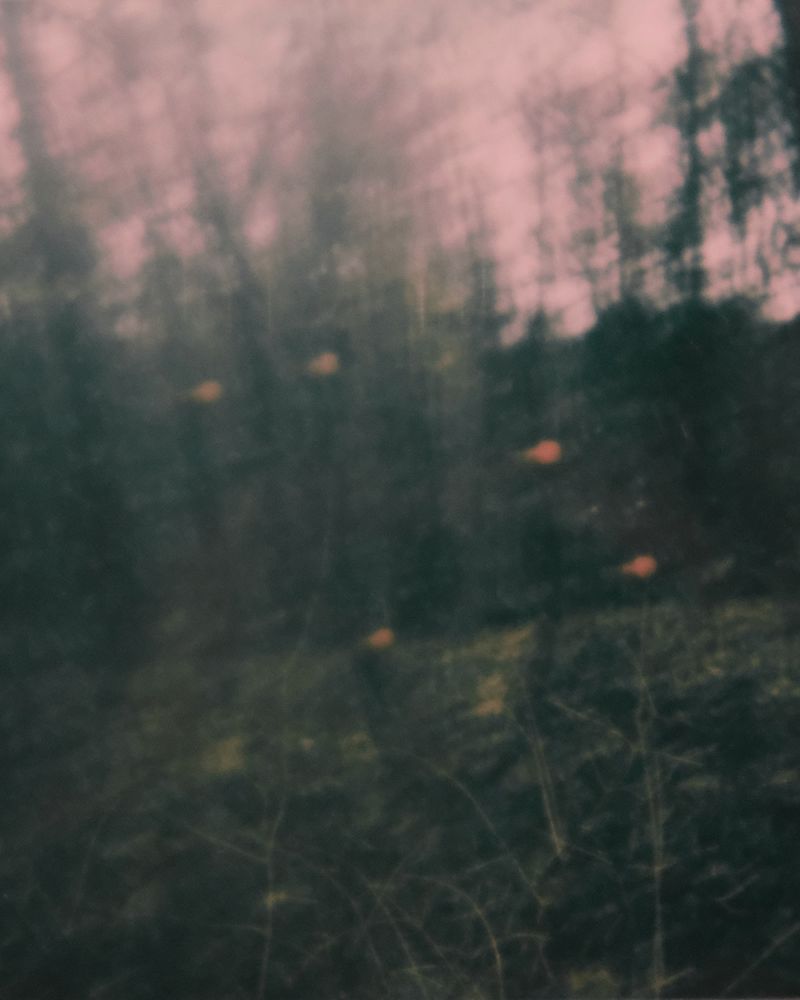
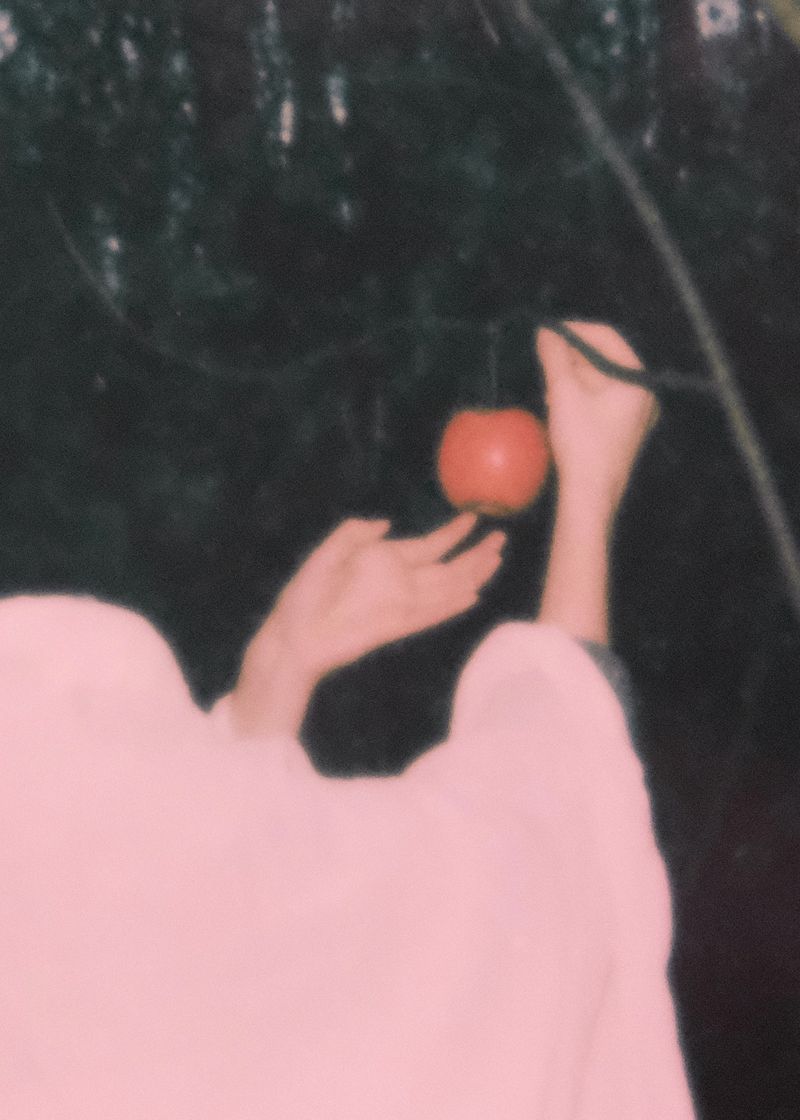
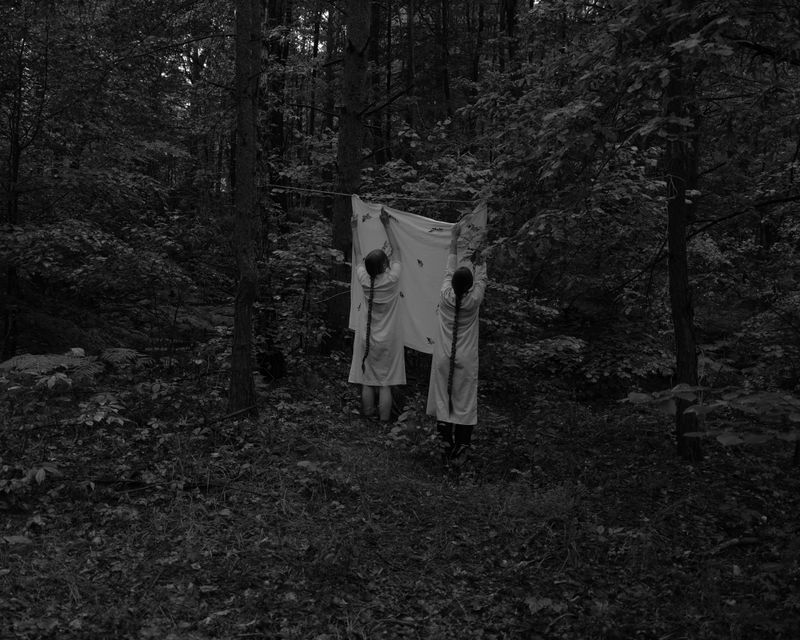
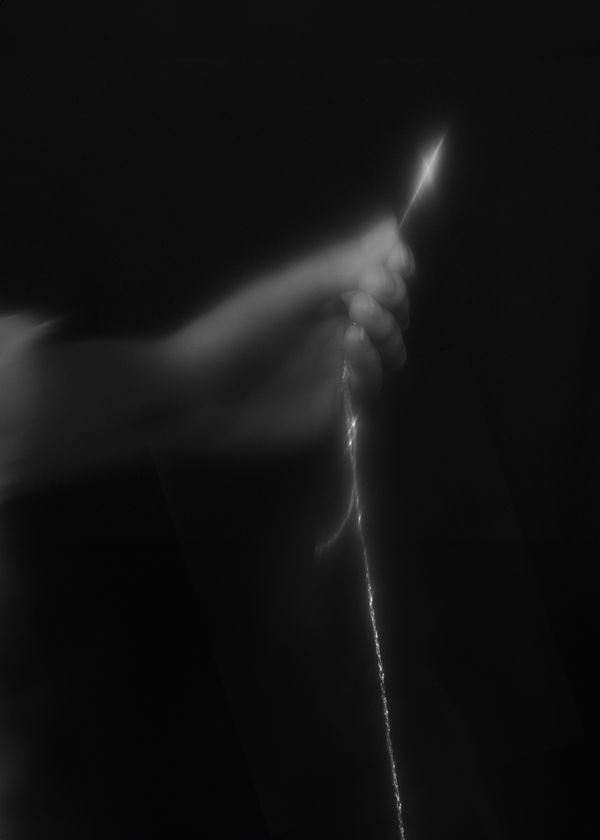
Like a textile containing many threads, “The serpent’s thread” serves as a visual retelling of the fem textile (hi)stories that merge documentation with myth-making, history with fiction.
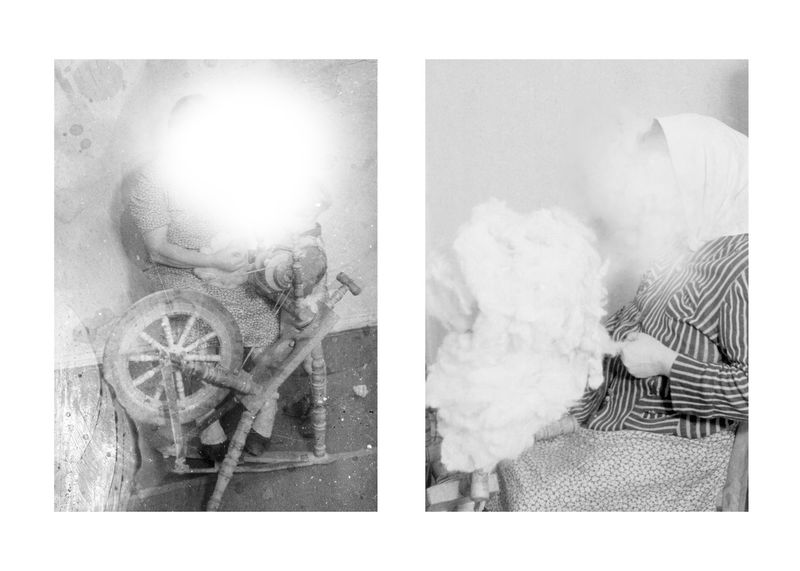
As a child, I spent countless hours observing my beloved grandmother, a Polish countryside textile worker, stitching together scraps of materials into things that were new, wonderful and soft. In the same way as a storyteller weaves many elements into a tale, her textiles consisted of many fibers, many threads, and eventually, many pieces of materials. Never formally educated to write due to gender politics at the time, her textile works were her language, carrying a knowledge of generations of women before me. However, once she passed away, all her textiles, perceived as of no value, were discarded or lost.
Inspired by the missing archive of her life's work, I began tracing other histories of women whose textiles speak where records fall silent, continuing the intergenerational legacy of weaving scraps into stories.
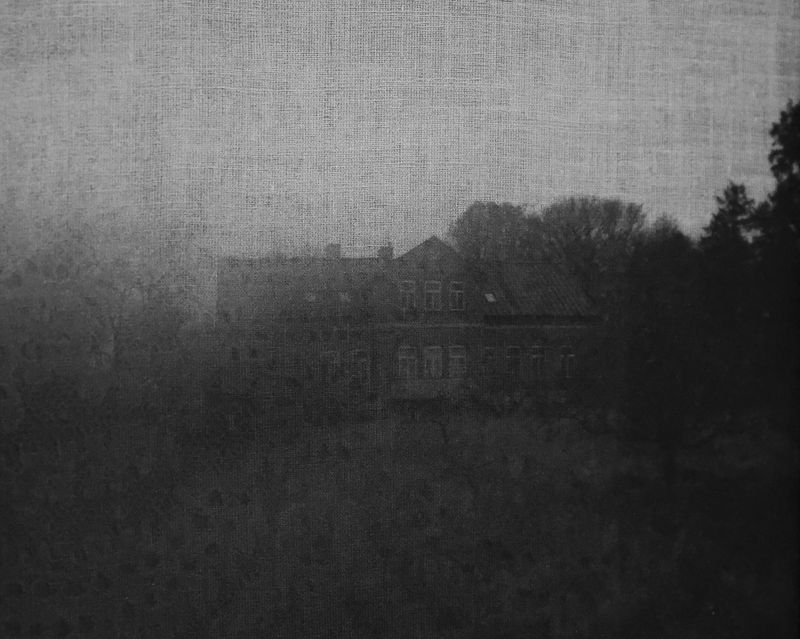
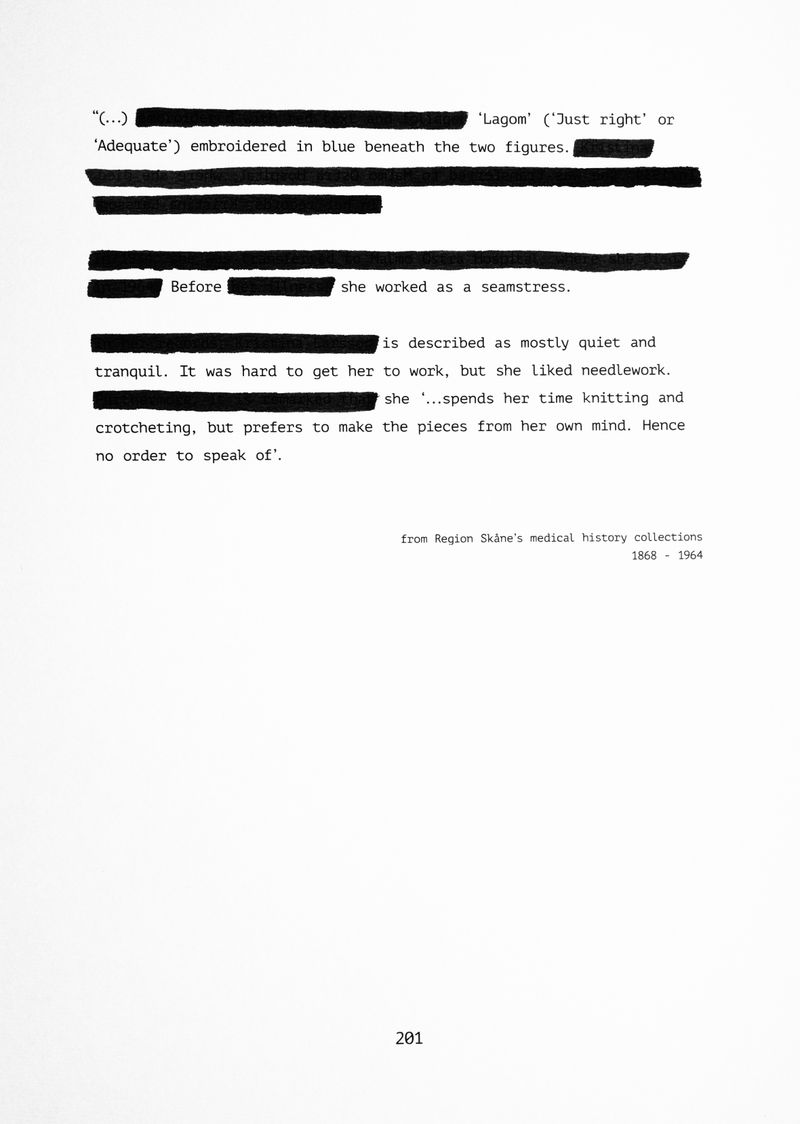
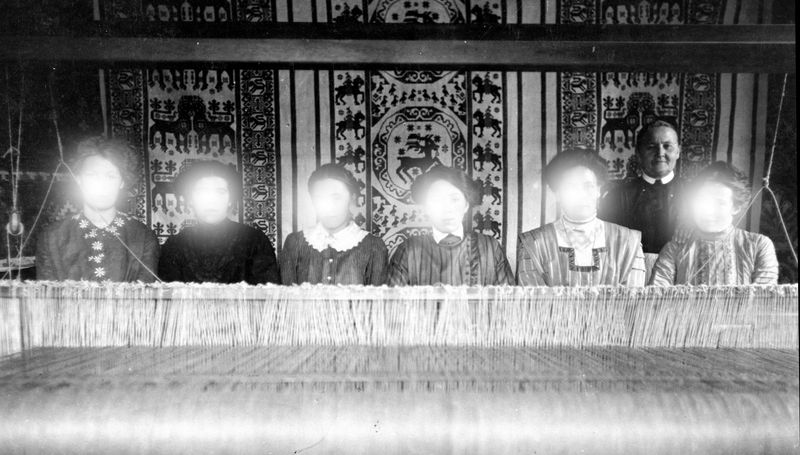
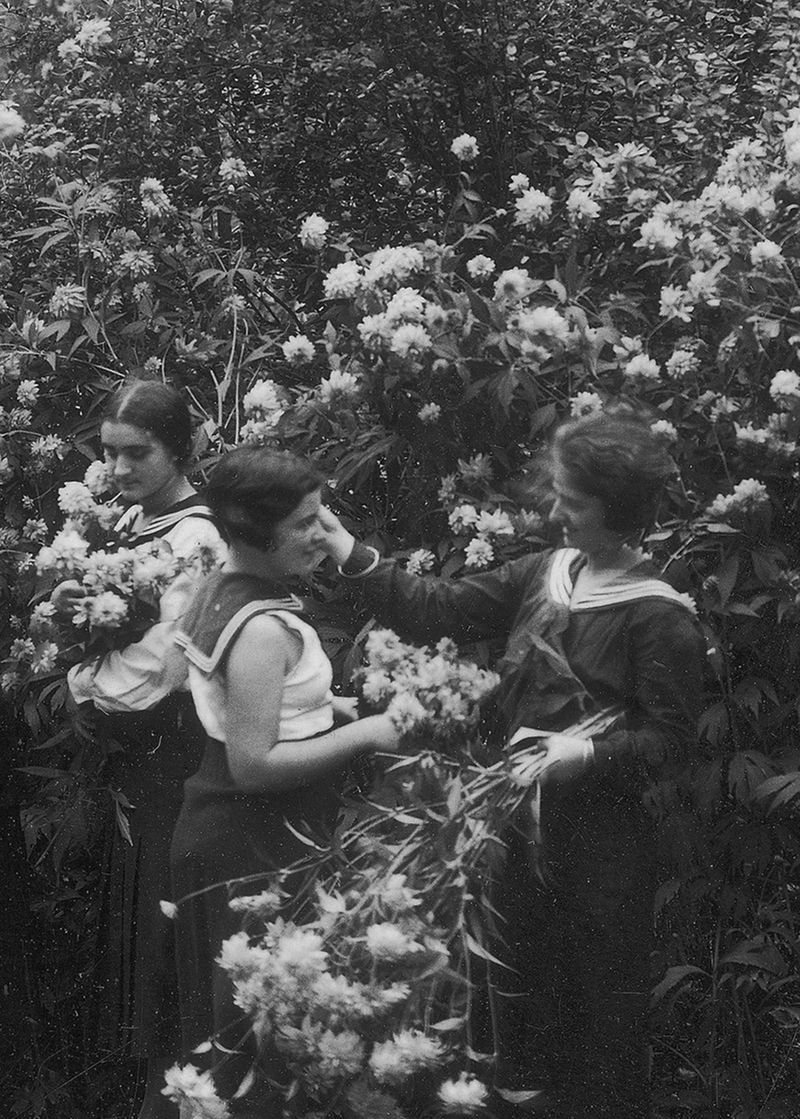
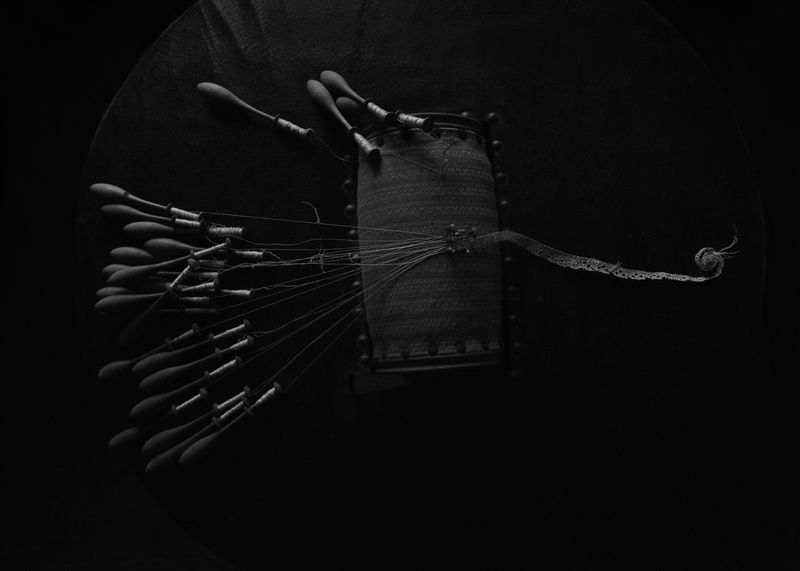
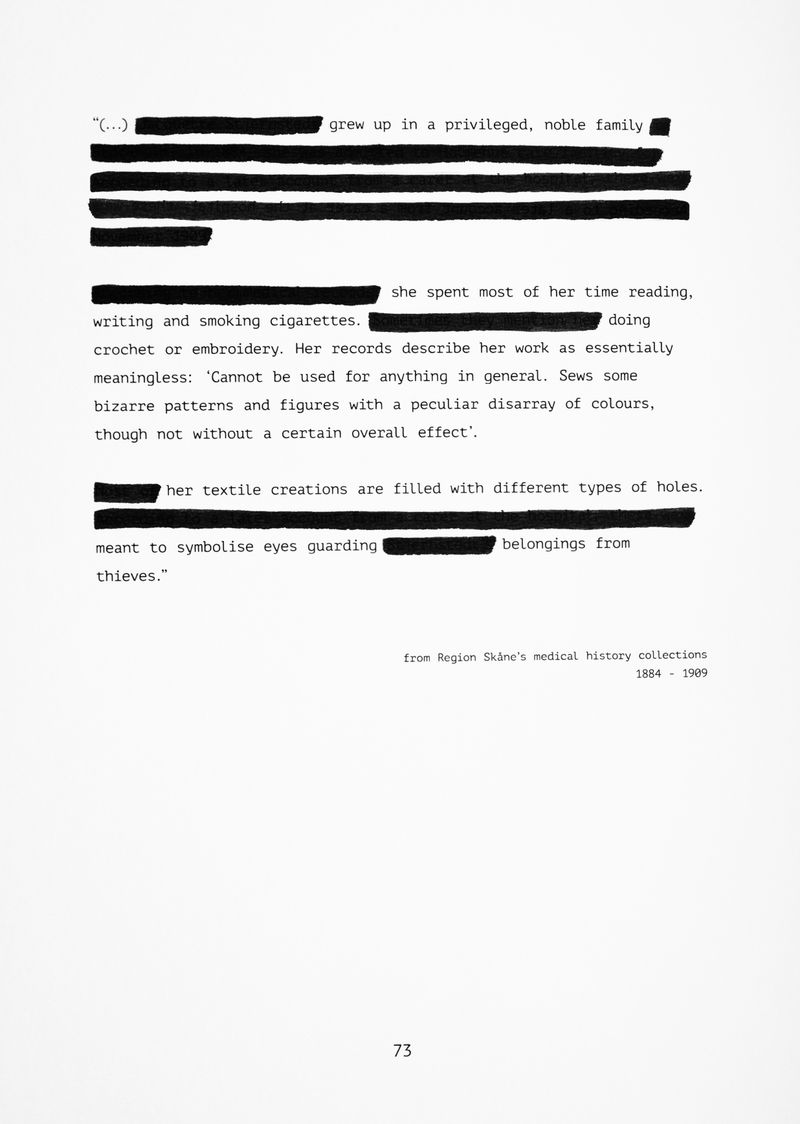
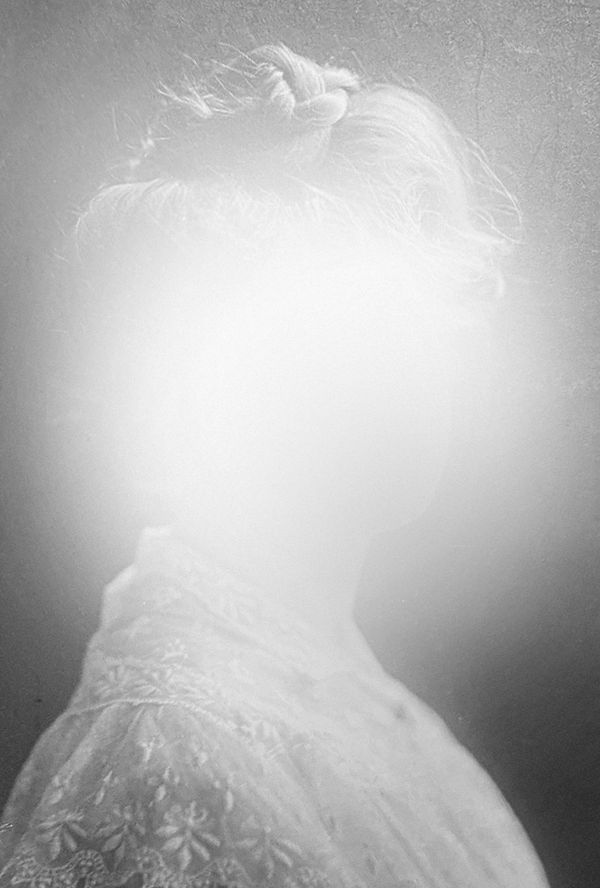
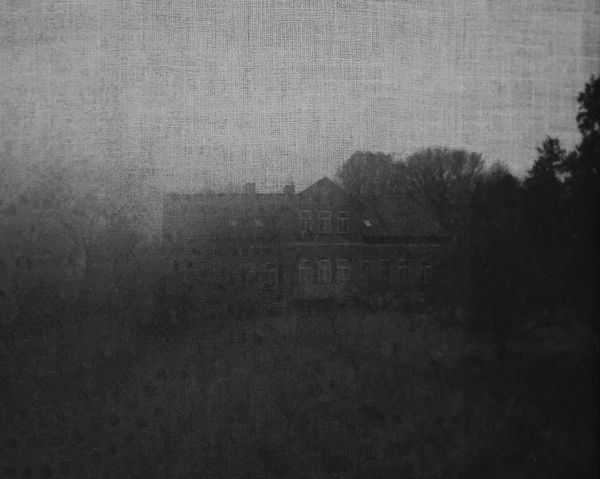
The tale of “The serpent’s thread” follows the fragmented records and folklore surrounding the five Andersson sisters, who lived in the small Swedish village of Åsmundtorp at the turn of the 20th century. Their history, partly documented and partly mythologised, revolves around the textiles they produced as their elaborate dowries. They were meant to demonstrate a woman’s skill, diligence, and moral worth, representing her value as a potential future wife.
Yet all but one of the sisters never married; their textiles - complex, never used and perfectly preserved, serve as a parallel to my grandmother’s work. They exist as an ambiguous archive of domestic labour and societal expectations placed upon women. The unconventional lives of the sisters opened space for speculations and local legends to emerge.
Like a textile containing many threads, “The serpent’s thread” serves as a visual retelling that merges documentation with myth-making, history with fiction.
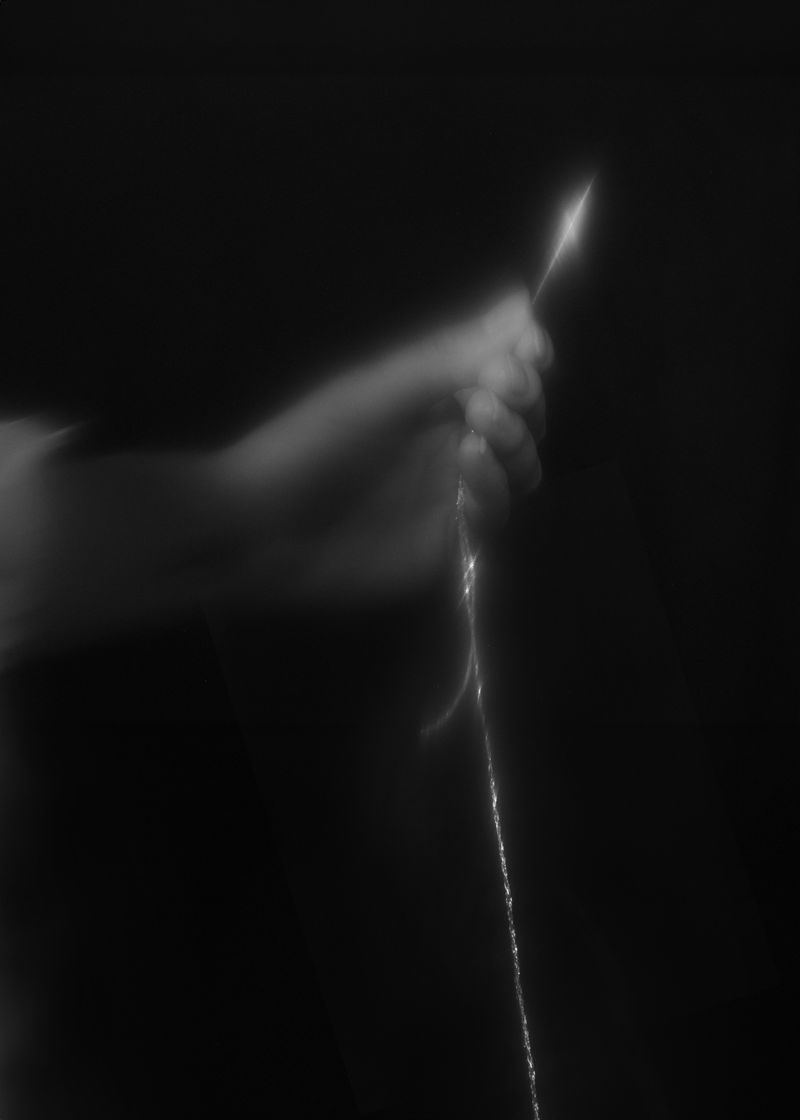
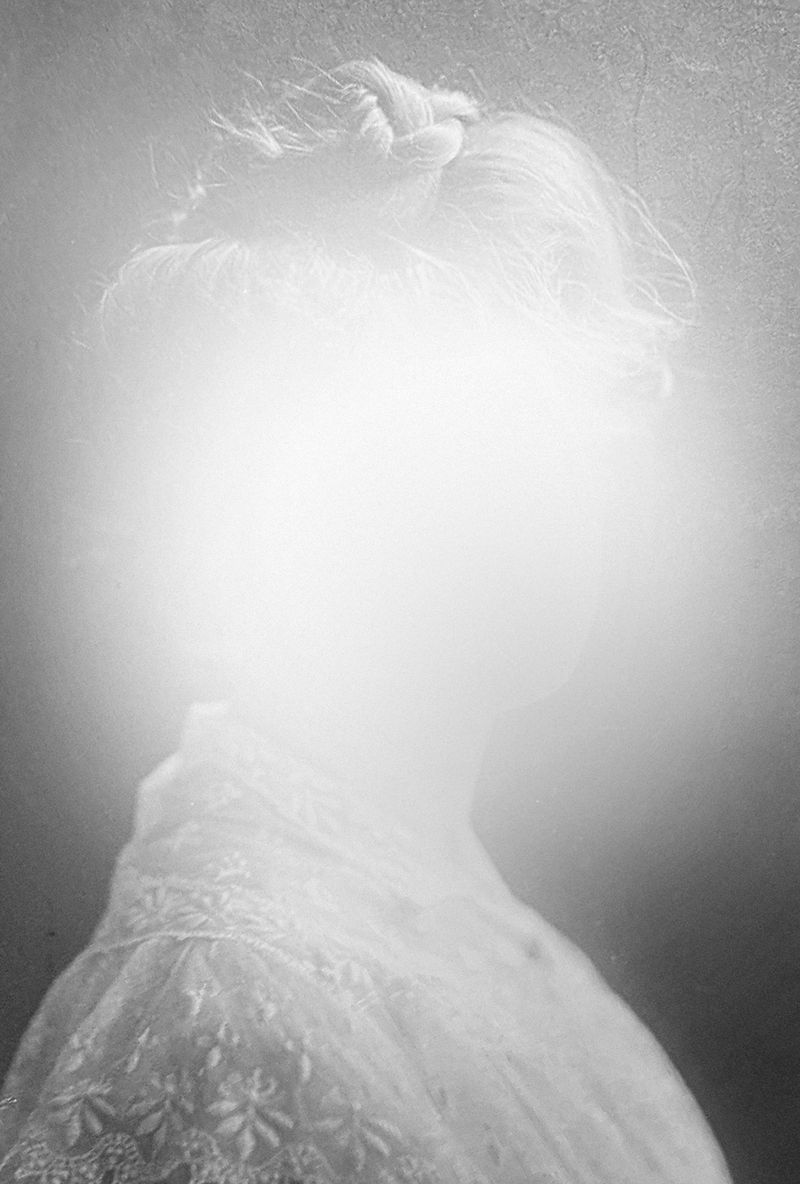
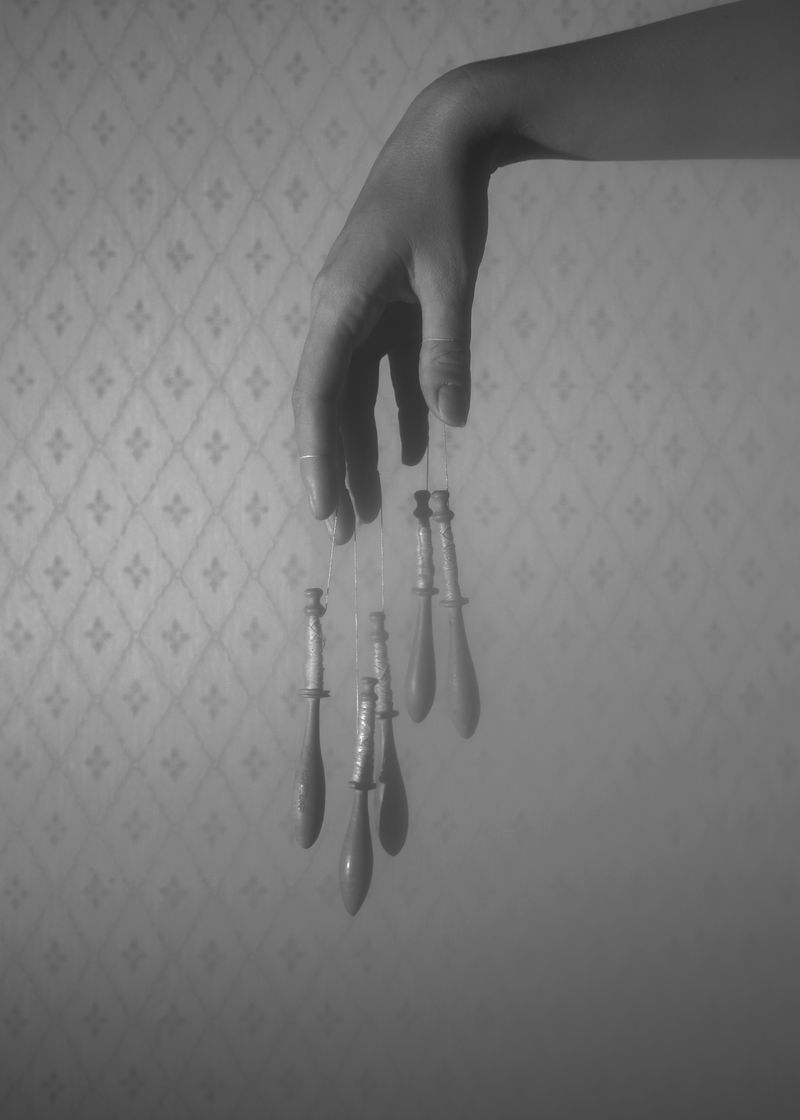
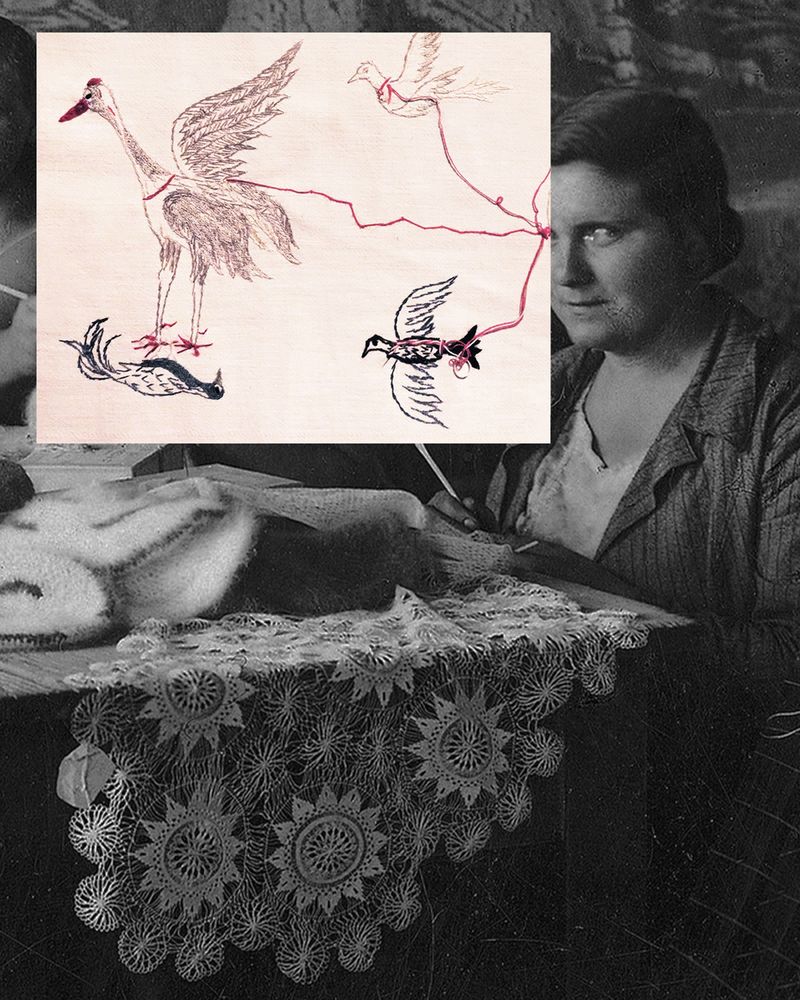
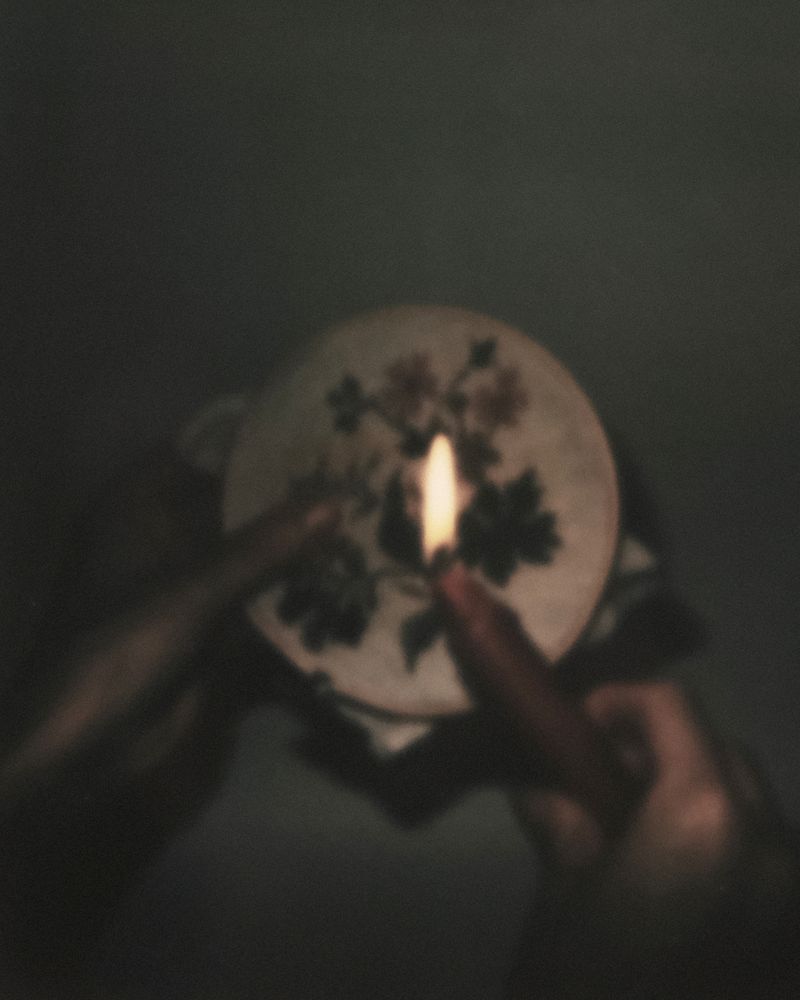
With the use of archival images and documents, staged compositions, and photographic interventions printed and layered through textile processes, the work is a reconstruction based on multiple (hi)stories stitched together: those of women makers, of rebels, and those whose voices were recorded, devalued, or lost.