Something Old, Something New, Something Borrowed, Something Blue
-
Dates2025 - 2026
-
Author
- Location Budapest, Hungary
-
Recognition
-
Recognition
When I was 12 years old, my mother's frustration with me for not talking that much got to the point of yelling. “Why don’t you speak, like any other normal person?” she raised her voice, I answered: “Instead of speaking, I have images in my head".
Something Old, Something New, Something Borrowed, Something Blue
When I was 12 years old, my mother’s frustration with me for not talking that much got to the point of an argument. “Why don’t you speak, like any other normal person?” she raised her voice at me. I promptly answered, “Instead of speaking, I have images in my head.” Since then, at every family dinner, she tells this story as a joke so people don’t question why I’m the silent one in the family.
Our unconsciousness is a tricky territory; our deepest fears, memories, traumas, flashbacks, and free associations come to the surface mostly through some form of visual representation. We dream, we imagine alternative timelines. We also assume that these thoughts and images are individual, our patterns and past are coming to the surface, and we embrace them with our uniqueness. But what if we could harness our collective unconsciousness?
The project deals with the subconscious, how patterns of our behavior are slowly taking over our lives without us even realizing it: human relationships, friendships, love interests, and our reoccurring schemas in our lives that, without self-reflection, are so hard to escape. Our past experiences influence and guide our present and future, without us even realising it. The ghost in the machine comes knocking on the door.
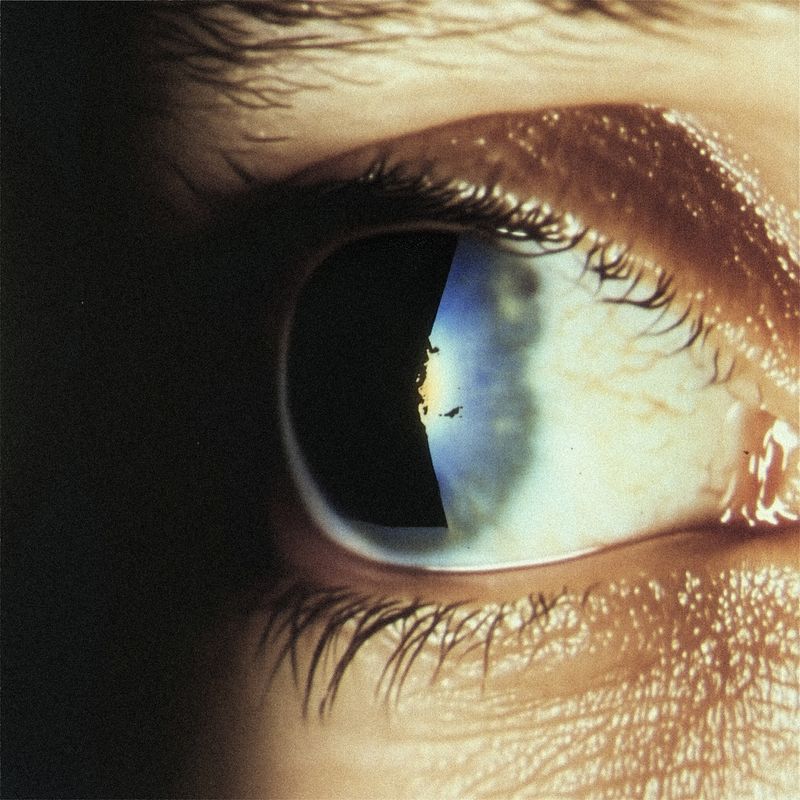
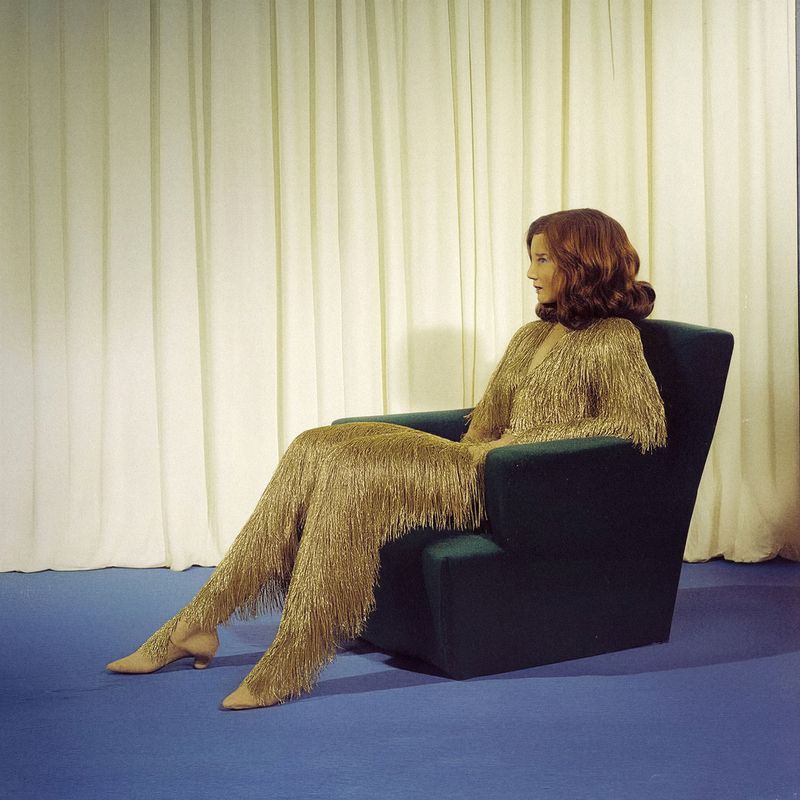
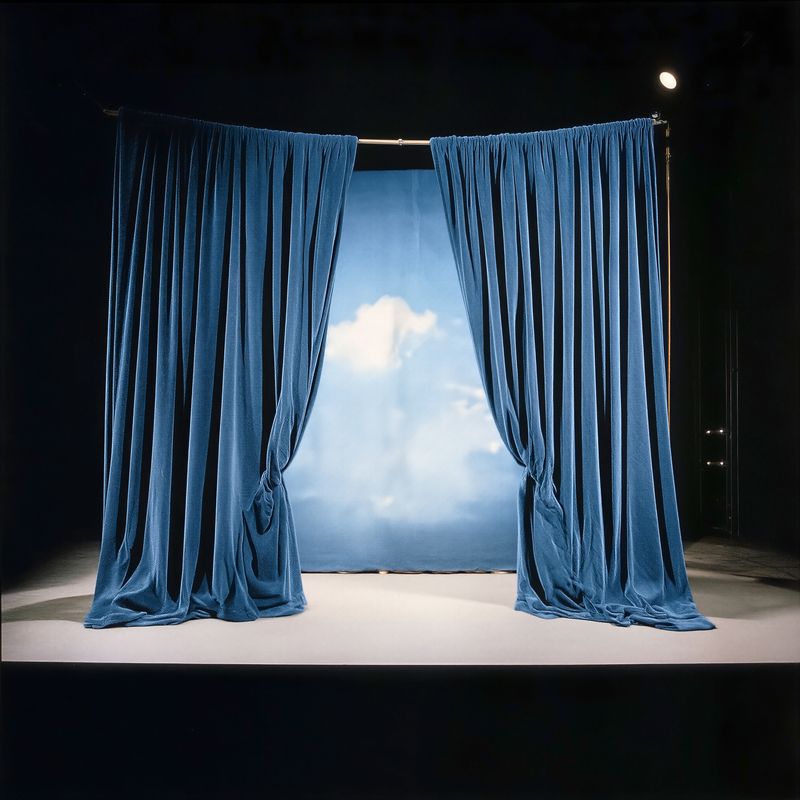
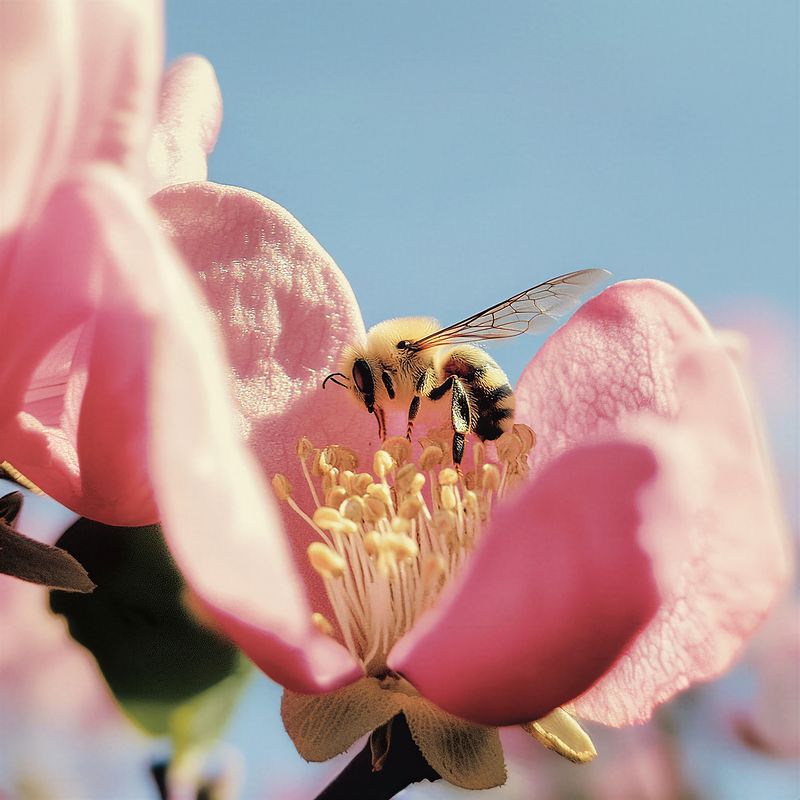
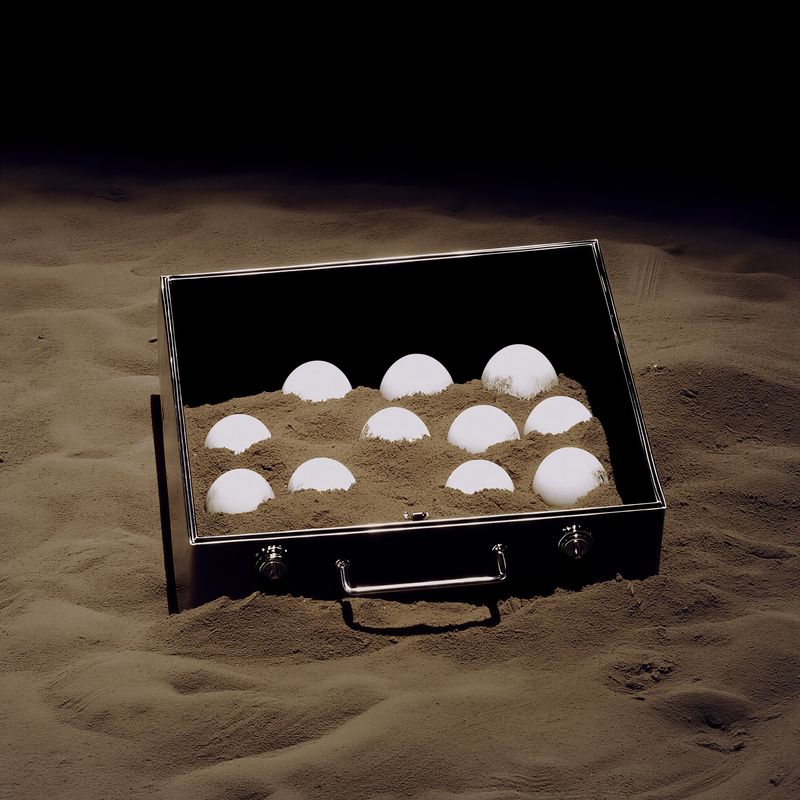
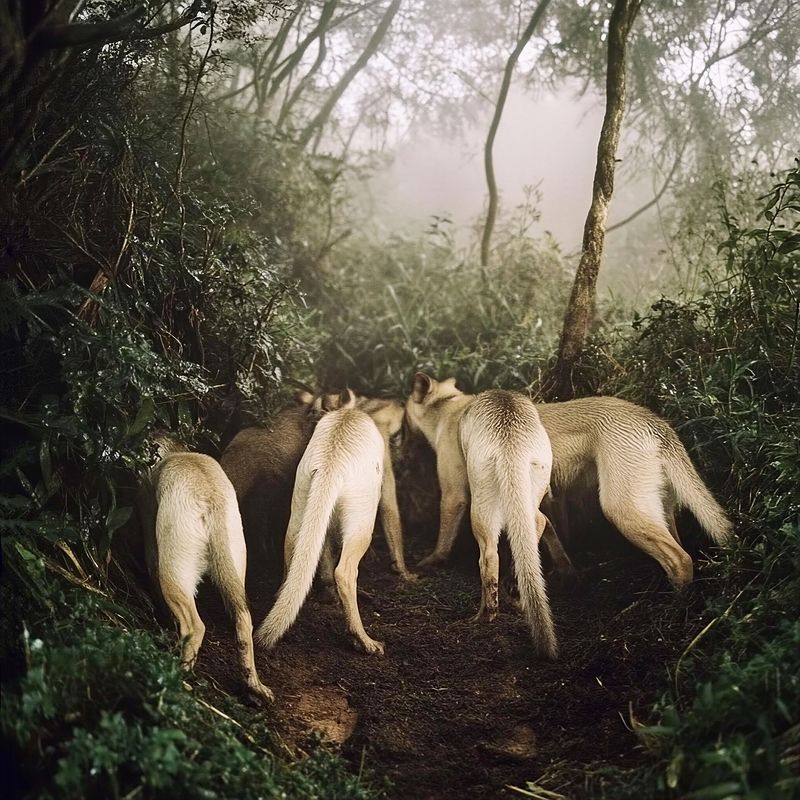
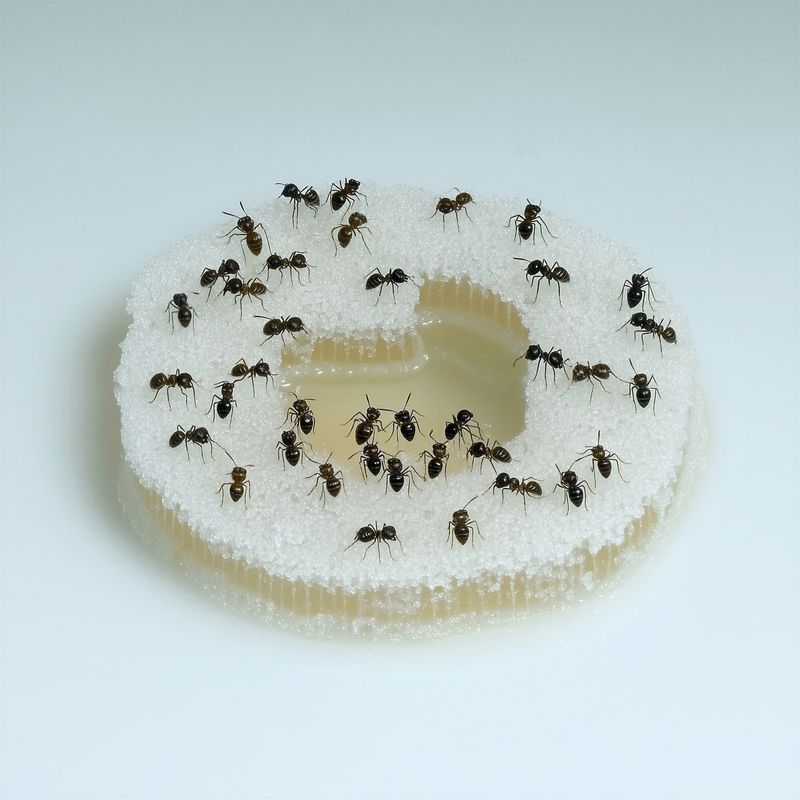
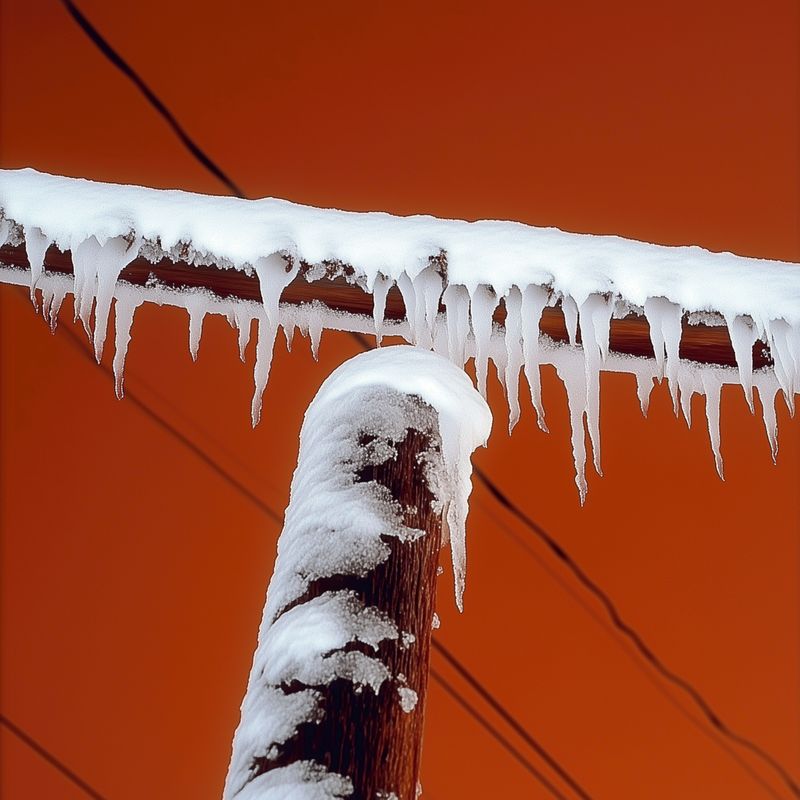
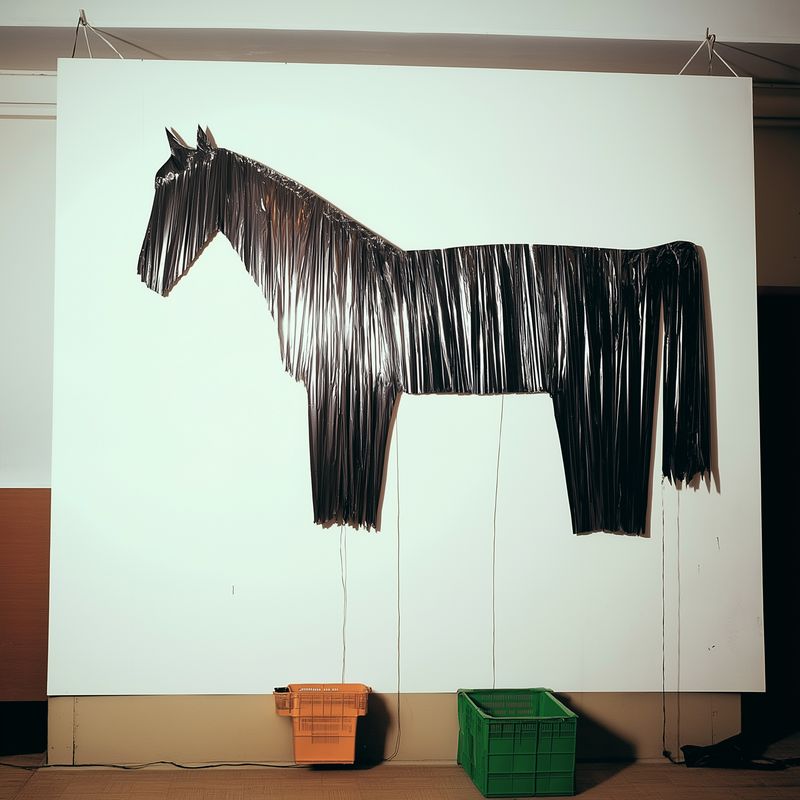
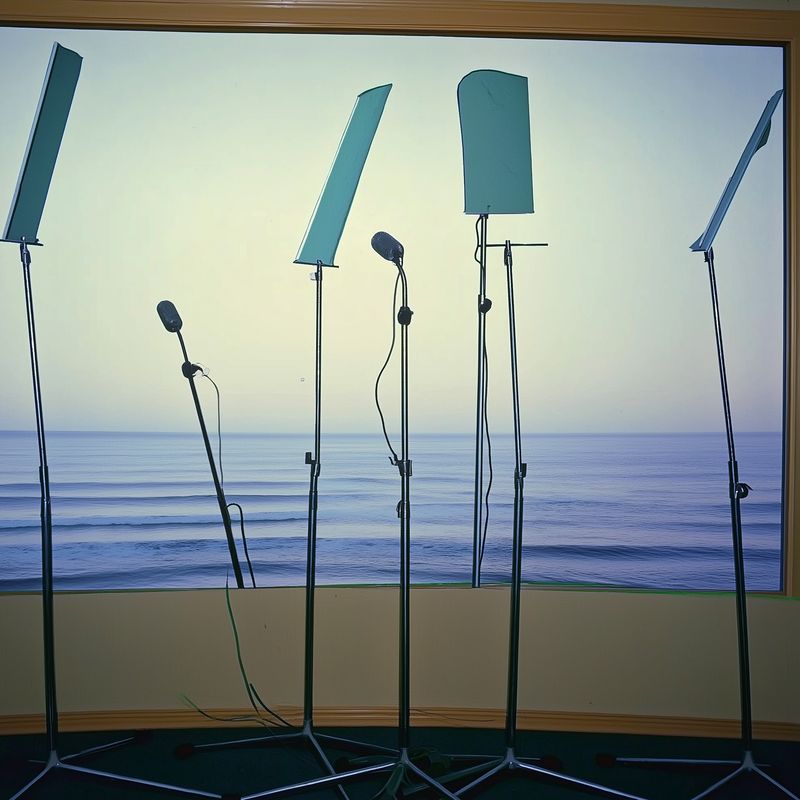
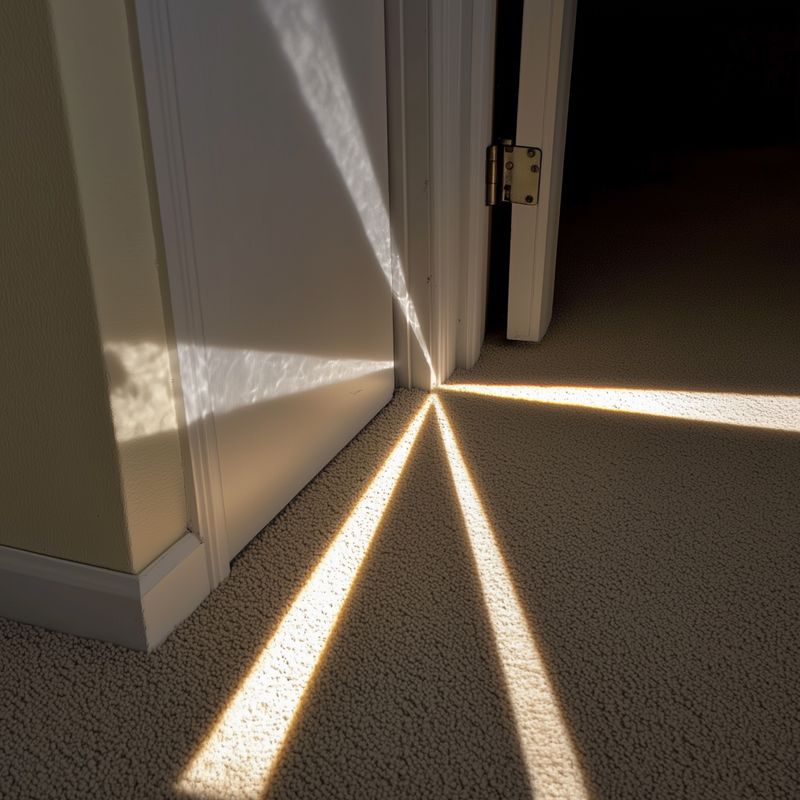
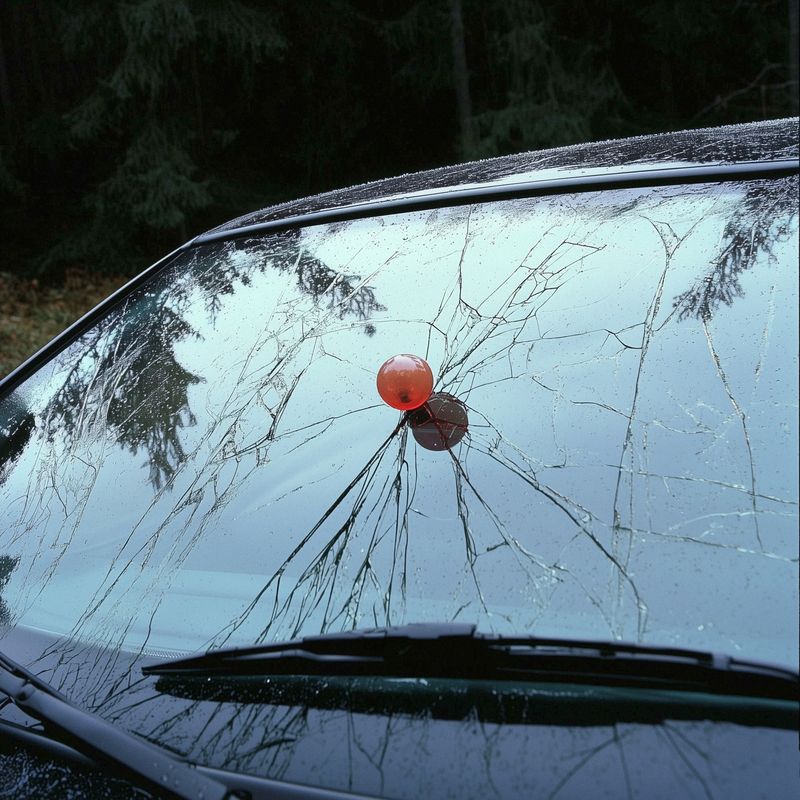
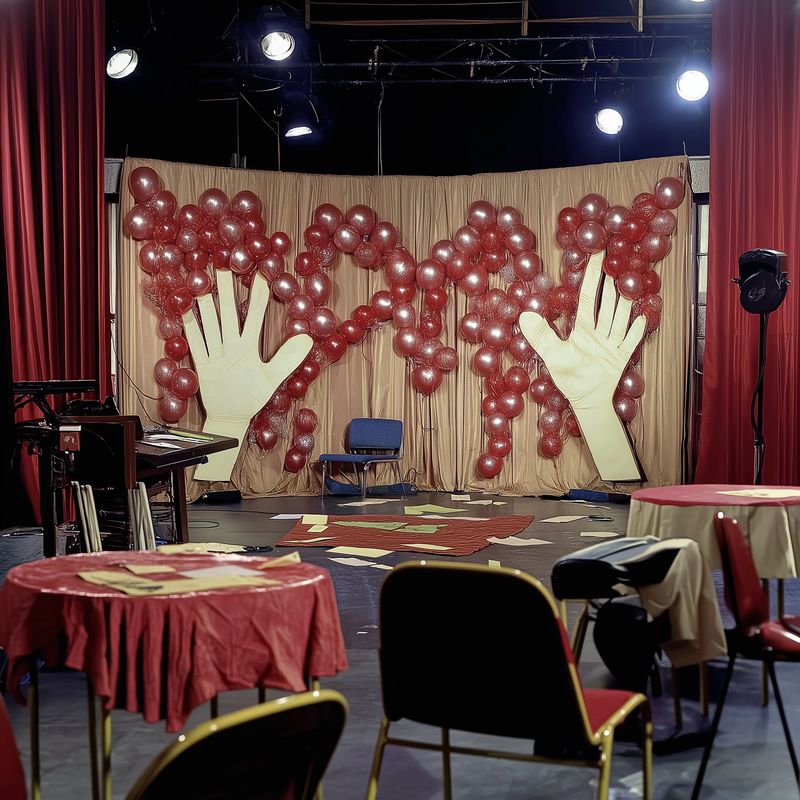
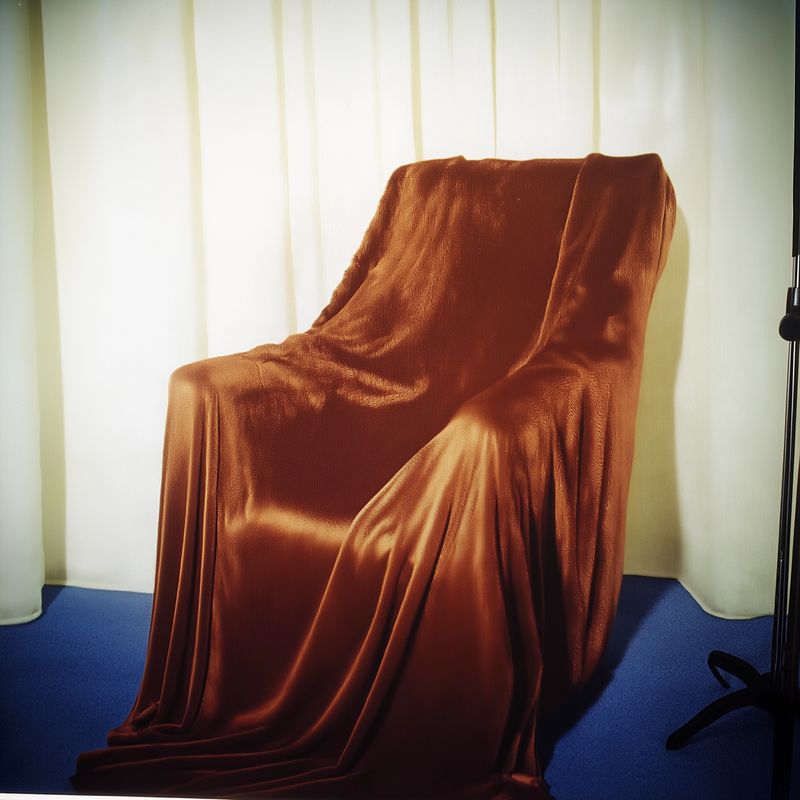
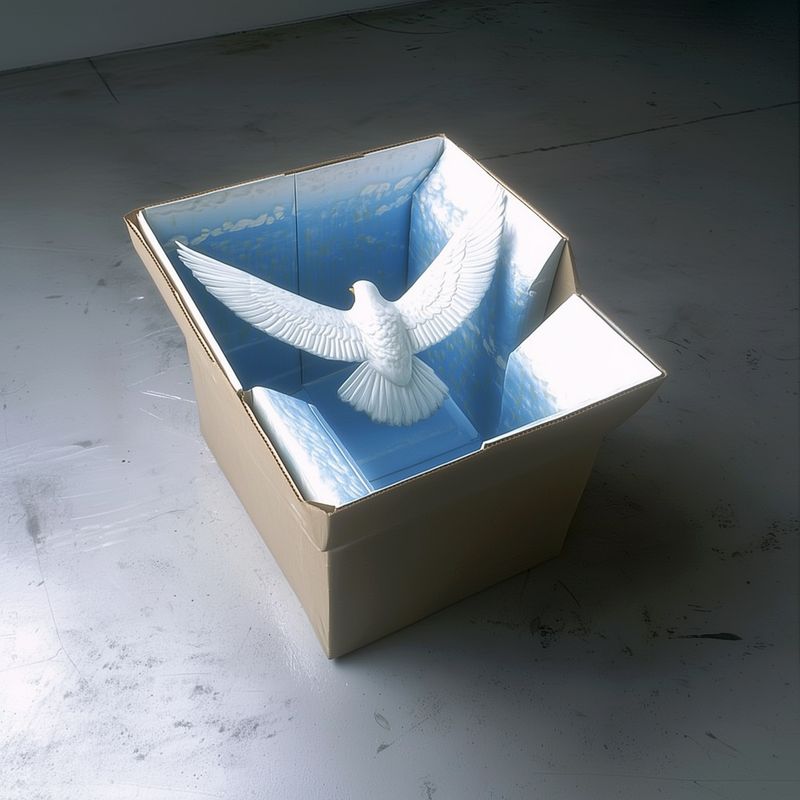
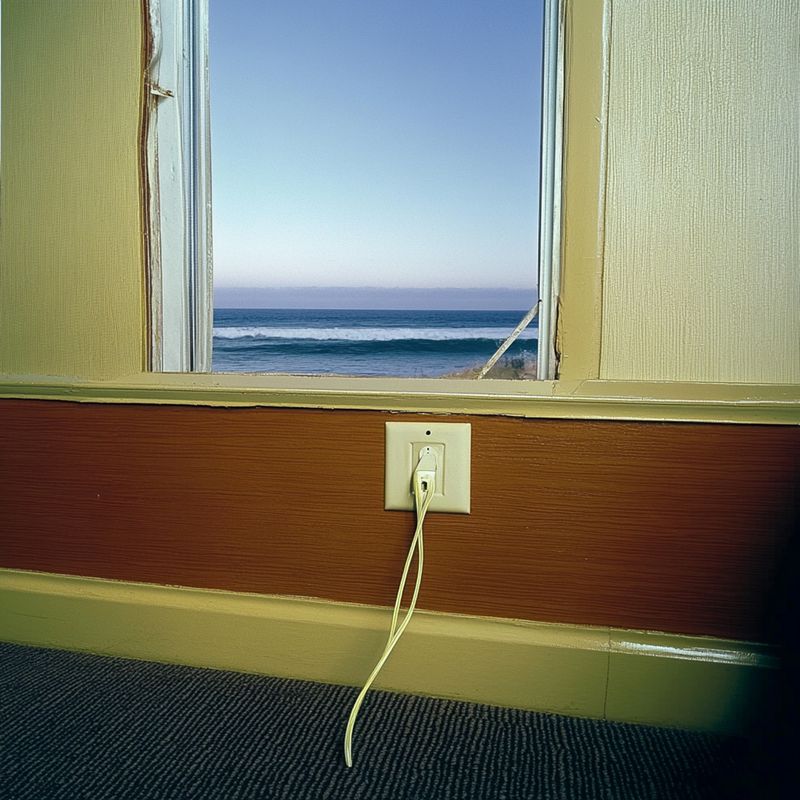
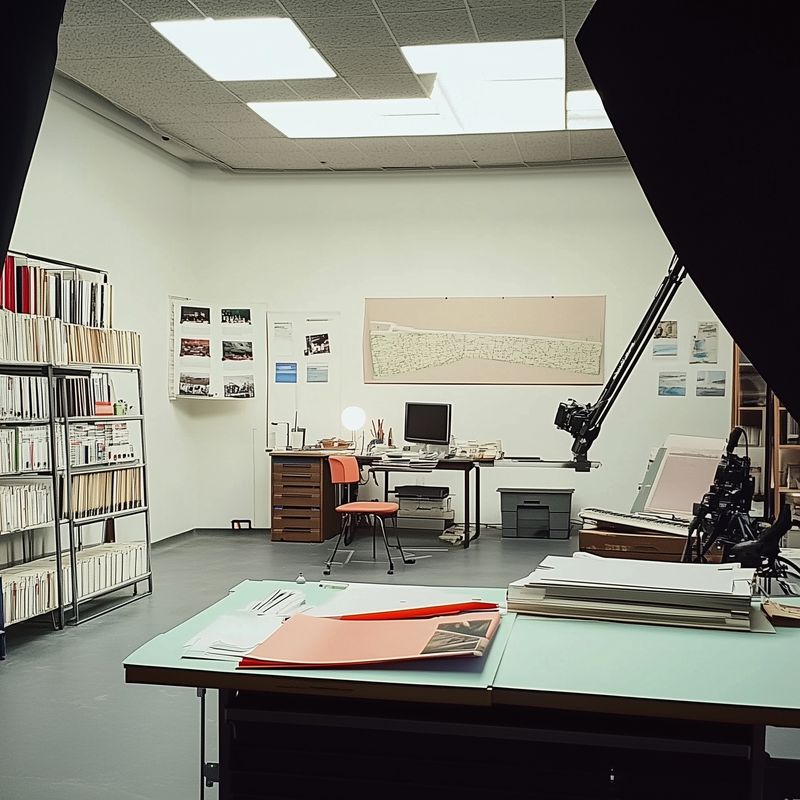
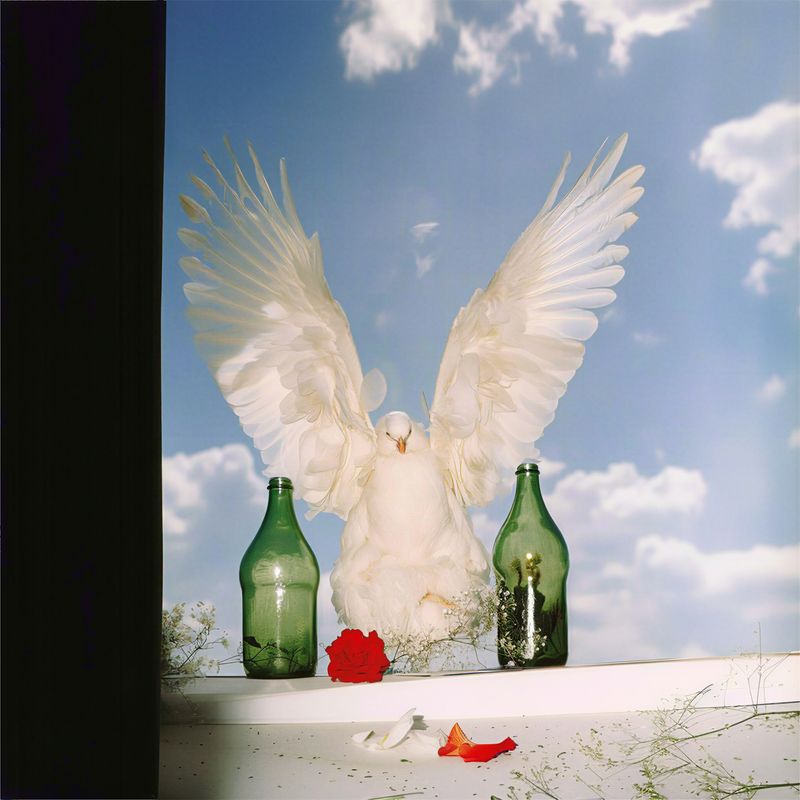
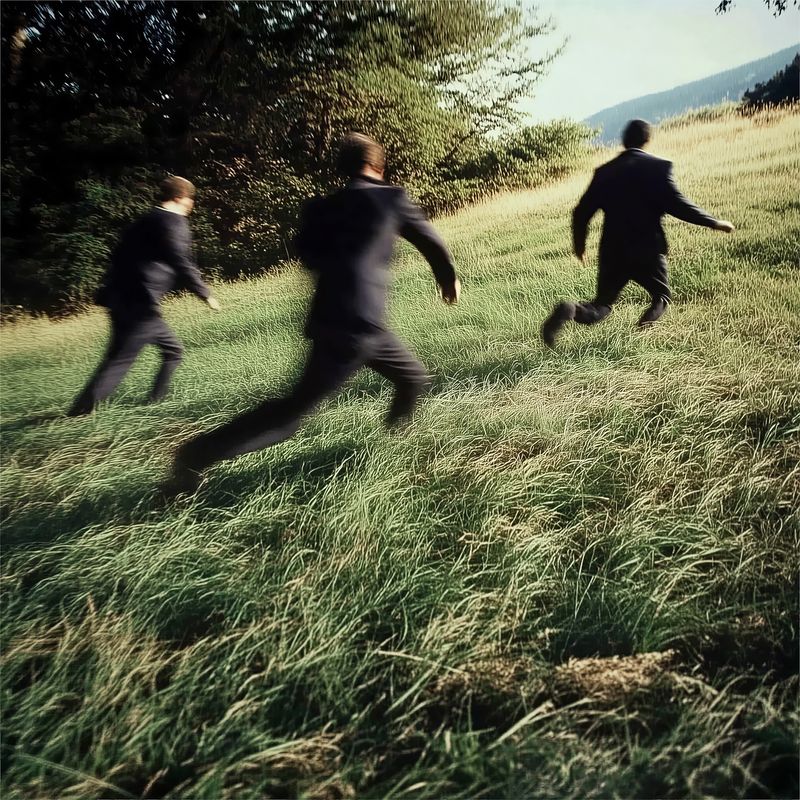
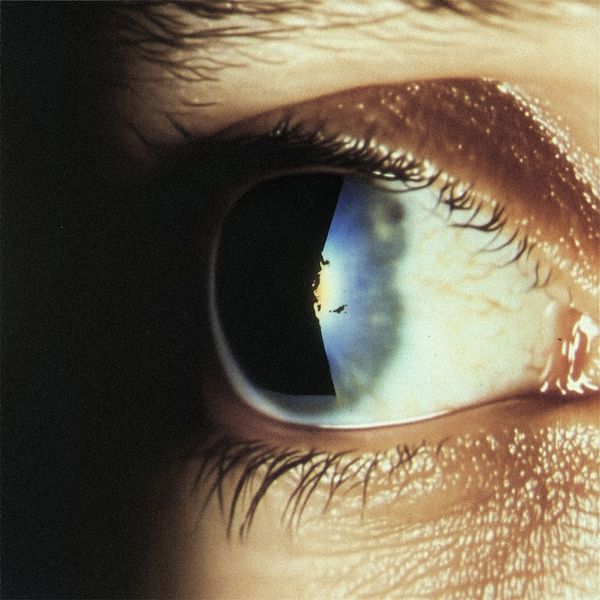
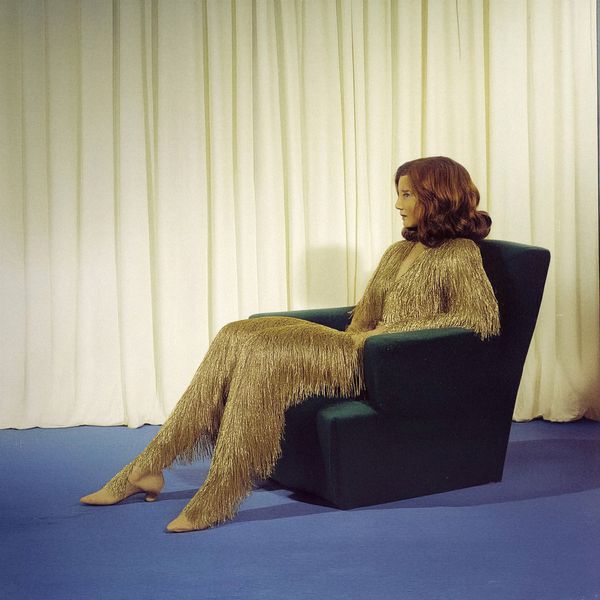
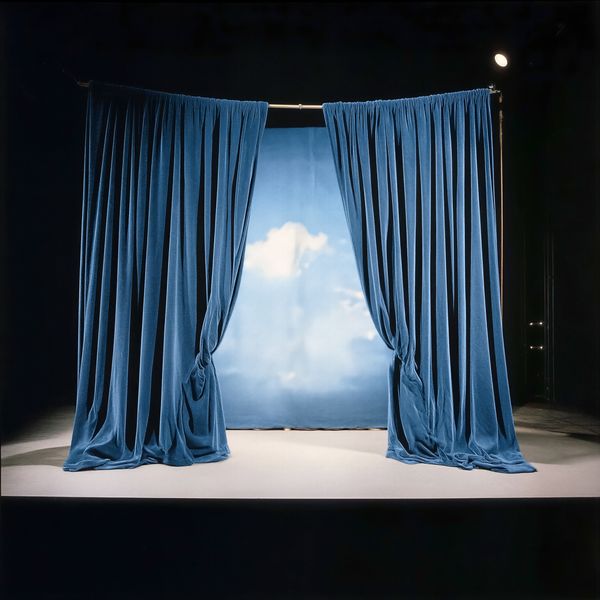
Drawing on memories, recurring dreams, and personal relationships, I created a series of images that combine my own analogue photography and sketches, blending them with artificial intelligence to explore how unconscious thoughts shape our lives. In the project, introspection becomes a dialogue between imagination, personal narrative, and new technologies. By embracing the tension between control and surrender — between artistic intention and algorithmic unpredictability — my project offers a subtle reflection on how we dream, construct meaning, and communicate through images in the age of AI.
What is real and what is not? What is entirely living in our digital imagination, and what exists in our material world? What alternative universes can we imagine, parallel realities that only live in our imagination? Just as in psychotherapy, these two worlds - imagination and reality - meet and deeply affect each other in the now.
Do Androids dream of electric sheep? They certainly held a mirror of our collective visual connections and our deepest visual patterns, electric sheep of our communal automatism. The project steps into this visual labyrinth of our schemas. Not just mine, but our collective 21st-century digital subconscious.
I still don’t talk that much, but now at least my mother can see those images that I was talking about.
Relation to the theme Archipelago
Within the framework of the archipelago, my project approaches the image as a site where different “islands” do not simply coexist, but are forced into contact. Rather than bringing together separate visual elements, I work from within my own analogue photo archive, using it as a dataset to generate new images through AI. What emerges is not a dialogue between separate images but a merging within a single surface, a single image: where personal memory and algorithmic logic intersect, interfere, and sometimes collide.
This process is marked by tension. Generative AI carries its own learned aesthetic, shaped by vast and impersonal image cultures, while I attempt to pull it toward forms and sensibilities that belong to my own visual language. The image becomes a contested space: I push the system to approximate my way of seeing, while the system resists, imposing its own tendencies. In this sense, the archipelago is not only a structure of separation, but of friction, where different visual worlds meet without fully aligning.
The resulting images hold this instability. They are composed from my own photographic traces, yet transformed through a process that introduces something unfamiliar. Personal and collective image cultures collapse into one another, not as harmony, but as a continuous negotiation. It is within this unstable merging that my series reflects on how images are shaped today: through overlaps, gaps, and pressures between individual memory and shared visual systems. The archipelago, it turns out, does not stretch across images. It lives inside them.
How do I make these images?
When people think about generative AI, they instantly think of prompt-based AI tools. You write a text-based description of the image you want to see, and the algorithm generates the desired outcome within seconds. This is not the way I use AI. I create my images by merging different kinds of pictures and using AI to collage them. The images used to remix are from my analogue image archive and found images. The mixing and collaging takes several days, with many alterations and variations, the final outcome, the final images in the end, have nothing to do with the pictures it is based on. It is also not "magick" as text-based generative image-making; creating an image takes at least one week of trial and error. It's a negotiation between machine vision and personal vision.
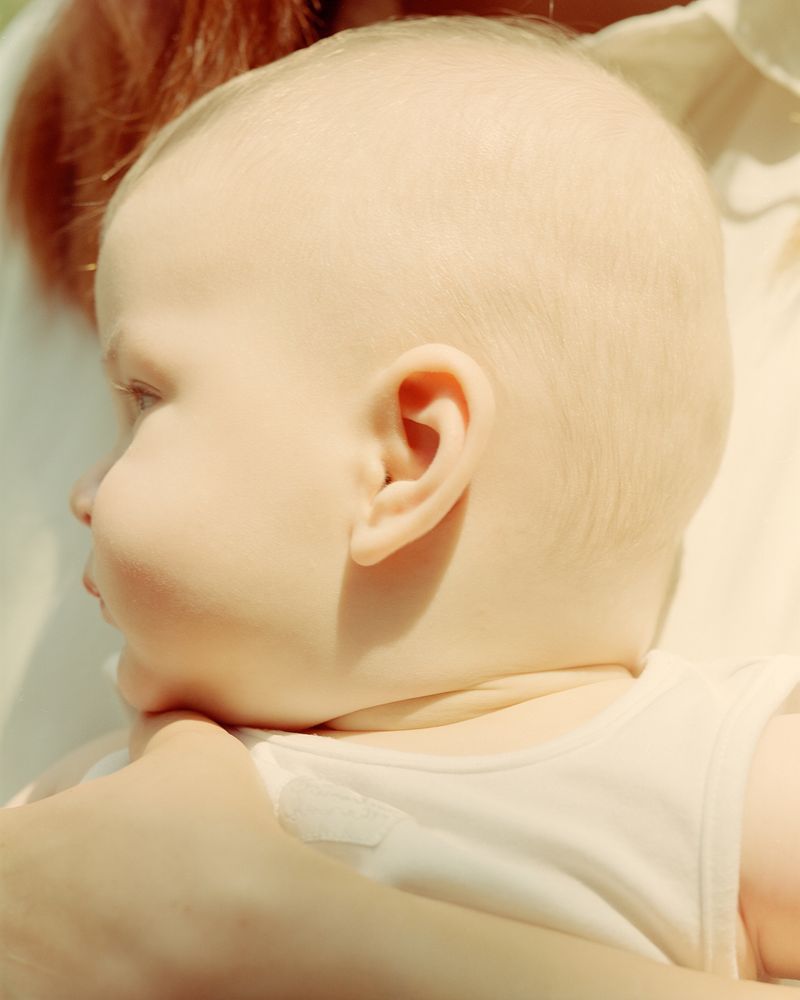
Disclaimer: the only real photograph in the series is the one where a mother is holding her child in her arms in bright daylight.
Why use AI as a photographer? What are the ethical considerations?
I come from photography, a medium grounded in the trace of reality, in what has been. It is from this position that I turn toward AI, not to embrace it uncritically, but to question it. I am fully aware of the ethical and political dilemmas surrounding generative AI, particularly in the context of a post-truth condition where images no longer guarantee a stable relation to reality.
I work with my own analogue photo archive as a dataset, feeding personal images into a system built on vast, uneven collections of visual culture. In this encounter, something resists. I try to guide the image toward my own visual language, while the algorithm insists on its own. What emerges is not control, but negotiation.
I use AI as a mirror, one that reflects back a digital unconscious, shaped by repetition, bias, and collective memory. My work does not simply generate images; it lingers within the tension between what I can imagine and what the system allows to be imagined.