scòtoma (or the impossibility of leaving)
-
Dates2026 - Ongoing
-
Author
- Location Ercolano, Italy
-
Recognition
-
Recognition
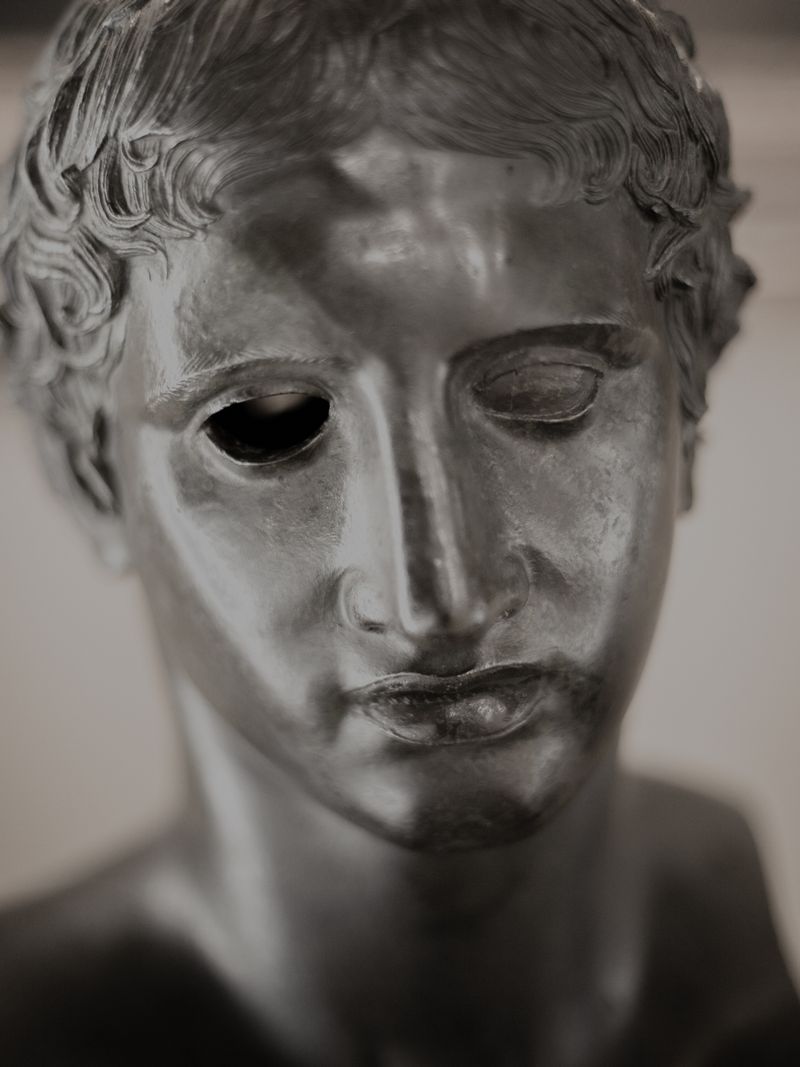
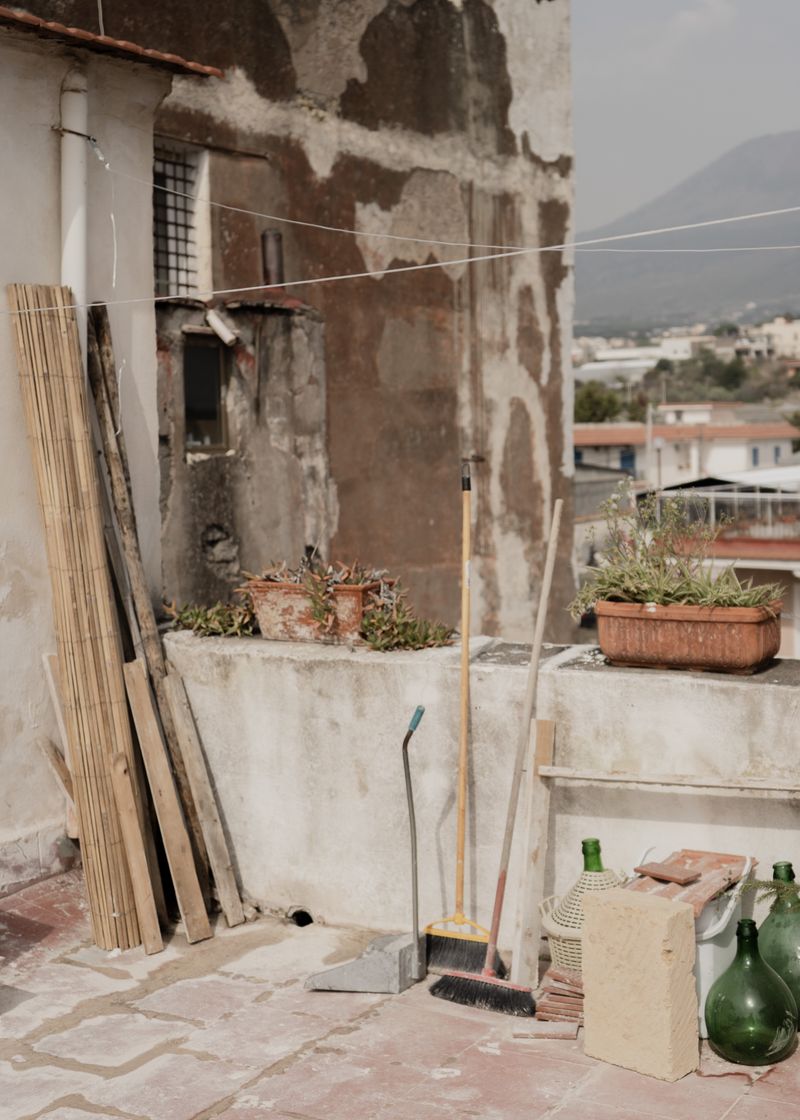
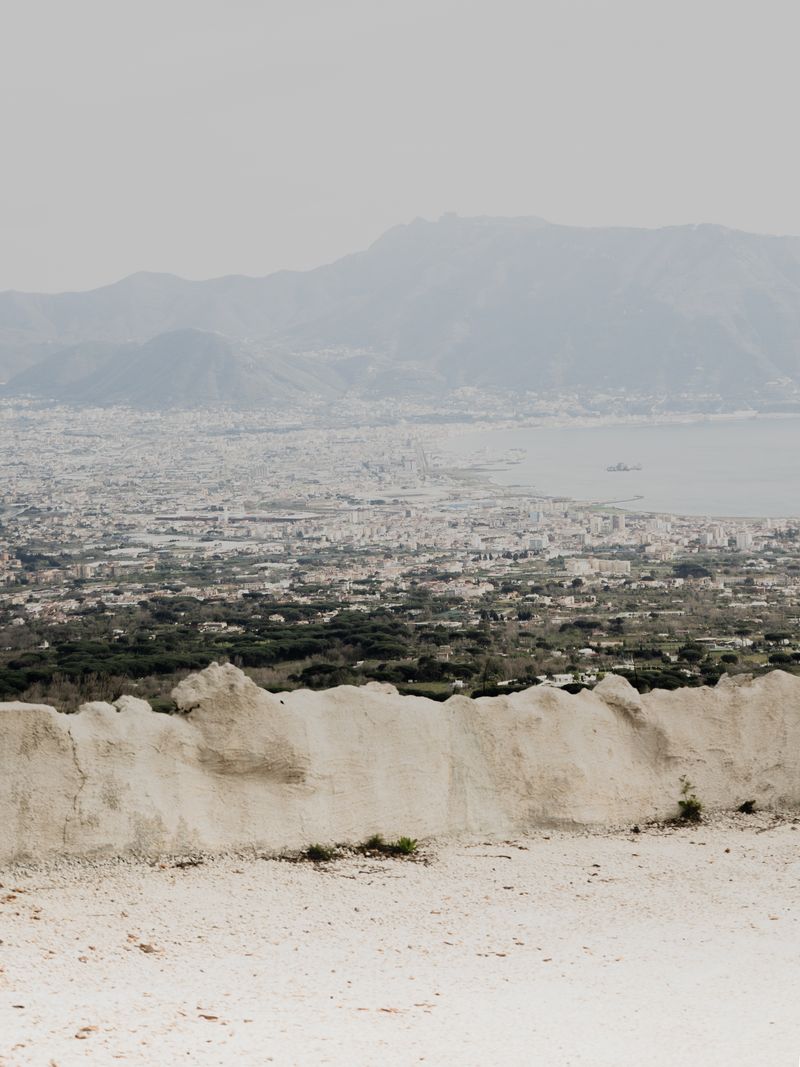
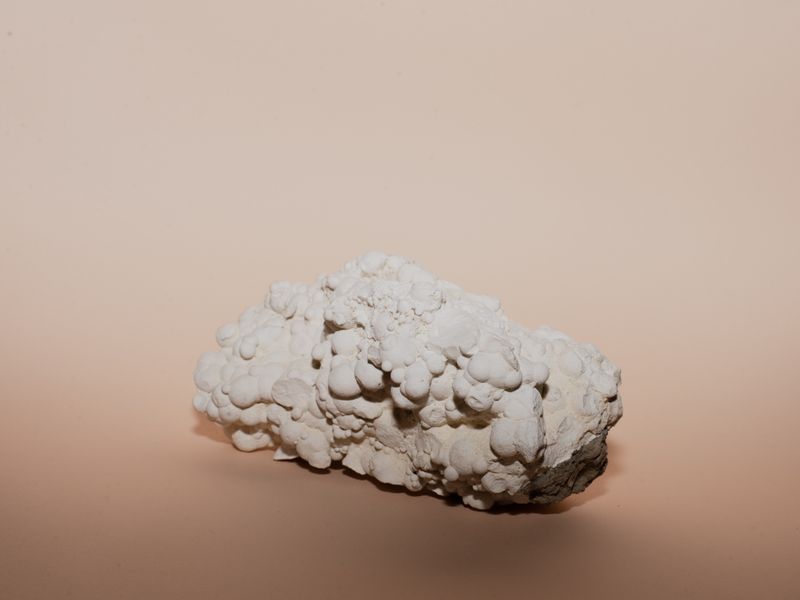
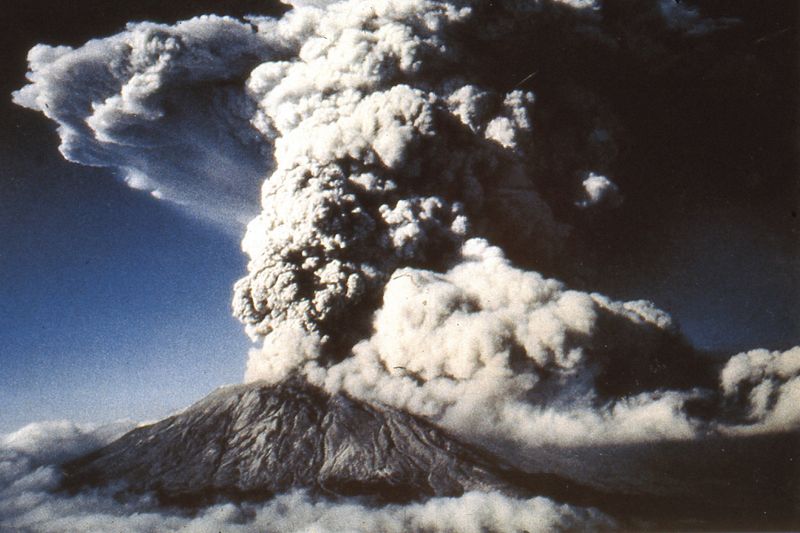
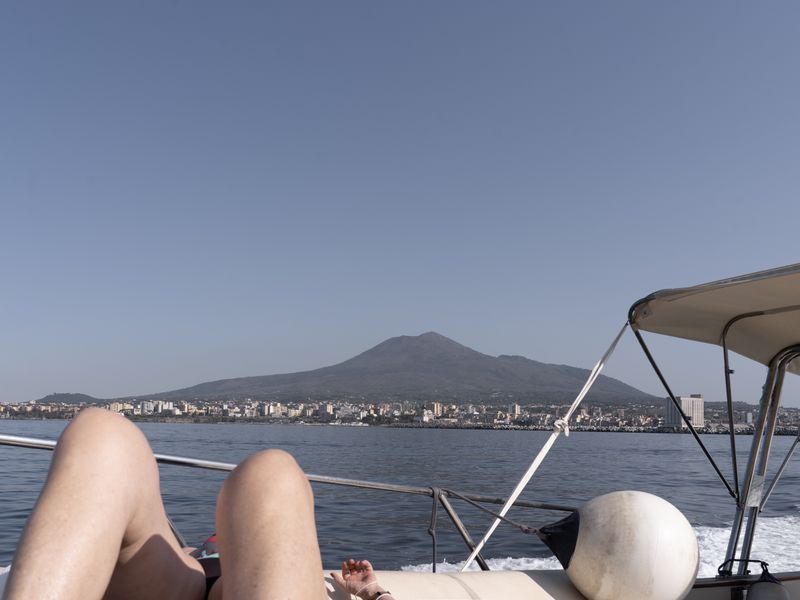
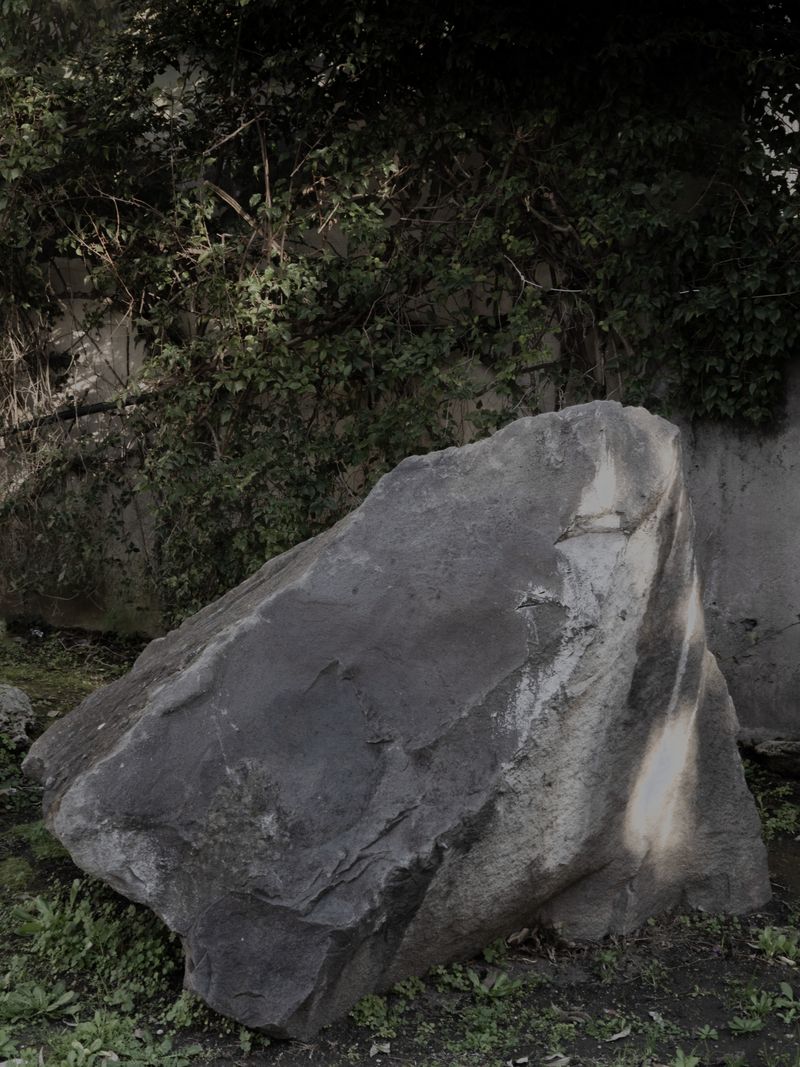
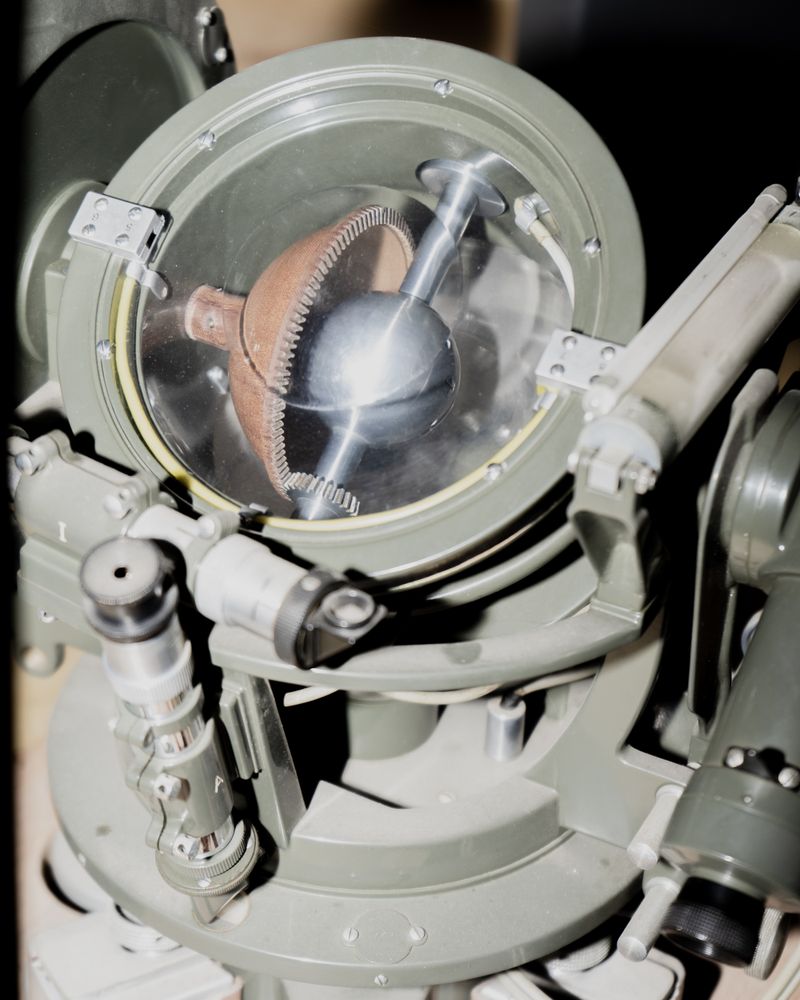
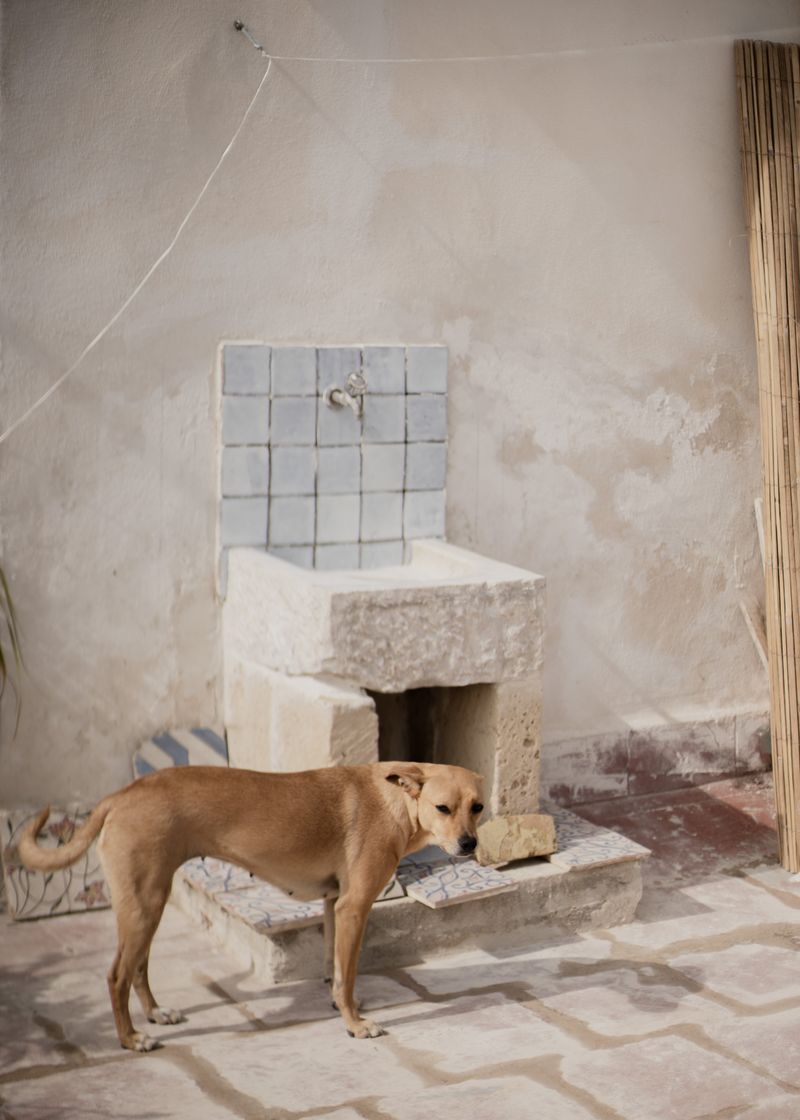
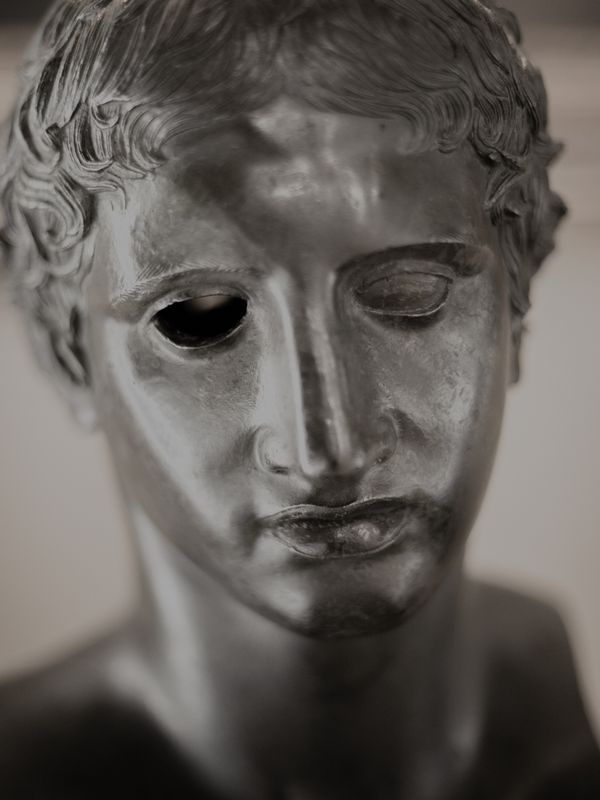
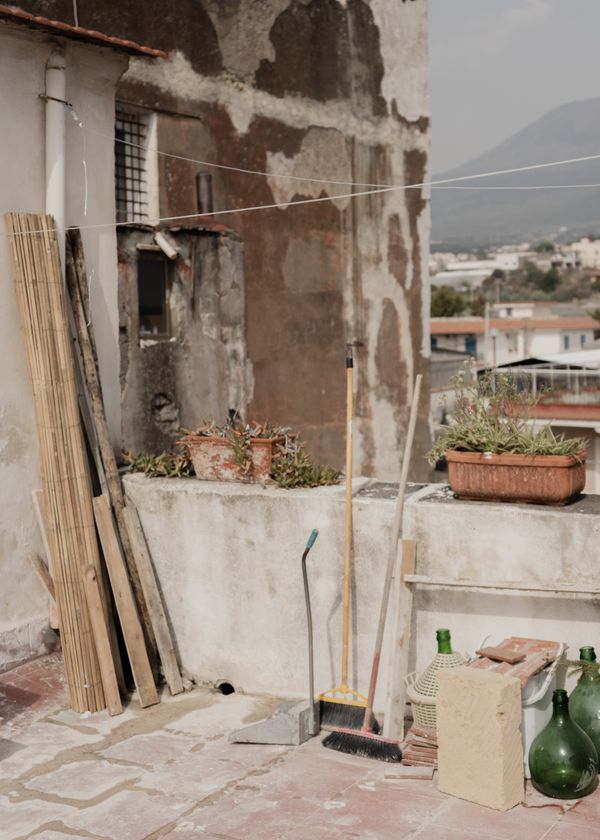
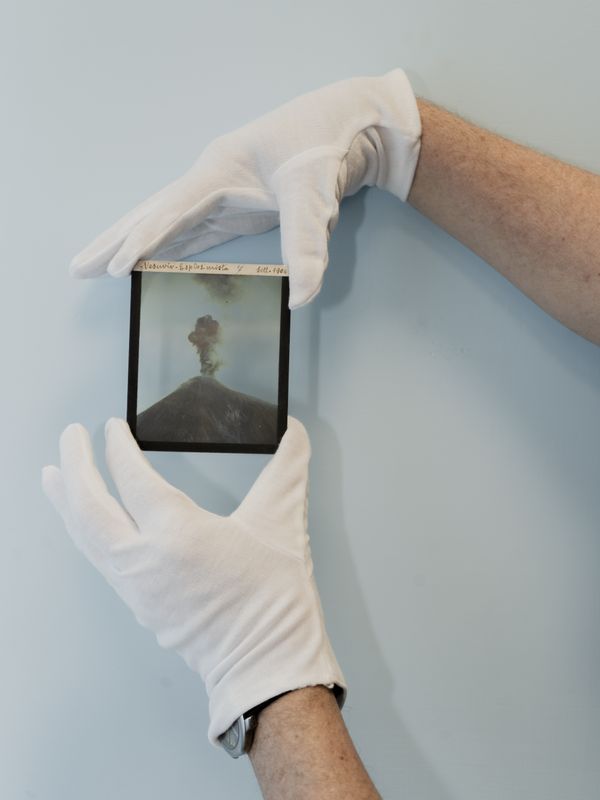
Scotoma (or the impossibility of leaving) explores life on Vesuvius’ slopes, where one of Europe’s densest urban areas coexists with an active volcano dormant since 1944. Borrowing the psychiatric term, it reflects on denial and attachment.
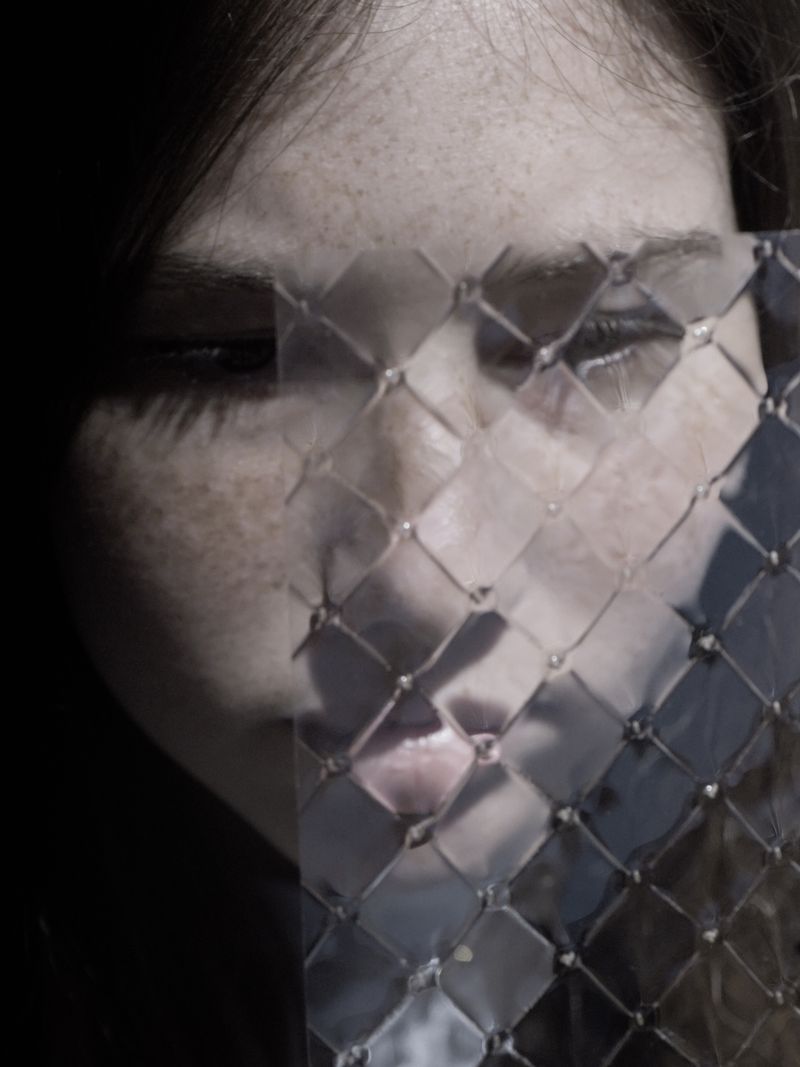
In the language of optics, a scotoma (from the greek σκότος, darkness) is an area of reduced or absent vision within the line of sight. The term has been borrowed from psychiatry, psychology, anthropology: the common theme in these figurative senses is a mechanism of alienation not from vision itself, but from cognition or a particular perspective on the world; not the impossibility of understanding reality, but a conscious process, a strategy of selection and defence aimed at coping with daily life to overcome anxiety.
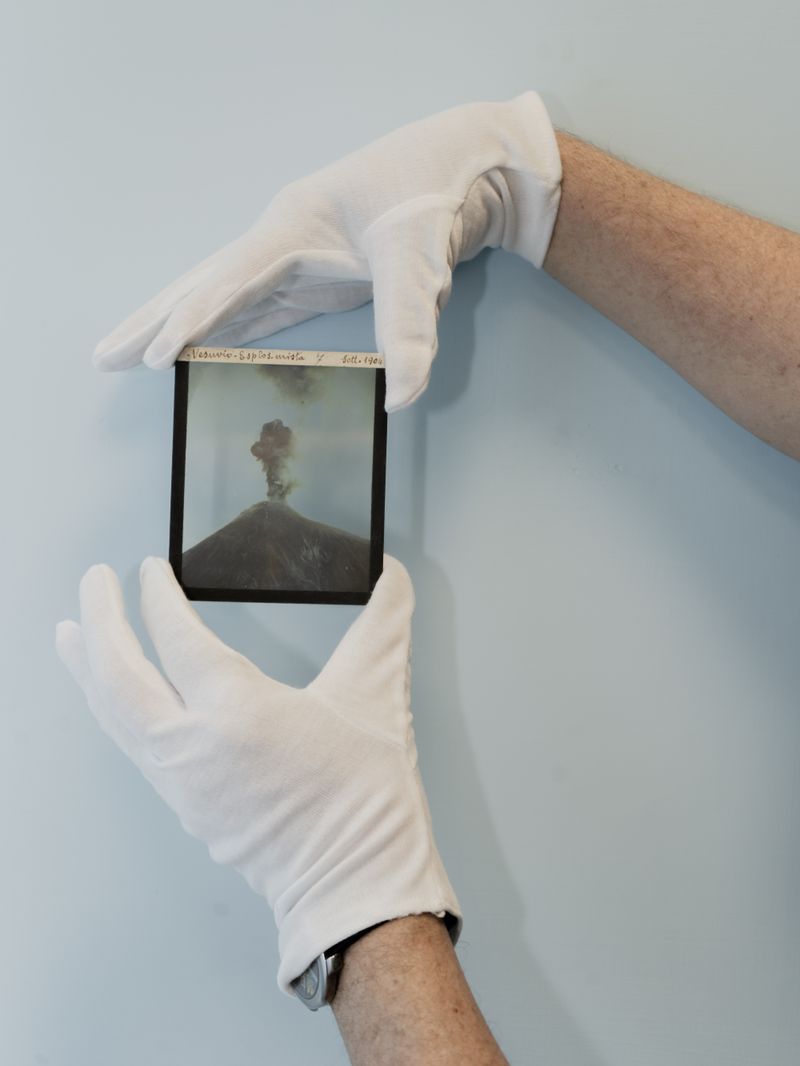
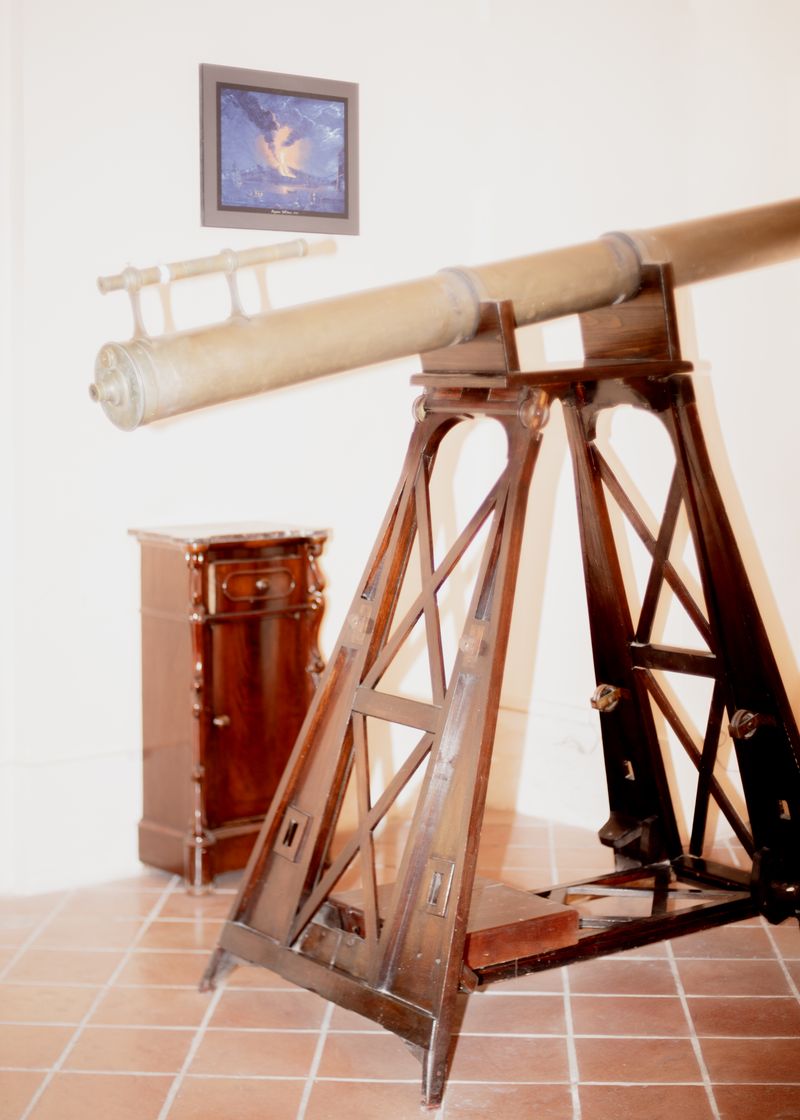
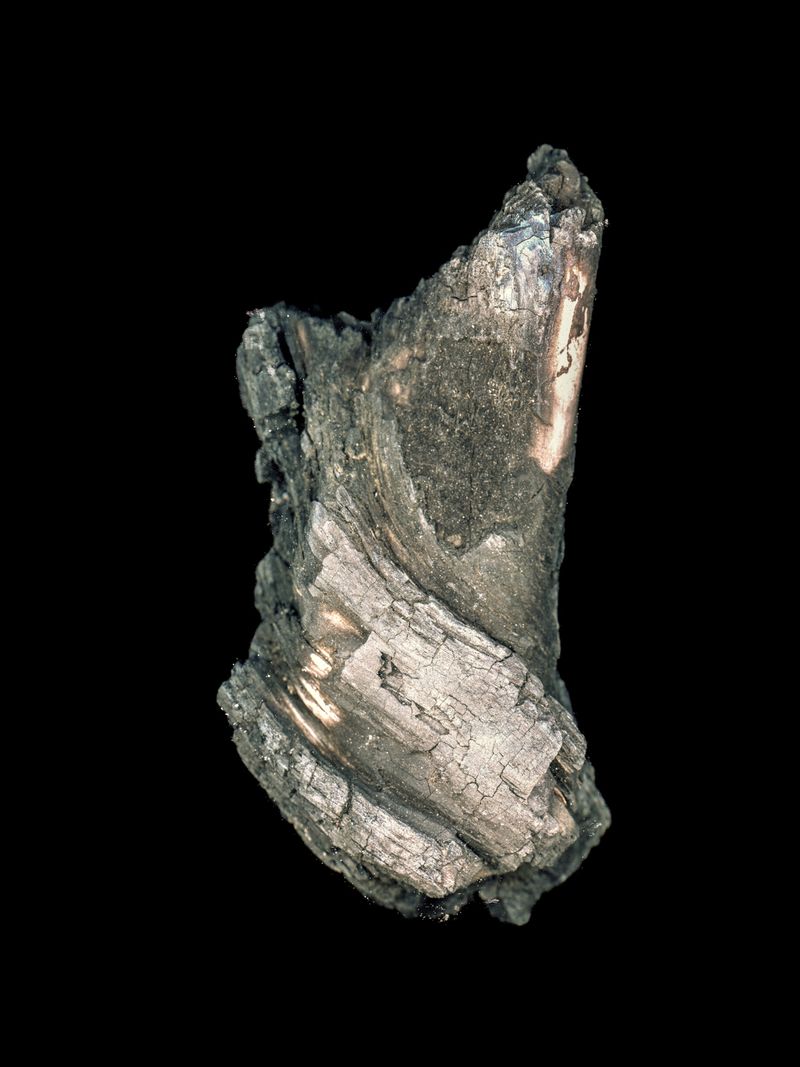
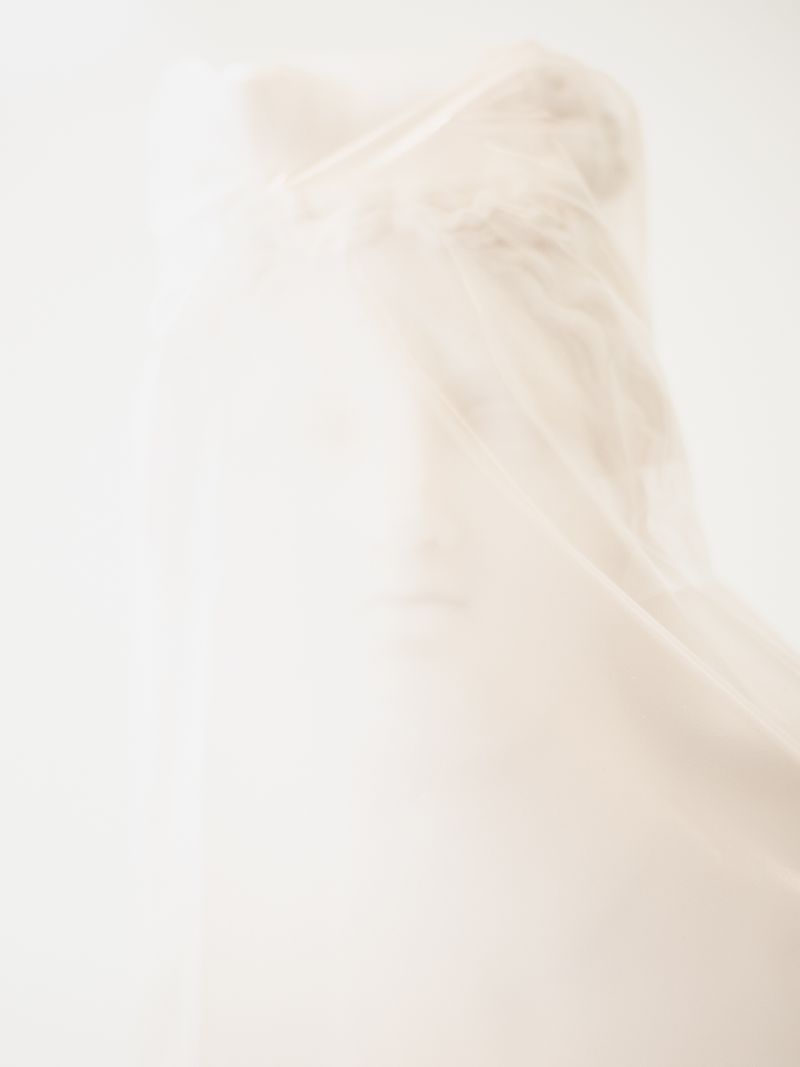
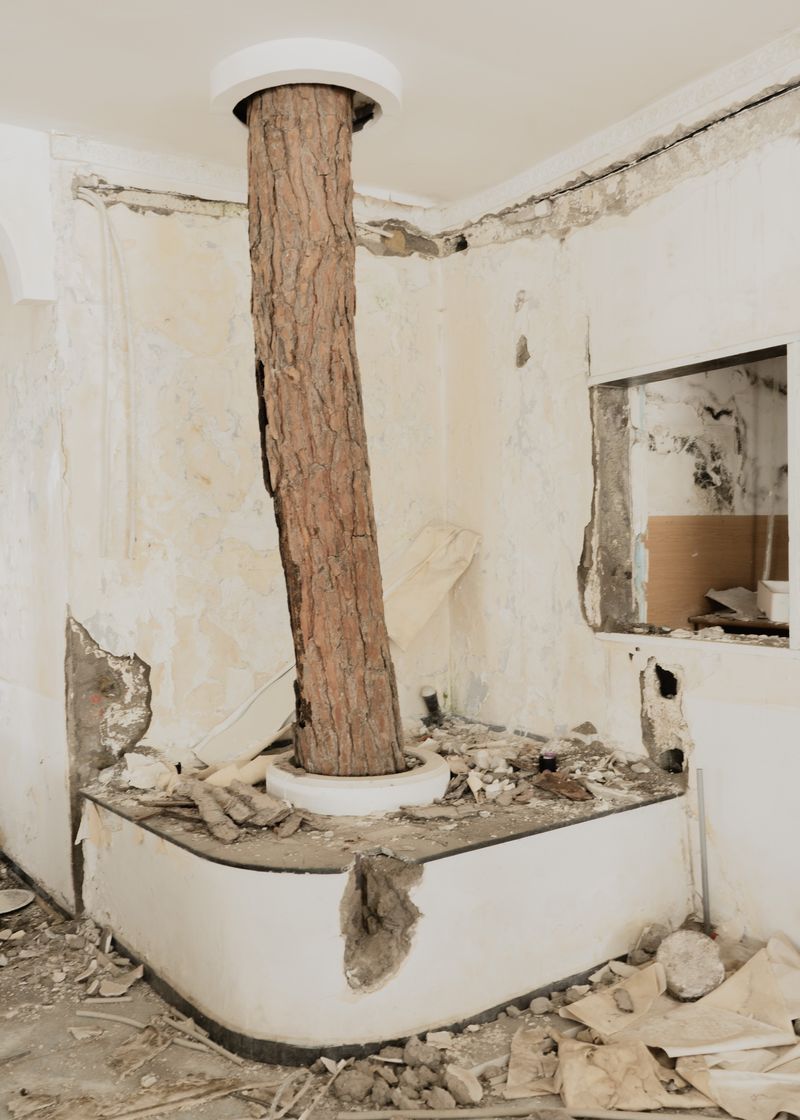
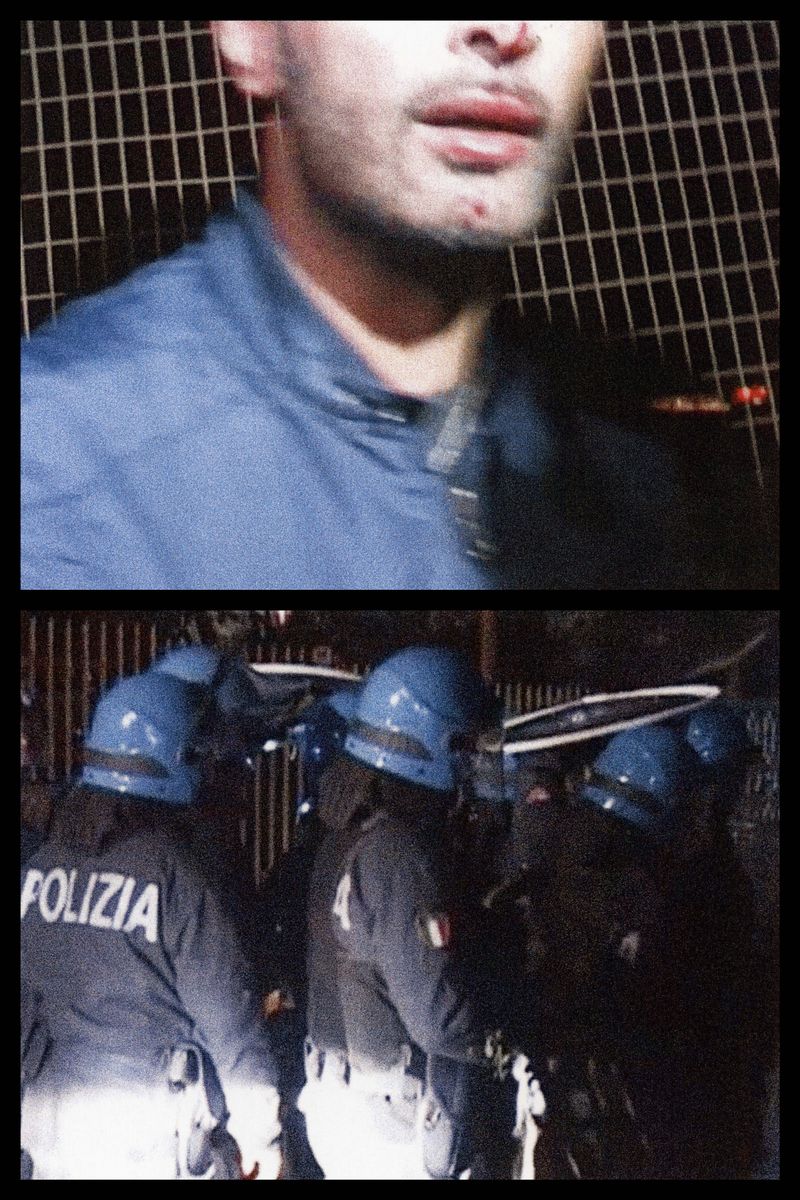
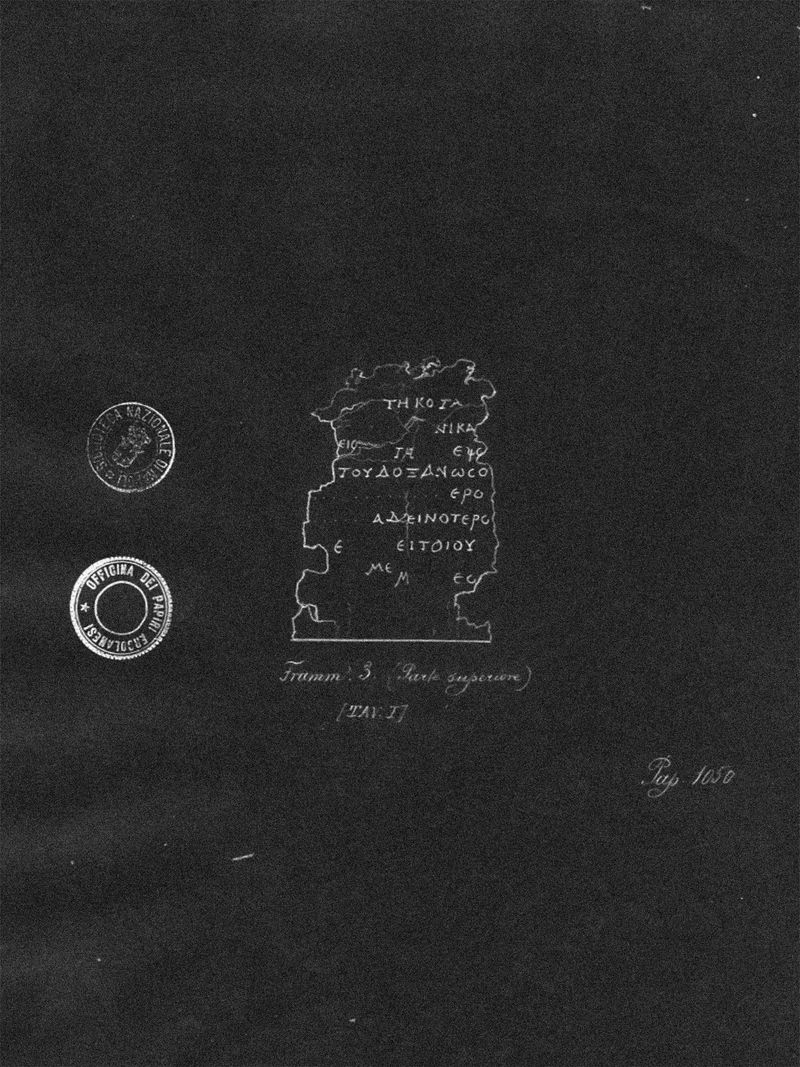
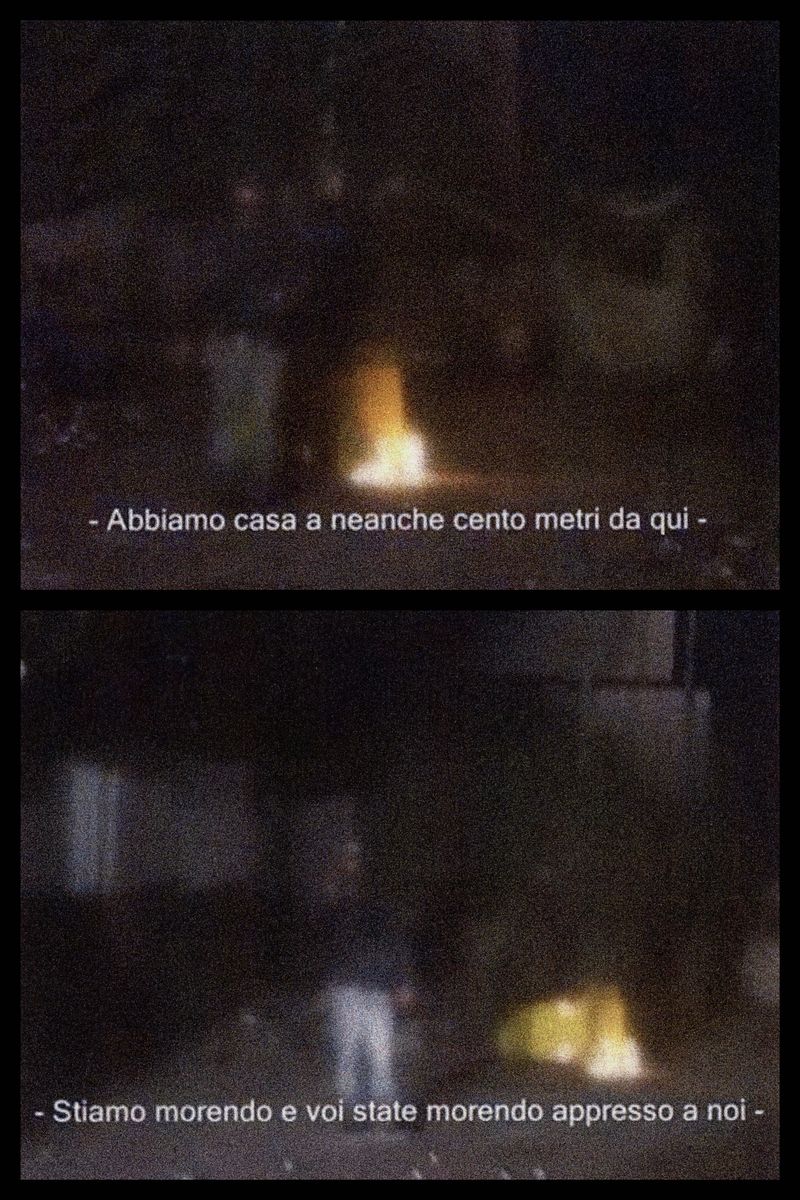
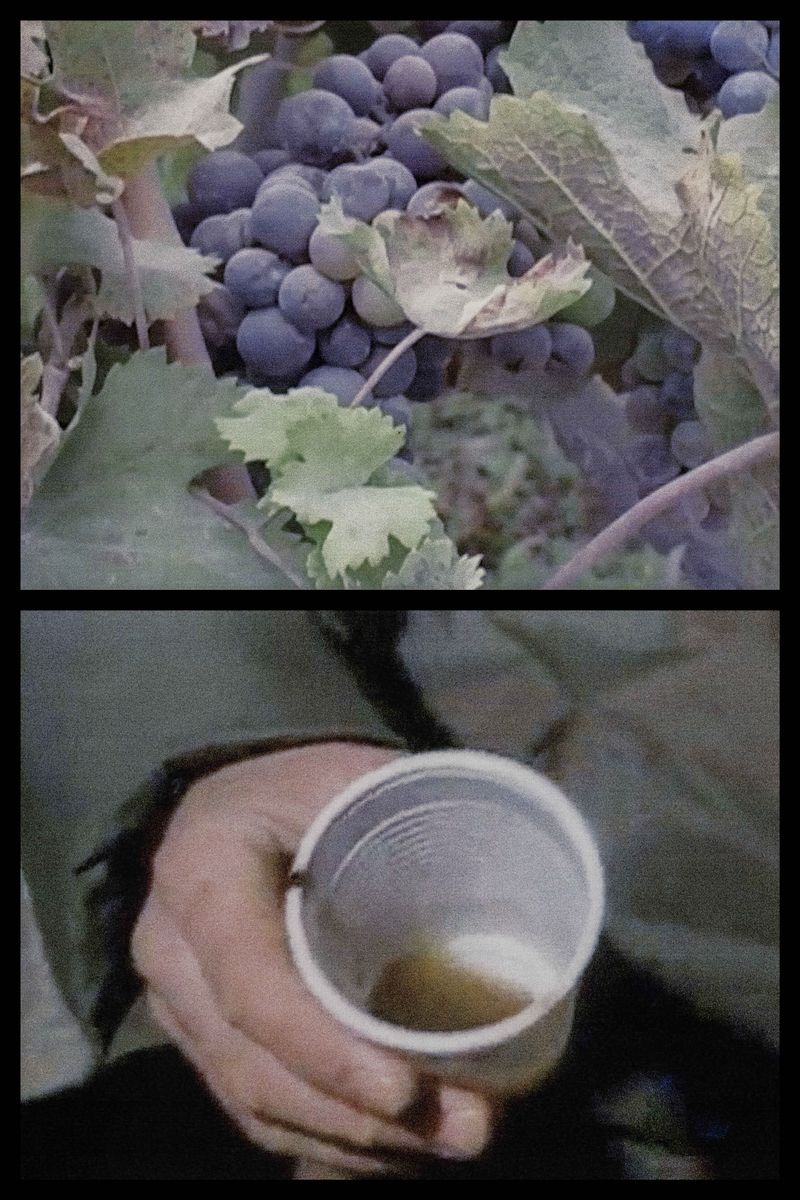
The Somma–Vesuvius, an active volcano which has been dormant since 1944, is known as the first ever studied and photographed: its historical Observatory is the most ancient in the world. The towns on its slopes form one of the most densely populated urban areas in Europe: anyone living here has, at least once, been asked about this paradox. In the photographs, takenby the author in the archeological sites and in the urban areas designated as ‘at risk’ as well as in archival materials – drawn from the Herculaneum papyri (Philodemus’s On death), – the volcano reveals itself not merely through the catastrophe that is its own: it manifests as a protagonist of social crises, in arsons in building abuses or in a simple sunny day. Rather than providing an answer, Scòtoma asks a question in turn: how many ways are there (to live and) to die?