Pretty in Pink
-
Dates2025 - Ongoing
-
Author
-
Recognition
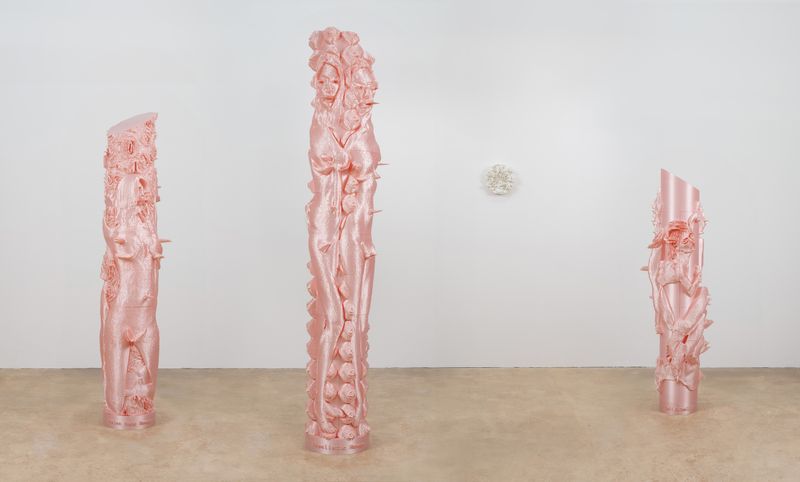
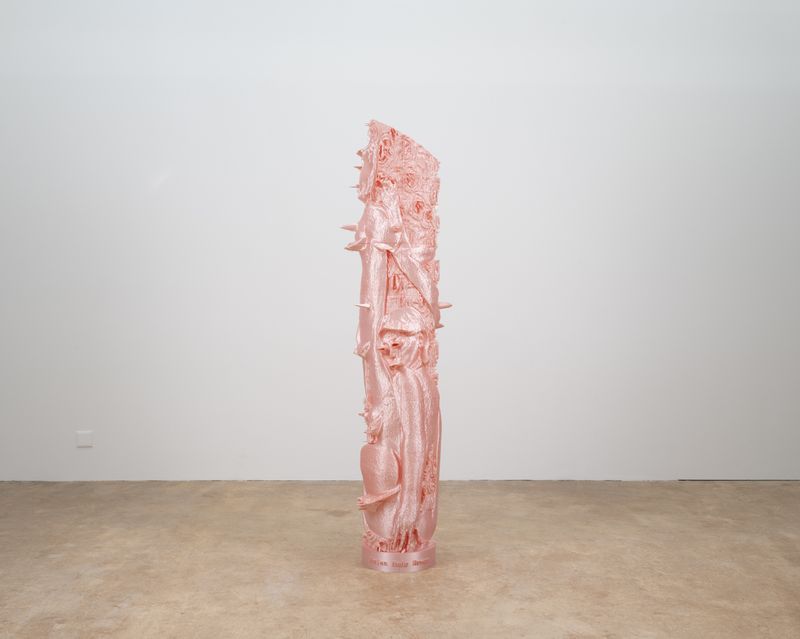
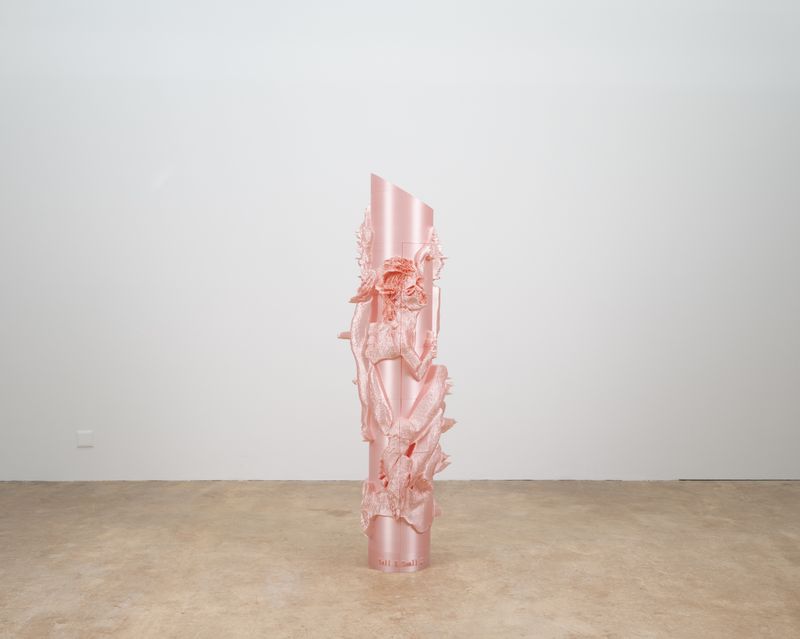
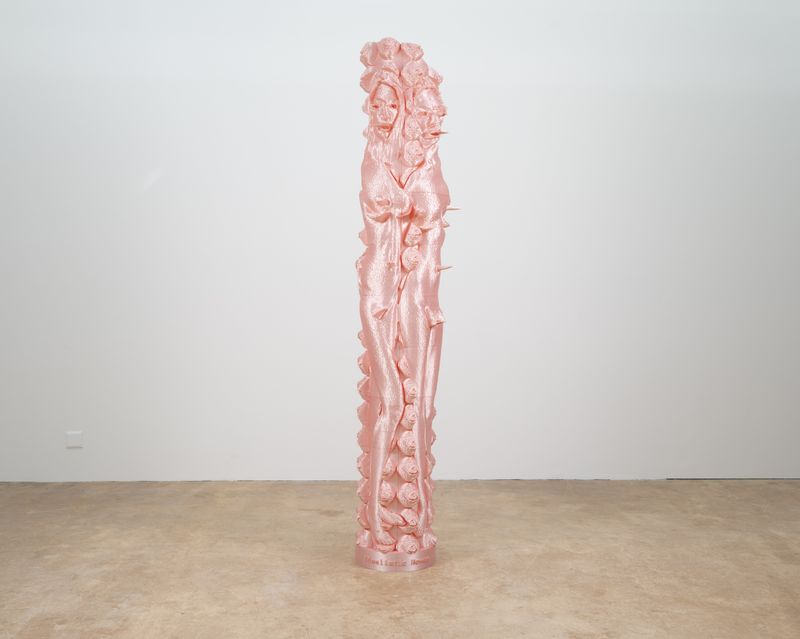
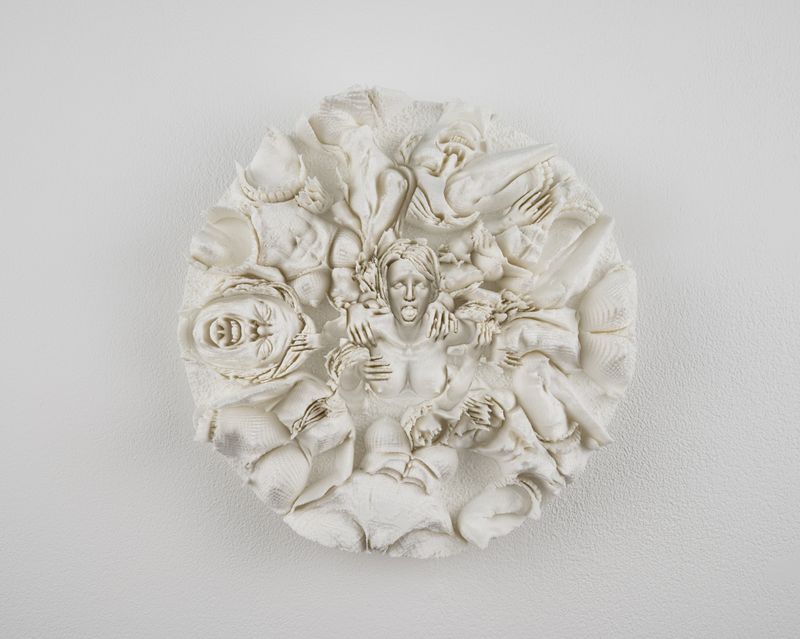
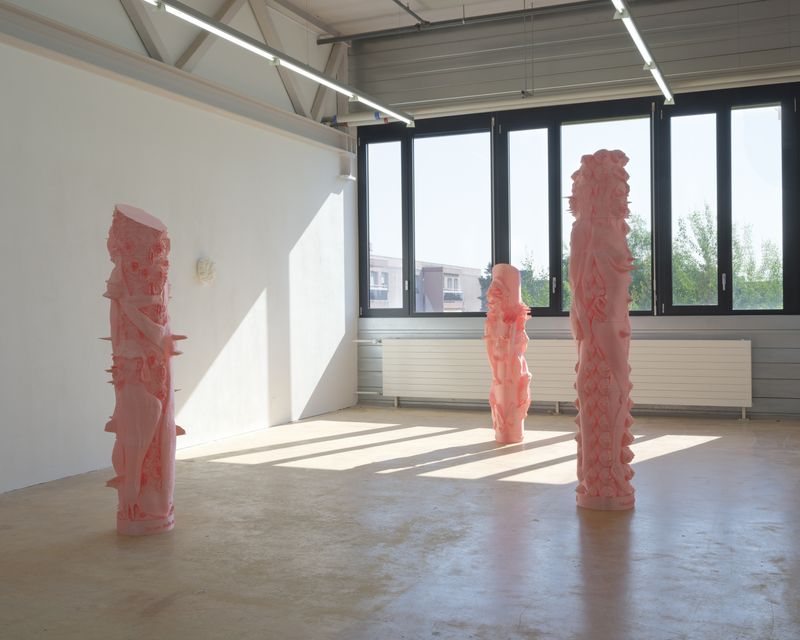
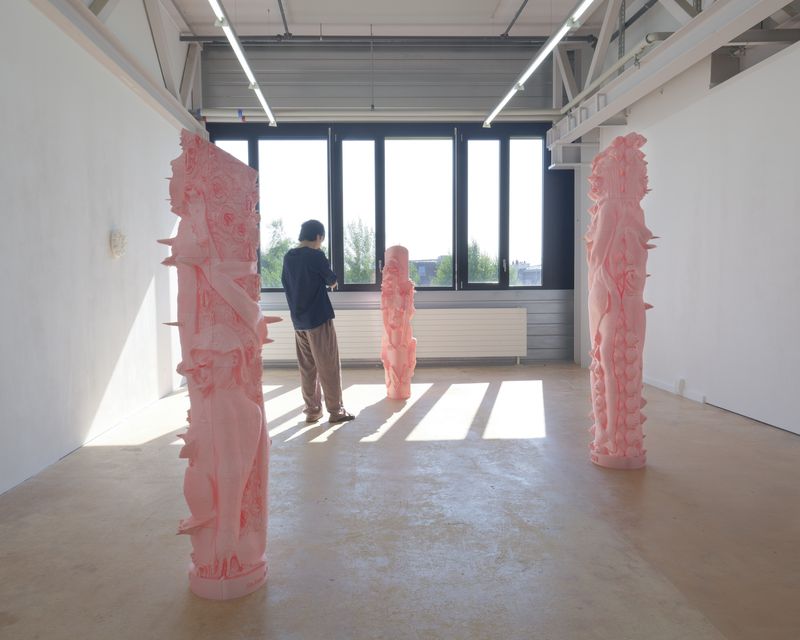
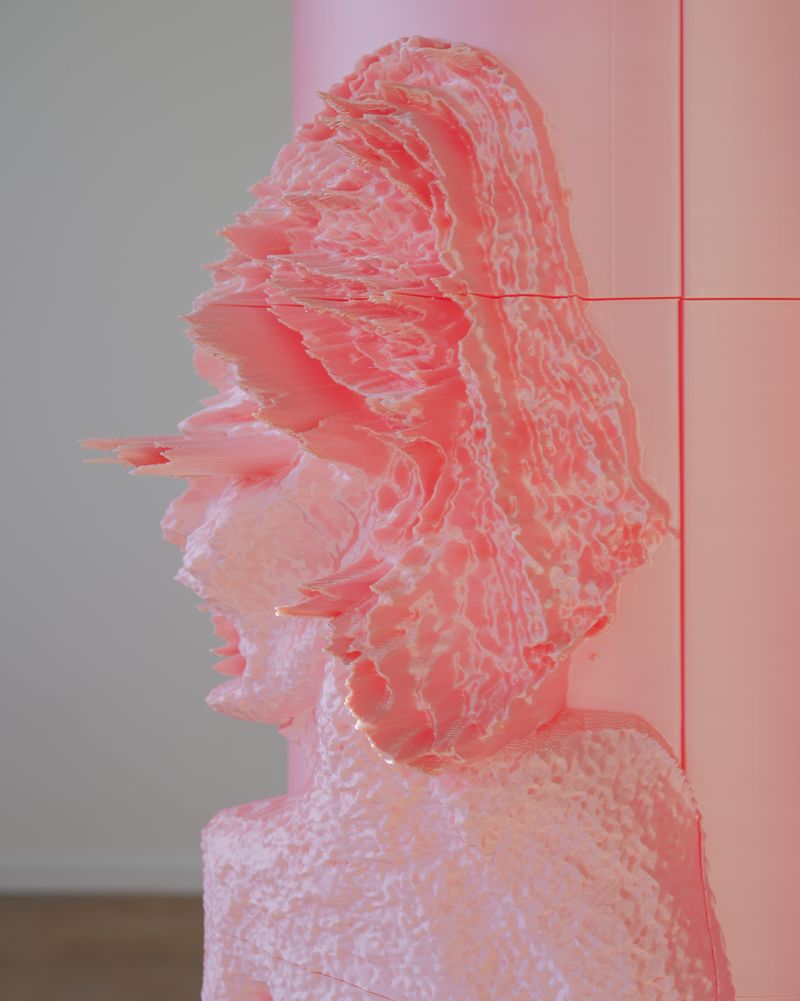
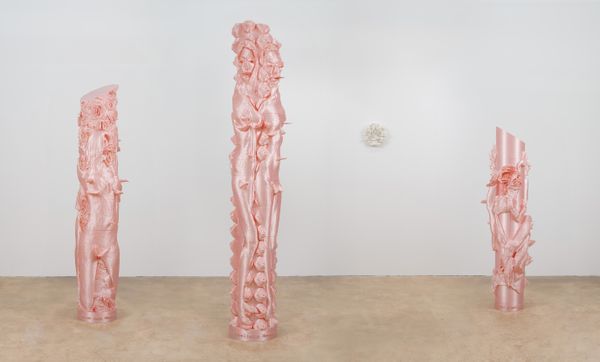
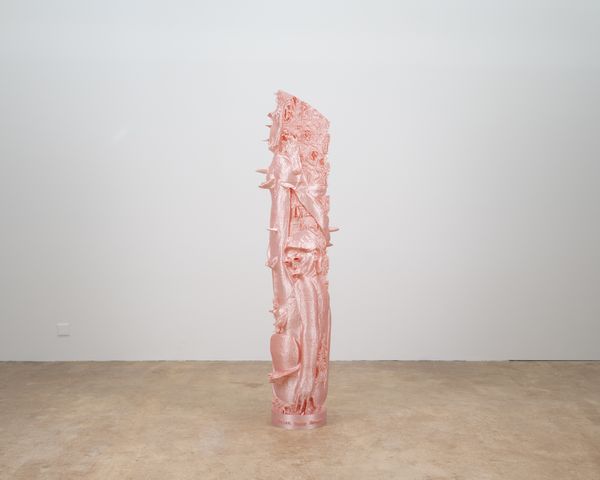
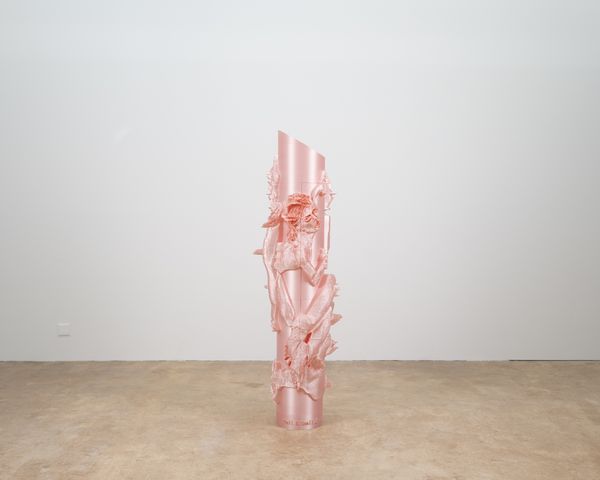
Pretty in Pink is a series of life-size 3D-printed sculptures exploring the digital objectification of female bodies. Using manipulated porn-model thumbnails transformed into physical forms, the work confronts desire, violence, and commodification.
“Pretty in Pink” is a series of image-based, life-size 3D-printed sculptures that explore the digital objectification of the female body and the embedded codes of desire and violence they carry. Rooted in my background in architecture and 3D visualisation, and developed during my Master's in Photography at ÉCAL, the project investigates what happens when synthetic bodies are brought into physical confrontation with the viewer.
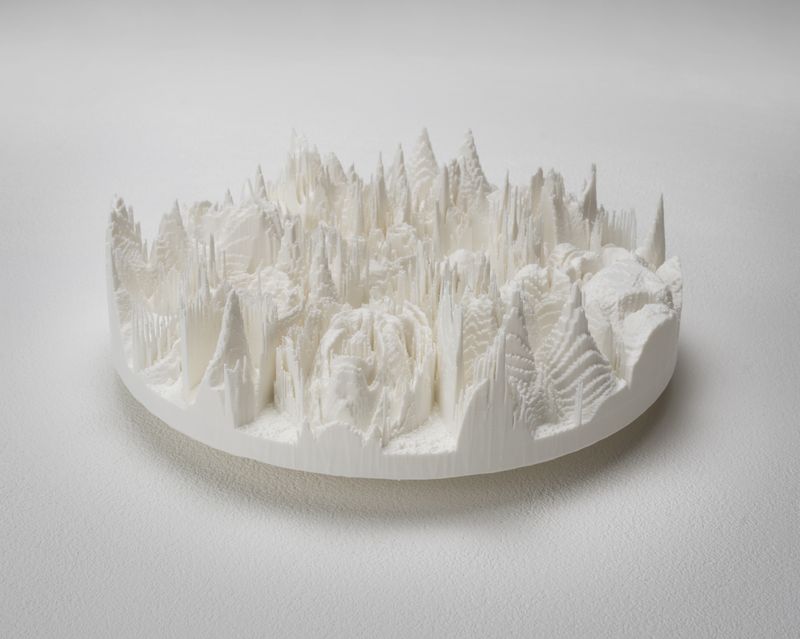
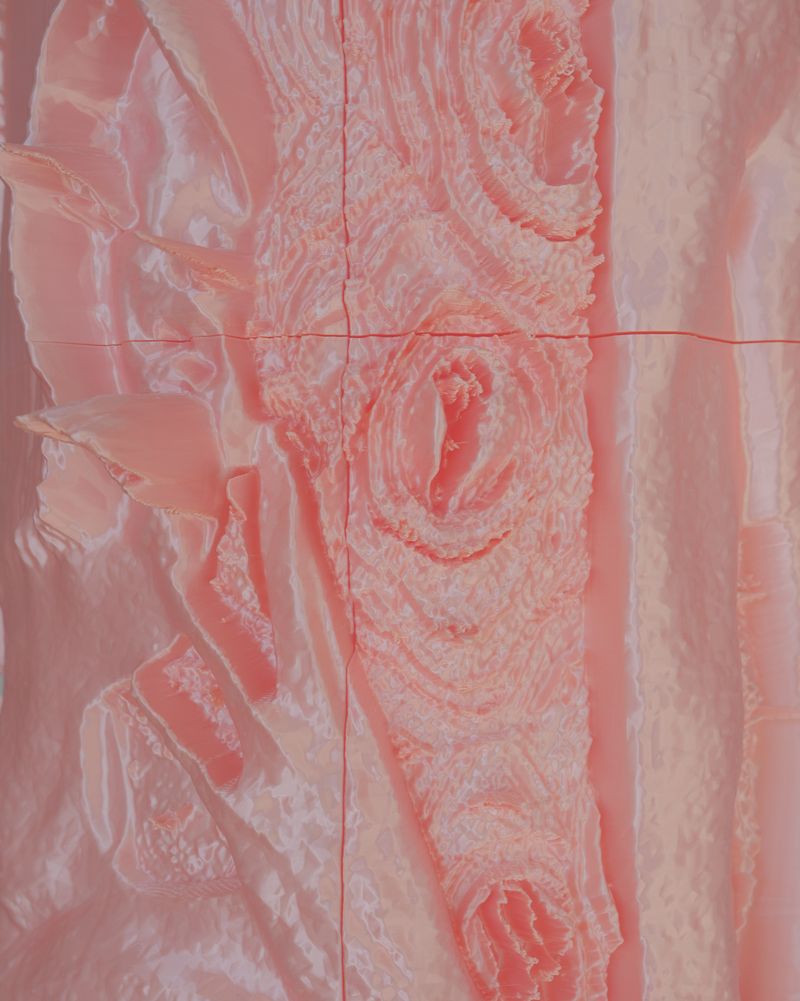
The process begins with 2D thumbnails of 3D models: idealised nude female bodies created for the digital pornography industry. These hyper-polished figures circulate online as infinitely consumable commodities, designed largely by male 3D modellers. I appropriate these images as raw material. In Photoshop, I manipulate them in grayscale, painting artificial light and shadow to generate sculptural volume. I stretch, compress, and deform intimate zones, introducing tension and visual aggression. These altered images become depth maps, translated into three-dimensional data and printed on my own machines, layer by layer.
This hybrid workflow, bridging image editing, algorithmic modelling, and sculpture, pushes the boundaries of what an image can become. Digital tools are not used to perfect or beautify form, but to reveal the mechanisms of control embedded within it. The resulting sculptures are glossy pink, monumental, and ambiguous columns that cannot be consumed in a single glance; they must be circled, approached, and negotiated.
Face-to-face with these objects, the viewer encounters a body that resists passive consumption. What was once optimised for the screen becomes heavy, opaque, and spatial. The work stages a reversal of the digital gaze: instead of offering access, it produces distance and unease. The sculptures stand as anti-monuments to desire, simultaneously seductive and hostile.
By repeating and distorting archetypal female forms—echoes of Botticelli’s Venus or Canova’s Three Graces—the project reveals how contemporary digital bodies extend long historical systems of representation. The female figure has been endlessly re-rendered across centuries: painted, sculpted, photographed, pixelated. "Pretty in Pink" exposes this loop and interrupts it. The ornamental softness of pink becomes a trap; beauty becomes surface tension. What was once endlessly consumable becomes disruptive and threatening.
The work critically engages with the technological infrastructures that shape contemporary desire. 3D modelling software, developed for entertainment and pornography, is repurposed to expose its embedded biases.
“Pretty in Pink” insists on confrontation. What does it mean to stand face-to-face with an image that refuses to flatter us? How do we relate to bodies that are simultaneously artificial and hyper-real? Can the tools that produce objectification also generate resistance? The project uses the language of digital desire to interrupt systems of power and expose their violence, confronting how women’s bodies are endlessly commodified in digital culture while experimenting with how digital practices might be reimagined to foster resilience and new forms of critical confrontation.