Perro que ladra no muerde
Perro que ladra no muerde (Barking dogs, don’t bite) takes as case study the lynching of the manager of Imbabura’s textile factory by the employees, that took place in Atutanqui, Ecuador, on the July 1st, 1965. He was my grandfather.
"Perro que ladra no muerde" (Barking dogs, don’t bite) takes as case study the lynching of the manager of Imbabura’s textile factory by the employees, that has taken place in Atutanqui, Ecuador, on the July 1st, 1965. The factory’s manager, 

Josep Vilageliu, was my grandfather. Through an autopsy of the occurred events, the social and historical conditions that surrounded this event will arise, trying to build a multi-sited archive between personal, local and global around colonial violence.

"Perro que ladra no muerde” is a creative and research project on the invisibility of the structural and cultural violence of Latin America’s colonialism. After the nations claimed their independencies, foreign capital perpetuated the oppression and exploit ways of colonialism by other means. The invisibility and silencing of the native population has been the historical framework in which colonial violence has been perpetrated for decades and centuries.

One of the great violence investigators, the sociologist Johan Galtung, explains that every direct violent act (visible) is the continuation or response to structural violence (invisible) and cultural violence (also invisible). As the postcolonial theoretical Franz Fanon indicates, the case of the popular lynching is part of a collective catharsis to get rid of the oppressive structure and of the self empowerment against the colonialism cultural denigration. The violent act translates into reality the invisibility of colonial violence. Continuing with Gavatri Spivak premise, and according to it, political and cultural decolonization won’t take place until subordinates speak up, this project wishes to open a collective memory space from where to highlight the problematics derived from binaries settler/colonized, master/worker- employee. With that purpose we will use the Galtung ‘s triangular diagram as our investigation and creative guidelines.

The notion of “autopsy” was born in Ancient Greece and was used by travelers coming back to their homelands, in order to start a narration of what they have seen during their journeys. It literally means “see by yourself”. This concept was used again in the XVIII s century to designate the practice of opening a body to establish the cause of death. In this medical appropriation of the Greek concept lies the correlation of seeing with the truth. A truth that is not born by an exclusive speech, on the contrary, it evolves with the disparity and multiple points of views that conform collective memory. In this case, the examination penetrates the familiar and historical body, denied by taboo and time, and presents the outcome as an artistic truth.

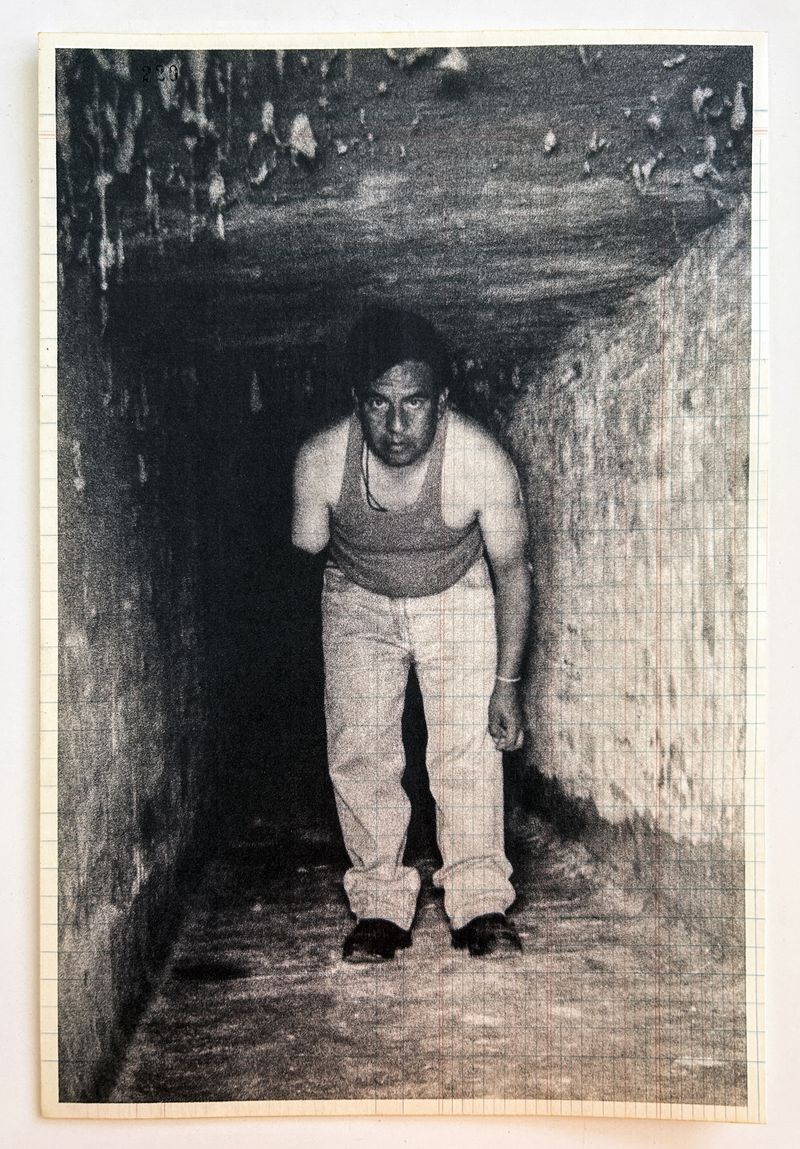
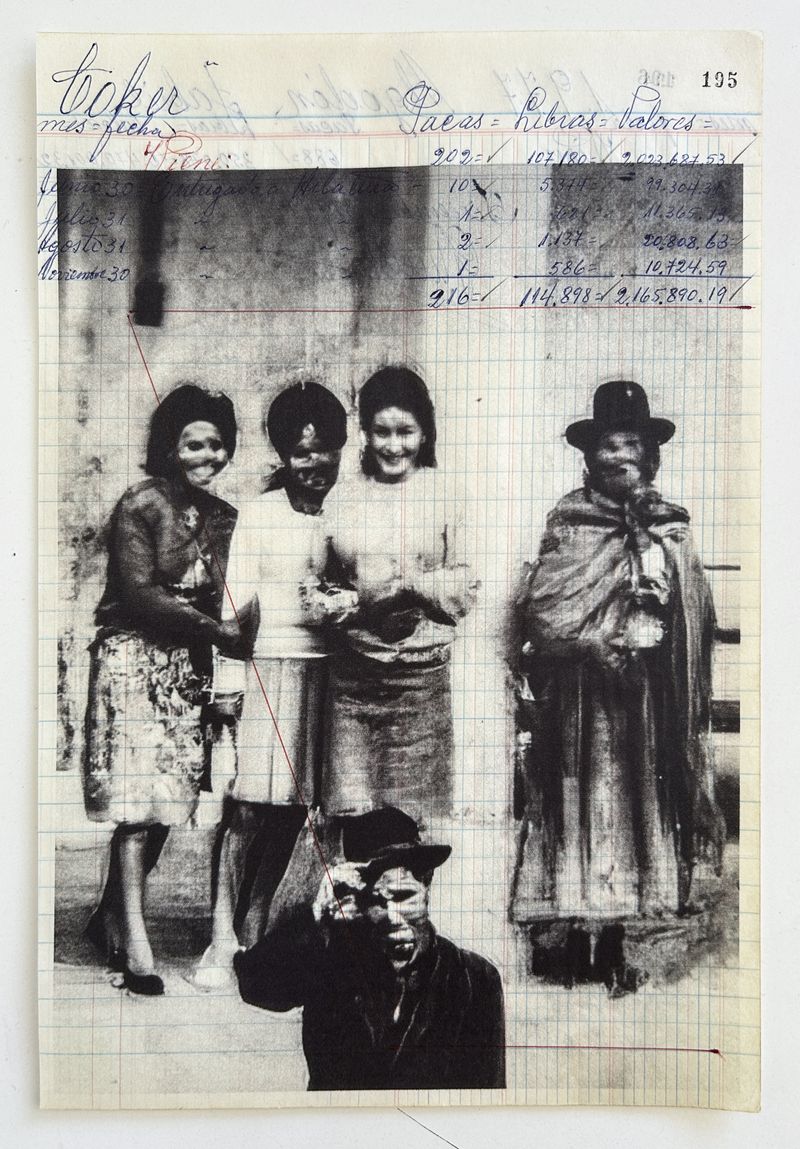
This project will be based on mock-ups, animations, direct photographs, 3d recreations and a cartography of the facts. As a background to the comprehension of power structures through the legal, criminal and human evidences.
© Arnau Blanch Vilageliu - Image from the Perro que ladra no muerde photography project
i

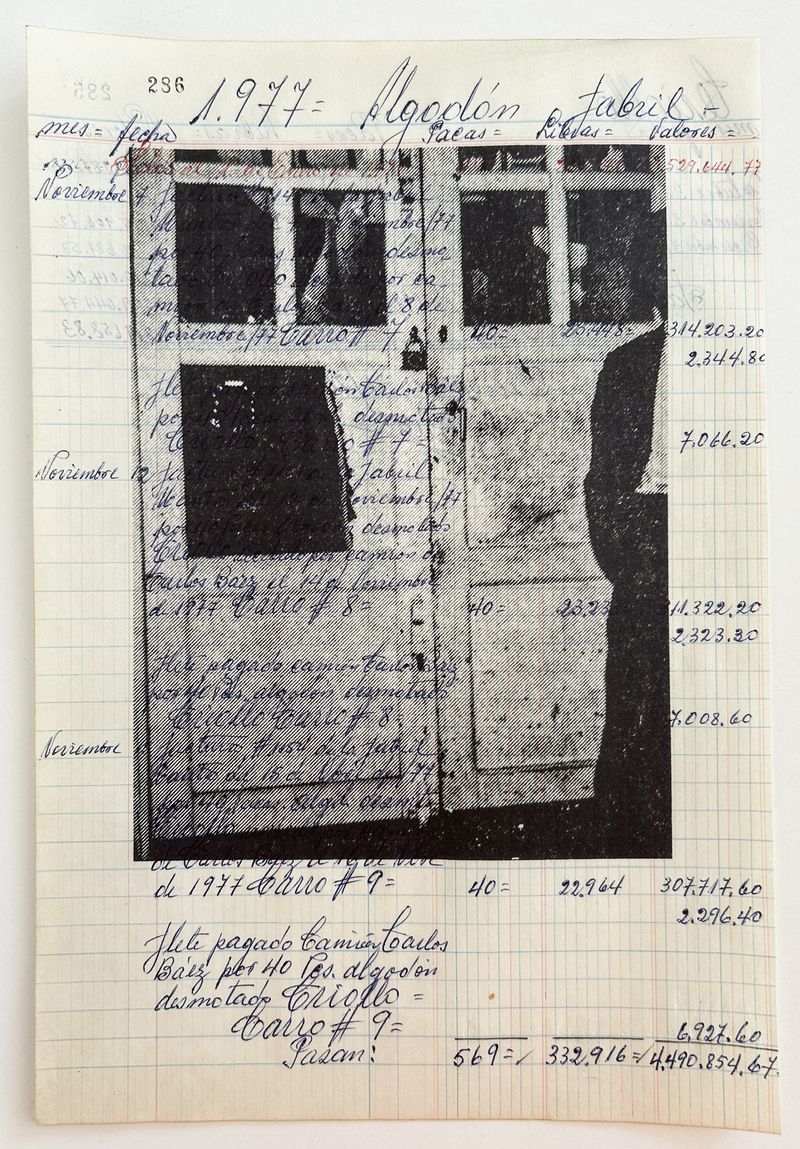
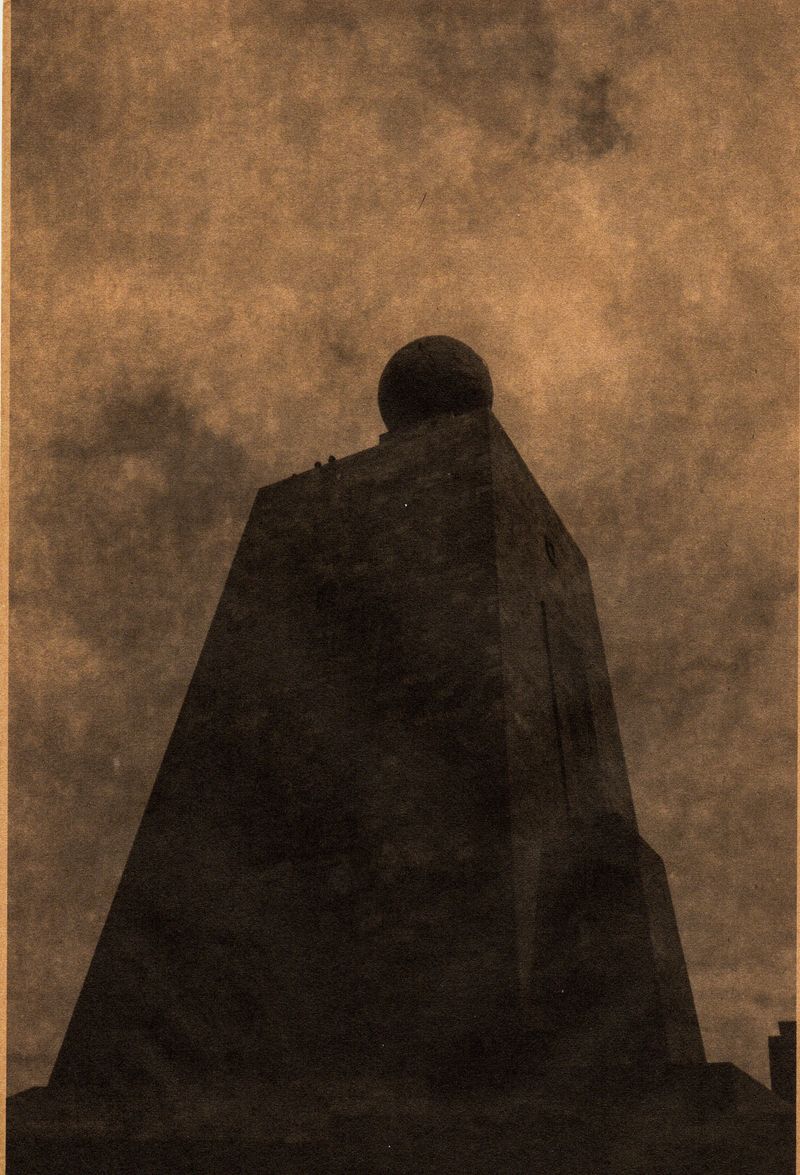
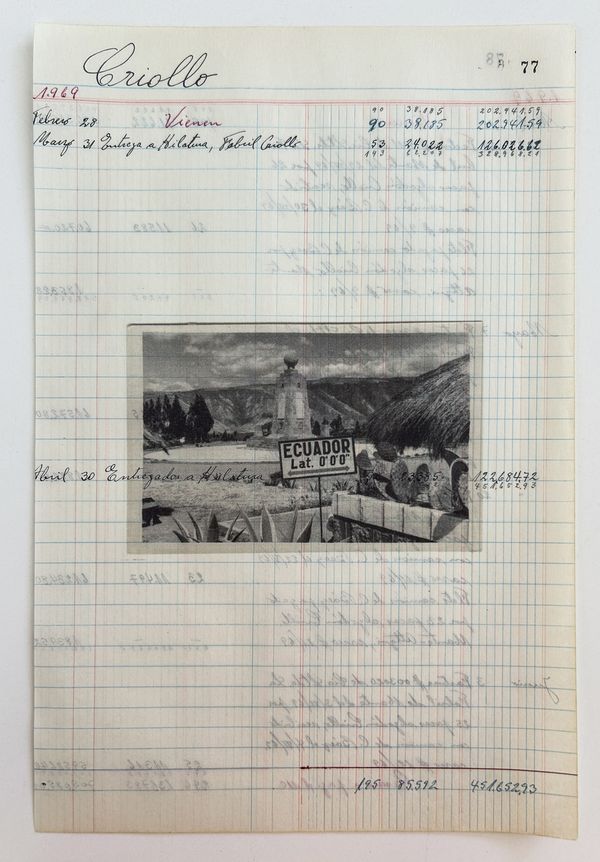
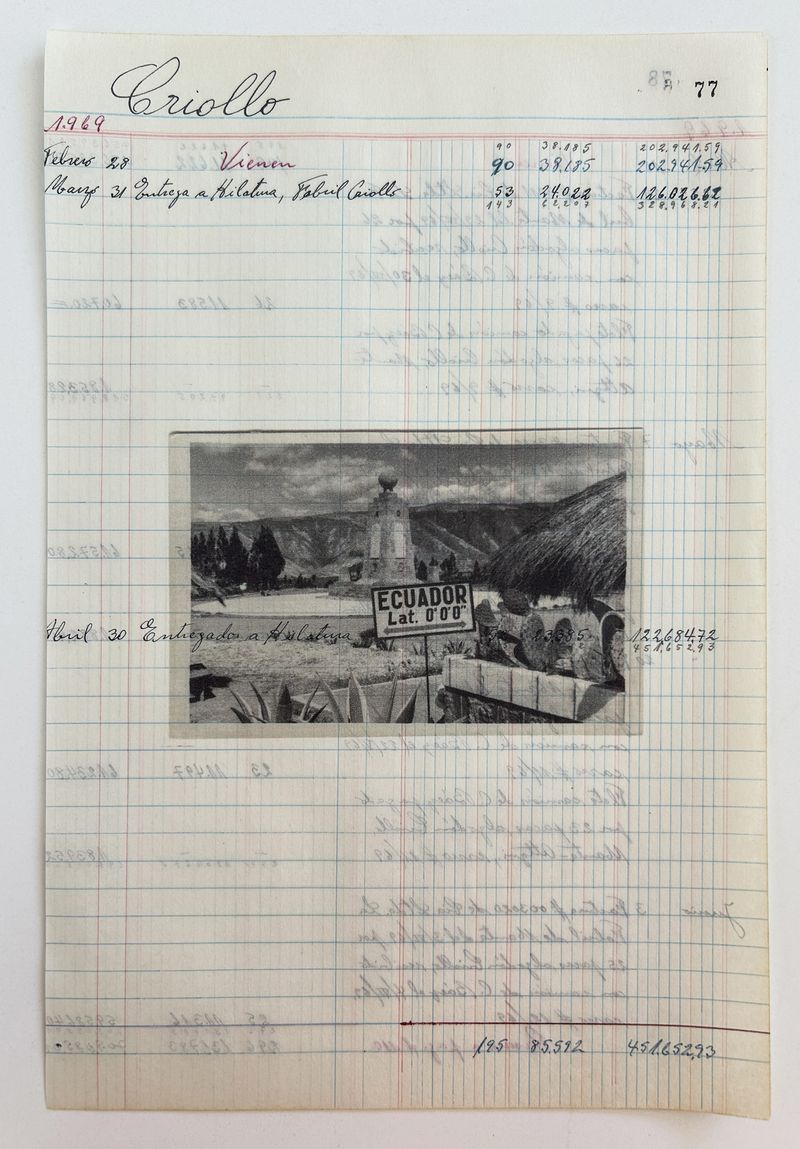
Postcard of the Middle of the World monument in Ecuador sent by Rita Vilageliu to her grandmother in Barcelona.+Photographs printed on pages from an accounting book from the Imbabura factory.

© Arnau Blanch Vilageliu - Image from the Perro que ladra no muerde photography project
i

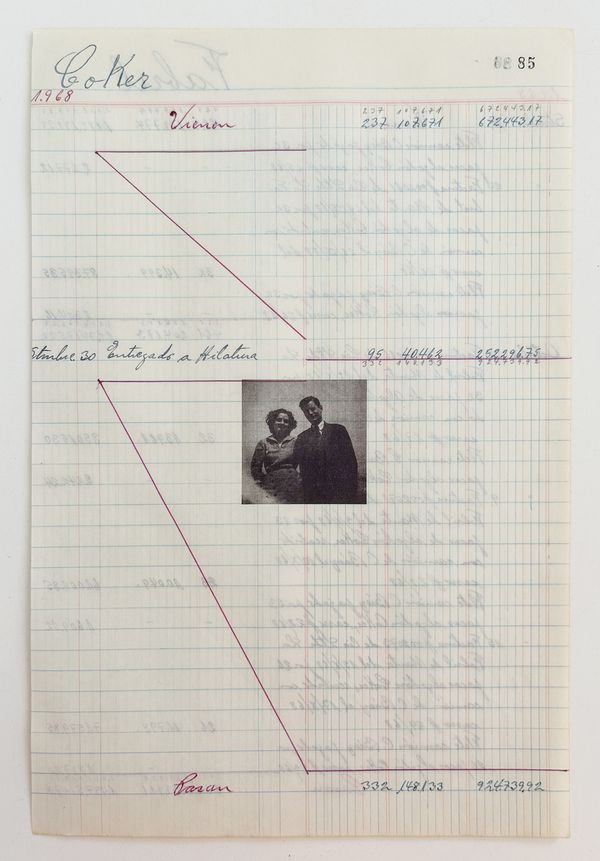
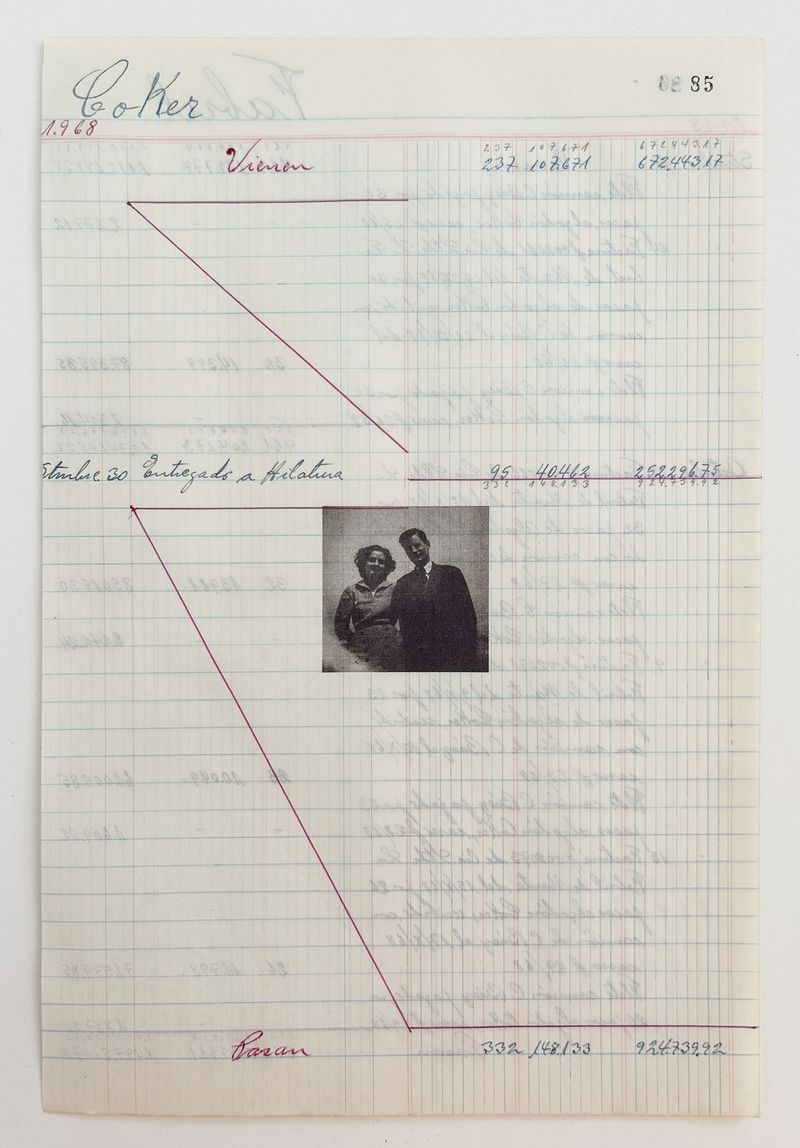
Maria Caralt and Josep Vilageliu in a photograph taken in Atuntaqui in 1963.+Photographs printed on pages from an accounting book from the Imbabura factory.

© Arnau Blanch Vilageliu - Image from the Perro que ladra no muerde photography project
i

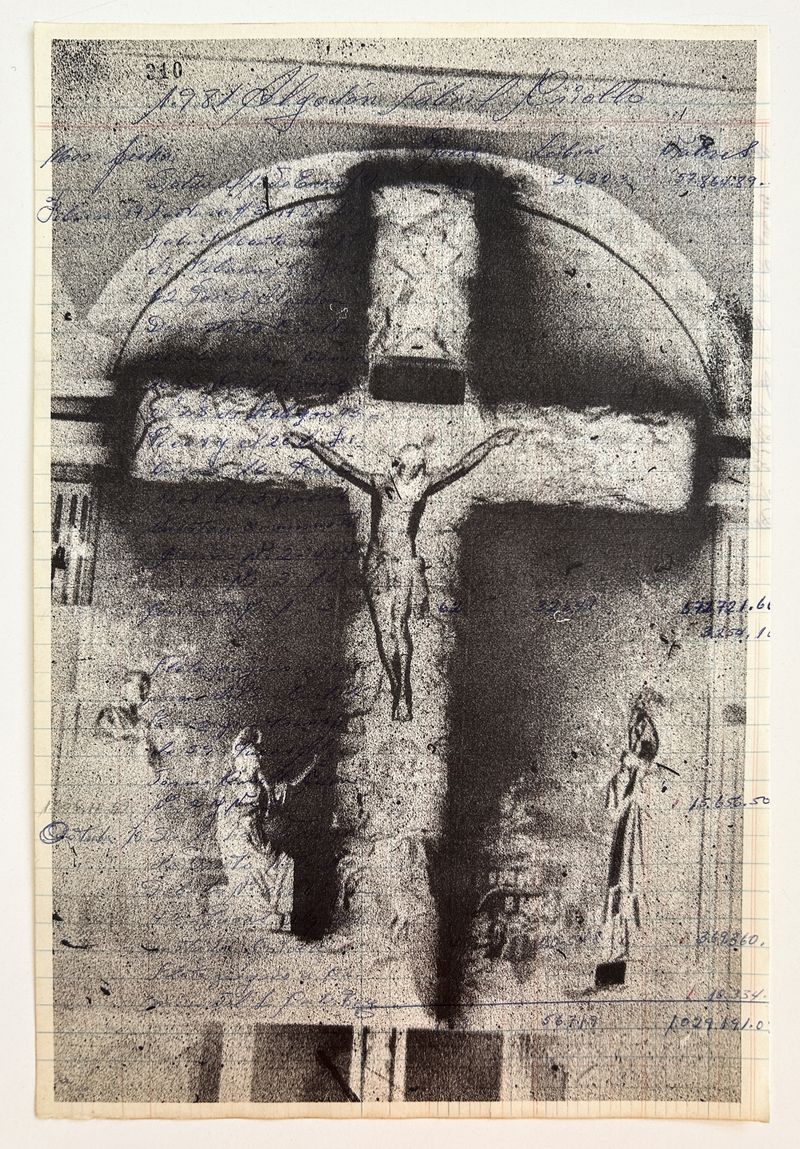
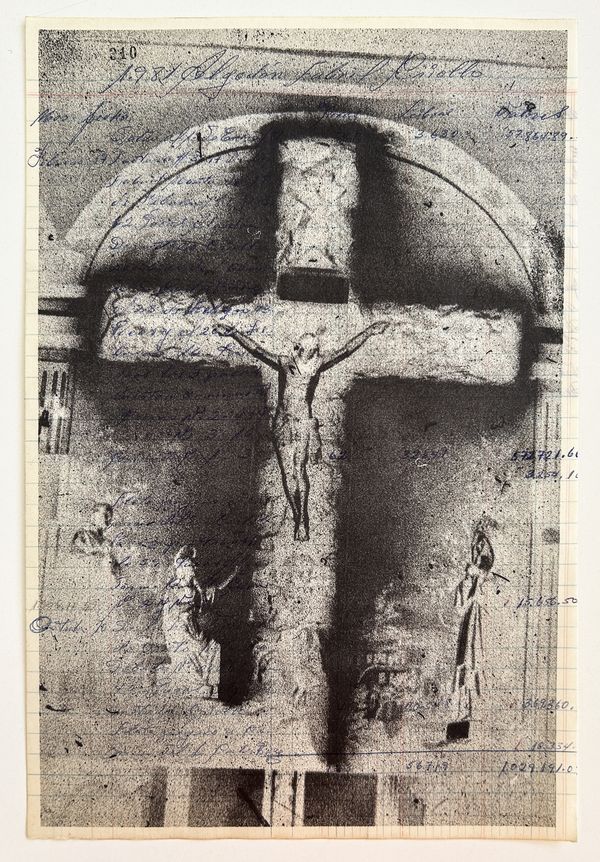
Photograph of the altar of the church of Atuntaqui, where Josep sought shelter from lynching. The crowd prevented him from entering. +Photographs printed on pages from an accounting book from the Imbabura factory.

© Arnau Blanch Vilageliu - Image from the Perro que ladra no muerde photography project
i

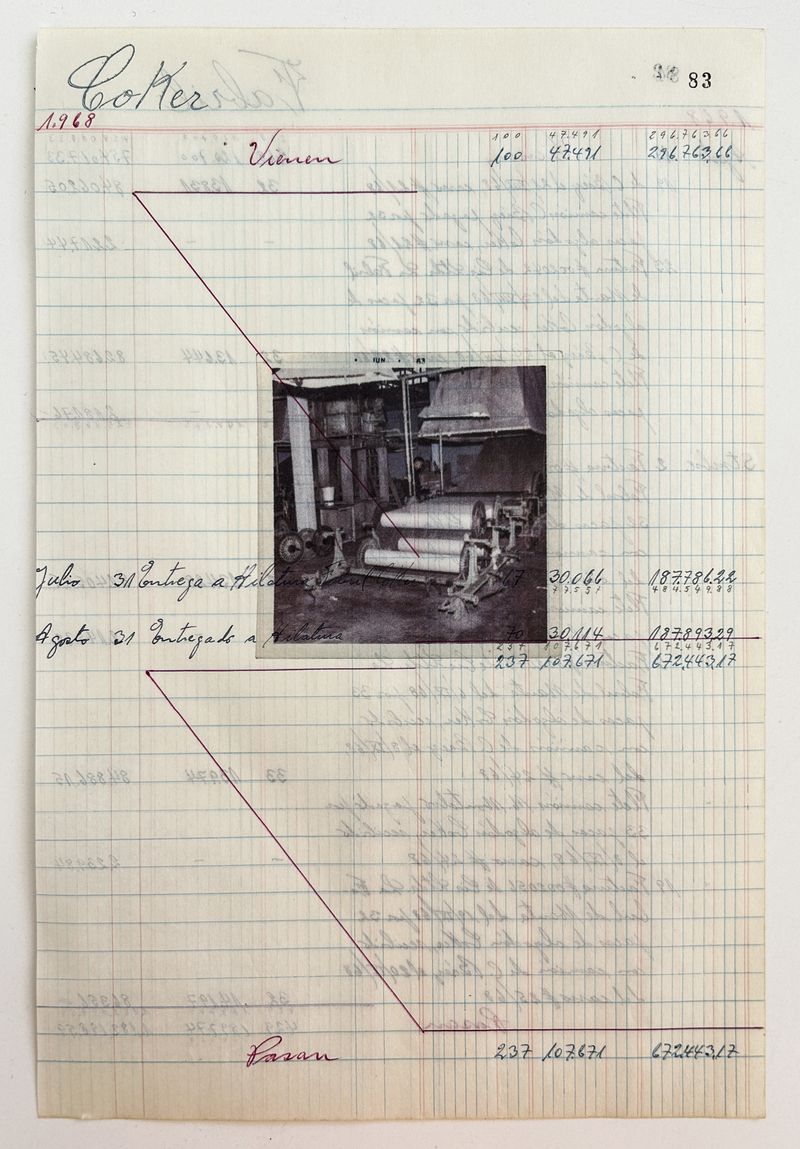
Photograph taken by Josep Vilageliu of the facilities of the Imbabura Factory. July 1963 +Photographs printed on pages from an accounting book from the Imbabura factory.

© Arnau Blanch Vilageliu - Image from the Perro que ladra no muerde photography project
i

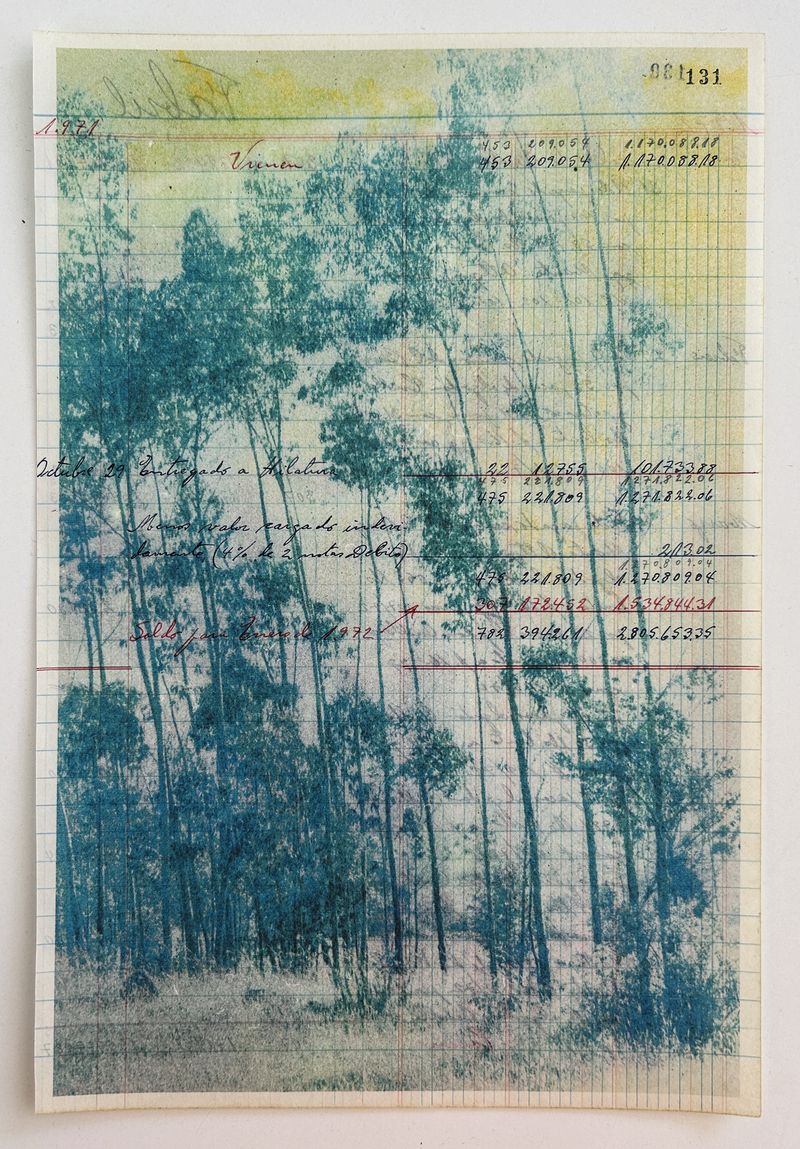
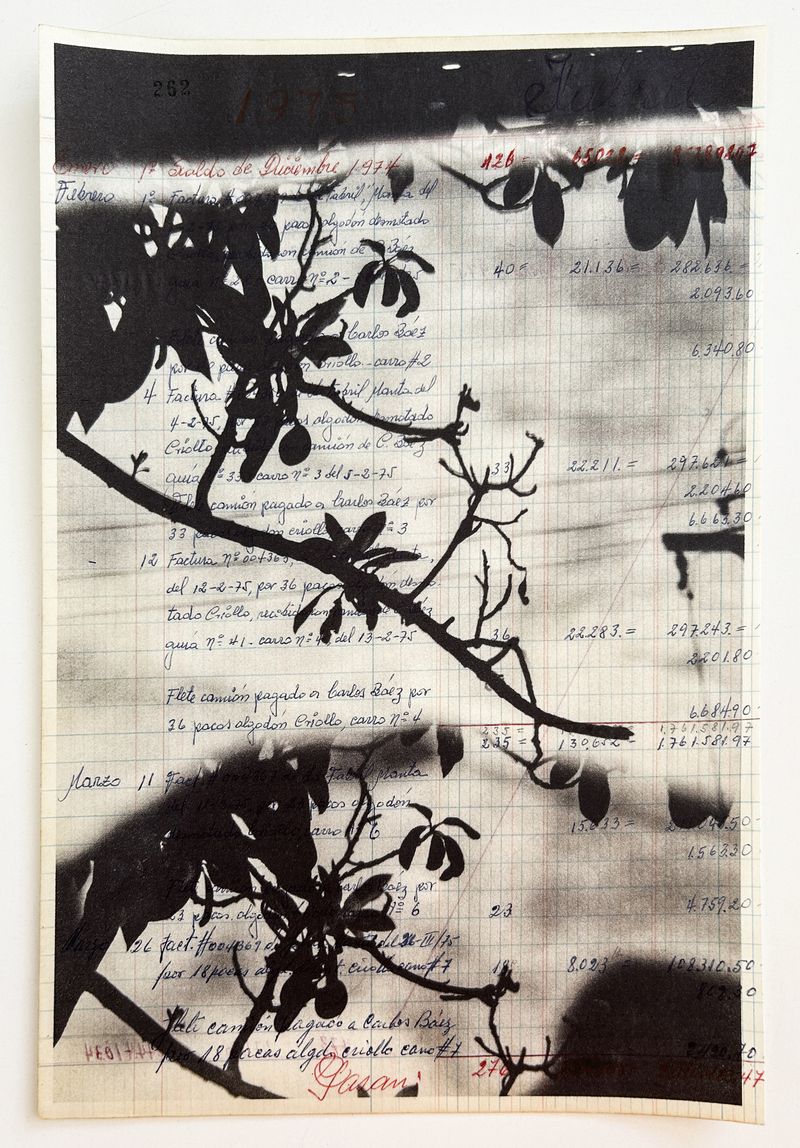
Landscape close to the Imbabura Factory in the town of Atuntaqui. +Photographs printed on pages from an accounting book from the Imbabura factory.

© Arnau Blanch Vilageliu - Image from the Perro que ladra no muerde photography project
i

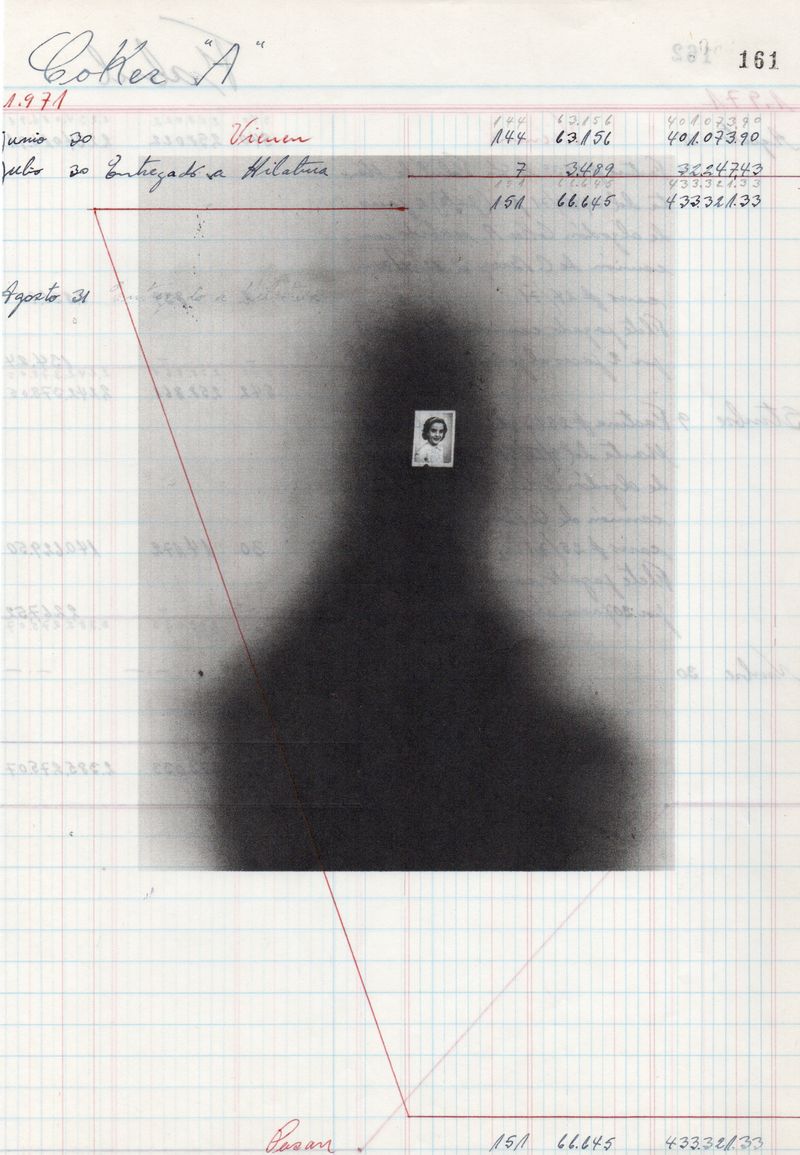
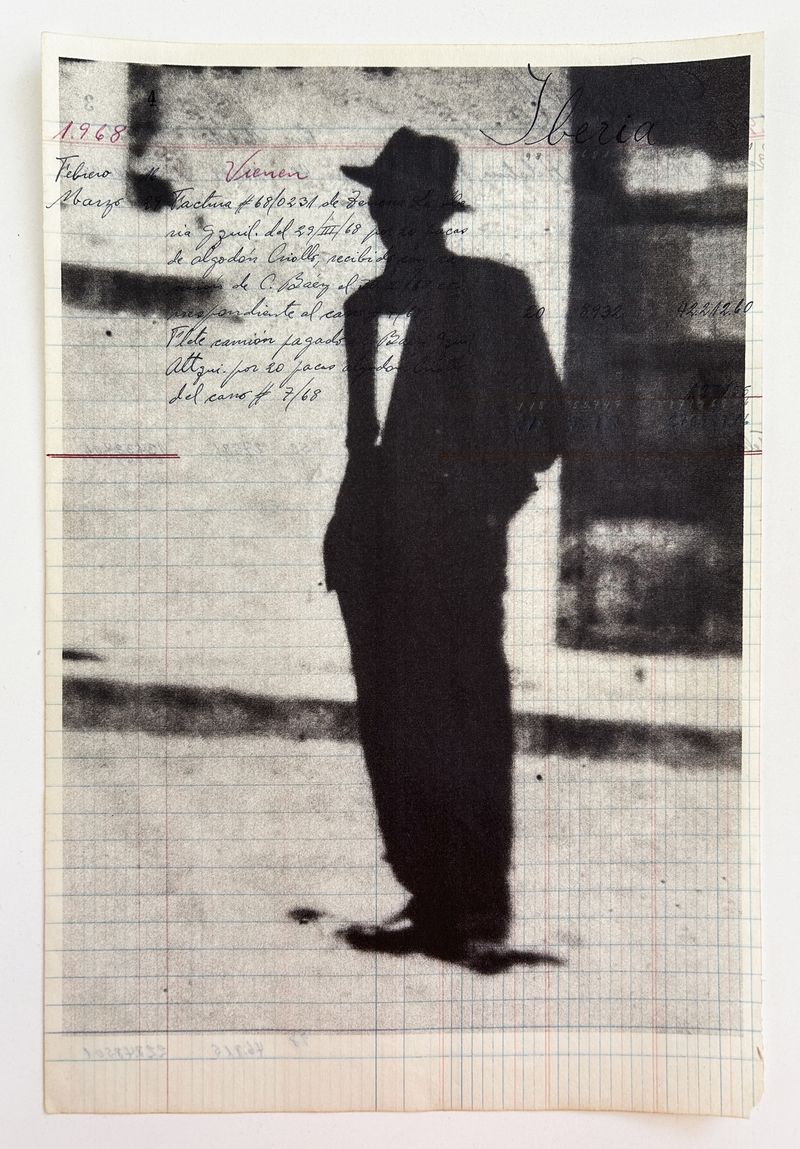
Photograph of Rita Vilageliu framed within my shadow. Photograph taken in the house where the Vilageliu family lived in front of the Imbabura Textile Factory +Photographs printed on pages from an accounting book from the Imbabura factory.

© Arnau Blanch Vilageliu - Image from the Perro que ladra no muerde photography project
i

Photograph published in the newspaper *El Comercial* capturing the extent of the destruction caused by factory workers. +Photographs printed on pages from an accounting book from the Imbabura factory.

© Arnau Blanch Vilageliu - Monument to the middle of the world in Ecuador.
i

Monument to the middle of the world in Ecuador.

© Arnau Blanch Vilageliu - Image from the Perro que ladra no muerde photography project
i

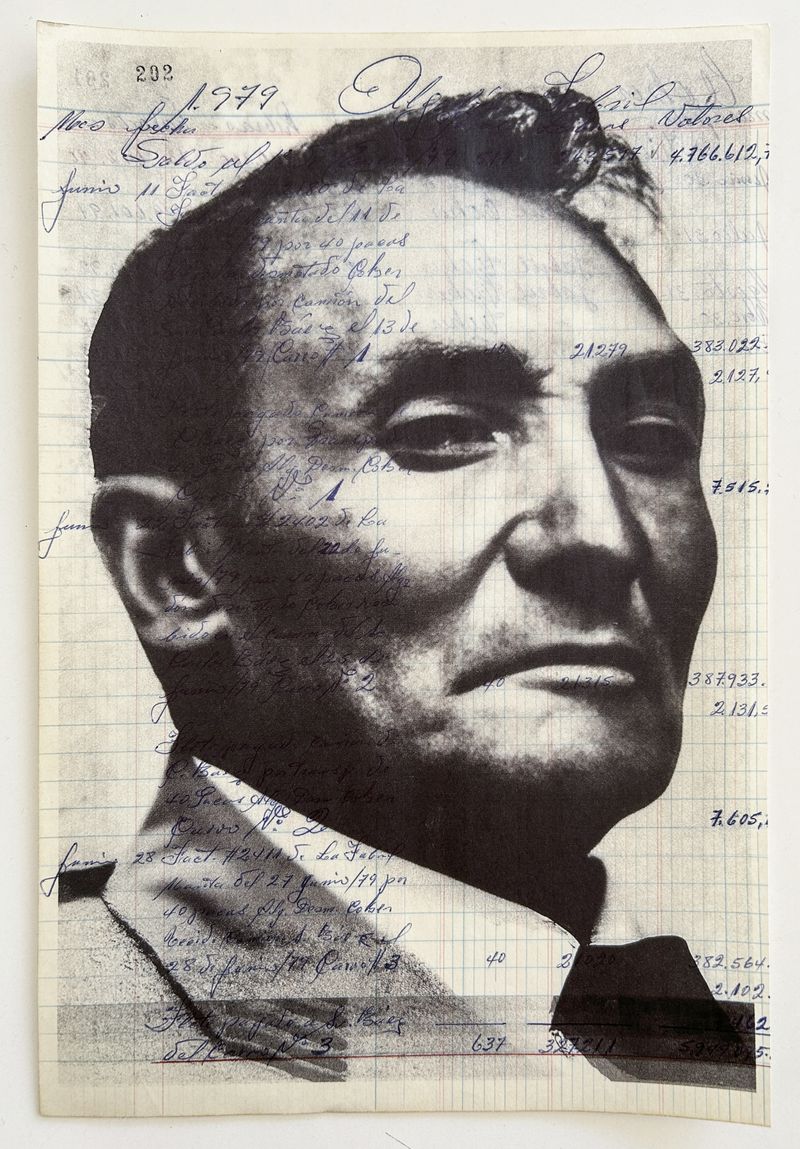
Portrait of a worker from the factory donated by his relatives. +Photographs printed on pages from an accounting book from the Imbabura factory.

© Arnau Blanch Vilageliu - Image from the Perro que ladra no muerde photography project
i

Security guard at the factory facilities in 2017. +Photographs printed on pages from an accounting book from the Imbabura factory.

© Arnau Blanch Vilageliu - Image from the Perro que ladra no muerde photography project
i

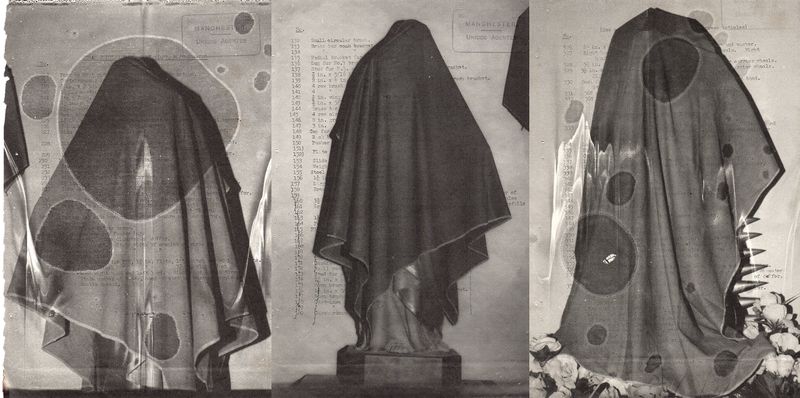
Series of images (60 in total) captured in the town of Atuntaqui during Holy Week. During this time, religious figures are covered with sheets, evoking a sense of concealment and taboo.+Images printed on documents sent with the machinery purchased in England in the 1920s.

© Arnau Blanch Vilageliu - Image from the Perro que ladra no muerde photography project
i

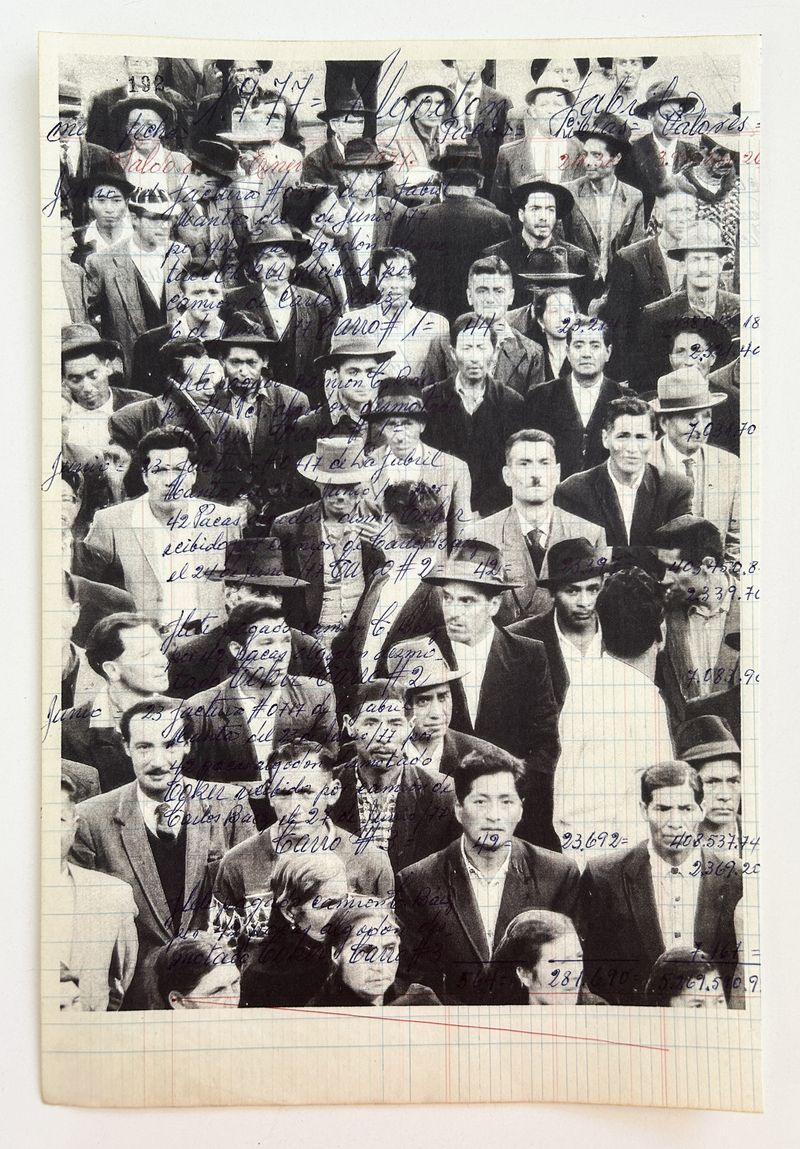
Demonstration of workers and residents of the town of Atuntaqui to demand amnesty for their relatives and coworkers imprisoned in Ibarra. +Photographs printed on pages from an accounting book from the Imbabura factory.

© Arnau Blanch Vilageliu - +Photographs printed on pages from an accounting book from the Imbabura factory.
i

+Photographs printed on pages from an accounting book from the Imbabura factory.

© Arnau Blanch Vilageliu - Image from the Perro que ladra no muerde photography project
i

Demonstration of workers and residents of the town of Atuntaqui to demand amnesty for their relatives and coworkers imprisoned in Ibarra. +Photographs printed on pages from an accounting book from the Imbabura factory.

© Arnau Blanch Vilageliu - Photograph of stones collected on the main street of Atuntaqui. The place where Josep Vilageliu was lynched and stoned.
i

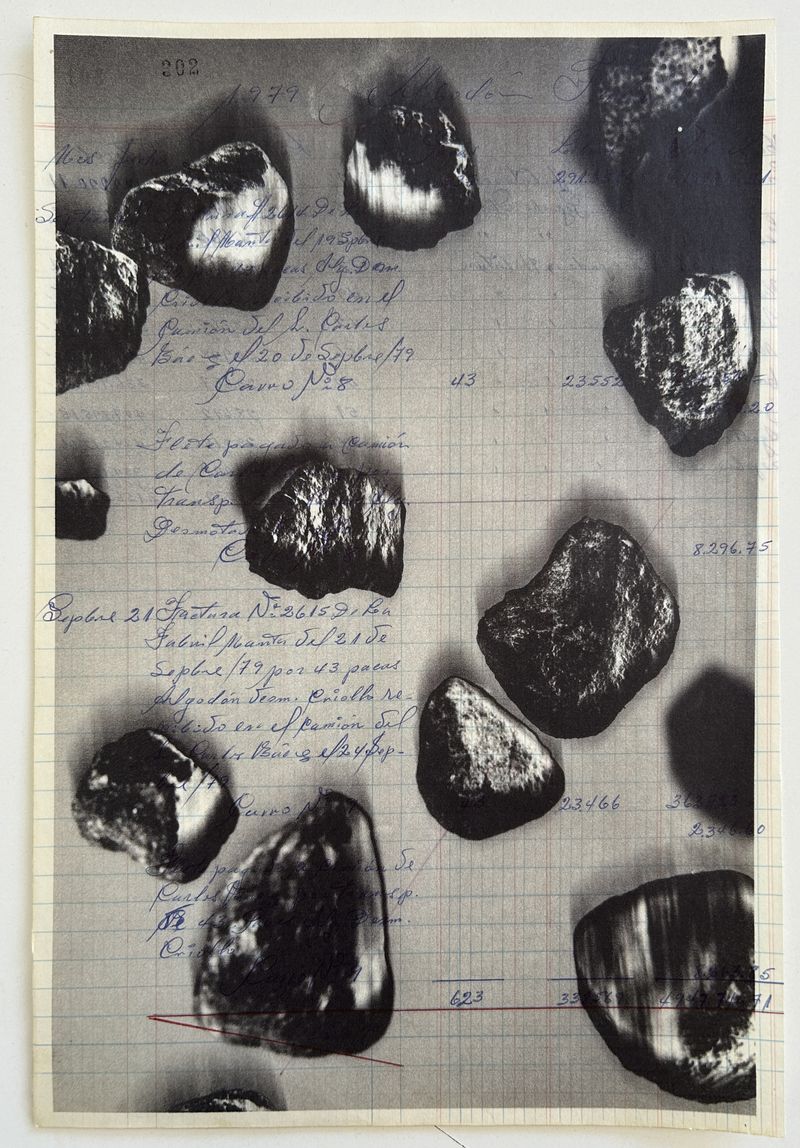
Photograph of stones collected on the main street of Atuntaqui. The place where Josep Vilageliu was lynched and stoned.

© Arnau Blanch Vilageliu - Image from the Perro que ladra no muerde photography project
i

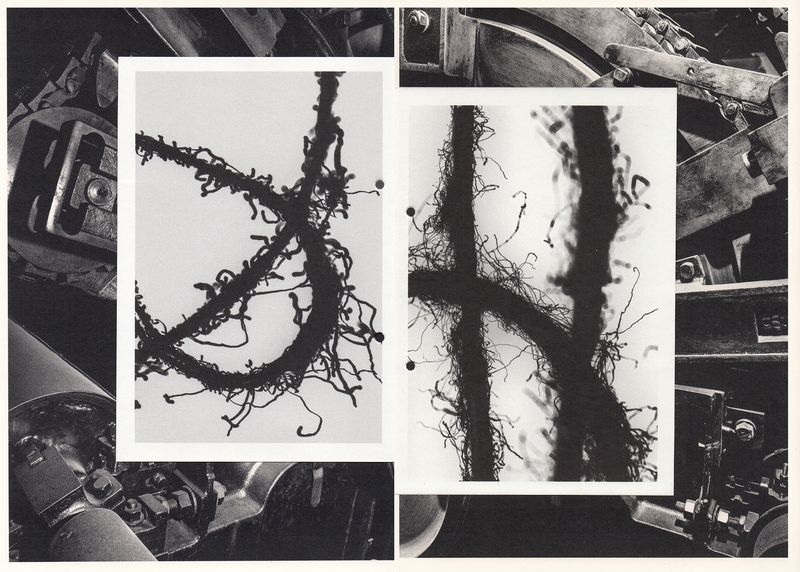
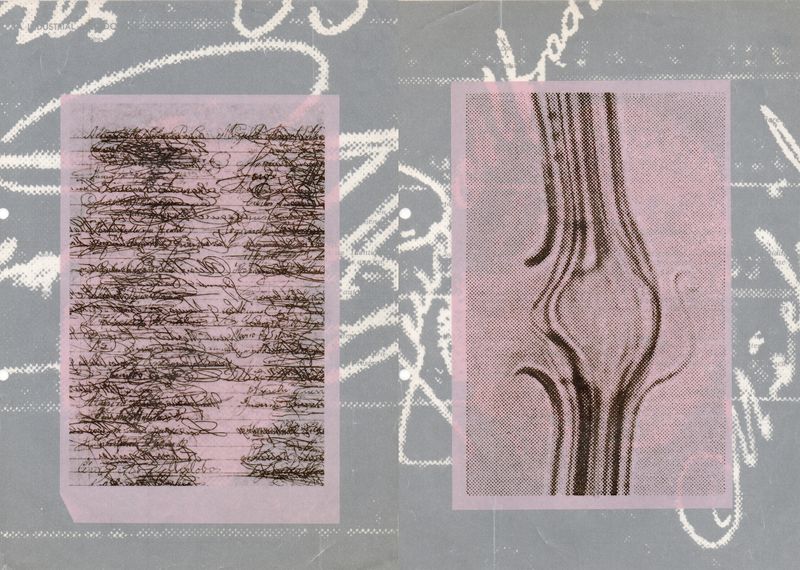
Diptych composed of a superposition of images. Left: signatures collected among the inhabitants of Atuntaqui asking for amnesty for the imprisoned workers. Right - Microscopic image of a cotton fiber broken by tension. Factory archive.

© Arnau Blanch Vilageliu - Image from the Perro que ladra no muerde photography project
i

Photograph taken from inside the house where the Vilageliu family lived right in front of the Imbabura textile factory. +Photographs printed on pages from an accounting book from the Imbabura factory.

© Arnau Blanch Vilageliu - Image from the Perro que ladra no muerde photography project
i

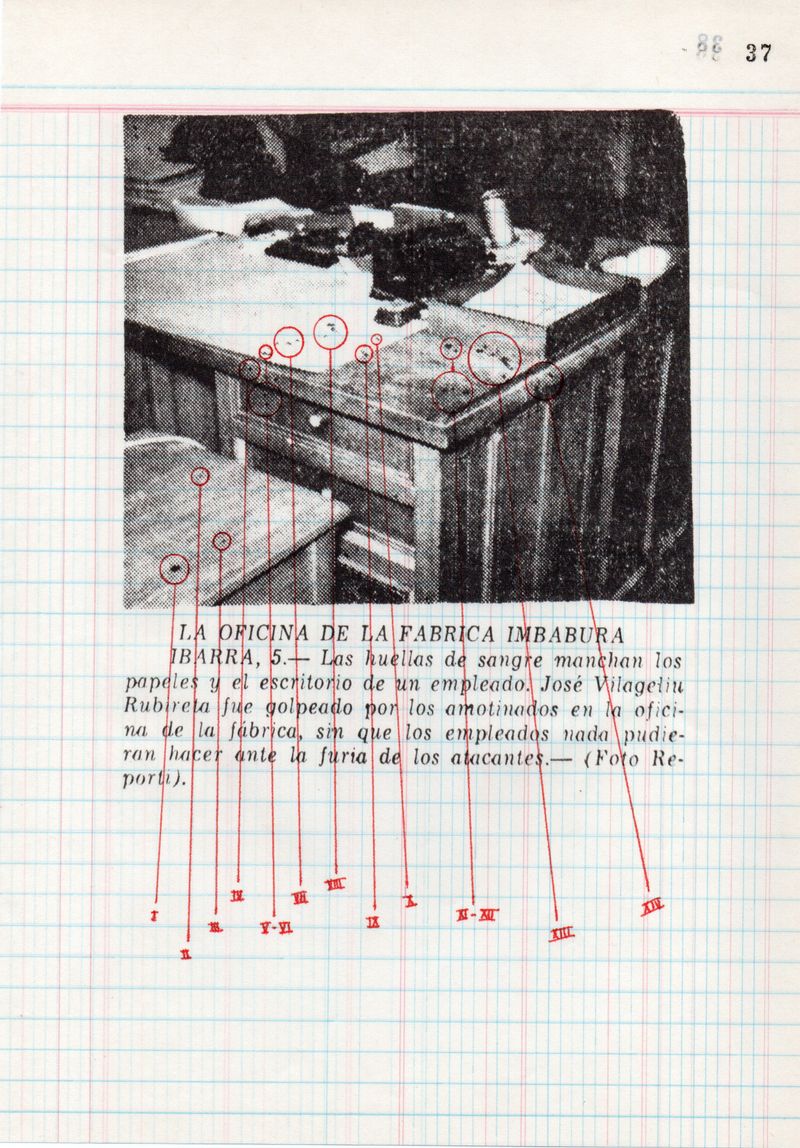
Photograph published in the newspaper El Tiempo of Quito on July 1, 1965, showing Josep Vilageliu's desk in the factory offices. The various blood stains caused by the first violent acts against him are marked in red. +Photographs printed on pages from an accounting book from the Imbabura factory.

© Arnau Blanch Vilageliu - Image from the Perro que ladra no muerde photography project
i

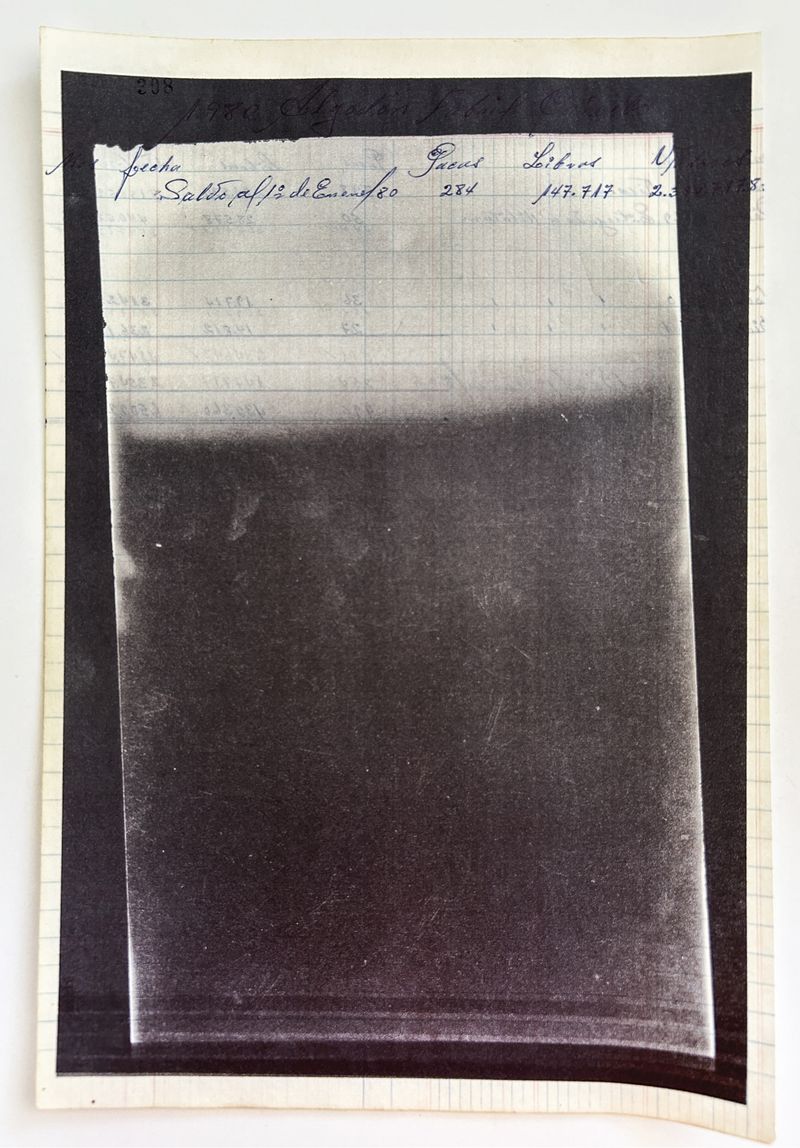
End of a negative found in a suitcase in which Maria Caralt, Josep Vilageliu's wife, had hidden all the memories related to the family's stay in Ecuador. +Photographs printed on pages from an accounting book from the Imbabura factory.