I'm so Blue

The "I'm so Blue" it a story about toxic love. The project flows like a river: love develops, but tragedy also deepens. Water becomes memory, desire, and a system where emotion, ecology, and our toxic relationship with nature meet.

I’m so blue is a long-term multimedia project about the relationship between humans and nature, told through the motif of water. Water functions here simultaneously as a real ecological problem, a cultural symbol, an emotional state, and a carrier of memory. The project examines how Western culture has shaped our imagination of nature — romanticized, idealized, desired, but also controlled and exploited. I am interested in the contradiction between our love for nature and the violence hidden inside everyday human habits, consumption, tourism, and systems of comfort.

The narrative unfolds through two parallel trajectories. The first follows the development of a romantic relationship that gradually transforms into a toxic one. The second traces the slow degradation of nature and deepening ecological collapse. Both lines evolve simultaneously and ultimately lead toward confrontation. I imagine this structure as a river: meandering through emotions, myths, memories, and images, before flowing into a larger body of water where all consequences accumulate. This final space becomes a place of reflection, grief, therapy, and possible transformation.

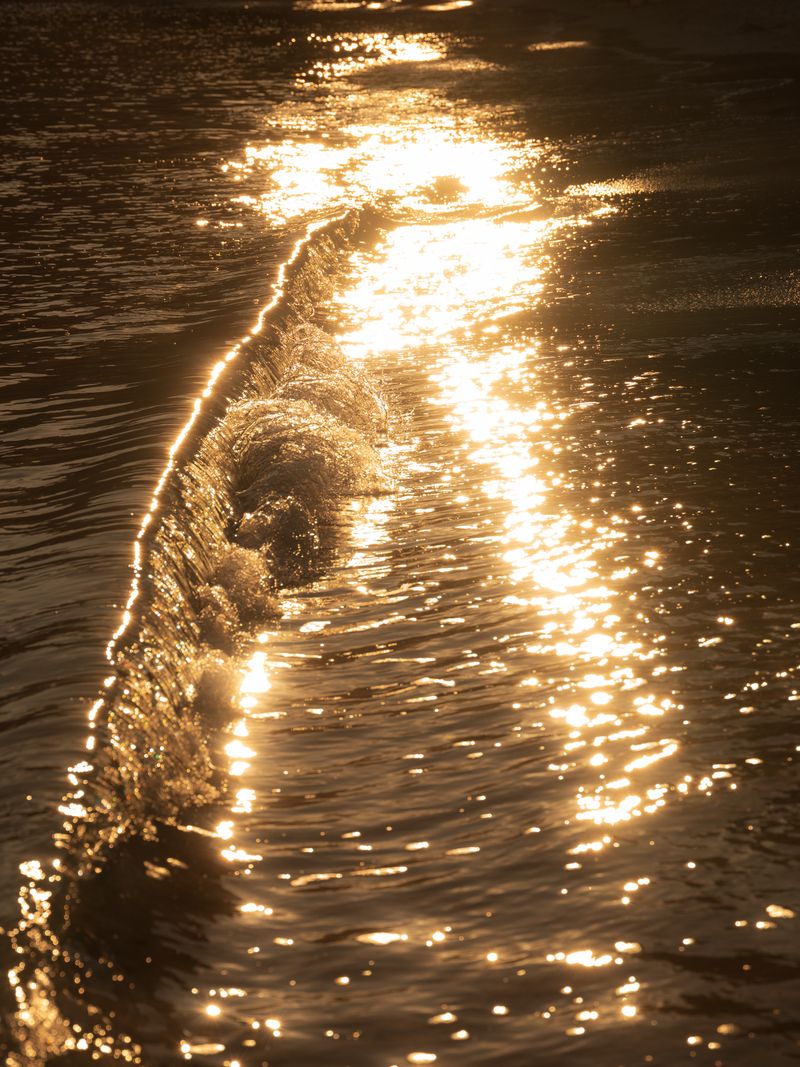
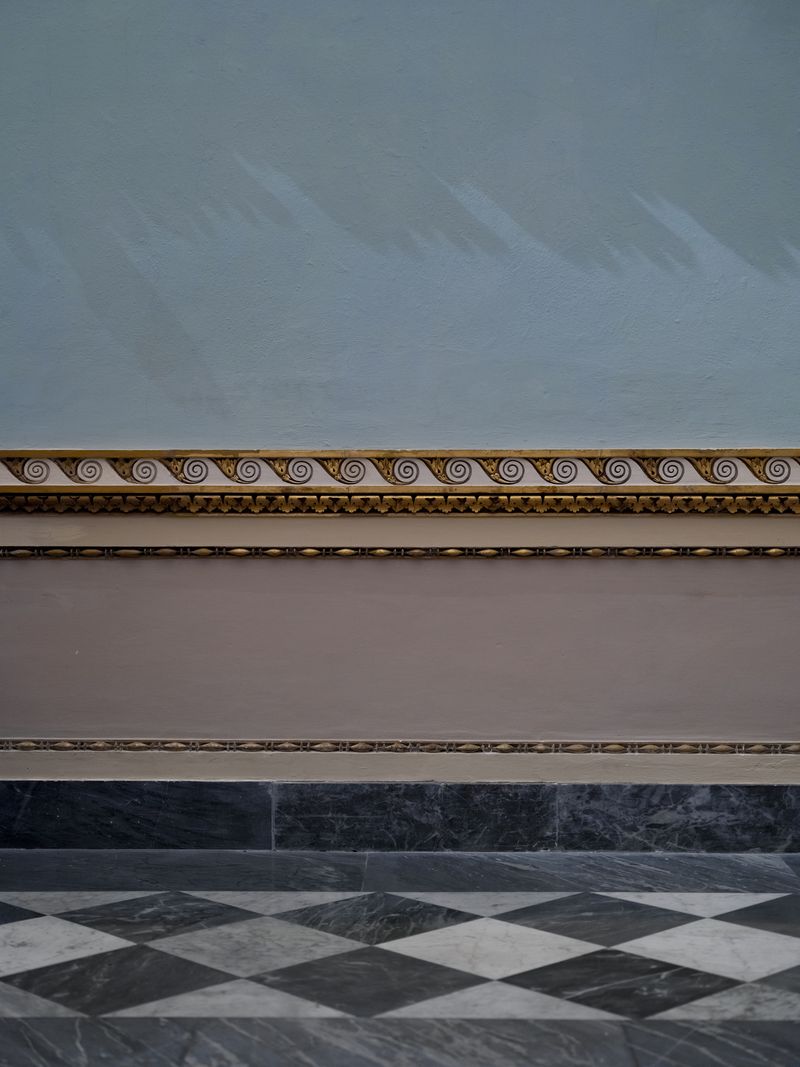
The project moves between emotional, conceptual, and ecological layers. On one side, water appears as desire, intimacy, sensuality, tears, sweat, longing, and healing. On the other, it becomes evidence of crisis: drought, contamination, disappearing rivers, overtourism, and the exhaustion of ecosystems. I photograph dried landscapes, tourist infrastructures, swimming pools, fountains, aquariums, and Mediterranean spaces marked by environmental pressure — especially Mallorca, where luxury tourism and water scarcity expose the contradictions of contemporary Europe. Paradise becomes an artificial construction sustained by exploitation.

Formally, the project combines staged photography, documentary strategies, archival research, sculpture, and moving image. I draw connections between mythology, religion, hydrofeminism, blue humanities, ecology, psychology, and popular culture — especially love songs and cinematic narratives about failed relationships. References to David Hockney’s iconic swimming pools become crucial here: once symbols of pleasure, freedom, and desire, today they resonate differently, revealing questions of resource consumption, privilege, and ecological anxiety. I also draw on Mieke Bal’s concept of “preposterous history,” using temporal displacements and recontextualization to confront historical cultural archetypes with contemporary environmental catastrophe.

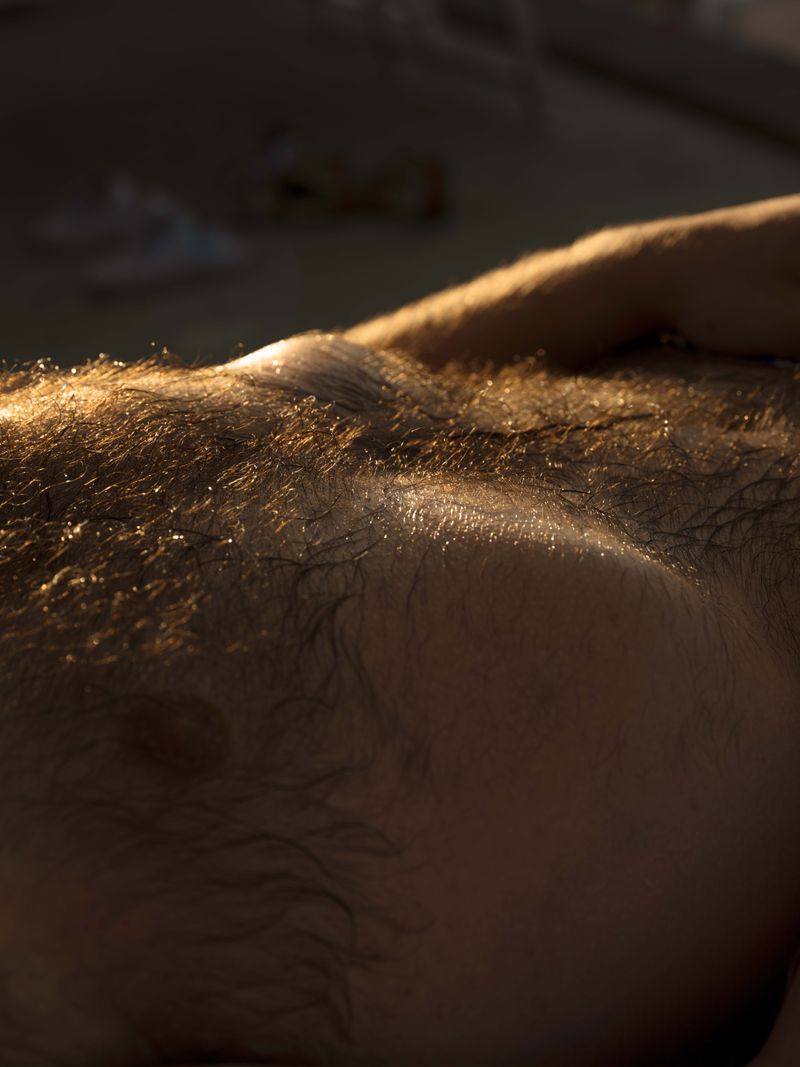
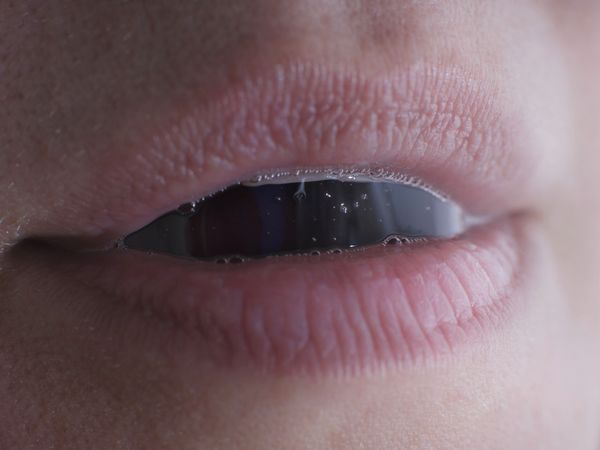
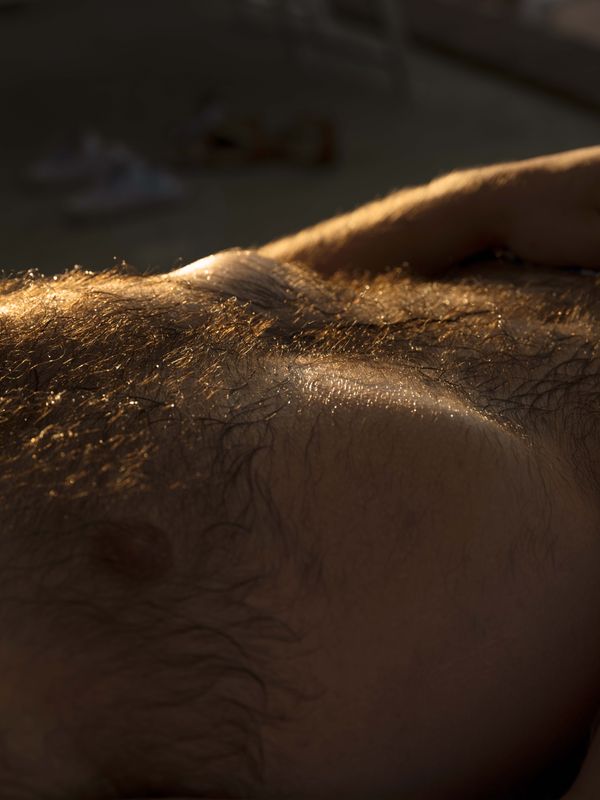
In the project, nature is personified because human emotions remain the primary language through which we understand the world. The relationship between humans and water becomes intimate, dependent, obsessive, and destructive — almost like a toxic love affair. The body itself functions as a water archive: carrying memory through tears, sweat, fear, panic, and physical reactions. “We are water bodies” becomes both a poetic statement and a biological fact.

At its core, I’m so blue is an attempt to understand the emotional condition of a contemporary European generation — raised inside anthropocentric culture, aware of ecological collapse, yet deeply entangled in systems that continue to produce it. I do not moralize or propose simple solutions. Instead, I create a space where beauty and catastrophe coexist, where fascination turns into discomfort, and where the viewer is invited to confront both tenderness and guilt. The project asks whether reflection, apology, and change are still possible before the relationship fully collapses.

I’m so blue connects with the theme of ARCHIPELAGO, as it treats water not only as a natural element, but also as a space between separated worlds: humans and nature, desire and destruction, beauty and crisis. The project looks at contemporary Europe as a group of isolated cultural islands, where comfort, tourism, and consumption often disconnect us from ecological consequences. Through water, I search for a new form of coexistence — one based on reflection, responsibility, and the possibility of change.

IMPORTANT INFORMATIONS:
The project is nearly finished. It consists of 120 photographs, a 3D video directed by me, a sculpture-monument dedicated to water, and an installation-diary made of acid-free paper marked with urine. Water is a carrier of information, so the story of my experiences, emotions, and actions is recorded by the water that flows out of my body. Since last year, I have been collecting papers soaked with this bodily water. A work in dialogue with David Hockney will also take physical form as a series of photographs enclosed in a ceramic frame made from swimming pool tiles. The photographs are complete, but I am still constructing the final object, which is why I could not include documentation. I am presenting only a fragment of the project. The project also includes archives and letters.
© Julia Klewaniec - Image from the I'm so Blue photography project
i

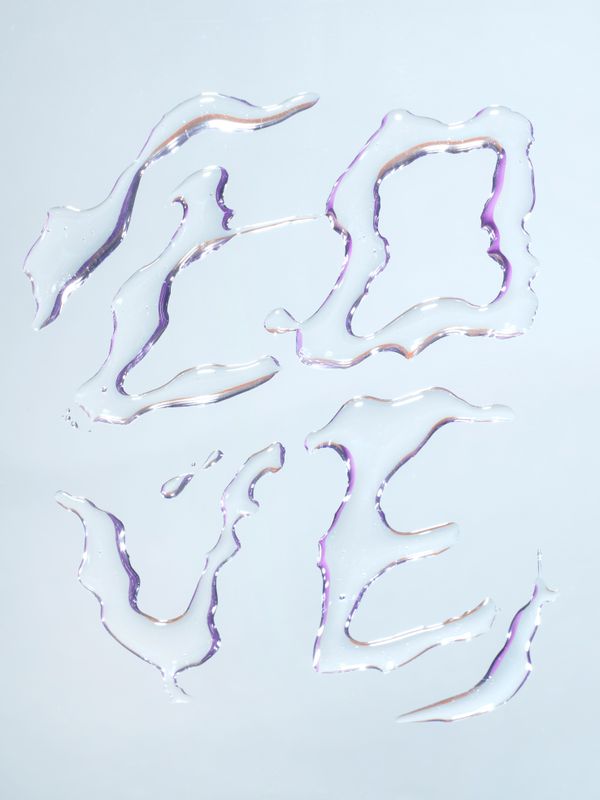
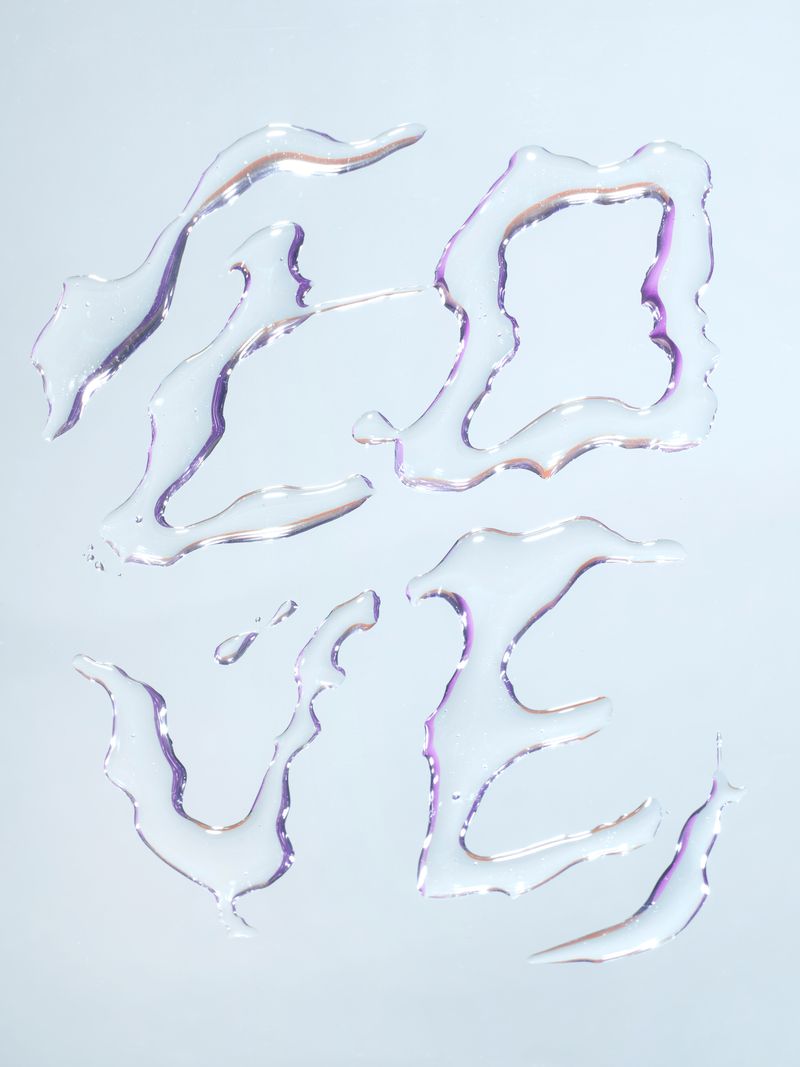
Falling in love, 2026, PolandI am inspired by pop culture, the signs we use, associations, and imitation. These are my signs of love made from water. This is a work about expressing love for water.

© Julia Klewaniec - We are water bodies, 2026, Poland
i

We are water bodies, 2026, Poland

© Julia Klewaniec - The romantic scene, 2025, Italy
i

The romantic scene, 2025, Italy

© Julia Klewaniec - The romantic scene - after a hot day, 2025, Italy
i

The romantic scene - after a hot day, 2025, Italy

© Julia Klewaniec - The romantic scene, 2024, Spain
i

The romantic scene, 2024, Spain

© Julia Klewaniec - Image from the I'm so Blue photography project
i

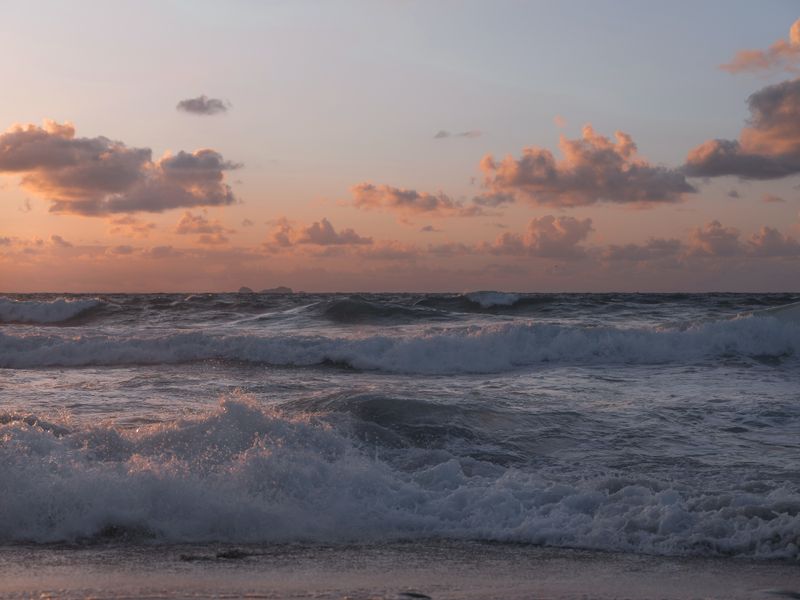
The Birth of Venus, Atlantic Ocean, Portugal, 2024One of the most universally romantic scenes is a sunset over water. Yet the vastness and power of water can also overwhelm and frighten us. Water evokes extreme emotions, from awe to fear.

© Julia Klewaniec - Image from the I'm so Blue photography project
i

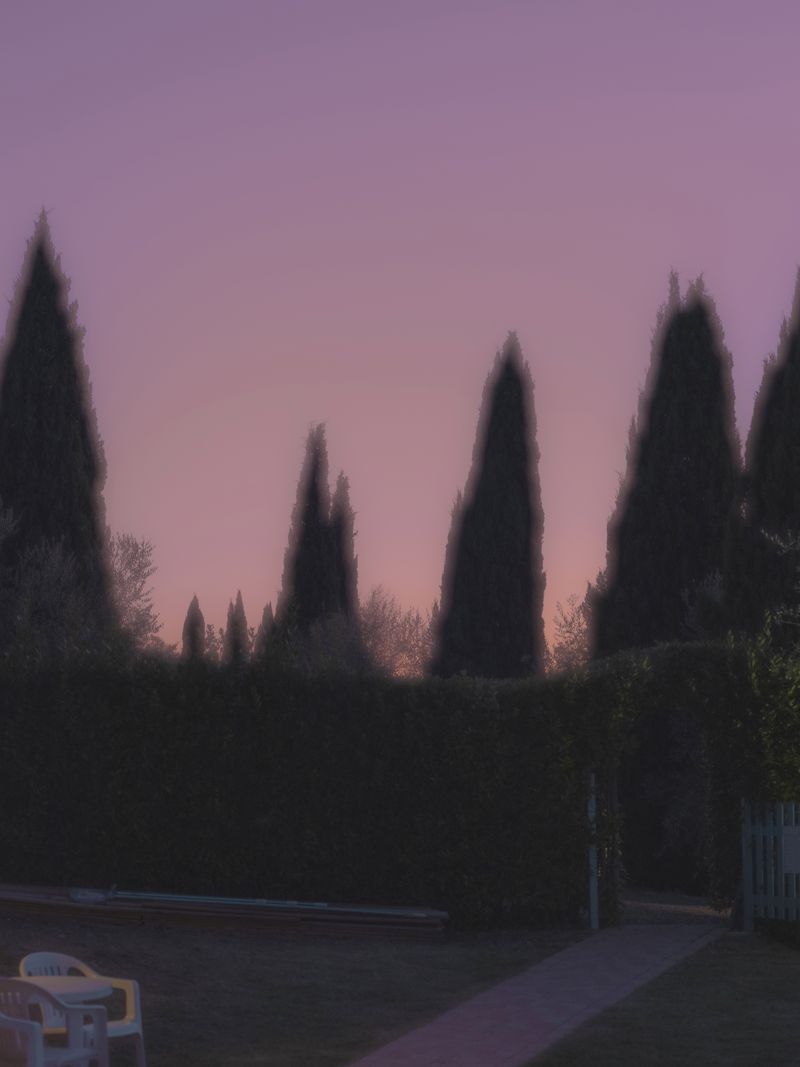
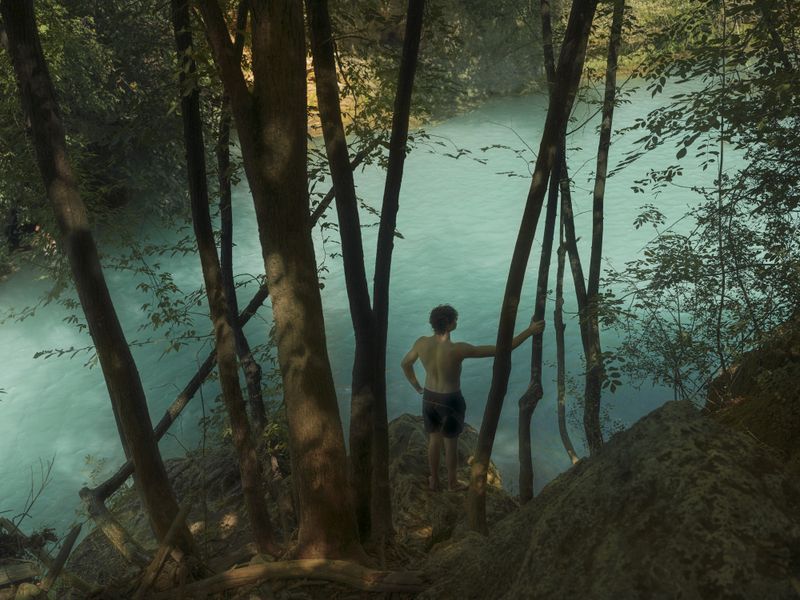
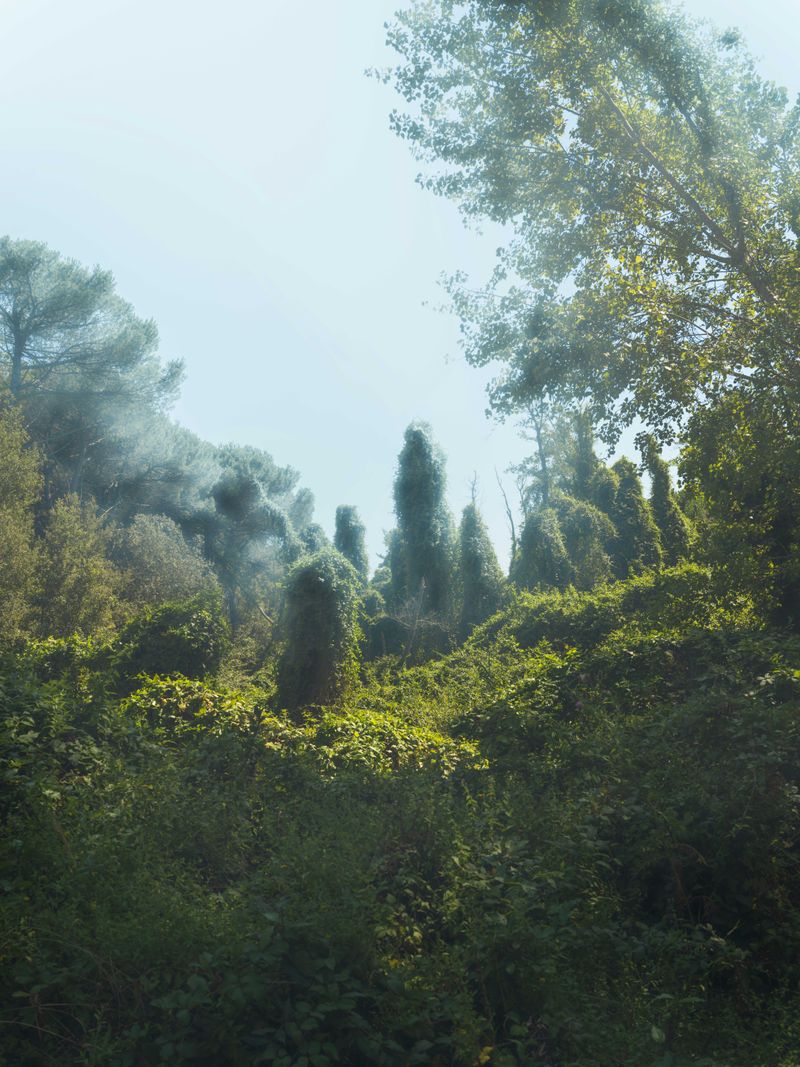
From the series: What does paradie look like?, 2025, Italy How do we imagine paradise today? What must nature look like to fit our ideal vision of it? Perhaps we are longing for something we have already lost.

© Julia Klewaniec - Image from the I'm so Blue photography project
i

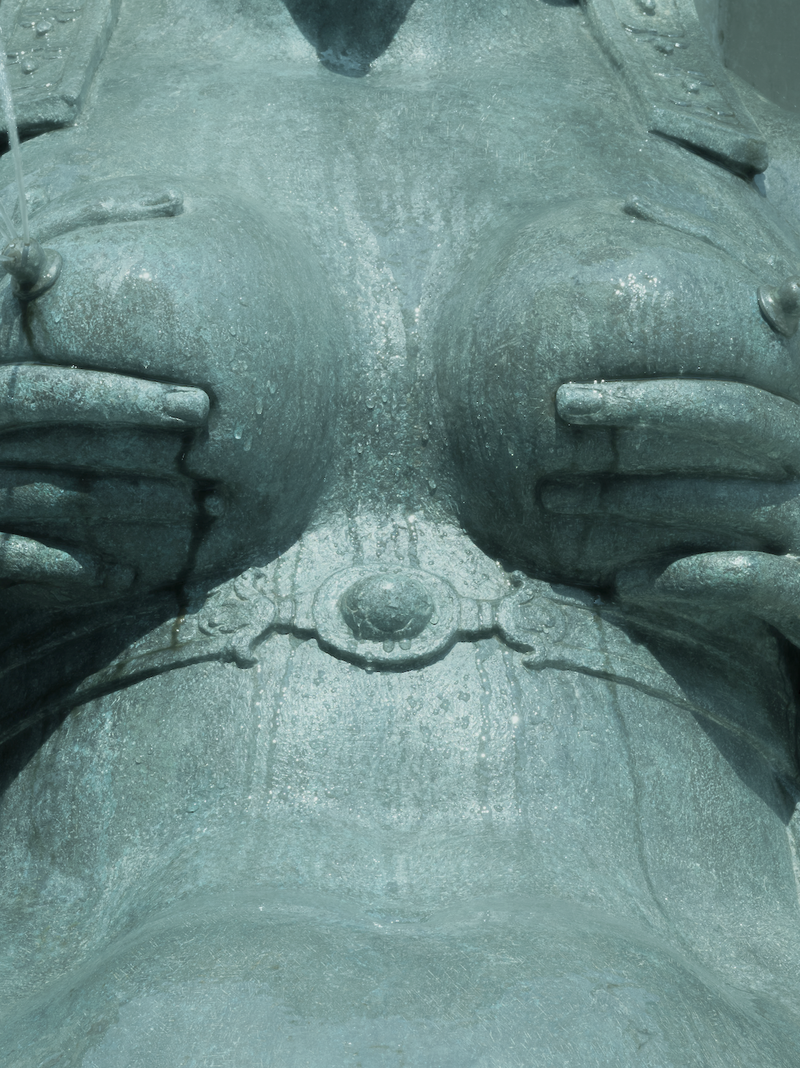
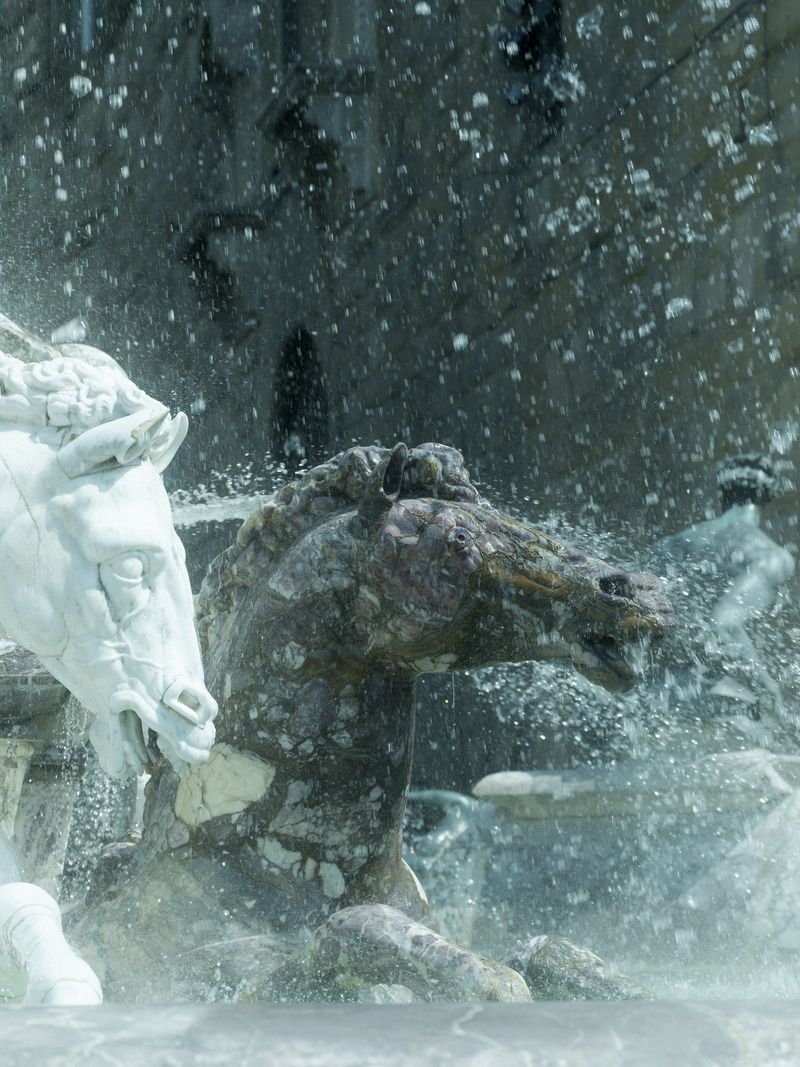
From the series: Fontaines, 2025, Italy because they are not only elements of architecture, but also a way of telling stories about power, desire, and imagination. Filled with mythological figures, scenes of conquest, eroticism, and monumental gestures, they show how eagerly we give water human meanings and how often we try to bend it to our own needs.

© Julia Klewaniec - Image from the I'm so Blue photography project
i

From the series: What does paradie look like?, 2025, Italy An area protected from human activity, free from light pollution in Tuscany.

© Julia Klewaniec - Image from the I'm so Blue photography project
i

What is the color of water?, 2024, Spain A photo from a series that tries to answer the question of what the actual color of water is and what it means.

© Julia Klewaniec - Before the elephant show, 2025, Poland How close do we want to be to nature?
i

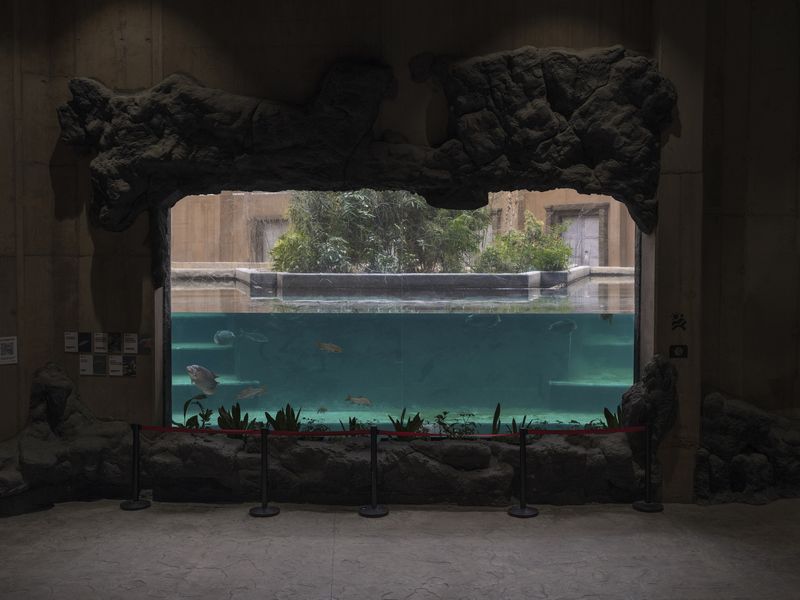
Before the elephant show, 2025, Poland How close do we want to be to nature?

© Julia Klewaniec - Image from the I'm so Blue photography project
i

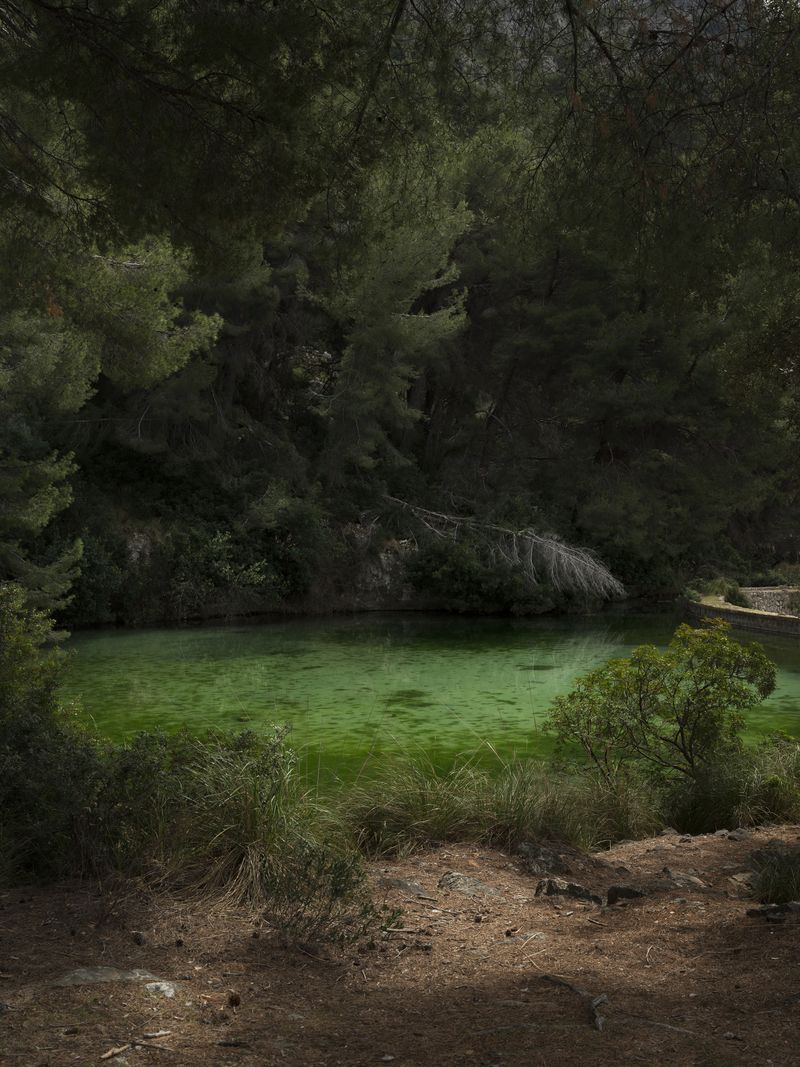
Spring, 2024Sa Costera in Escorca is the one of the last natural water springs on the Mallorca. The drying of the island is intensified by mass tourism and new hotel investments. For me, a spring is a place where water is born. It symbolizes the beginning of life, renewal, and the power of nature. It is connected with hope and the possibility of a new start. It also means safety and survival.

© Julia Klewaniec - A Bottle in a Pitiful State, 2026, Poland
i

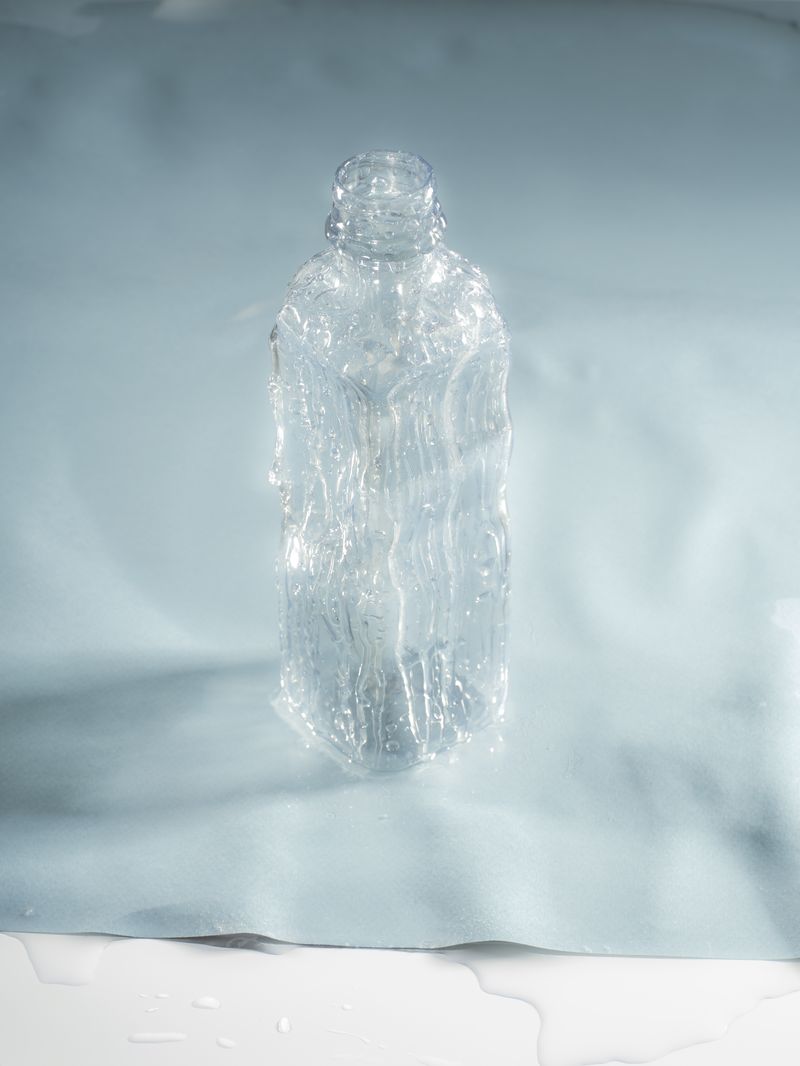
A Bottle in a Pitiful State, 2026, Poland

© Julia Klewaniec - Image from the I'm so Blue photography project
i

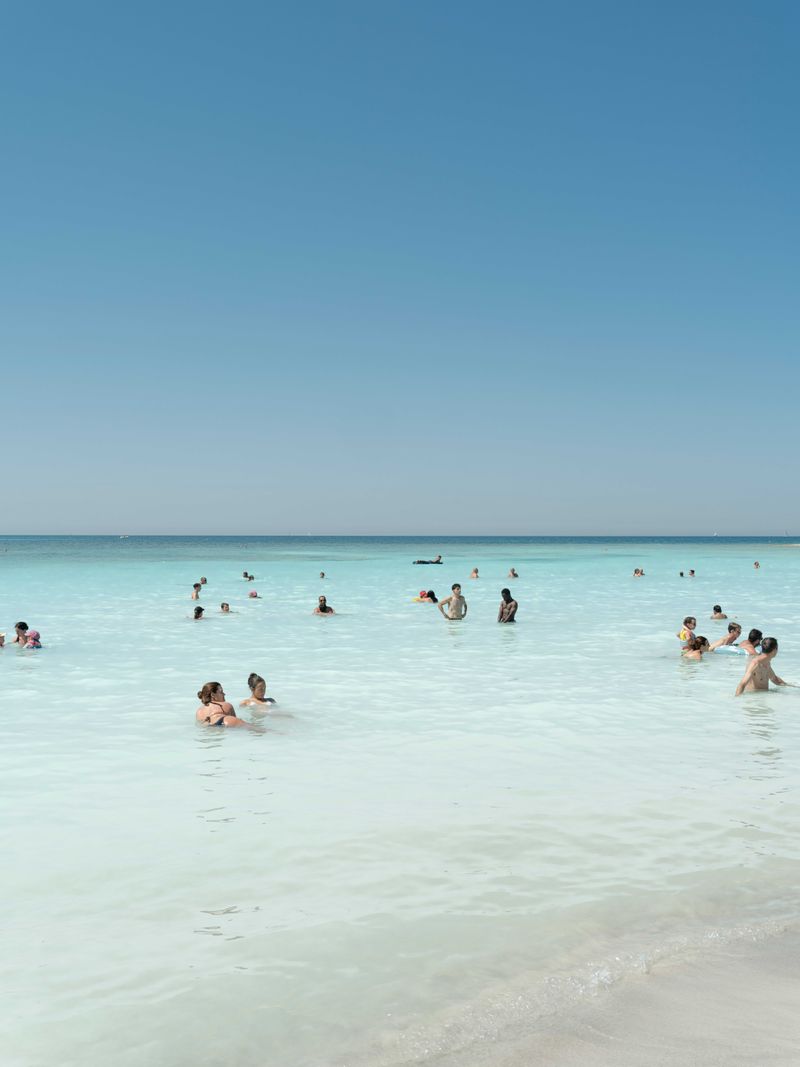
Rosignano Solvay, 2025, ItalyThe photo shows Spiagge Bianche beach in Italy, known for its bright white sand and turquoise water. However, its appearance is not natural—the beach’s color was largely shaped by years of industrial waste from the nearby Solvay chemical plant. The image highlights the paradox of modern tourism, where landscape beauty can be the result of pollution and human activity

© Julia Klewaniec - Image from the I'm so Blue photography project
i

Vitruvian scroll, 2025In the Renaissance, water was motif of harmony, order, and renewal: artists and humanists depicted them as a perfect, rational structure of the world that humans can understand and emulate. At the same time, the motif of water emphasized the life-giving power and changeability of nature, and thus the idea of balance between human culture and the laws of the natural world.

© Julia Klewaniec - Image from the I'm so Blue photography project
i

2025, ItalyFountains say a lot about people: they are not only architecture, but also stories about power, desire, and imagination. Filled with mythological figures, conquest, eroticism, and monumental gestures, they show how we give water human meanings and bend it to our needs. They remind us that we depend on nature, while also revealing our wish to control it, turning nature into spectacle.

© Julia Klewaniec - Image from the I'm so Blue photography project
i

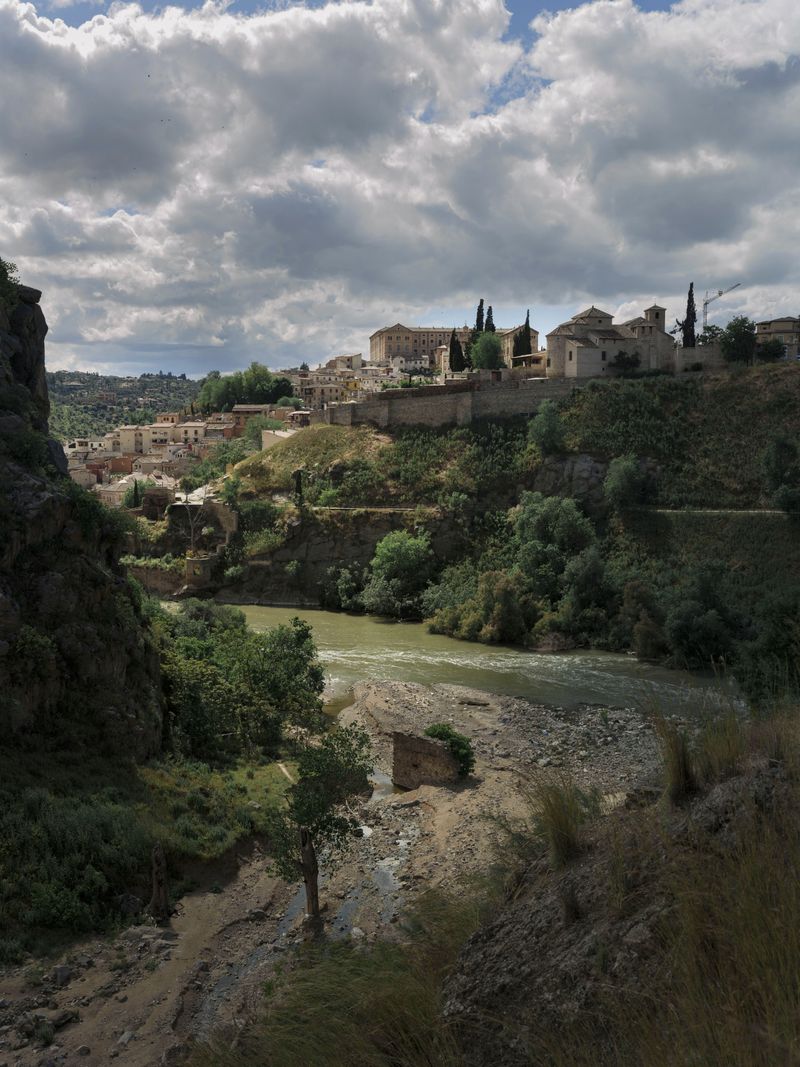
"The View of Toledo", 2024, Toledo, SpainThe photo is inspired by El Greco’s painting "View of Toledo". The Tagus River, shared by Spain and Portugal, has become a source of political tension during droughts because of disputes over water access. In 2024, both countries introduced new rules to manage the river more fairly.

© Julia Klewaniec - Image from the I'm so Blue photography project
i

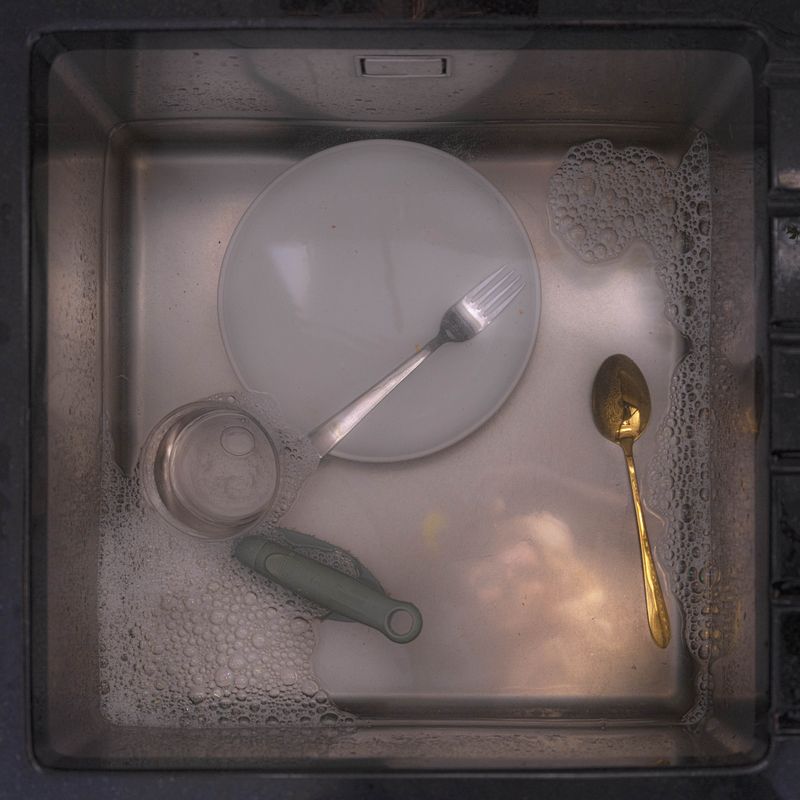
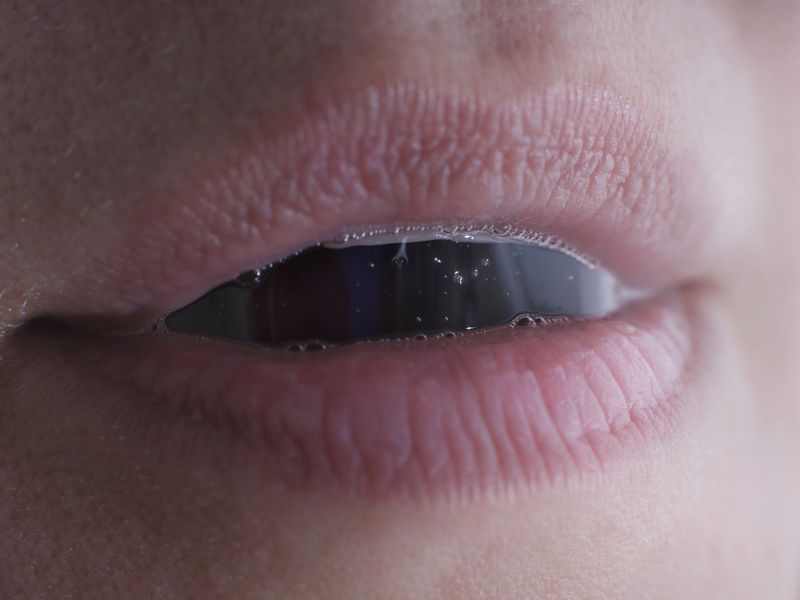
"Self-portait in a sink", 2026, Poland Our contact with nature begins with the simplest acts: brushing our teeth or washingthe dishes. This is a melancholic self-portrait—a reflection on the boundary betweennature and the world shaped by humans.

© Julia Klewaniec - Image from the I'm so Blue photography project
i

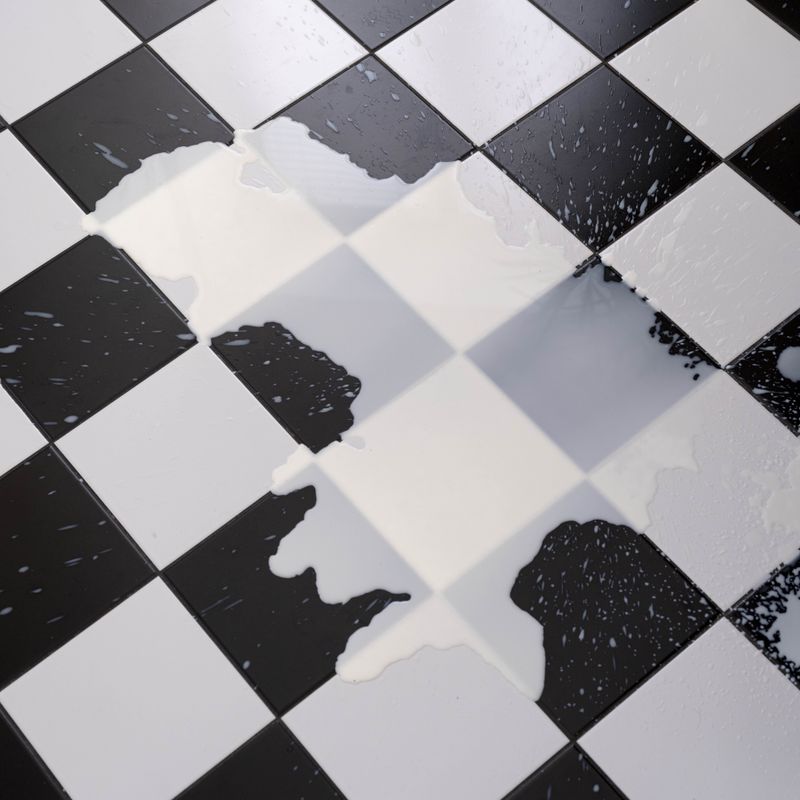
"The milk has been spilled", 2026, Poland The milk has been spilled - It’s too late now. This is a photo of accumulated emotions, but also of a breakthrough in this story.

© Julia Klewaniec - Image from the I'm so Blue photography project
i

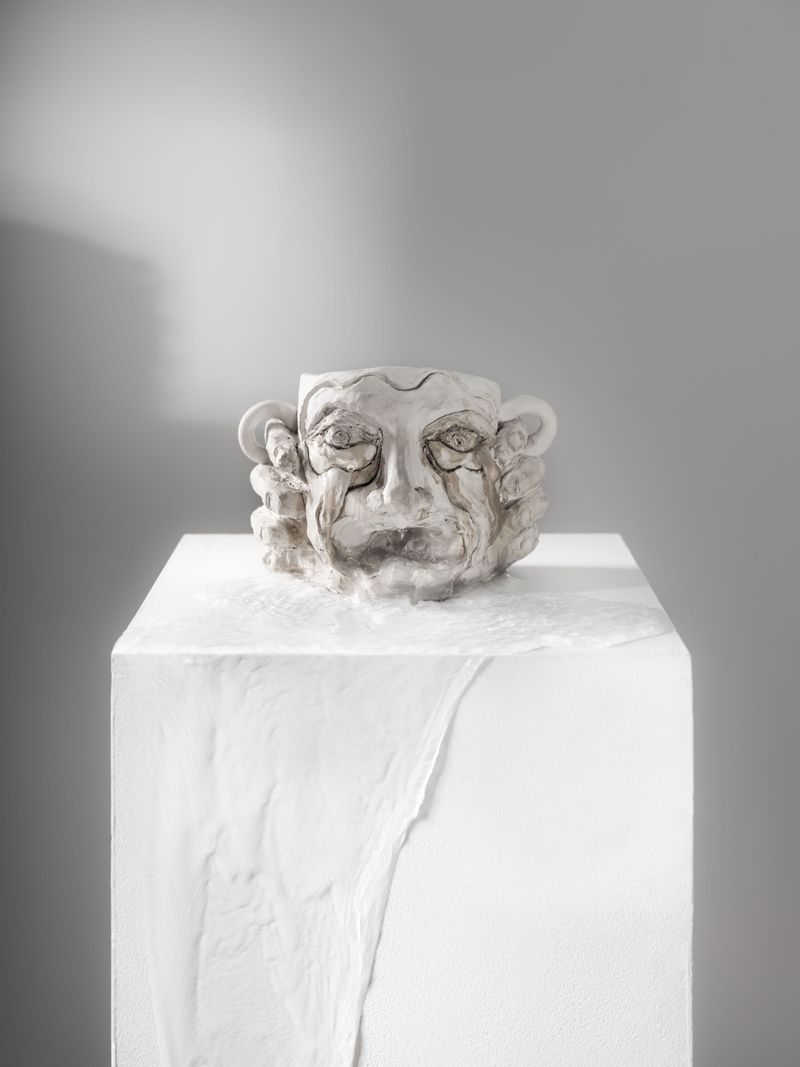
I created an object — a sculpture inspired by ancient vases and vessels. It is myinterpretation of the sentence: “The body is a vessel for emotions", 2026, Poland We are also bodies made mostly of water, and we often react to emotions throughwater: we cry, we vomit. We need to release what builds up inside us.

I'm so Blue by Julia Klewaniec

Prev Next Close