Glimmers, feathers and staring skies
"Glimmers, feathers and staring skies" explores grief and migration through the hummingbird, weaving personal loss, Costa Rican folk belief, and scientific imagery to question how humans relate to, classify, and care for more-than-human bodies.

"I buried my father
in the sky.
Since then, the birds
clean and comb him every morning
and pull the blanket up to his chin
every night"

Li-Young Lee, “Little Father”


Hummingbirds are the only birds capable of flying backwards; their suspended motion mirrors the process of grief, moving into the past while still held in the present. A few years ago, I left my home country, Costa Rica, finding my own migratory route across the ocean. During that time, my father passed away from a neurodegenerative disease that slowly took his movement and his voice.

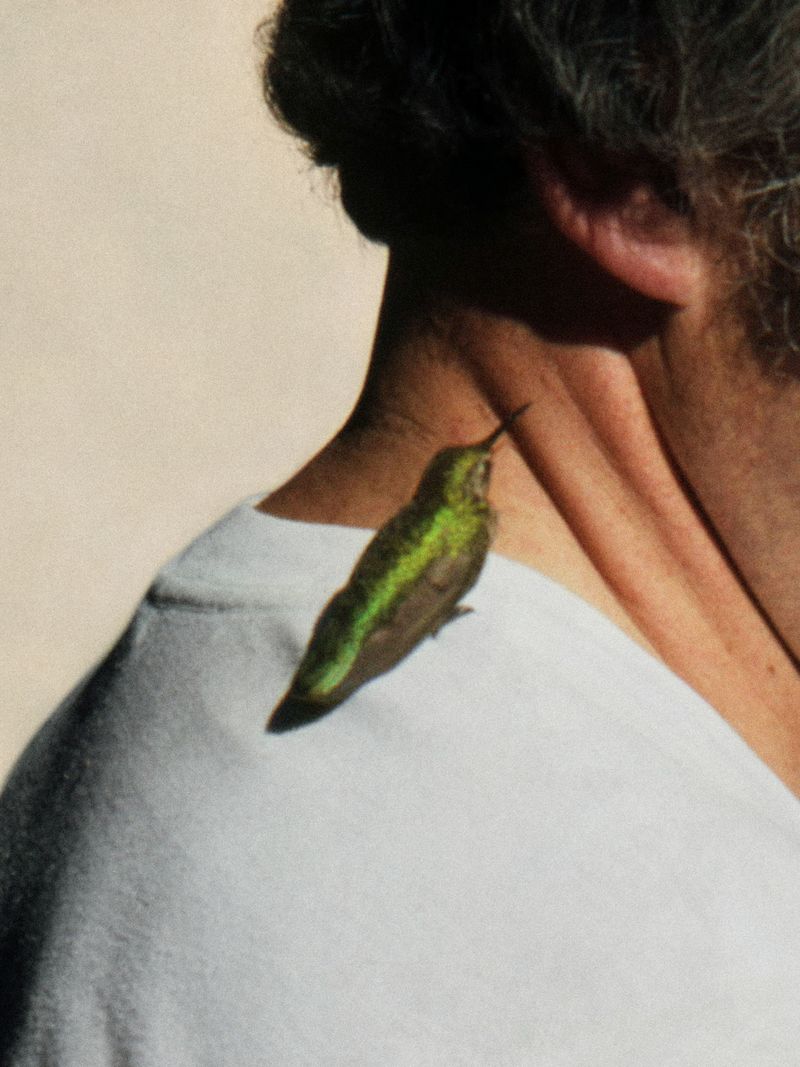
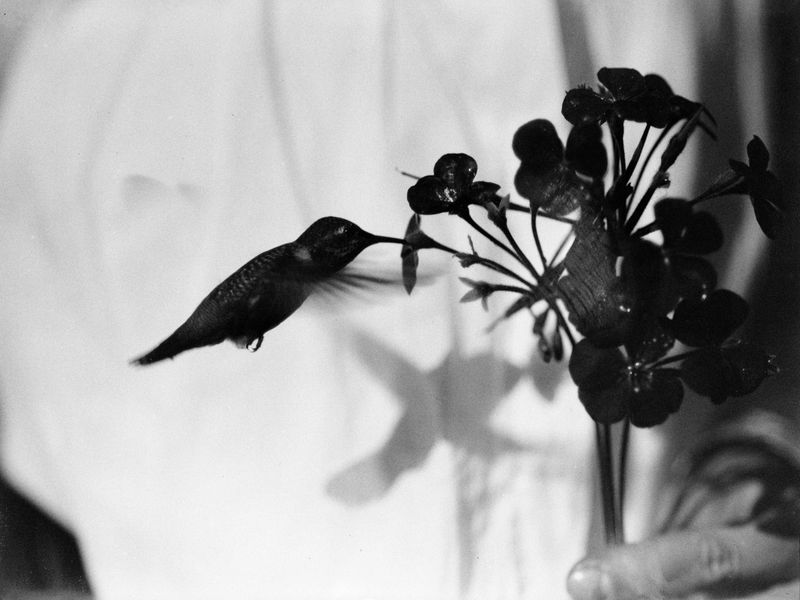
When he was well, my father spent his days tending to the flowers in our garden and caring for a hummingbird that visited the red feeder he placed. After his death, my mother told me that the hummingbird continued appearing whenever she walked through the garden.

She explained that, in Costa Rican folk belief, hummingbirds carry the souls of the dead and return to greet those they love; a belief handed down through generations and influenced by the cosmology of the Boruca, an Indigenous community in Costa Rica whose spiritual traditions are entwined with the natural world.

"Glimmers, feathers and staring skies" explores the hummingbird as a migratory body that transgresses dominant knowledge systems, moving between science and myth, between the earthly and the celestial. Engaging with personal archives alongside colonial and ornithological materials, the project interrogates how humans have tried, through images, to capture and classify a fleeting body.

It asks how we attend to and relate to more-than-human others in an age of ecological fragility. It is a practice of care and attention shaped through inter-species relationships, opening alternative ways to experience grief and memory. It becomes a process to reconnect with my father, reimagining his still body through the language of flight.

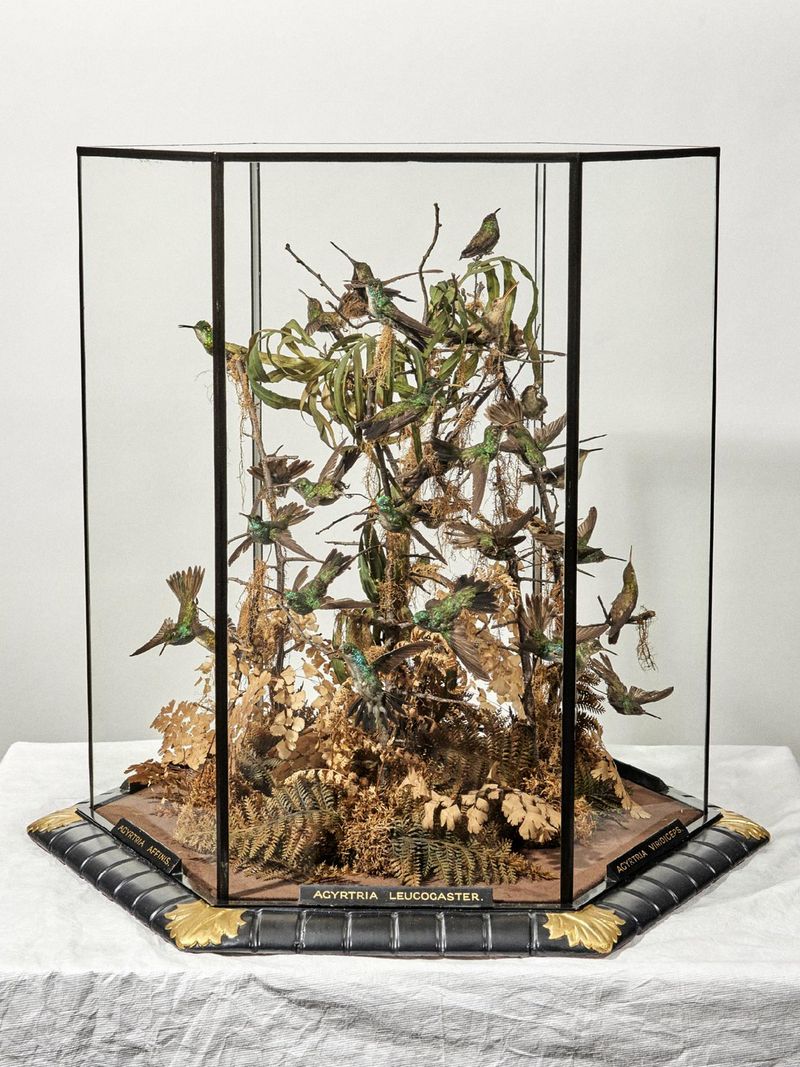
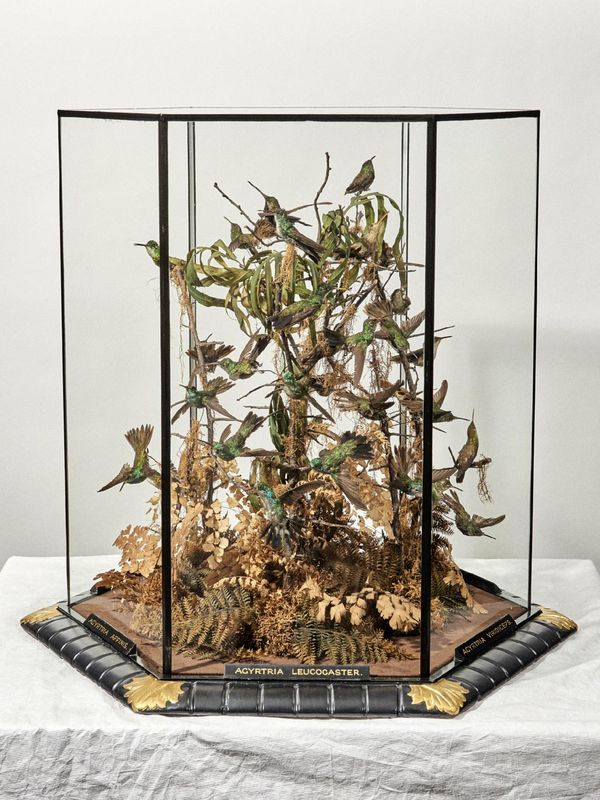
© Joel Jimenez - "The Shrine", 2026.  Victorian taxidermy specimens of hummingbirds. Natural History Museum of London.
i

"The Shrine", 2026. Victorian taxidermy specimens of hummingbirds. Natural History Museum of London.

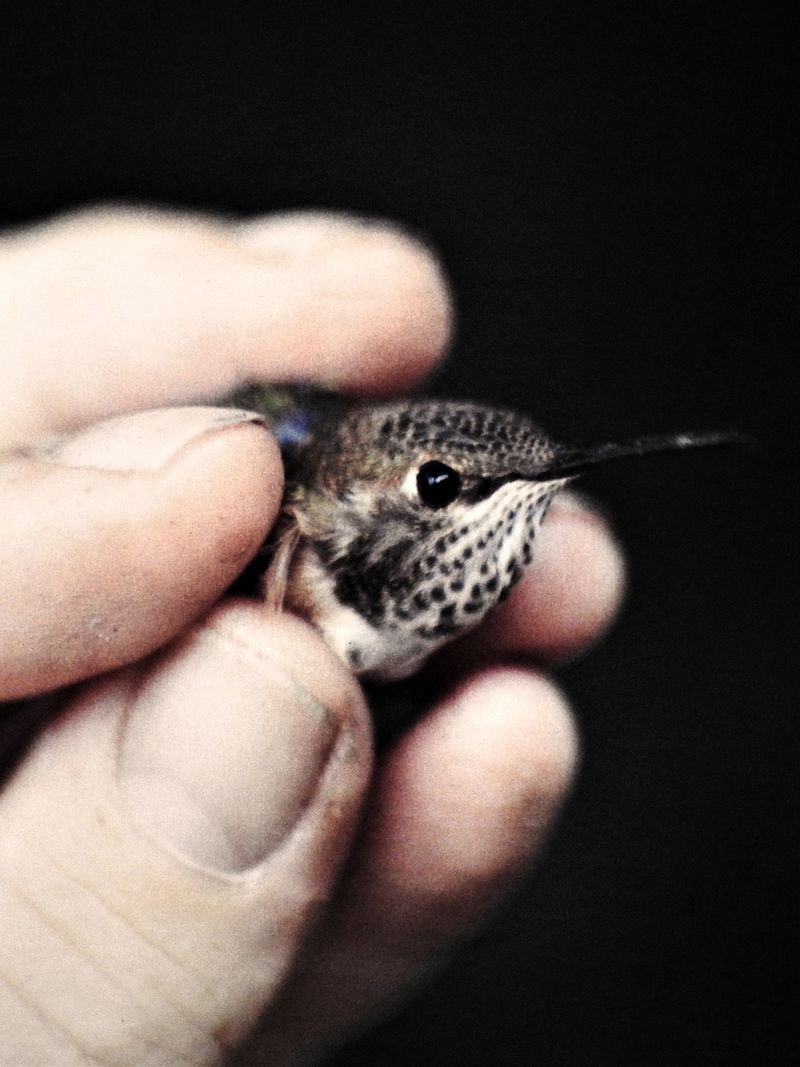
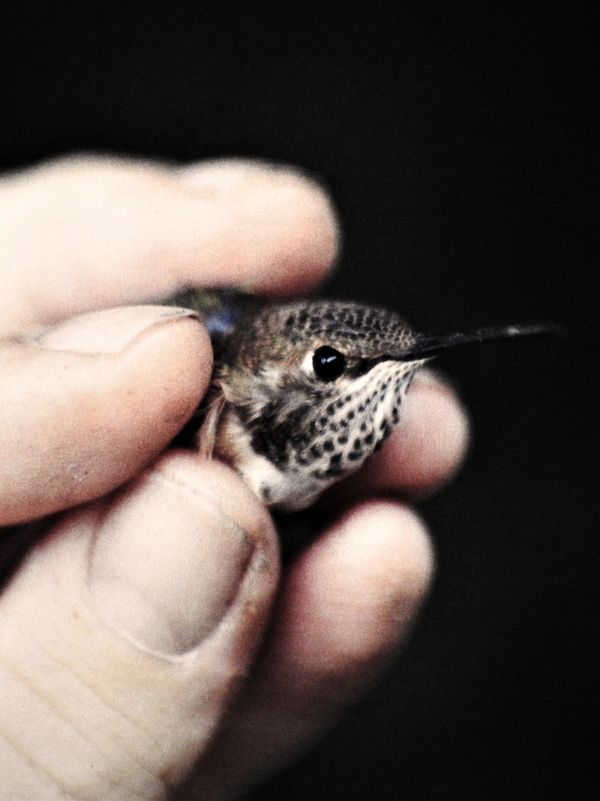
© Joel Jimenez - "Hold", 2025.
i

"Hold", 2025.

© Joel Jimenez - Image from the Glimmers, feathers and staring skies photography project
i

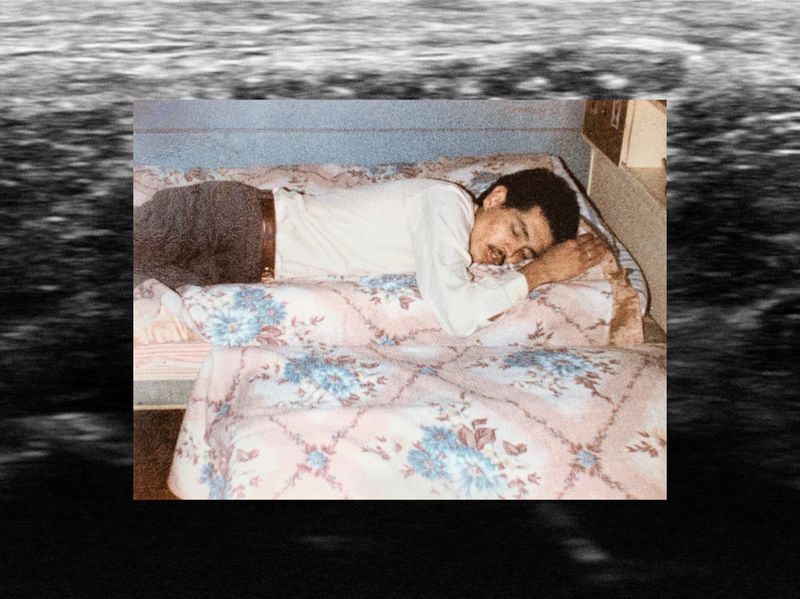
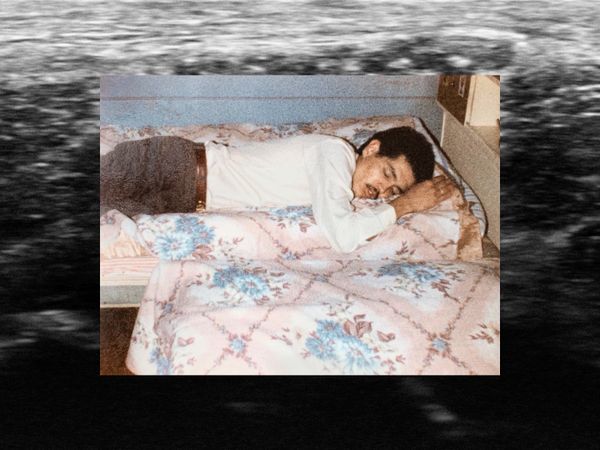
"The Dreamer", 2025. 1. Ultrasound image of my father’s shoulder nerves taken during the progression of his ALS. 2. Family archive photograph of my father.

© Joel Jimenez - "The Carrier", 2026.
i

"The Carrier", 2026.

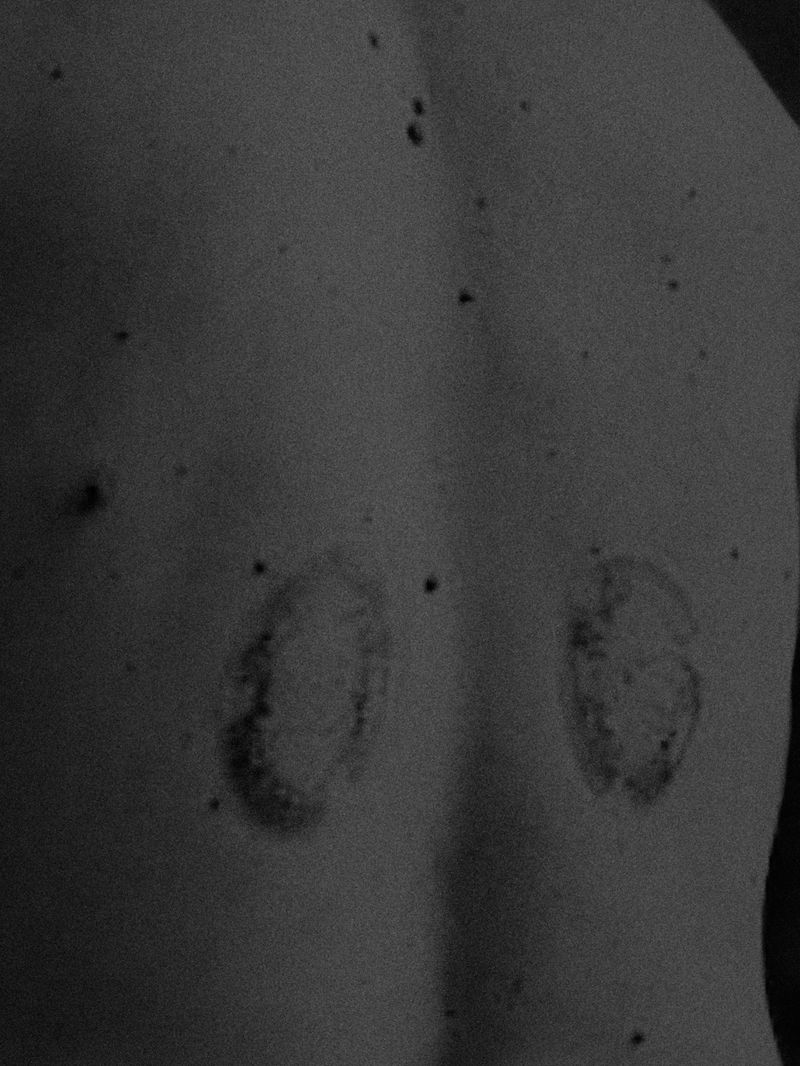
© Joel Jimenez - "Wings", 2025.  Detail of my father’s back.
i

"Wings", 2025. Detail of my father’s back.

© Joel Jimenez - Image from the Glimmers, feathers and staring skies photography project
i

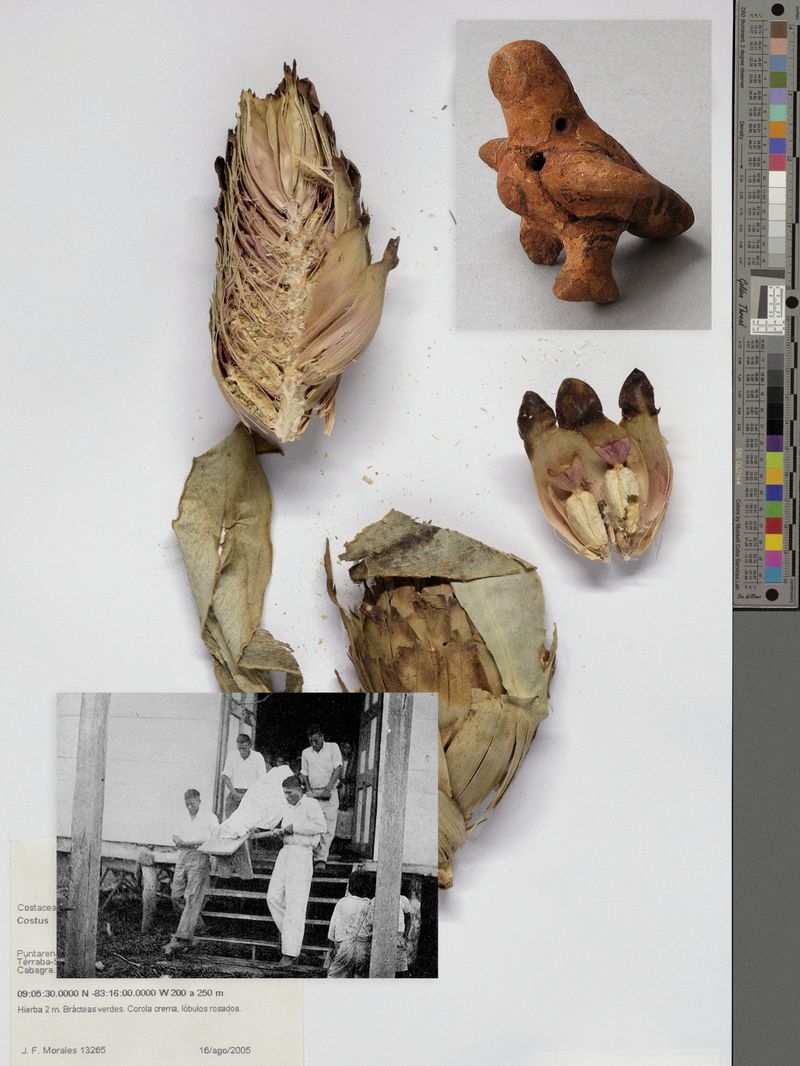
"Vessels", 2026. 1. Costus flower, a plant frequented by hummingbirds, collected in the Boruca region of Costa Rica. Berlin-Dahlem Botanical Garden and Botanical Museum. 2. Clay whistle in the form of a bird, made by the Boruca people. Ethnological Museum of Berlin. 3. Photographic documentation of a Boruca funeral, reproduced in The Boruca of Costa Rica (1949). Cambridge Museum.

© Joel Jimenez - Image from the Glimmers, feathers and staring skies photography project
i

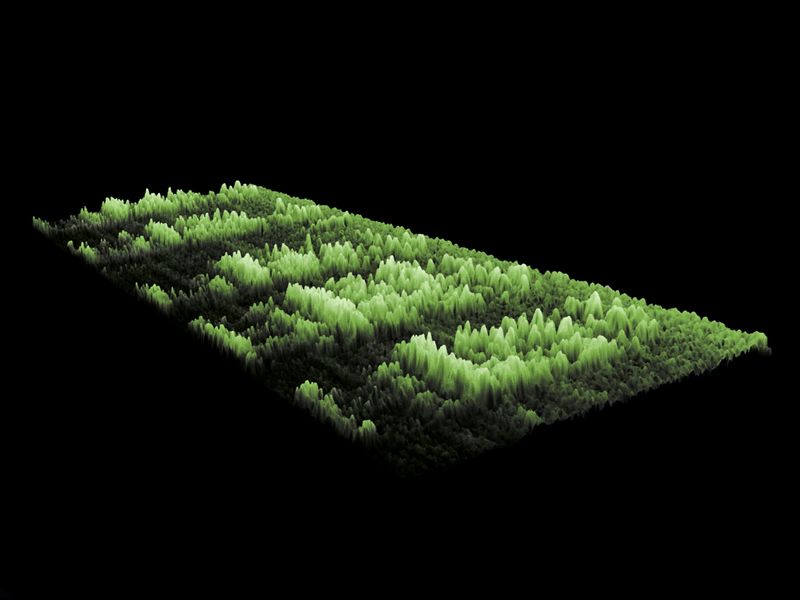
"The Forest", 2025. 3D spectrogram visualization of an audio recording capturing the last words my father spoke to me. The recording was recovered from a bedside monitoring camera placed in his bedroom during the final phase of his illness.

© Joel Jimenez - "The Messenger", 2025.
i

"The Messenger", 2025.

© Joel Jimenez - Image from the Glimmers, feathers and staring skies photography project
i

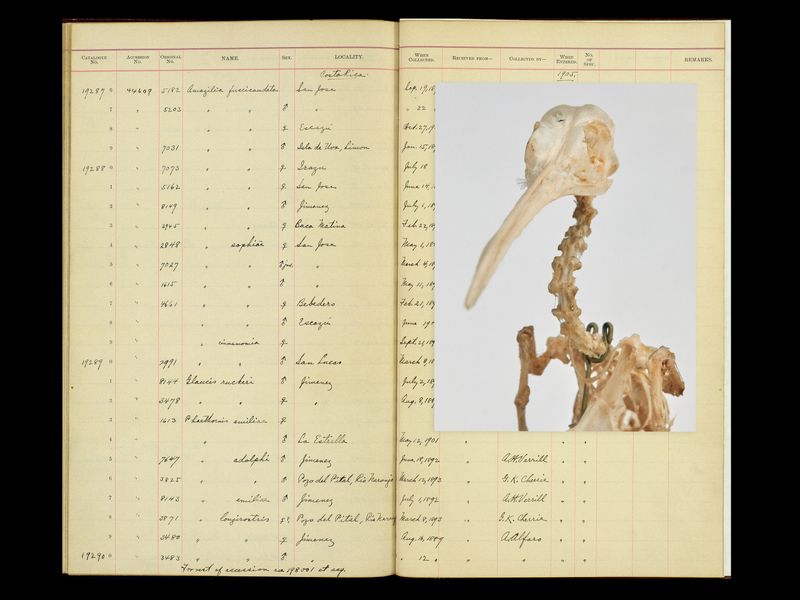
"The Spine", 2026. 1. Folio from a late 19th century catalog documenting hummingbird specimens collected during expeditions to Costa Rica. Part of the ornithology collection at the Smithsonian National Museum of Natural History. 2. Skeleton of a Ramphodon hummingbird species. Grigore Antipa National Museum of Natural History.

© Joel Jimenez - "Beacons", 2026.  Hummingbird trumpet flowers.
i

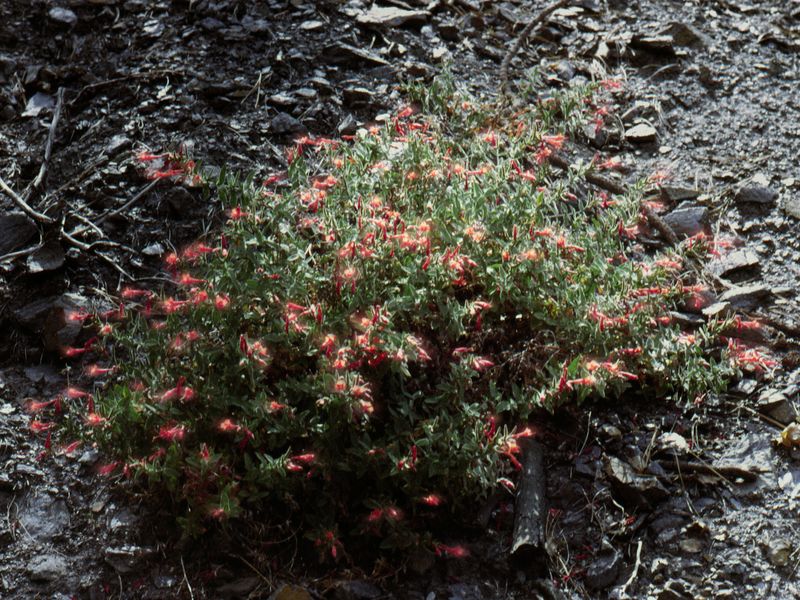
"Beacons", 2026. Hummingbird trumpet flowers.

© Joel Jimenez - Image from the Glimmers, feathers and staring skies photography project
i

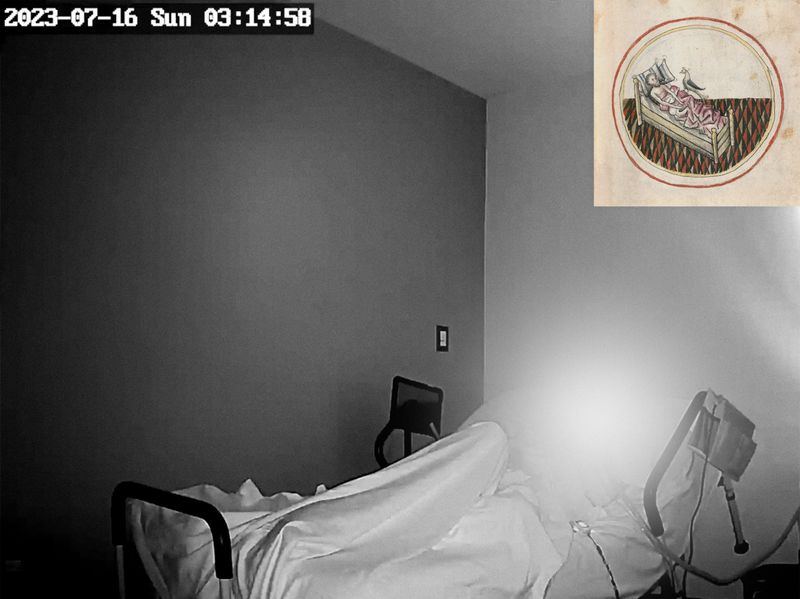
"The Visitor", 2025. 1. Bedside monitoring camera image from the night of my father’s death. 2. Folio from the Speculum humanae salvationis, a 15th-century German manuscript associated with memento mori traditions. The illuminated round miniature depicts a critically ill figure lying in bed beneath a patterned coverlet, accompanied by a bird, a medieval symbol of the departing soul.

© Joel Jimenez - Image from the Glimmers, feathers and staring skies photography project
i

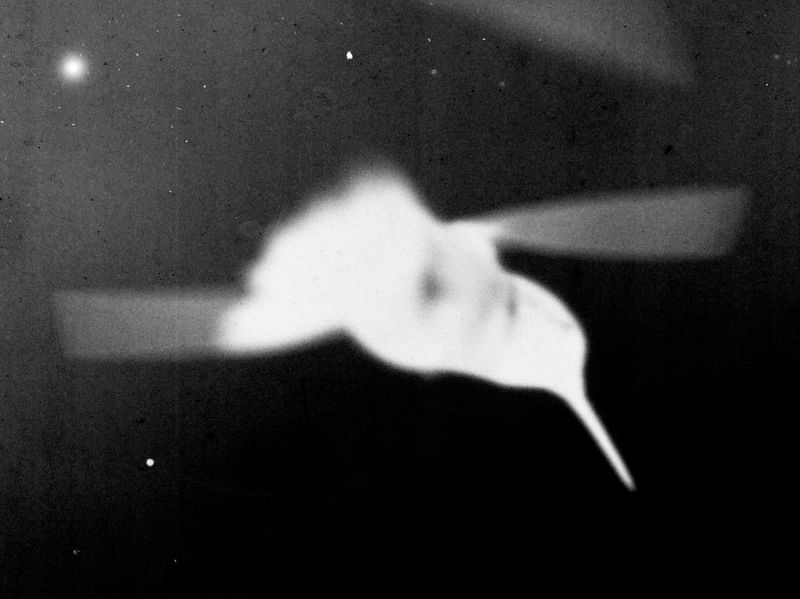
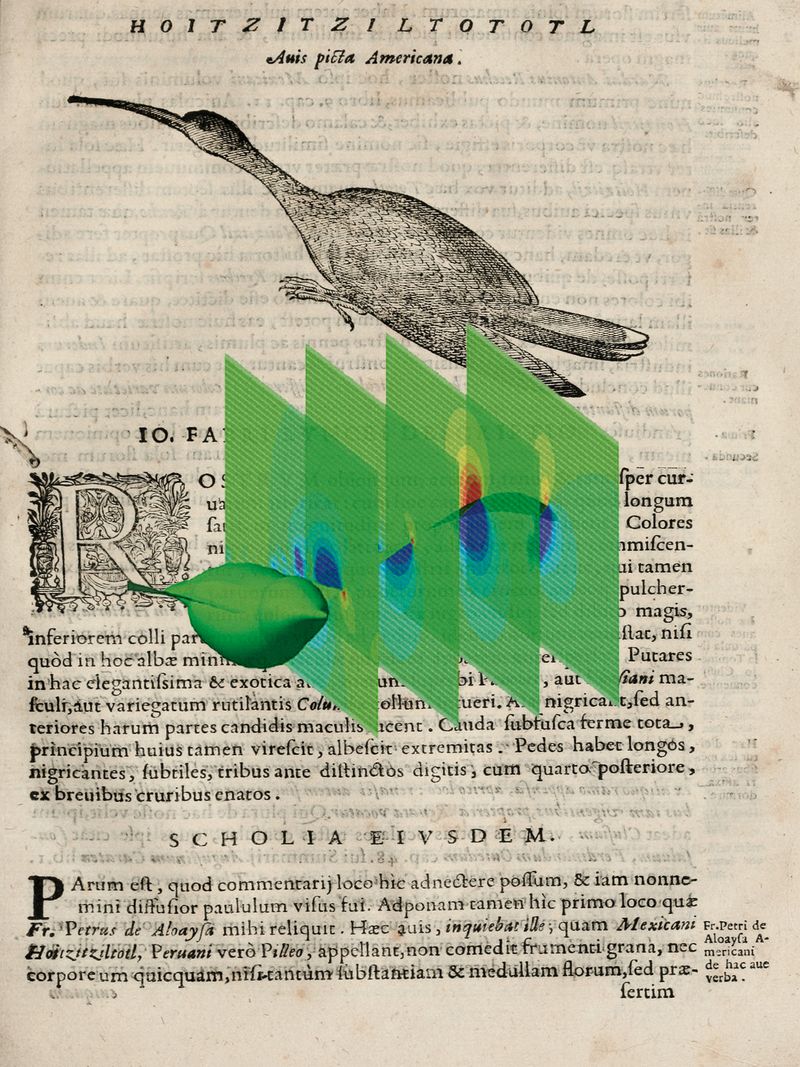
"Sunseeker", 2025. 1. Folio from Rerum Medicarum Novae Hispaniae Thesaurus (1648), depicting the hoitzitziltototl, the sacred hummingbird of the Nahua people. In Nahua cosmology, this bird played an important role in the afterlife, as the souls of the deceased were believed to be resurrected in these creatures. 2. Thermal image showing the pressure distribution of a hummingbird’s wing stroke.

© Joel Jimenez - "The Threshold", 2025.
i

"The Threshold", 2025.

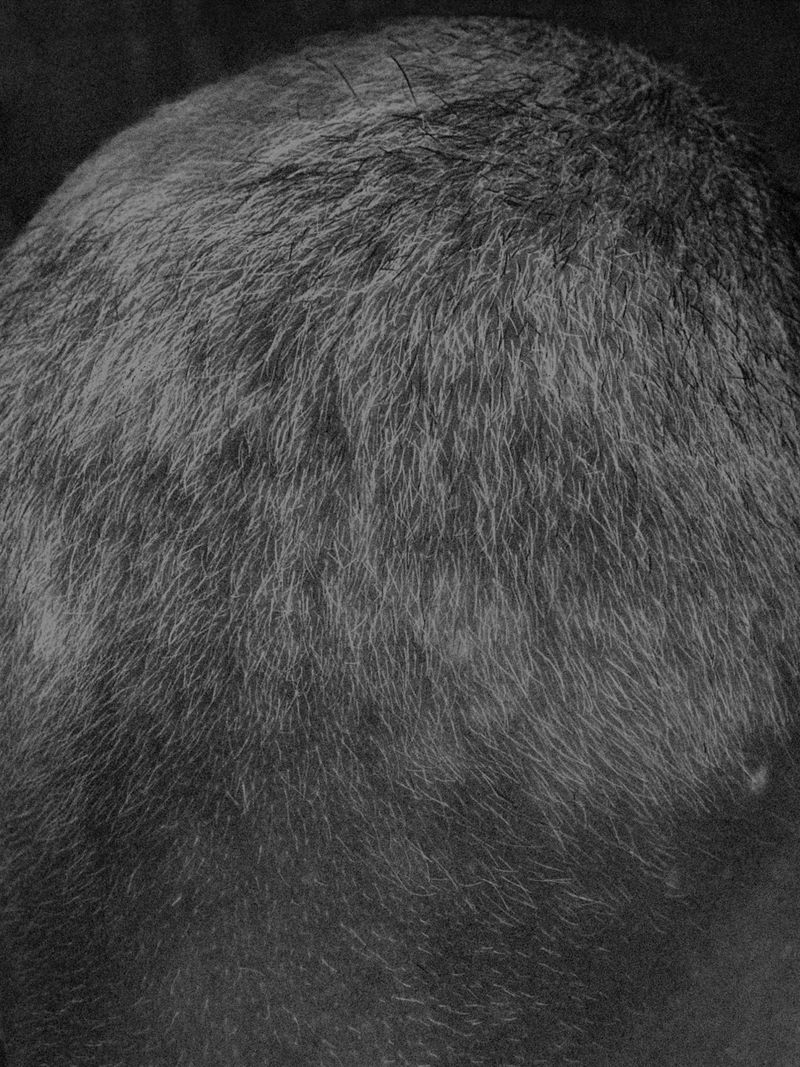
© Joel Jimenez - "Feathers", 2025.  Detail of my father’s scalp.
i

"Feathers", 2025. Detail of my father’s scalp.

© Joel Jimenez - The Sleepers", 2026.
i

The Sleepers", 2026.

© Joel Jimenez - Image from the Glimmers, feathers and staring skies photography project
i

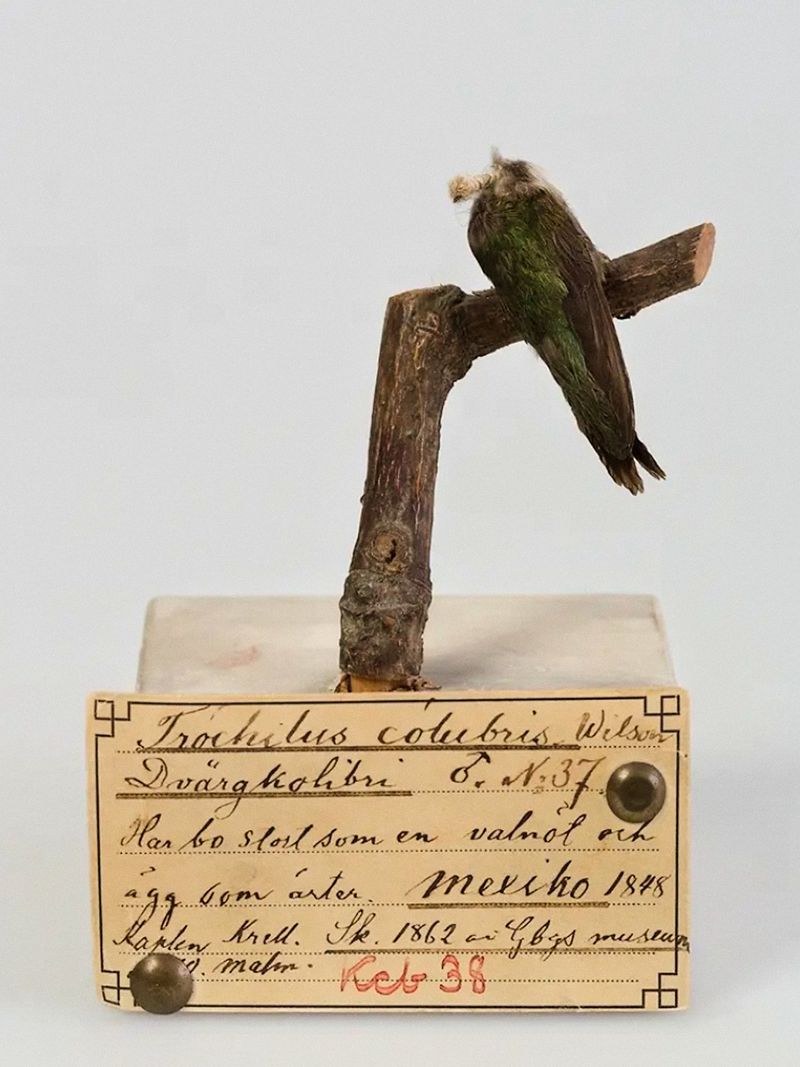
"The Observer", 2025. Taxidermy specimen of a hummingbird, missing its head, collected in Mexico in 1848. Bohuslän Museum’s natural history collection.

© Joel Jimenez - Image from the Glimmers, feathers and staring skies photography project
i

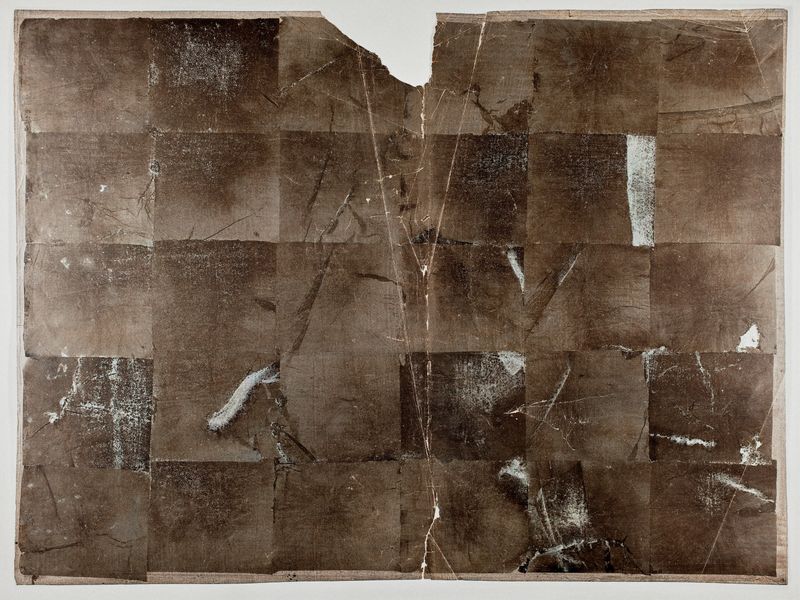
"The Haunting", 2025. Sheet of metallic-coated paper, dating from the 19th century, used in experiments to reproduce the iridescence of hummingbirds.

© Joel Jimenez - Image from the Glimmers, feathers and staring skies photography project
i

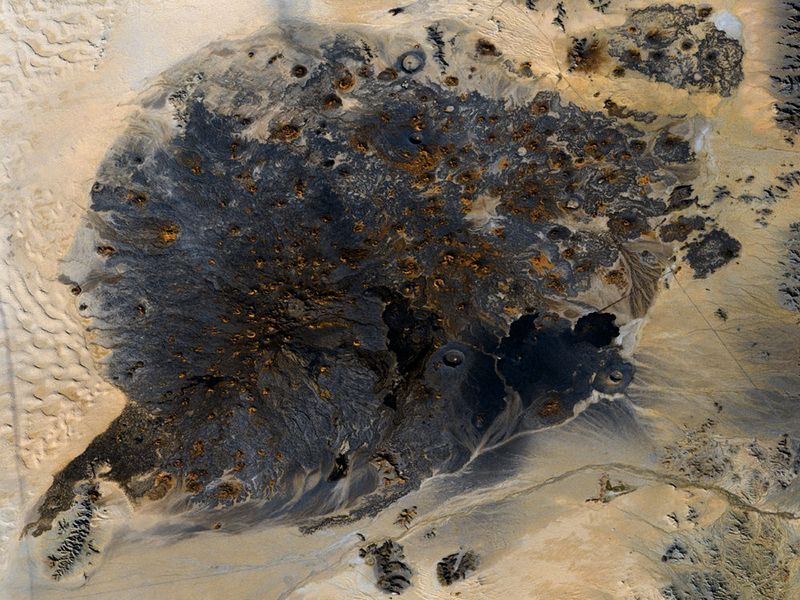
"Migration Lines", 2026. Satellite view of the Pinacate Biosphere Reserve, a desert ecosystem near the Mexico-US border. This reserve is a vital stop for migrating hummingbirds, which act as key pollinators for many desert plants. Scientists study hummingbird populations here as indicators of ecosystem health, with their presence reflecting the stability and resilience of the desert flora.

© Joel Jimenez - "The Offering", 2025.
i

"The Offering", 2025.

© Joel Jimenez - "The Apparition", 2025.
i

"The Apparition", 2025.