Inburgering
-
Dates2024 - Ongoing
-
Author
- Location Amsterdam, Netherlands
-
Recognition
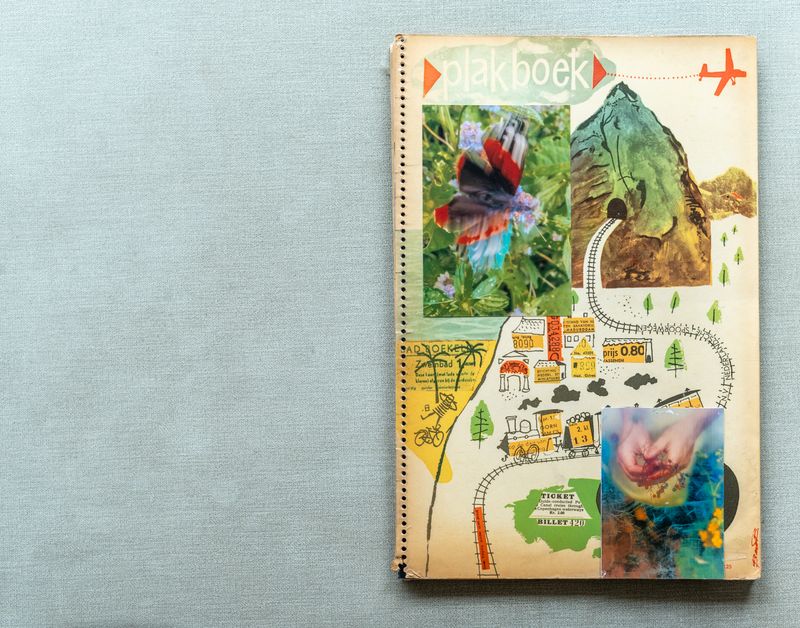
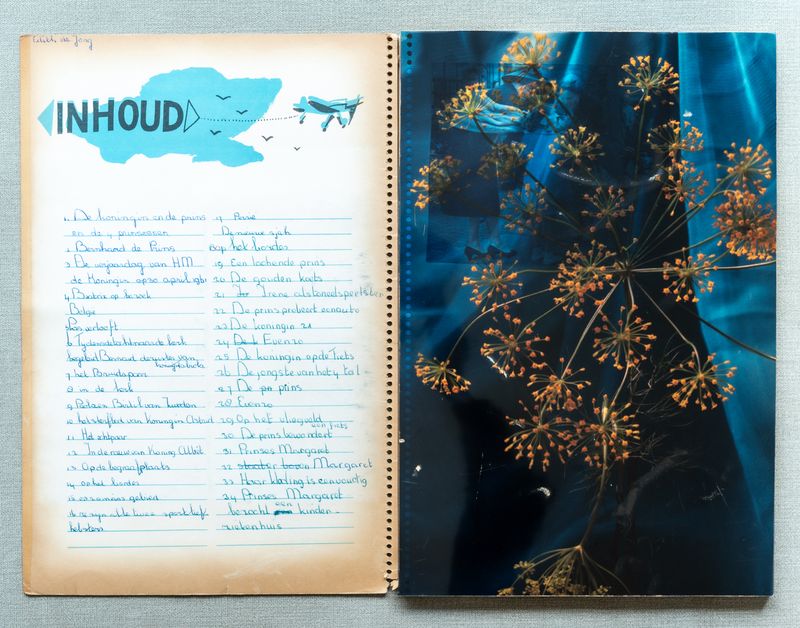
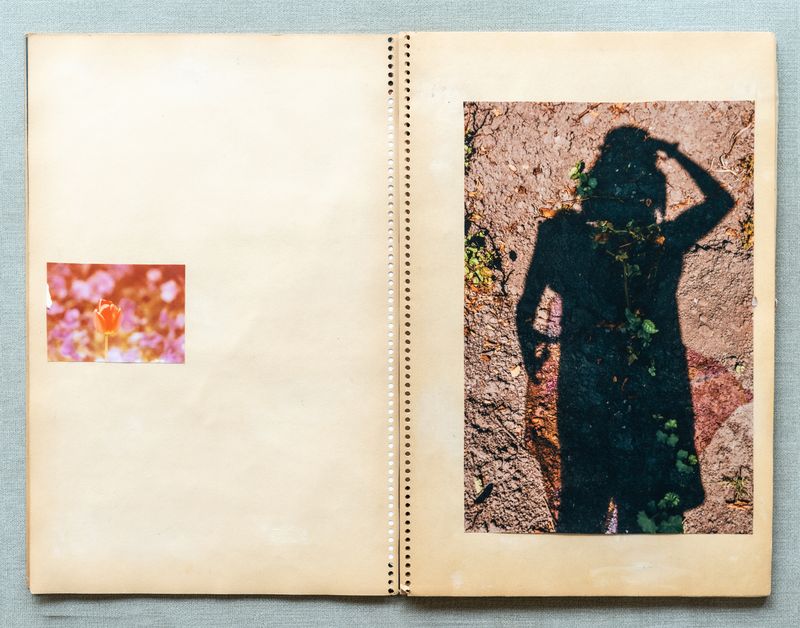
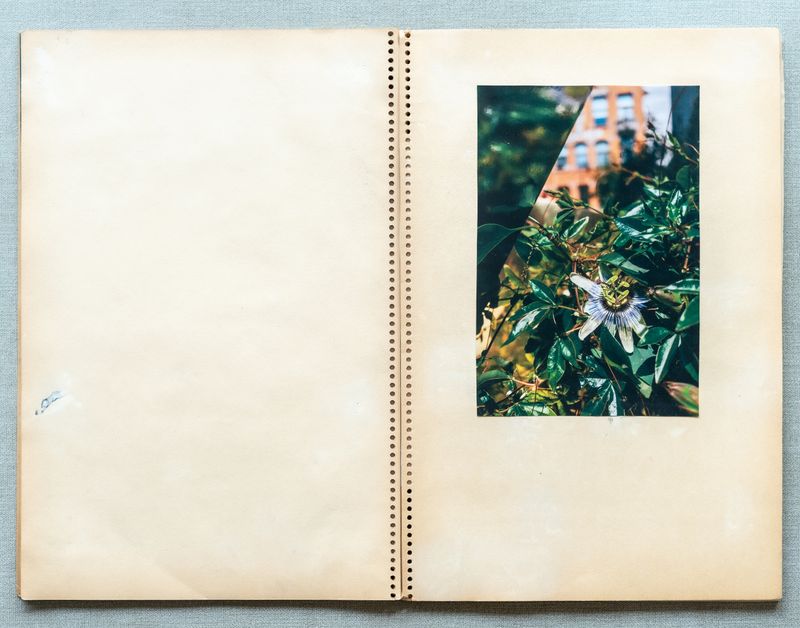
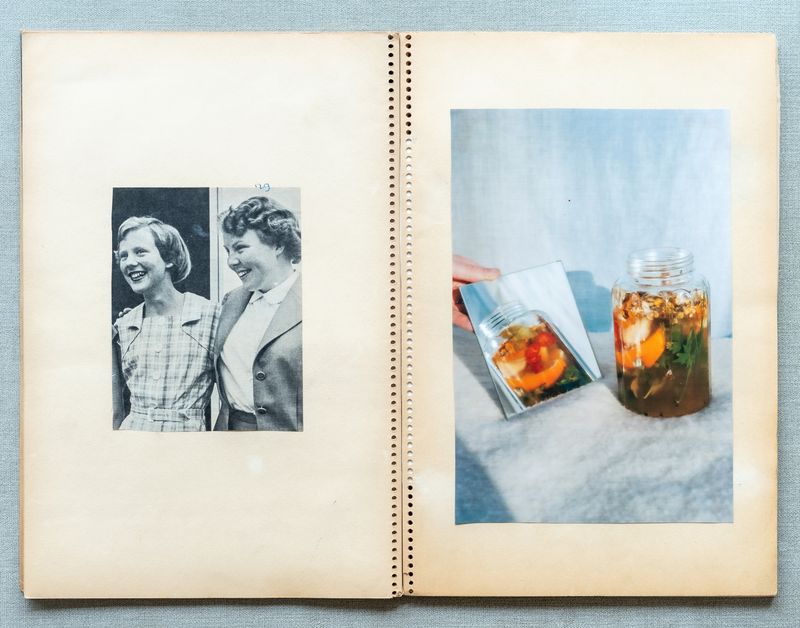
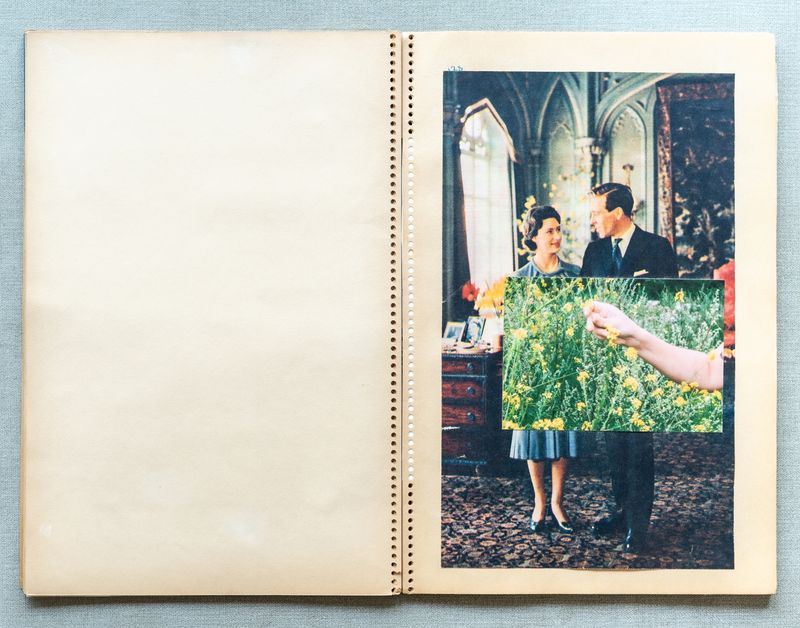
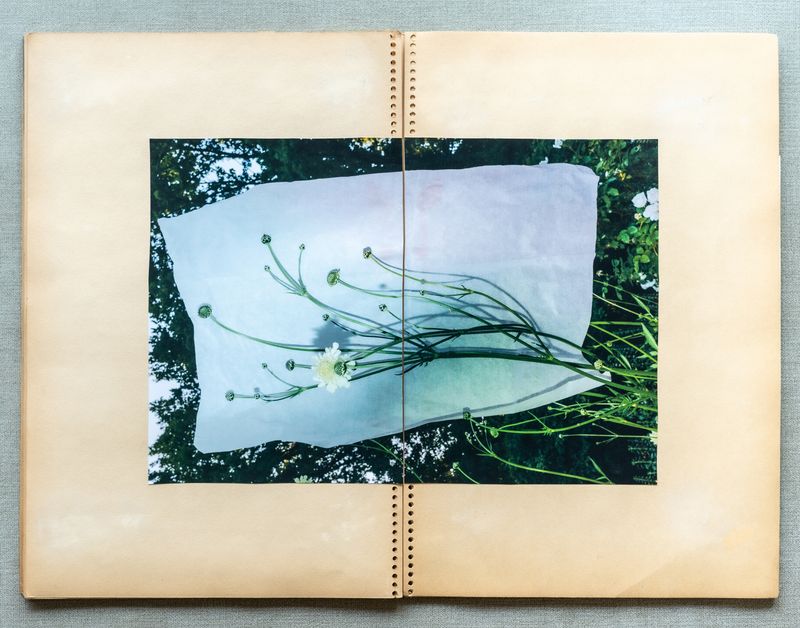
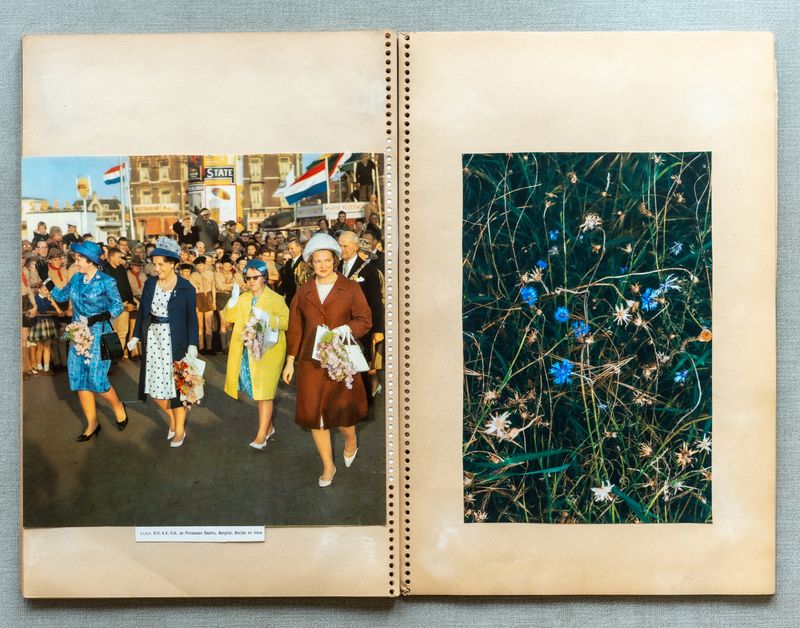
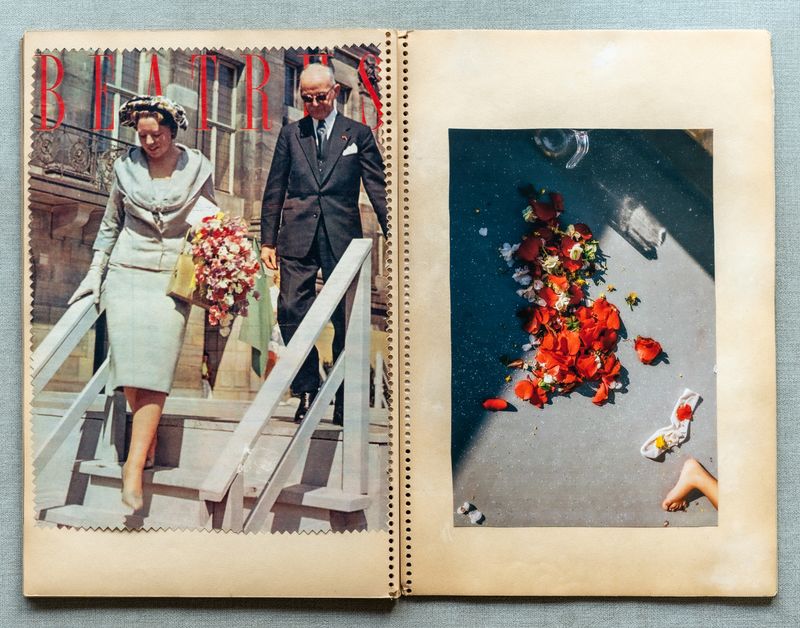
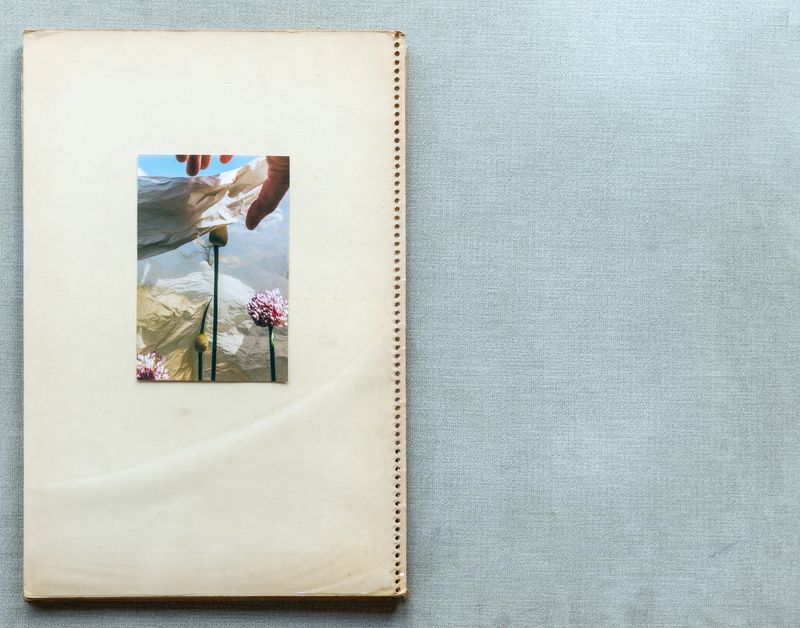
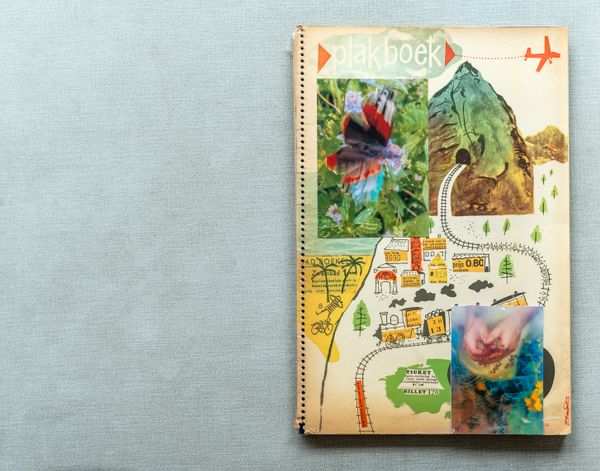
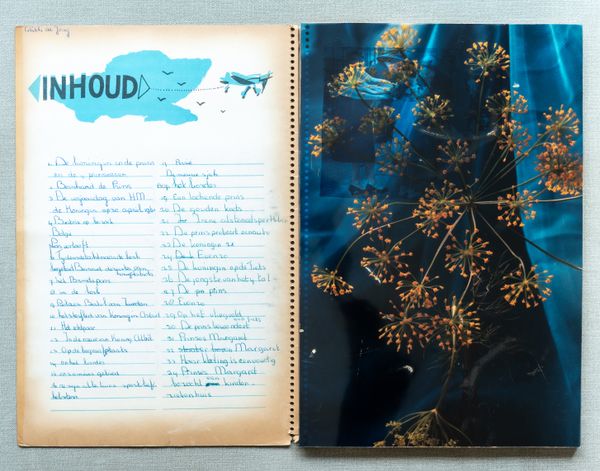
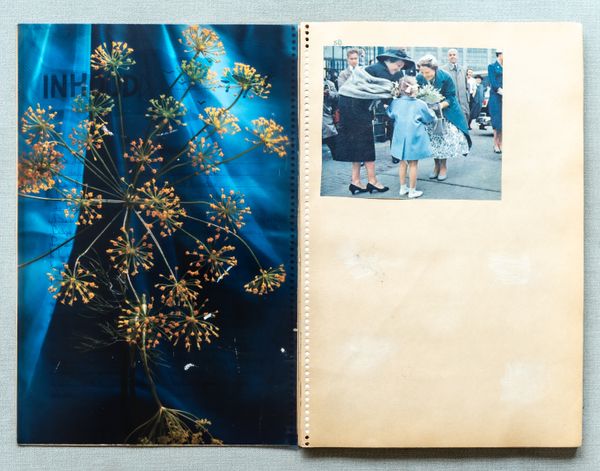
Built on pages torn from old Dutch scrapbooks. On this inherited memory, a Brazilian mother photographs what grows wild in Amsterdam: plants that need no permission to belong. Unlike her. Like her daughter, born here. Rooting as an act of belonging.
To be integrated, ingeburgerd, is often defined by passing a test, as if belonging can be measured and granted. But true belonging cannot be reduced to a checklist; it is lived, not tested.
Plants know this. They arrive, adapt, and belong.
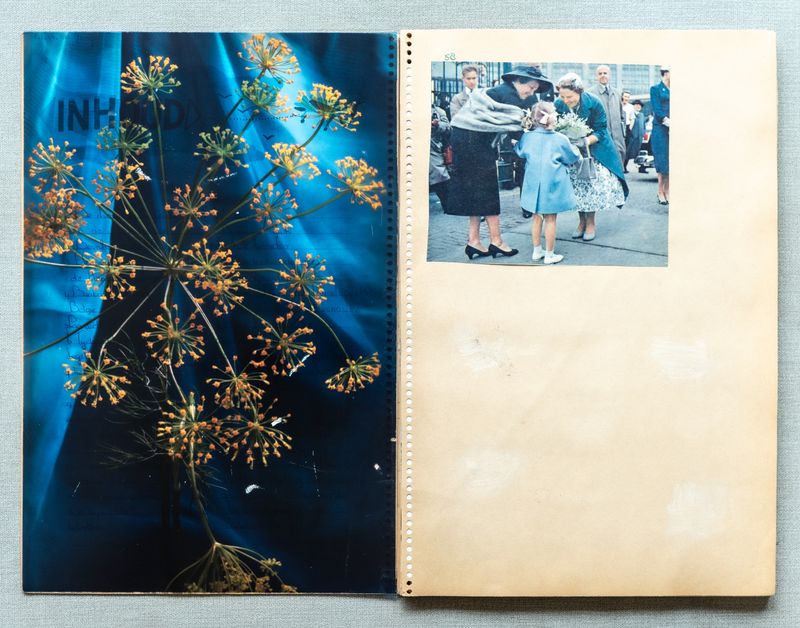
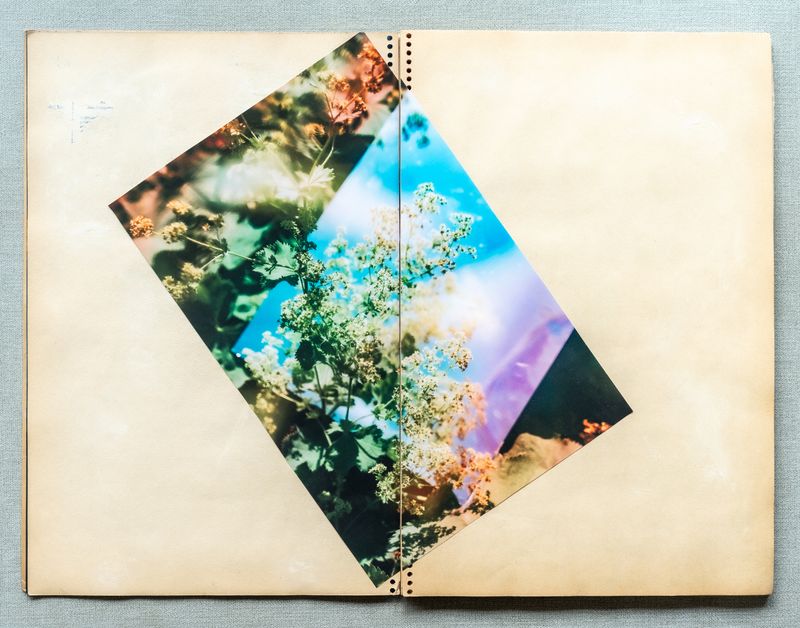
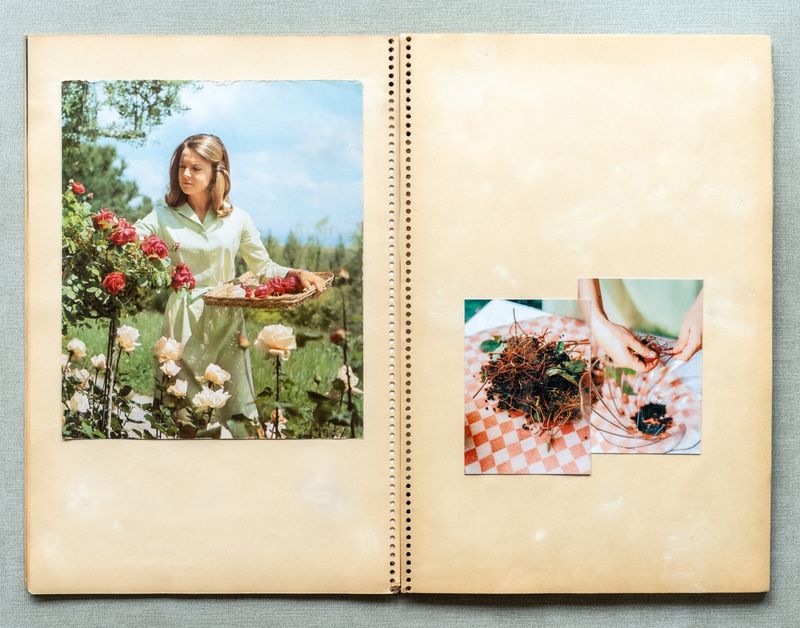
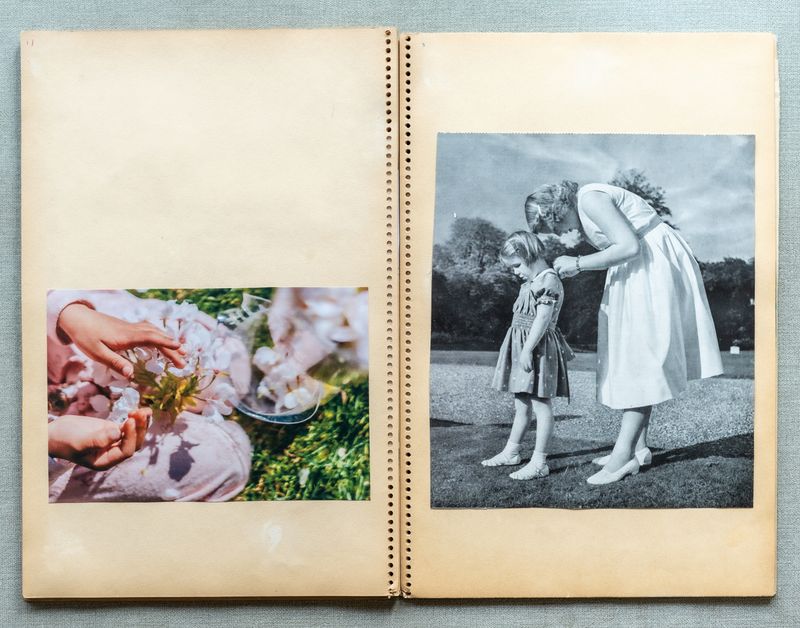
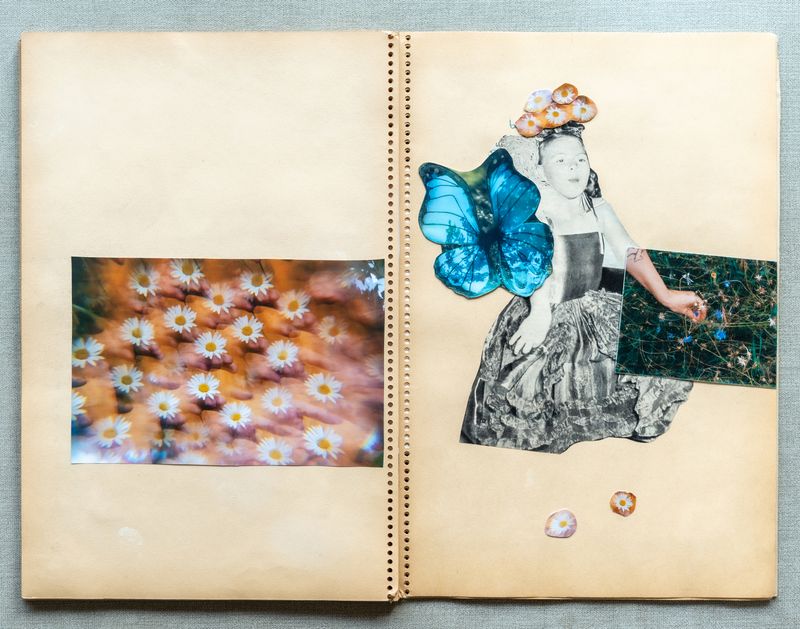
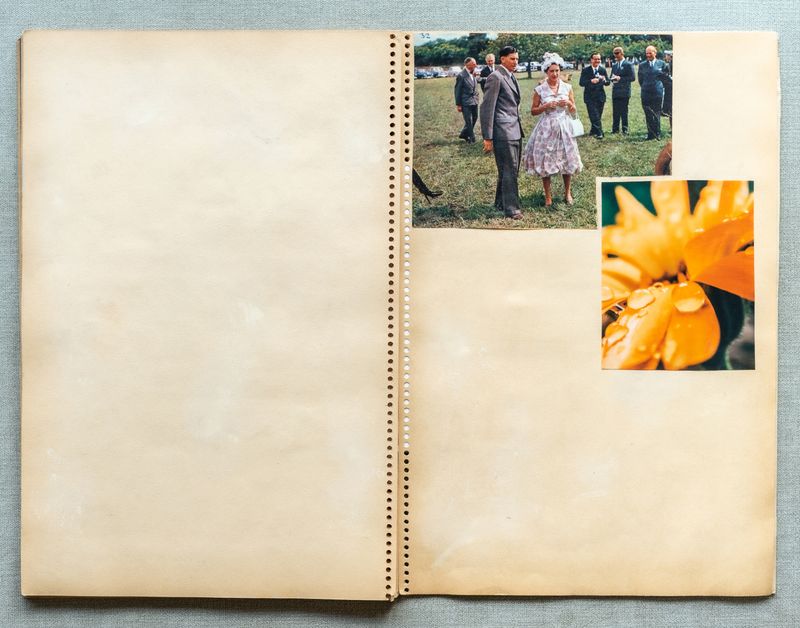
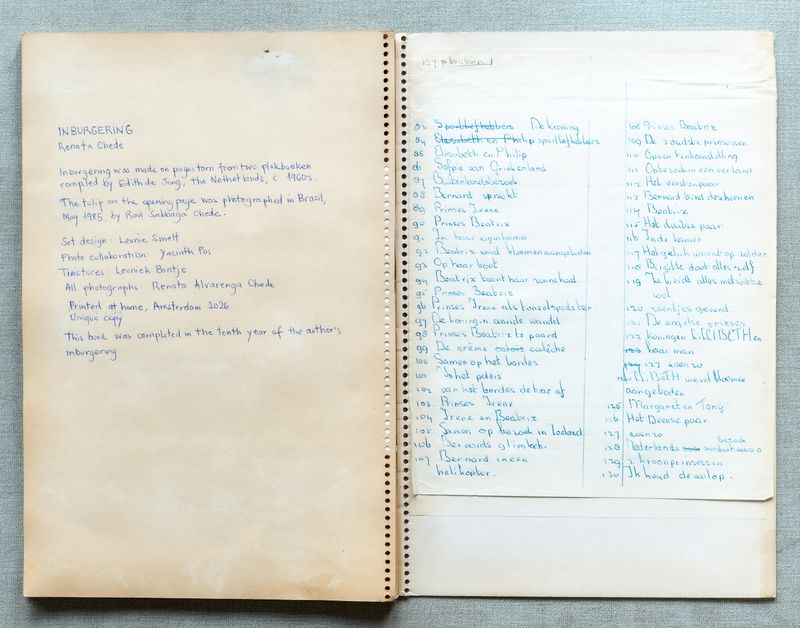
Inburgering is a photobook and installation that questions belonging. The handmade book, made in Amsterdam, uses pages torn from Dutch plakboeken, family scrapbooks from the 1960s. On this base of inherited memory, a Brazilian photographer adds her own: wild plants that grow without permission along canals, pavements, and vacant lots.
This interweaving of past and present continues as the narrative of memory crosses generations: the book opens with a tulip photographed in Brazil in 1985 by her father, who taught her to create memories.
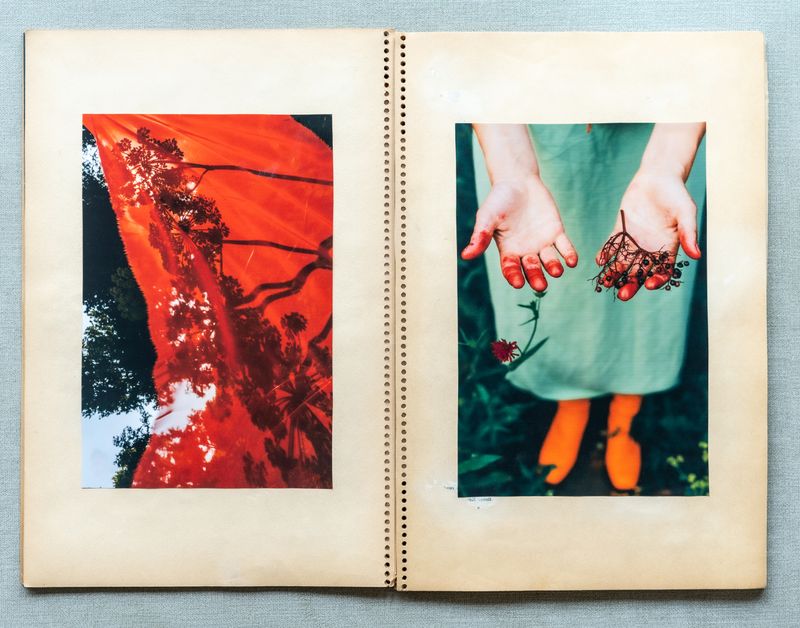
This exchange deepens when her daughter begins pointing at plants and naming them in Dutch. The photographer realises she does not know their names in any language. A three-year-old becomes her guide, leading her to start foraging, make tinctures, and learn to read the land through her daughter's eyes.
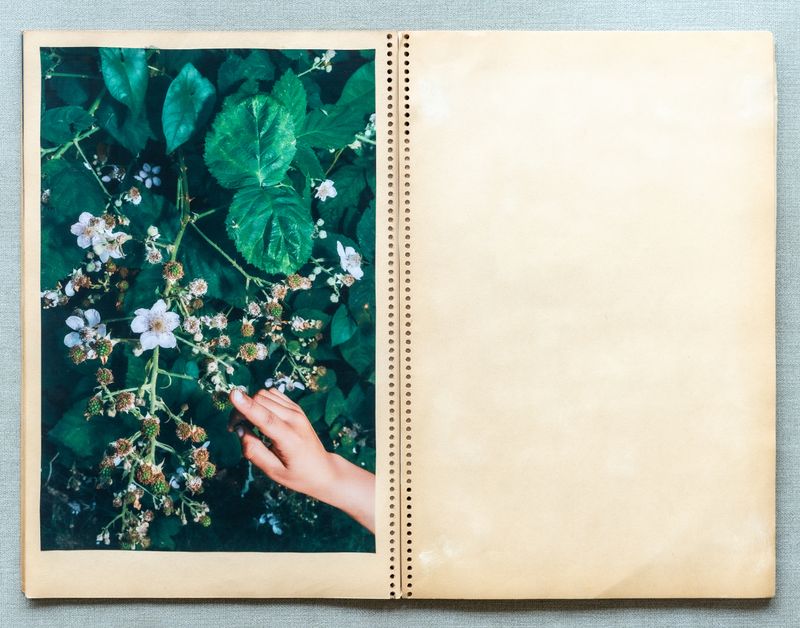
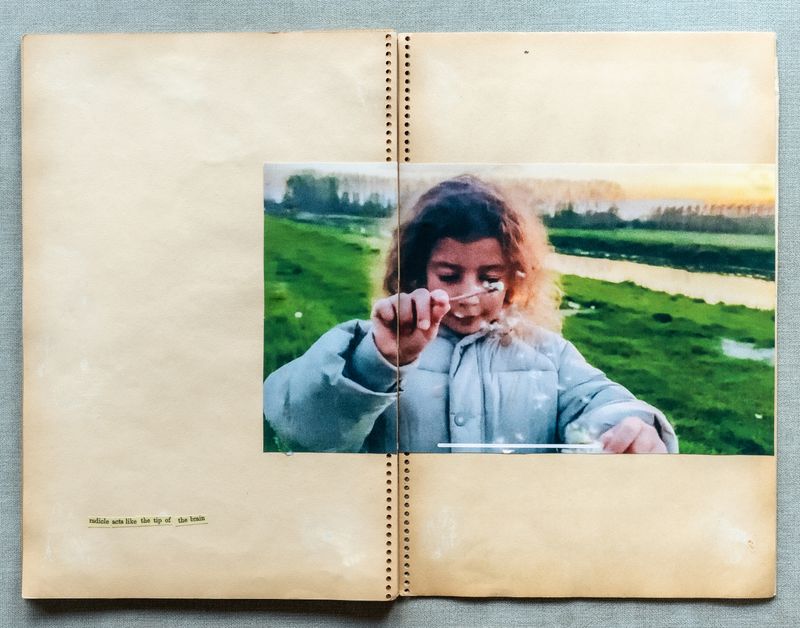
This generational exchange appears in a possible installation in three movements. First, Arrival: the Dutch archive dominates, with plakboek pages enlarged on the walls. The photographer's images are small and seem out of place inside inherited memory. Second, Learning to Read the Place: both voices speak equally. Foraging, tinctures, a child's hand touches a blackberry stem, and a plant is photographed at the height of someone learning to name things. Third, Belonging: the photographer's images now lead. The archive steps back. The installation concludes in a dark space with a video: her daughter, born in Amsterdam, blows a dandelion over a Dutch polder at dusk. The video, shot on a phone on an ordinary afternoon, shows the seeds drifting away. They do not ask permission.
Inburgering, then, challenges the notion of belonging as something granted by tests. It is the daily, often unconscious practice of finding one's place: knowledge passed down from generation to generation. As Darwin observed, the radicle acts like the tip of the brain, finding its place quietly, without asking.
So do people, quietly, take root.
___________________________________________________________
Note: The installation could further explore the multilingual naming of plants as a work in its own right. Each species is rendered in Latin, Dutch, Portuguese, and Italian, reflecting the languages of the places these plants have crossed.
Alchemilla vulgaris, vrouwenmantel, manto-de-nossa-senhora, alchemilla
Tulipa gesneriana, tulp, tulipa, tulipano
Angelica archangelica, Engelwortel, angélica, Angelica
Sambucus nigra, vlierbes, sabugueiro, sambuco
Passiflora caerulea, passiebloem, maracujá, passiflora
Rubus fruticosus, braam, amora, rovo
Brassica napus, koolzaad, colza, colza
Scabiosa columbaria, duifkruid, escabiosa, vedovina selvatica
Centaurea cyanus, korenbloem, centáurea, fiordaliso
Matricaria chamomilla — kamille — camomila — camomilla
Calendula officinalis — goudsbloem — calêndula — calendola
Taraxacum officinale — paardenbloem — dente de leão — dente di leone
Allium sativum — knoflook — alho — aglio