Dying to Breathe

The Dead Sea is a fragile sanctuary where intimacy, freedom and spirituality intersect. As extraction, environmental collapse, and militarization reshape the landscape, the project asks who gets access to space? and what happens when sanctuary disappears?

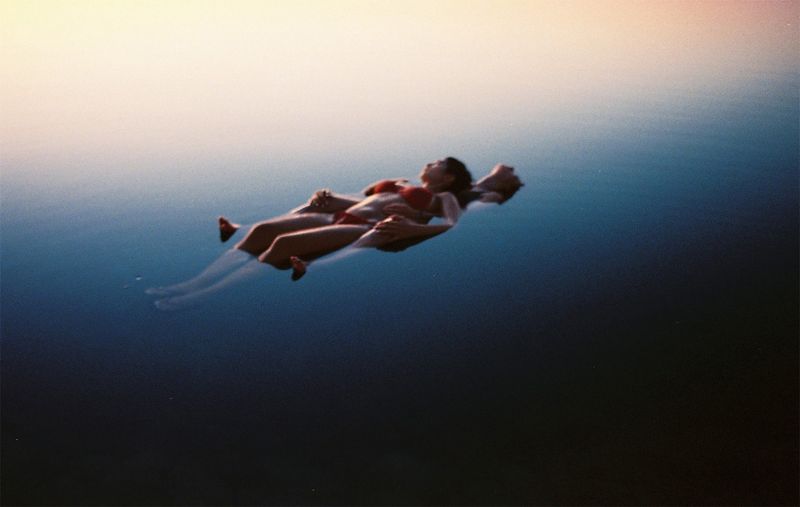
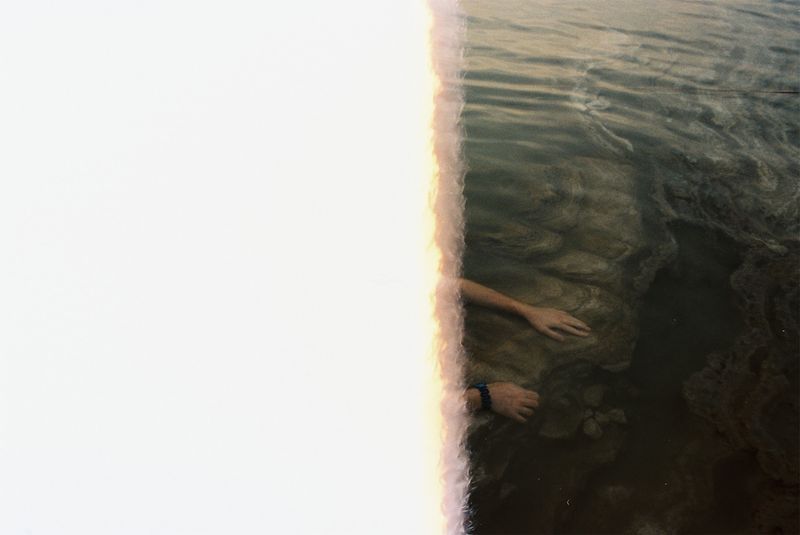
The water of the Dead Sea is thick and dense, so much so that one can only float in it but never dive; the water does not allow you to penetrate its deeper body, and if you do, it swallows you up.

 It is a rare public space where we gather from across Jordan to explore our freedoms. Hidden bush areas around its shores have become secret cruising sites where we go seeking privacy.

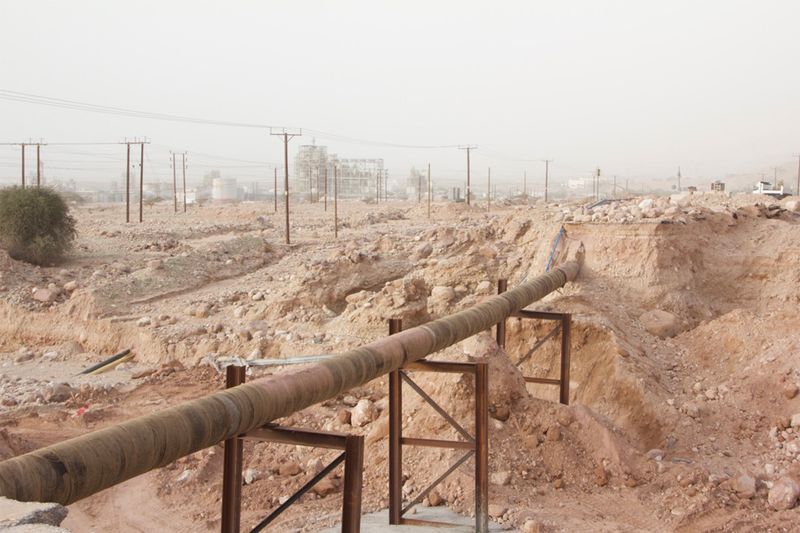
Though it has existed since biblical times, it is vanishing rapidly because of mineral-extraction industries on its southern shores, and the Zionist extraction of water from its tributaries, especially the Jordan River.

As the Sea recedes, a border is space dissolving and the area is slowly devolving into a fully militarized zone, soon to be completely inaccessible to the public.

How is it that a space can simply disappear? Where will we go to find sanctuary once it vanishes? And why is it that no one cares?

As the forces of capitalism and colonialism assault the Sea’s landscape, destroying everything in their path, it feels as though the earth is crying in pain; broken, then abandoned to its own ruin.  I am frustrated by how easily it is violated.  Do they feel entitled to this assault simply because the Sea has long been considered dead?

For me, the Dead Sea feels like a womb, I surrender to it and in return, it carries me, warmly... effortlessly. I come here to connect with the Divine; Jesus, Moses and Mohammed all carried their messages along its holy shores. When I visit the sea with my lovers, it is the type of beauty that reminds you that you are brief.

Seeing its destruction fills me with the desire to throw up, or yell, but it feels like I am yelling into a void, no one is there to receive my anger. So instead I just cry. “There are bigger wars to think about”, they say, “In our region, who has the time to care about a dead Sea”?

Jordanian military personnel check our every move as we move along the highway that runs alongside to the Sea; a suffocating sense of paranoia permeates the space. Across the border on the other side, occupation forces surveil our every move, letting it be known that even as we float we are denied the space to exist freely in our own bodies. Our breathing space has been tightened.
© Maryam MAK - Image from the Dying to Breathe photography project
i

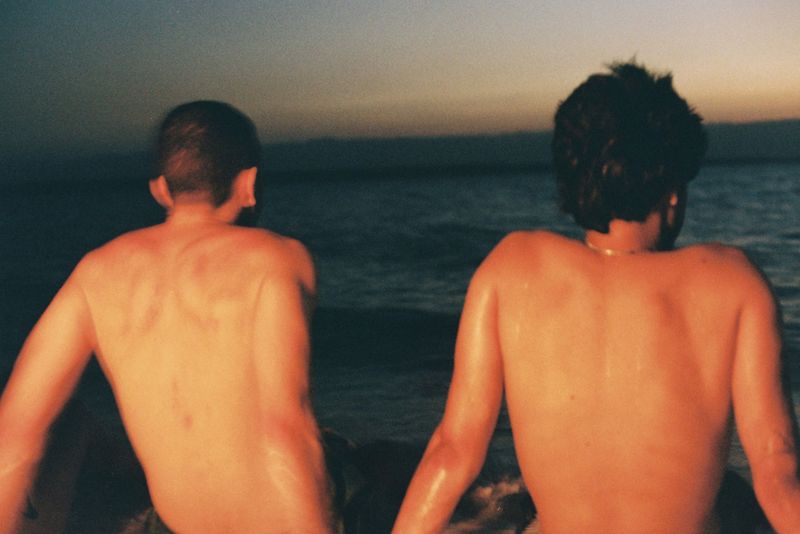
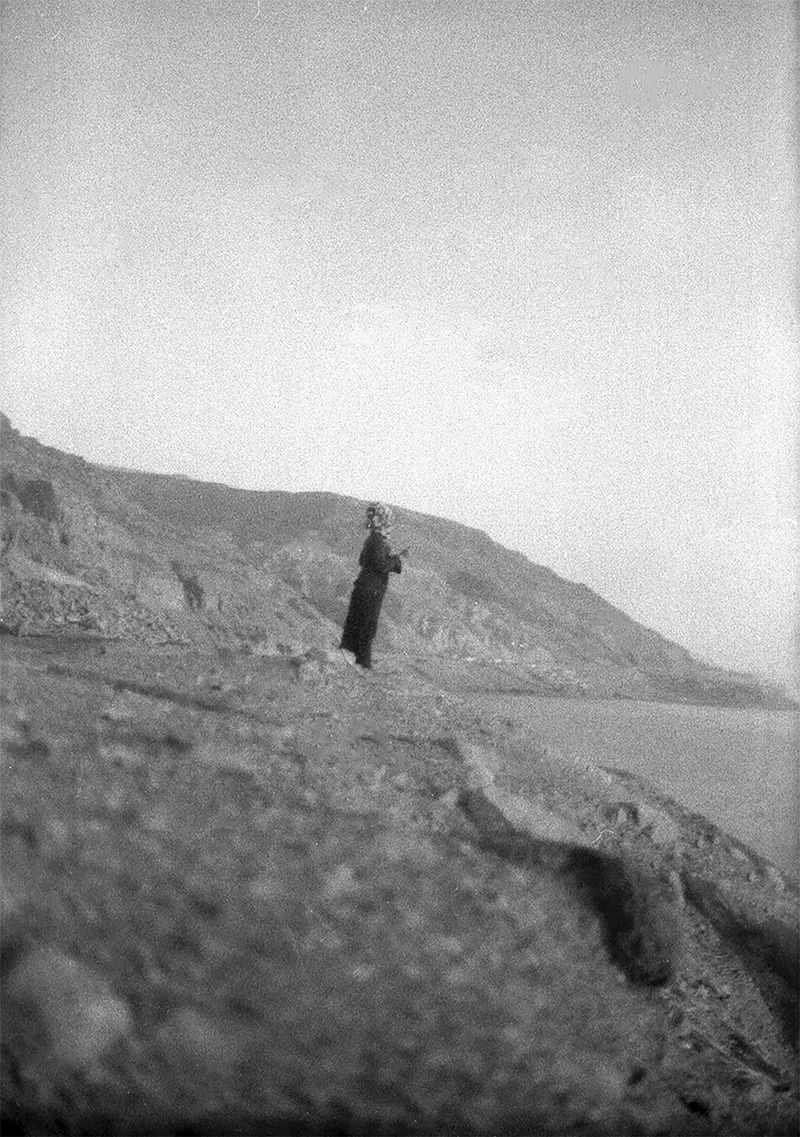
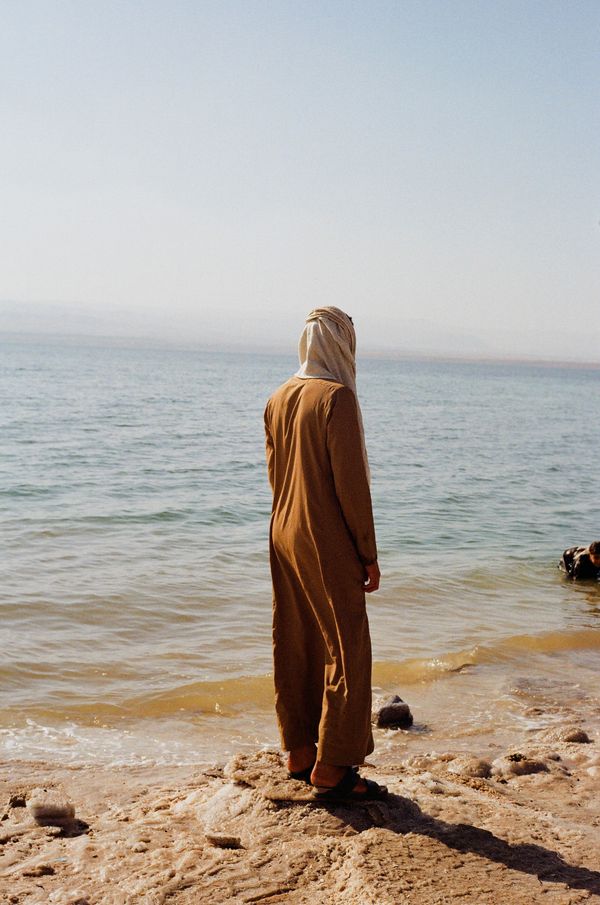
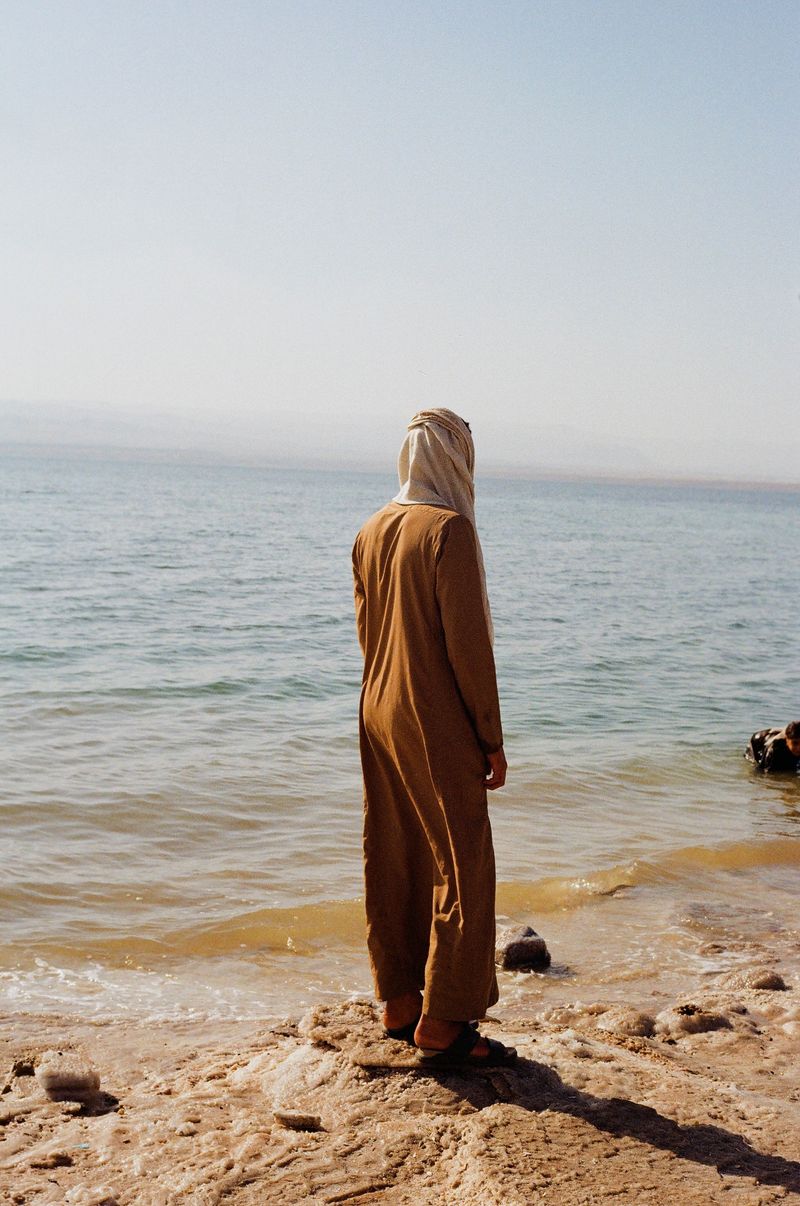
A man looks across the Dead Sea towards the West Bank - Occupied Palestine, where strict border controls forbid most Jordanians from ever wanting to even attempt to get to the other side, what was previously a shared open body of water, became after 1948 and then after 1967 a border region shared with a hostile enemy.

© Maryam MAK - Image from the Dying to Breathe photography project
i

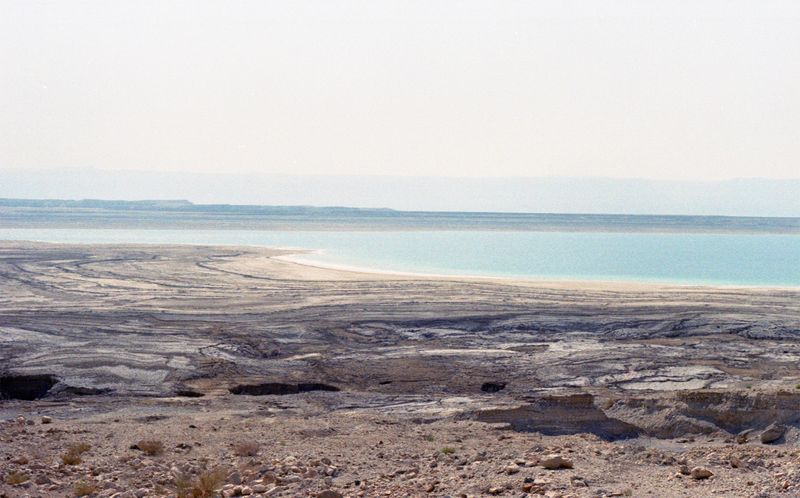
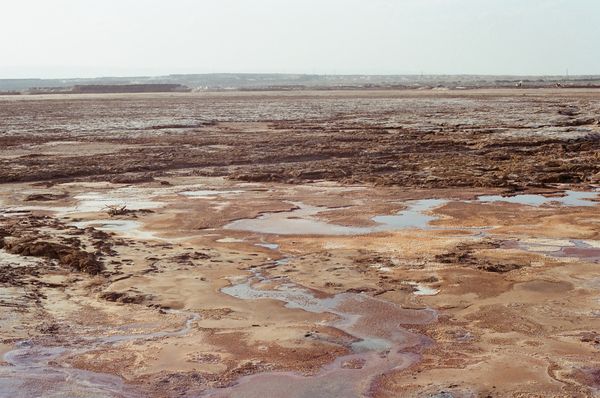
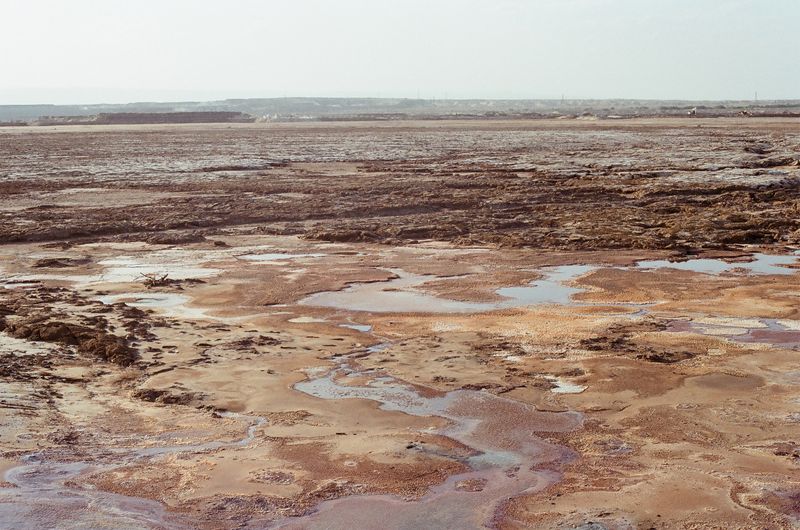
It is estimated that in the past 20 years the sea has shrunk by 1 meter per year on average. Studies claim that it will completely evaporate by 2050. Here areas that were once parts of the sea have been pumped out by mineral extraction factories dealing in the extraction of potassium and bromine among other minerals.

© Maryam MAK - Image from the Dying to Breathe photography project
i

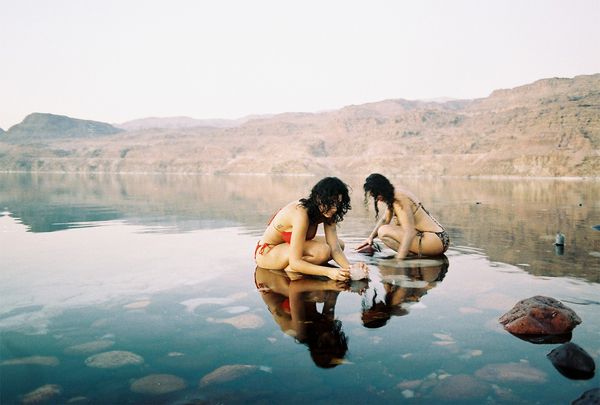
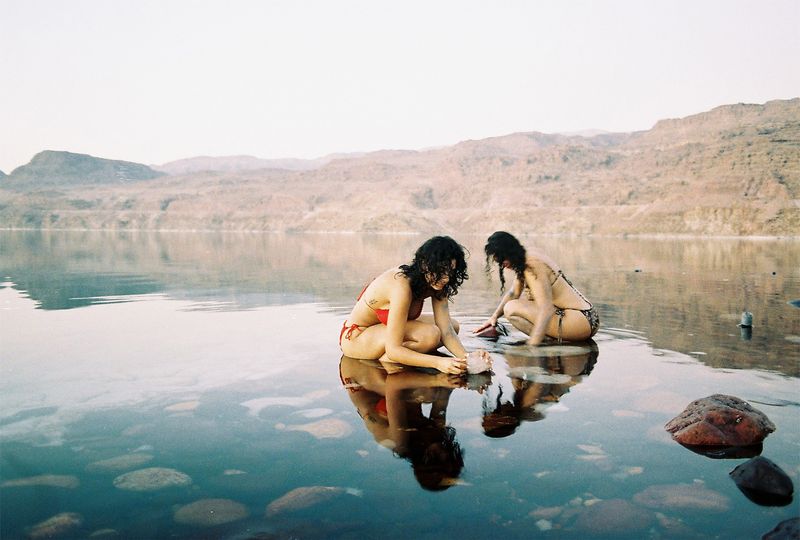
Two friends gather in the hidden parts of the Sea around the Mujib area. This area is hidden behind the Mujib mountain range and because of that women in particular feel comfortable gathering there away from the public glare to escape social and political tensions in the region.

© Maryam MAK - Image from the Dying to Breathe photography project
i

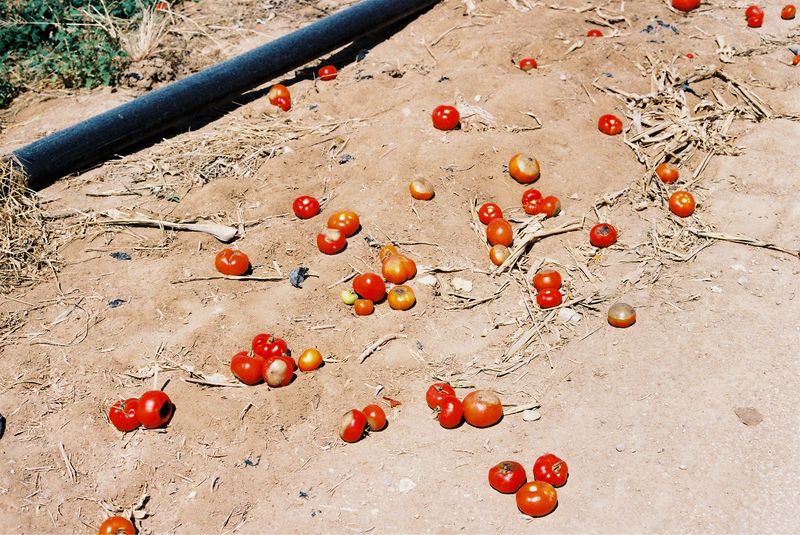
Tomatoes are the most commonly grown produce in the Jordan Valley which lies along the southern edges of the Sea. Farming practices in this area, which is traditionally the most fertile in Jordan, are suffering due to the extreme change in the microclimate as a result of the evaporation of the sea.

© Maryam MAK - Image from the Dying to Breathe photography project
i

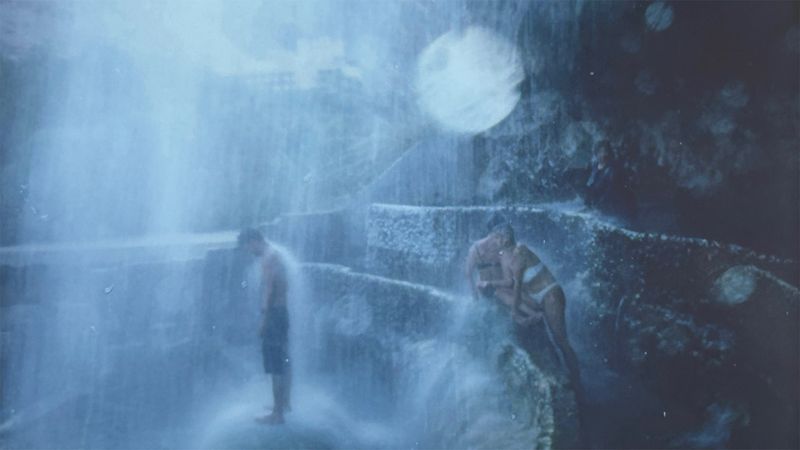
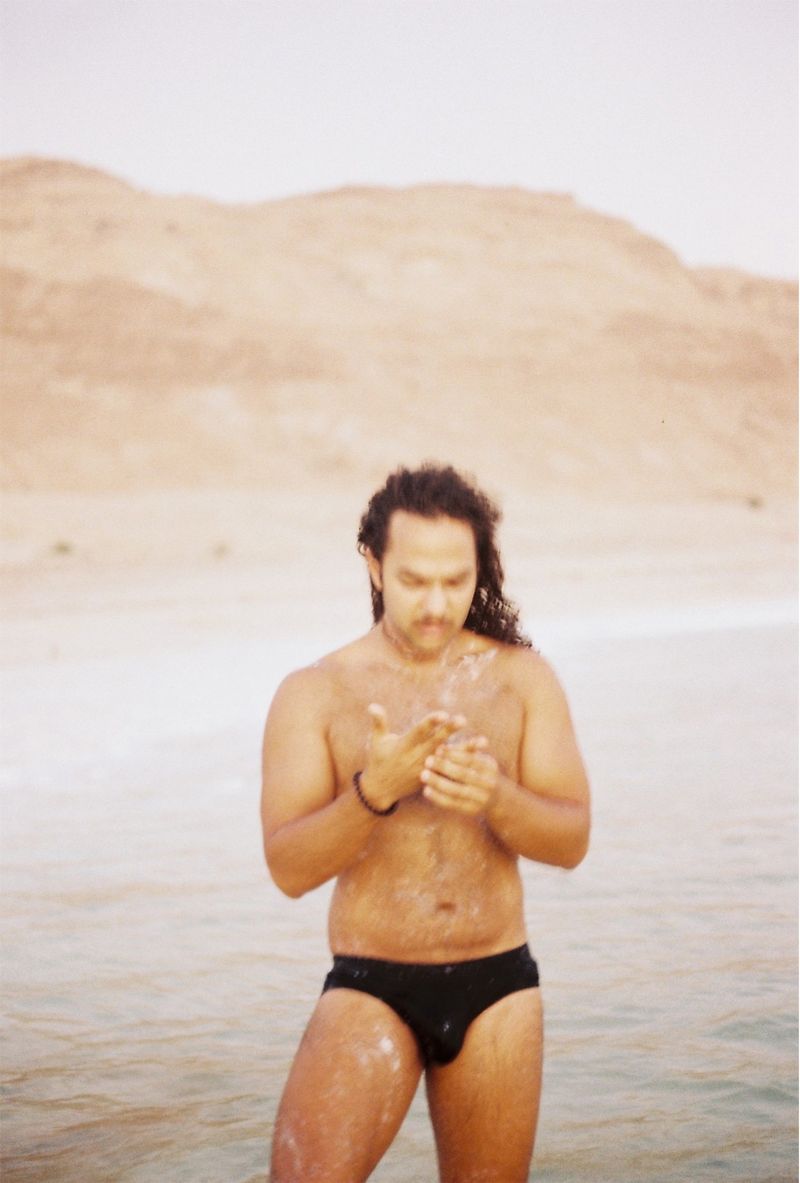
The Sea is where people come to heal, where our bodies can relax and our nervous systems can regulate. Here we are given the space to momentarily disconnect from the stresses of existing in a war-zone. The sea is sulfur rich and thick to the touch, it is renowned for its mineral-rich waters to which visitors from around the world come to treat themselves especially for skin related issues.

© Maryam MAK - Image from the Dying to Breathe photography project
i

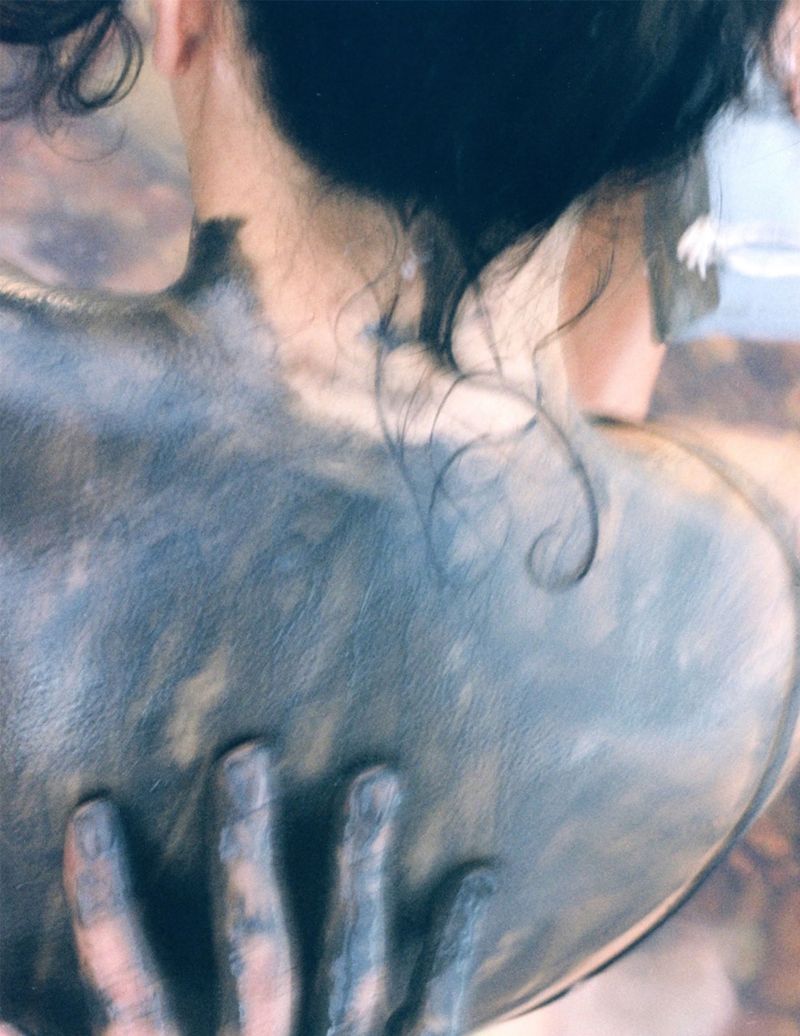
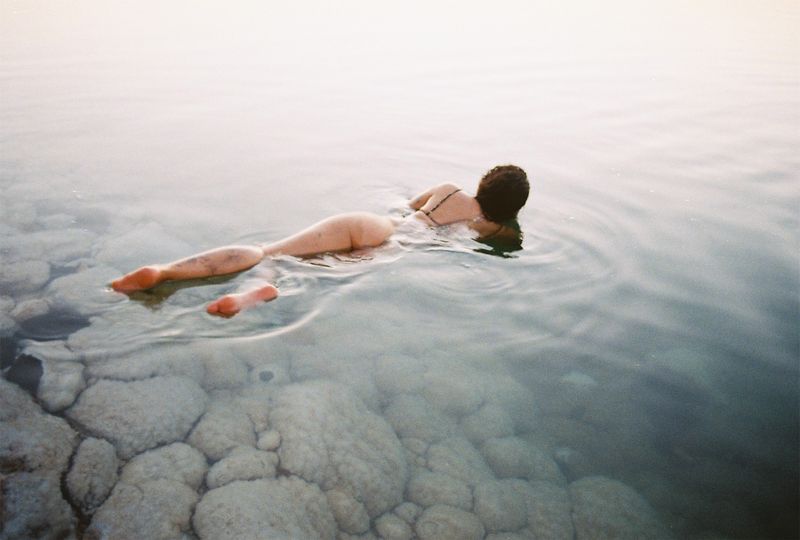
The Sea is where people come to heal, but also where we can escape to find intimacy. This is where our bodies can relax and our nervous systems can regulate. The warer is sulphur rich and thick to the touch. We spend hours here, performing mud soaking rituals to rid the body of toxins.

© Maryam MAK - Image from the Dying to Breathe photography project
i

Mythologically the Dead Sea is the site where the biblical story of Sodom and Gomorrah took place. Today areas around it have become cruising sites where teenagers meet up secretly to experiment sexually, they have to be discreet about it in a country where outwards expression of sexuality are completely taboo, but the sea offers them a space to be free in their intimacy.

© Maryam MAK - Image from the Dying to Breathe photography project
i

New extraction pools are built along the southern shores, in the distance, the HQ of Arab Potassium Company which is the biggest extractor of minerals from the sea and since November 2025 has illegally signed a deal to build more extraction pools around the southern shores of the sea. Although their practice is illegal in theory, the state refuses to intervene to protect Jordan's natural resources

© Maryam MAK - Image from the Dying to Breathe photography project
i

Omar 29, from Naour, visits the sea every week for a healing soak. It is a unique terrain, where the smell of sulphur and the oily texture of the water engulf you. The water is bitter to the taste and painful on the eyes but to bathe in it is a holy experience that cleanses one of all heavy energy.

© Maryam MAK - Image from the Dying to Breathe photography project
i

The Arab Potassium Company recently signed an illegal deal to build more extraction pools along the southern shore, Sea water is pumped into these pools causing a sharp decrease in the volume of water and severe droughts. As the Sea dries up the topography is completly transforming, begging the question, what will happen to this border space once the sea dissapears?

© Maryam MAK - Image from the Dying to Breathe photography project
i

The sea is sulfur rich and thick to the touch, it is renowned for its mineral-rich waters to which visitors from around the world come to treat themselves especially for skin related issues. Mud soaking rituals are performed to rid the body of toxins.

© Maryam MAK - Image from the Dying to Breathe photography project
i

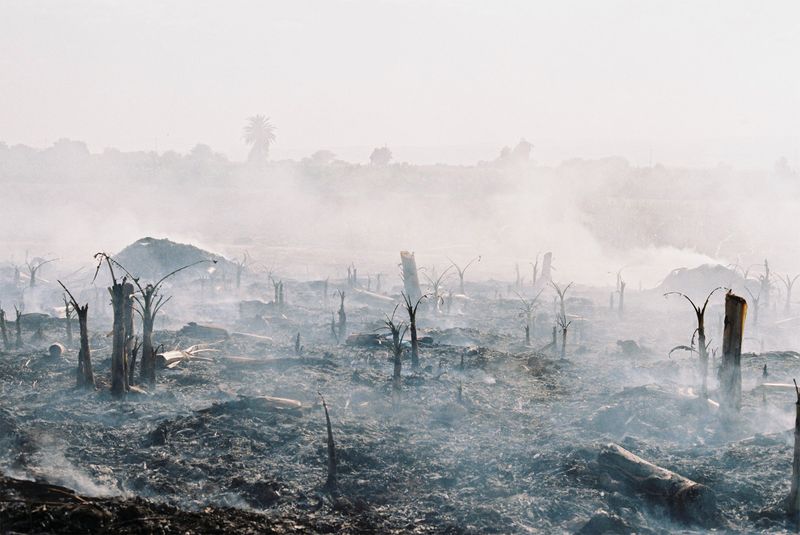
Large tracts of farm land burn during the summer months due to the scorching heat which is the result of changes in the microclimate in the areas around the Dead Sea. As more water evaporates, what was once a fertile farming zone is turning into a dry desert landscape.

© Maryam MAK - Image from the Dying to Breathe photography project
i

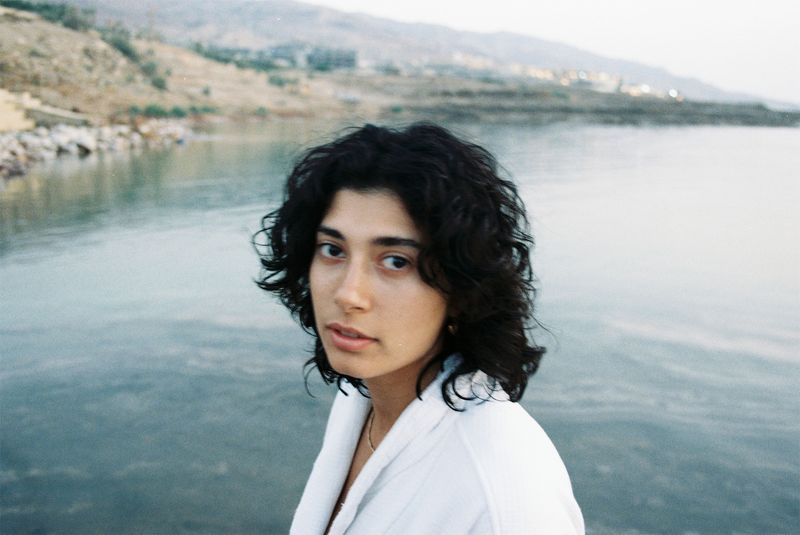
Majd is one of many visitors who come to the sea seeking respite, it is the one of the very few available public spaces, where people from all over the country can converge to relax.

© Maryam MAK - Image from the Dying to Breathe photography project
i

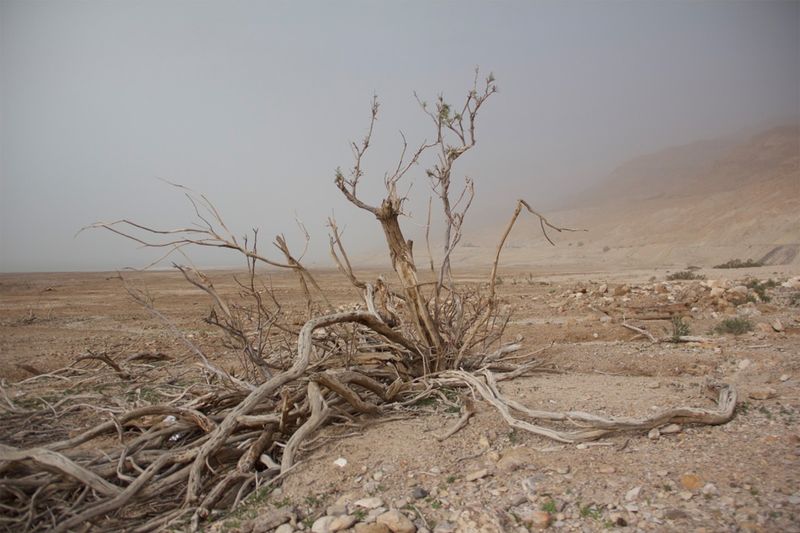
The southern edge of Dead Sea is fast receding as more water is pumped out. Today these areas have completely dried up and within the span of one year, have now become inaccessible military zones.

© Maryam MAK - Image from the Dying to Breathe photography project
i

Salma from Hebron, comes to the Jordanian shore, because access to the Dead Sea from the West Bank is completely denied to her despite the fact that the Sea is technically situated within the boundaries of the West Bank. Like many areas in Palestine, which have been illegally occupied, and are now under the administrative control of the Zionist state, entry to Palestinian citizens forbidden.

© Maryam MAK - Image from the Dying to Breathe photography project
i

The intense extraction of minerals for commercial purposes feels like an assault on the Sea’s landscape, destroying everything to maximise output. Walking along its deserted shores, It feels as though the earth is crying in pain; broken, then abandoned to its own ruin.

© Maryam MAK - Image from the Dying to Breathe photography project
i

The Sea is where people come to heal, but also where we can escape to find intimacy, but even in this space of refuge, limits, all forms of them, continue to be imposed on us, and we in turn, continue to adapt, to find room where none is given to us.

© Maryam MAK - Image from the Dying to Breathe photography project
i

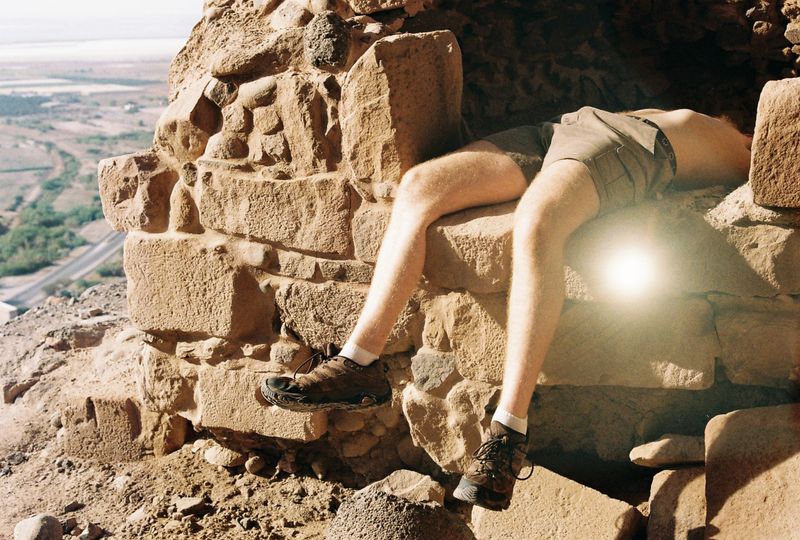
Lots cave is where the prophet Lot came to hide when the Dead Sea was created as an act of punishment according to biblical lore. Once the Sea disappears, the area, one of the very few public spaces in the country will likely become unreachable to the public as it is slowly evolving into a fully militarised border Zone.

© Maryam MAK - Image from the Dying to Breathe photography project
i

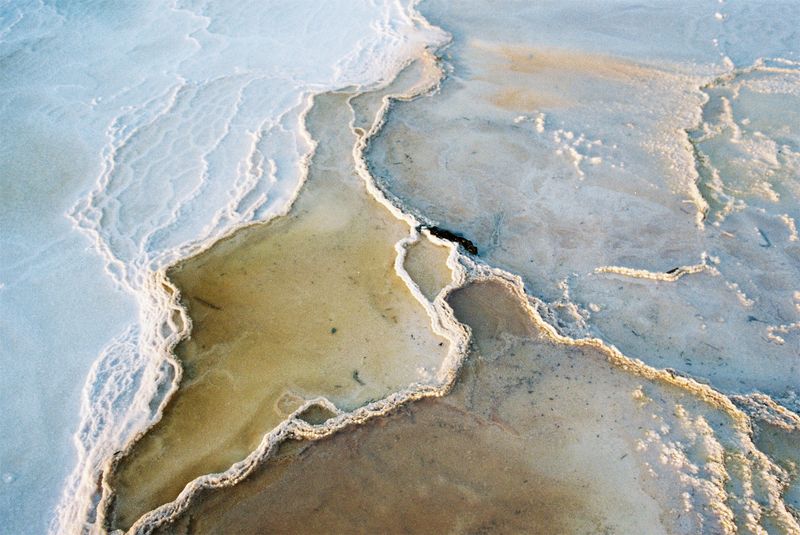
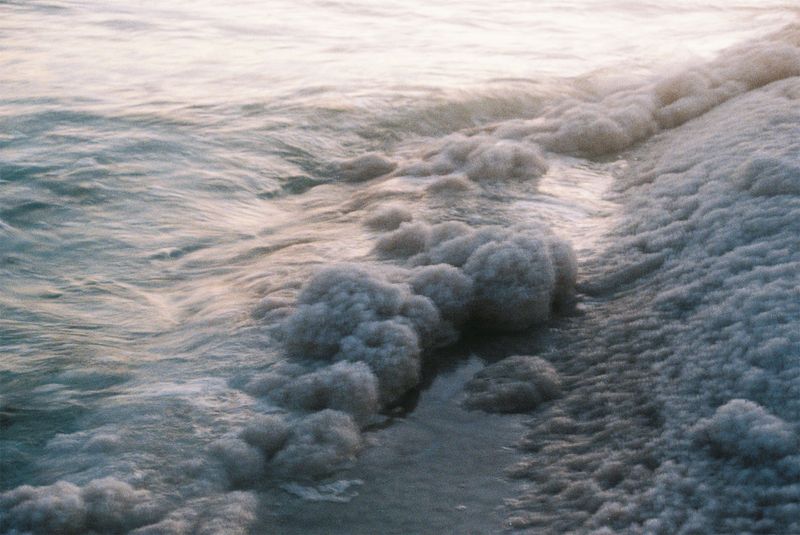
As the water recedes more rapidly each year, salt formations are taking form along its shores where the water once flowed in abundance. As a child I do not recall ever seeing these, because 20 years ago they were still deep in the lakes core, now, as the sea retreats, it deep, harsh underbelly is fast revealing itself.

© Maryam MAK - Image from the Dying to Breathe photography project
i

Jordanian military personnel check our every move on the high way that runs alongside the sea; a suffocating sense of paranoia permeates the space. Across the border on the other side, occupation forces surveil our every move, letting it be known that even as we float, we are denied the space to exist freely in our own bodies. our breathing space has been tightened.
Dying to Breathe by Maryam MAK

Prev Next Close