Atlas for L
-
Dates2024 - Ongoing
-
Author
- Location Paris, France
-
Recognition
Facing blindness, L began cataloguing everything she could see - clothes, family albums, 16,000 phone images. Now, with her sight almost gone, I take up the task: building an atlas she can carry into the dark.
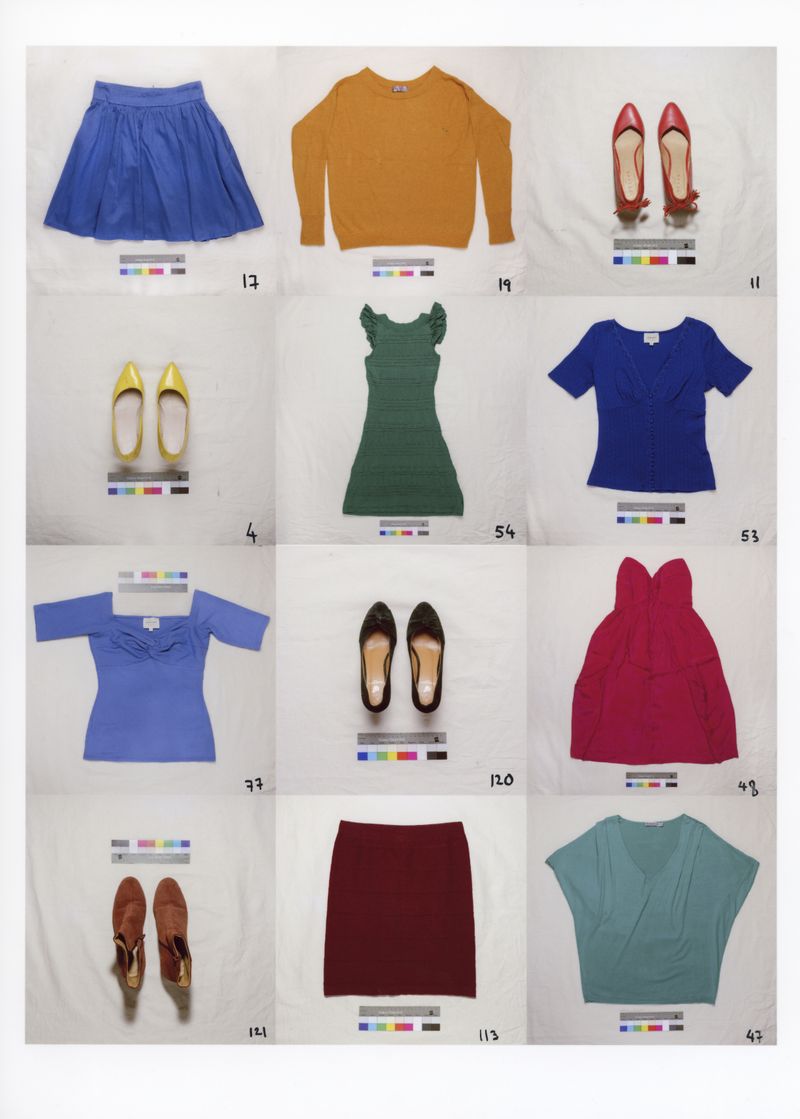
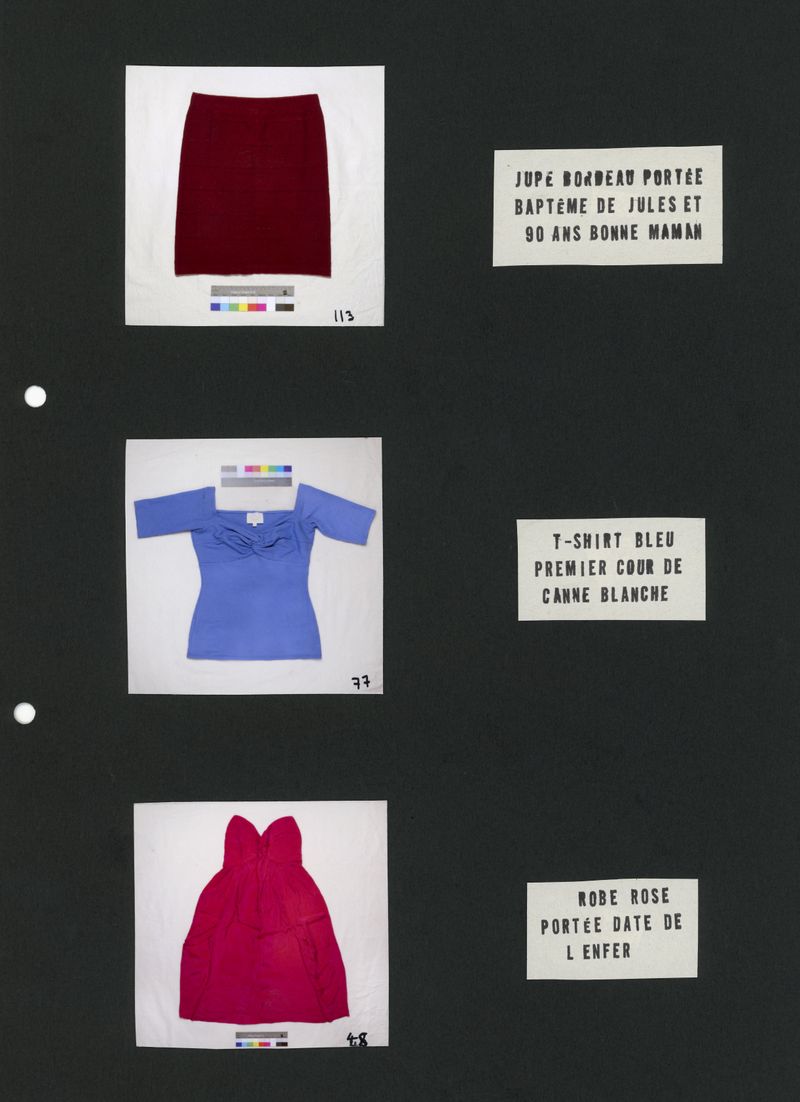
L has catalogued every item of clothing she owns. Each piece carries a precise Pantone code, a factual description and a personal mnemonic note - functional, vernacular texts that, read together, form an intimate poetic archive of a life. A coat becomes a colour swatch, a memory, a small act of resistance against forgetting. These self-generated documents - purposeful, tender, strange - are the foundation on which this project is built.
Three years ago, L learned that a rare retinal disease was consuming her eyesight and that she would soon be clinically blind. It was not her first ordeal. In 2011, a rare cardiac infection led to two heart transplants and a liver transplant within thirteen months. After a long and difficult rehabilitation during which she had to relearn to walk and to speak, she found her way back to something resembling ordinary life - until the diagnosis came. L's friends raised money so she could travel the world while it was still possible: the port of Senegal, the pyramids of Giza, the ceiling of the Sistine Chapel. Caught just in time, these images now live in her memory and on her phone.
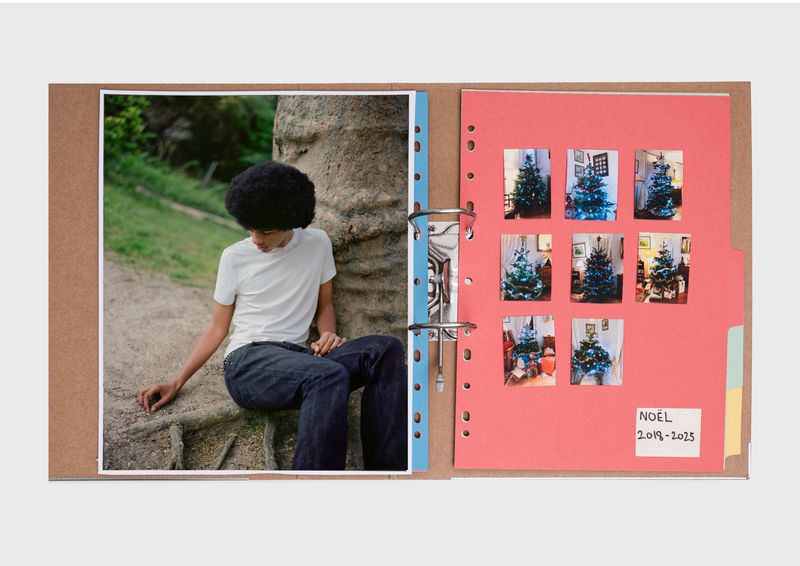
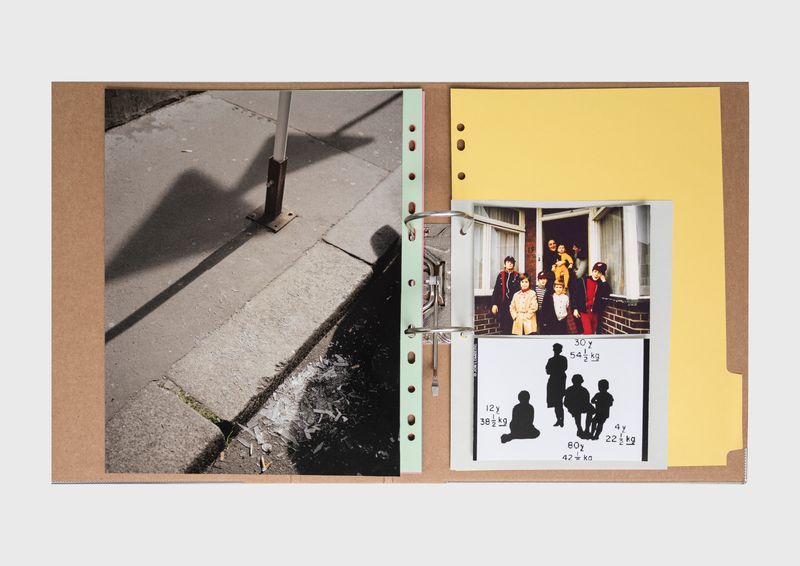
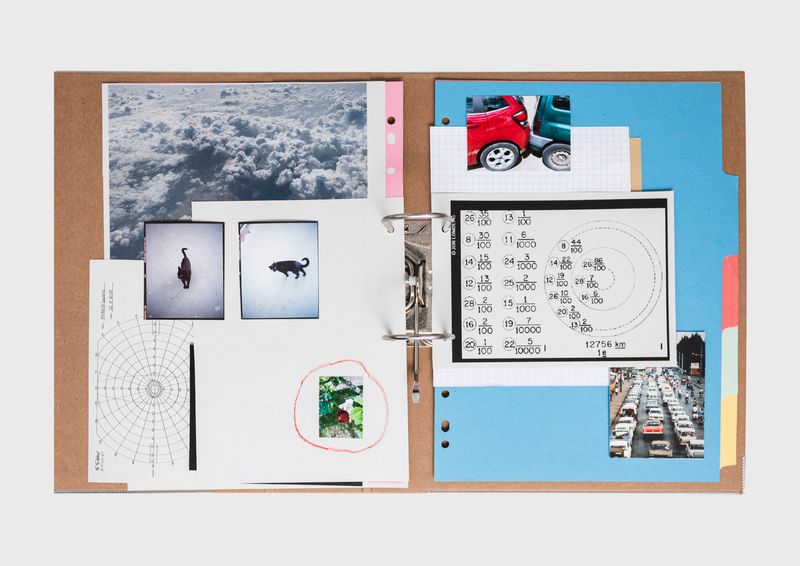
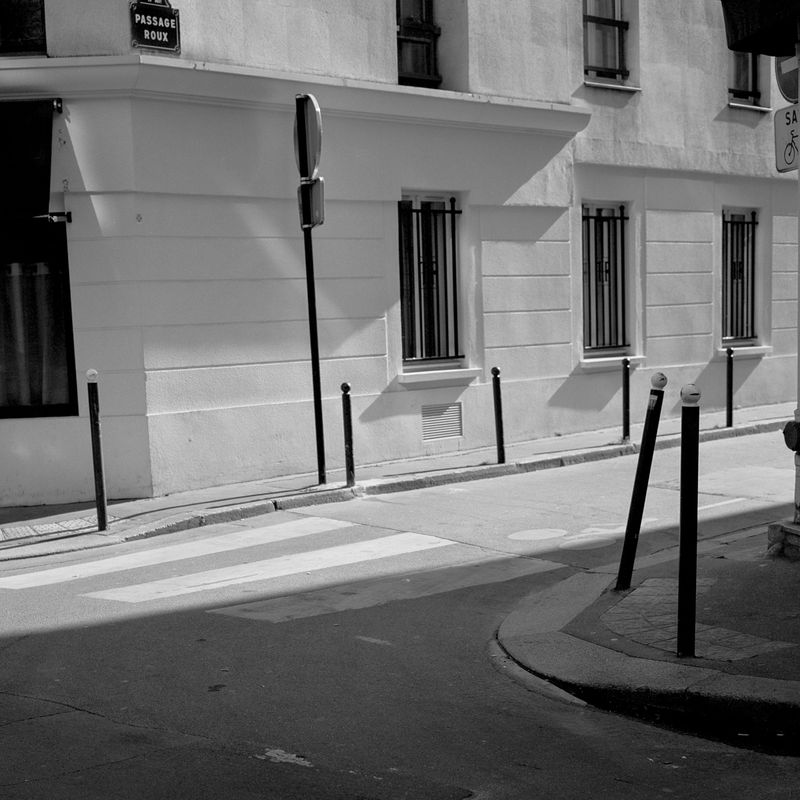
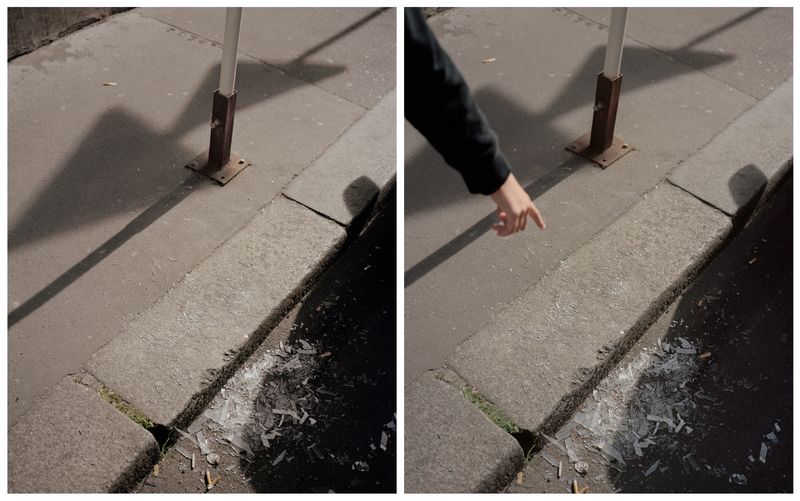
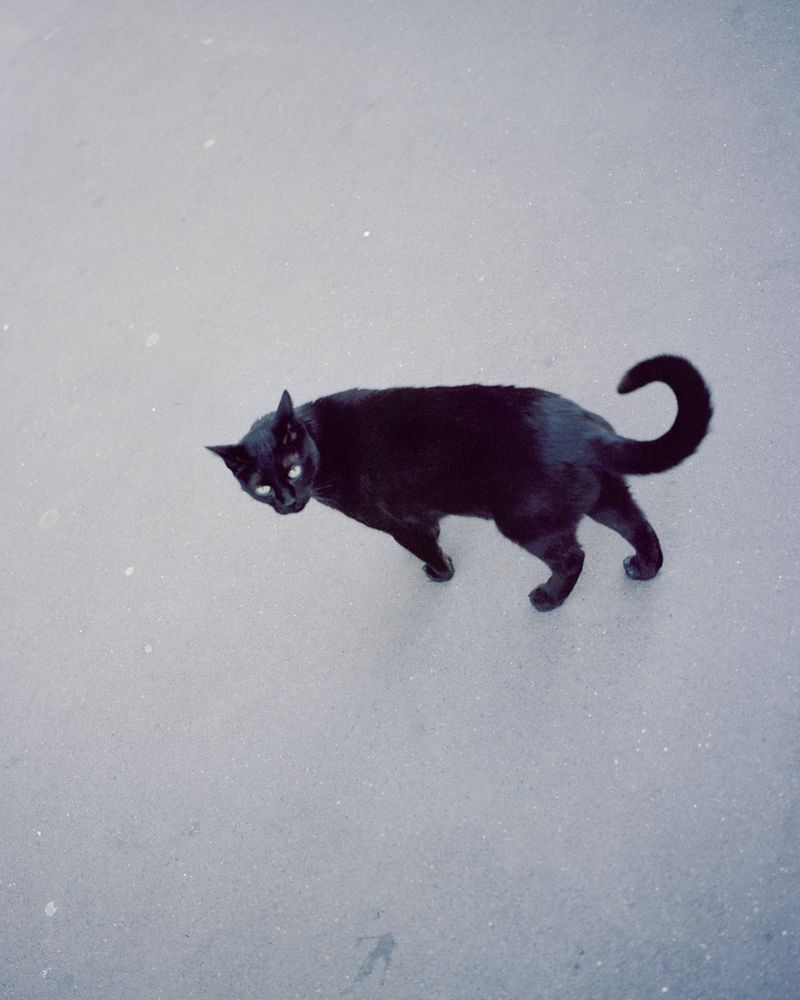
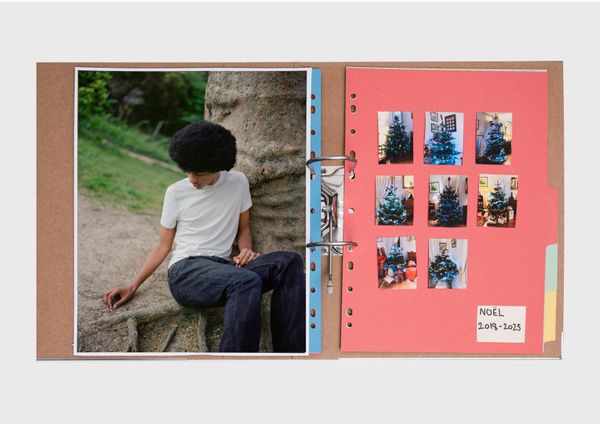
As her blindness approached, I took on the task of building an archive of her visual world. We began by photographing selected items of clothing - those whose mnemonic notes carry the strongest narrative charge. L also entrusted me with everything stored on her phone: 16,000 images and counting, which I have been organising into loose, evocative typologies. In 2025, she invited me to her neighbourhood in Paris where, following her instructions, I photographed the faces, places and details she will no longer be able to see. My images are quiet and contemplative - an exercise in sustained attention, as I give myself permission to look as if for the last time. A young man picks up a tiny pebble at the local park. A black cat leads me to her owner. Shards of glass catch the late-afternoon sun from a gutter on L's doorstep.
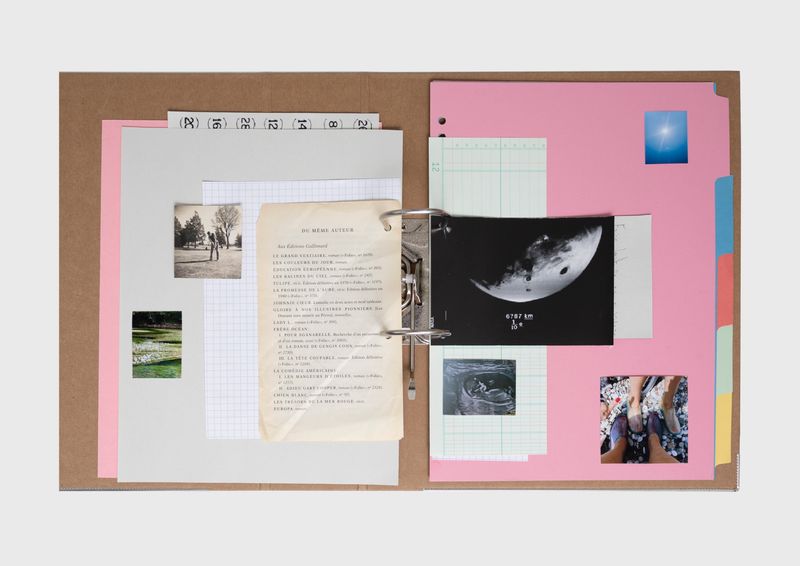
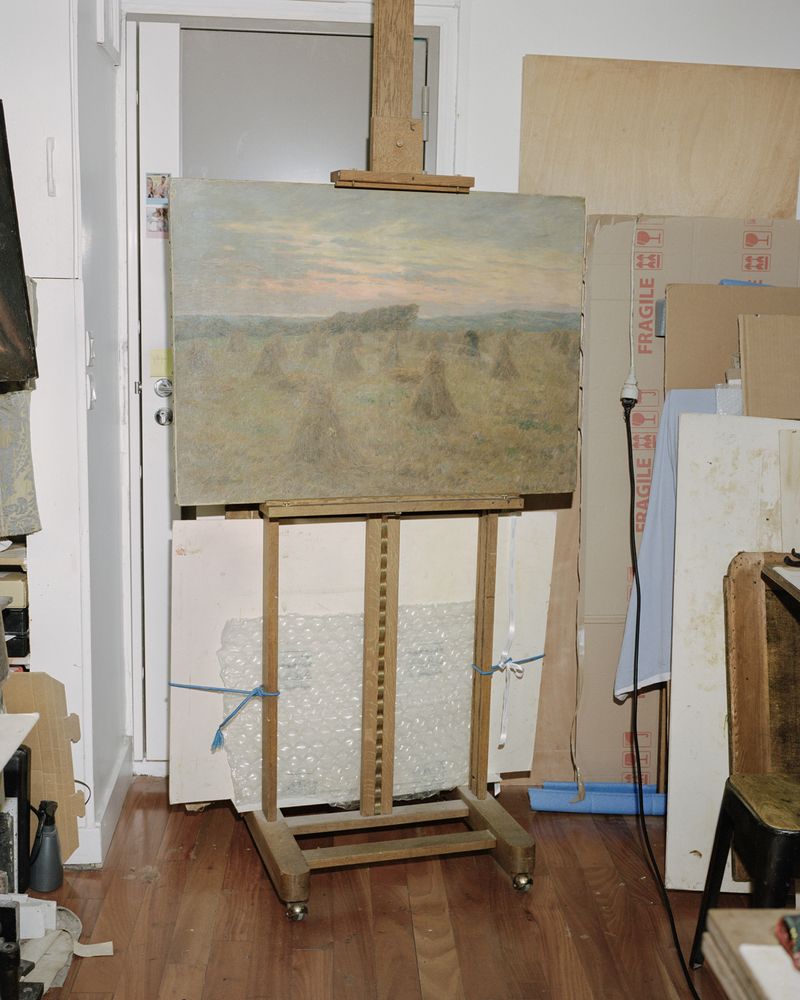
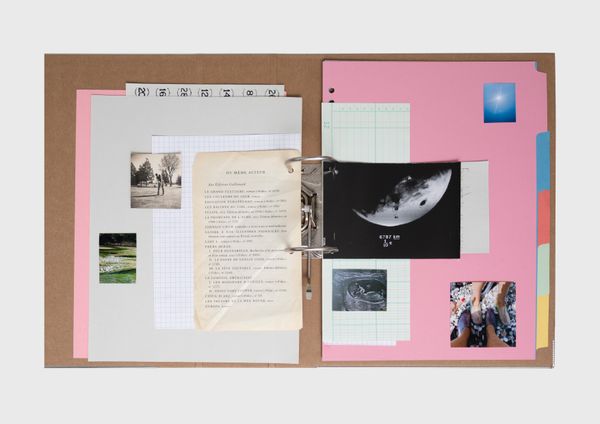
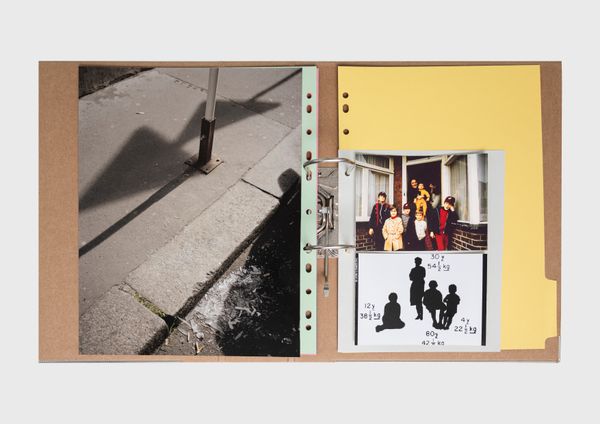
As these disparate materials accumulate - screenshots and family photos, memes and medical records, a rainbow glimpsed from a hospital window - an atlas has begun to take shape. The atlas resists a single fixed form, and this resistance is part of its argument: a living archive that refuses easy organisation, where the act of spotting connections between things is itself the primary interpretive gesture. Every year, for instance, a photograph appears on L's phone of the Christmas tree at her grandmother's house. Bringing these together in a grid is a minimal intervention, yet it opens onto something bigger - memory, ritual, the imperceptible passage of time. This work asks what images are actually for: not only as political or aesthetic objects, but as useful, generative and sometimes essential things.
L's desire to distill and preserve her world before the encroaching darkness has parallels with the Golden Record - the disc of sounds and images launched aboard the Voyager spacecraft in 1977 as an archive of human life for an audience that may never exist. As I began incorporating some of the Golden Record images into L's atlas, unexpected resonances emerged: a 1970s diagram showing a cross-section of the Earth's tectonic layers uncannily resembles a medical scan of her eye.
My own practice has long been concerned with the boundary between document and invention, with how images construct and distort the real. Working with L has brought that question into sharper, more urgent focus. Between 2020 and 2021, I was engaged by Magnum Photos to review their entire archive - nearly one million images. That experience trained in me a particular kind of attention: the ability to read across vast bodies of disparate material, to identify latent structure, to allow images to speak to one another across time. This is the methodology I bring to L's atlas.
Atlas for L remains unresolved and ongoing. The PhMuseum grant would allow us to continue our collaboration and push the work into new formal territory. Concretely, this means expanding the atlas, deepening the documentation of L's neighbourhood, and re-photographing her garments in a controlled studio setting with a stylist - giving the clothing archive the visual rigour it deserves while foregrounding the text which provides its emotional charge. It also means continuing to experiment with how the atlas materialises as an object: whether as a lever arch file, a loose-leaf archive, an accordion structure, or something altogether harder to classify. The form is still being discovered.
Somewhere in all of this, L will take her last photograph. I feel a responsibility toward that moment.
When she first saw the direction the work was taking, L said: "I'm glad that my suffering has led to beauty." It may seem paradoxical - even wasteful - to transcribe in such meticulous detail the visual world of someone who is going blind. But L's strength is infectious, and her project has clarified something fundamental: that images are not merely contingent or beautiful, but necessary. That the drive to see, to record and to preserve is as human as any other impulse we know.
Perhaps one day, as medicine advances, L will regain her sight. If she does, this atlas will be waiting for her.
Thank you for your consideration.