Ana M. El Tesoro
-
Dates2019 - Ongoing
-
Author
- Locations Aviles, Spain
-
Shortlisted
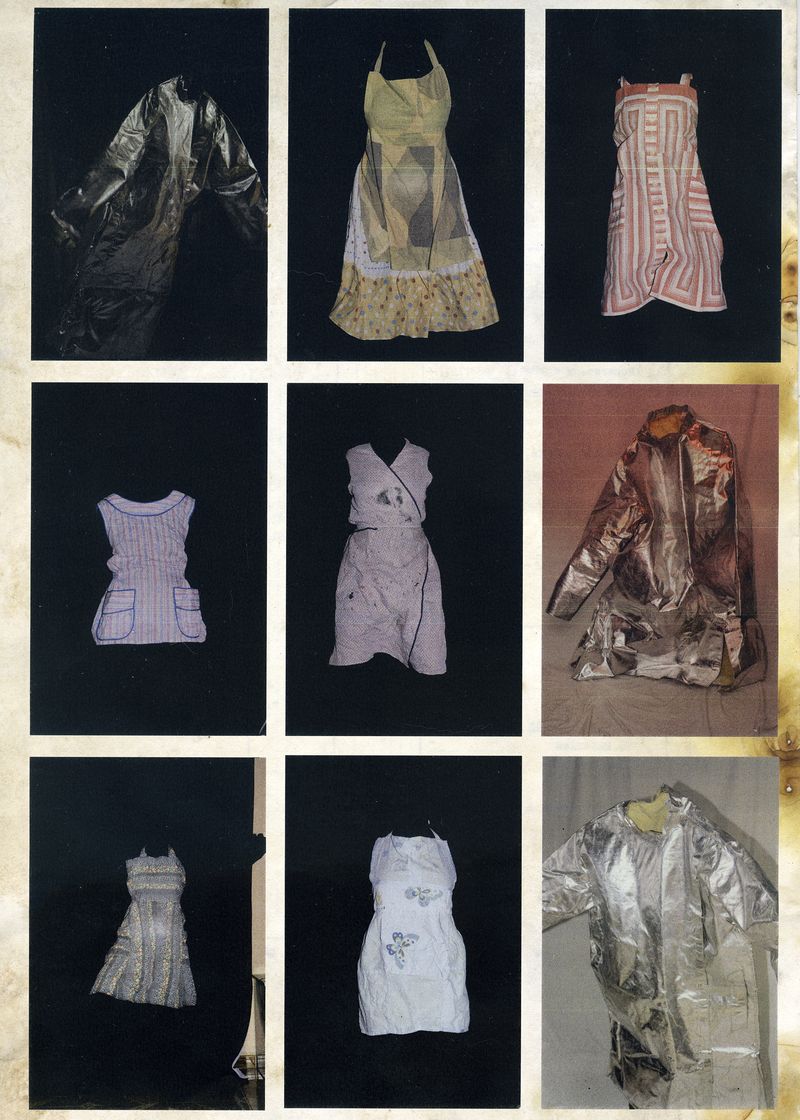
Rooted in the artist’s relationship with Ana M. and Llaranes, a workers’ settlement in northern Spain, the project connects a domestic archive with industrial records to examine tensions between personal memory and official historical narratives.
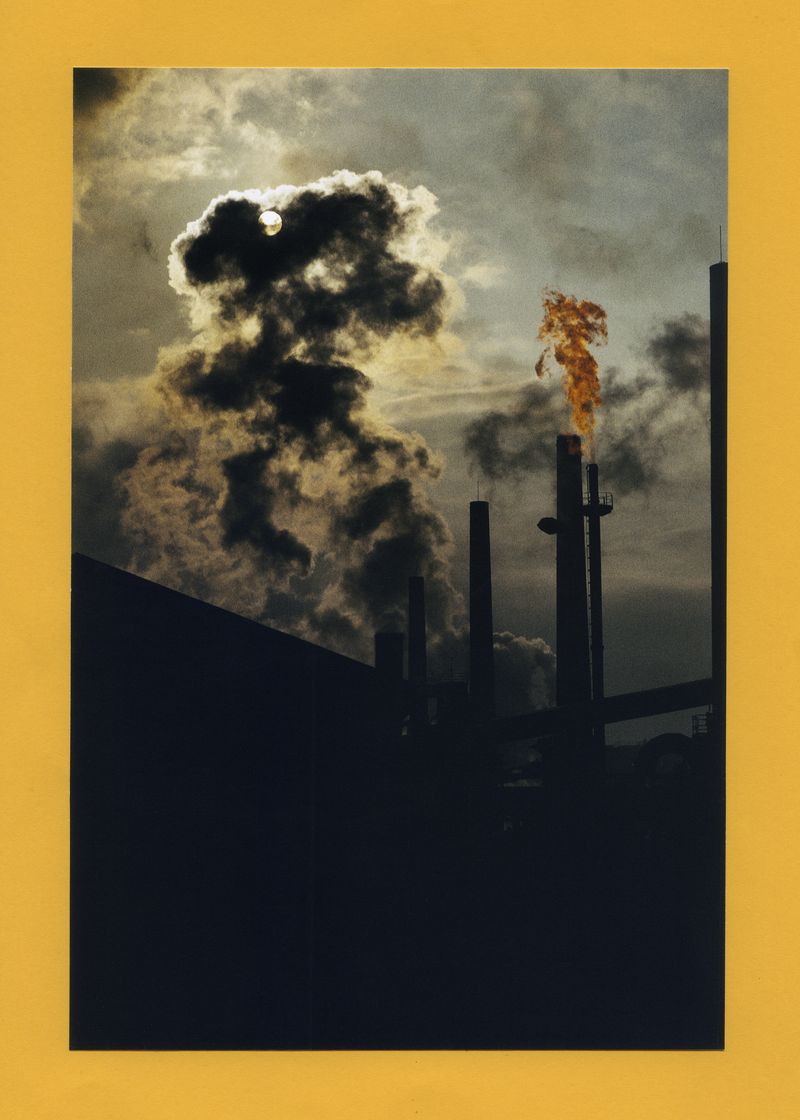
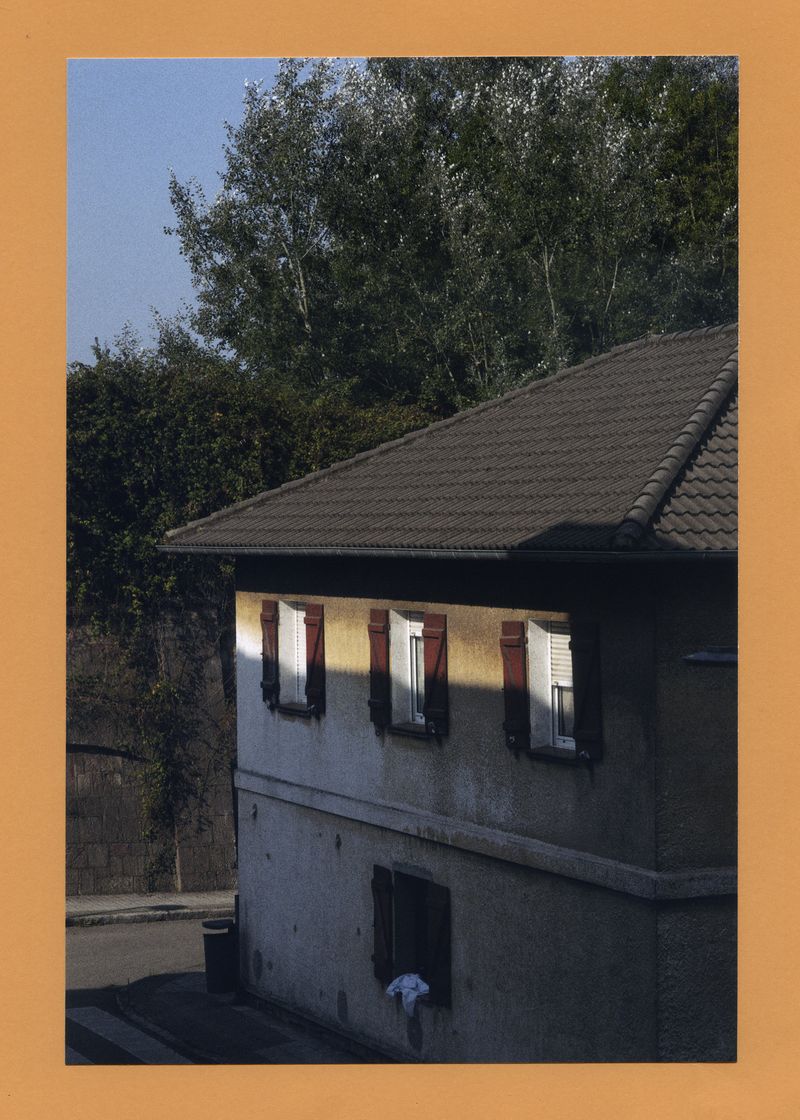
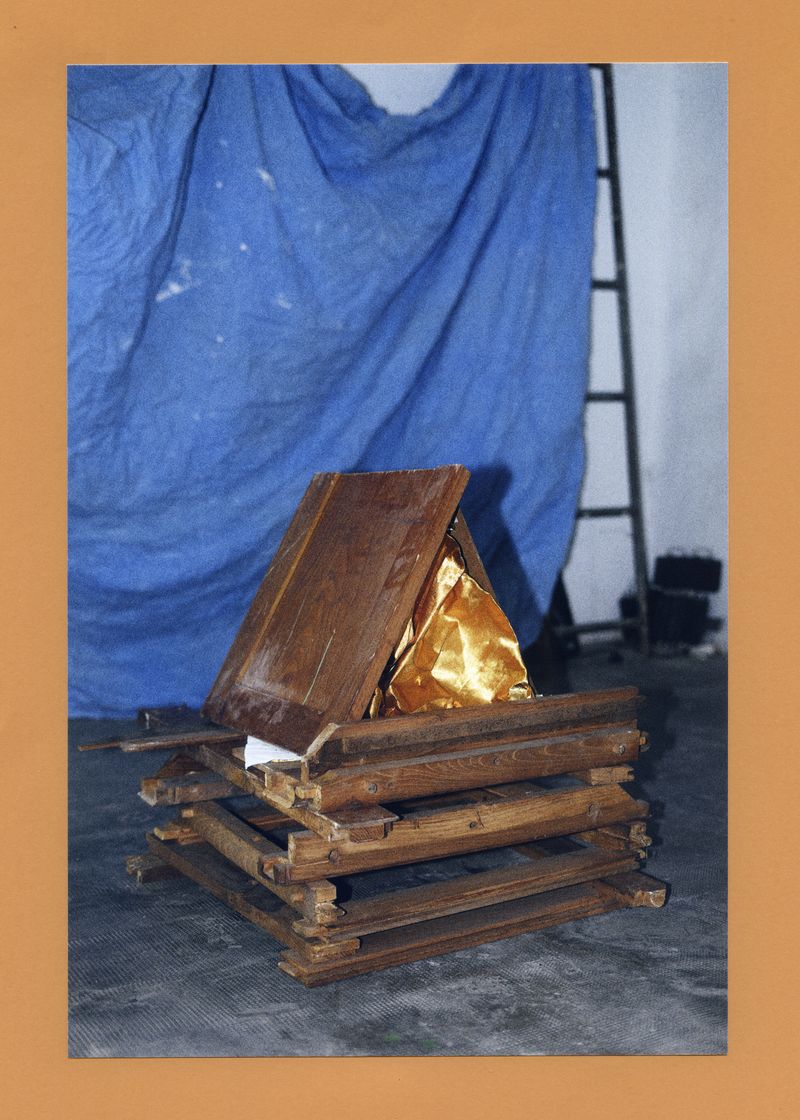
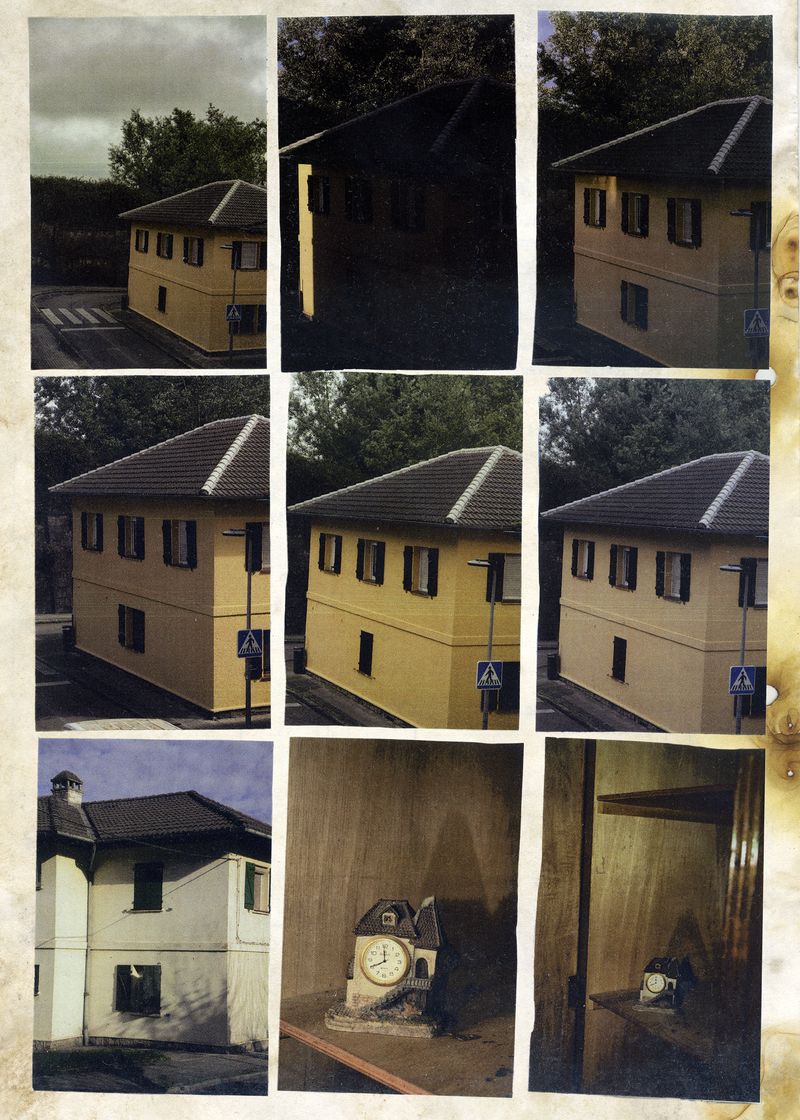
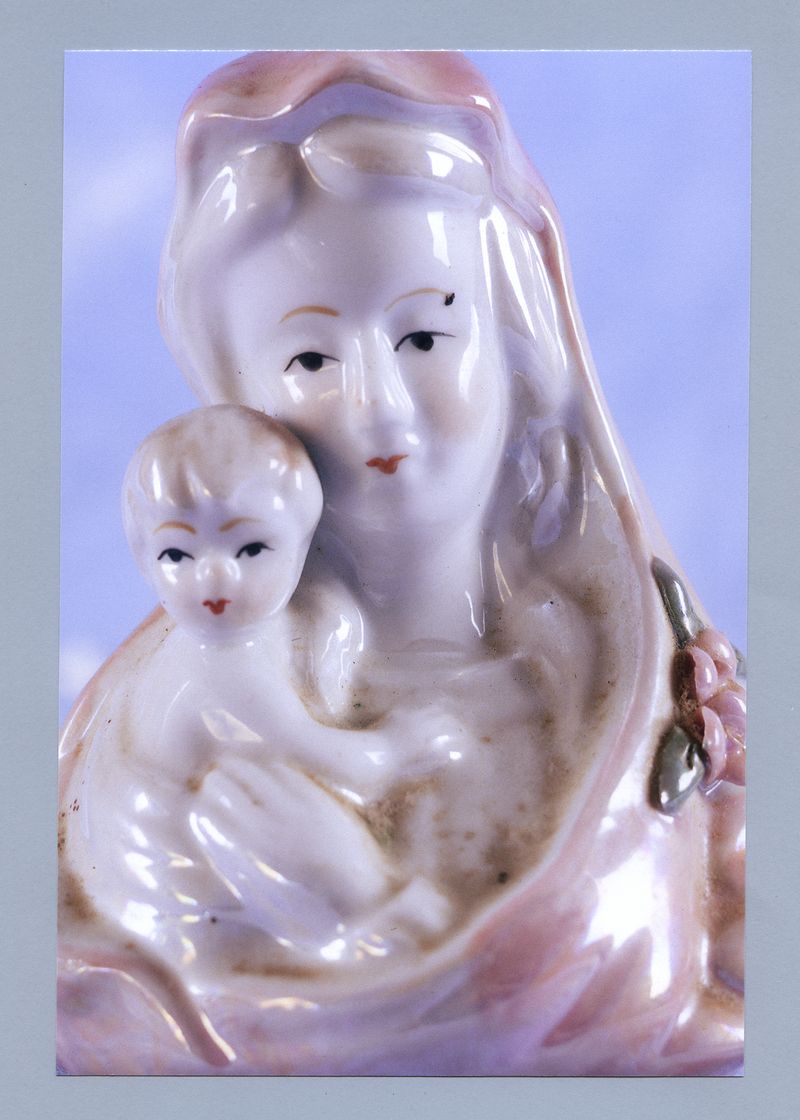
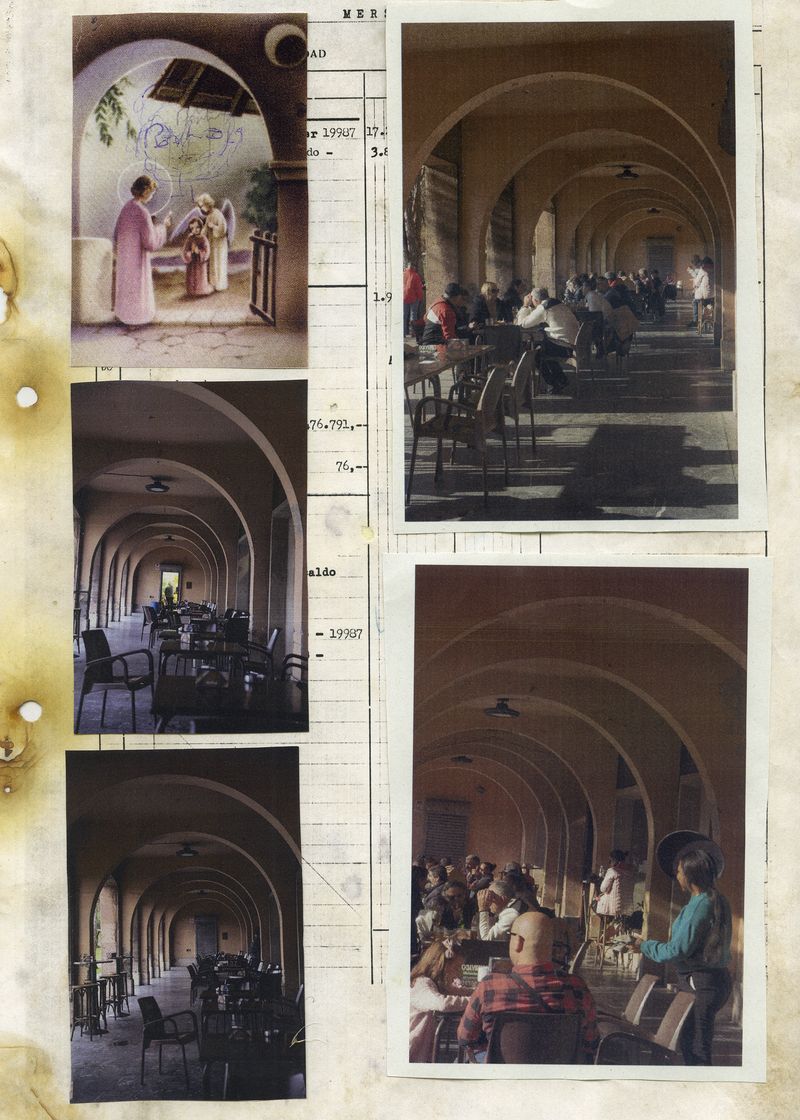
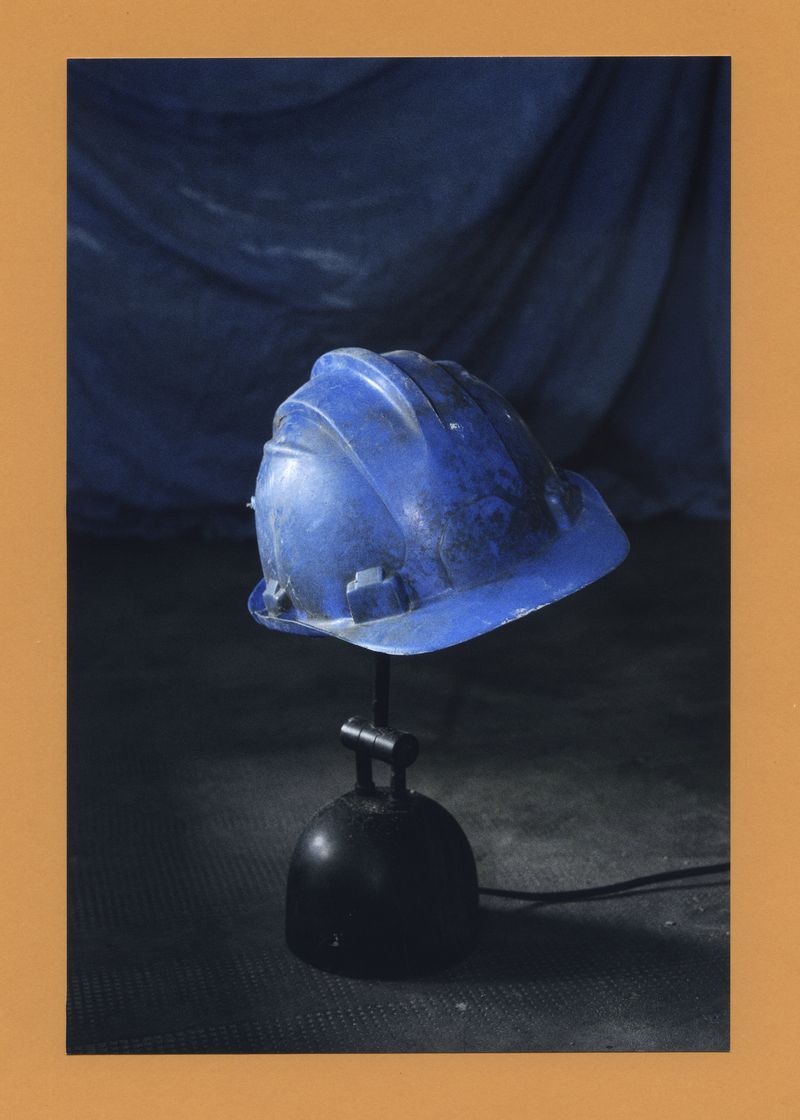
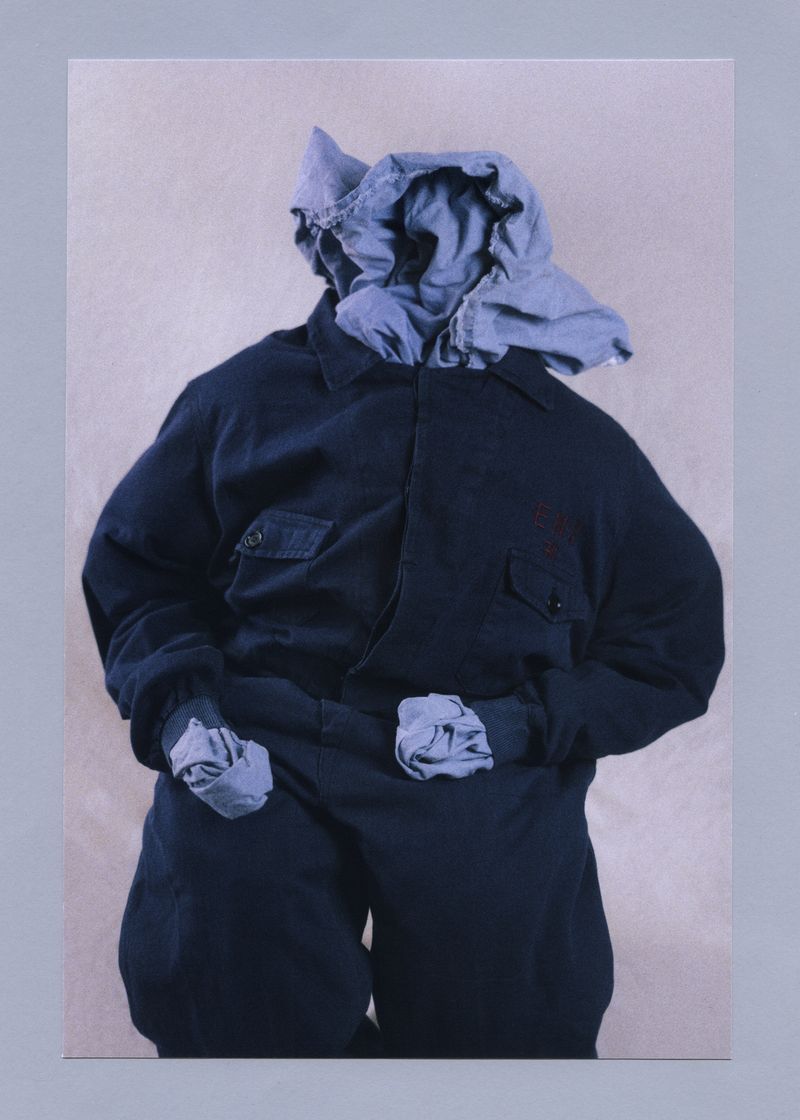
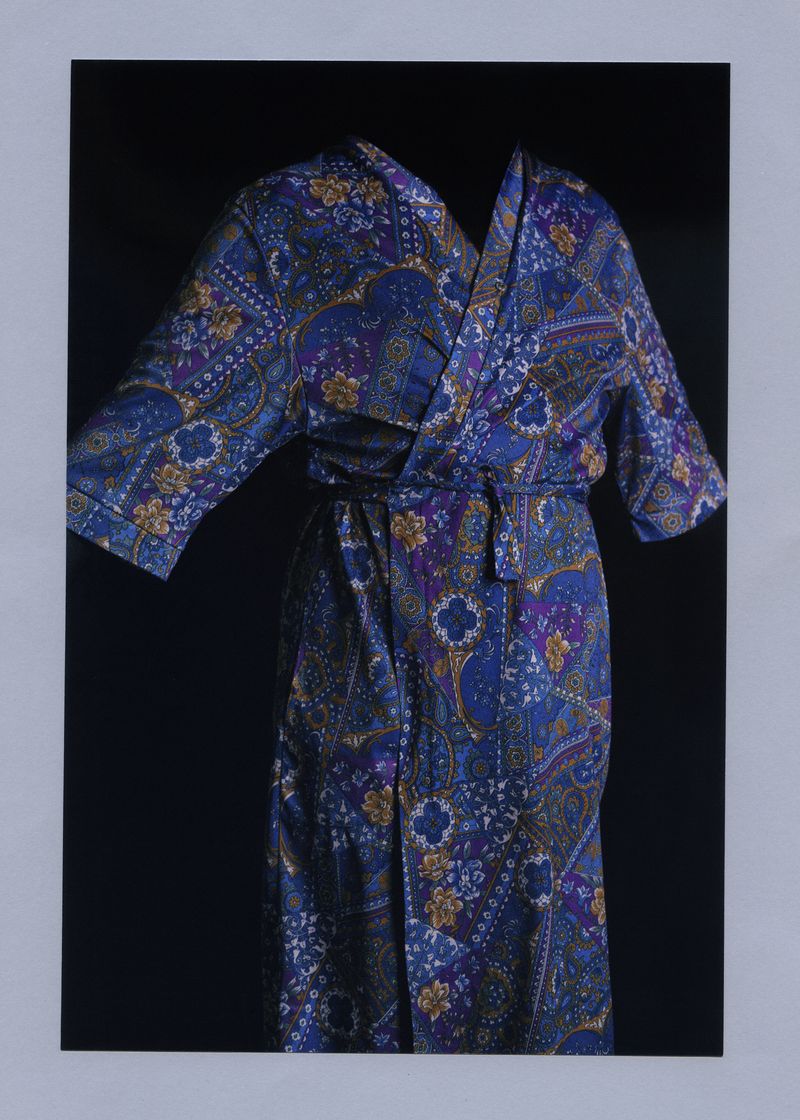
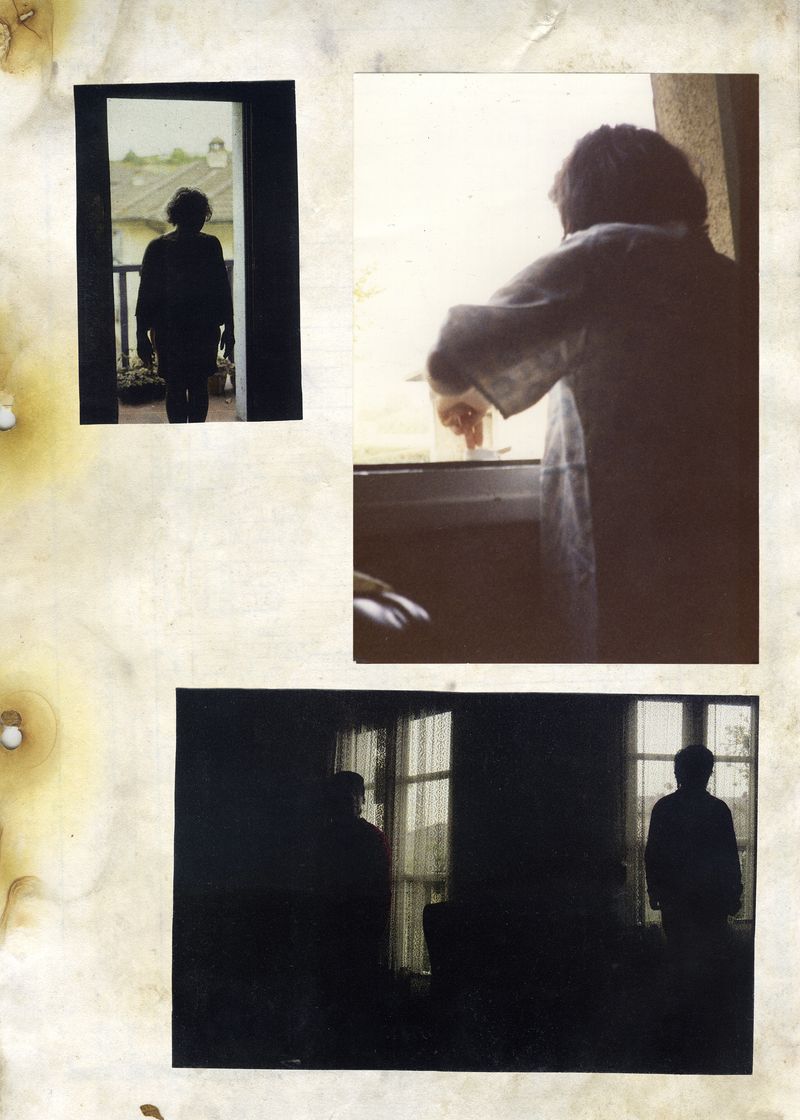
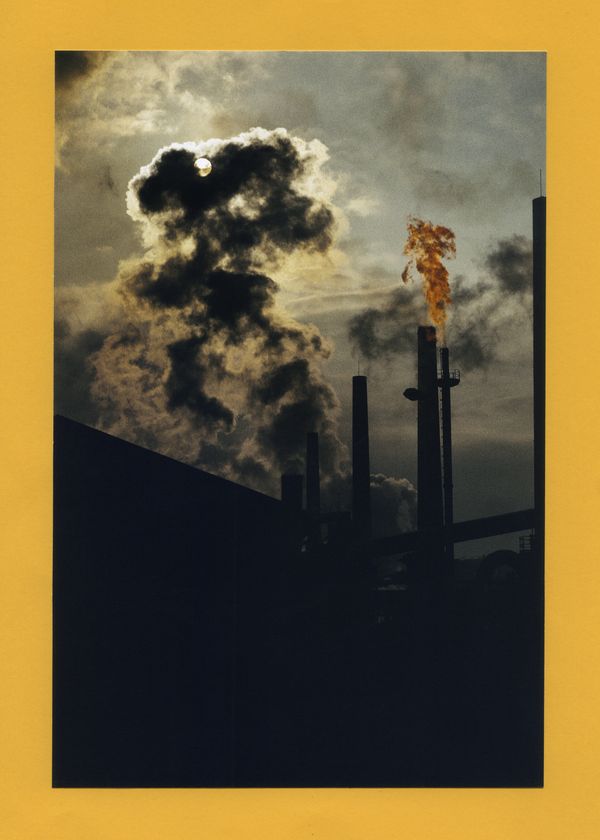
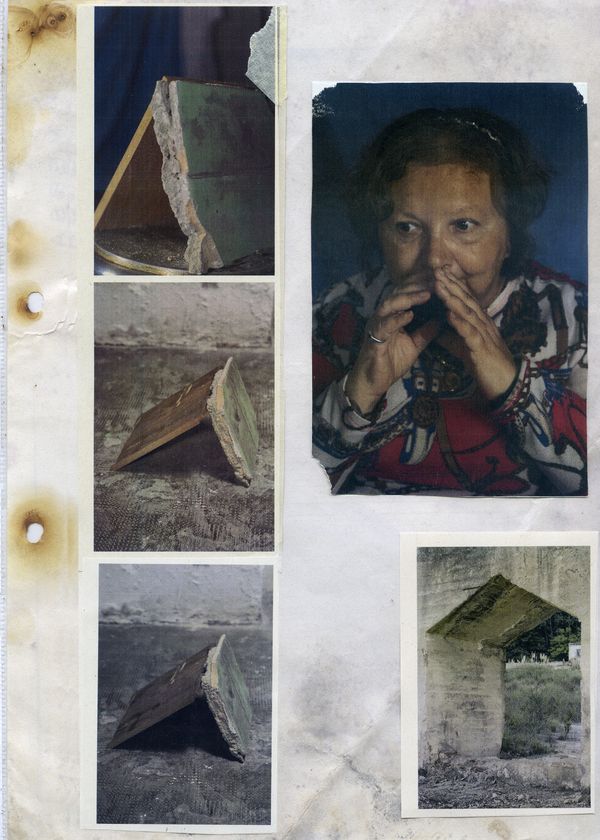
Ana M. El Tesoro is a visual research project centred on a domestic archive found in the attic of Ana M., a resident of Llaranes (Avilés), a workers’ settlement built in the 1950s as an extension of the state-owned steel company ENSIDESA. Conceived within the logic of Falangist modernism as a model of social and territorial planning, Llaranes embodied an ideal of industrial progress that extended beyond the factory into the organisation of everyday life. Rooted in the artist’s personal relationship with both Ana M. and the territory, the project examines the tension between official historical narratives and the persistence of the past in the present-day landscape.
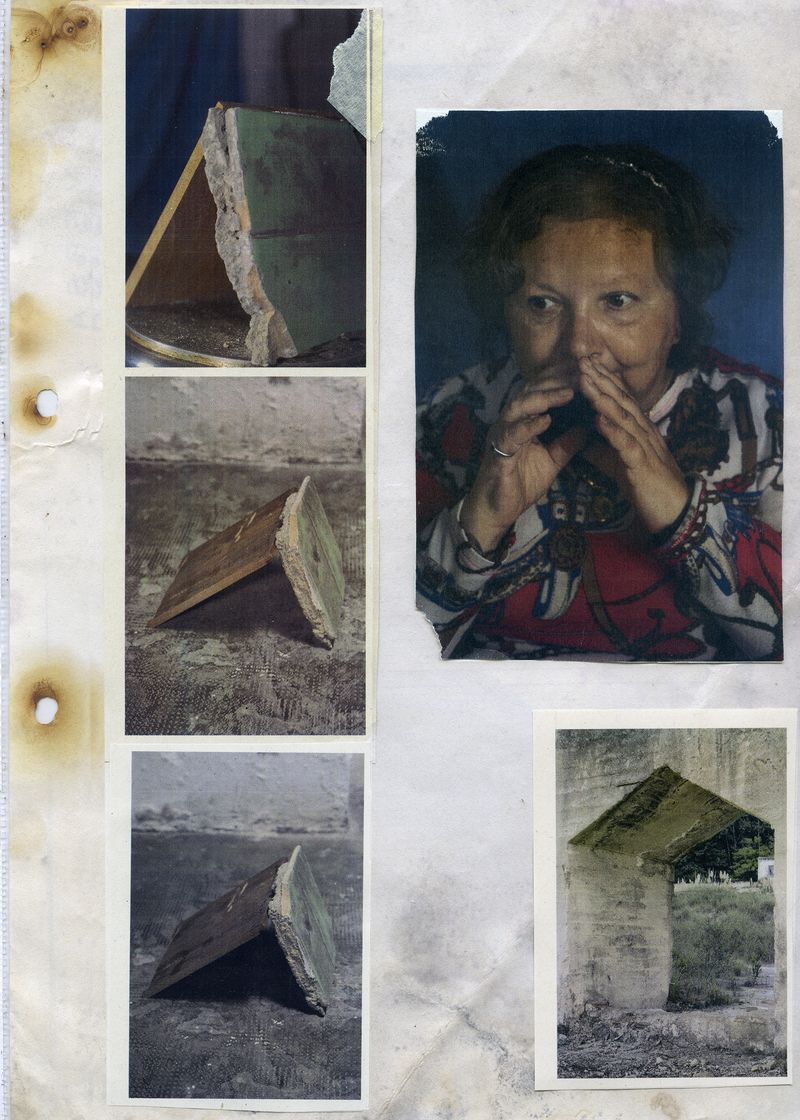
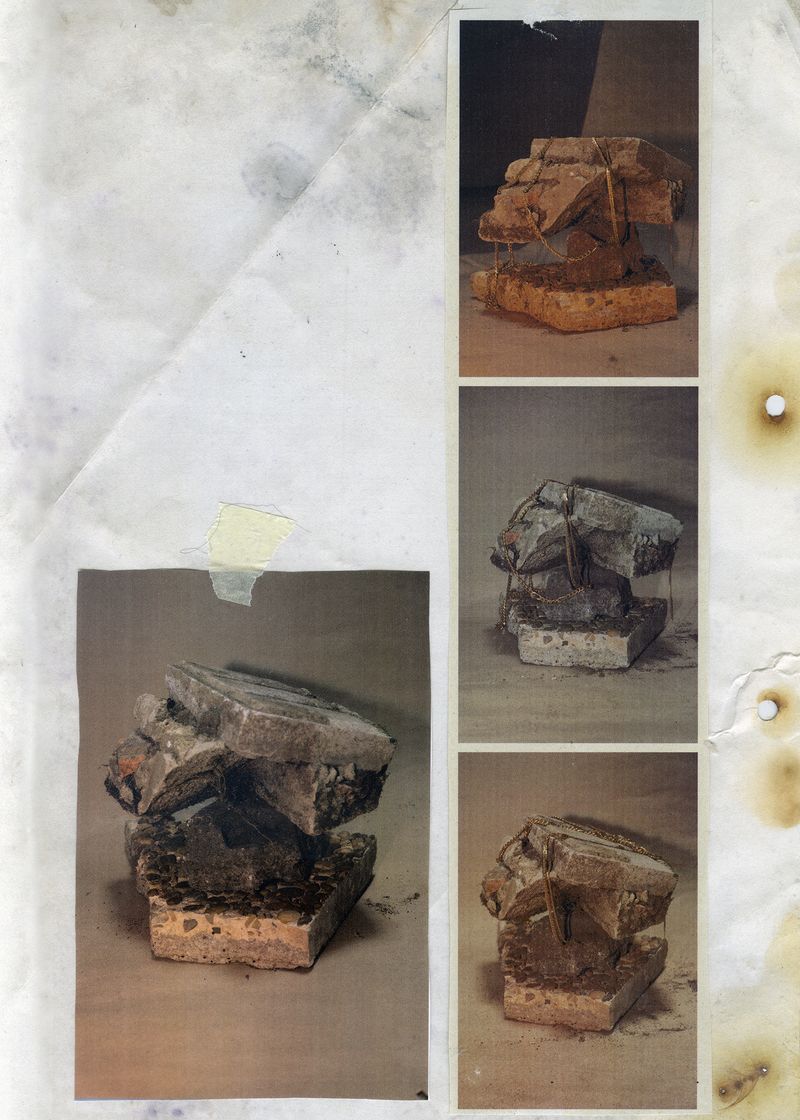
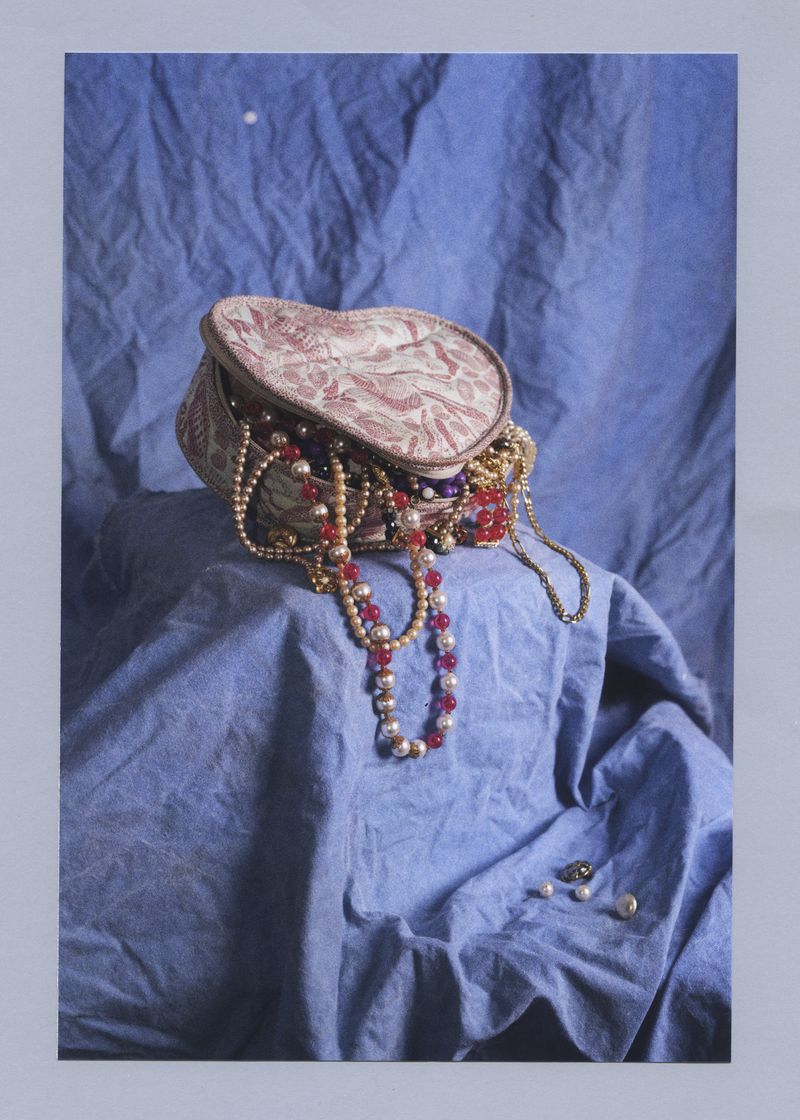
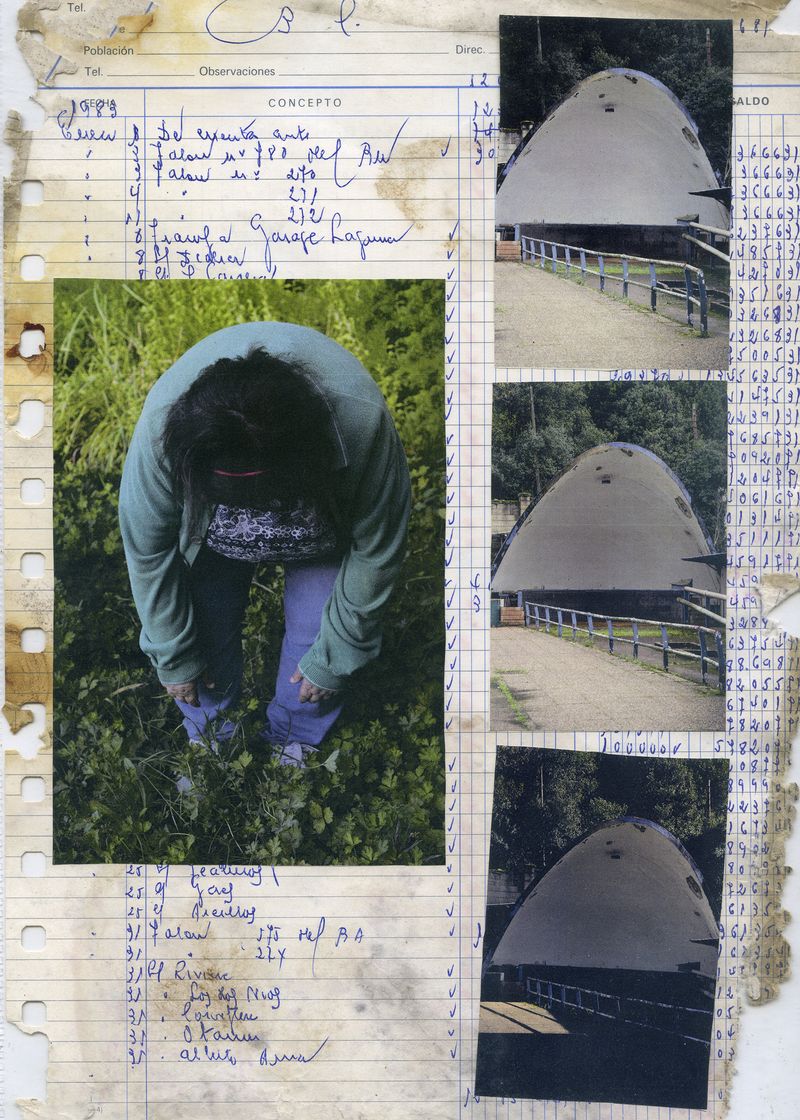
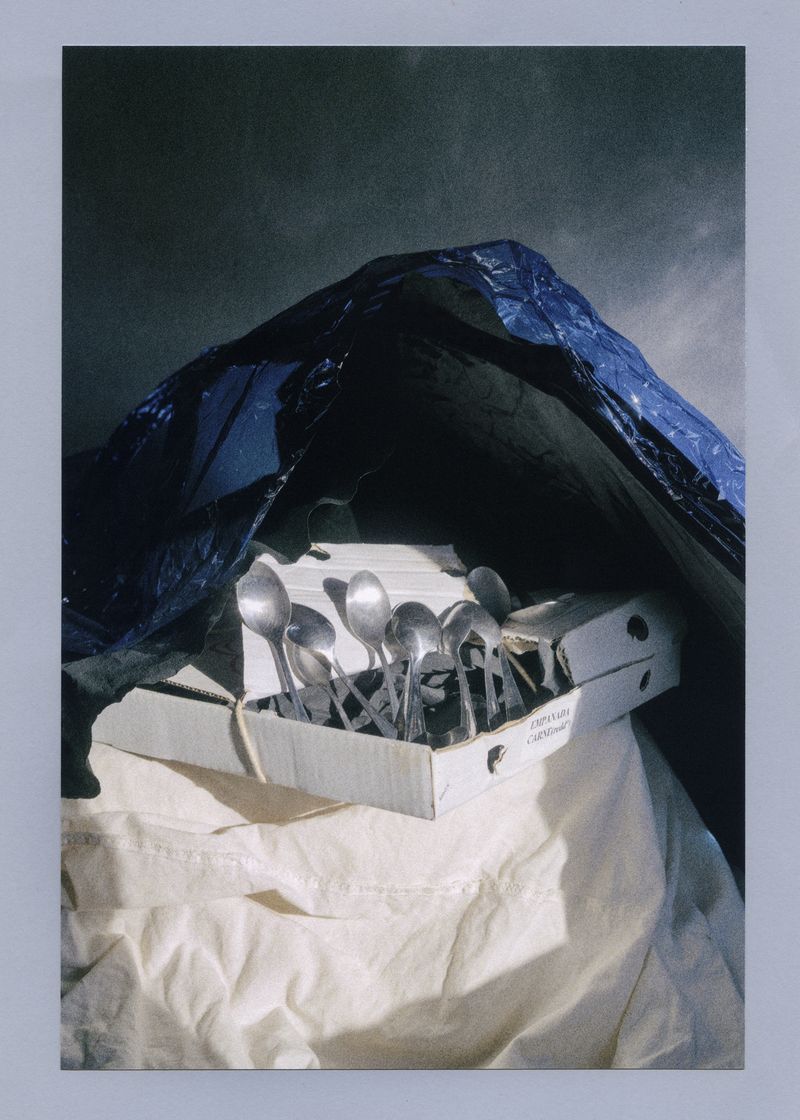
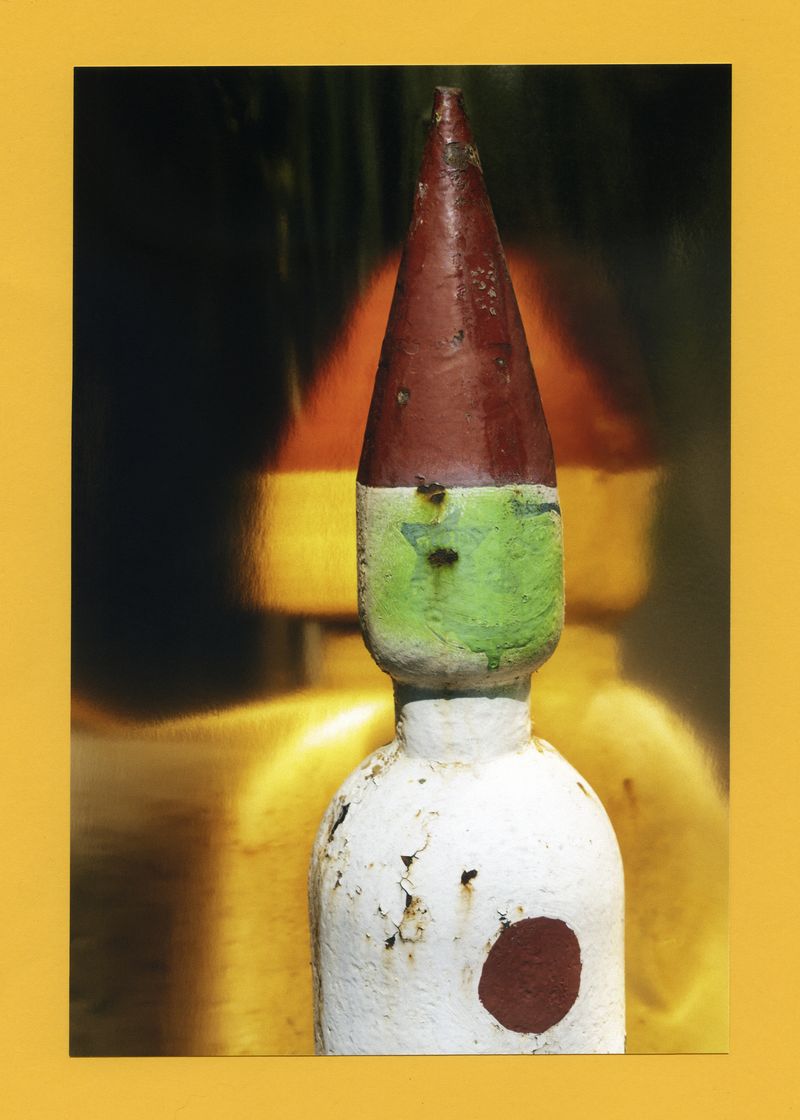
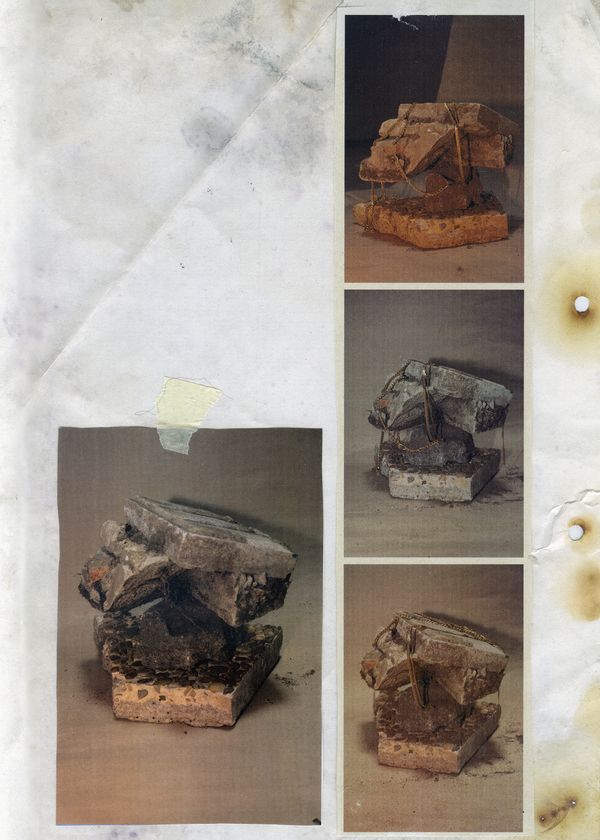
The research brings together two archival systems: the neighbourhood’s institutional archive, comprising official photographs, ENSIDESA publications and industrial records, and Ana M.’s heterogeneous domestic collection of photographs, objects and everyday traces. The project constructs a counter-archive by establishing relations of proximity, affinity and material resonance between them. Ana M.’s experience of schizophrenia shapes the counter-archive’s associative logic, while ambivalence allows divergent and sometimes contradictory meanings to coexist. Through displacement, fragmentation and partial connections, domestic, industrial and affective elements challenge established forms of classification and generate multiple, provisional interpretations.
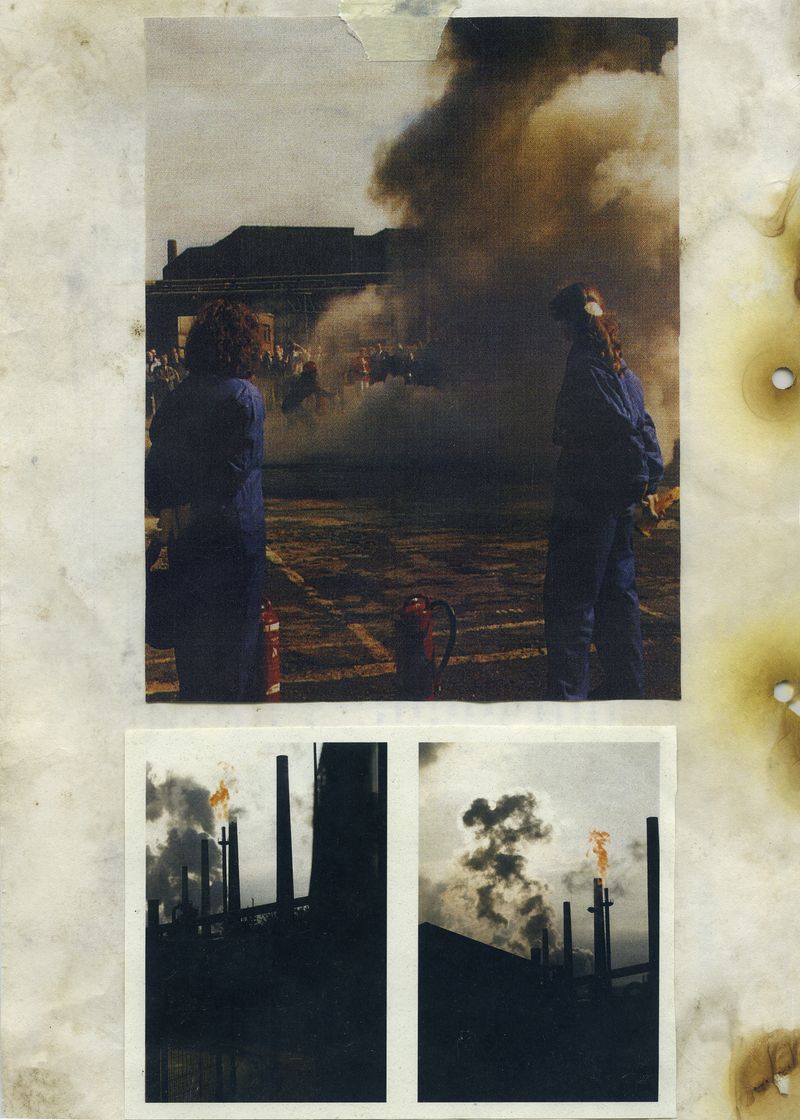
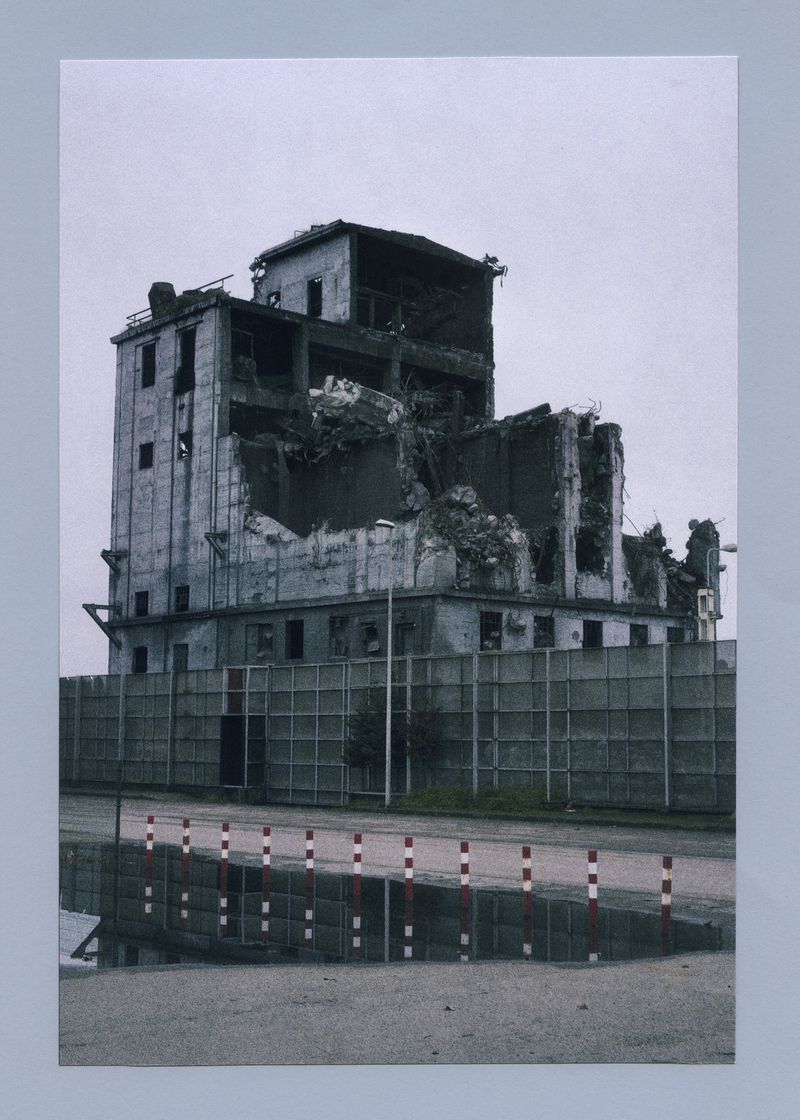
The investigation unfolds within an industrial landscape undergoing profound transformation following the closure of the coke ovens in 2019 and their partial demolition in 2023. As the physical structures associated with industrial development disappear, the project confronts other histories embedded in the territory. Of particular significance are the documented but unmarked mass graves of Francoist repression, whose absence from the visible landscape exposes a disjunction between historical knowledge and public memory. The research also examines the forms of domestic labour that sustained the productive system and the violence exerted on women’s bodies, bringing into focus dimensions of social and political life obscured by dominant representations of industrial modernity.
Through these intersecting histories, the territory is approached as a stratified field in which industrial ruin, domestic memory and historical violence remain entangled.
The project has received a Creation Grant from the Comunidad de Madrid and is published by Witty Books.