Alén do lago
-
Dates2022 - Ongoing
-
Author
- Location Galicia, Spain
-
Recognition
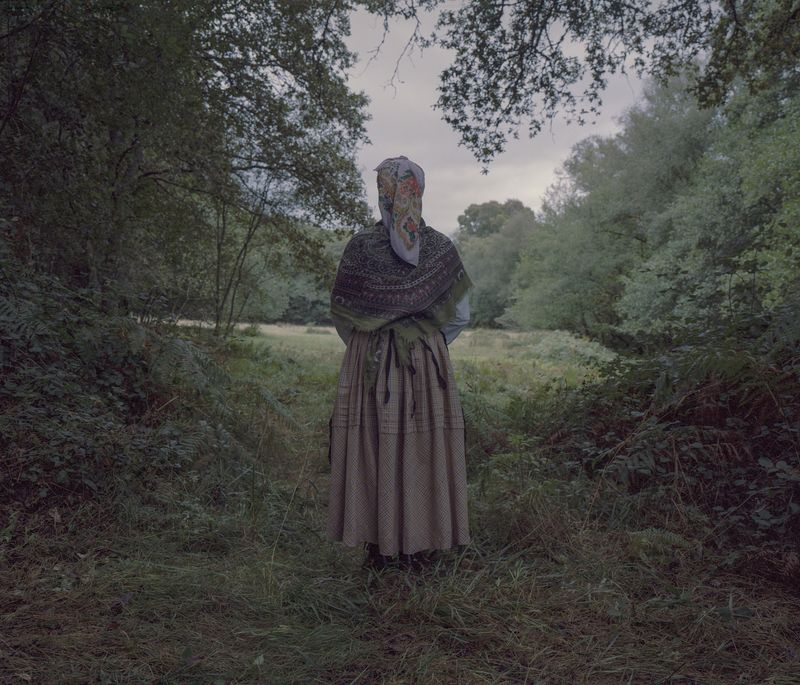
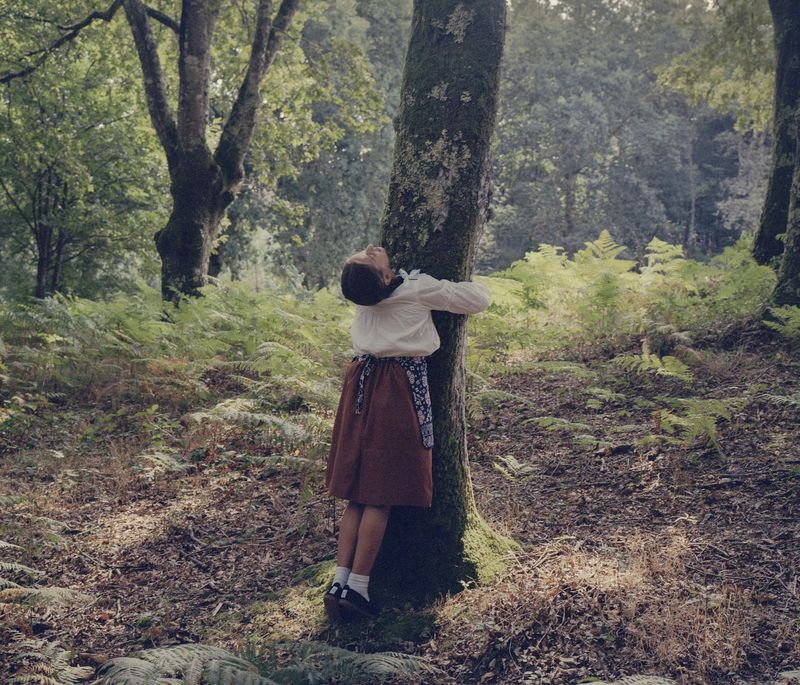
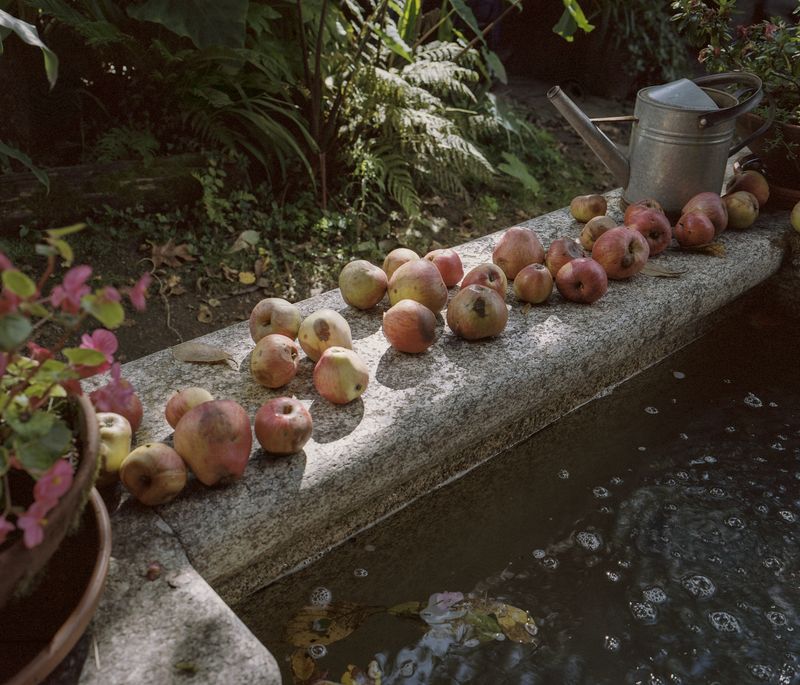
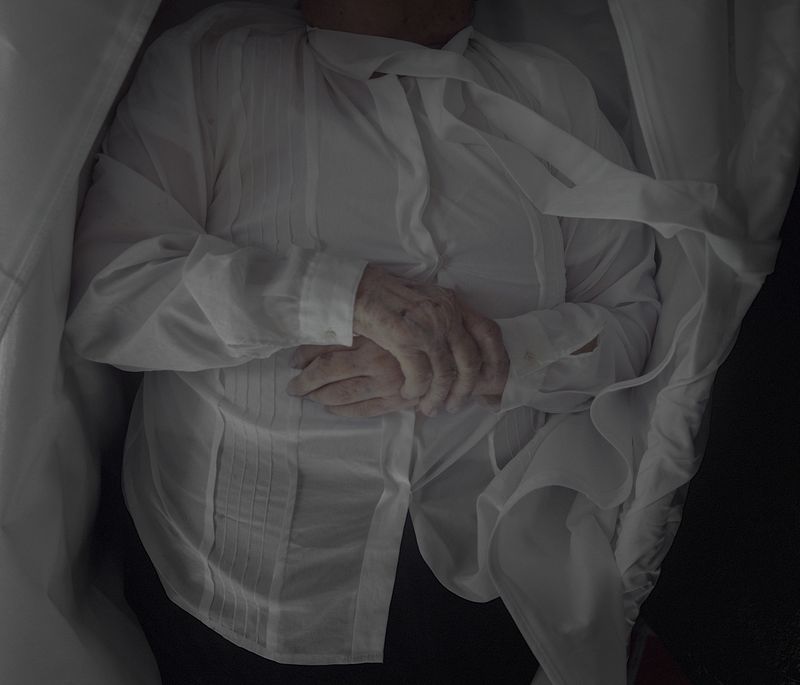
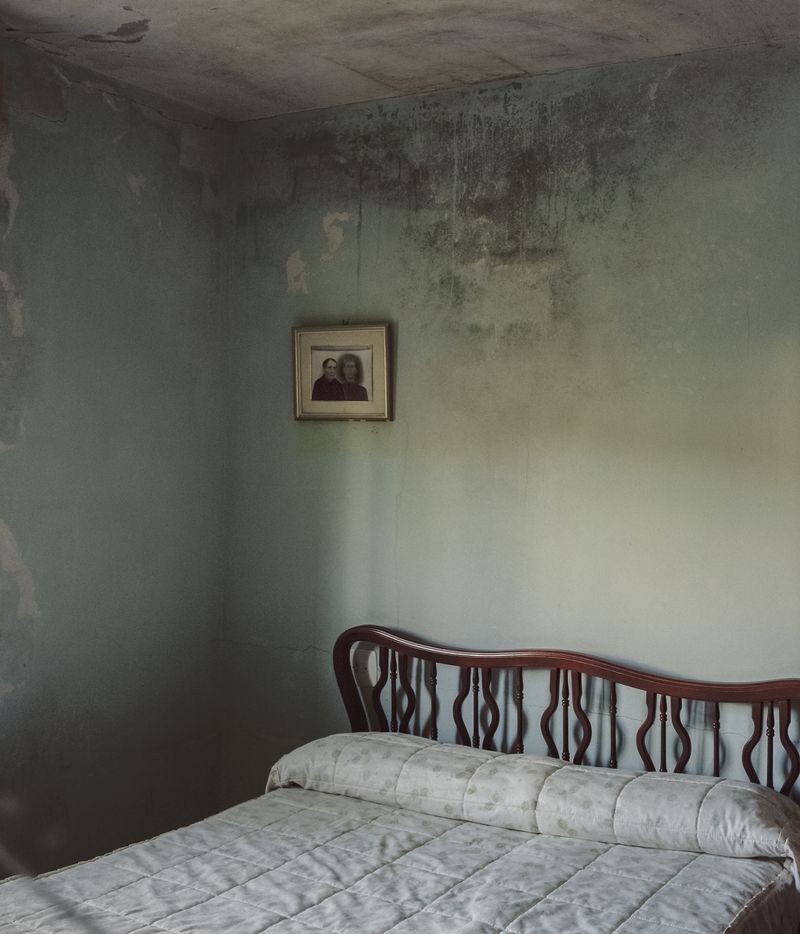
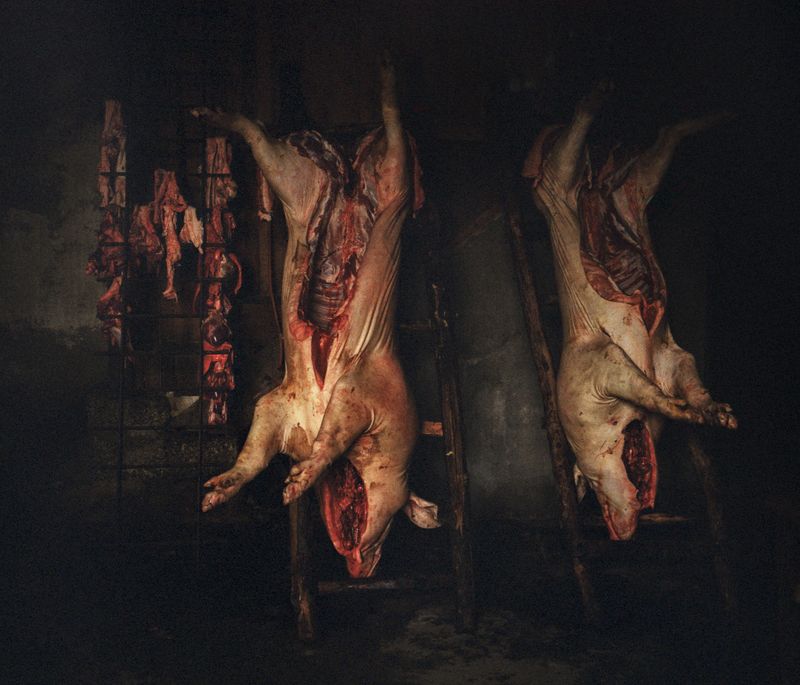
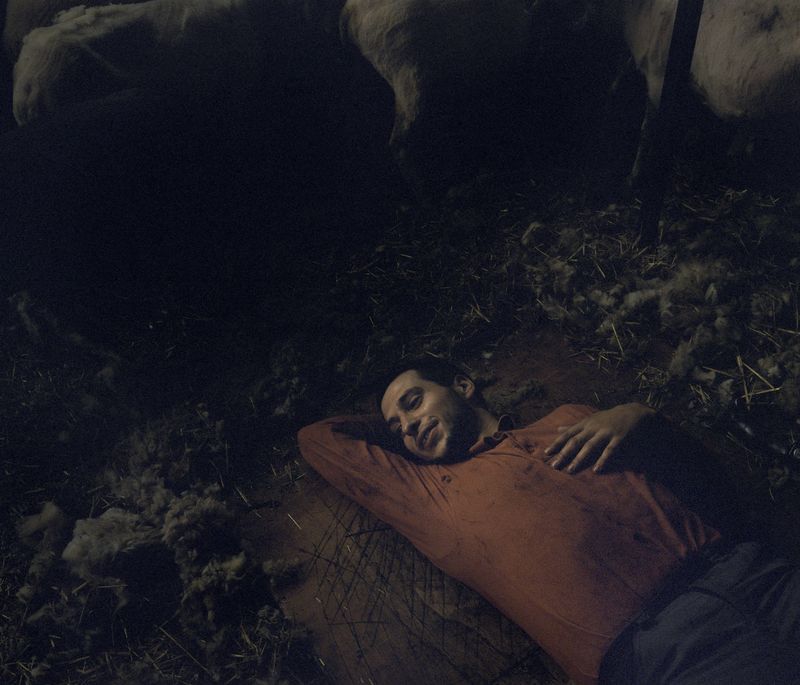
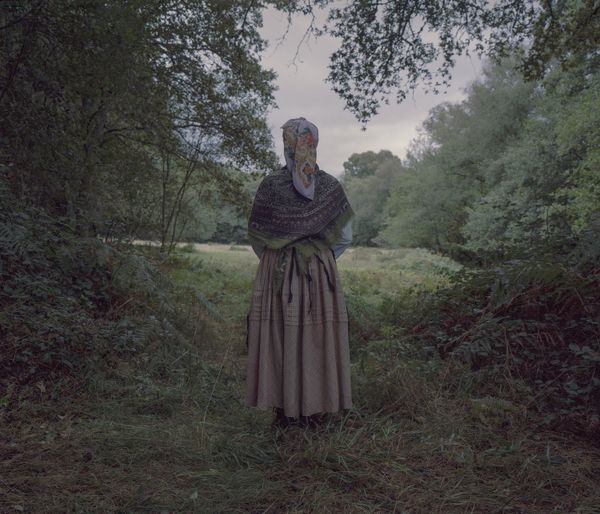
"Beyond the Lake explores Galicia’s wounds through metaphorical imagery. It combines the intimate and the sociological to portray a territory marked by emigration, depopulation, alcoholism, and a landscape transformed by climate change."
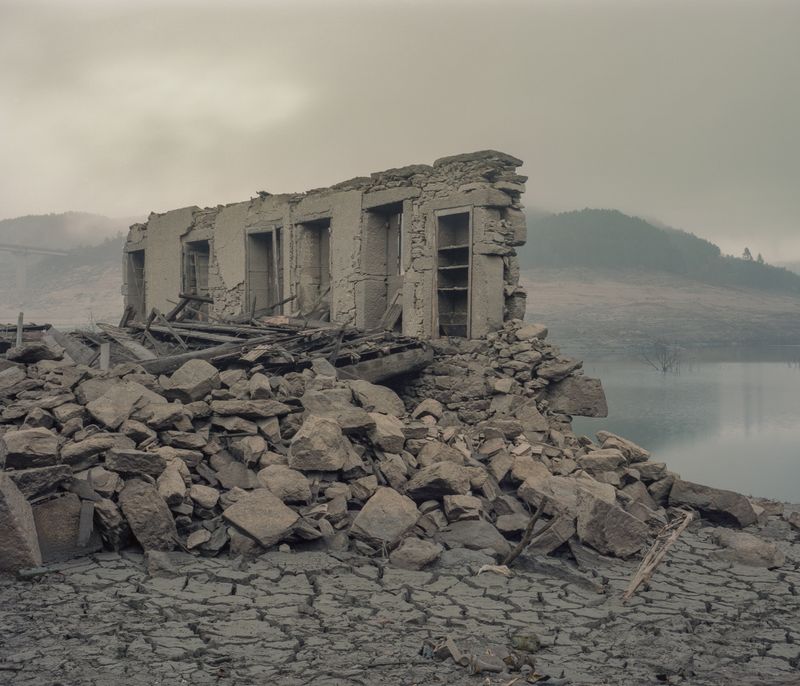
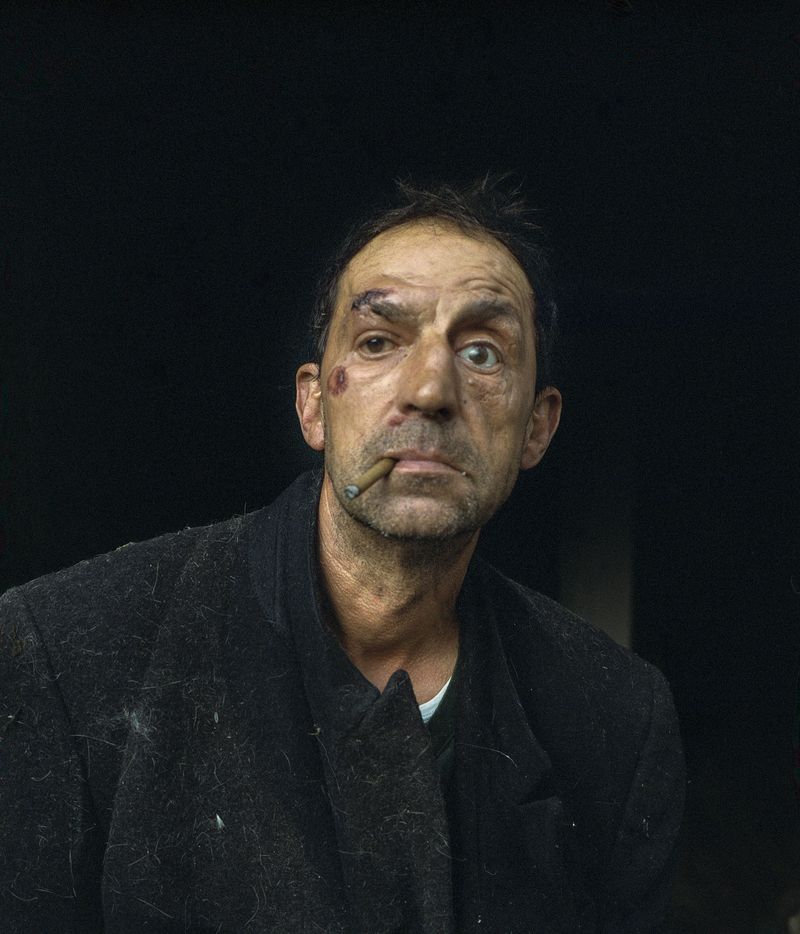
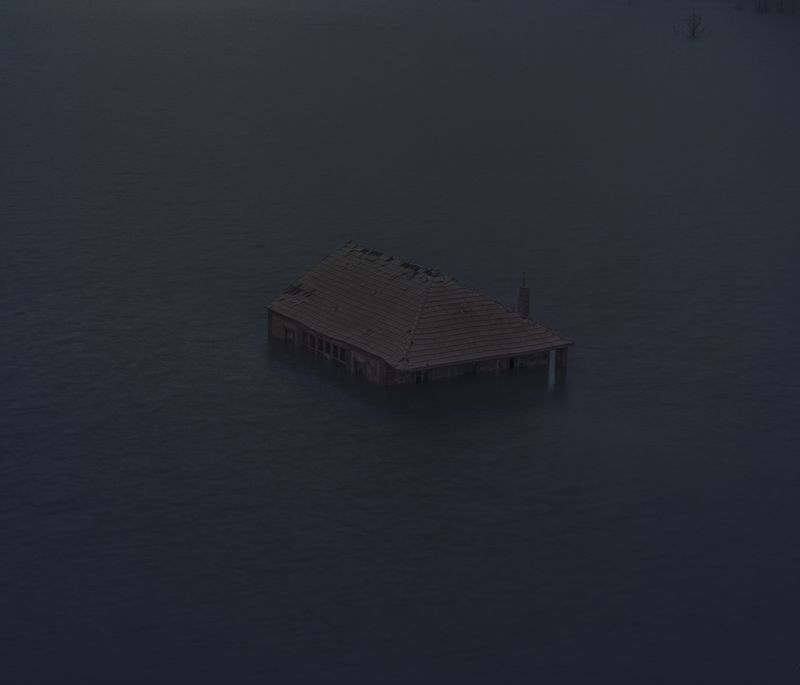
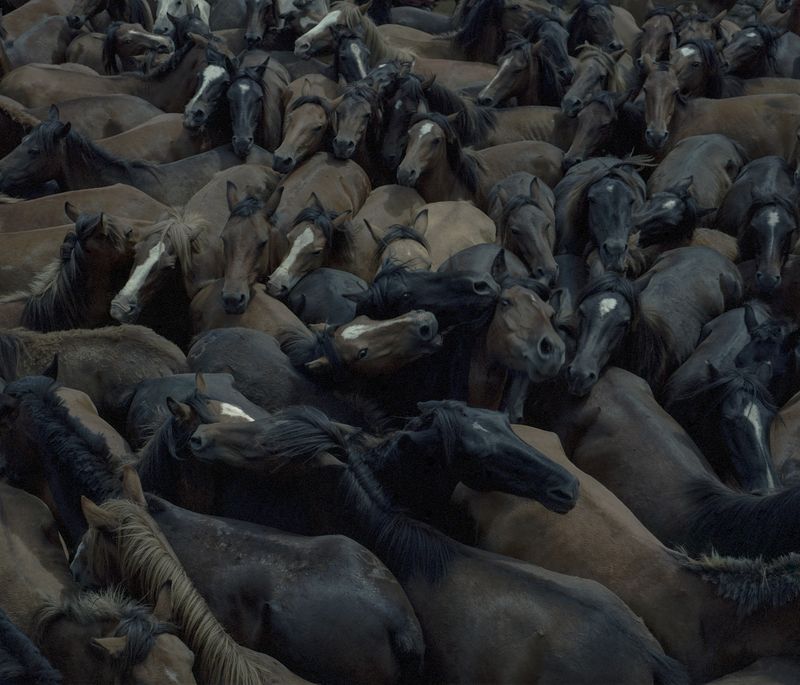
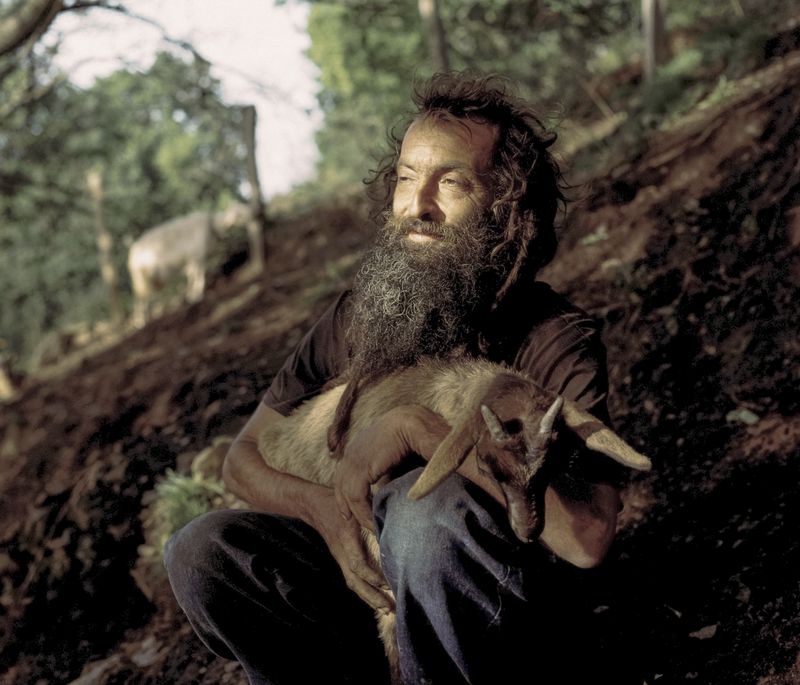
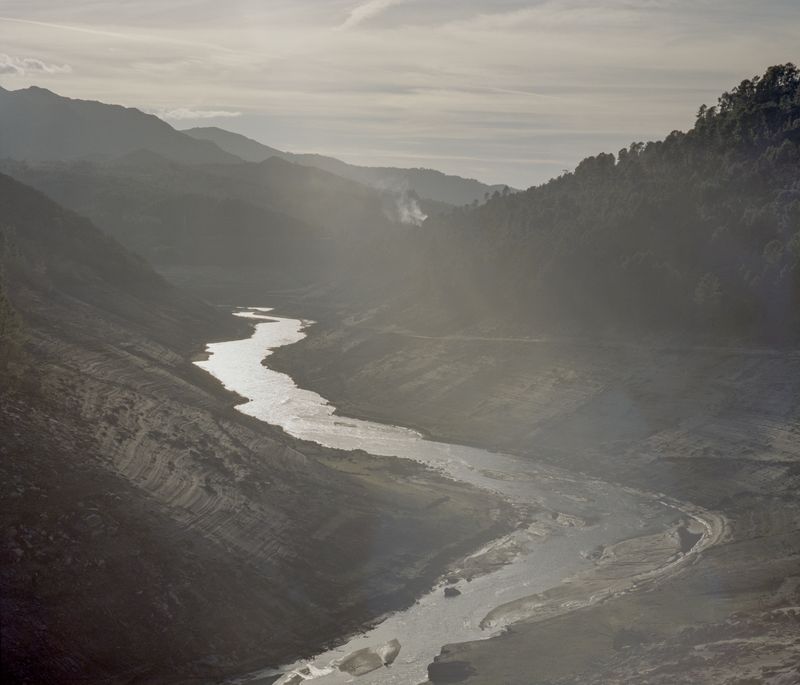
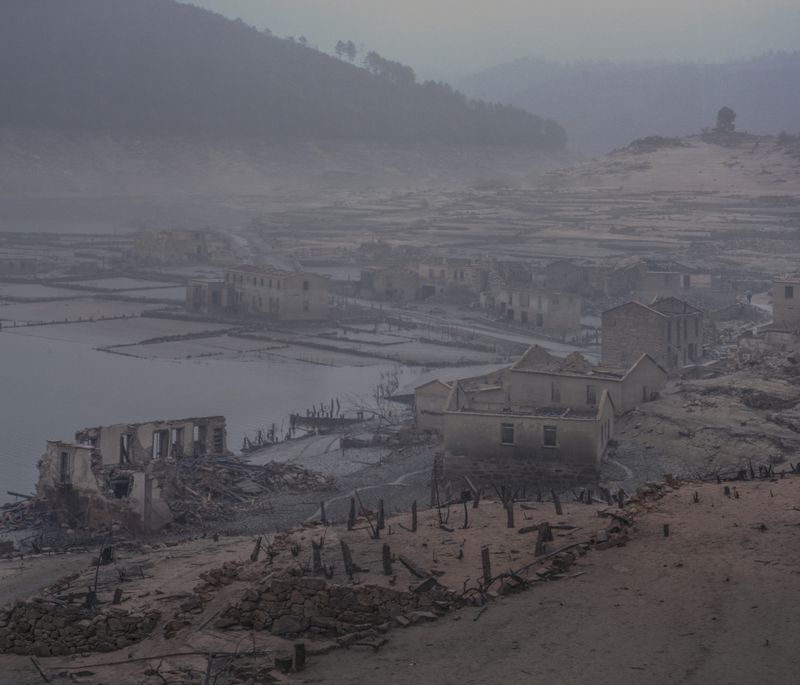
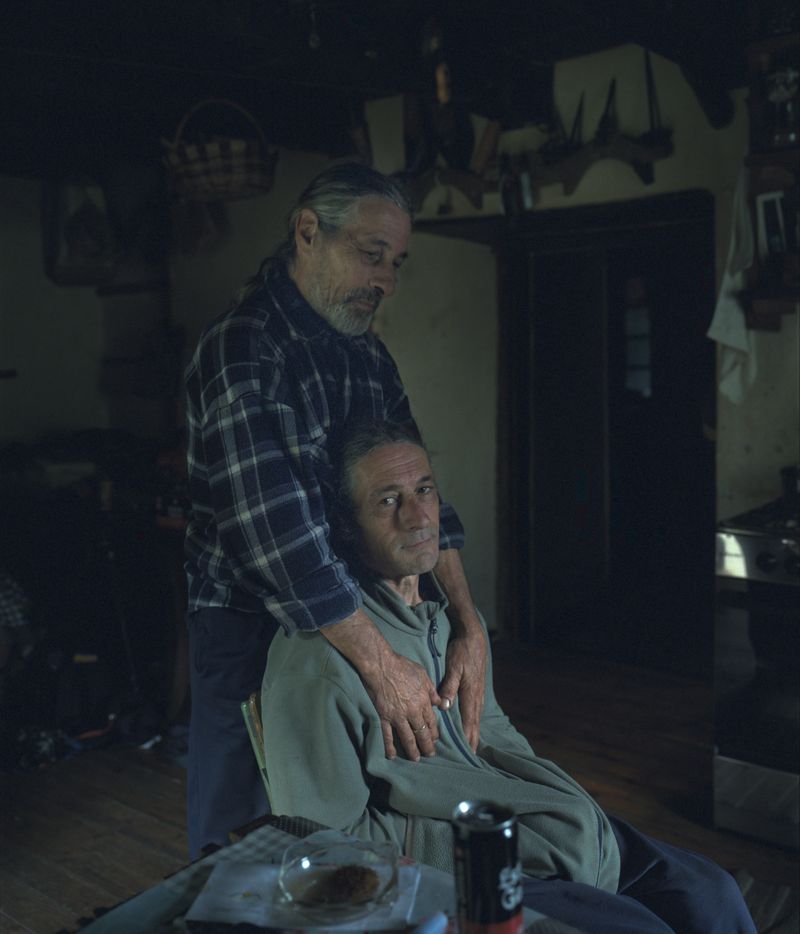
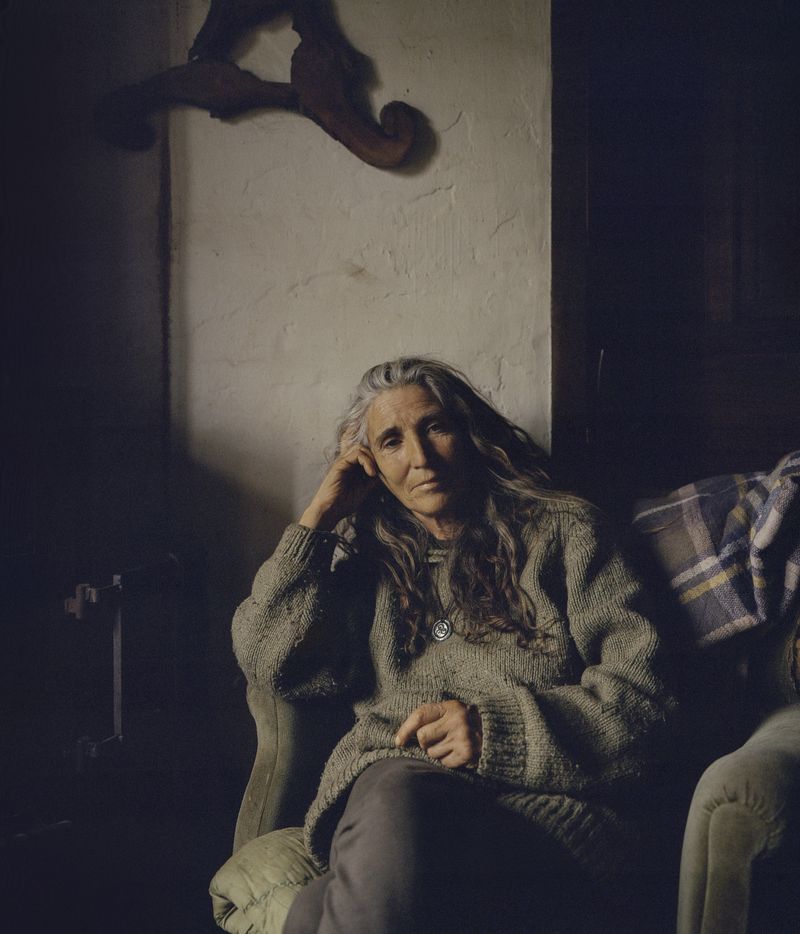
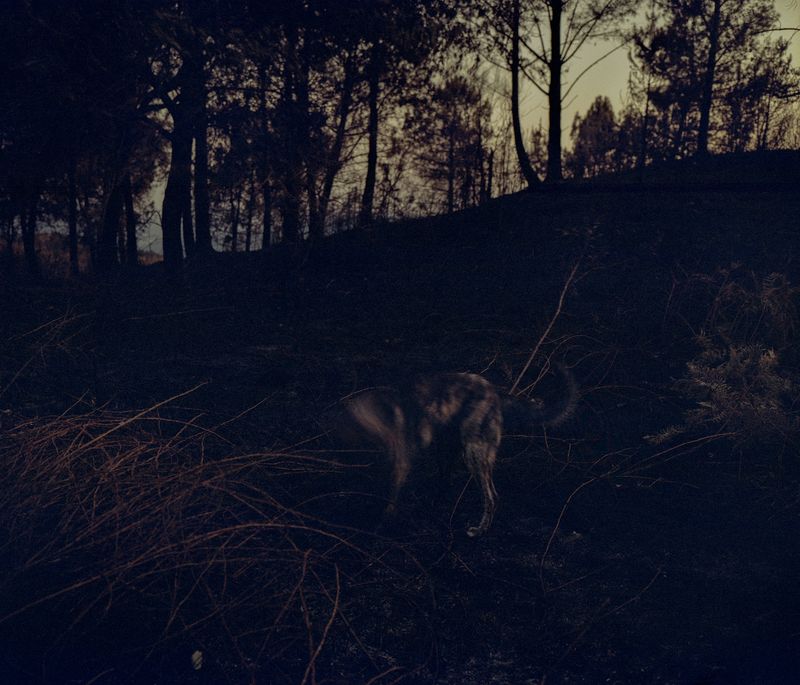
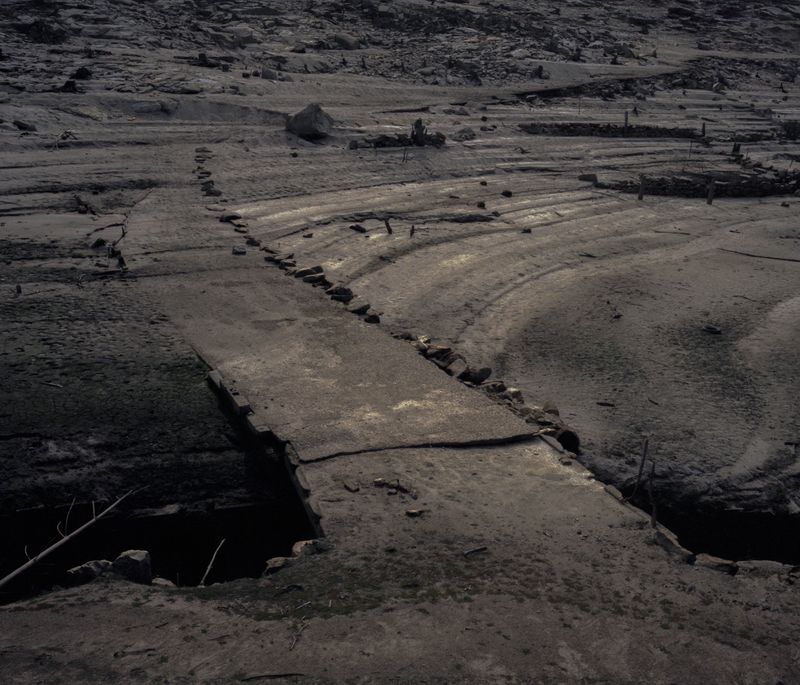
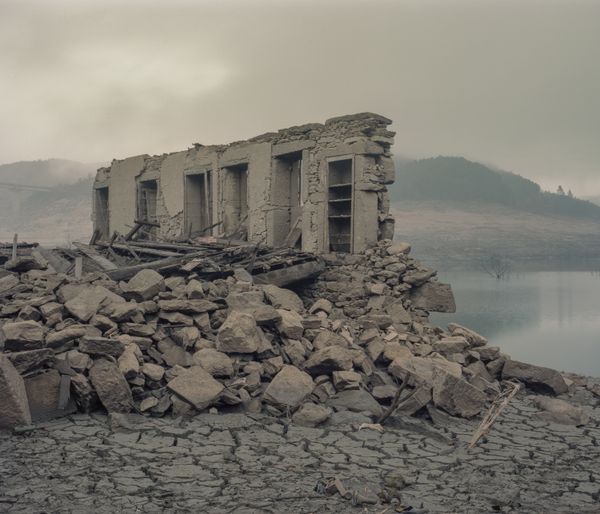
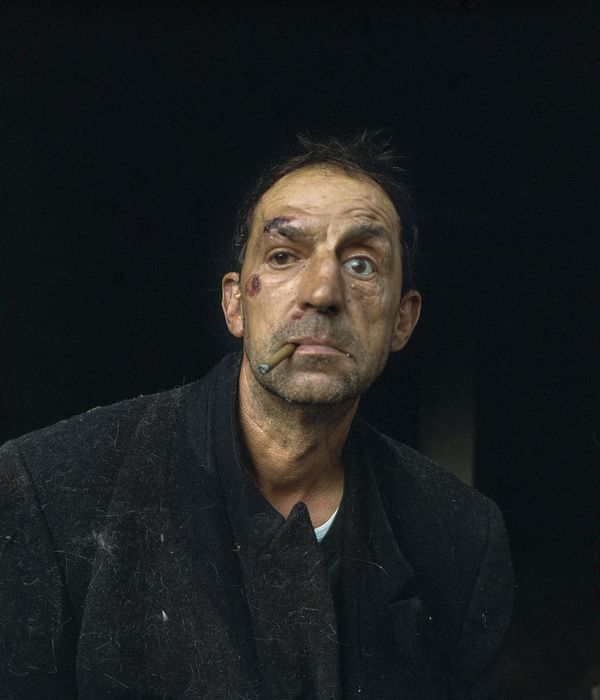
Tony used to come home with nuts, claiming they were a gift from his girlfriend, Rosemary, who existed only in his dreams. Adolf and Raúl’s house was set on fire by neighbors during a dispute over communal land. María spent her life as an emigrant, leaving her only son, Emilio, in Galicia—he later died from alcoholism. The wild horses of Sabucedo now roam within shrinking boundaries, as fewer people remain to care for them. Jesús built a house he never lived in. Aceredo, submerged by a reservoir in 1992, briefly resurfaced decades later when drought emptied the dam, revealing the skeletal remains of a once-thriving village.
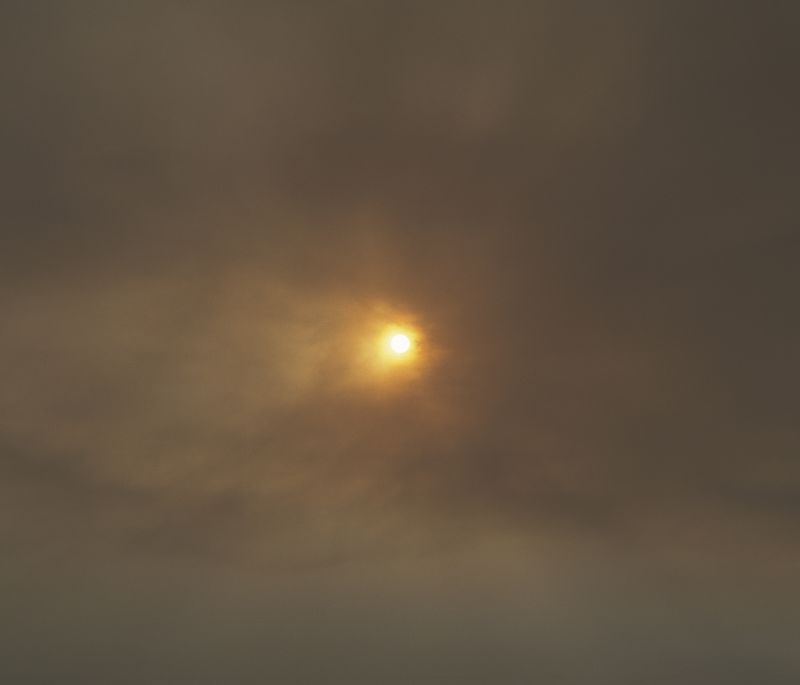
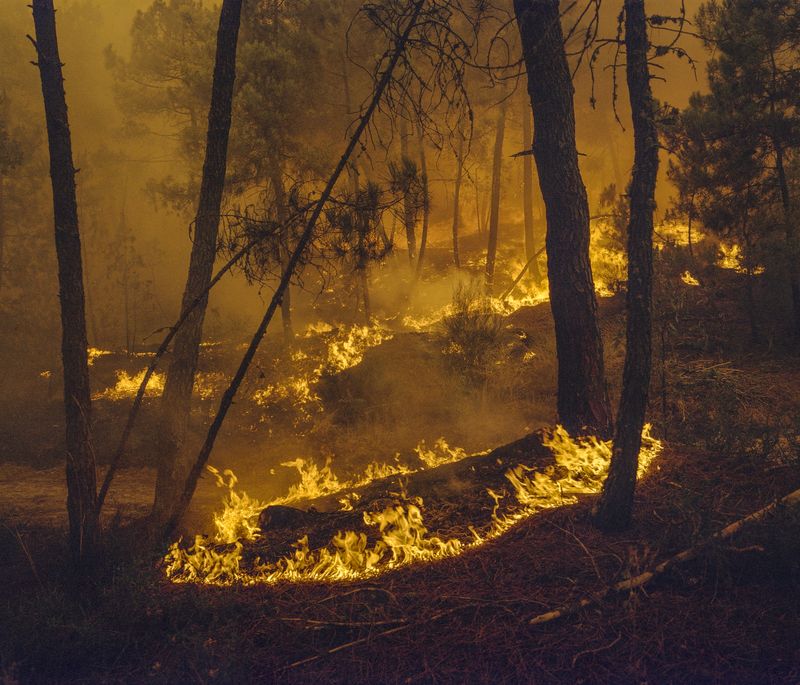
These stories emerge from Galicia’s depths—a land suspended between myth and reality, rooted tradition and the harshness of the present. Galicia thrived for centuries in a humid climate surrounded by forests. Still, today it stands at a crossroads: Reservoirs have fallen to critical lows, exposing ecological fragility and erosion of rural life. This crisis is compounded by forest fires, depopulation, endemic emigration, invasive monocultures, and a deeply rooted problem of alcoholism
Beyond the Lake is a personal exploration of these tensions: Tony is my uncle, Emilio was my father, Maria was my grandmother, and Jesus was my grandfather. —I am the grandson of emigrants, son of a man consumed by alcoholism, and I lived in exile nearly 15 years. Many photographs were taken in my village, relatives’ homes, or the house where I grew up. They are fragments of my own. By weaving social and historical threads with Galicia’s mythical undertones, the project tries to be a journey through the Galician psyche—a landscape of resilience amid abandonment, continuity haunted by rupture. It evokes the strength of those who remain, the memory of those who left, and the emotional architecture of a place on the verge of disappearing. In emptied villages and the echo of lost voices, it tries to capture a fading yet defiant heartbeat of a territory fighting not to be forgotten.