'Once upon a time' Multiple Protagonists and a Gospel In Racial Time.
-
Dates2024 - Ongoing
-
Author
- Location London, United Kingdom
-
Recognition
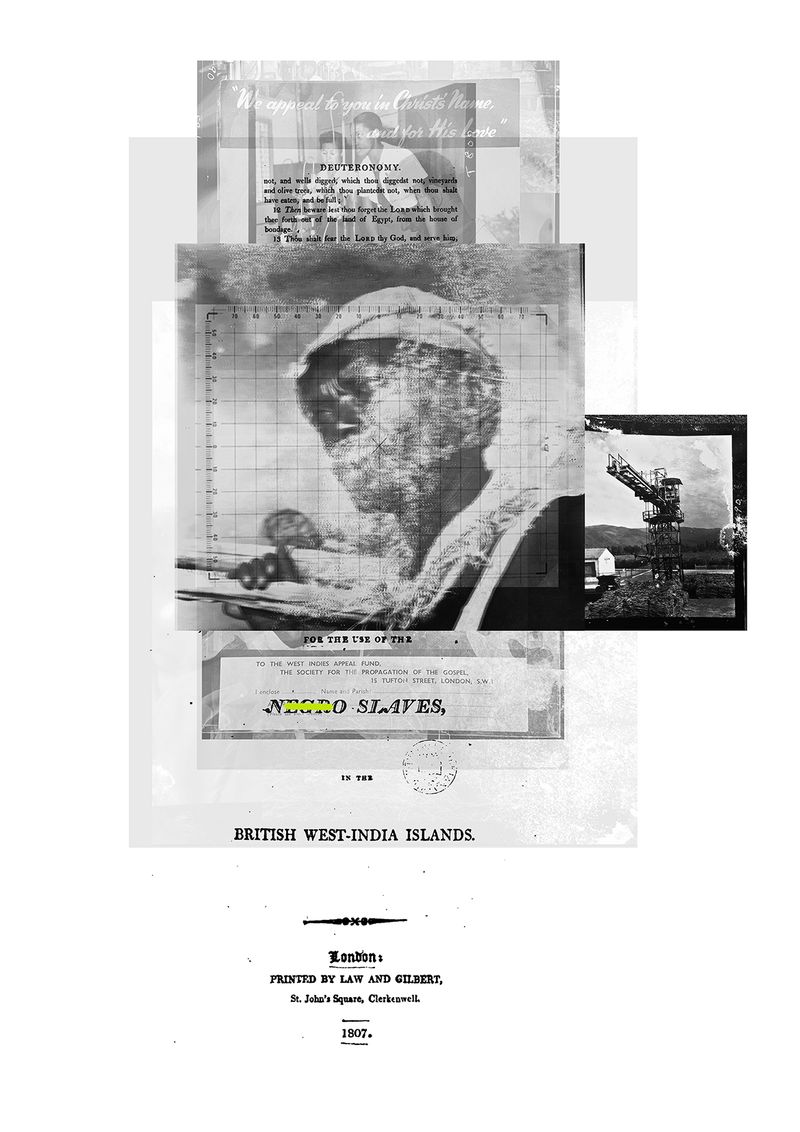
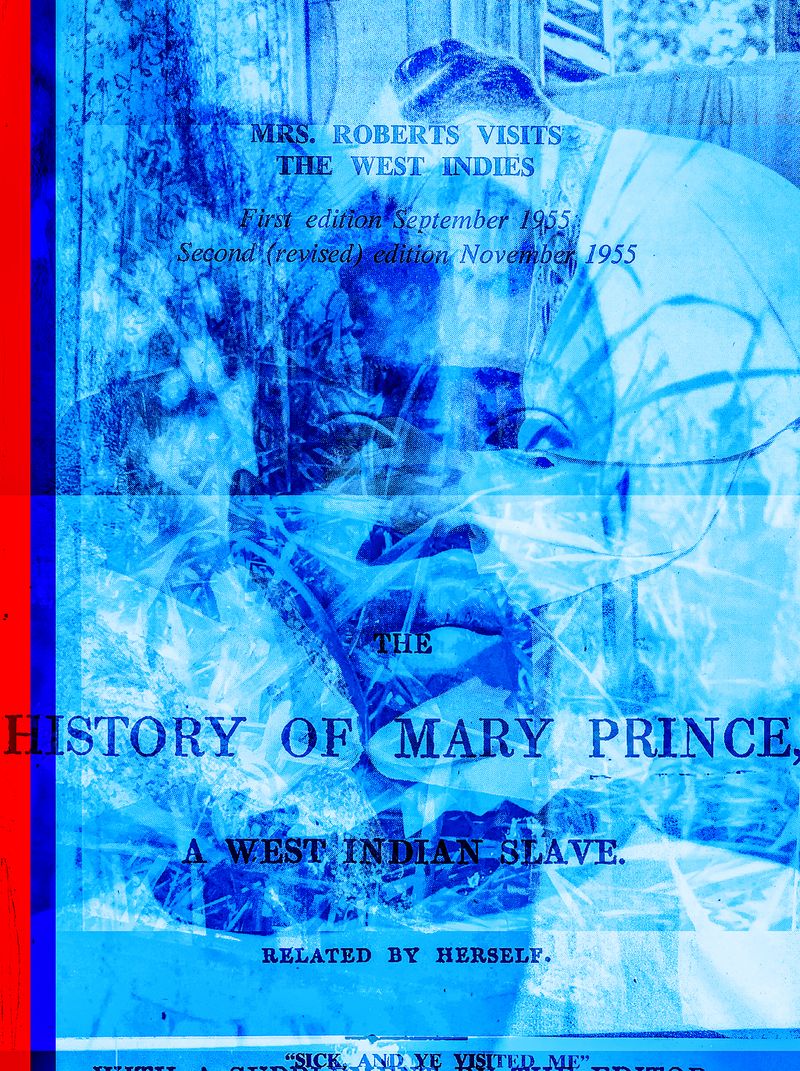
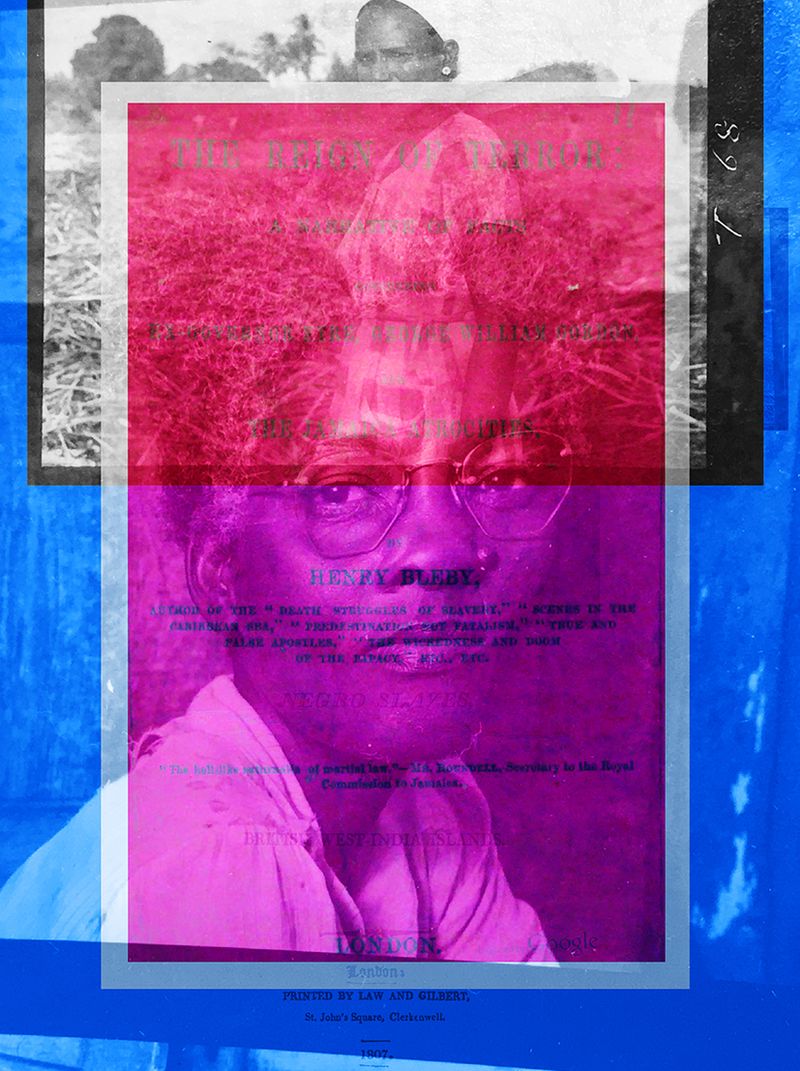
'Once upon a time ' is a multi layered project that responds to the Photographic and written materials relating to the Anglican Churches archives. The body of work relates specifically projects to the region formerly known as the British West Indies.
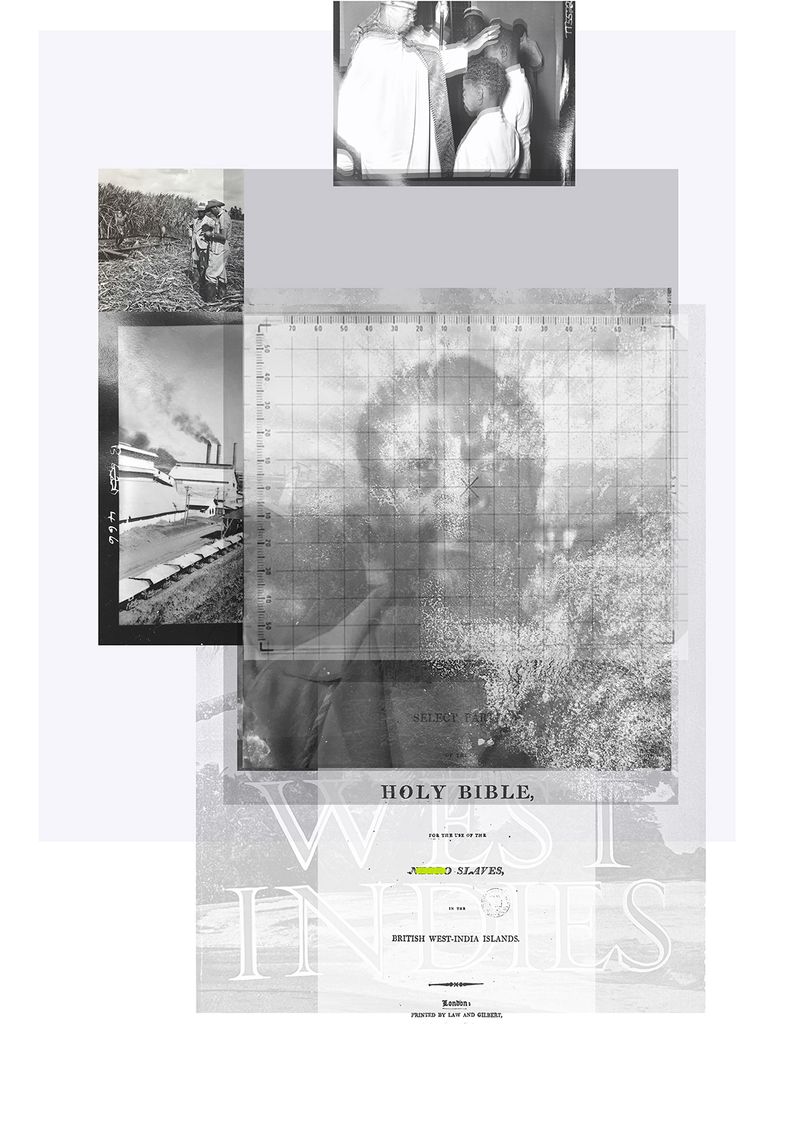
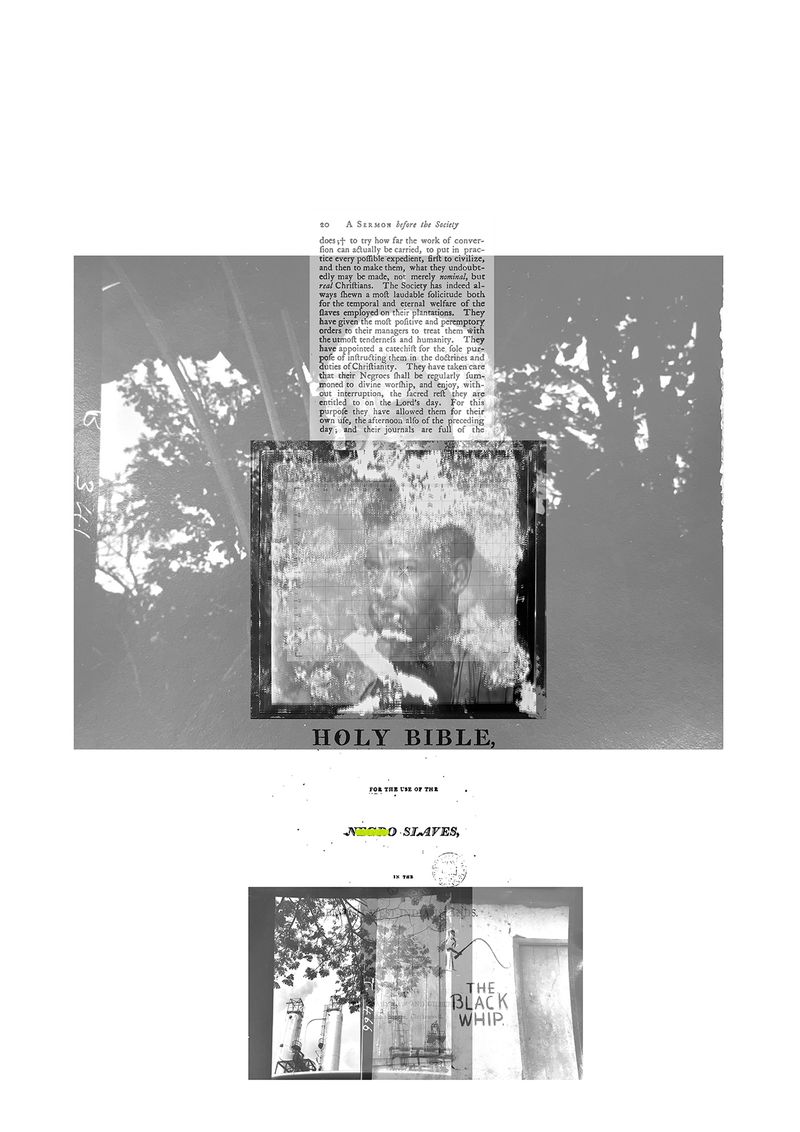
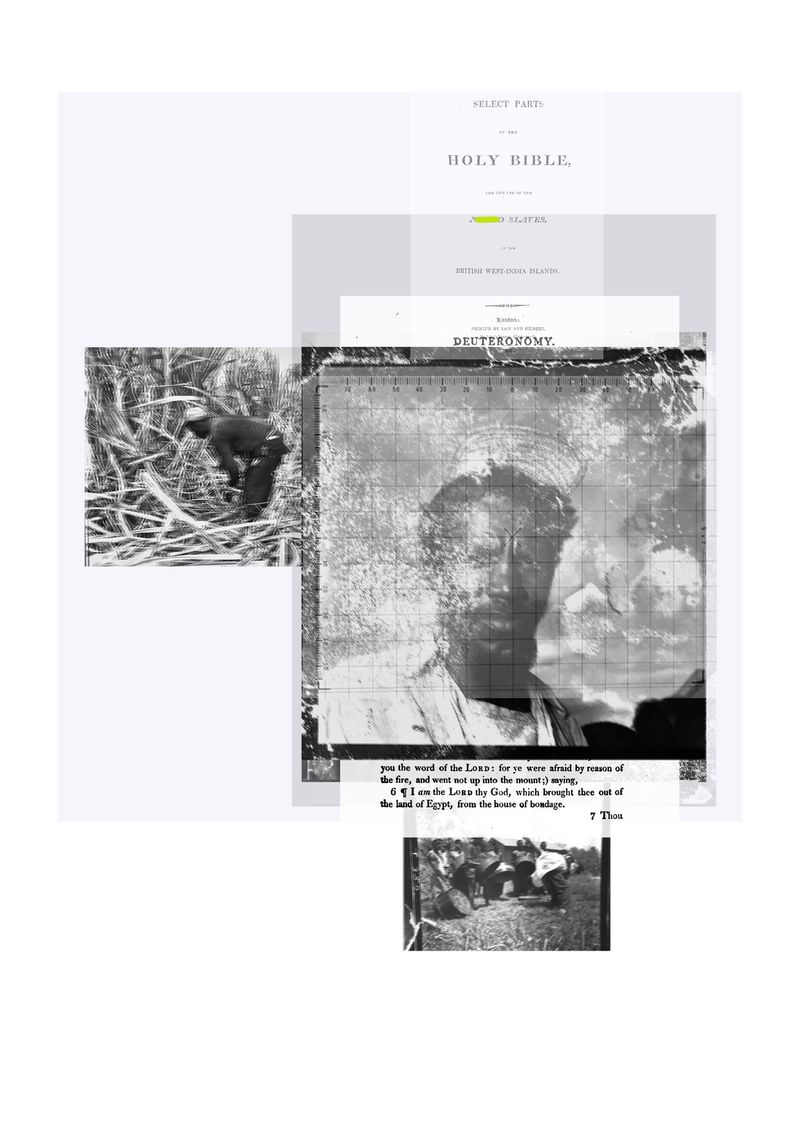
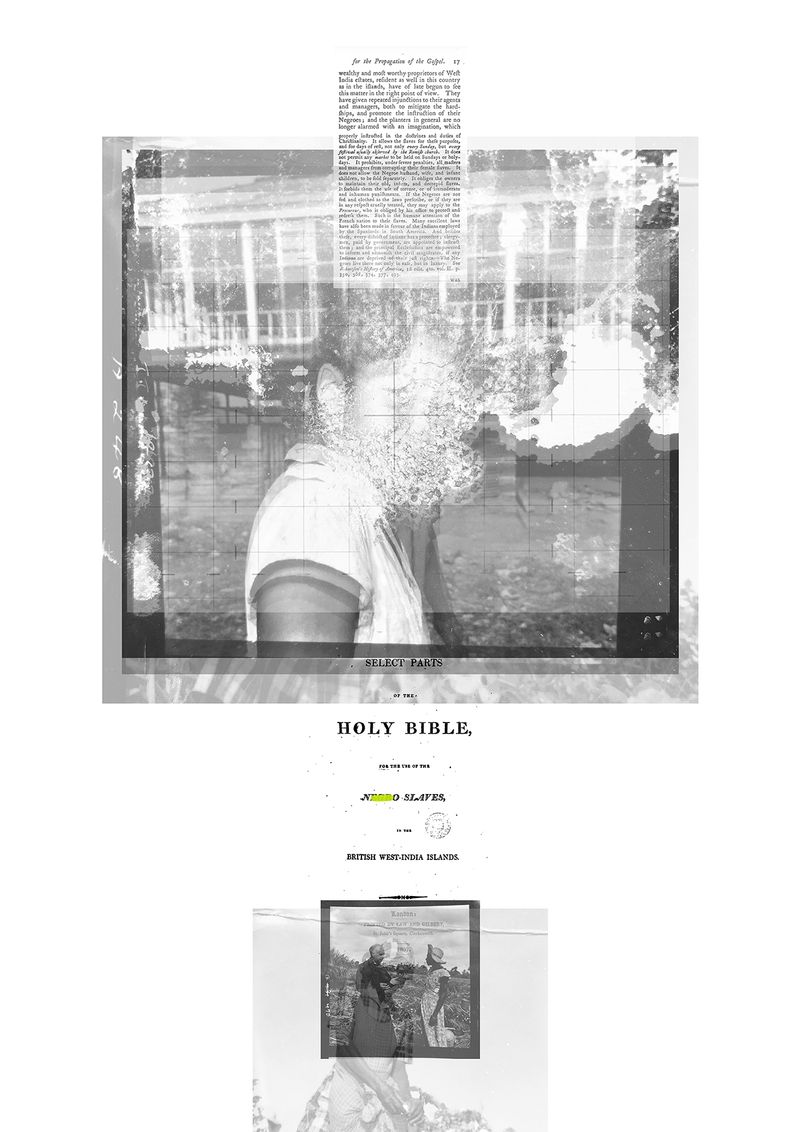
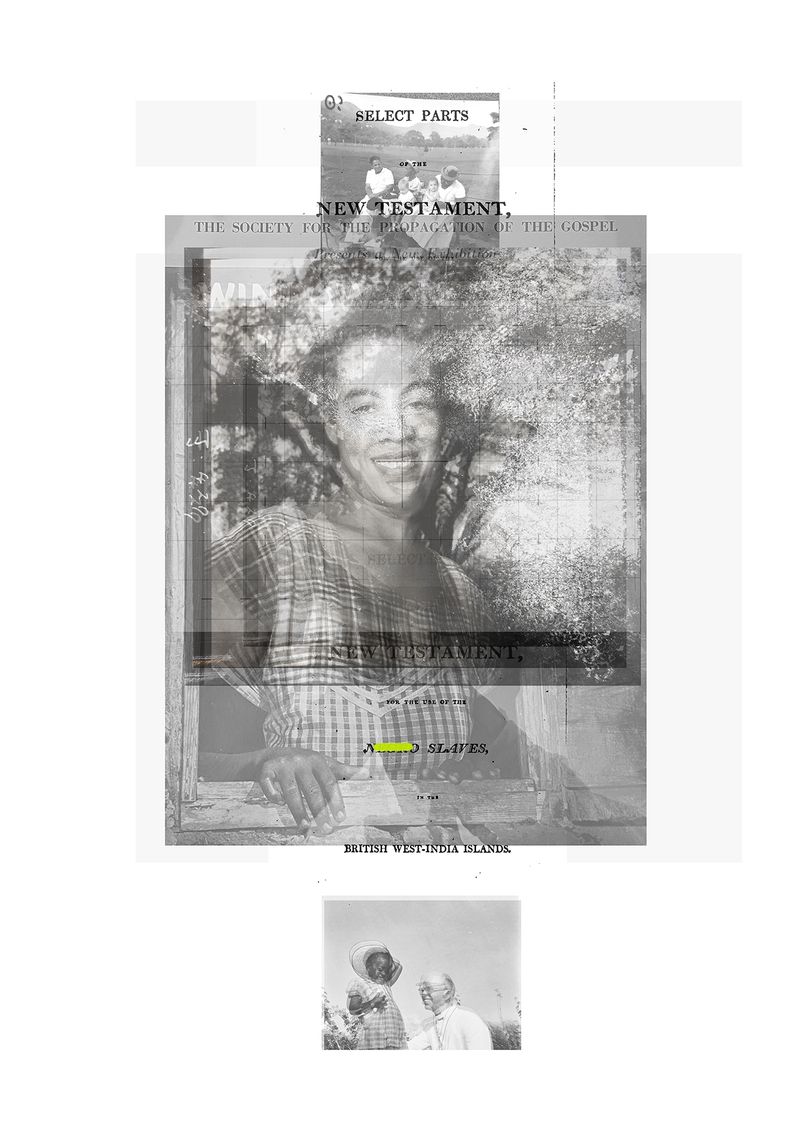
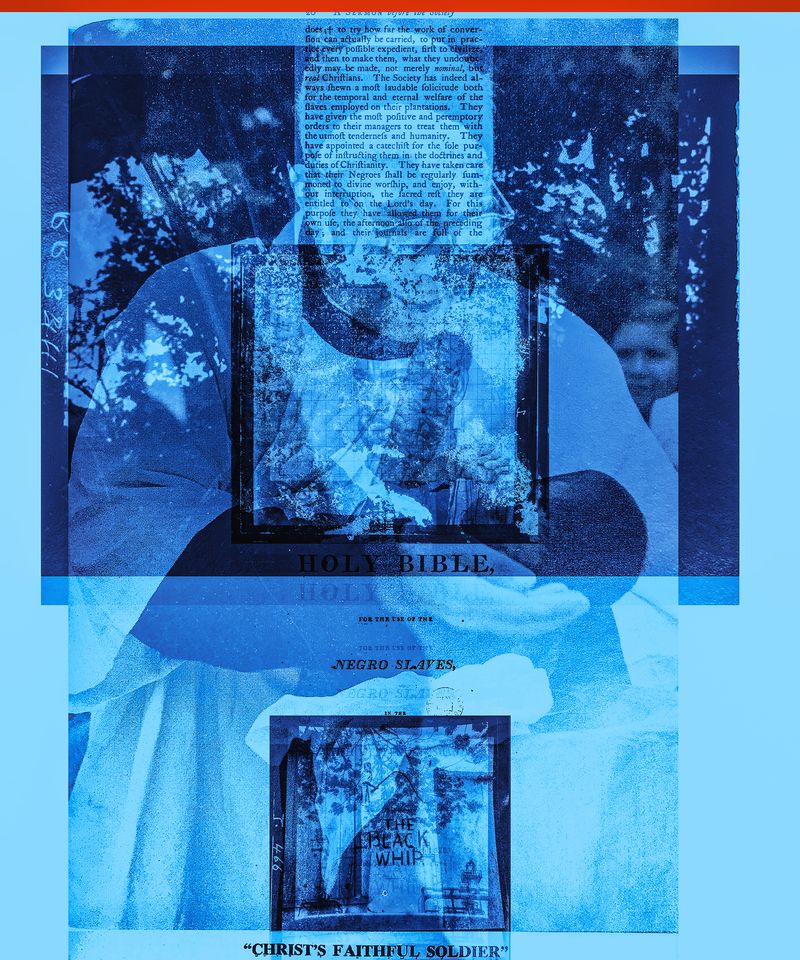
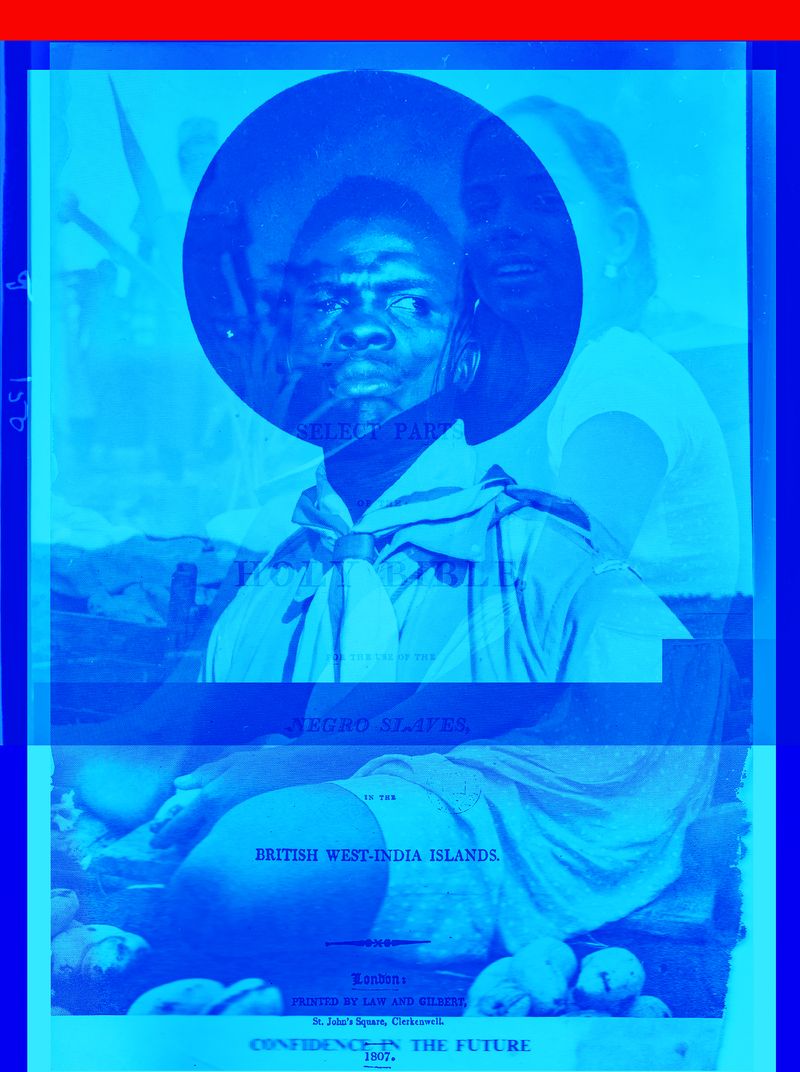
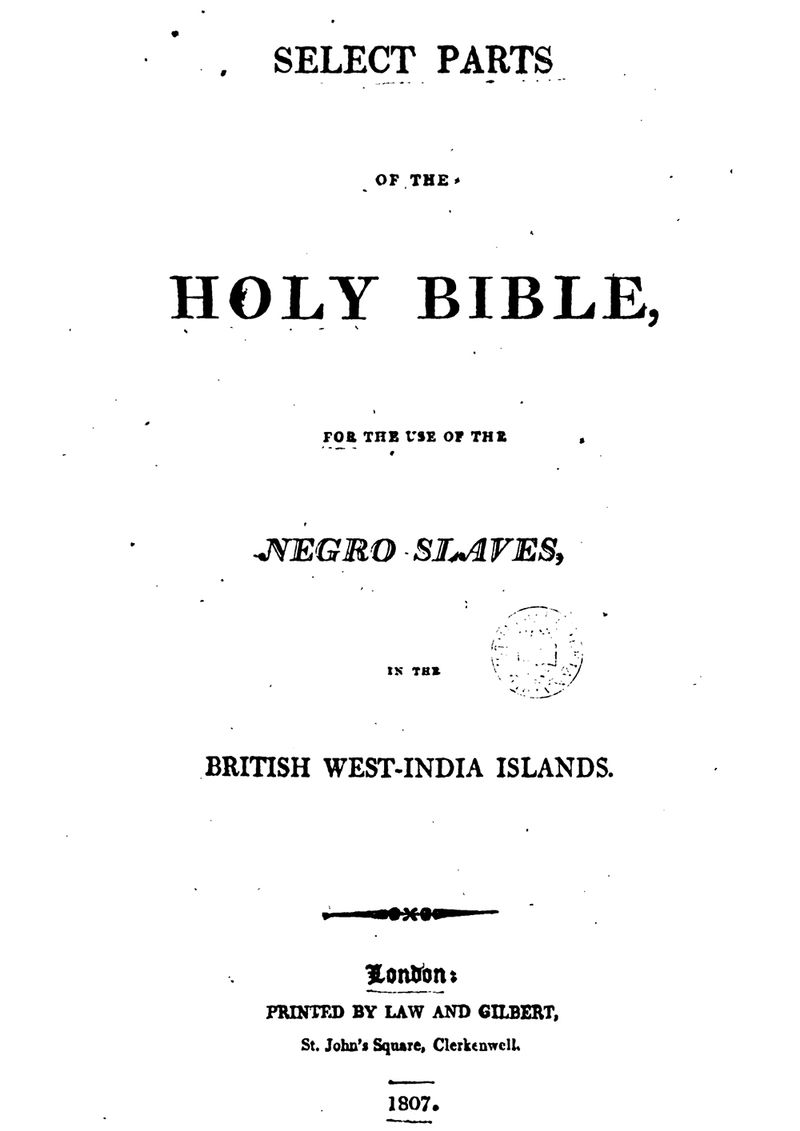
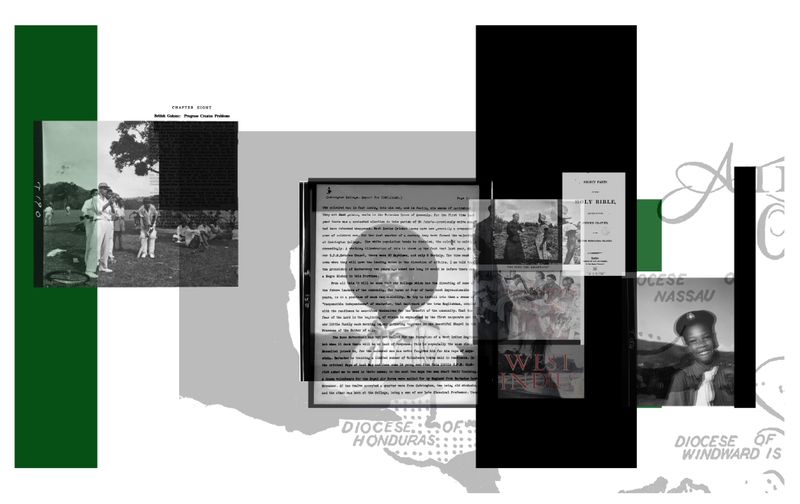
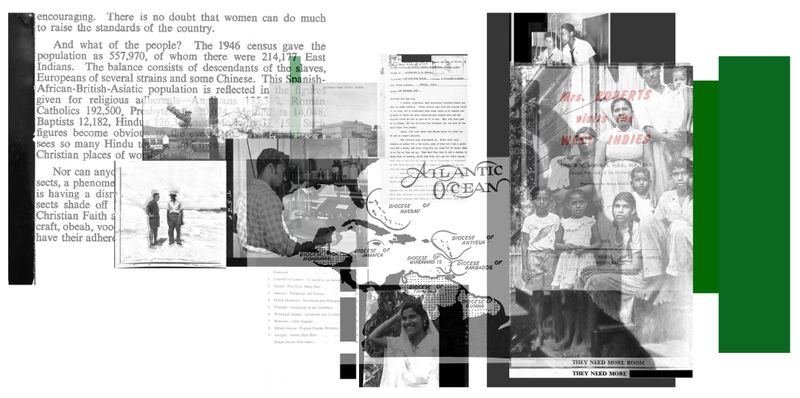
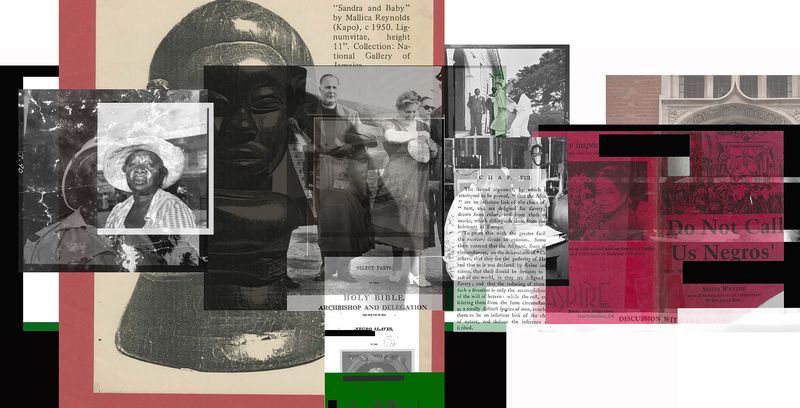
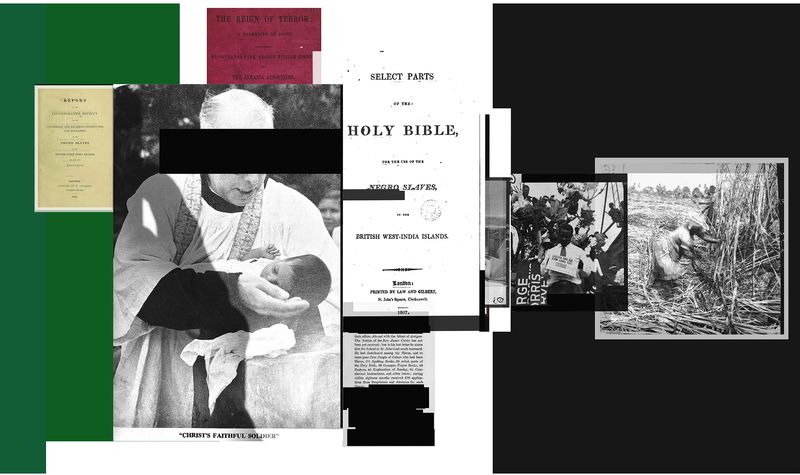
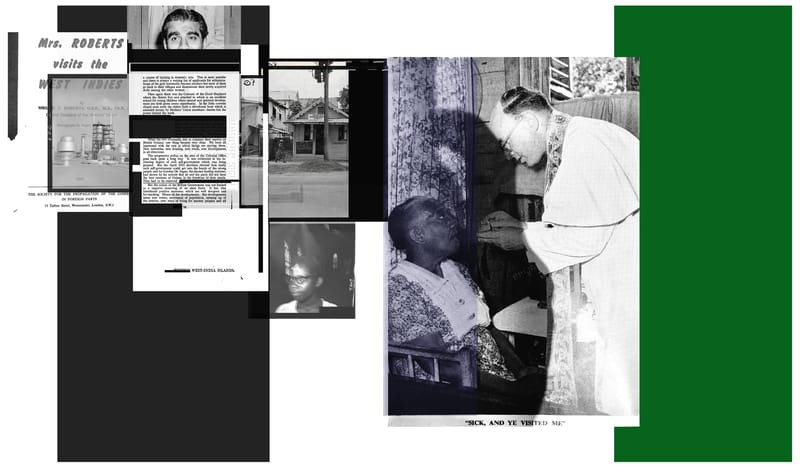
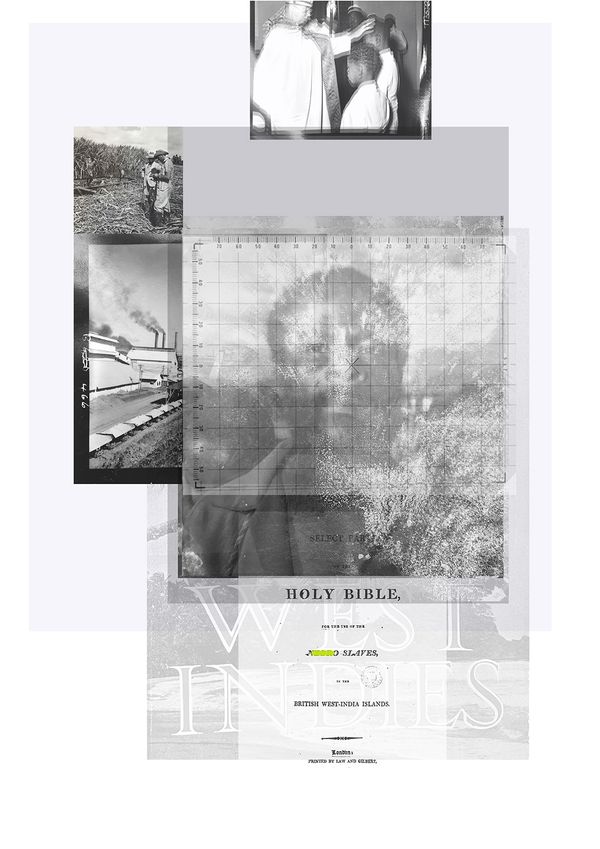
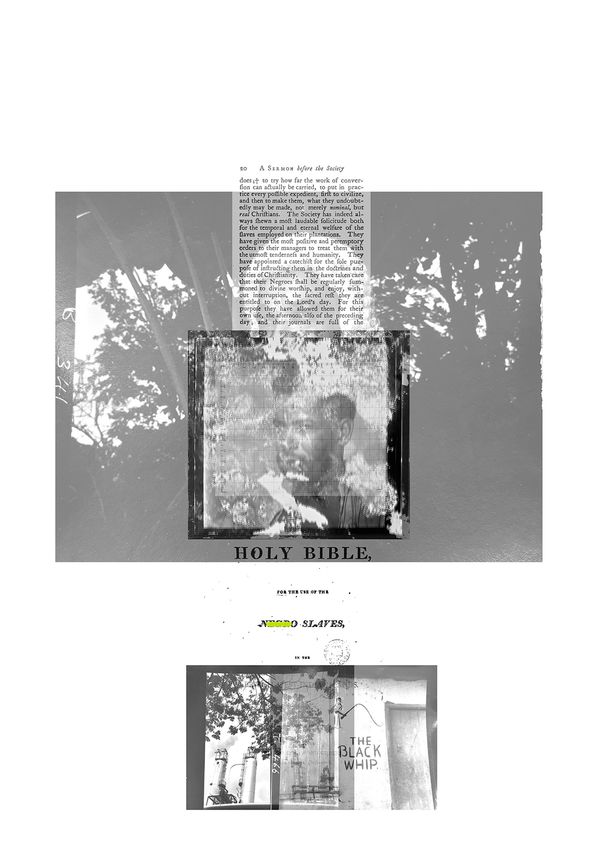
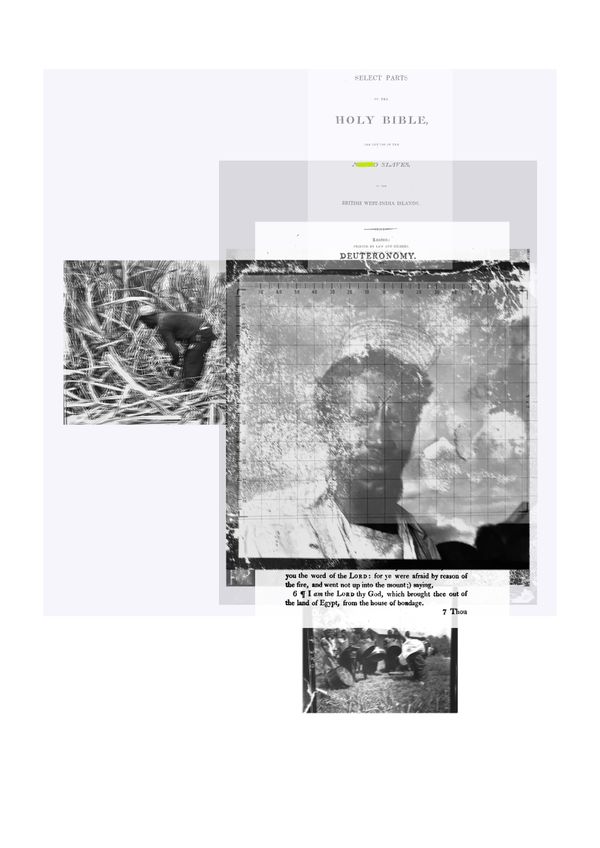
'Once upon a Time ' is a multimedia project that responds to the Photographic and written materials originating from Anglican Churches archives discovered in the Bodleian Library, Oxford. The body of work centres upon the archival material relating to Church's Missionary activities in the region formerly known as the British West Indies. The project utilises montage to juxtapose two primary sources: a redacted "Slave Bible" in 1807 used for religious instruction of black enslaved people, on the slave plantations and the region. The second main piece of archival material, the restricted dissemination of the photographs originally commissioned for the publication, 'Mrs. Roberts Goes to the West Indies' by Photographer Brian Heseltine in the 1950’s. Exploring the photographs use as a tool in the mechanisms of what Mark Sealy calls 'Racial Time'.
These documentary images were originally suppressed and the their usage controlled by the SPG (Society for the Propagation of the Gospel of Foreign Parts) to be used for propaganda, in response to the threat of competing agencies. The influence of Canada and the USA, as well as new political ideologies, such as Socialism and competing religious faiths such as Baptism, and The Church of Jesus Christ of Latter Day-day Saints. By interconnecting the Photographic imagery with the redacted Slave Bible the work highlights the Anglican Church’s continuous role in the apparatus of colonial power beyond the end of slavery in the region. This paradoxical relationship of the propagation of progressive religious instruction for the purpose of control, self interest, rather than self determination and freedom for the Black/Brown people of the Caribbean. Highlighting the Anglican missionary societies use of Photography, literature, within visual culture as powerful tool that would advocate for West Indies future to still be shaped within a colonial vision of Britain. The project also challenges Universal language of the Humanist Documentary practice, where documents can resist ideology and wider structures such dissemination, and modes of consumption.
Drawing upon Frederick Douglass’s theory of the "revenant" and Édouard Glissant’s concepts of "opacity" and multiplicity, the project reclaims the Black bodies and "dead souls" erased by racial hierarchies. The project also advocates the concept of a 'multiple protagonist' as a methodology acknowledging the multiple sources involved in the montaged images production. The people in the images, the labour of academics , the Institutions, the viewer, the original photographer Brian Heseltine, and my own role in this intervention of the archive. A concept that tries to resist against the idea of a single autonomous creator, philosophical, social, cultural and political frameworks. An attempt to challenge the reductionist, binary ideas of Western thought, presented by Glissant, creating a visual landscape that amplifies self-determination for Black/Brown people.
Installation and Methodology
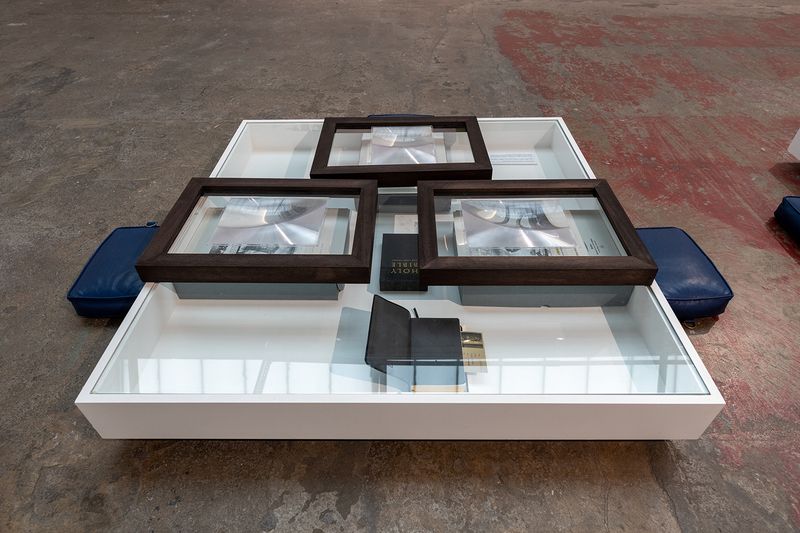
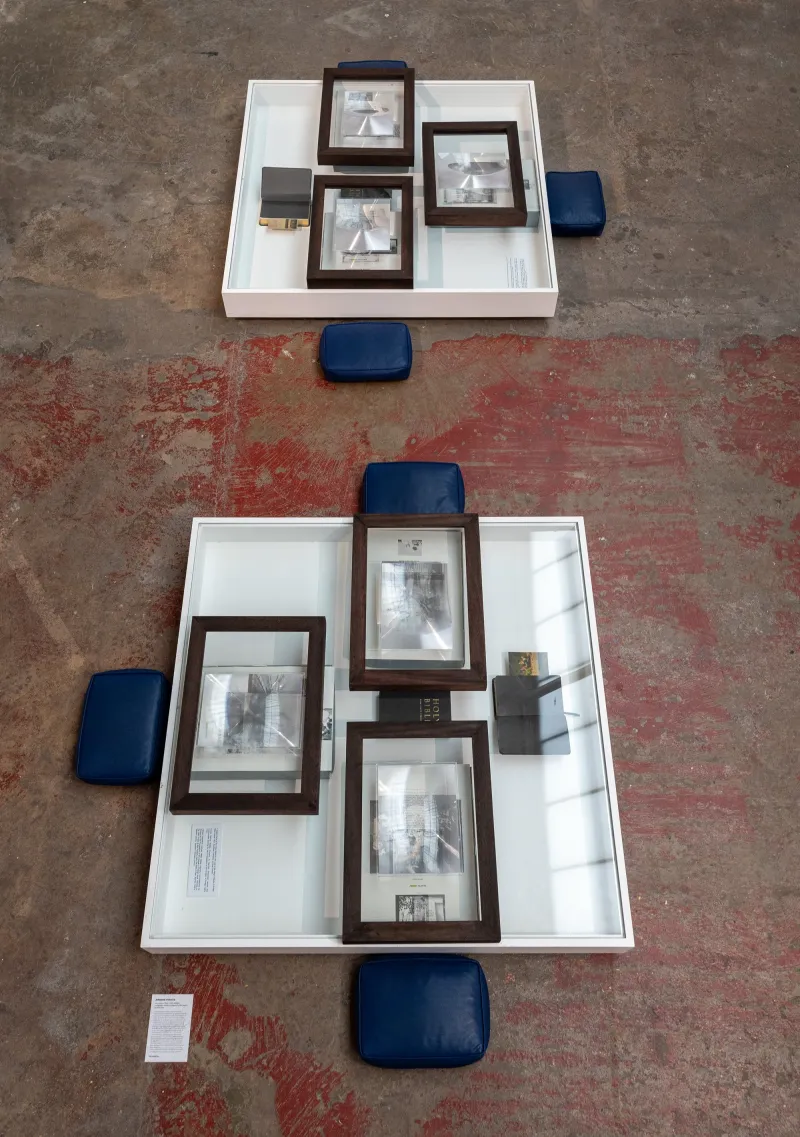
Originally shown in a very limited format, the project develops as an interdisciplinary installation, utilising montage to juxtapose archival fragments with the Holy Bible, specifically the sermons of Bishop Beilby Porteous. The montages are exhibited in a crucifix arrangement, to be viewed on light boxes, through magnification lenses, placed directly on the ground in the shape of an Anglican cross. This forces a physical reorientation of power; viewers are invited to kneel on Anglican prayer cushions to interrogate the imagery. In this act, the viewer engages in a performative methodology, directly confronting the author as a protagonist within the work's colonial narrative. The installation plays with the language of institutional archival display and illumination of religious space. Within the space will be a soundscape of low bass dub, as a phonic substance, an indescribable, formless sensation that intervene into the space referencing the act of resistance, refusal and the concept of a black phonic substance. The photographs do not act as descriptive modes of communication but also beyond the frame were the potential of meaning is also produced as a sensory historical object.
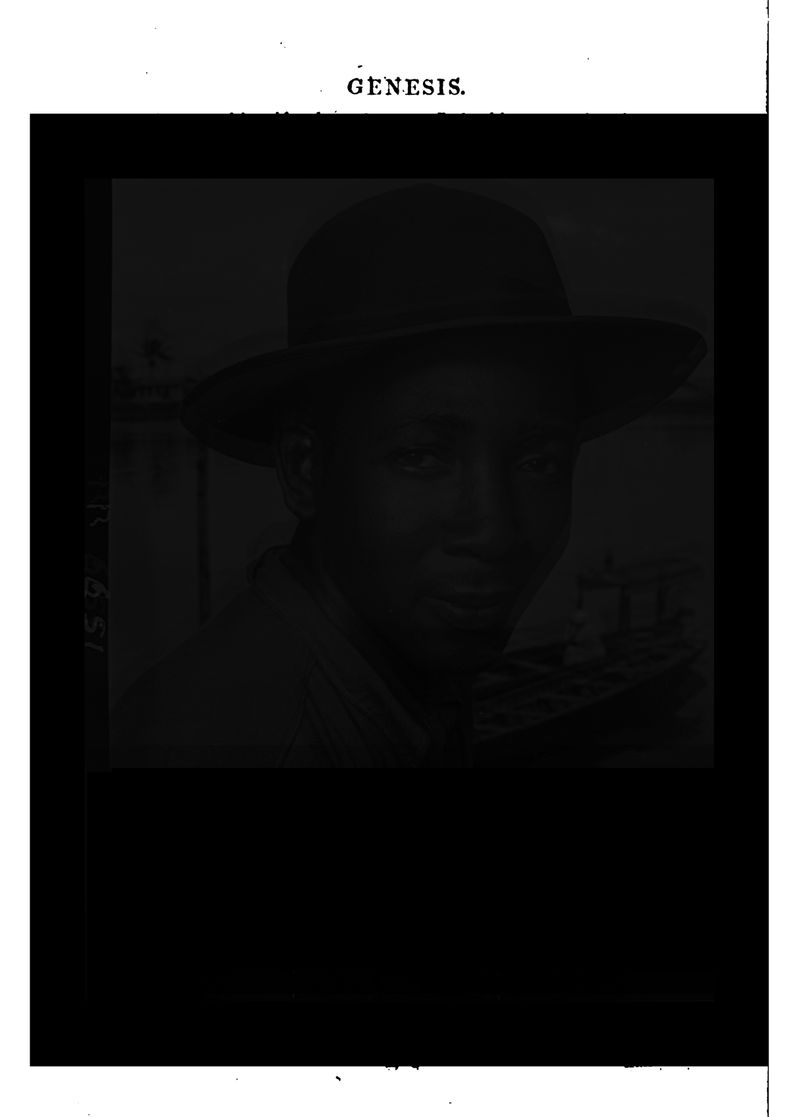
The central piece of the cross inside a room that will be surrounded by pages from the "Slave Bible," heavily redacted to articulate the Church’s absolute control over the dissemination of scripture. Within these black, redacted pages, in the voids where text once lived images from the Heseltine archive, are inserted. This visual layering exposes the magnitude of the Anglican Church’s complicity in the apparatus of enslavement.
Additionally montaged Panoramas of the work consists of large-scale images printed on translucent material , suspended within the space. Or Alternatively as video pieces projected into the space These works interconnect the Mrs. Roberts publication with a broader sociopolitical framework. Tracing the conditions that birthed these colonial objects: from the Haitian Revolution, which triggered the production of the redacted Bible, to the fear of rise of socialism that lead to the removal of the democratically released people’s party in British Guiana.
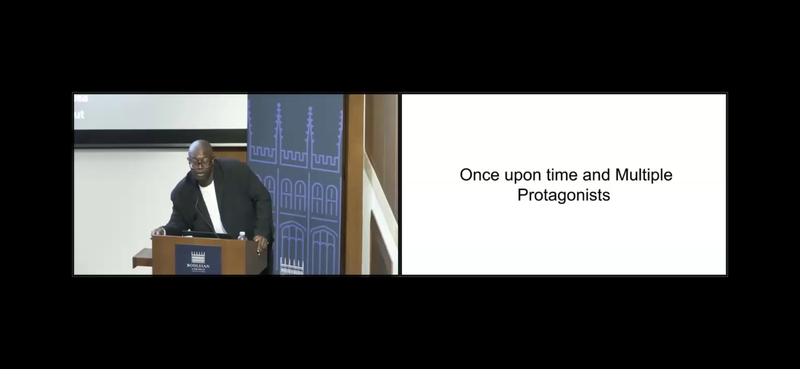
The fourth iteration of the project is presented in the form of a performative lecture, unearthing the research that informs the wider body of work, in the format of the chapters of the Old Testament. Taking the audience onto a deeper journey through the ideas, issues and concepts encountered during the making and research of the project. The lecture leans into the performative structure of the sermon, visuals and the sound of the mysterious ‘voice from above’ invoking the Revenant. The lecture echoes the installation, engaging in temporalities of history, the spirits of the archive to comment on the past, present and the future.