You Are My One And Only
-
Dates2021 - 2026
-
Author
- Location Burnham, United Kingdom
Mum and dad didn't know they carried a fatal genetic condition, and my younger brother and sister died when I was a child. But my genes are unaffected. When my parents died, I photographed the house I grew up in to tell this story and explore my identity.
“You are my one and only” is what my mother would often say to me when I was growing up. But these words of love also bore a weight of loss. My younger brother and sister both died as infants from a rare genetic condition when I was a child. My genes are unaffected, but these events have cast long shadows.
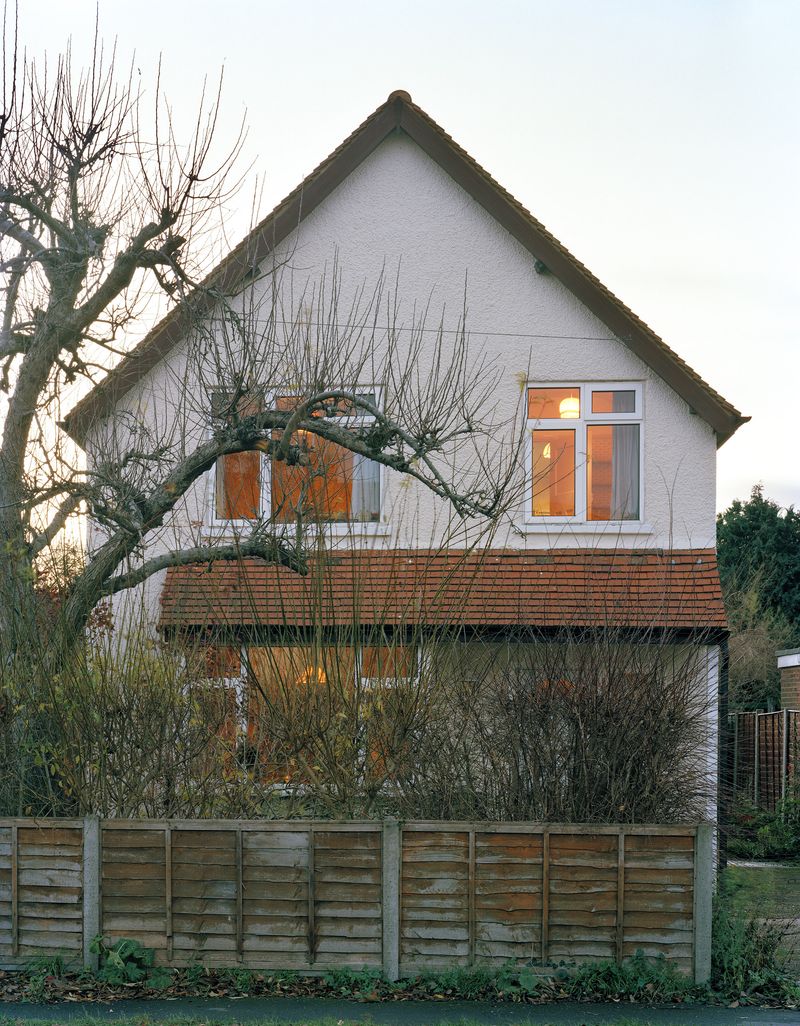
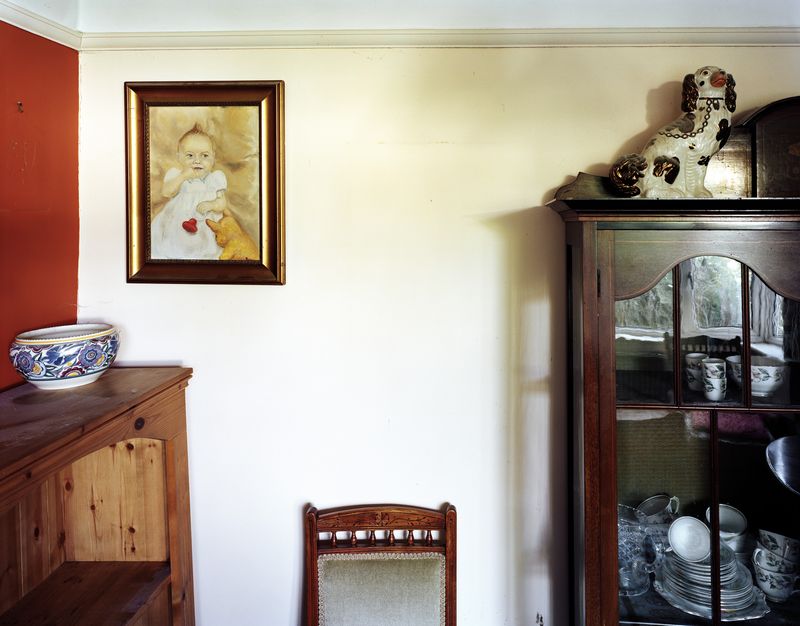
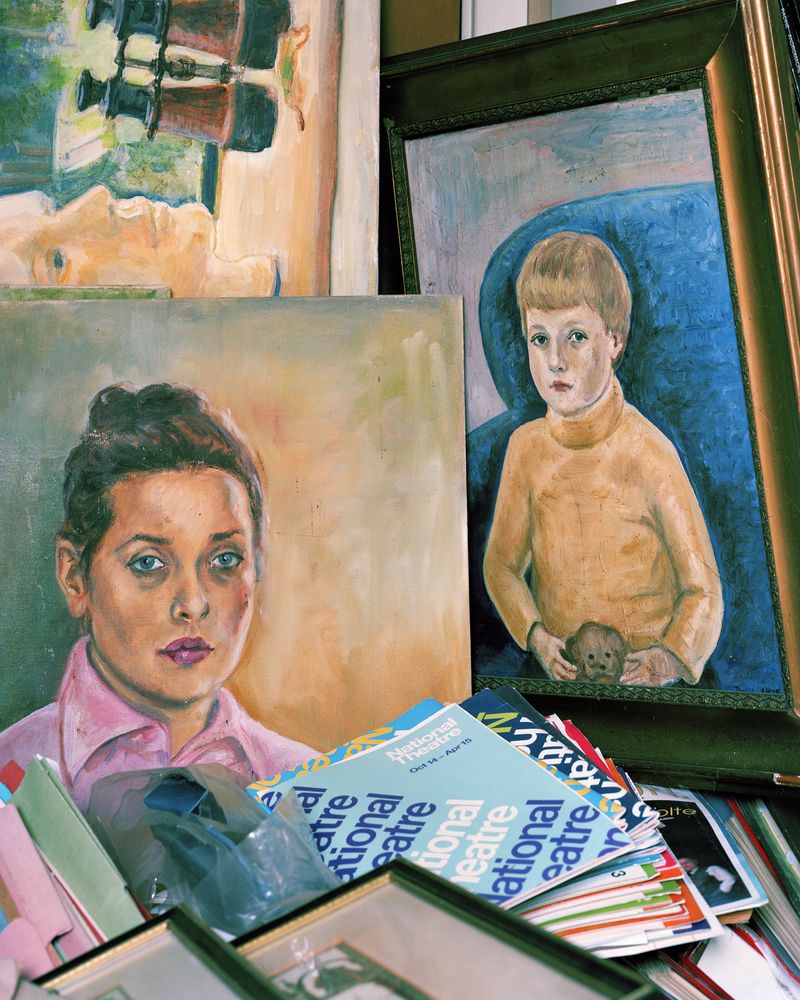
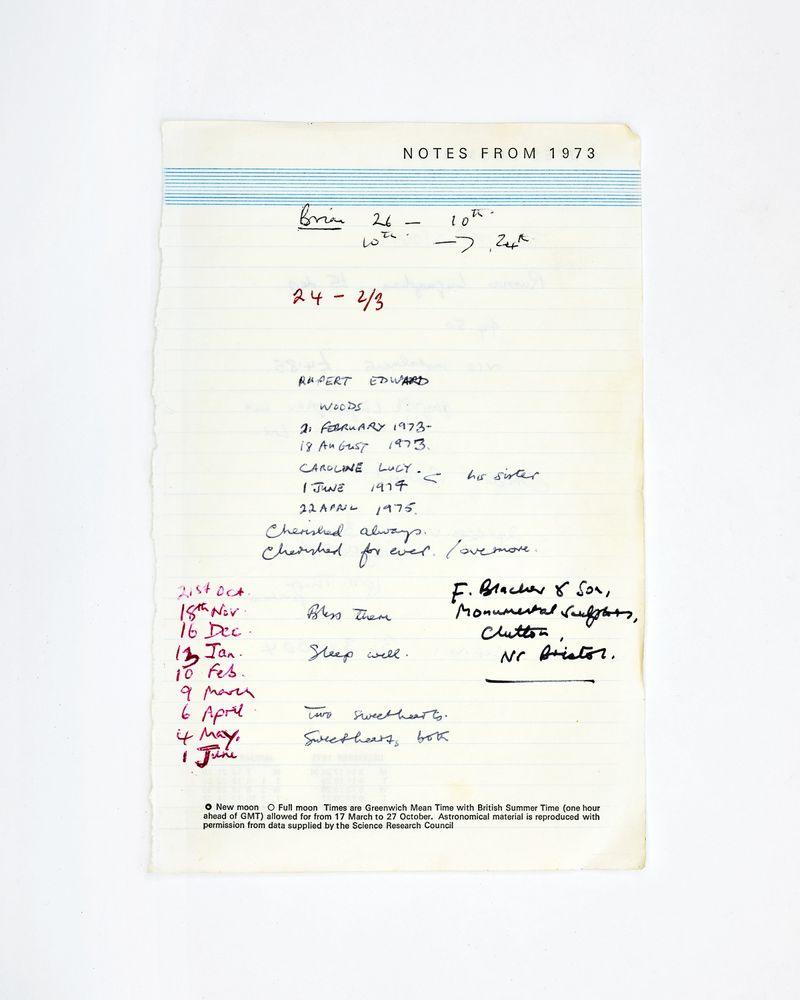
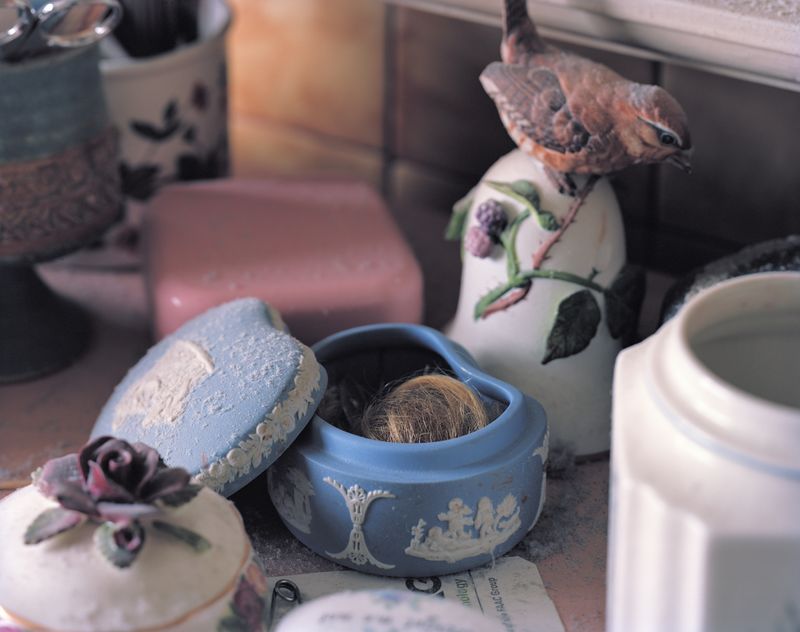
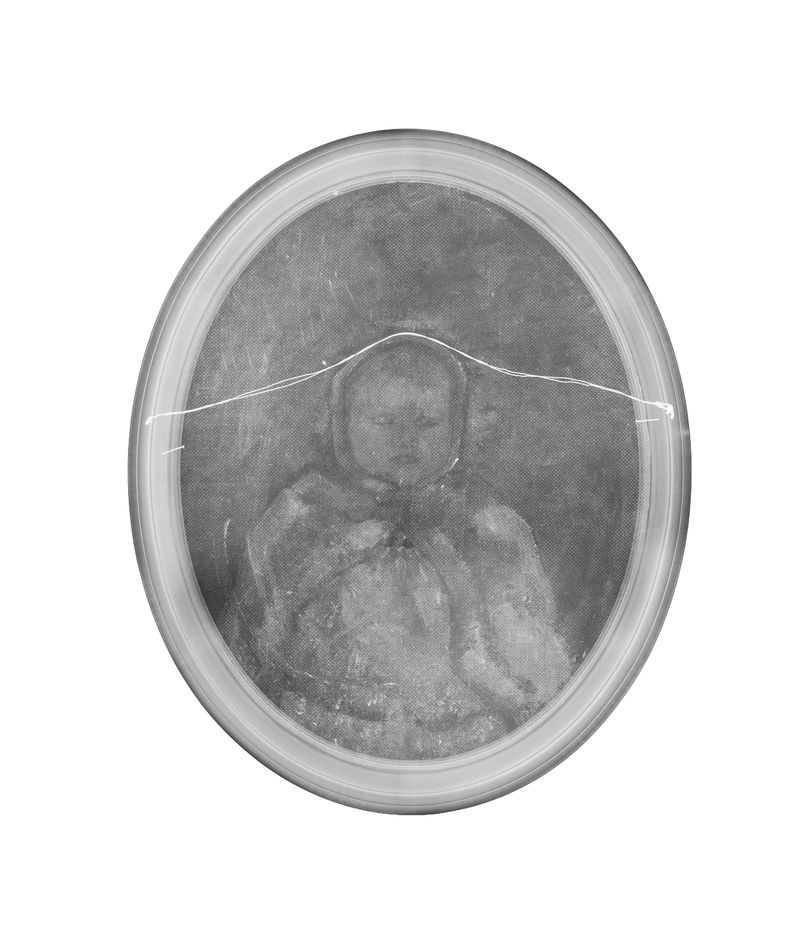
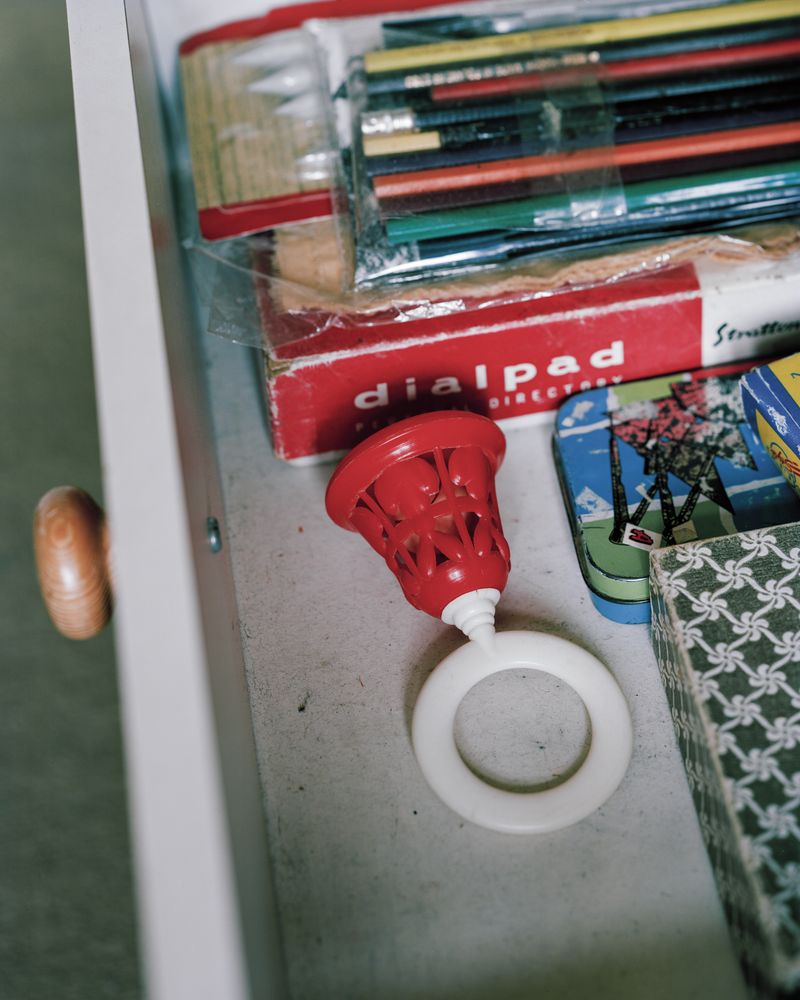
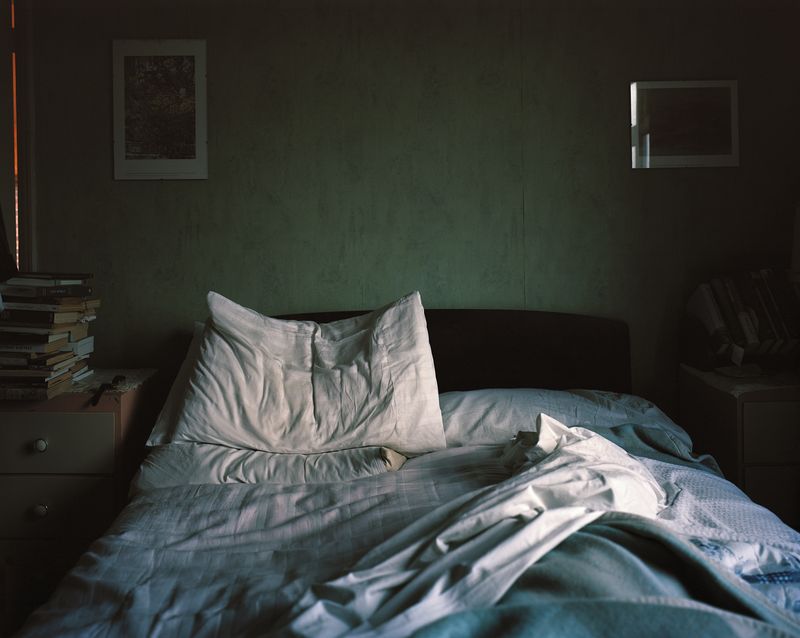
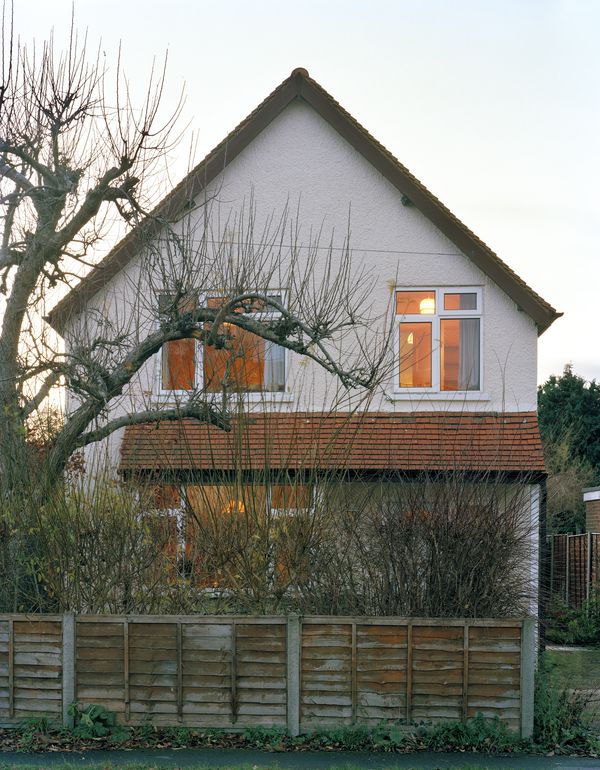
My parents always lived in the same ordinary house. Time passed and somehow mum and dad got through, but traces of grief always remained. Painted portraits, items of clothing, notes of remembrance and even locks of hair belonging to the lost children were held within the house: either stowed in the attic, placed in drawers, or folded within the pages of books waiting to be found.
There was a hierarchy of grief in my family: mum’s was immediate and raw, while dad's grief was more internalised and slower to come to the surface. I was aware of my parents' pain from a very young age, but my own sense of loss somehow felt overlooked. I became an only child, and I stopped being the eldest. But I felt like I was neither.
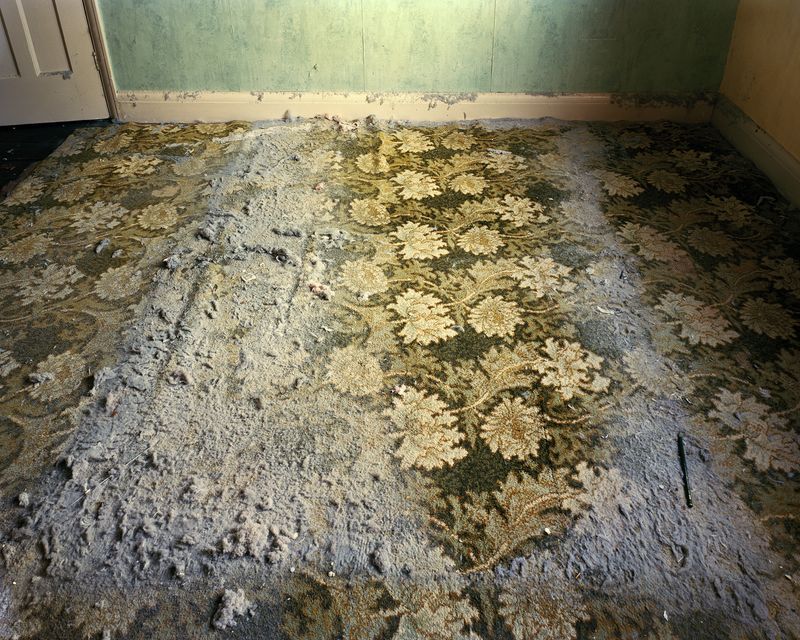
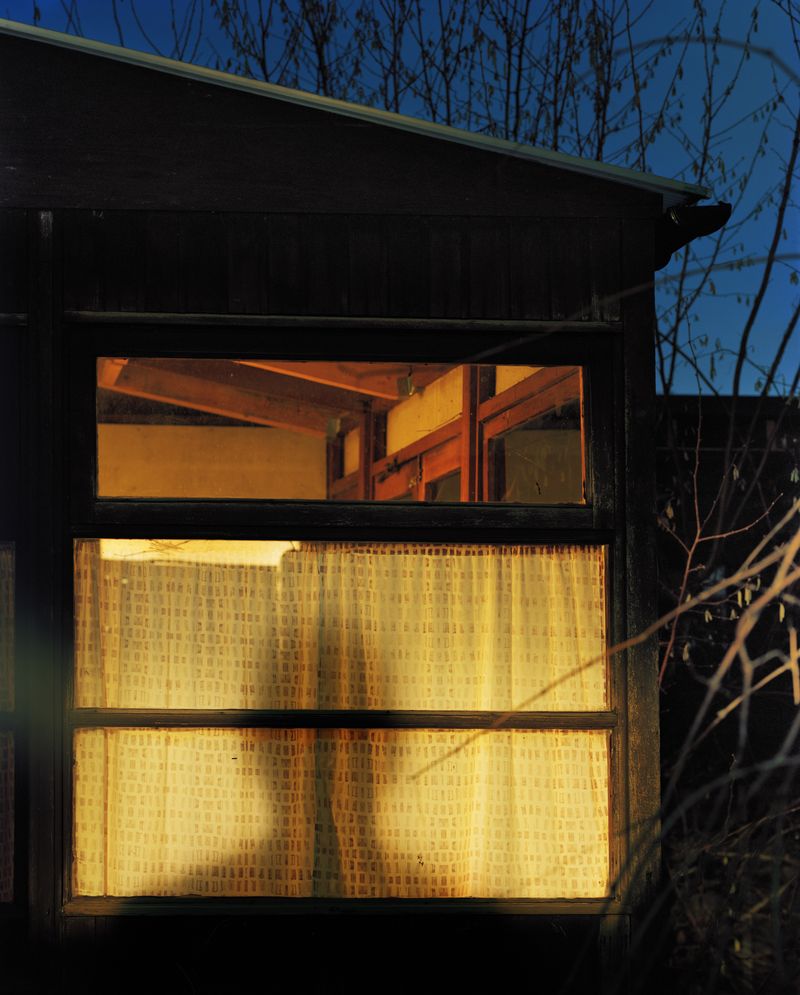
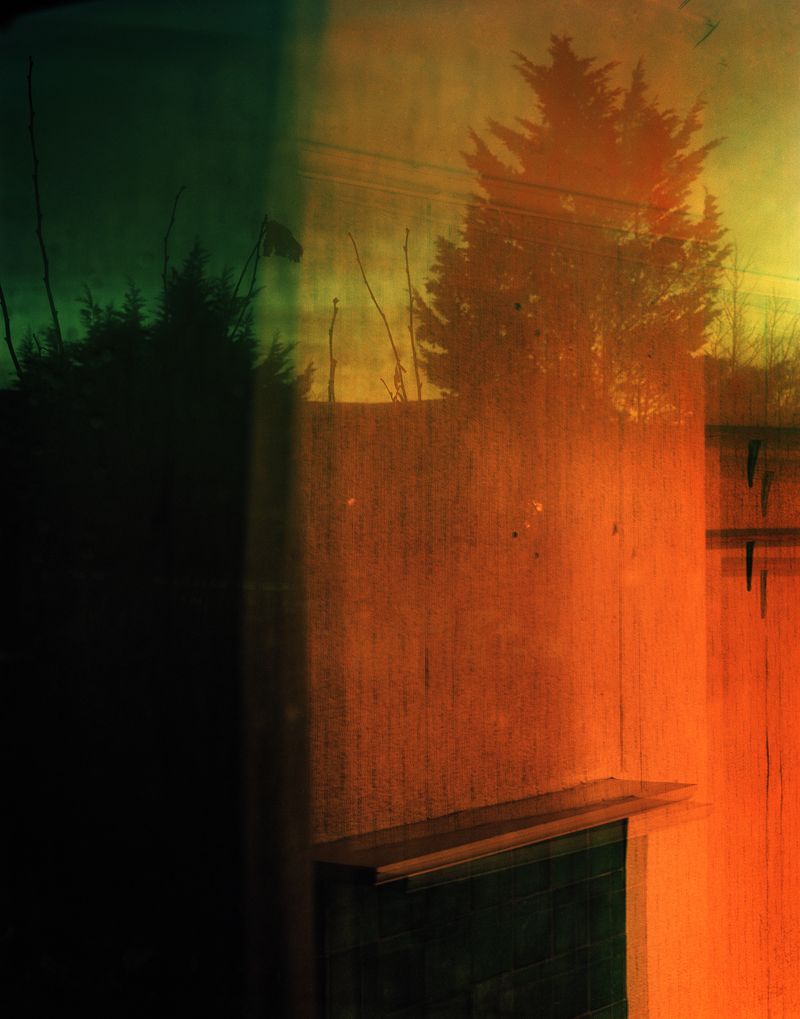
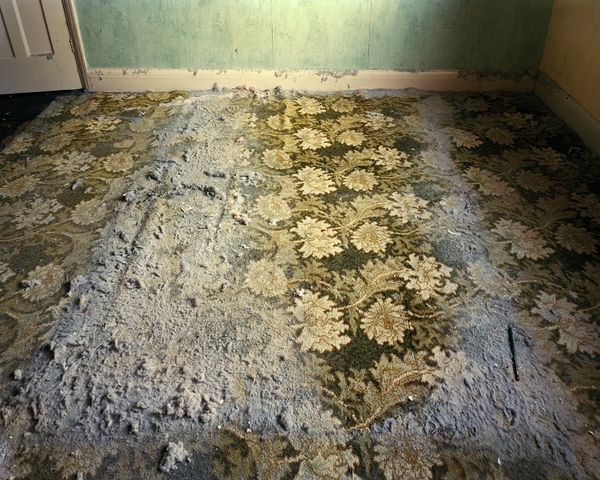
When my parents died, I was confronted with the task of emptying the family home: sifting through objects, memories and dust. The house had been a witness to our family’s ghosts, and now it was finally able tell its story.
As if untangling my own emotional web, I began documenting and cataloguing the house and its contents, activating a delayed process of mourning and healing. My approach throughout was to be emotionally forensic. I felt like a visual archaeologist, peeling back many different layers. I chose to get certain objects x-rayed to reveal the forms contained within.
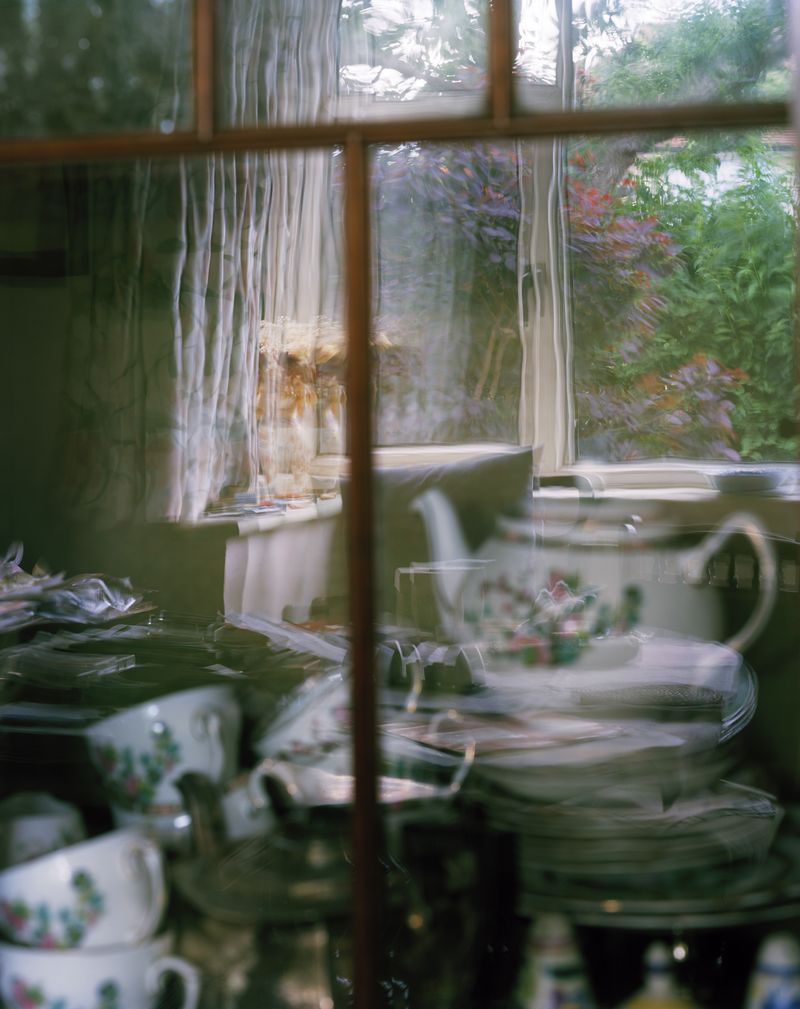
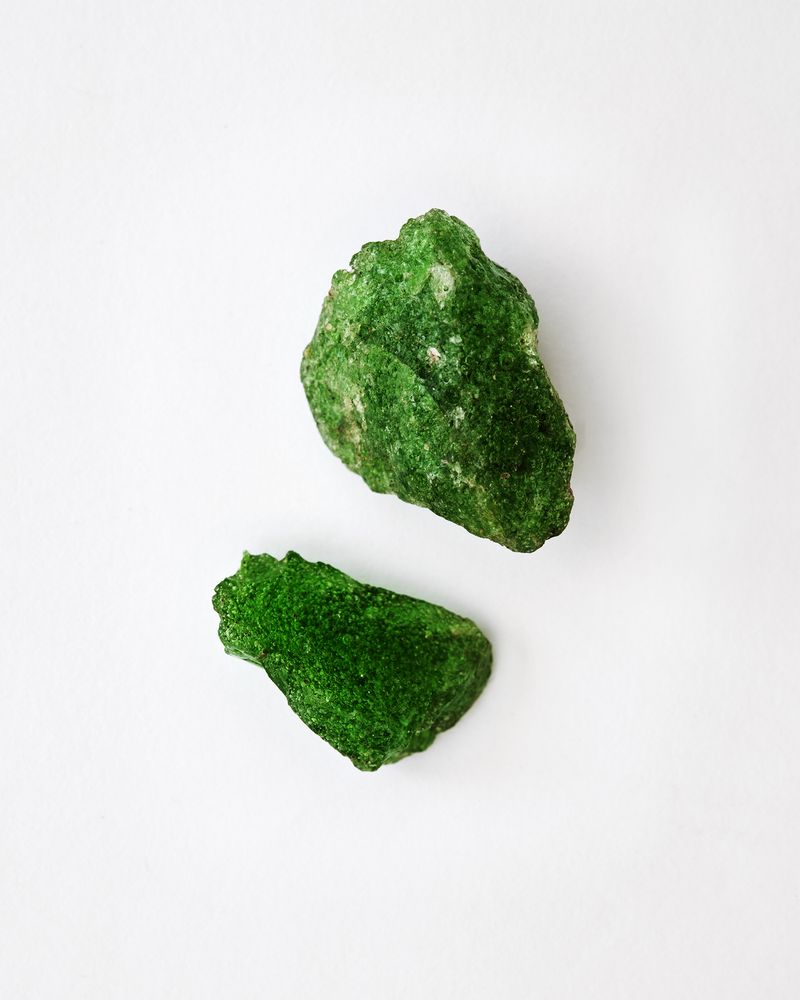
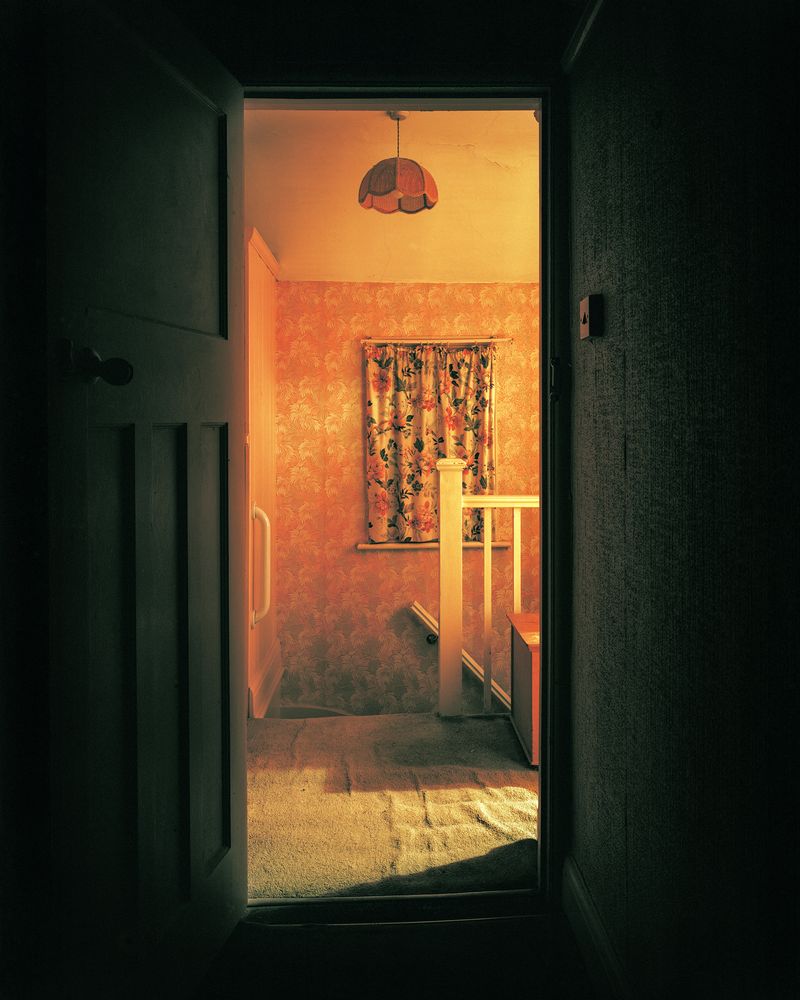
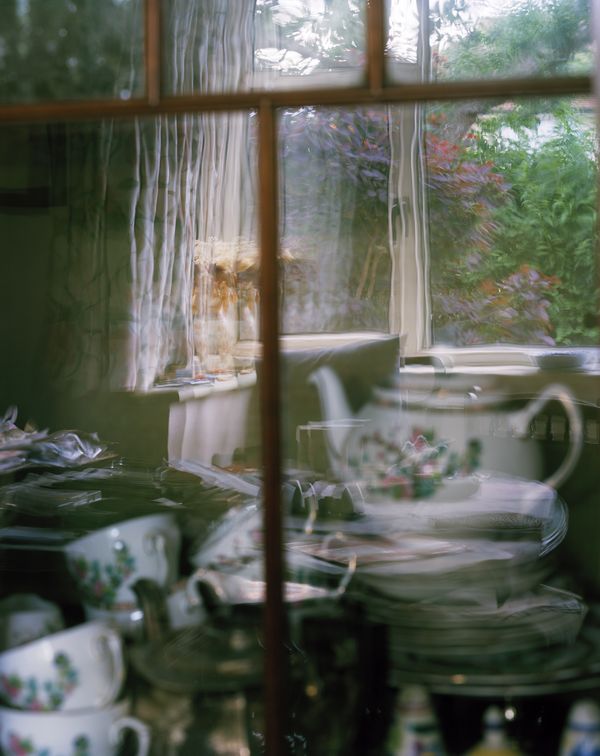
In each image presence and absence, past and present, often seem to converge. Objects and views hold memories: the stairs seen from my childhood bedroom at night; the image of a cluttered cabinet that echoes the day my brother died; the paintings of my mum and me found in the attic; and the green stones that I collected at the cemetery and held during my sister’s funeral.
I am in the process of making a book of this body of work with Gost Books and I am applying for the PhMuseum 2026 Photography Grant to help make this a realty. The book will have a tactile feel, at times a bit like a family album. It will mix archive material with my own photographs with other image making processes like x-rays as a way of telling this family story through different layers.
In photographing the house, I have wanted to examine everything in it, as if I was trying to find something. Perhaps what I have been looking for is a sense of identity and a way of finding myself. Maybe all I want to say is that once I was a brother.