X/JUST BLACK OUT MY NAME
-
Dates2021 - 2021
-
Author
- Topics Social Issues
- Locations Kyrgyzstan, Bishkek
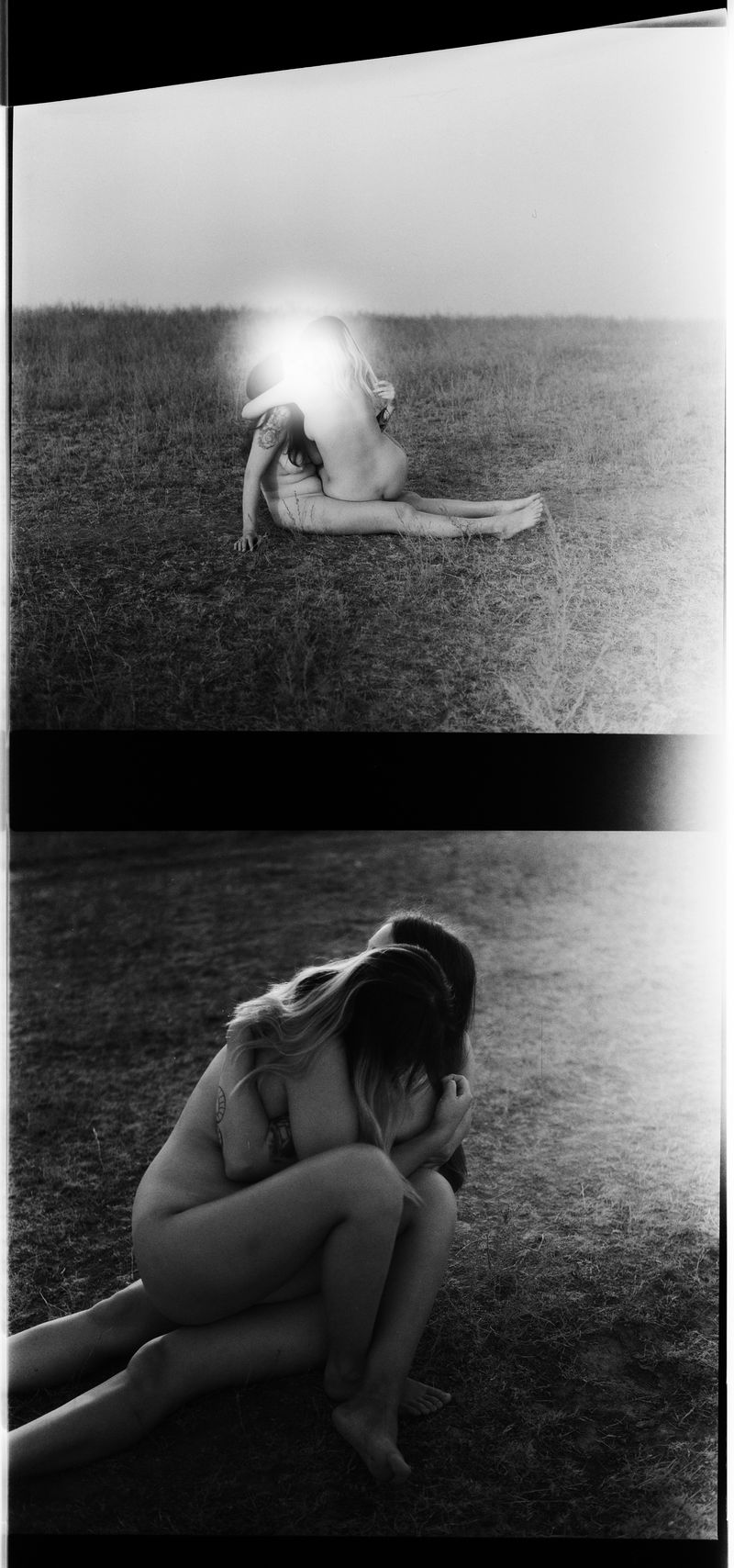
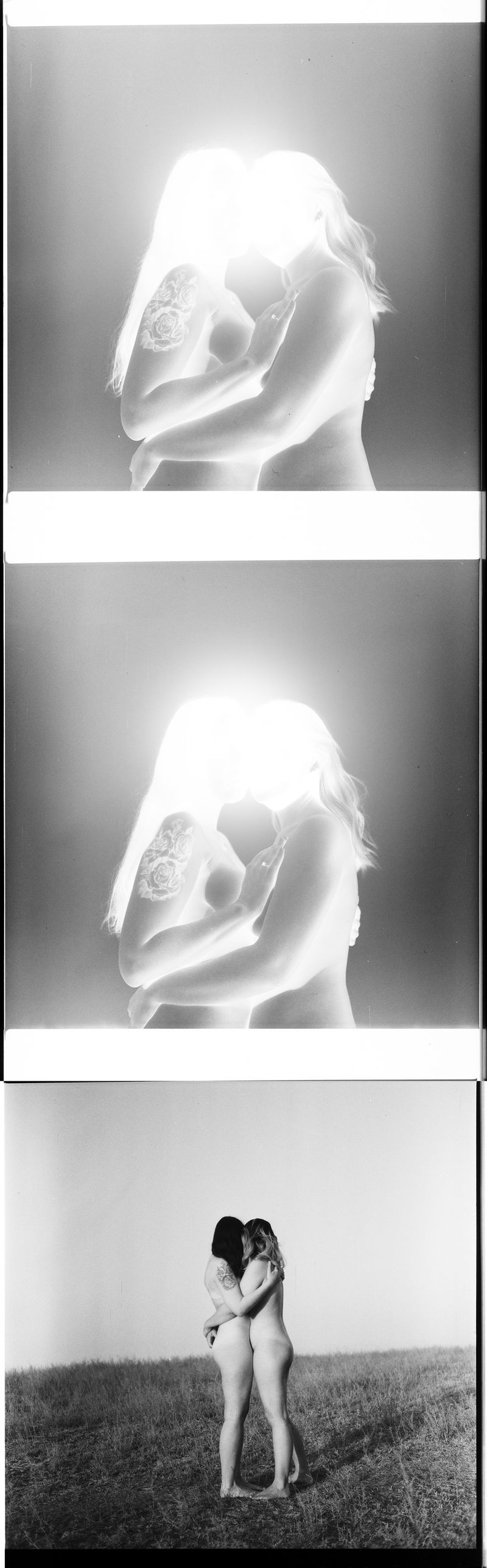
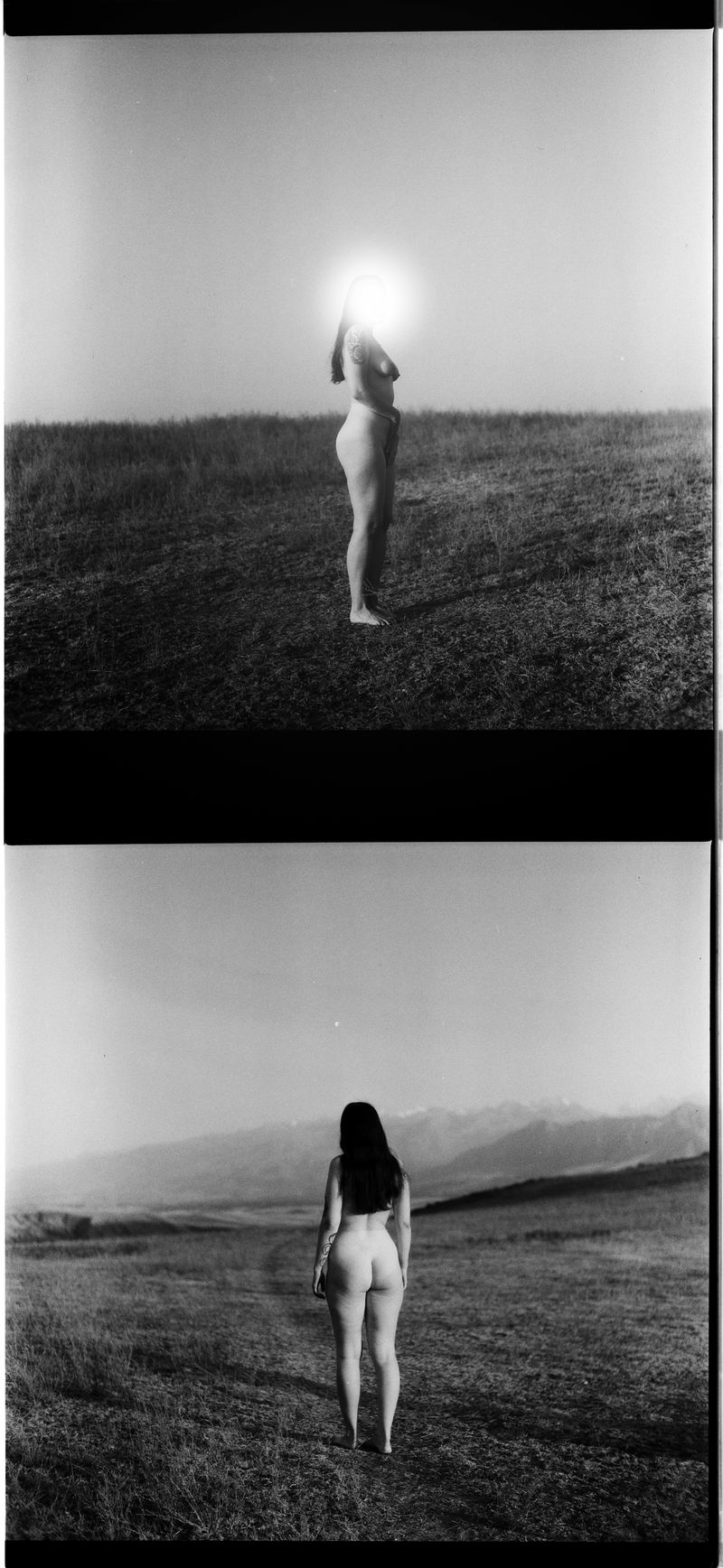
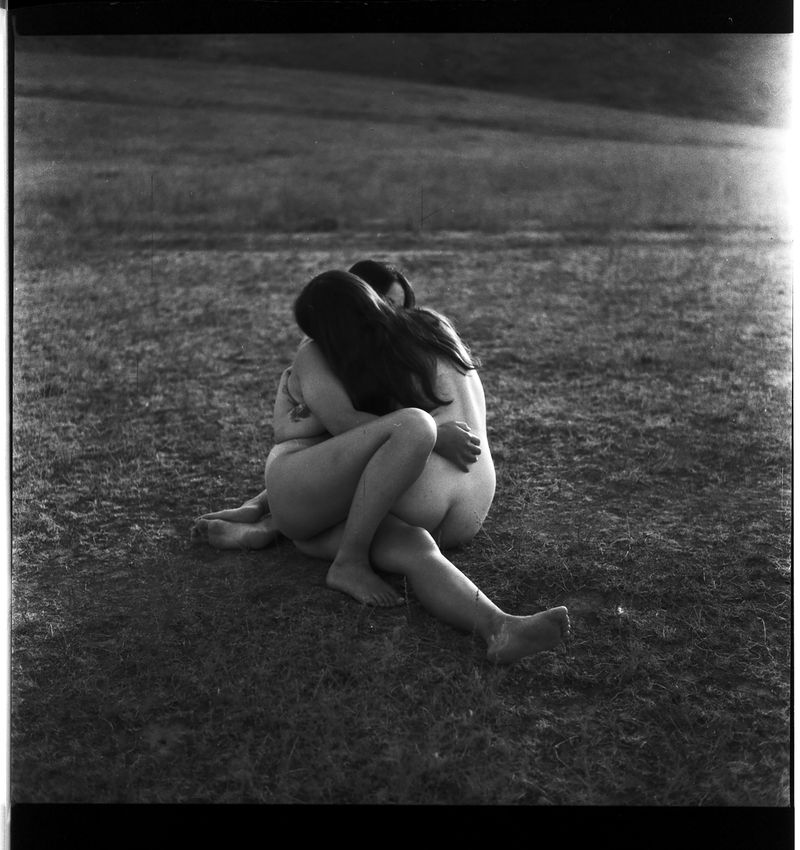
A photographic project developed in Bishkek (2021) examining queer intimacy under conditions of restricted visibility. The erasure of faces functions as both a protective measure and a political gesture within right-wing and homophobic contexts.
I created this series during a three-month stay in Bishkek (2021), Kyrgyzstan. As a queer person, I explored questions of care, fear, tenderness, and everyday life within and alongside local LGBTQ+ communities. This work is part of my ongoing research into how intimacy and survival are shaped by systems of oppression.
During this time, I met people from different cities, generations, and social backgrounds — each navigating their own path within a society structured by patriarchal and homophobic norms. Many of us shared a common experience: a sense of vulnerability and the constant effort required to negotiate safety in everyday life.
In Kyrgyzstan, I formed close connections with gender-nonconforming, trans*, and queer people. In their life stories, recurring experiences of structural violence, human rights violations, insecurity, mental health struggles, painful relationships with parents and peers, and the impossibility of finding stable employment emerged. Yet I also encountered something else — a deep love for their homeland, a desire to build a life there, or a profound grief over the necessity of leaving it behind.
At the center of this project is the story of D., a close friend of mine. We lived together in Bishkek after both leaving Belarus following the political events of 2020, uncertain whether we would ever be able to return. Her relationship with her partner from Kyrgyzstan unfolded in a space of constant tension between intimacy and risk — where love is forced to account for social and political constraints.
“On the street, I couldn’t hold my girlfriend’s hand.”
“Keeping my parents unaware is both a blessing and a curse. They will never know how happy I am with my girlfriend, that we are planning a family. They will never know the real reason why I cannot stay in Kyrgyzstan forever — even though I love it deeply.”
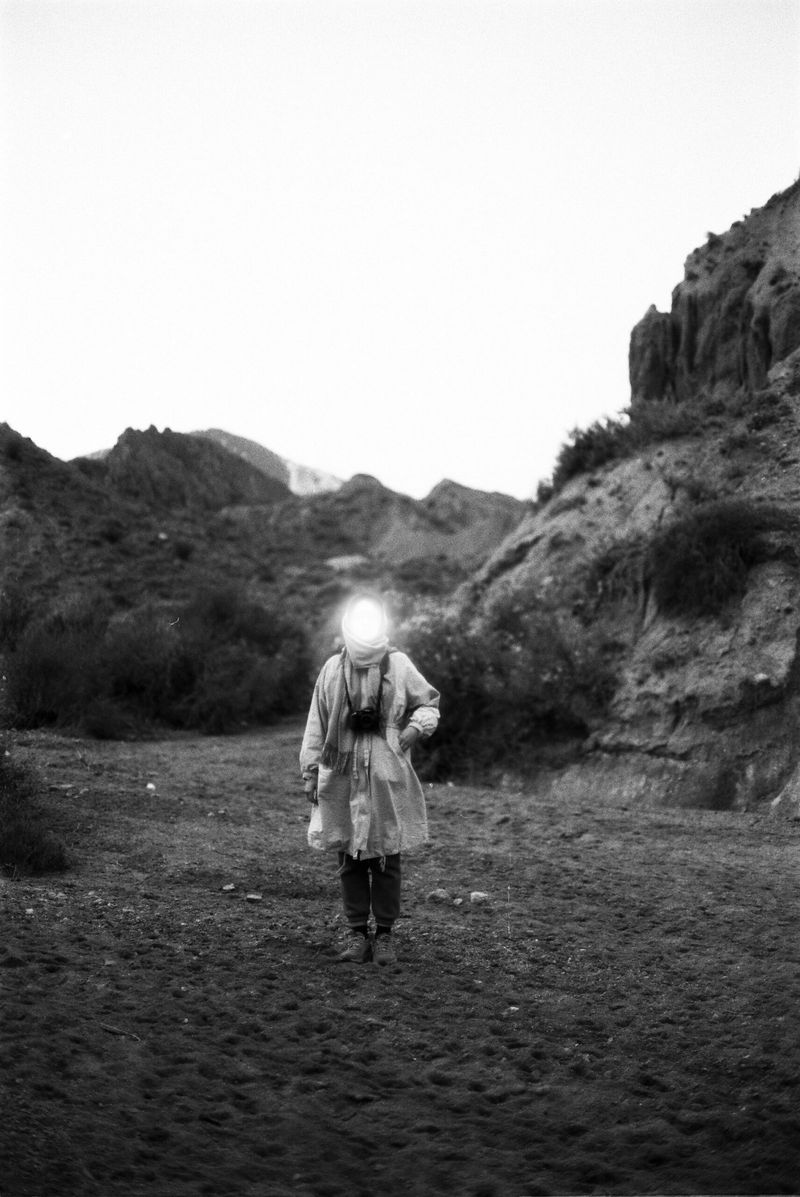
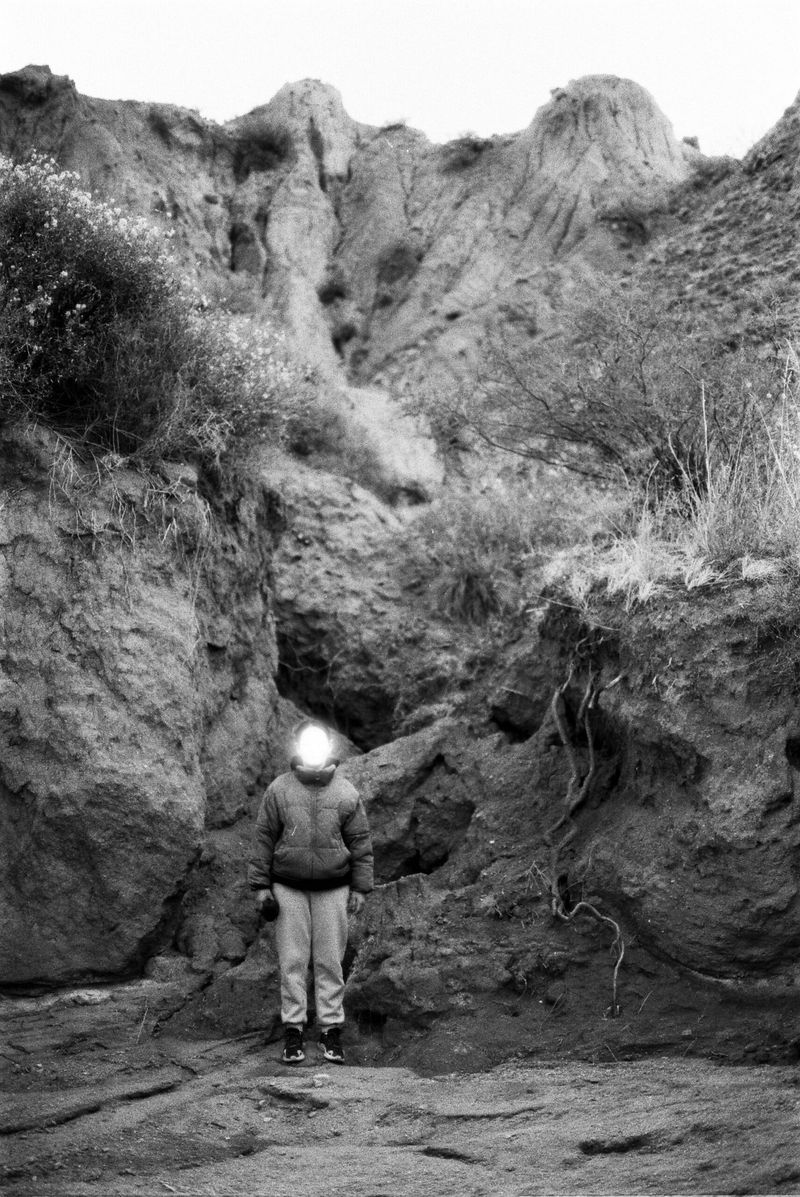
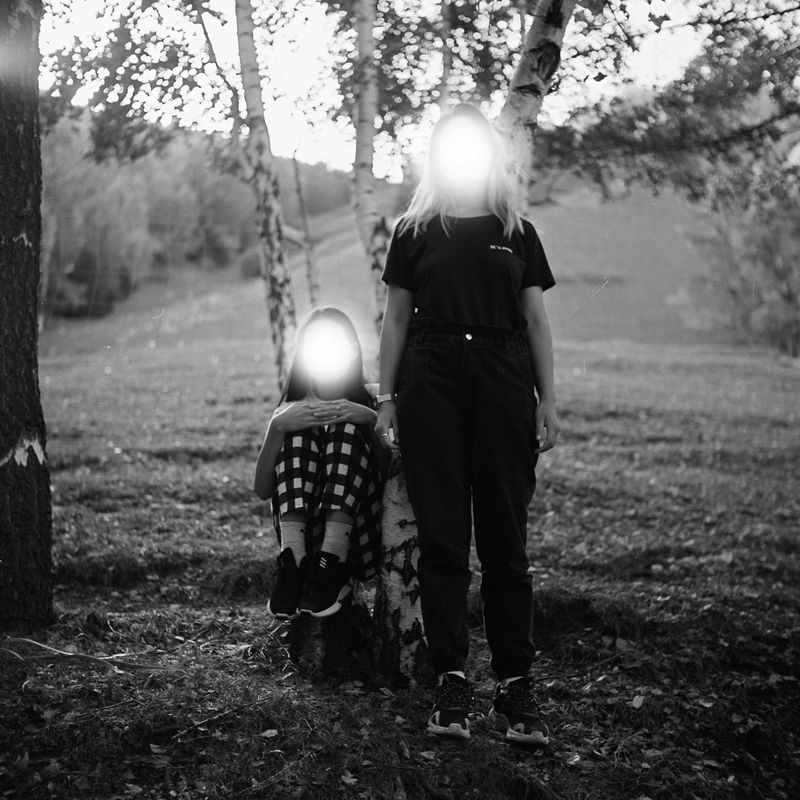
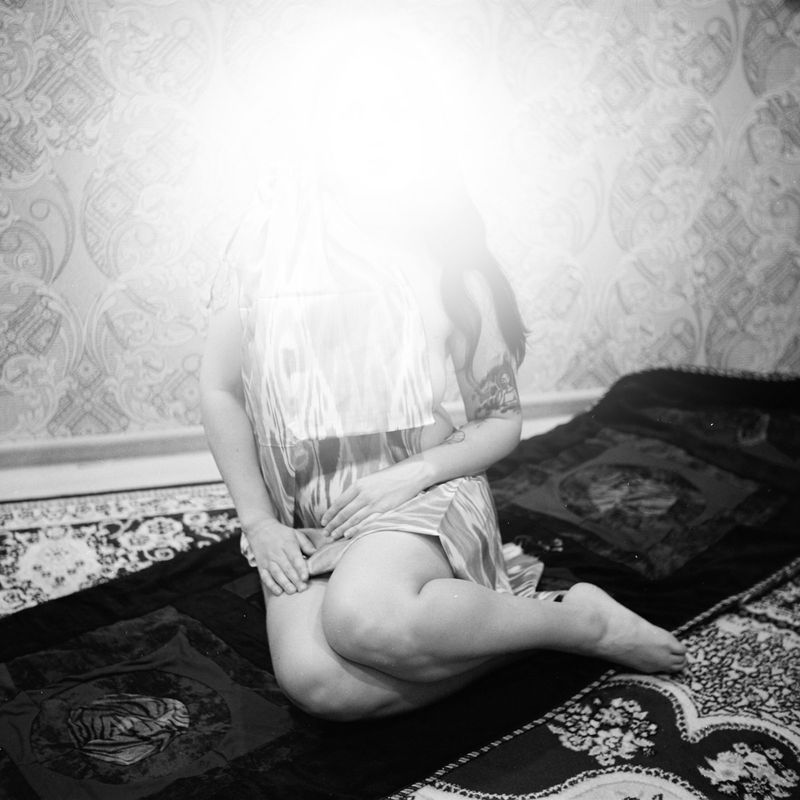
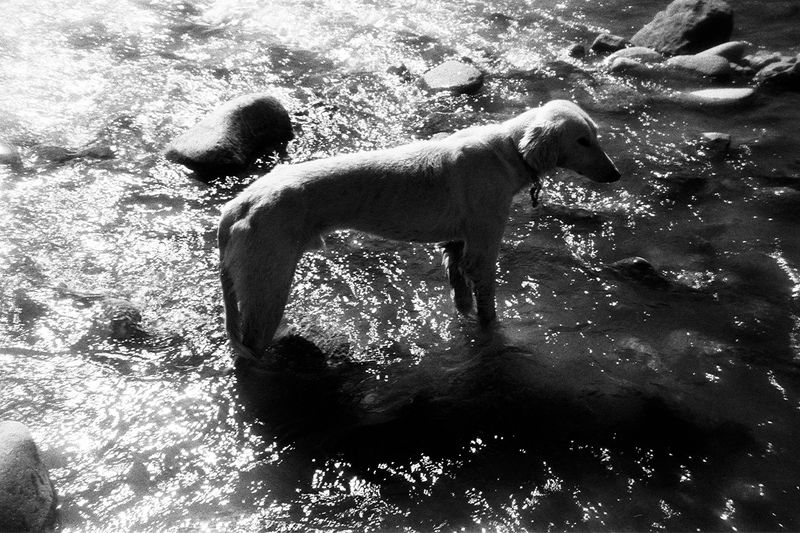
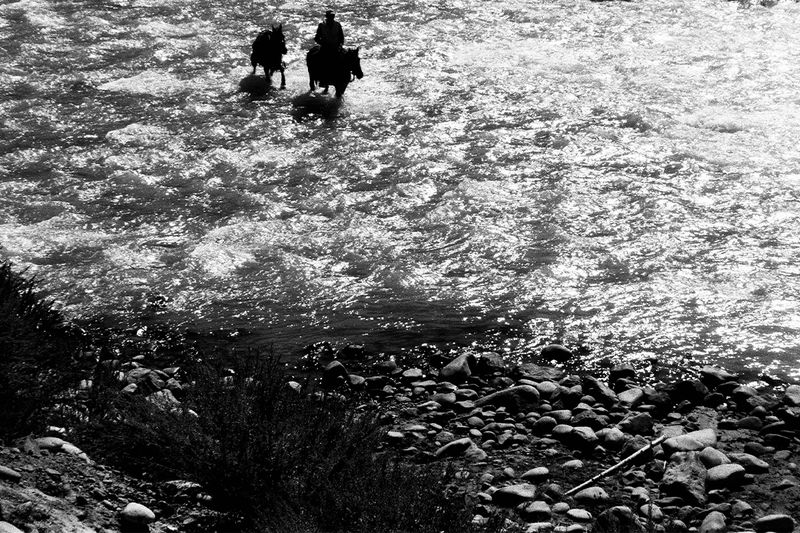
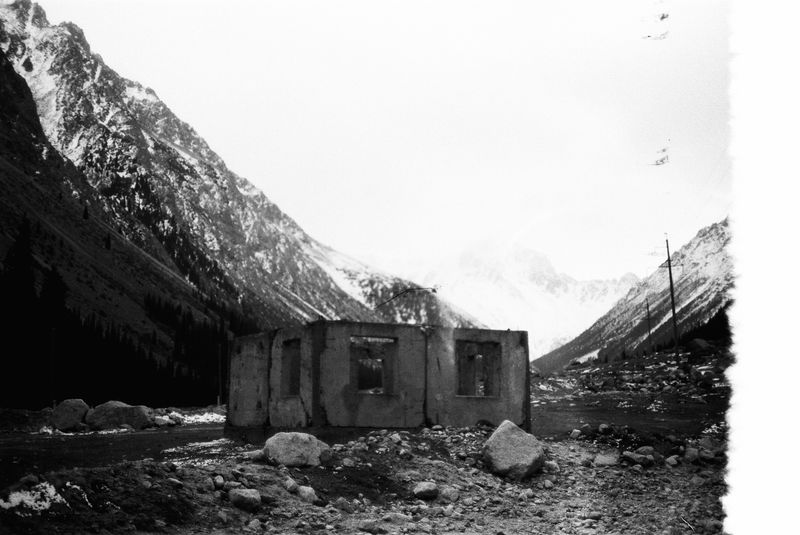
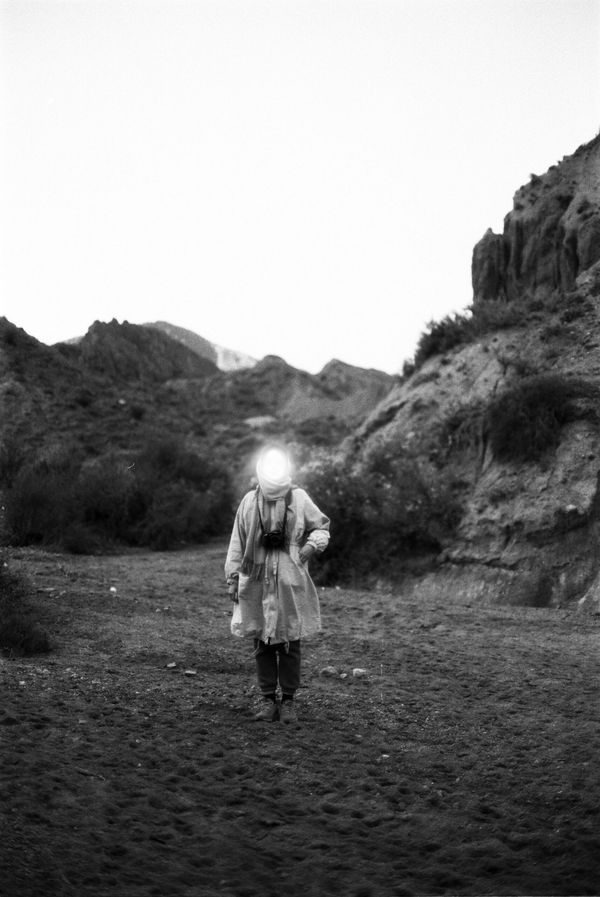
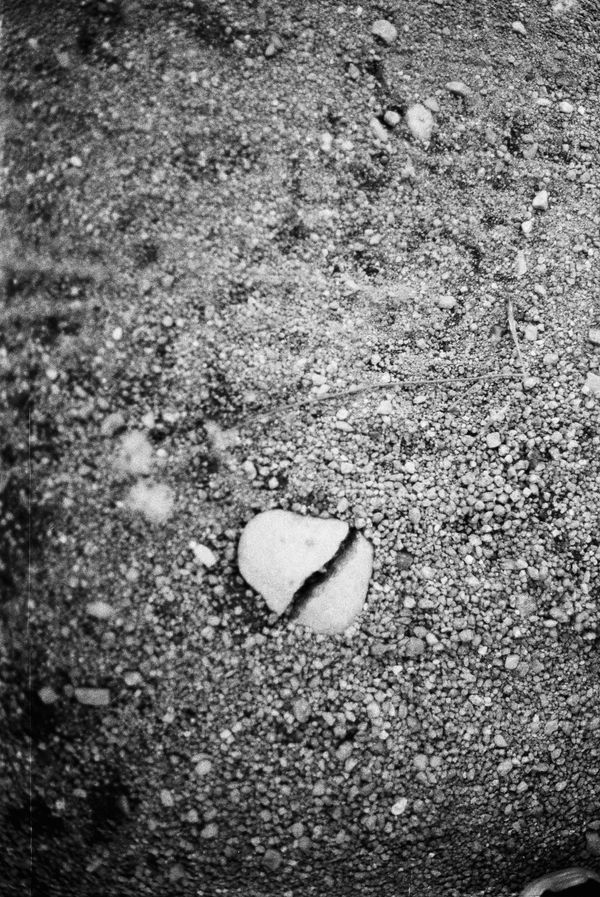
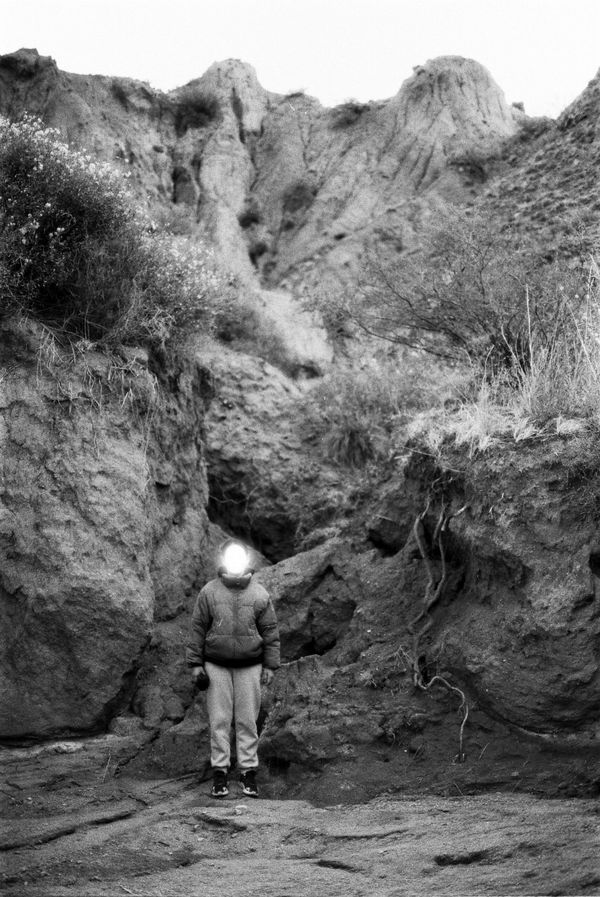
The photographs in this project do not seek to reveal identities. Faces are intentionally erased by light — not as an act of concealment, but as a gesture of protection. In contexts where visibility can mean danger, the refusal of recognizability becomes necessary. Bodies and relationships remain visible, while identification is deliberately withheld.
Hidden faces here function simultaneously as an act of protection and an act of protest: they point to conditions in which identification becomes an instrument of control and safety a privilege. These images do not document individual portraits but rather capture a cross-section of the time we live in — a time in which the rise of right-wing, nationalist, and homophobic discourses forces vulnerable bodies into mimicry. Mimicry becomes a strategy of survival and resistance at the same time.
This project does not seek complete visibility or a totalizing narrative. It holds space for partial presence — for forms of intimacy that can only exist under conditions of protection. When I discussed with one of the protagonists how her story could be included safely, she said:
“Just black out my name.”
This gesture — erasure as care, invisibility as a right — became the ethical and methodological foundation of the project. The work insists on the possibility of being seen only partially, preserving the right to safety and silence.