Woven in Silk

Woven in Silk documents Laos’s rapid transformation, where traditional life collides with development, infrastructure, and expanding Chinese influence.

“Woven in Silk” is exploring the socio-economic transformation unfolding in Laos, a landlocked, communist country in mainland Southeast-Asia. Laos is rapidly shifting from a traditional agrarian society to a modern economy. This transformation is heavily influenced by China, which views resource-rich, low-income Laos as an ideal partner to expand its economic reach across the region. In the last decades, hydro dams, mining operations, special economic zones, large-scale agricultural trade, and major infrastructure developments have reshaped the country’s economic landscape.

Since moving to Laos in 2017 to work as a geography researcher, I’ve been living in the country and closely witnessing its changes. Over time, my fascination with Laos’s transition only deepened, leading me to leave my full-time research job in 2020 to tell this story through photography. I was driven by the desire to document this pivotal moment and to explore how global forces were reshaping everyday life in Laos.

“Woven in Silk” is the result of numerous trips across the country, capturing everyday scenes within a changing landscape. The photographs reveal the contrast between traditional ways of life and the uncertain future, shaped by economic ambition and filled with promises of prosperity, connectivity and modernity — where Laos is heading, only time will tell.
© Nicholas Bosoni - Image from the Woven in Silk photography project
i

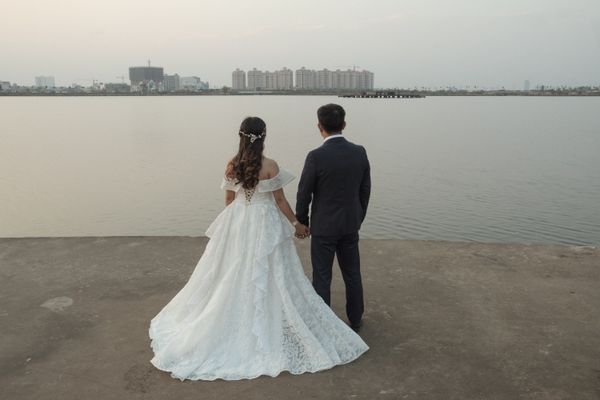
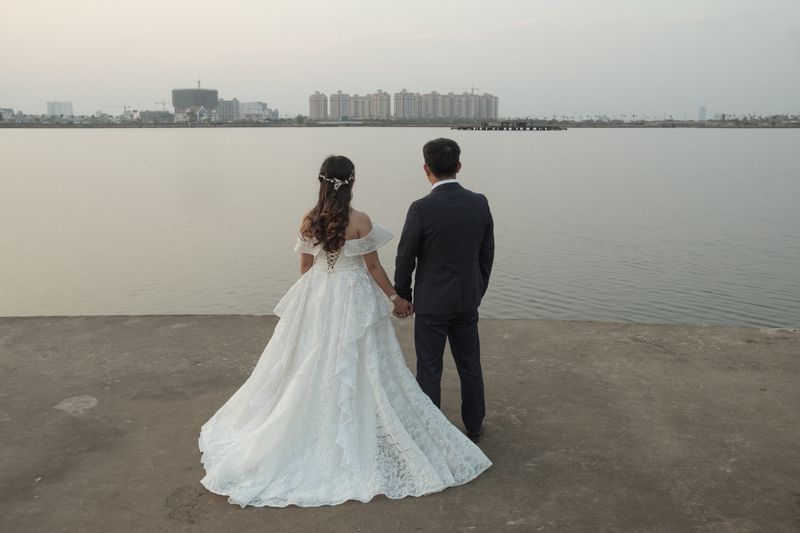
A couple gazes at the artificial lake in That Luang, Vientiane, on their wedding day. In recent years, this lakeside has become a popular spot for wedding photo shoots.Once a vast wetland, That Luang Marsh played a crucial role in the city's ecosystem and local livelihoods. Its transformation reflects Laos's rapid modernization,replacing natural landscapes with man-made structures.

© Nicholas Bosoni - Image from the Woven in Silk photography project
i

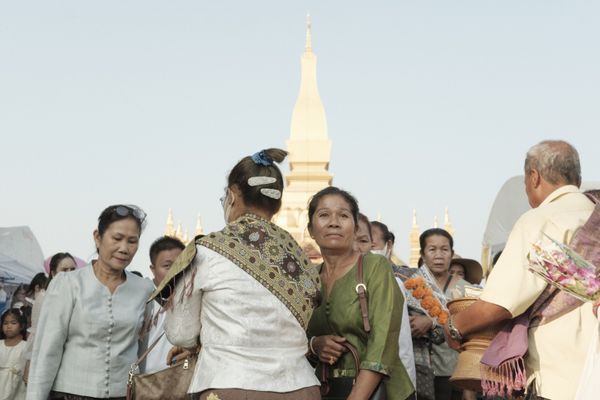
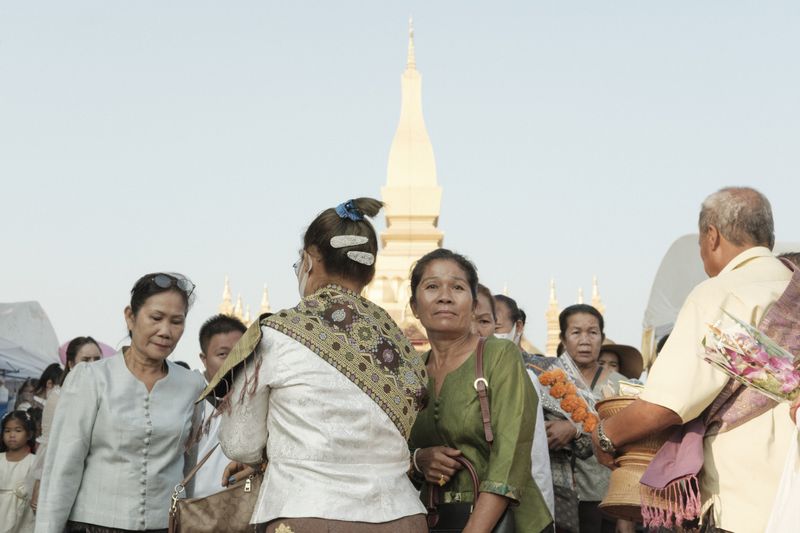
Crowds gather around the That Luang Stupa in Vientiane during the annual That Luang Festival, one of Laos’s most significant cultural and religious events. Held every November, the festival honors the revered golden stupa, believed to house a relic of the Buddha. In a country where the majority of the population practices Theravāda Buddhism, the festival is a deeply spiritual occasion.

© Nicholas Bosoni - Image from the Woven in Silk photography project
i

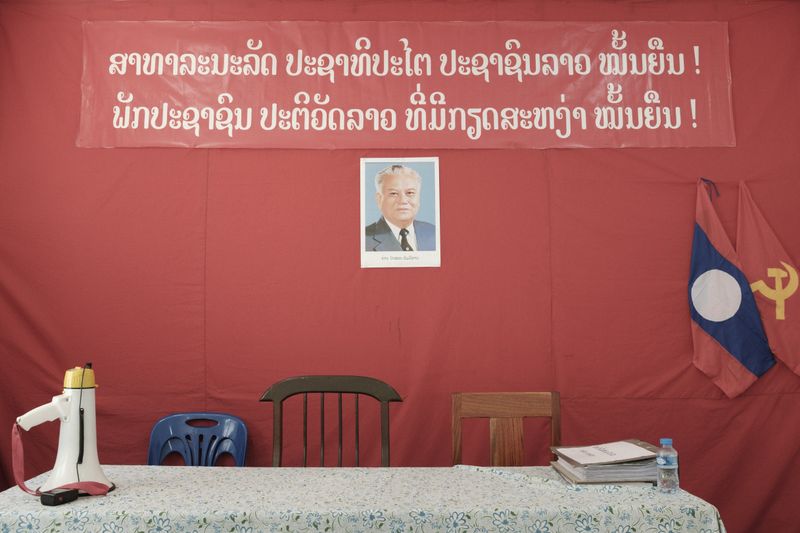
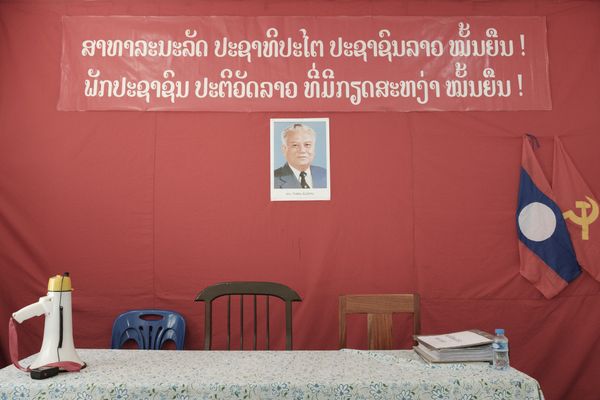
A portrait of Kaysone Phomvihane displayed inside a village hall in Vientiane. Kaysone, the founding leader of the Communist Lao People's Revolutionary Party (LPRP), played a pivotal role in shaping modern Laos. His image remains prominently displayed in many public spaces, symbolizing the enduring influence of his leadership on the nation’s history.

© Nicholas Bosoni - Image from the Woven in Silk photography project
i

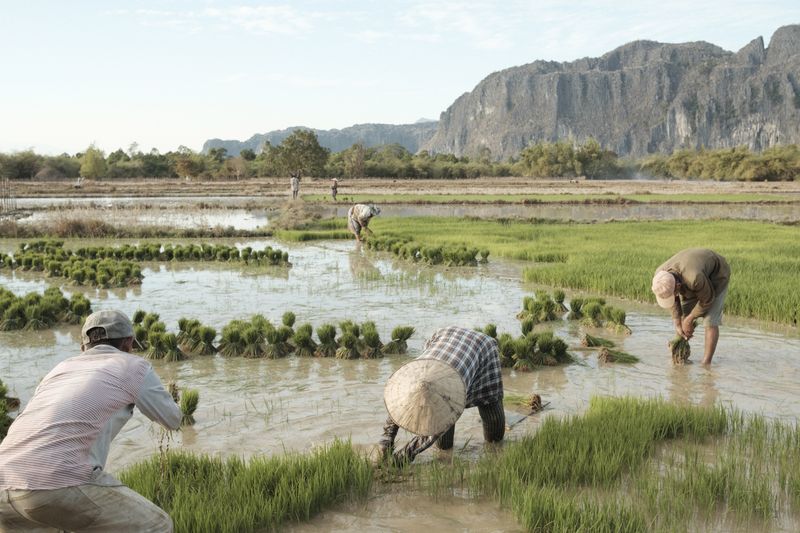
Villagers planting rice in the lowlands of Khammuane Province, Laos. Rice is the main cultivated crop in Laos, with the majority of the population relying on it for both sustenance and livelihood. In rural areas, villagers depend on traditional agricultural practices to sustain their livelihoods, and planting rice is a communal activity that brings the community together.

© Nicholas Bosoni - Image from the Woven in Silk photography project
i

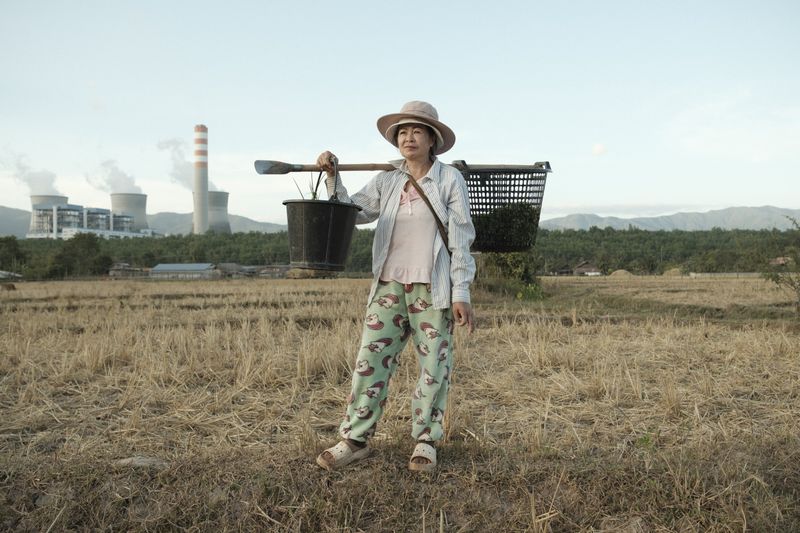
A farmer on her way home after harvesting vegetables in her garden near the Hongsa Coal-fired Power Plant in Laos. The plant, located in the Hongsa district of Xayaboury province, is the largest coal-burning electrical plant in the country. Developed by two Thai energy firms, the project exports about 80% of the electricity produced to Thailand.

© Nicholas Bosoni - Image from the Woven in Silk photography project
i

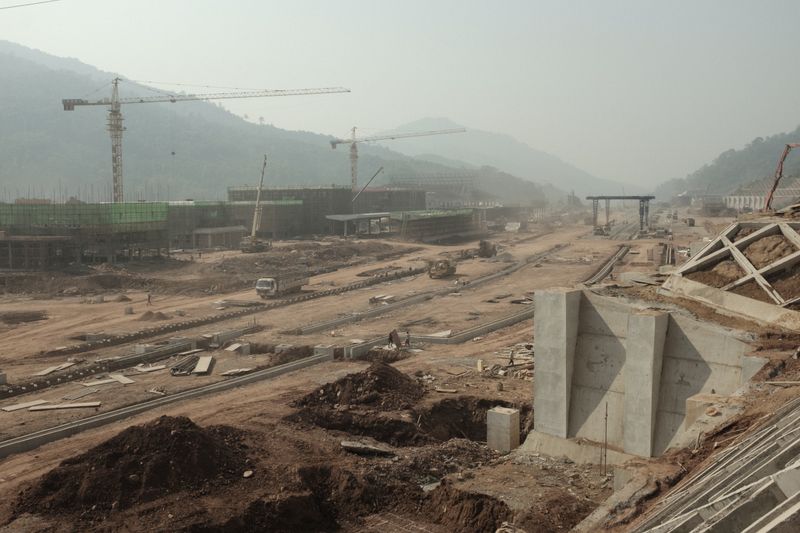
The construction of Boten train station. The train station part of the Belt and Road Initiative, was officially inaugurated in December 2021. Boten is the first railway stop in Laos, thus destined to become an important logistical and economic hub. What was a rural village counting a few thousand inhabitants less than twenty years ago, is today the Chinese's gateway to Laos and SouthEast Asia.

© Nicholas Bosoni - Image from the Woven in Silk photography project
i

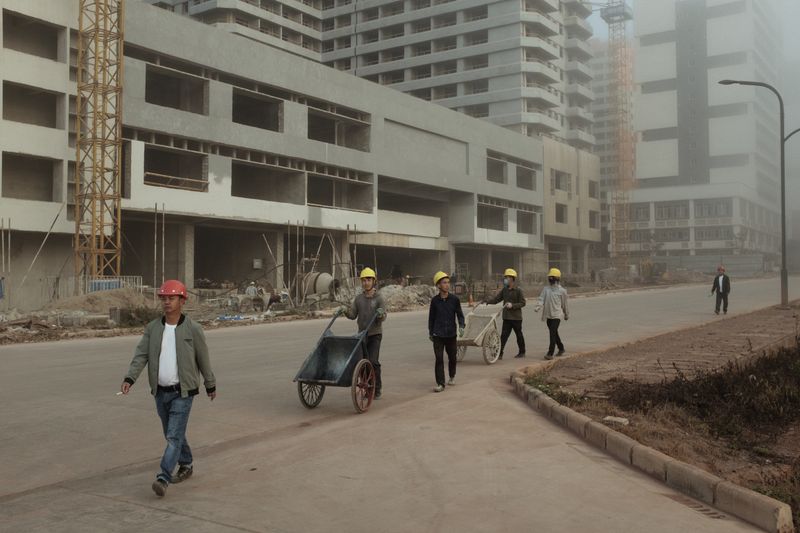
Lao and Chinese construction workers walking to a construction site in Boten. The developers of “Boten Beautiful Land Specific Economic Zone”estimate that 300,000 people will live in Boten by 2035. The city is meant to be modern and futuristic, featuring high-rise apartments, luxurious hotels, and shopping malls.

© Nicholas Bosoni - Image from the Woven in Silk photography project
i

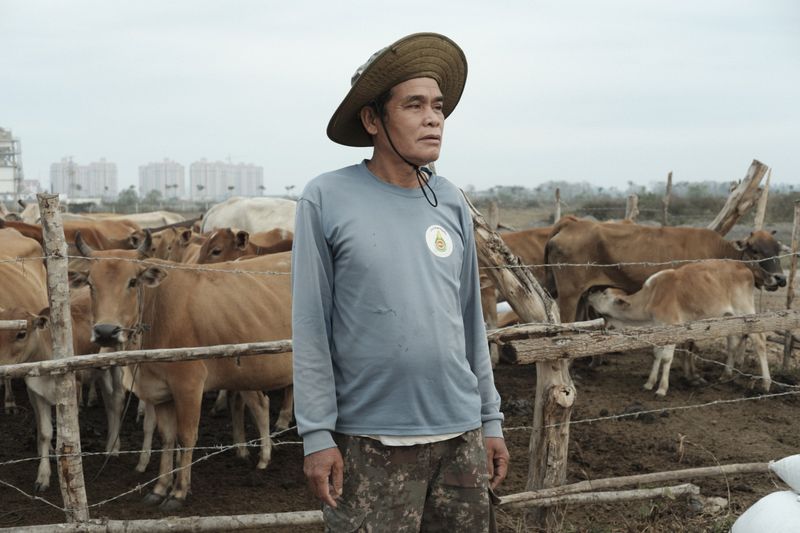
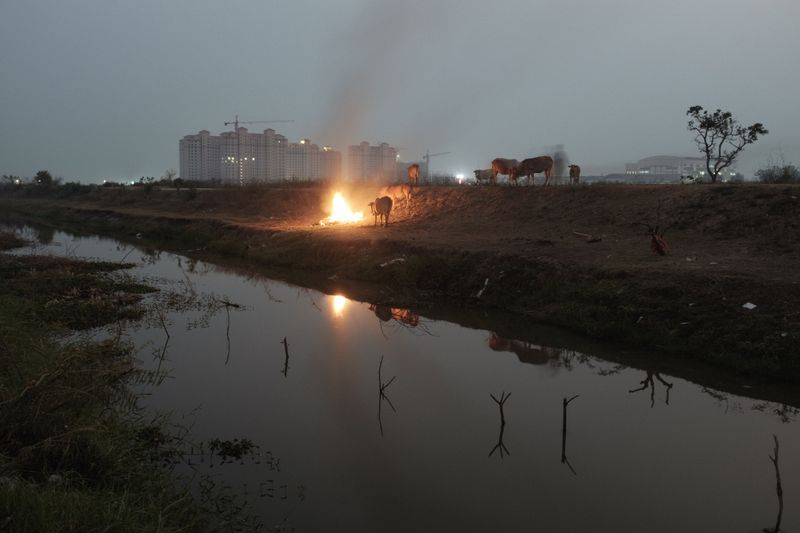
A farmer and his cattle at the edges of the That Luang SEZ, where traditional livelihoods persist despite rapid urban transformation. Once part of Vientiane’s vast wetland, the area has been reshaped by large-scale development, displacing farmers and altering water flows.

© Nicholas Bosoni - Image from the Woven in Silk photography project
i

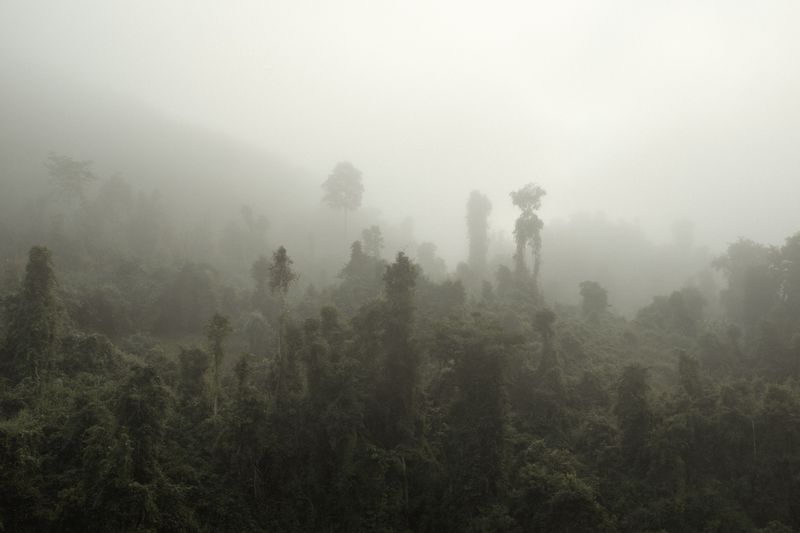
Primary forest in the Nam Ha National Biodiversity Conservation Area in Luang Namtha Province, Laos. This region, part of Laos's vast forested landscape, is home to rich biodiversity and plays a crucial role in preserving the country’s natural environment.

© Nicholas Bosoni - Image from the Woven in Silk photography project
i

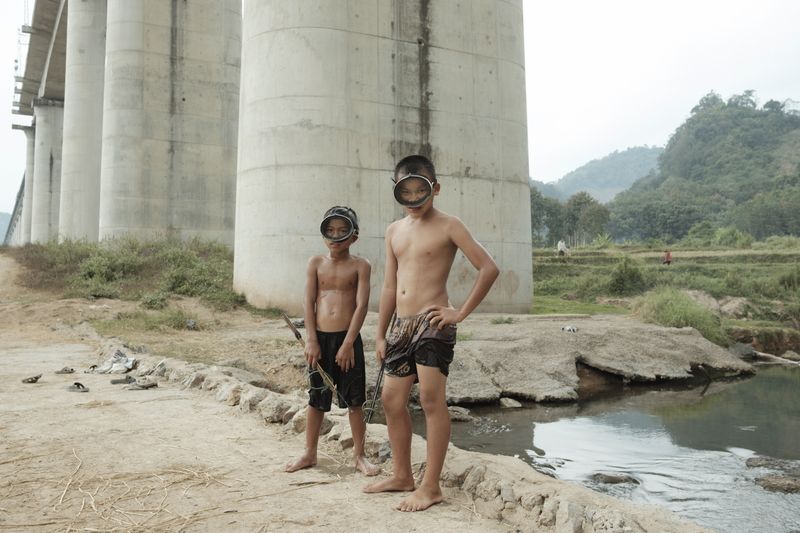
Kids fishing in a water stream below one of the bridges of the Lao-China Railway in Luang Namtha Province, Laos. The Lao-China Railway, a major Chinese-funded infrastructure project, has reshaped the landscape in this area, yet traditional activities like fishing remain a key part of daily life for local communities.

© Nicholas Bosoni - Image from the Woven in Silk photography project
i

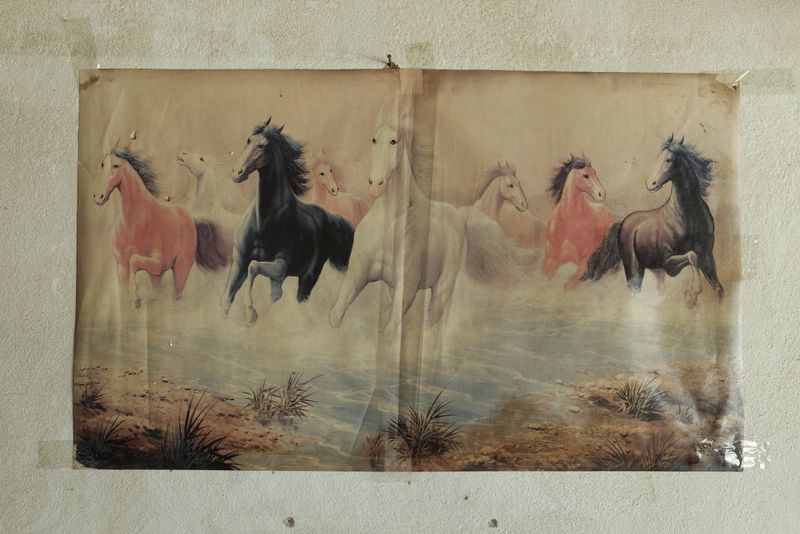
A Feng Shui's "eight galloping horses" poster is displayed at a local restaurant outside the train station in Luang Prabang. The imagery of galloping horses is often associated with vitality and progress, reflecting a desire for prosperity and growth.

© Nicholas Bosoni - Image from the Woven in Silk photography project
i

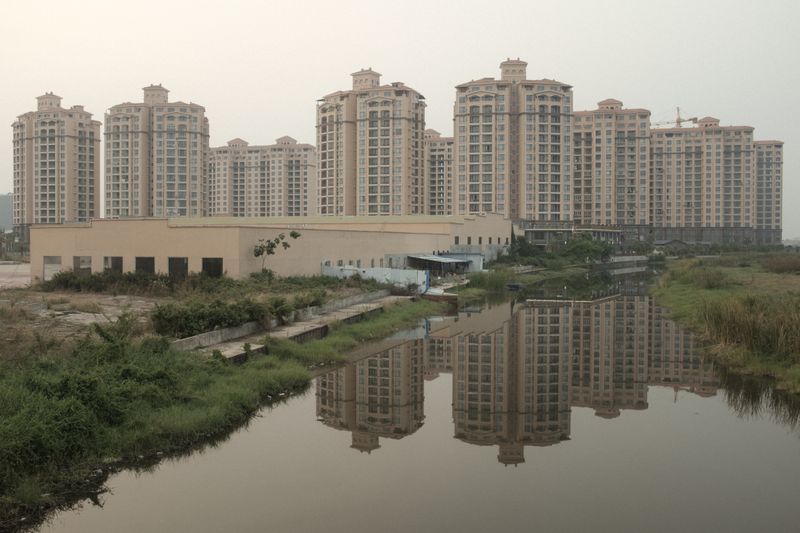
A view of the high-rise condominiums and hotels inside the That Luang Lake Specific Economic Zone in Vientiane Capital. Although most of the buildings are still empty, this is slowly changing. Thanks to a 2019 amendment to the Land Law, foreigners are now able to own non-landed property in Laos.

© Nicholas Bosoni - Image from the Woven in Silk photography project
i

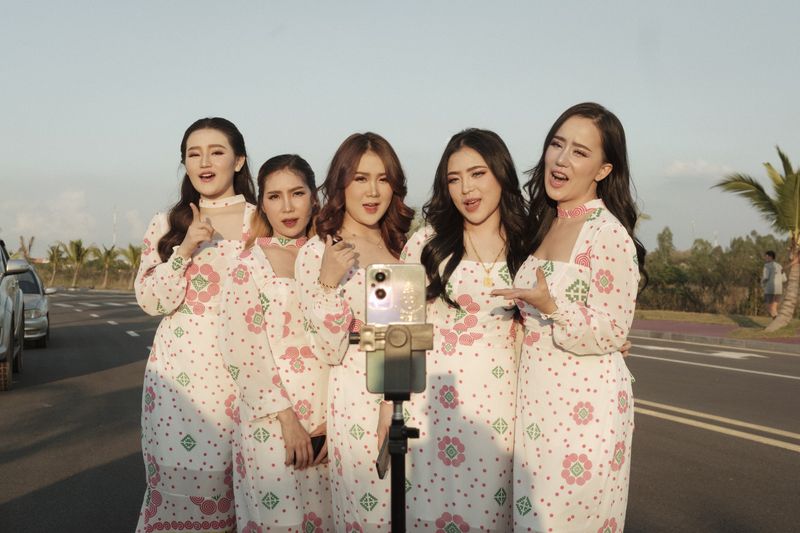
Influencers promote their clothing and skin care brand on Tik Tok shooting a video beside the That Luang artificial lake. The circular lake has been constructed within the That Luang Marsh, one of the last remaining wetlands in Vientiane. In the last few years, the lake has become an important public space of leisure for a growing middle class, in a city dominated by exclusive private spaces.

© Nicholas Bosoni - Image from the Woven in Silk photography project
i

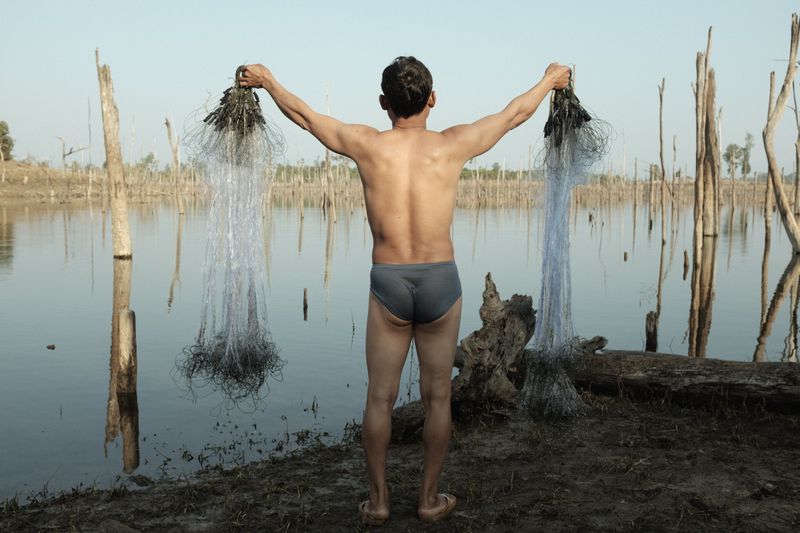
A fisherman cleans his nets after fishing at the Nam Theun 2 reservoir in the Nakai Plateau, Khammuane Province, Laos. The Nam Theun 2 Dam, one of the largest hydropower projects in Laos, transformed the landscape by creating extensive reservoirs that cover large areas, drastically altering the landscape, disrupting the natural flow of the river and affecting surrounding ecosystems.

© Nicholas Bosoni - Image from the Woven in Silk photography project
i

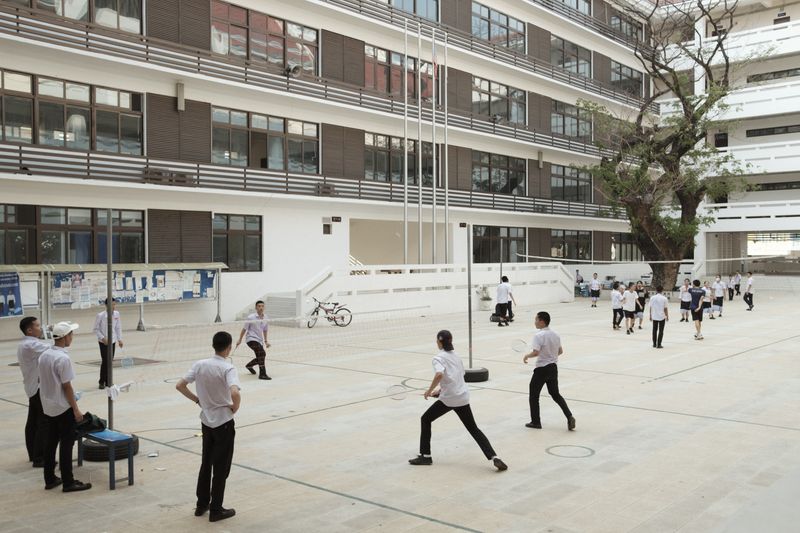
tudents play badminton in the courtyard of Phiawath Complete Secondary School in Vientiane, a newly built school fully supported by the Chinese government as part of ongoing education cooperation between Laos and China.

© Nicholas Bosoni - Image from the Woven in Silk photography project
i

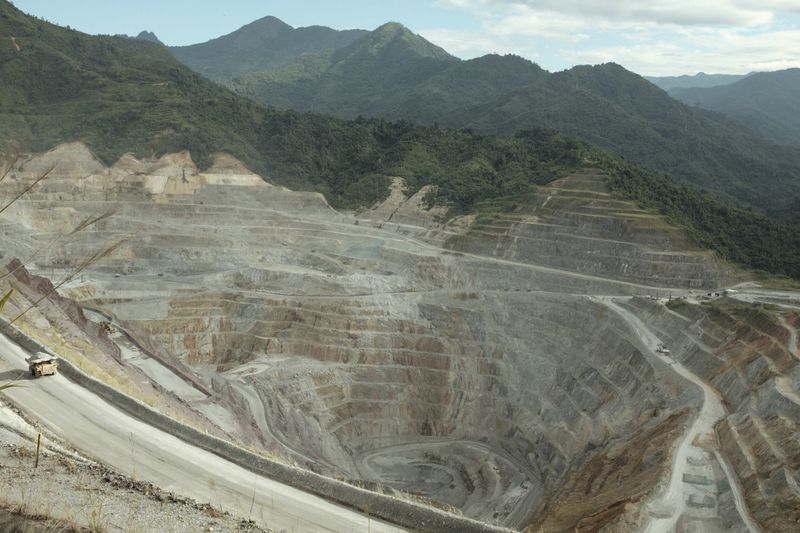
The Phu Kham Copper-Gold open-pit mine in Xaysoumboun Province is a flagship operation of Pan Aust, an Australian company now owned by a Chinese state-owned enterprise. Chinese companies have become dominant in Laos’s mining sector, investing heavily in mineral extraction along the Lao-China Economic Corridor.

© Nicholas Bosoni - Image from the Woven in Silk photography project
i

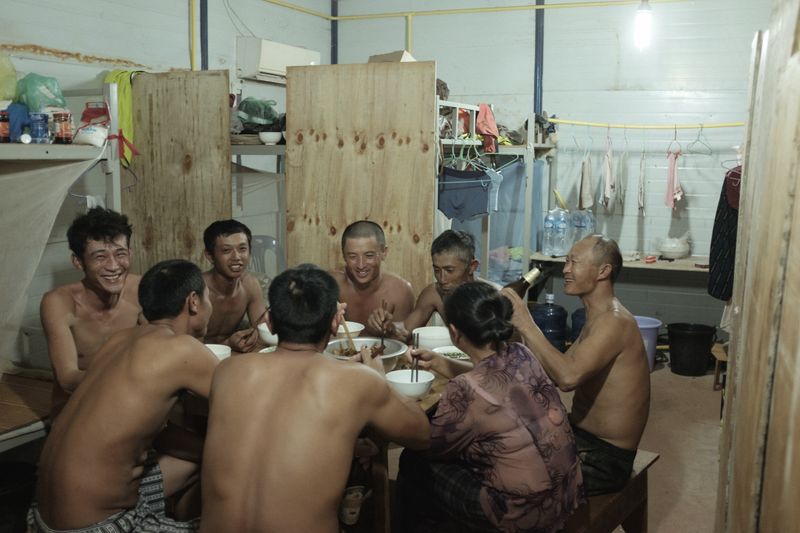
Chinese workers have dinner in their dormitory in the Saysettha Special Economic Zone (SEZ) outside Vientiane Capital. Chinese laborers have been a key part of Beijing-sponsored infrastructure projects abroad. While Chinese companies in Laos are required to hire local workers to build capacity, they often bring in workers from China due to challenges in sourcing skilled labor locally.

© Nicholas Bosoni - Image from the Woven in Silk photography project
i

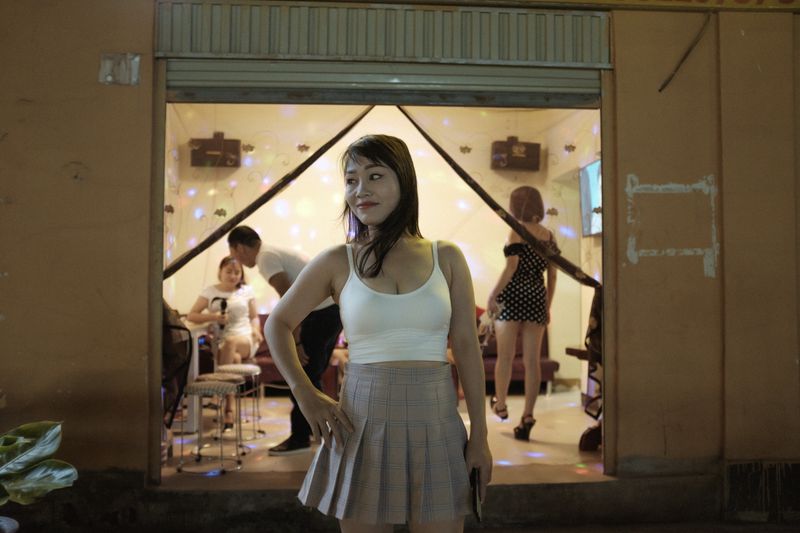
A Vietnamese migrant stands outside the karaoke bar where she works, one of many venues shaping Boten’s nightlife. The town’s entertainment industry is largely centered around karaoke bars and nightclubs, catering primarily to male Chinese tourists.

© Nicholas Bosoni - Image from the Woven in Silk photography project
i

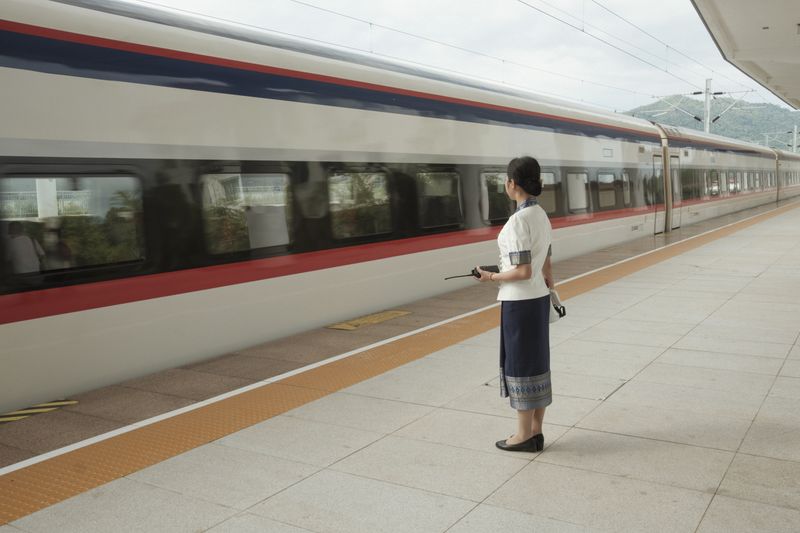
The Lane Xang Electric Multiple Unit (EMU) train approaching Luang Prabang train station. Inaugurated on December 4th 2021, the 414-kilometer single-gauge railway track from Vientiane to Boten includes 61 kilometers of bridges and 198 kilometers of tunnels. The railway cost $5.9 billion and was constructed using high-end Chinese engineering to tame the nearly impervious landscape of northern Laos.

© Nicholas Bosoni - Image from the Woven in Silk photography project
i

A farmer and his cattle gather around a fire after sundown, beside the water channel that marks the boundary of the That Luang Lake Specific Economic Zone (SEZ) in Vientiane Capital. This area was once part of the That Luang Marsh, an ecologically significant wetland that played a crucial role in the city’s hydrological functions.