WOVEN FATES

Woven Fates explores Ghana’s textile waste crisis through portraits of kayayei and polluted coastlines, exposing fast fashion’s environmental injustice, colonial legacies and its impact on vulnerable communities.

Woven Fates is an ongoing multimedia documentary project that explores the devastating effect of textile waste pollution in Ghana. Through layered portraits of kayayei—women head porters, polluted landscapes of Accra’s beaches, and ashes of Kantamanto market, Woven Fates exposes the intersection of fast fashion, colonial legacies, and environmental injustice, revealing how Western consumption patterns continue to exploit and burden nature and people in the Global South. 

Driven by fast fashion overconsumption in the Global North, Ghana has become a major importer of second-hand clothing, known locally as obroni wawu or "dead white man's clothes."For several years, I have been documenting life in Kantamanto, West Africa’s largest second-hand clothing market, where this global trade in discarded garments becomes tangible. The market is a lifeline for many, but also a symbol of an unjust system: poor-quality, unsellable items arrive by the ton, contributing to a cycle of waste that overwhelms local infrastructure and pollutes coastal ecosystems. The consequences are visible everywhere—our beaches are choked with textile debris, pollution that Ghanaians did not create yet are forced to endure.

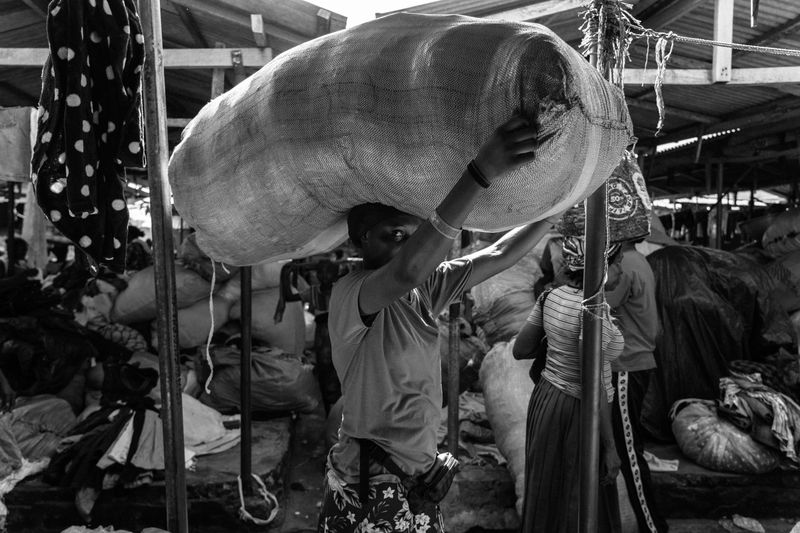
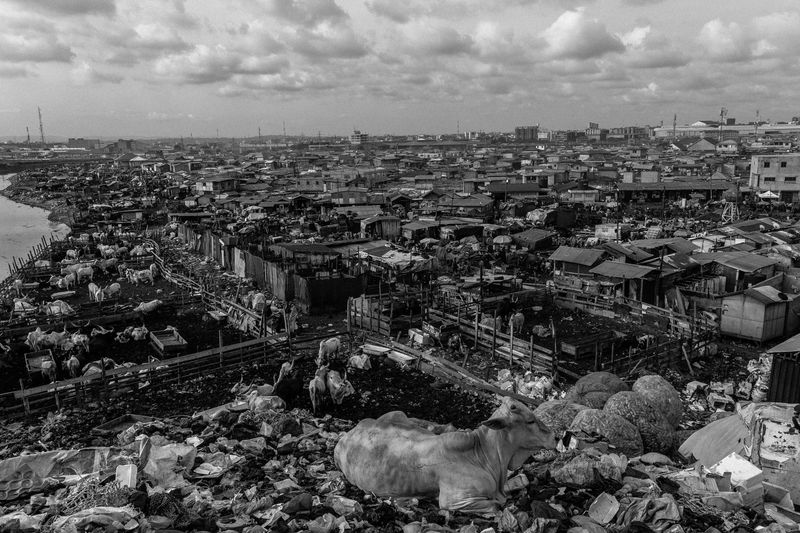
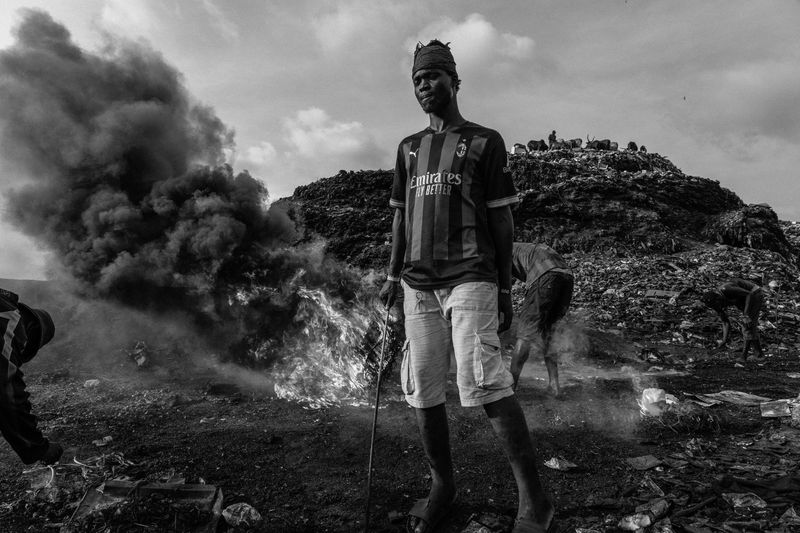
At the heart of this crisis are the kayayei—young women who migrate to Accra from Ghana’s north, often displaced by climate change, economic hardship, and limited opportunities.They earn meager wages carrying bales of second-hand clothes, sometimes weighing over 55 kg, leading to long-term spinal injuries. Their struggle embodies broader issues of gender inequality, poverty, and urban hardship. Kayayei live in Agbogbloshie, Accra’s largest slum and one of the world’s biggest e-waste dumping sites, where textile and plastic waste compound pollution. Burning e-waste releases toxic chemicals, contaminating air, soil, and water, causing severe health conditions such as respiratory problems, cancer, and neurological disorders.

Woven Fates is both a testament to local communities and a call to acknowledge the global responsibility in this environmental crisis.
© Natalija Gormalova - Image from the WOVEN FATES photography project
i

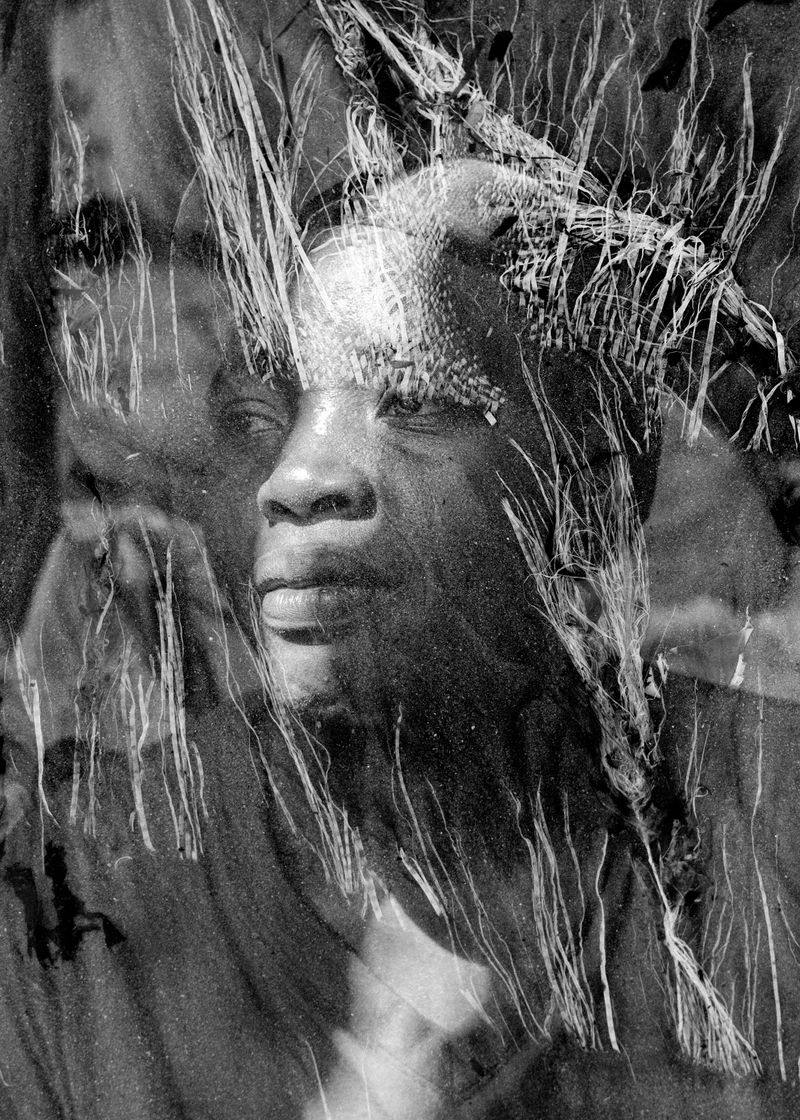
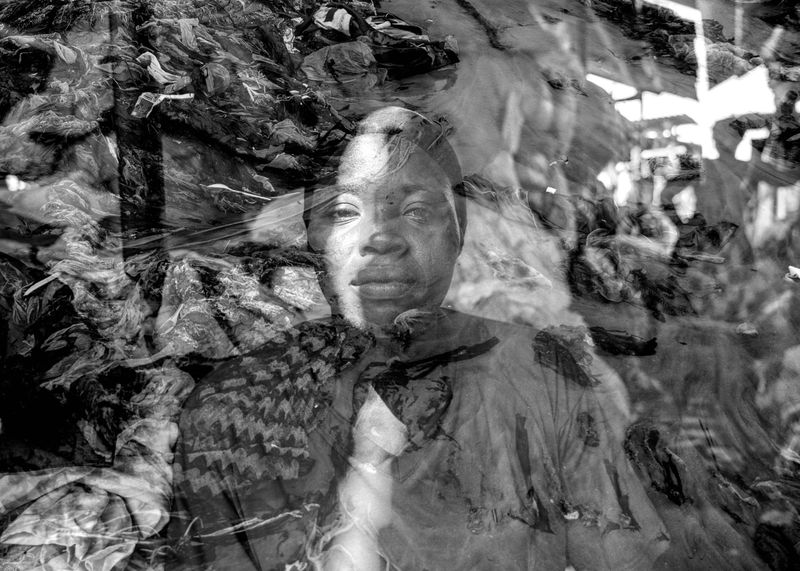
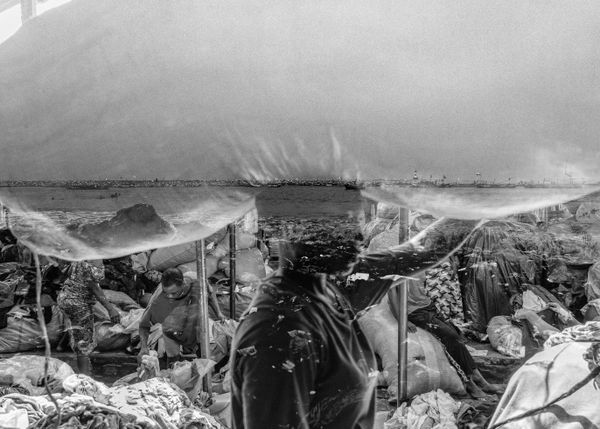
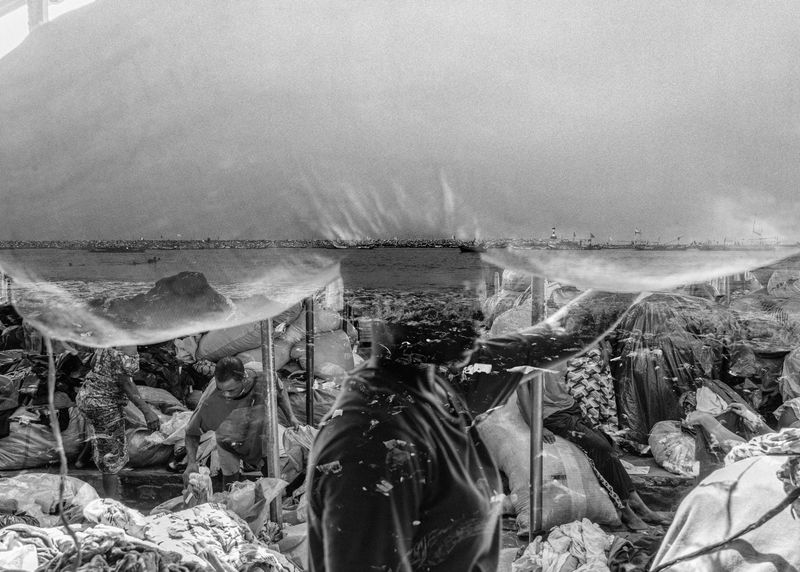
A portrait of a kayayei carrying a heavy sack of second-hand clothes, overlaid with the polluted shores of Jamestown Beach in Accra—a powerful reflection of how Western consumption continues to exploit both people and the environment in the Global South. Some kayayei carry bales as heavy as 55 kg, leading to severe injuries to their spines and necks.

© Natalija Gormalova - Image from the WOVEN FATES photography project
i

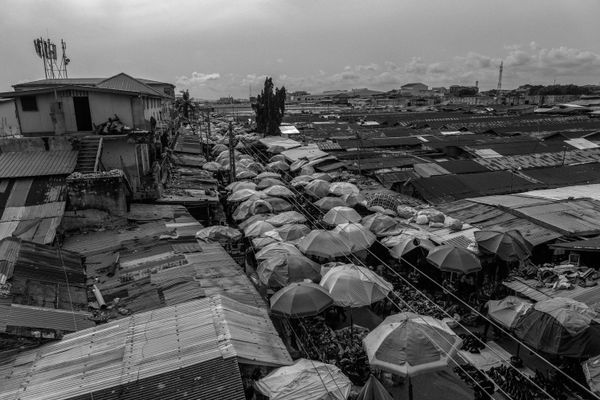
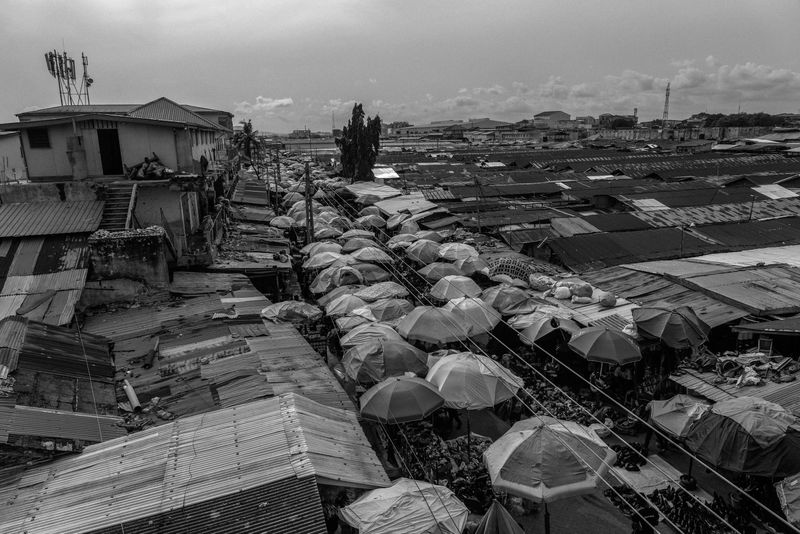
The Kantamanto Market, situated in the central business district of Accra, is Ghana’s largest second-hand clothes market, with around 30,000 traders. Every week, Kantamanto Market in Accra receives approximately 15 million pieces of second-hand clothing from the Global North.

© Natalija Gormalova - Image from the WOVEN FATES photography project
i

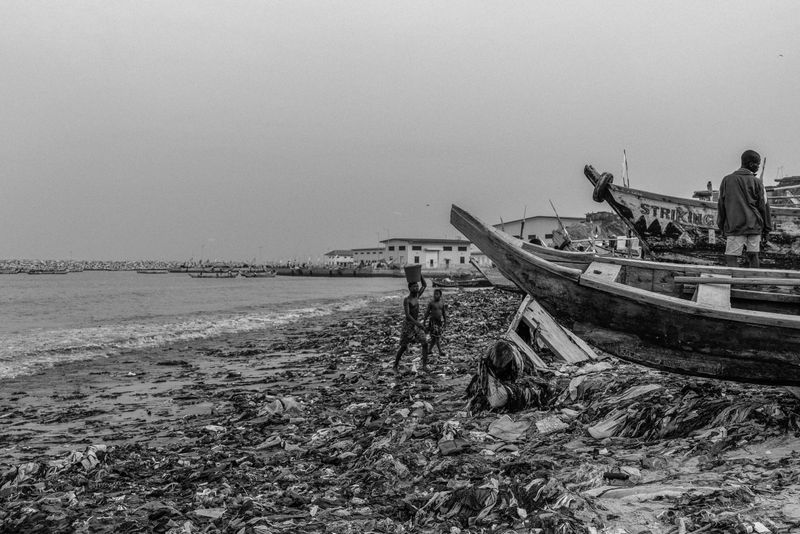
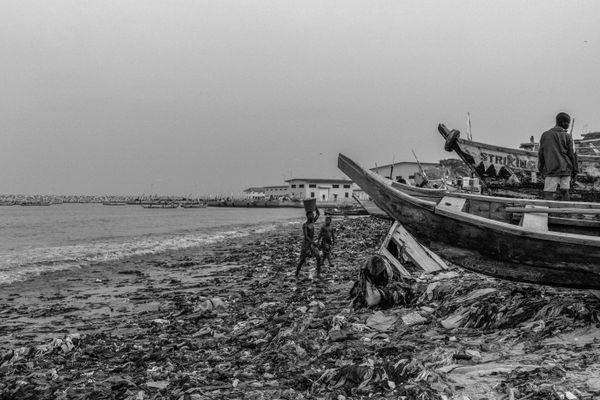
Kids are walking on the heavily polluted Jamestown Beach in Accra, littered with textile waste and plastic debris. Local fishing communities are struggling as the polluted waters affect fish populations, and the hazardous conditions threaten their health and livelihoods.

© Natalija Gormalova - Accra’s coastline, choked with textile and plastic waste—pollution Ghanaians did not create but must endure.
i

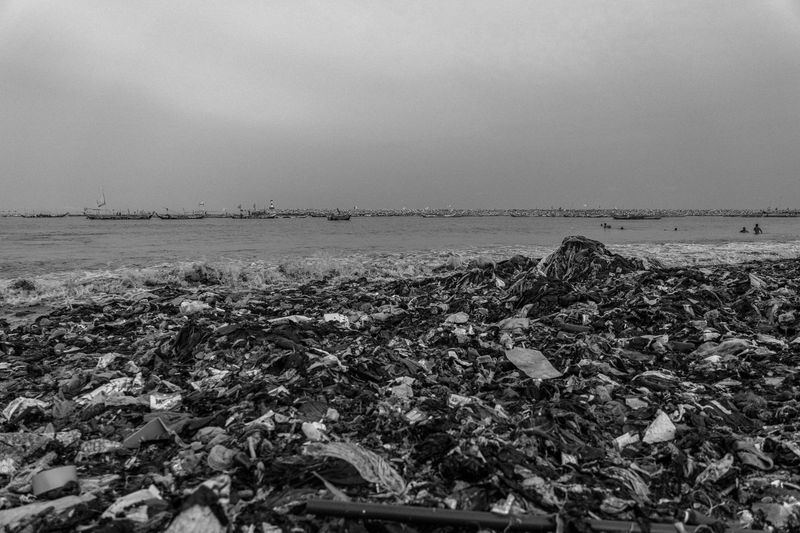
Accra’s coastline, choked with textile and plastic waste—pollution Ghanaians did not create but must endure.

© Natalija Gormalova - Saida, a kayayei at Kantamanto market, carries heavy loads that strain her neck and spine, leaving her in constant pain.
i

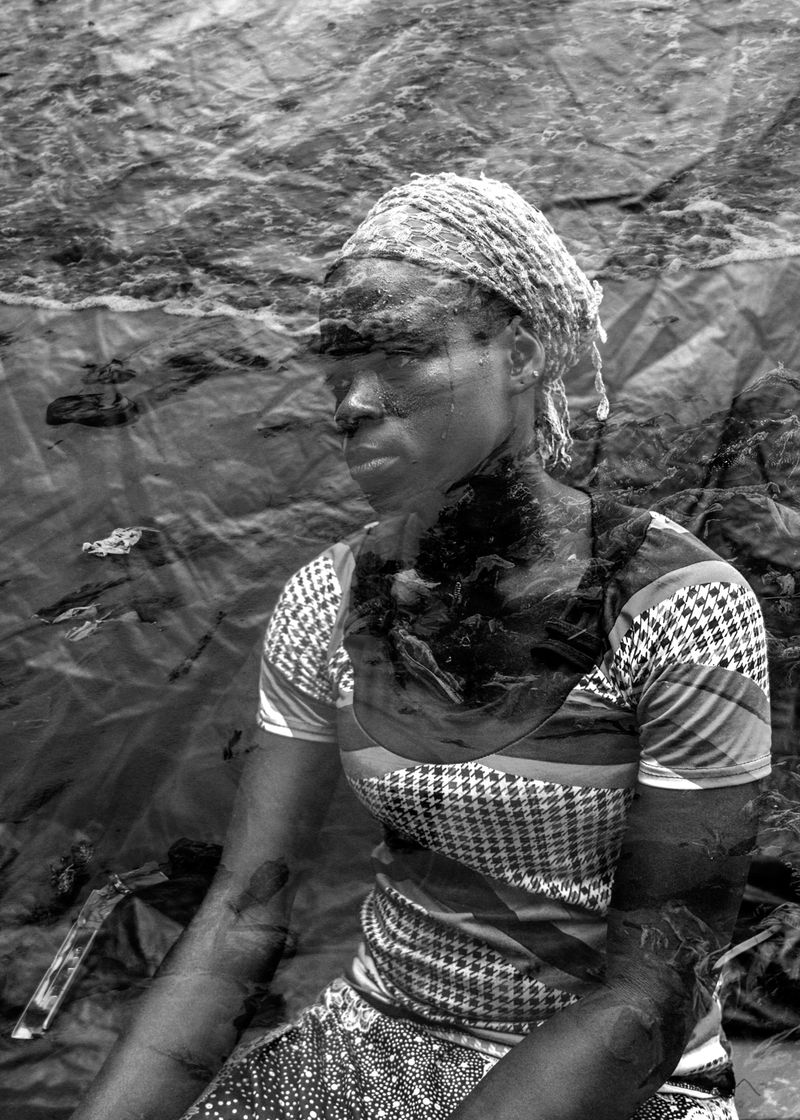
Saida, a kayayei at Kantamanto market, carries heavy loads that strain her neck and spine, leaving her in constant pain.

© Natalija Gormalova - Image from the WOVEN FATES photography project
i

Rahina, a kayayei, takes a brief moment to rest after carrying a heavy bale under the scorching heat of Accra. She describes the city's pollution as suffocating and dreams of returning to her village in the North, hoping to save enough to start her own business.

© Natalija Gormalova - Image from the WOVEN FATES photography project
i

Amina, a kayayei at Accra’s Kantamanto market, carries a load of second-hand clothes weighing up to 55 kg—part of Ghana’s vast trade in discarded fashion.

© Natalija Gormalova - Image from the WOVEN FATES photography project
i

To support her family and send money to her child in northern Ghana, Saida endures the daily hardship, driven by the hope of securing a better future.

© Natalija Gormalova - Image from the WOVEN FATES photography project
i

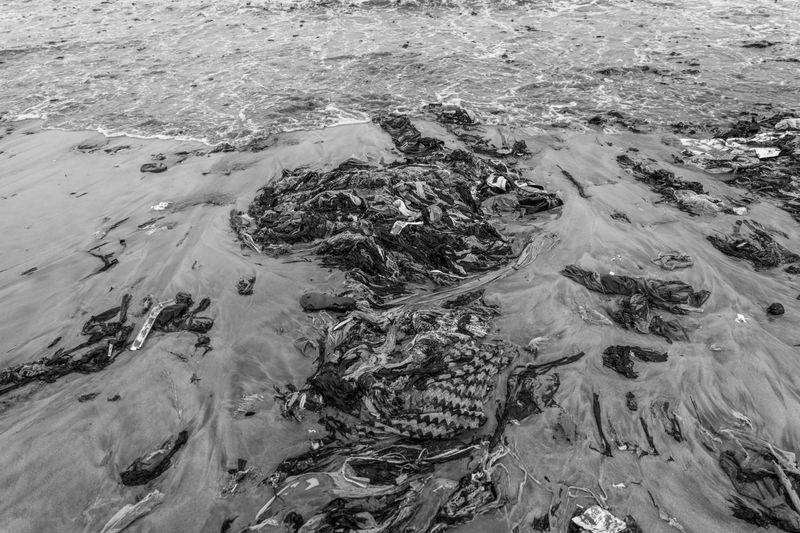
This is heavily polluted Jamestown Beach in Accra. The textile waste, often originating from the nearby market Kantamanto, accumulates alongside plastic trash, contaminating the sand and water. The relentless tide brings in more waste each day, further exacerbating the pollution.

© Natalija Gormalova - Image from the WOVEN FATES photography project
i

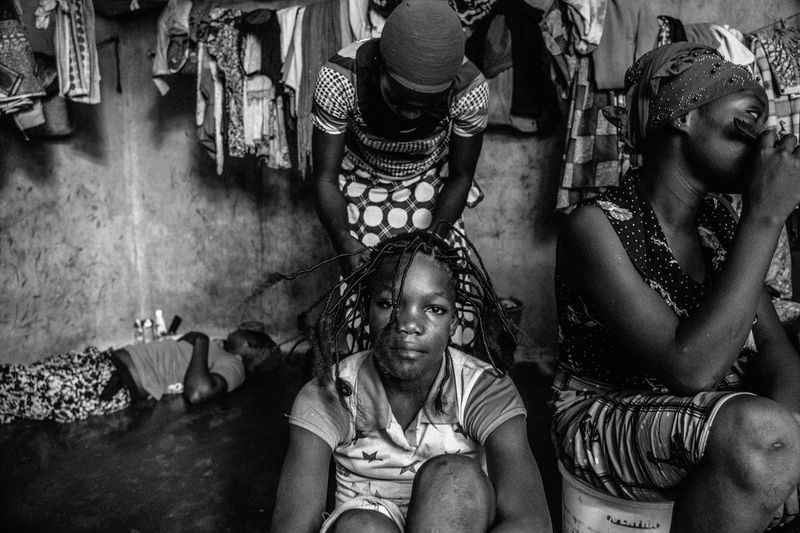
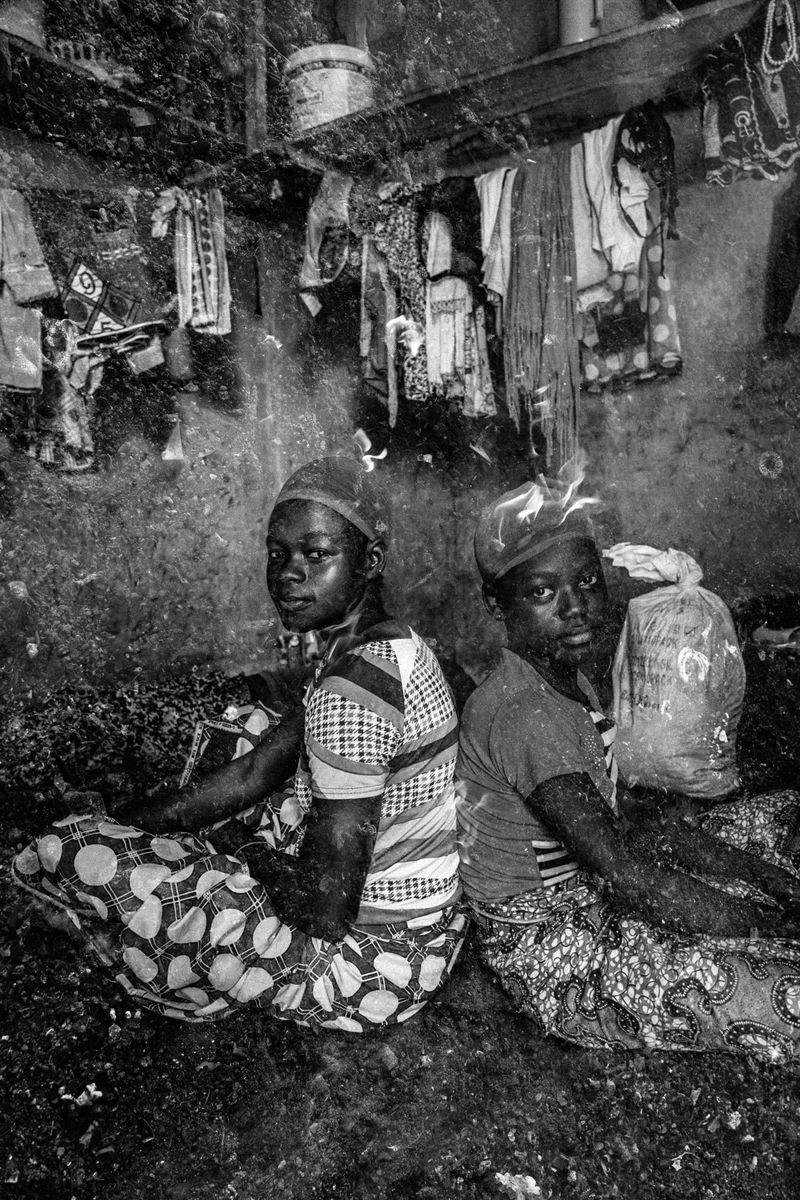
In the cramped space of a single room in Agbogbloshie slum, Rahina braids her friend's hair, one of ten kayayei girls sharing the tiny quarters.

© Natalija Gormalova - Image from the WOVEN FATES photography project
i

A cow rests atop a man-made mountain of waste in the heart of Agbogbloshie, a densely populated slum, home to an estimated 80,000 residents.

© Natalija Gormalova - Image from the WOVEN FATES photography project
i

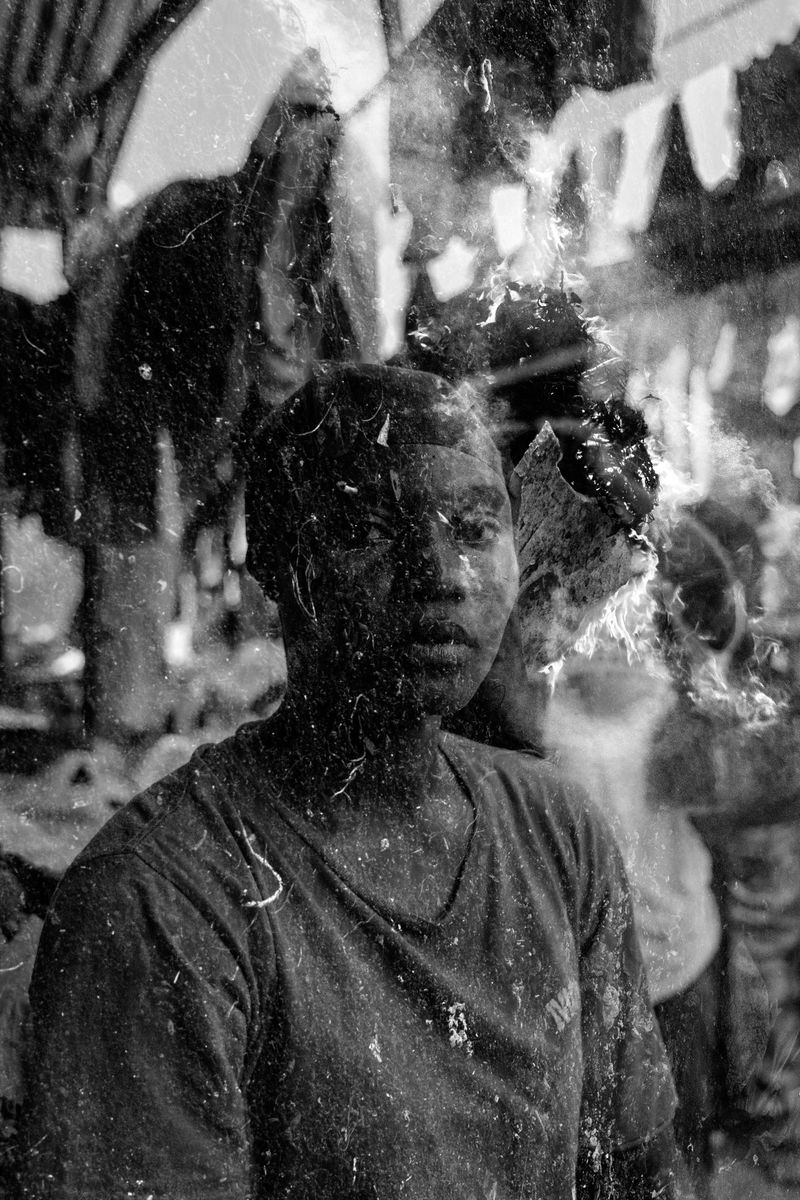
Sadiq, a young man who migrated from northern Ghana to work at Agbogbloshie in Accra, one of the world’s largest e-waste dumping sites. He burns electronic waste to extract valuable metals, primarily copper, which he then sells for a small income.

© Natalija Gormalova - Image from the WOVEN FATES photography project
i

Kayayei sisters Rahina and 11-year-old Rafia live in Agbogbloshie, Accra’s largest slum and one of the world’s biggest e-waste dumping sites. Each day, burning e-waste releases toxic chemicals, leading to severe health issues like respiratory problems, cancer, and neurological disorders. Aware of the risks, the sisters remain, as it is the only place they can afford to live in Accra.

© Natalija Gormalova - Image from the WOVEN FATES photography project
i

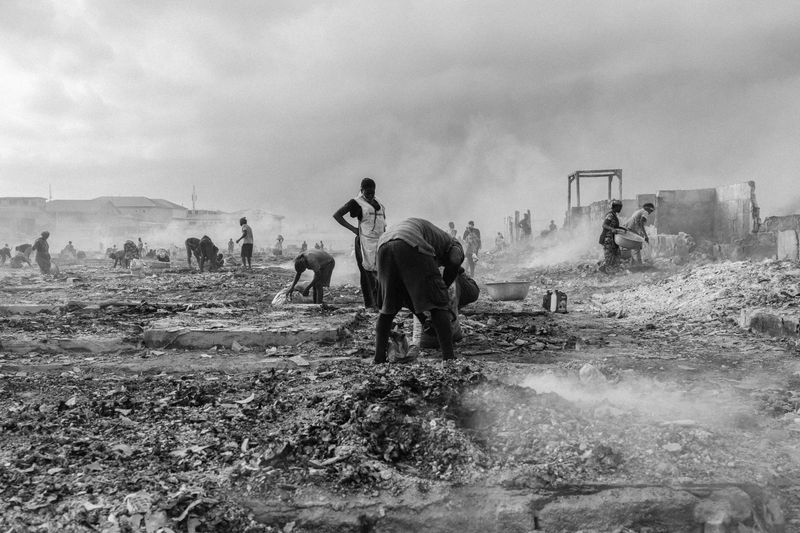
Traders and kayayei at Kantamanto market sift through the ashes, searching for anything they can salvage after a devastating fire ravaged the market earlier this year, leaving over 10,000 businesses in ruins.

© Natalija Gormalova - Image from the WOVEN FATES photography project
i

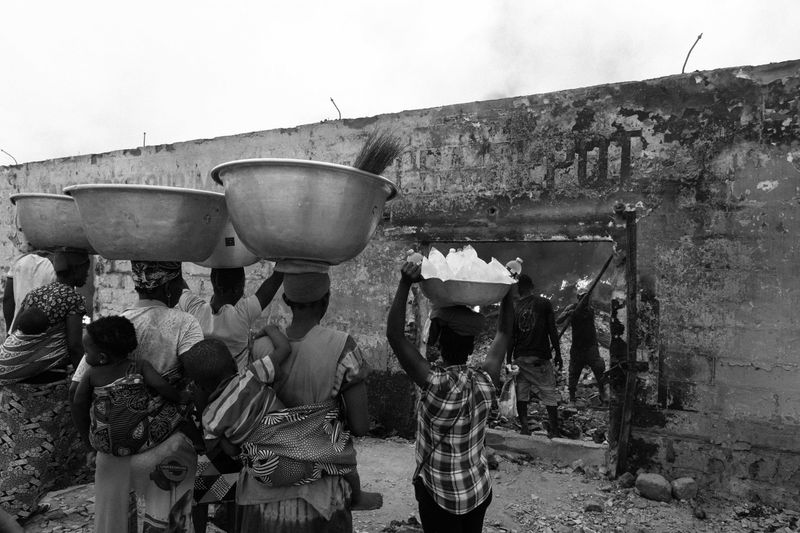
Kayayei watch the fire burning Kantamanto market, balancing empty bowls on their heads, a poignant symbol of the uncertainty and hardship they now face.

© Natalija Gormalova - Image from the WOVEN FATES photography project
i

Amina, a kayayei at Kantamanto market in Accra, faces an uncertain future after a devastating fire tore through the market, destroying many businesses and leaving countless livelihoods at risk, including her own.

© Natalija Gormalova - Image from the WOVEN FATES photography project
i

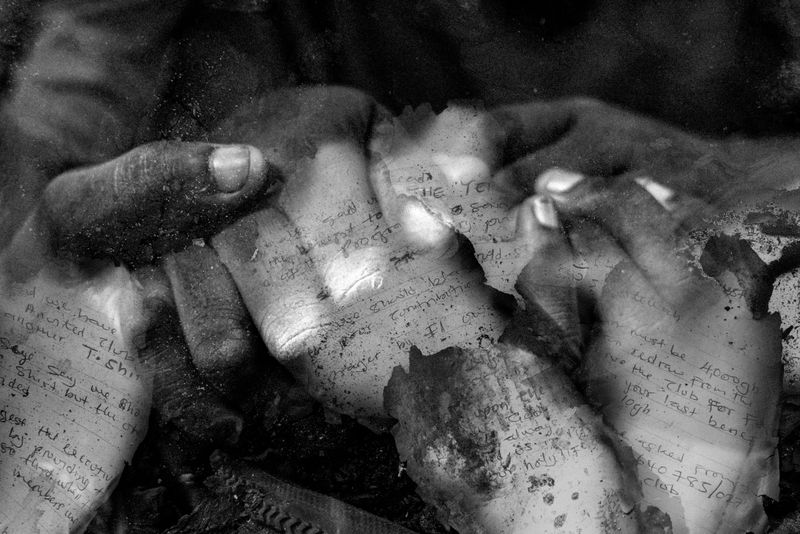
Hardworking hands of kayayei and the burnt remnants of bookkeeping — prayers, sales records, and dreams of a better future—reduced to ashes by the devastating fire. Despite the destruction, the Kantamanto community stands united, determined to rebuild the market again.