WOVEN FATES
-
Dates2020 - Ongoing
-
Author
- Location Accra, Ghana
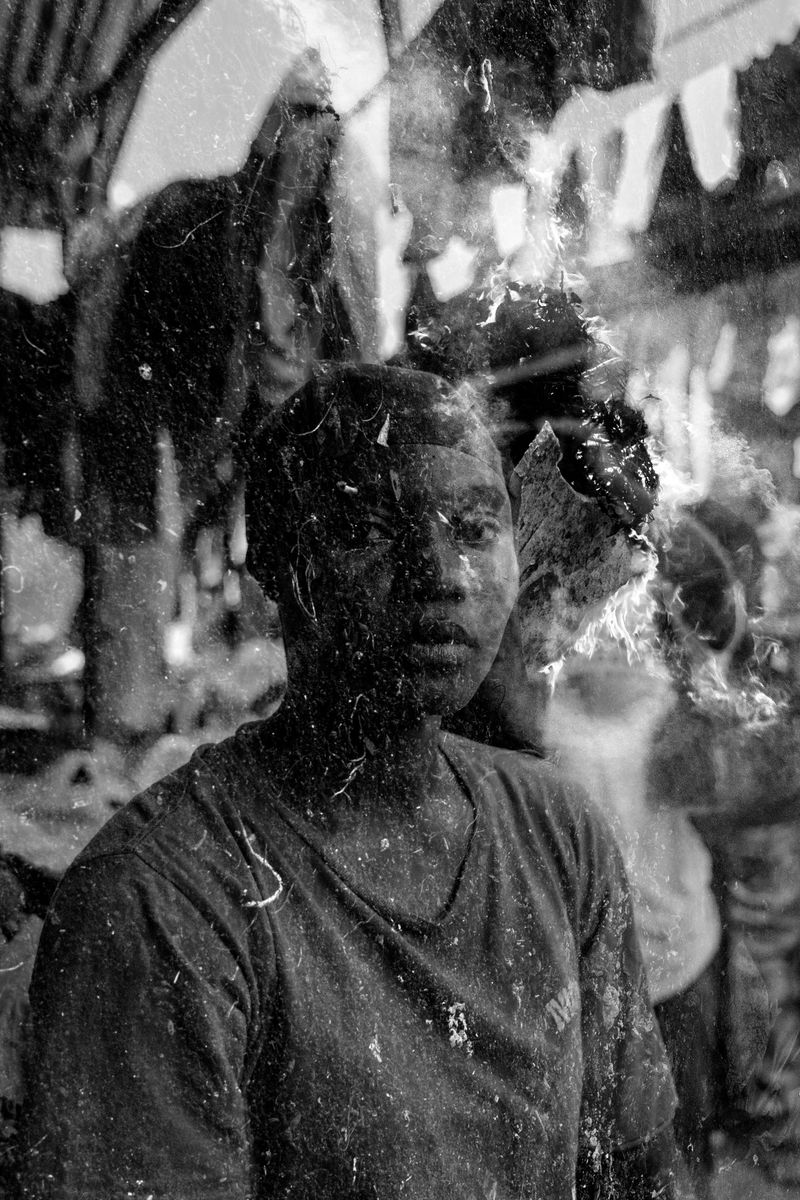
Woven Fates explores the impact of textile waste in Ghana, driven by fast fashion from the Global North, focusing on kayayei women who bear the burden while highlighting their resilience and fight for dignity amid hardship.
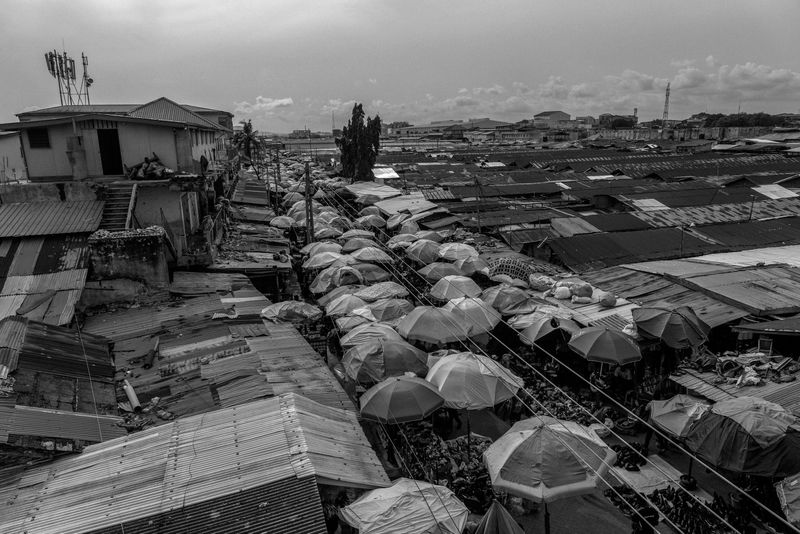
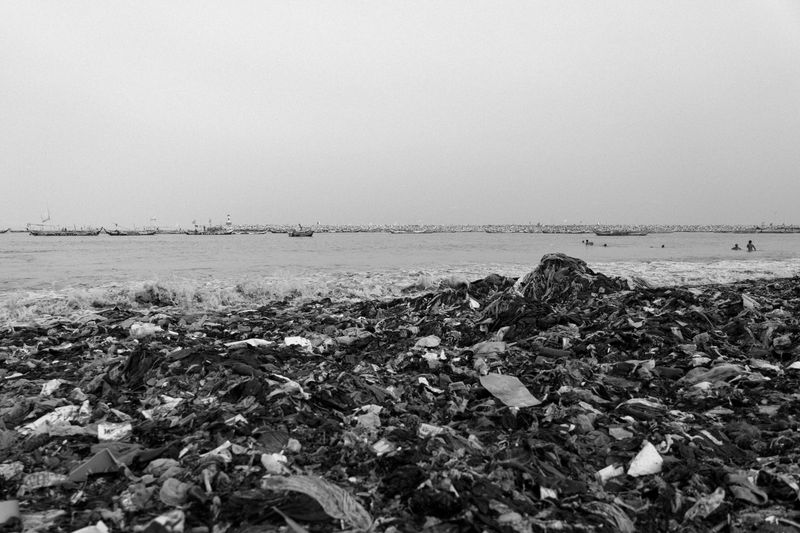
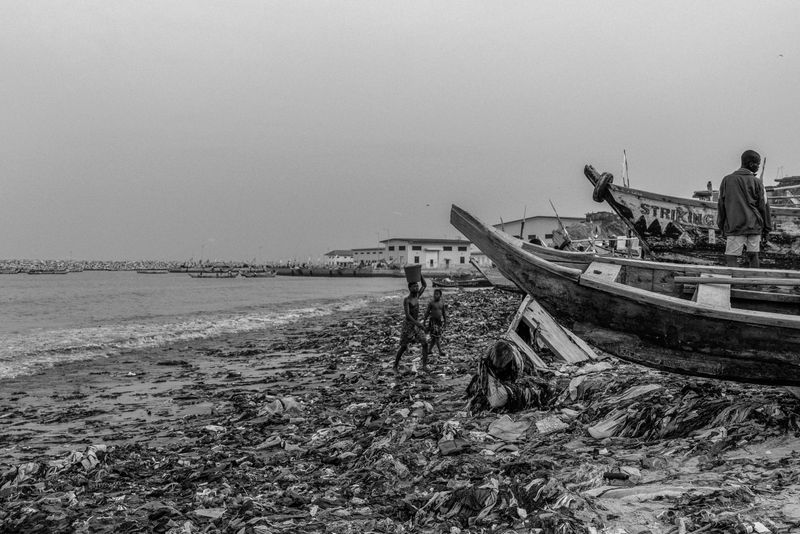
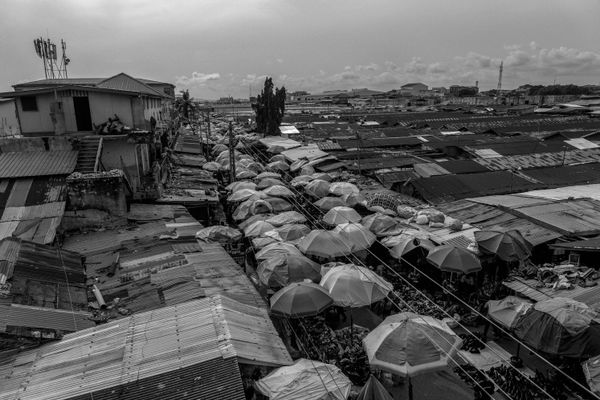
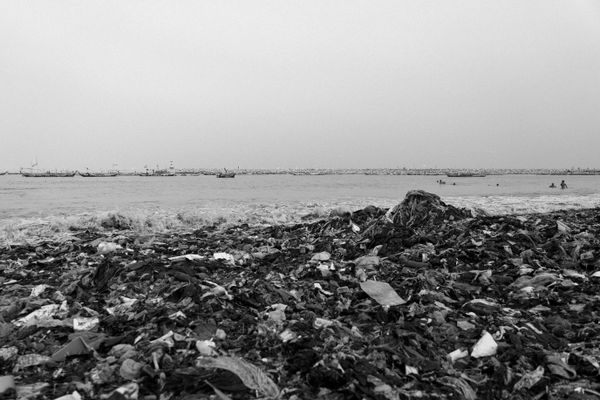
Woven Fates is an ongoing multimedia documentary project exploring the devastating impact of textile waste pollution in Ghana. Driven by fast fashion overconsumption in the Global North, Ghana has become a major importer of second-hand clothing, known locally as obroni wawu or "dead white man's clothes." This influx is a direct legacy of fashion colonialism—where Western overproduction and consumer waste are offloaded onto the Global South under the guise of charity and trade. While Kantamanto market sustains thousands of traders, transporters, and tailors, the environmental toll is immense—low-quality garments quickly become waste, overwhelming landfills and polluting coastal ecosystems.
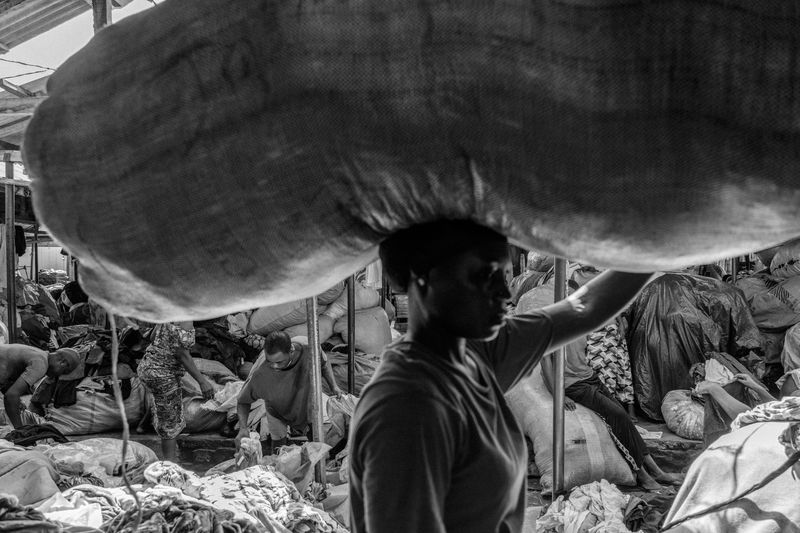
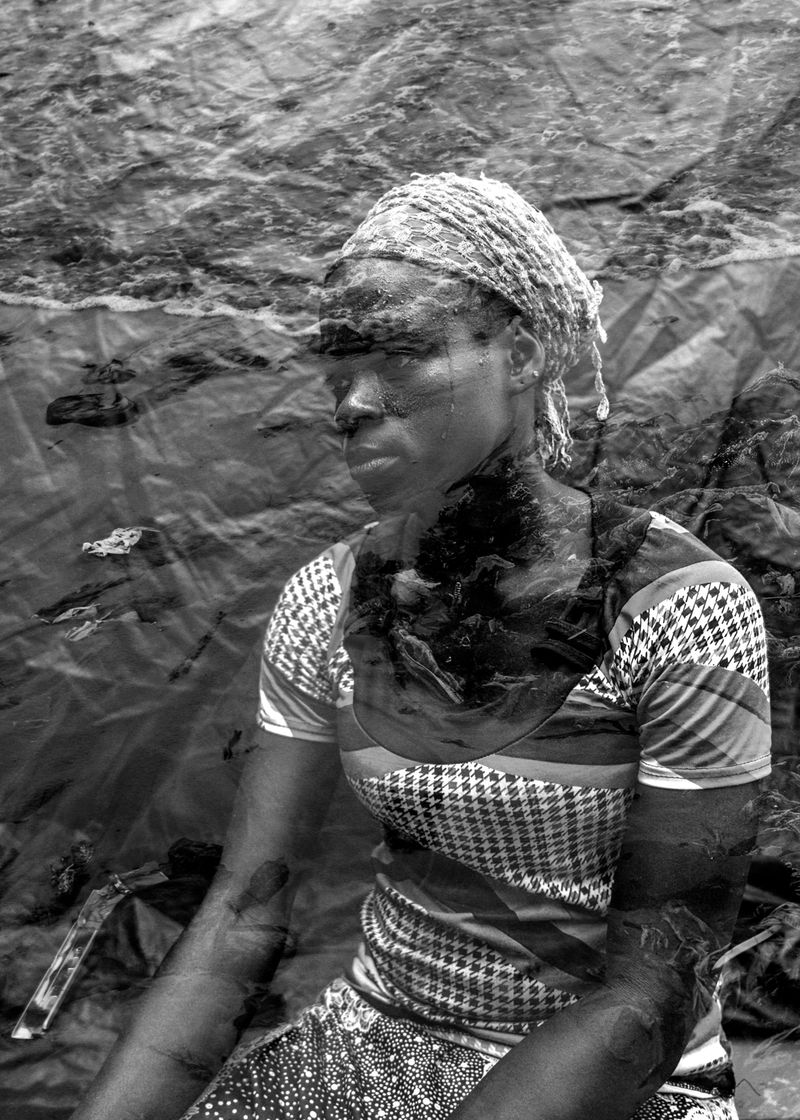
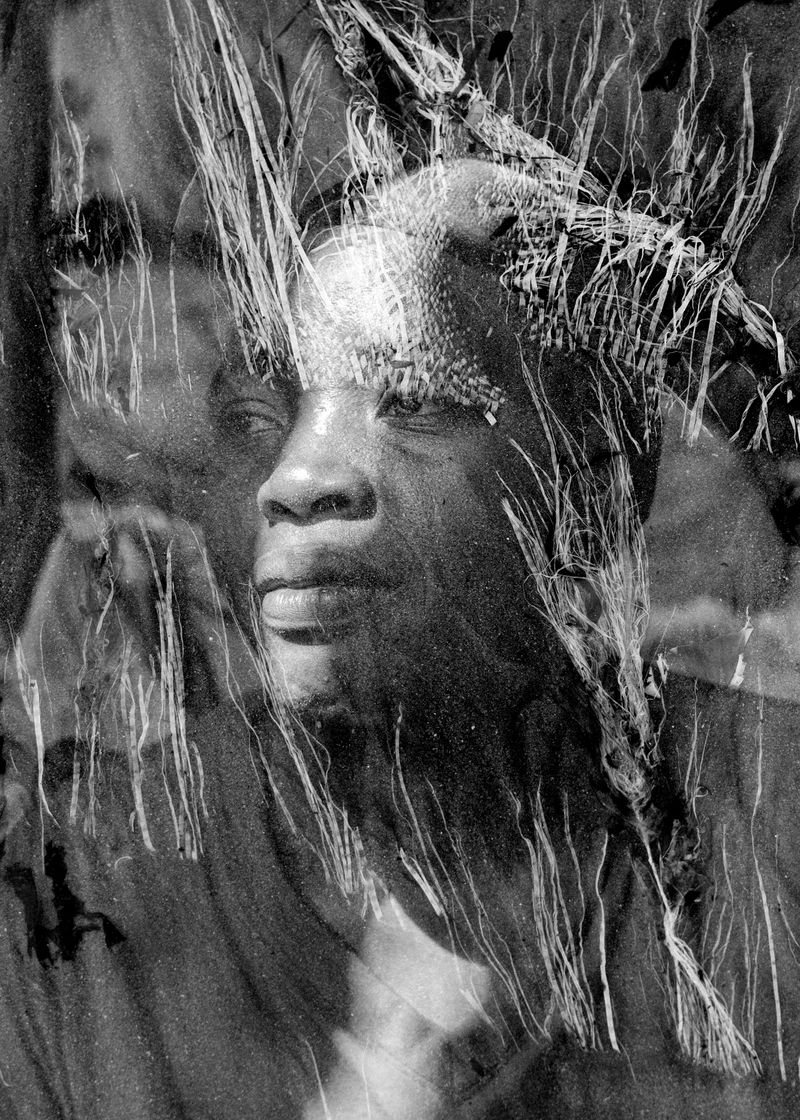
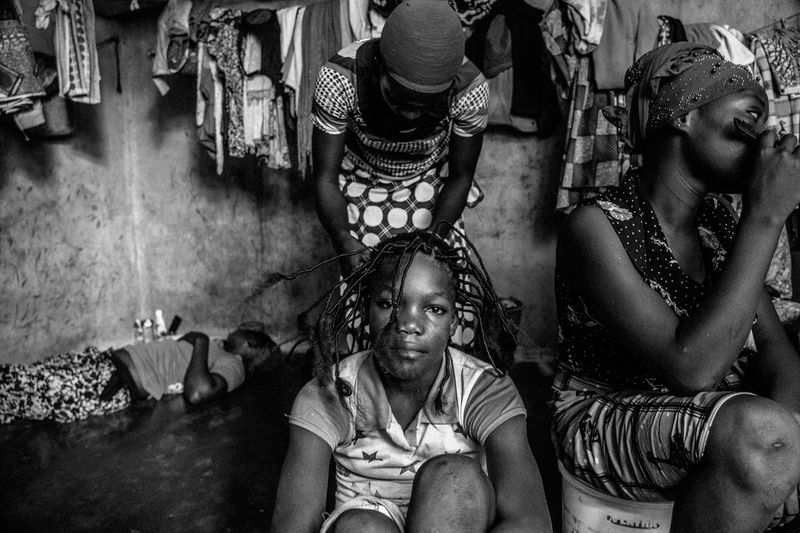
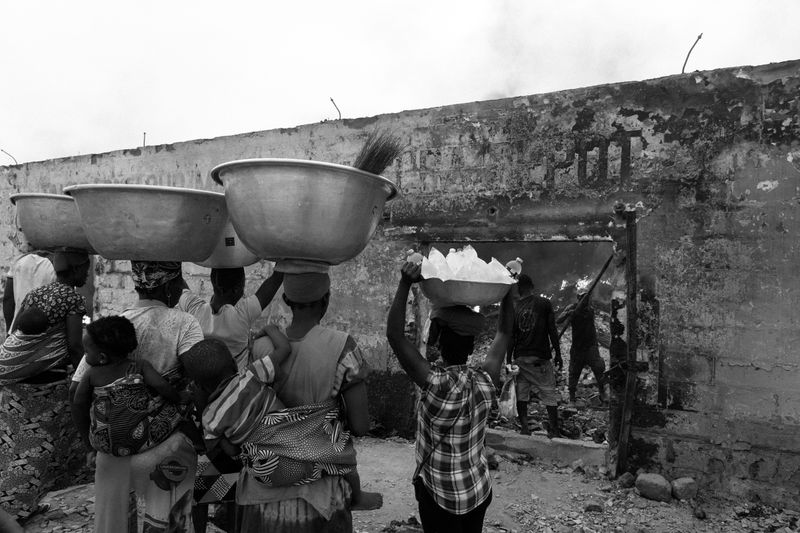
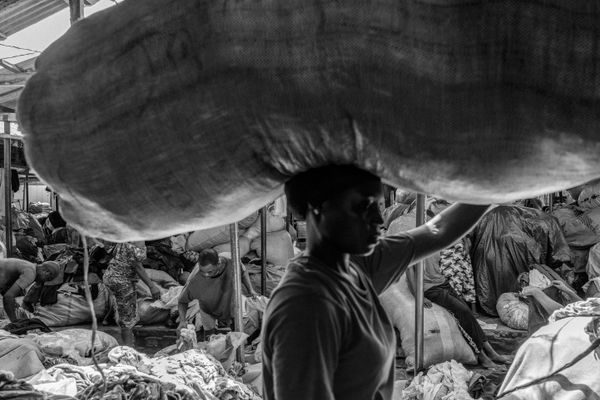
Many young women, known as kayayei, migrate to Accra due to climate change and economic hardship in northern Ghana, earning meager wages by carrying heavy bales of second-hand clothes. These loads, sometimes exceeding 55 kg, lead to severe spinal injuries, symbolizing their broader struggles with poverty, gender inequality, and urban hardship.
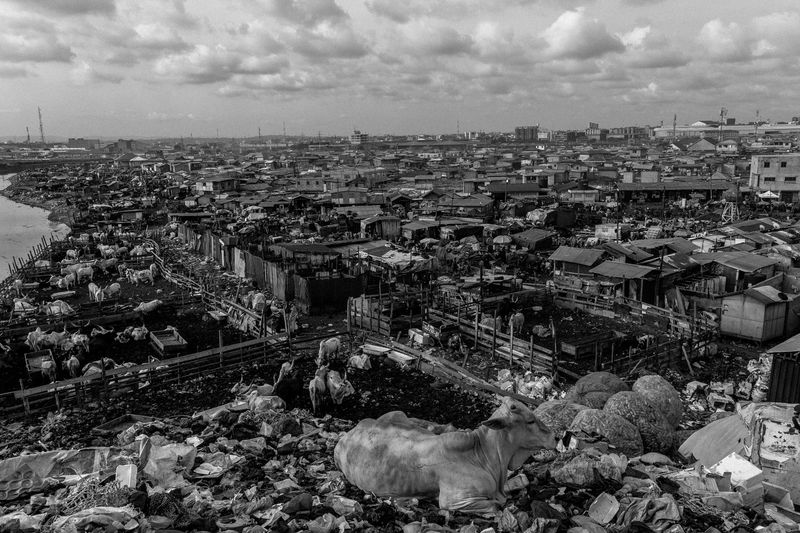
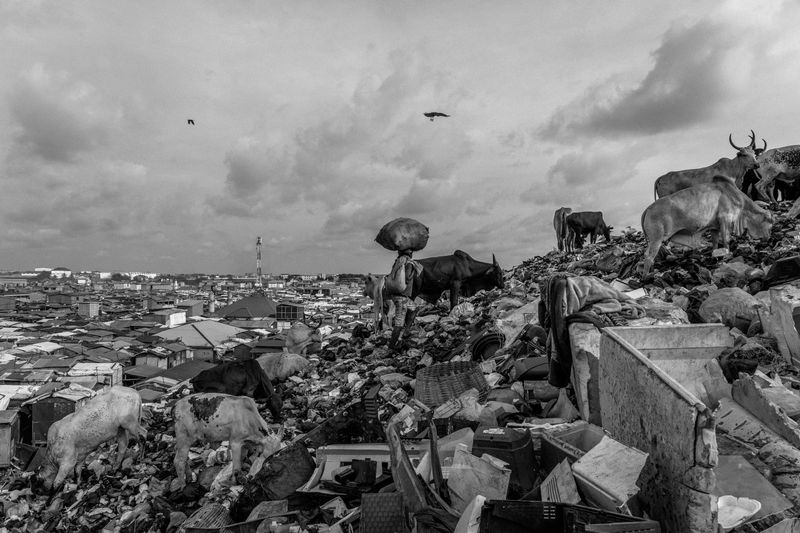
Kayayei live in Agbogbloshie, Accra’s largest slum and one of the world’s biggest e-waste dumping sites, where textile and plastic waste compound pollution. Burning e-waste releases toxic chemicals, contaminating air, soil, and water, and causing severe health conditions.
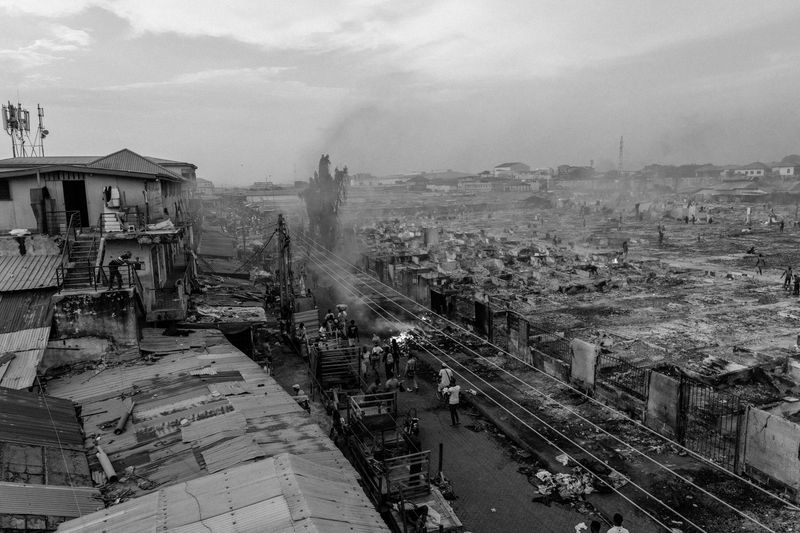
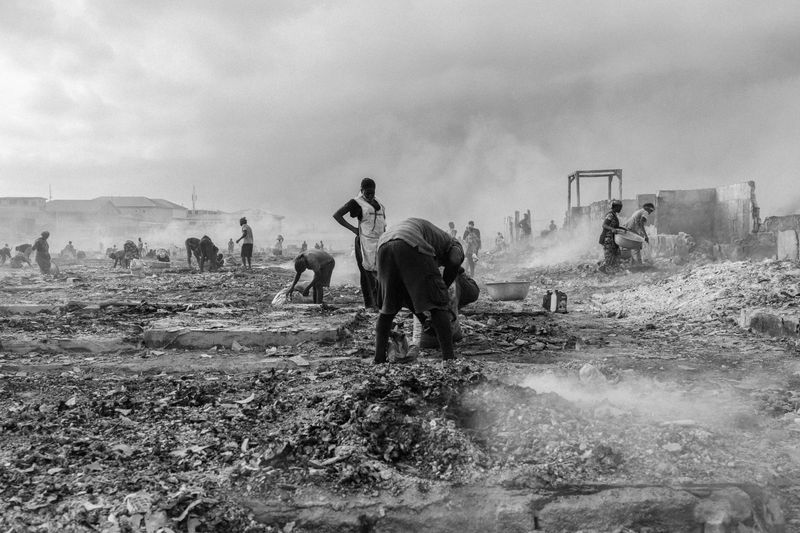
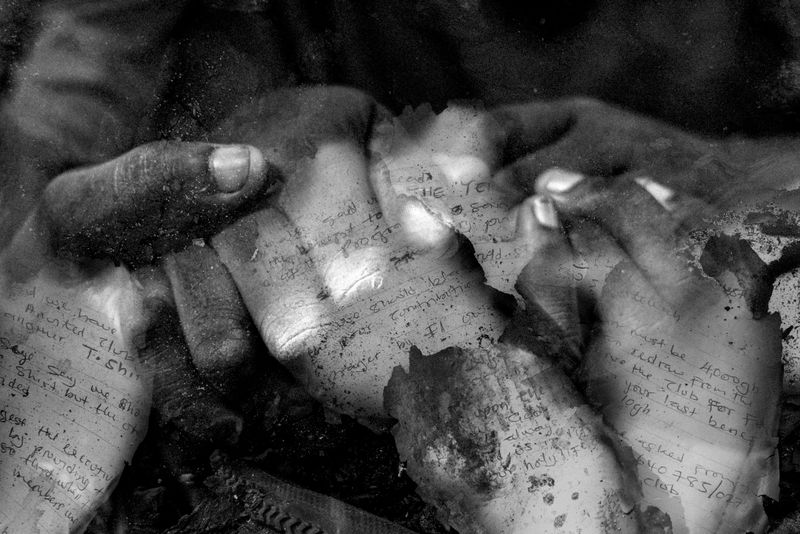
In early 2025, a devastating fire destroyed much of Kantamanto market, leaving over 10,000 businesses in ruins and countless livelihoods at risk. For the kayayei, this tragedy means losing their ability to support themselves and their families, adding to an already uncertain future.
Through layered portraits of kayayei women, polluted landscapes of Accra’s beaches, and burned remains of Kantamanto market, Woven Fates exposes the intersection of fast fashion, capitalism, colonial legacies, and environmental injustice, revealing how Western consumption patterns continue to exploit and burden the Global South.