Wounded Land.

  • Dates
    2005 - Ongoing
  • Author
  • Topics Social Issues, Documentary, War & Conflicts

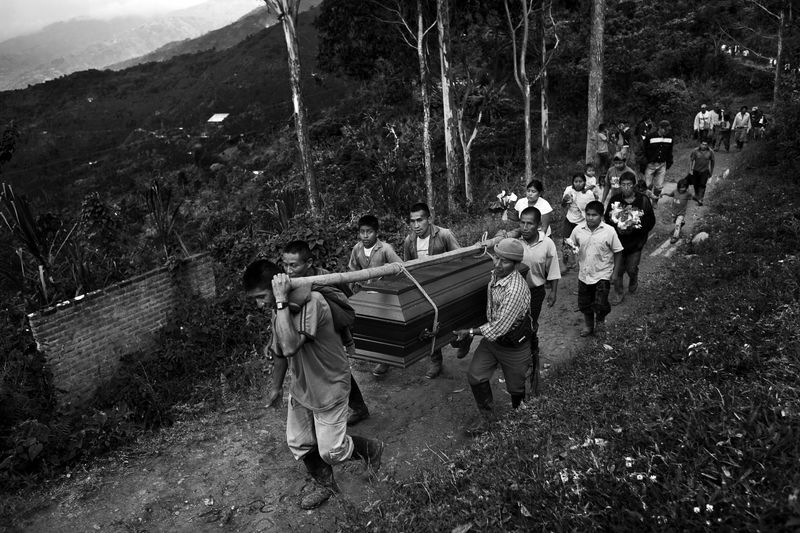
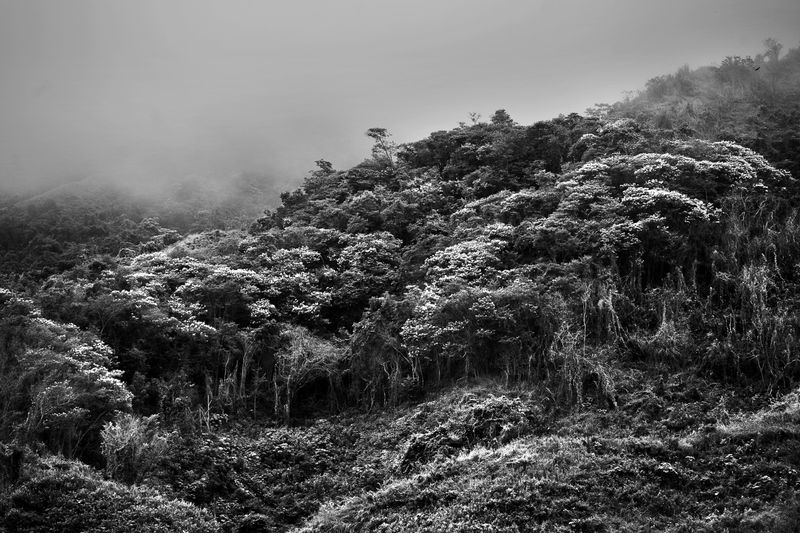
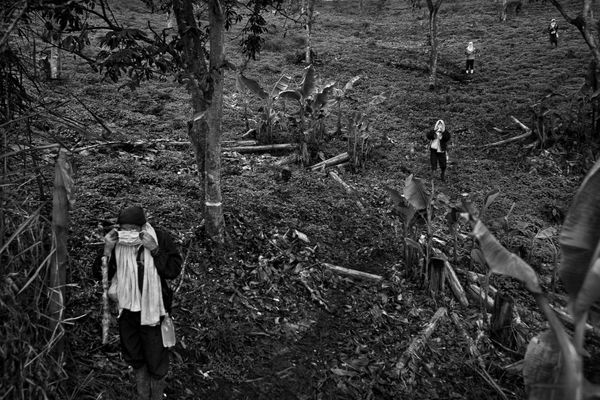
Wounded Land is a long-term project that documents the impact and consequences of the fifty two-year armed conflict on the Colombian civil population.

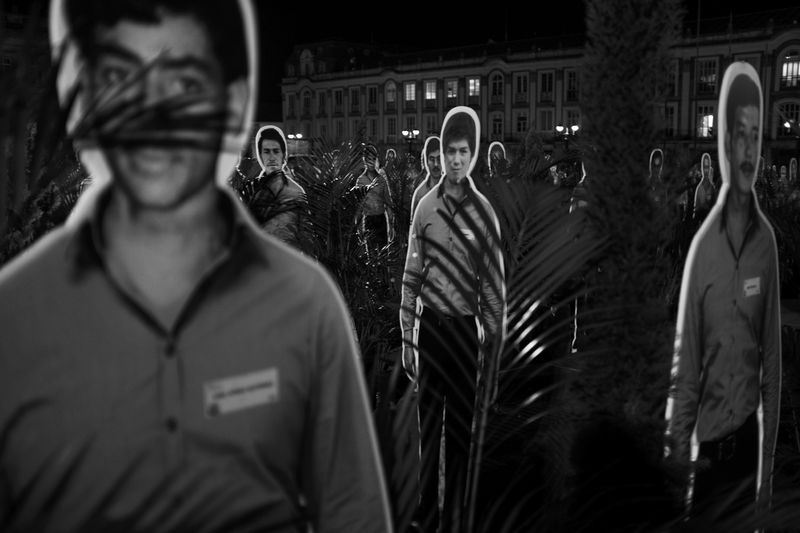
2016 will be remembered in Colombian history as the year that put an end to a war between FARC rebels (Fuerzas Armadas Revolucionarias de Colombia) and the State; a war that wracked the country for more than half a century. According to a report of the National Center for Historical Memory, the whole conflict cost the lives of about 218.000 Colombians (81% were civilians); displaced more than 5,7 million, and left around 25.000 people missing.

Defined by some experts as a “low intensity” conflict, it was mainly concentrated in the rural territory, for it was the object of dispute among a number of actors, such as guerrillas, paramilitary groups, politicians, agents of state, drug trade, and organized crime. The oppressions and social exclusions of older times exacerbated in the war and the concentration of land –one of the main axes of conflict’s origin- increased (60% of the productive land is owned by 1% of the population).

Today, Colombia is deeply wounded, but it holds scars that go further back in time. This war inherits old-time social, cultural, political and economic tensions where violence was the only mean of political action known to be effective, naturalizing it as part of the every day life, part of the Colombian identity. Today, Colombia needs to reflect on that history, if it wants to heal collectively.

In the last two decades of this war, Colombian society stopped turning its back on the conflict and started recognizing its victims, committing towards finding the truth, building collective memory, and searching for justice. However, it has also suffered fractures by a diversity of positions holding strong polarizing systems of moral authority that define the “appropriate” national project, who is in, who is out, and who deserves a second chance.

Colombia is a significant place for me. Born in Rome (Italy) but raised in Bogota until I was 13, it is a place that I have always called ‘home’. After twenty years of absence, I returned in 2005 to confirm my childhood memories, but I also had to confront a war I knew little about. Once back, I felt interested to understand it deeper, and started documenting this last decade. But the turning point of my work was when my daughter Amalia was born, it made me think of the fact that she is part of the first generation growing up in a promise of peace era, and where war turns out to be a historical reference point from where to imagine another possible nation. With this work I would like to contribute to the historical memory for this generation, it is a legacy.

2016’s Peace Accord could be the start of a change in the conflict’s original structures of power, but after fifty-two years of confrontation, such structures became a whole system. Wounded Land wants to be a testimony, a narrative that goes beyond the common reading of the country and the stigma of being ‘simply violent’, and it aims at showing the multiple dimensions of the conflict in order to grasp its complexity from different angles: the strong history of insurgency; the resistance to violence of multiple actors; the acknowledgement of harm and its victims; and the search for truth. Therefore, Wounded Land is a work in progress.

Ultimately, the end of war does not mean peace, it means the entrance of a period of learning to live again as individuals in a community and images of this period of rebirth could remind us of our humanity and the bonds we need to transform. Today, many sides of the Colombian society are making efforts to develop pedagogies of reconciliation. I am convinced this project could contribute in the preservation of a historical memory towards collective healing, for it is a space where some untold stories could come to light, where indifference and the denied dignity to the victims could be challenged, and where the different dimensions and actors involved in the conflict could see a wider picture of the past and start a possible dialogue, a possible prologue of a future in peace.
© Fabio Cuttica - Image from the Wounded Land.   photography project
i

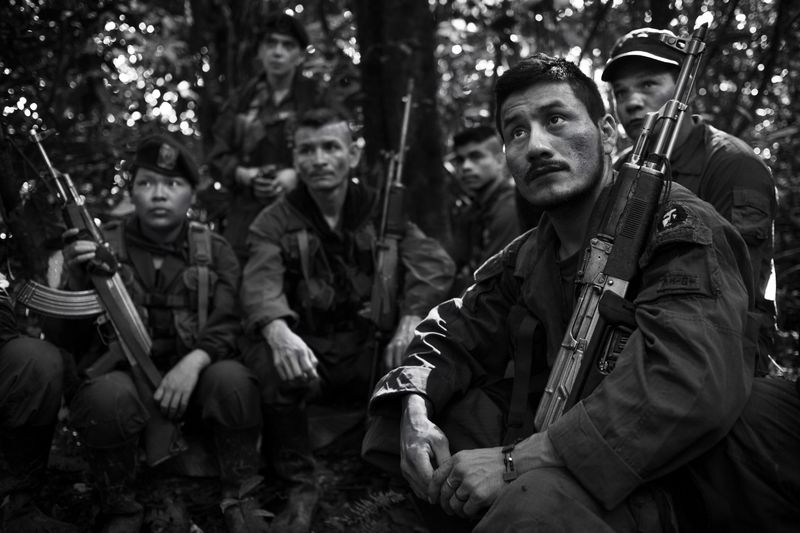
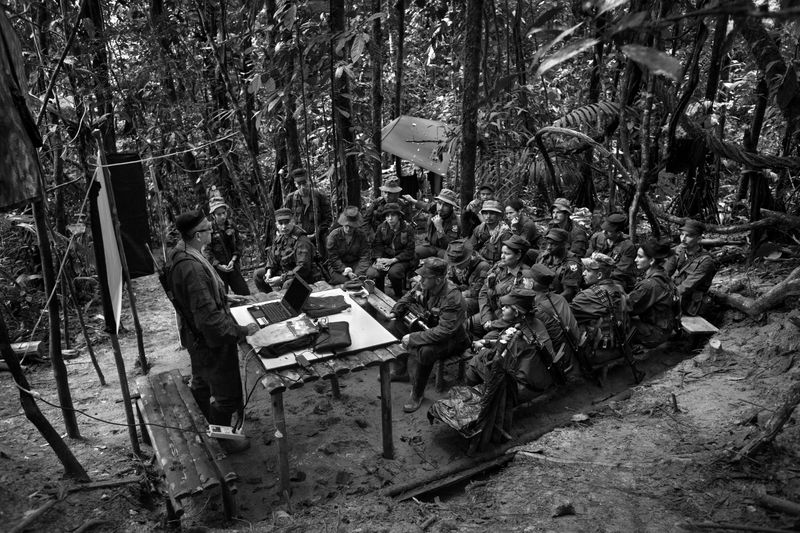
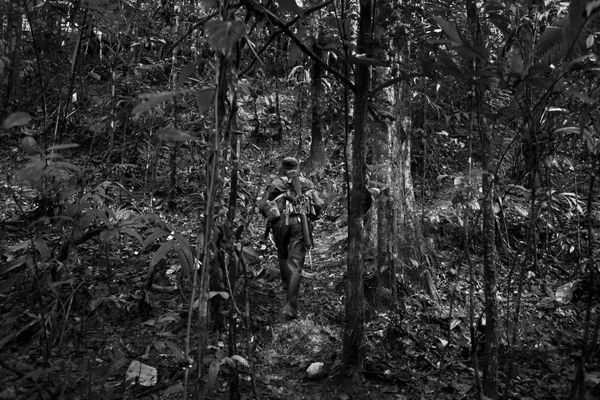
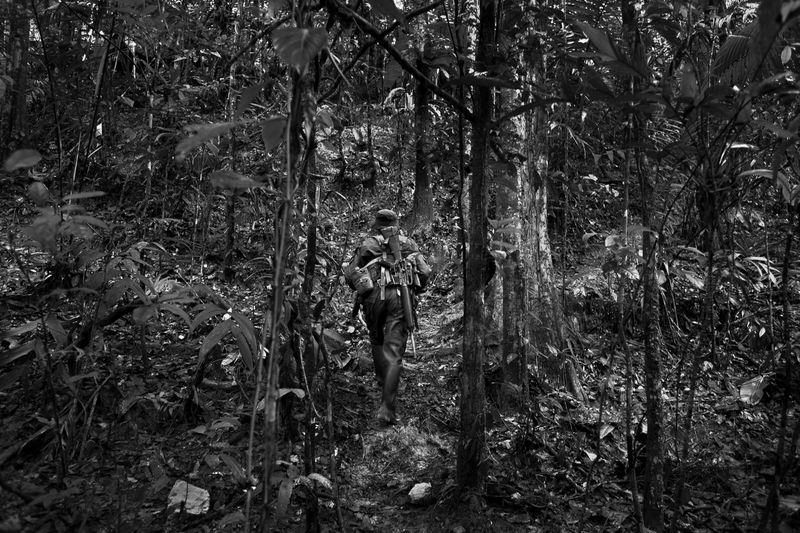
"Guerriglia" camp belonging to the Eastern Bloc of FARC (Revolutionary Armed Forces of Colombia), the strongest military faction, in what could be their last days in the jungle. The Colombian government is close to signing a historic peace agreement with the Revolutionary Armed Forces of Colombia (FARC) rebel group. After 51 years of often brutal conflict and three previous failed negotiations, FARC fighters seem finally ready to give up their guns.FARC and the government have been negotiating for three years in Havana, Cuba.

© Fabio Cuttica - Image from the Wounded Land.   photography project
i

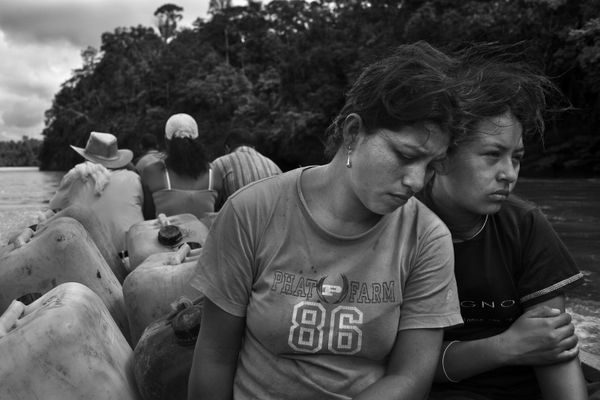
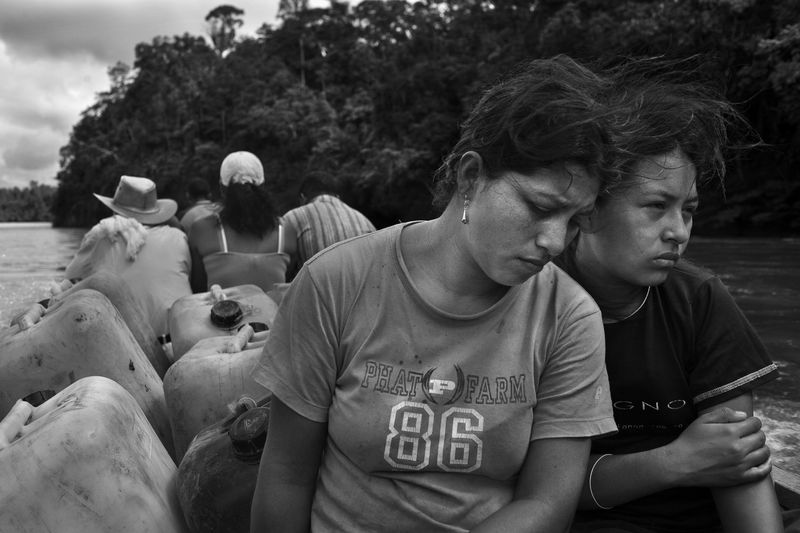
Colombian refugees (displaced people), from several villages on the River Mira, cross the river in a small boat to reach a safer place, after they had to leave their lands because for the Colombian armed conflict between government, paramilitary groups and the two main leftist guerrilla groups, the FARC (Revolutionary Armed Forces of Colombia) and ELN (national Liberation army)

© Fabio Cuttica - Image from the Wounded Land.   photography project
i

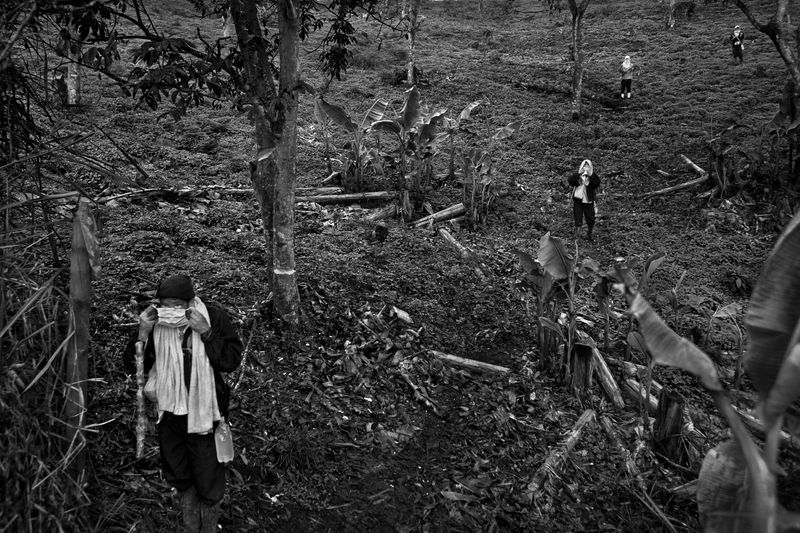
Cauca Region, members of the Nasa ‚indigenous guards protect their faces from the gas of the police during demonstrations against the Government, demading for land and self-determitation right. One of Colombia s largest indigenous groups, the Nasa, have had to struggle for decades against interference from both guerrilla and military forces for years. Located a top the Andes Mountains in the southern part of the country, their territory has been a strategic battlefield in Colombian long-running civil war.

© Fabio Cuttica - Image from the Wounded Land.   photography project
i

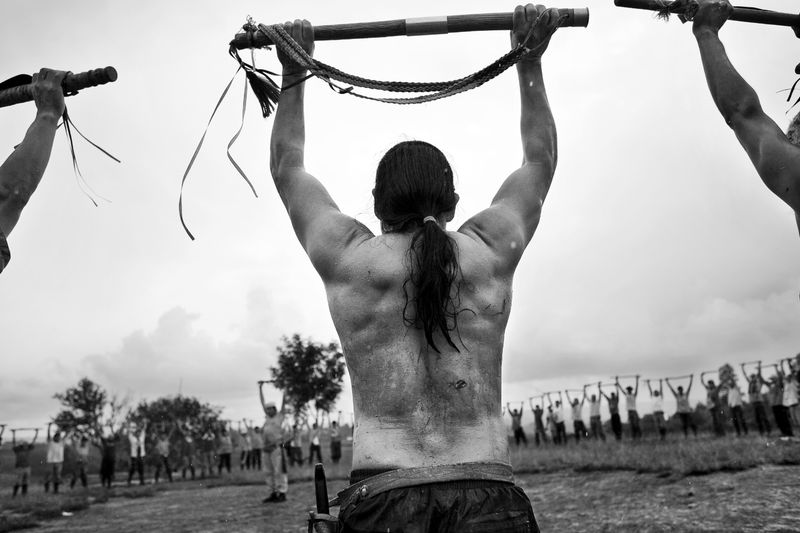
La Maria, Cauca Region, Nasa “indigenous guards” up their sticks , during the training. One of Colombia’s largest indigenous groups, the Nasa, have had to struggle for decades against interference from both guerrilla and military forces for years.Located atop the Andes Mountains in the southern part of the country, their territory has been a strategic battlefield in Colombia’s long-running civil war. As a nonviolent society, the only arms the culture uses are sticks that their “indigenous guards” carry as mere symbols of power.

© Fabio Cuttica - Image from the Wounded Land.   photography project
i

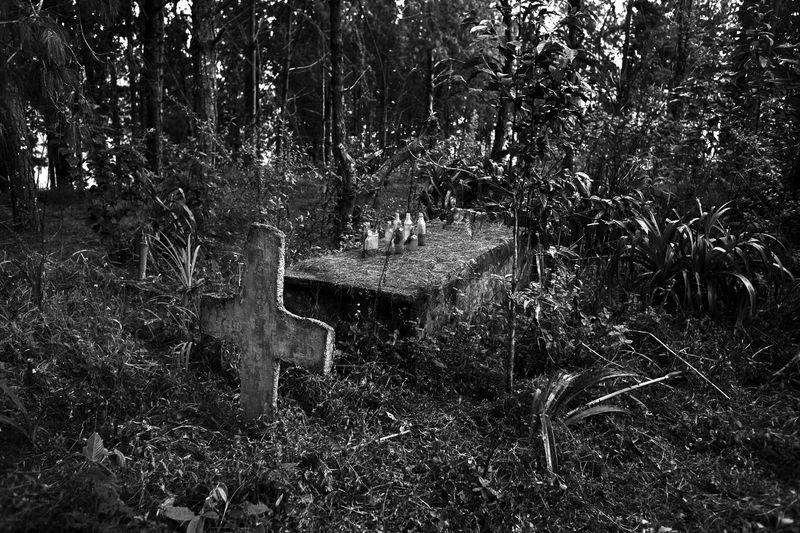
Nasa comunity cemetery. One of Colombia’s largest indigenous groups, the Nasa, have had to struggle for decades against interference from both guerrilla and military forces for years.Located atop the Andes Mountains in the southern part of the country, their territory has been a strategic battlefield in Colombia’s long-running civil war.Despite the autonomy granted to indigenous tribes and territories by the Colombian constitution, the Nasa people often face marginalization.As a nonviolent society, the only arms the culture uses are sticks that their “indigenous guards” carry as mere symbols of power.

© Fabio Cuttica - Image from the Wounded Land.   photography project
i

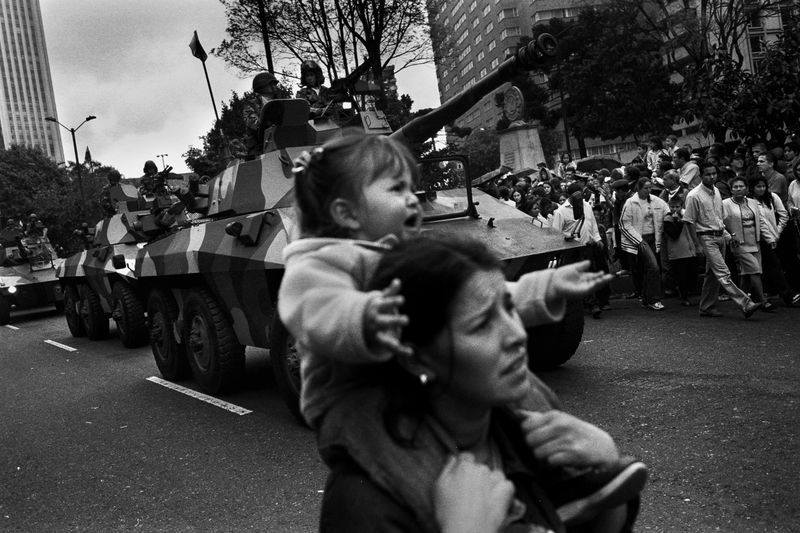
Mother and daughter walk the main street of the Bogotà downtown during the miltary parade to commemorate the day of independence. Every July 20 is celebrated this anniversary

© Fabio Cuttica - Image from the Wounded Land.   photography project
i

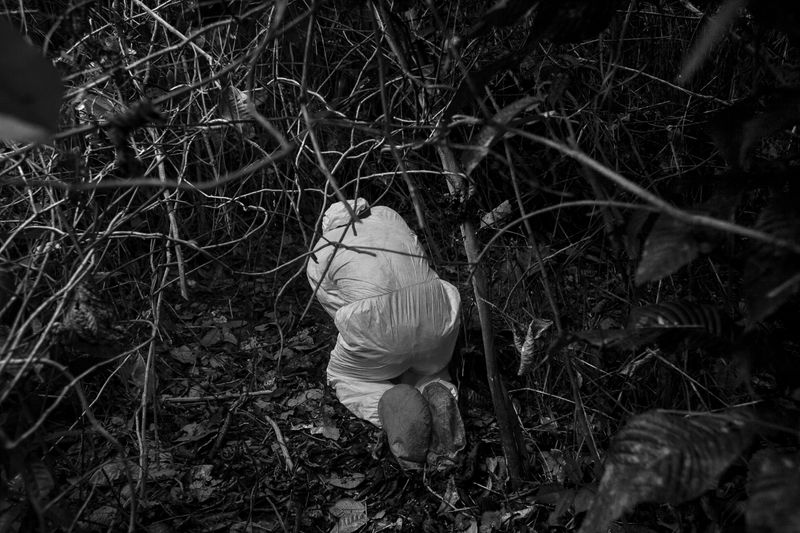
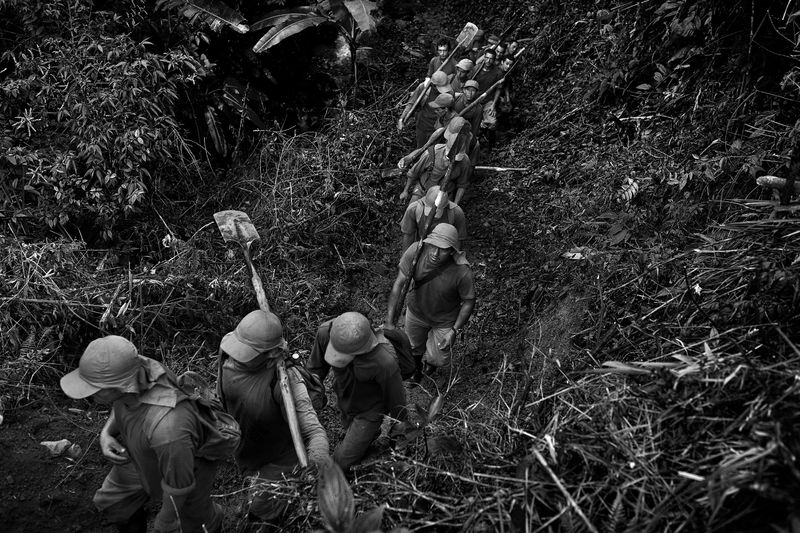
The "exhumaciones y busqueda" (exhumation and investigation) Squad, belonging to the Fiscalia General de la Nacion (Medellin attorney) searching for a "desaparecidos" corpse, missed since six months. One of the relatives received tip information about the likely place of burial. But the news was incorrect and they didn't find anything . Forensic anthropologist team, dig in the middle of dense forest trying to find the bones In Colombia for the internal conflict more than 40,000 people have disappeared during the period 1985-2013.

© Fabio Cuttica - Image from the Wounded Land.   photography project
i

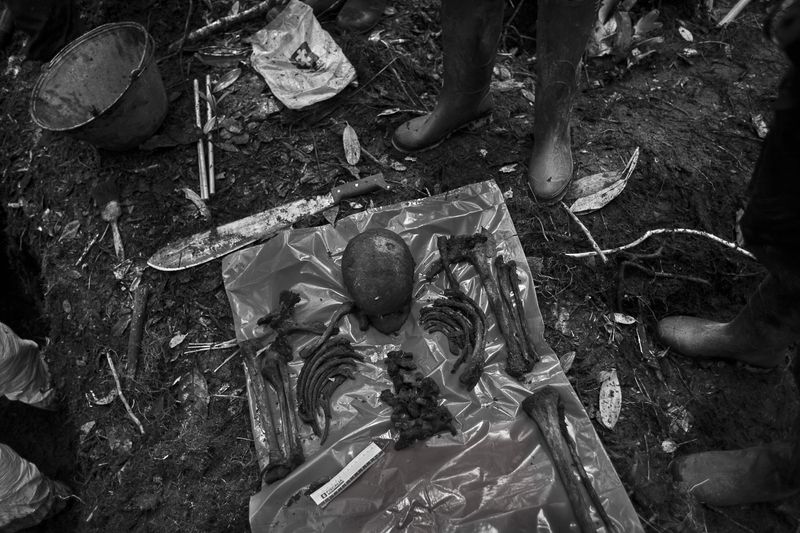
Carmen de Atrato - Colombia The "exhumaciones y busqueda" (exhumation and investigation) Squad, belonging to the Fiscalia General de la Nacion (Medellin attorney) searching for a "desaparecidos" corpse, missed. One of the relatives received tip information about the likely place of burial. Forensic anthropologist on the team, puts on an envelope the bones found on site. on which if carried out the analysis of DNA to try to establish the identity of the victim In Colombia during the intern conflict more than 40,000 people have disappeared

© Fabio Cuttica - Image from the Wounded Land.   photography project
i

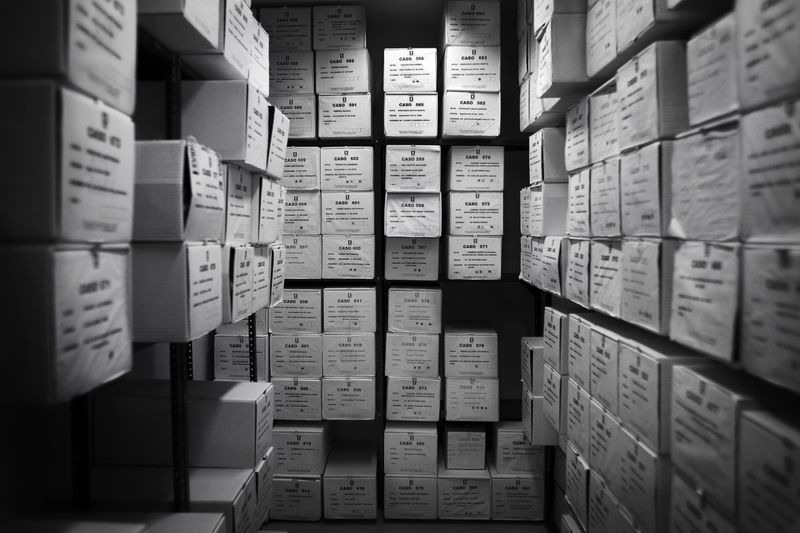
Fiscalia General de la Nacion (Medellin attorney), where there is the seat of the Specialized Identification Laboratory. In the Laboratory the bodies discovered by the "exhumaciones y busqueda" (exhumation and investigation) Squad, are ranked, reassembled, and subjected to DNA test in order to set the identity of the victim.In Colombia during the internal conflict more than 40,000 people have disappeared. The boxes containing bodies yet to be identified .

© Fabio Cuttica - Image from the Wounded Land.   photography project
i

Cauca valley - Belen area -Friends and relatives carrying the coffin of Taurino Ramos, a Nasa indian killed during the clashes between indigenous activists and the Colombian National Policeís Mobile Anti-Riot SquadsOne of Colombia’s largest indigenous groups, the Nasa, have had to struggle for decades against interference from both guerrilla and military forces for years.Located atop the Andes Mountains in the southern part of the country, their territory has been a strategic battlefield in Colombia’s long-running civil war.Despite the autonomy granted to indigenous tribes and territories by the Colombian constitution, the Nasa people often face marginalization.As a nonviolent society, the only arms the culture uses are sticks that their “indigenous guards” carry as mere symbols of power.

© Fabio Cuttica - Image from the Wounded Land.   photography project
i

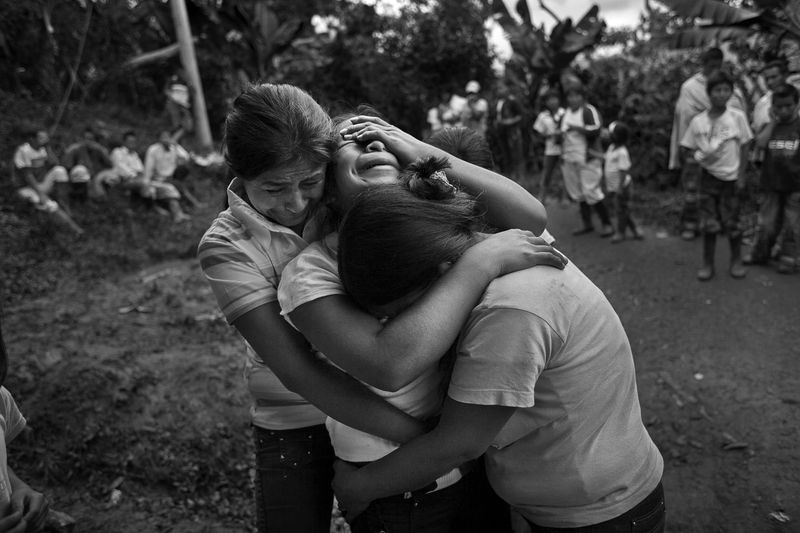
Colombia.La Maria-Cauca Demonstrations of Indian communities, led by the Nasa ethnic group, against the Government, demading for land and self-determitation rights The young wife of an India demostrator killed by Police crying One of Colombia’s largest indigenous groups, the Nasa, have had to struggle for decades against interference from both guerrilla and military forces for years.Located atop the Andes Mountains in the southern part of the country, their territory has been a strategic battlefield in Colombia’s long-running civil war.Despite the autonomy granted to indigenous tribes and territories by the Colombian constitution, the Nasa people often face marginalization.As a nonviolent society, the only arms the culture uses are sticks that their carry as mere symbols of power.

© Fabio Cuttica - Image from the Wounded Land.   photography project
i

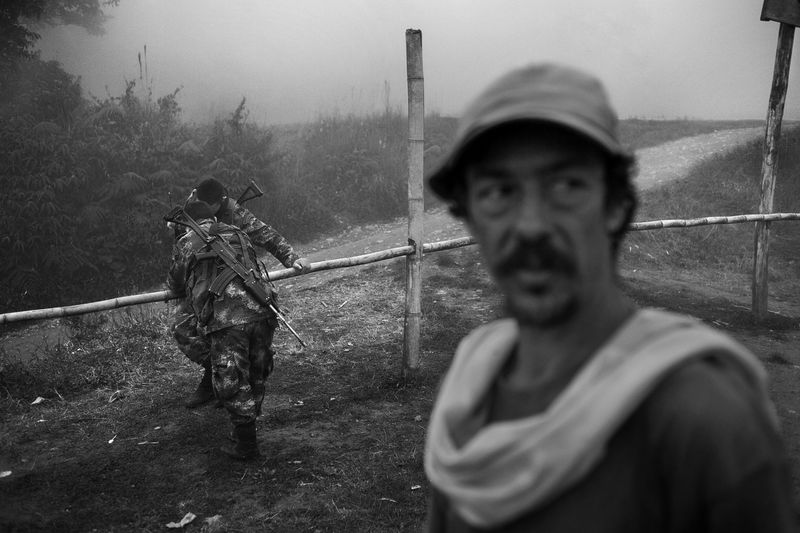
A farmer from the Palmar area in the Narino region, behind his back in the Colombian army, the presence of the army in this area has always been very strong due to the strong presence of armed groups, important coca crops and strategic position of this region, which allows a quick exit to the Pacific Ocean

© Fabio Cuttica - Image from the Wounded Land.   photography project
i

El Palmar, - Coca eradication campaign - The south western area of Colombia where operate the squads of "eradicators" of GME (Mobile Eradication Groups for Forced Manual Eradication of Illicit Crops), removing coca plants by hand in the illicit coca plantations

© Fabio Cuttica - Image from the Wounded Land.   photography project
i

Sierra Nevada de Santa Marta, Colombia This mountainous area near the Atlantic coast during many years was disputing scenery between groups of guerrillas and paramilitary groups. The ethnic group Tayrona, a native of this area is able to resist is to defend their territories of various armed actors.

© Fabio Cuttica - Image from the Wounded Land.   photography project
i

Region of Meta - East of Colombia Fidel listens to a morning briefing while on the move with his associates. commanders discuss news item with the fighters every morning. A "Guerriglia" camp belonging to the Eastern Bloc of FARC (Revolutionary Armed Forces of Colombia), the strongest military faction, in what could be their last days in the jungle. The Colombian government is close to signing a historic peace agreement with the Revolutionary Armed Forces of Colombia (FARC) rebel group. After 51 years of often brutal conflict and three previous failed negotiations, FARC fighters seem finally ready to give up their guns.FARC and the government have been negotiating for three years in Havana, Cuba.

© Fabio Cuttica - Image from the Wounded Land.   photography project
i

Region of Meta - East of Colombia Fidel listens to a morning briefing while on the move with his associates. commanders discuss news item with the fighters every morning. A "Guerriglia" camp belonging to the Eastern Bloc of FARC (Revolutionary Armed Forces of Colombia), the strongest military faction, in what could be their last days in the jungle. The Colombian government is close to signing a historic peace agreement with the Revolutionary Armed Forces of Colombia (FARC) rebel group. After 51 years of often brutal conflict and three previous failed negotiations, FARC fighters seem finally ready to give up their guns.FARC and the government have been negotiating for three years in Havana, Cuba.

© Fabio Cuttica - Image from the Wounded Land.   photography project
i

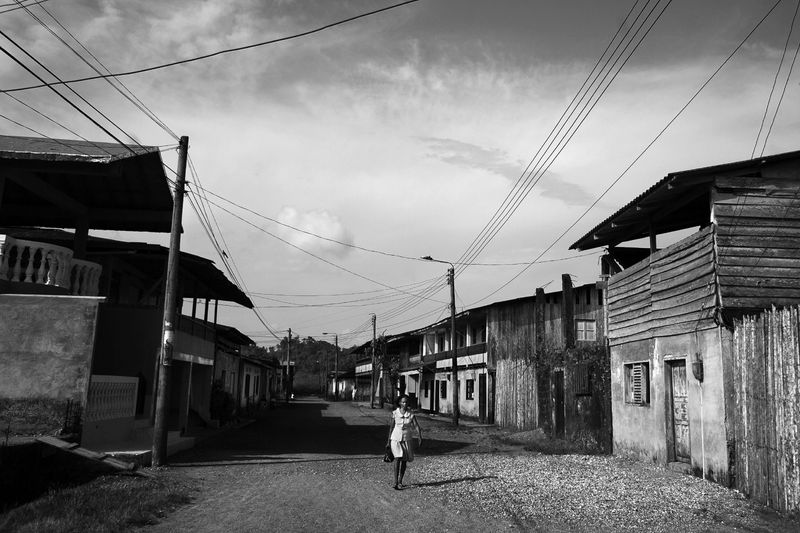
A lady goes through the deserted streets of the village Nuqui. Nuqui is a small village on the Pacific coast of Colombia, difficult to will reach for the absence of roads, abandoned by many of its inhabitants to the violence that historically has repeatedly hit their territory. Chocó Region is the most disputed spoils of war by the actors of the armed conflict in Colombia. Illegal groups, in their eagerness to gain control of the strategic region, made the civilian population their target and the department in the country's largest focus of forced displacement

© Fabio Cuttica - Image from the Wounded Land.   photography project
i

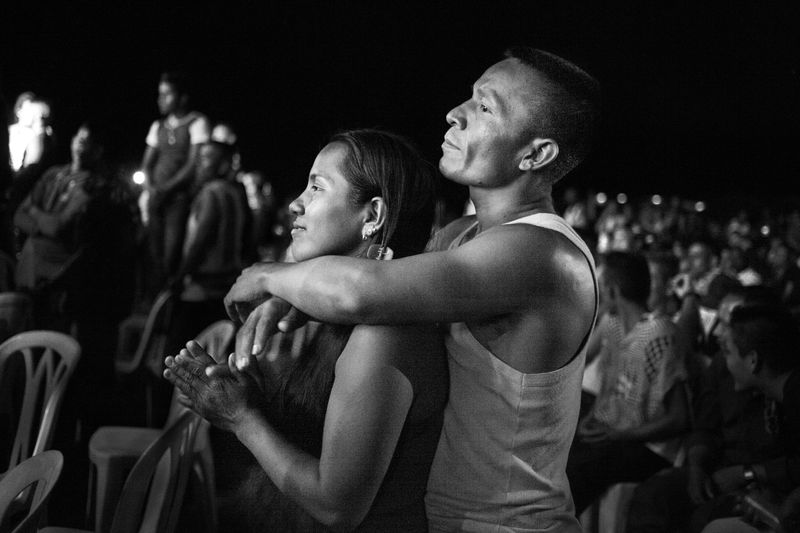
Rebels of the Revolutionary Armed Forces of Colombia, FARC, cheer during a concert in the Yari Plains, Meta Region. FARC rebels are gathering for a congress to discuss and vote a peace accord reached with the Colombian government to end five decades of war. Historically secretive, this congress is the first one open to civilians. FARC leaders, guerrilla delegates and ore than 1000 rebels, kicked off their last conference as a rebel army as they look to transition into a political movement following the signing of a peace accord to end more than a half-century of hostilities.

© Fabio Cuttica - Image from the Wounded Land.   photography project
i

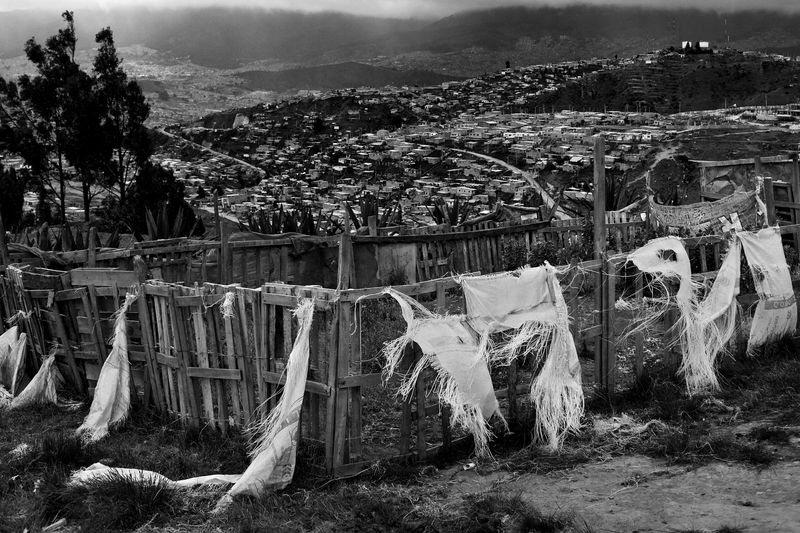
A view of the Ciudad Bolivar poor suburb, where Colombian refugees ( Desplazados ) found a safe place to live in, after they had to leave their lands because of the Colombian armed conflict between the government, paramilitary groups and and the two main left guerrilla groups FARC ( Revolutionary Armed Forces of Colombia ) and ELN ( National Liberation Army )