Wounded Land.
-
Dates2005 - Ongoing
-
Author
- Topics War & Conflicts, Social Issues, Documentary
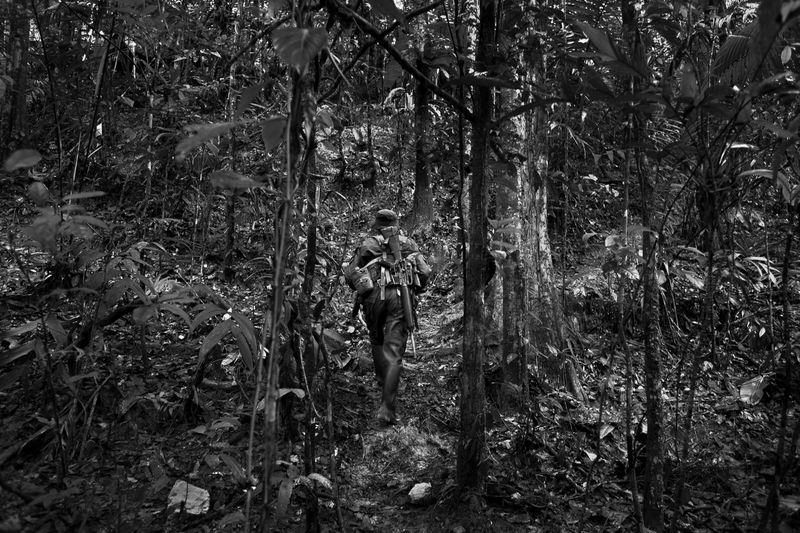
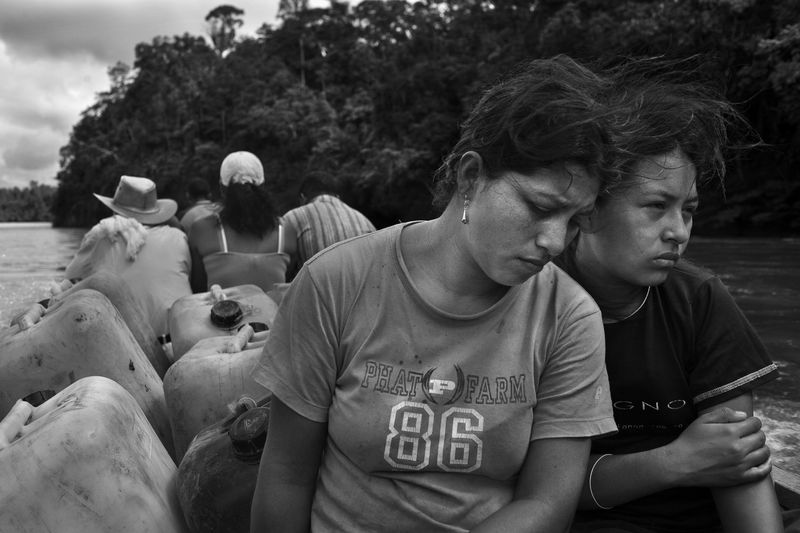
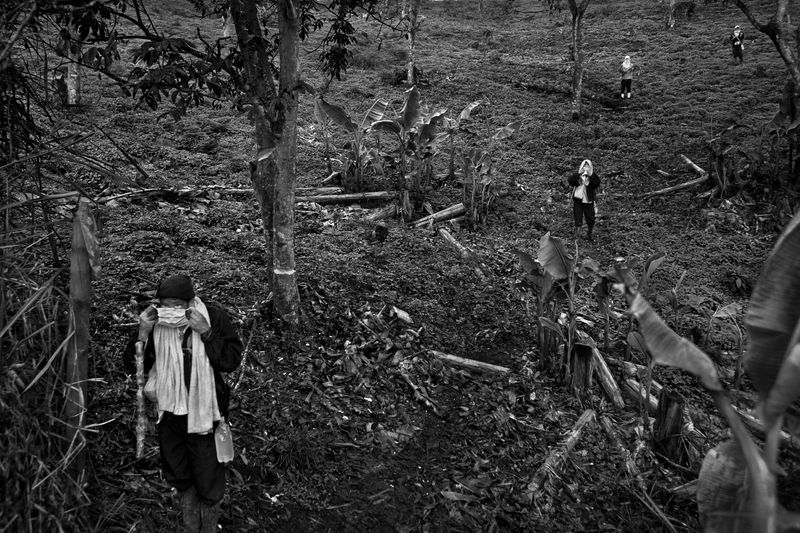
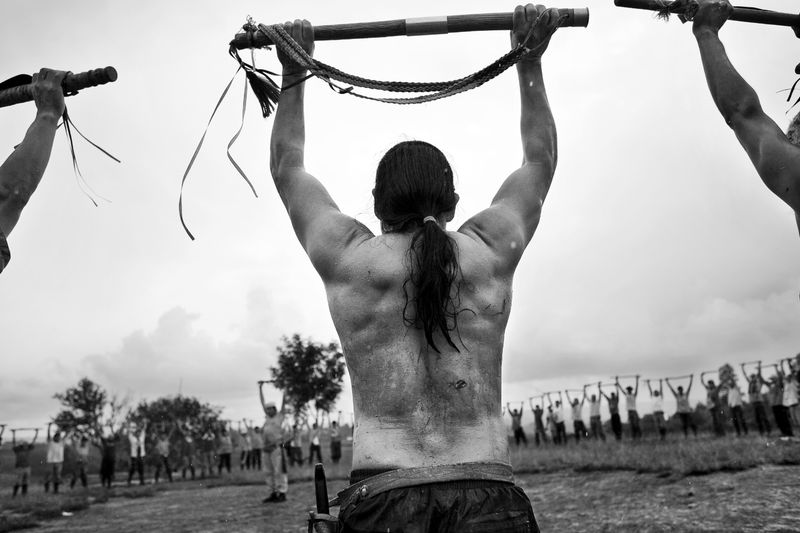
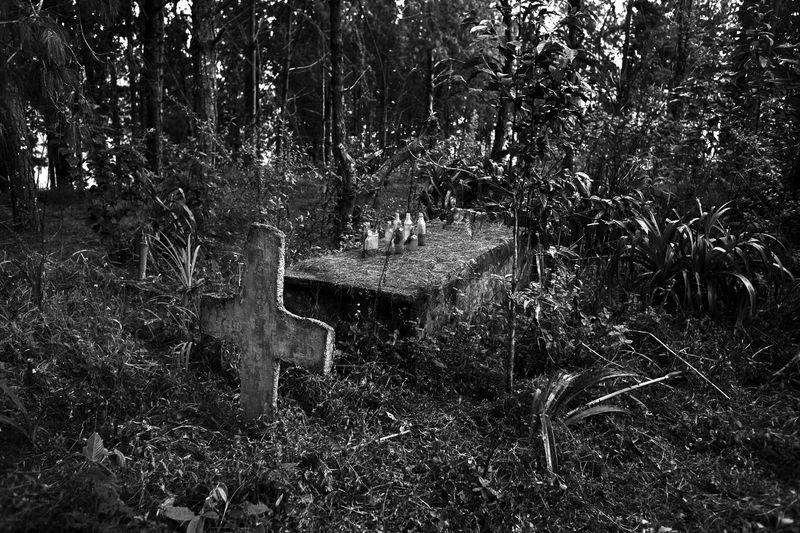
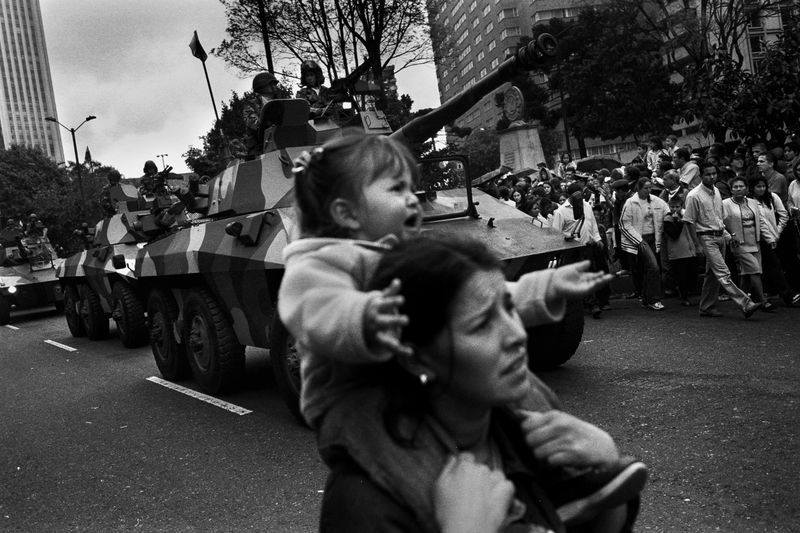
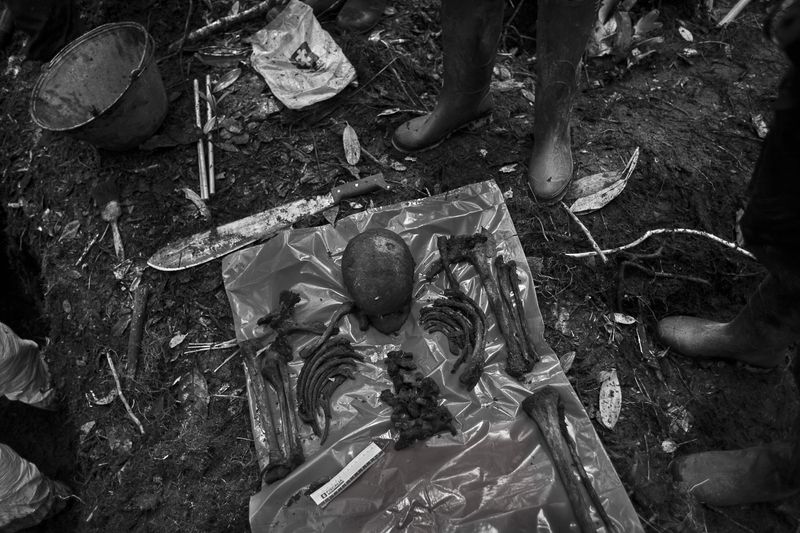
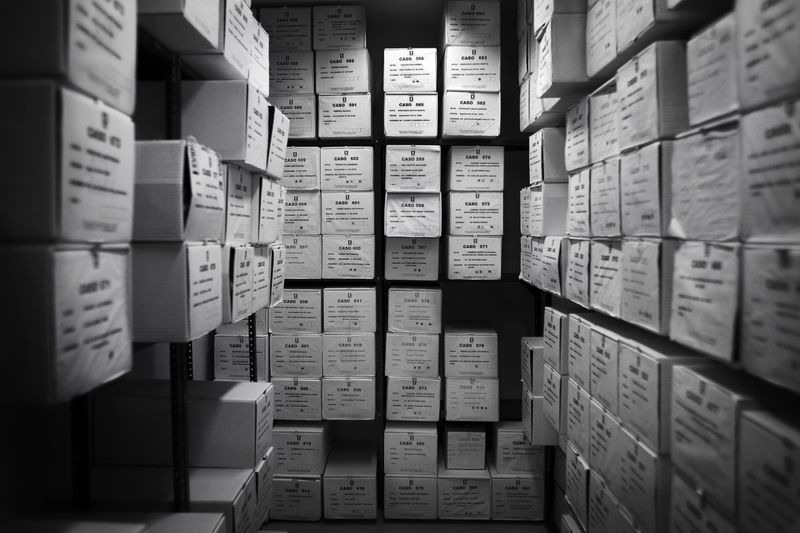
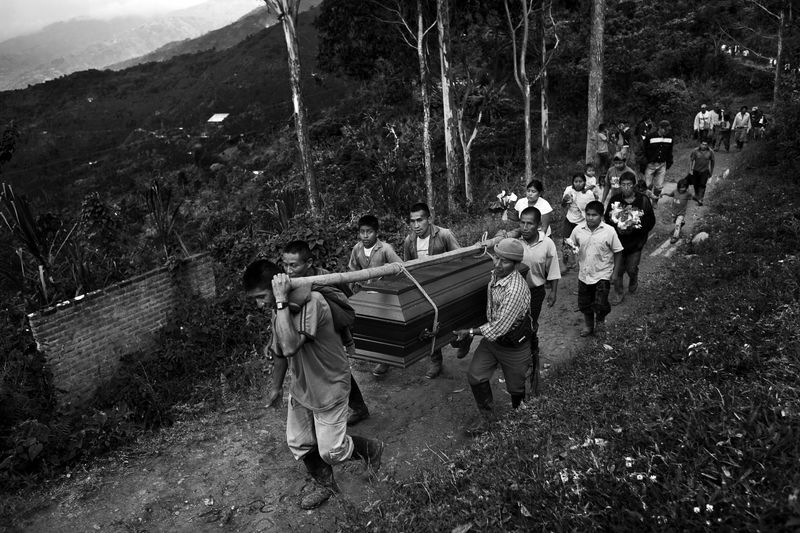
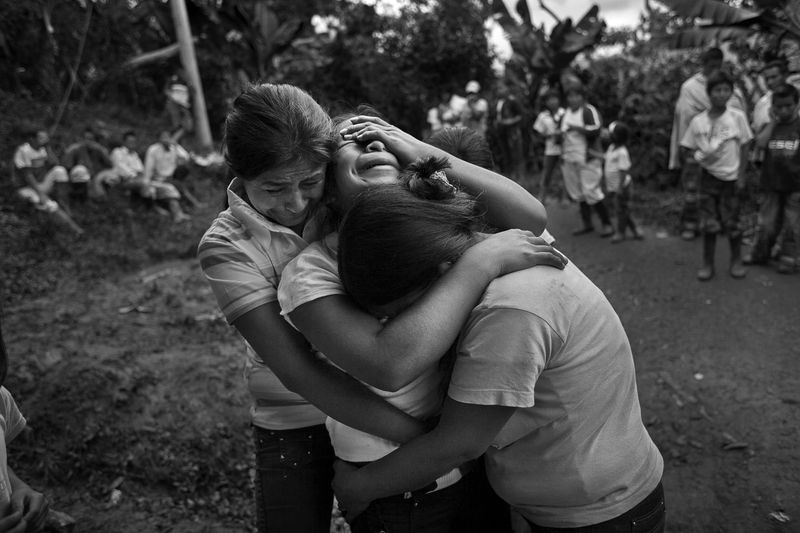
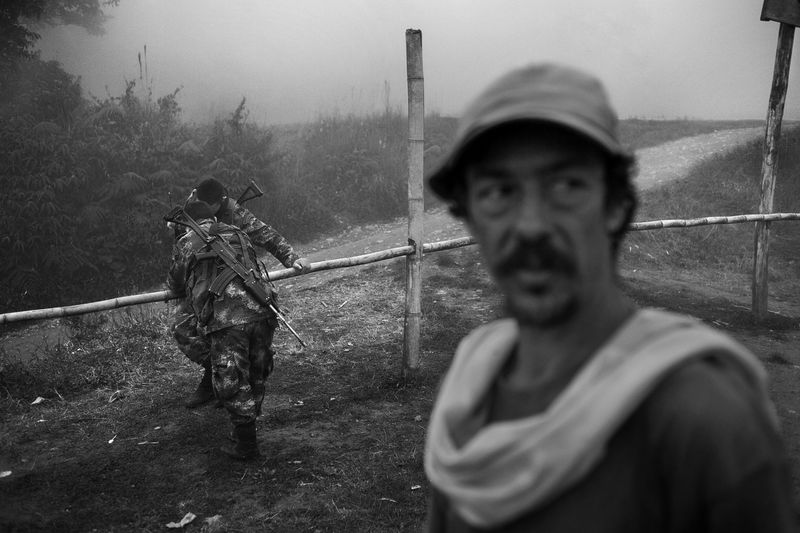
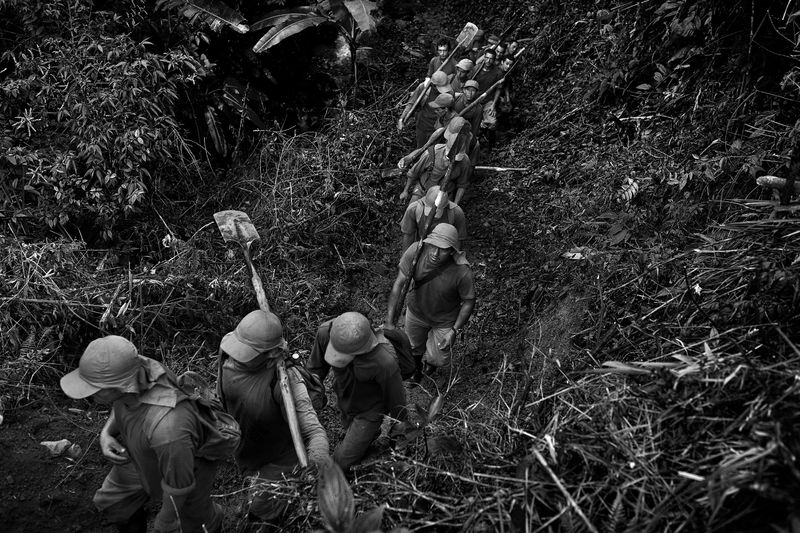
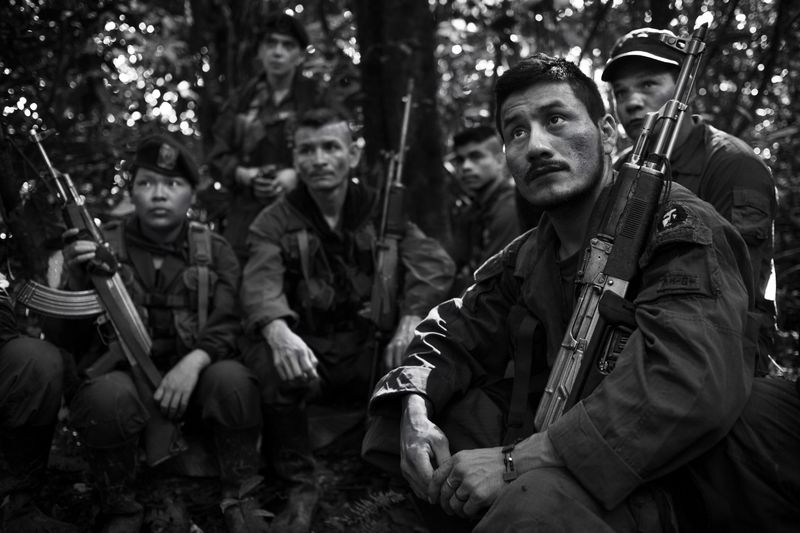
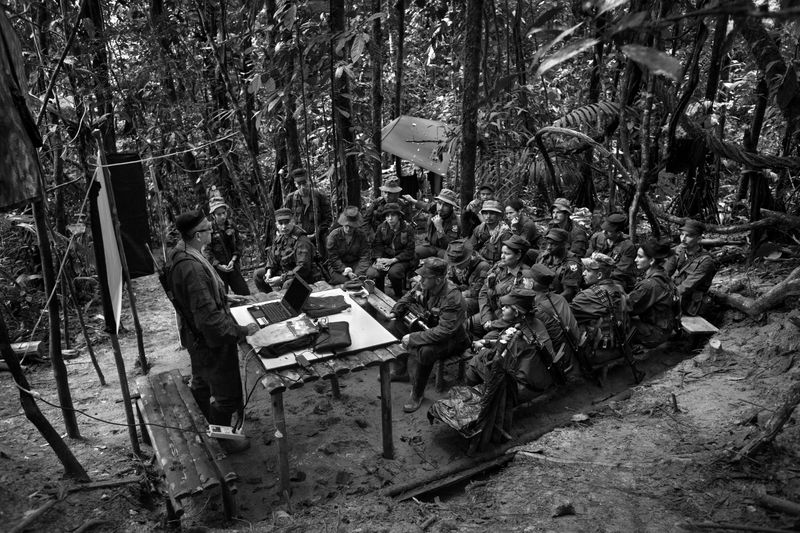
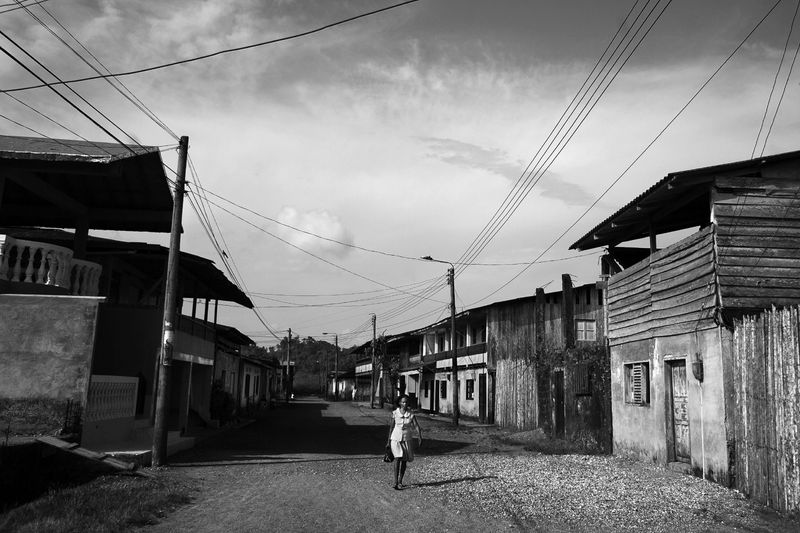
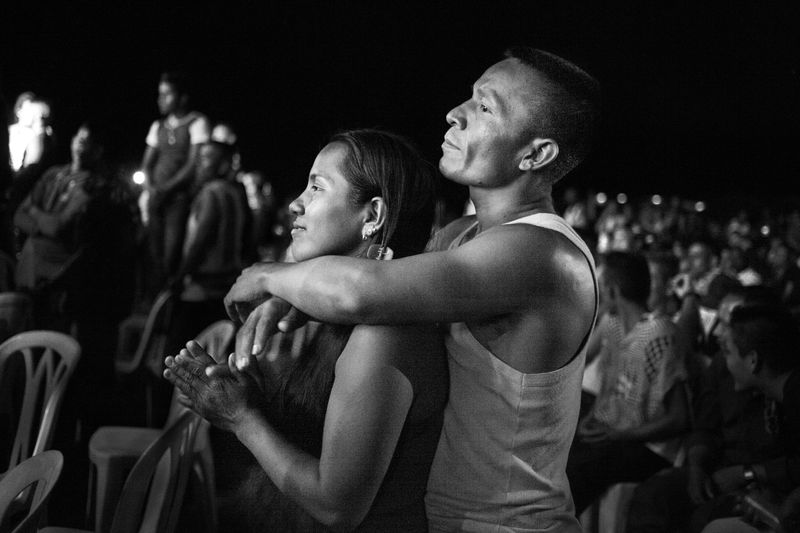
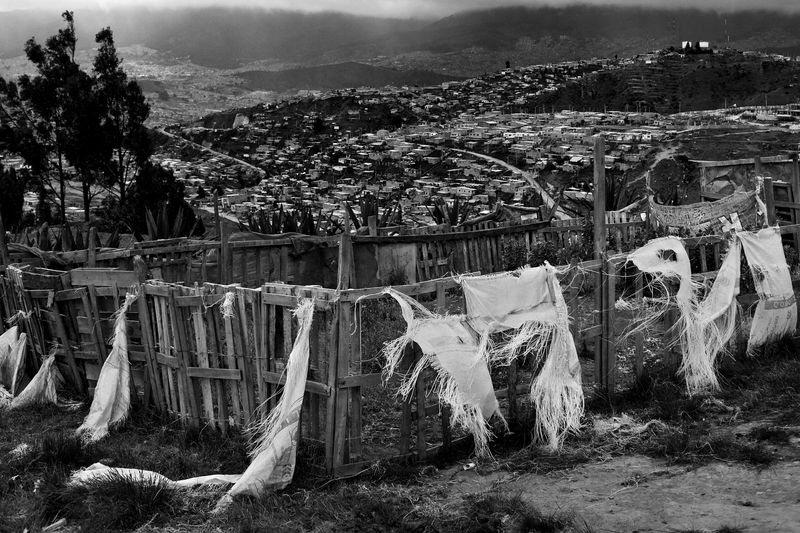
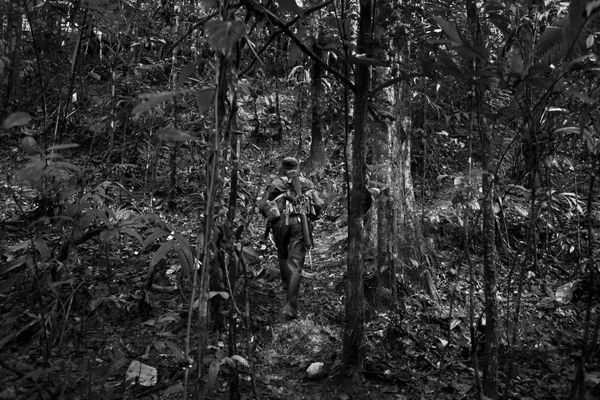
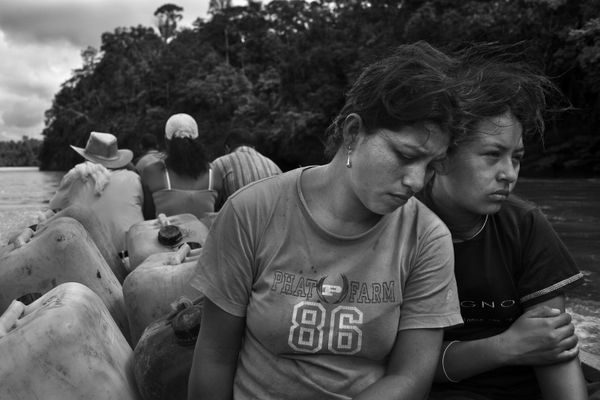
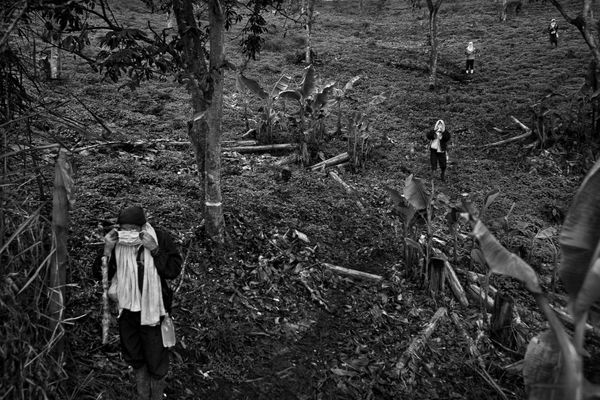
Wounded Land is a long-term project that documents the impact and consequences of the fifty two-year armed conflict on the Colombian civil population.
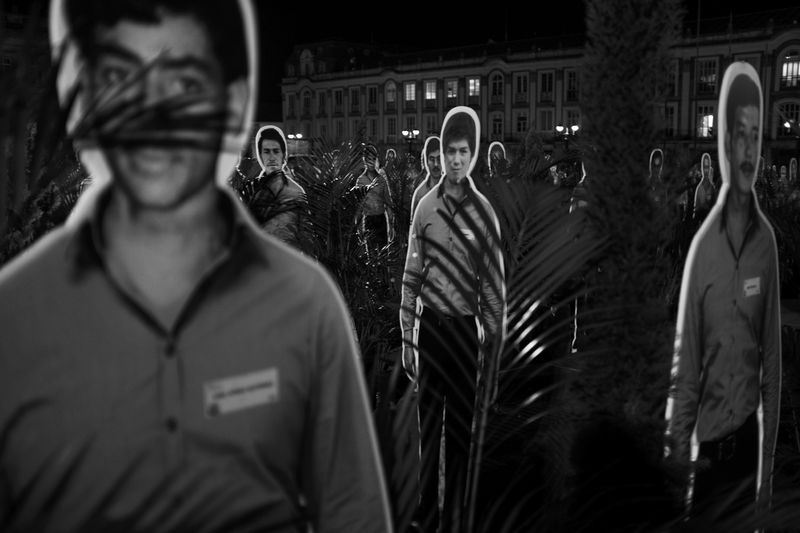
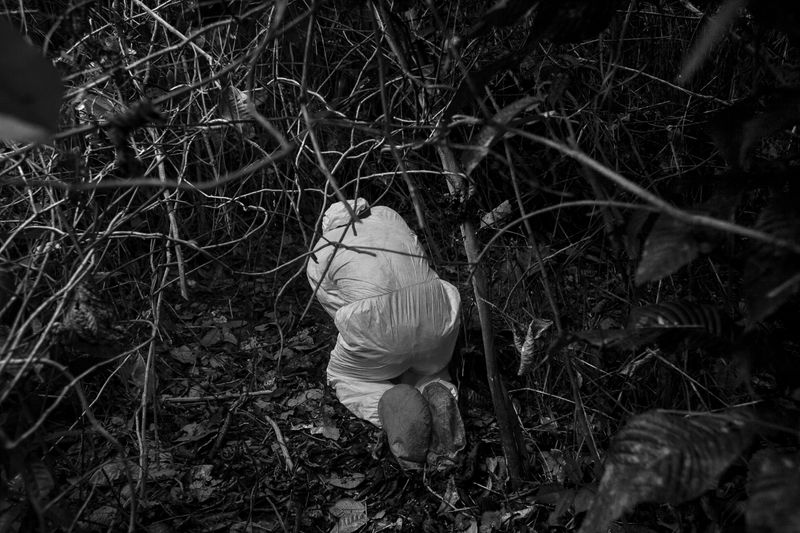
2016 will be remembered in Colombian history as the year that put an end to a war between FARC rebels (Fuerzas Armadas Revolucionarias de Colombia) and the State; a war that wracked the country for more than half a century. According to a report of the National Center for Historical Memory, the whole conflict cost the lives of about 218.000 Colombians (81% were civilians); displaced more than 5,7 million, and left around 25.000 people missing.
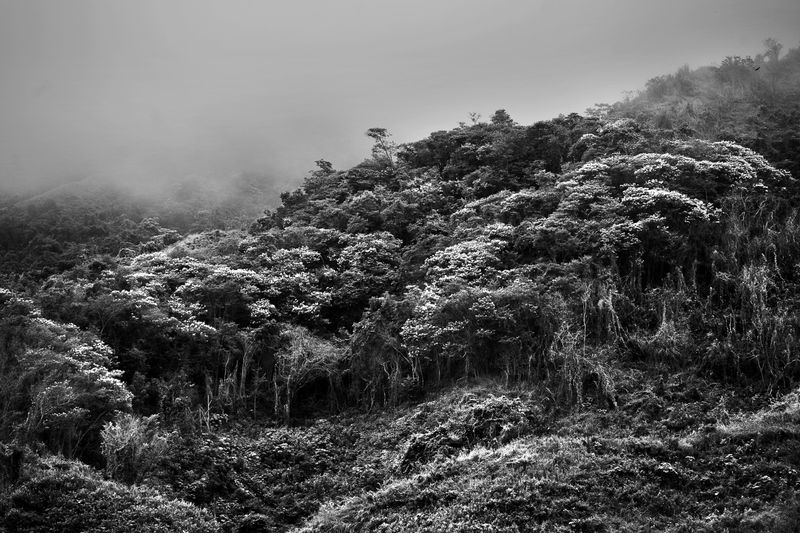
Defined by some experts as a “low intensity” conflict, it was mainly concentrated in the rural territory, for it was the object of dispute among a number of actors, such as guerrillas, paramilitary groups, politicians, agents of state, drug trade, and organized crime. The oppressions and social exclusions of older times exacerbated in the war and the concentration of land –one of the main axes of conflict’s origin- increased (60% of the productive land is owned by 1% of the population).
Today, Colombia is deeply wounded, but it holds scars that go further back in time. This war inherits old-time social, cultural, political and economic tensions where violence was the only mean of political action known to be effective, naturalizing it as part of the every day life, part of the Colombian identity. Today, Colombia needs to reflect on that history, if it wants to heal collectively.
In the last two decades of this war, Colombian society stopped turning its back on the conflict and started recognizing its victims, committing towards finding the truth, building collective memory, and searching for justice. However, it has also suffered fractures by a diversity of positions holding strong polarizing systems of moral authority that define the “appropriate” national project, who is in, who is out, and who deserves a second chance.
Colombia is a significant place for me. Born in Rome (Italy) but raised in Bogota until I was 13, it is a place that I have always called ‘home’. After twenty years of absence, I returned in 2005 to confirm my childhood memories, but I also had to confront a war I knew little about. Once back, I felt interested to understand it deeper, and started documenting this last decade. But the turning point of my work was when my daughter Amalia was born, it made me think of the fact that she is part of the first generation growing up in a promise of peace era, and where war turns out to be a historical reference point from where to imagine another possible nation. With this work I would like to contribute to the historical memory for this generation, it is a legacy.
2016’s Peace Accord could be the start of a change in the conflict’s original structures of power, but after fifty-two years of confrontation, such structures became a whole system. Wounded Land wants to be a testimony, a narrative that goes beyond the common reading of the country and the stigma of being ‘simply violent’, and it aims at showing the multiple dimensions of the conflict in order to grasp its complexity from different angles: the strong history of insurgency; the resistance to violence of multiple actors; the acknowledgement of harm and its victims; and the search for truth. Therefore, Wounded Land is a work in progress.
Ultimately, the end of war does not mean peace, it means the entrance of a period of learning to live again as individuals in a community and images of this period of rebirth could remind us of our humanity and the bonds we need to transform. Today, many sides of the Colombian society are making efforts to develop pedagogies of reconciliation. I am convinced this project could contribute in the preservation of a historical memory towards collective healing, for it is a space where some untold stories could come to light, where indifference and the denied dignity to the victims could be challenged, and where the different dimensions and actors involved in the conflict could see a wider picture of the past and start a possible dialogue, a possible prologue of a future in peace.