World of Water
-
Dates2018 - Ongoing
-
Author
- Locations Germany, France
World of Water traces water from mist to sea, linking poetic surfaces to the element’s ecosystem services—cooling, storage, flow, habitat—and its vulnerability in a warming climate. Made in dialogue with UFZ scientists in Leipzig.
World of Water
Photography on water as material, system and meaning in a changing climate.
Scope
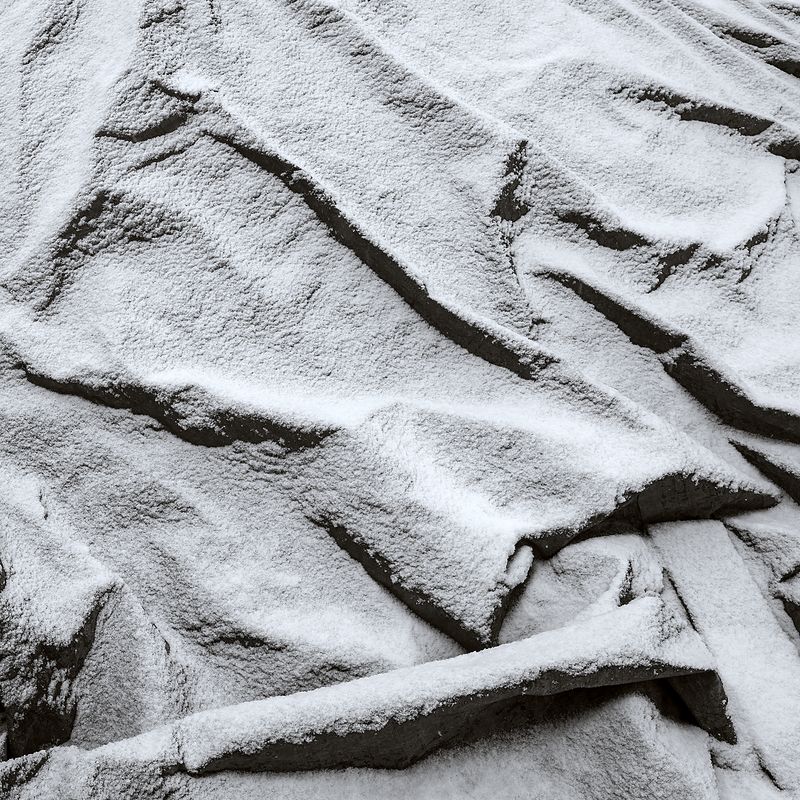
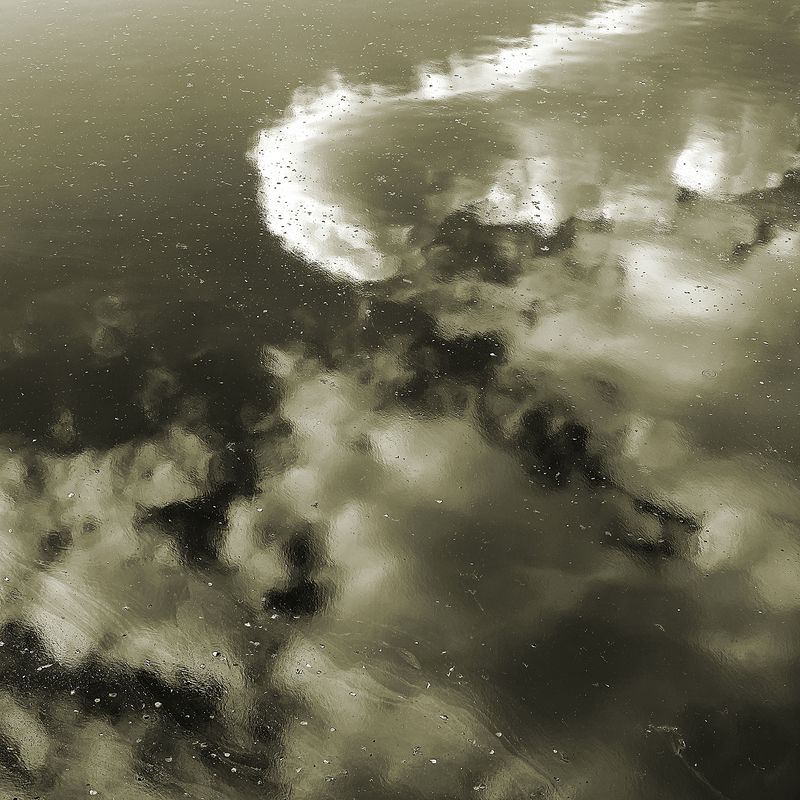
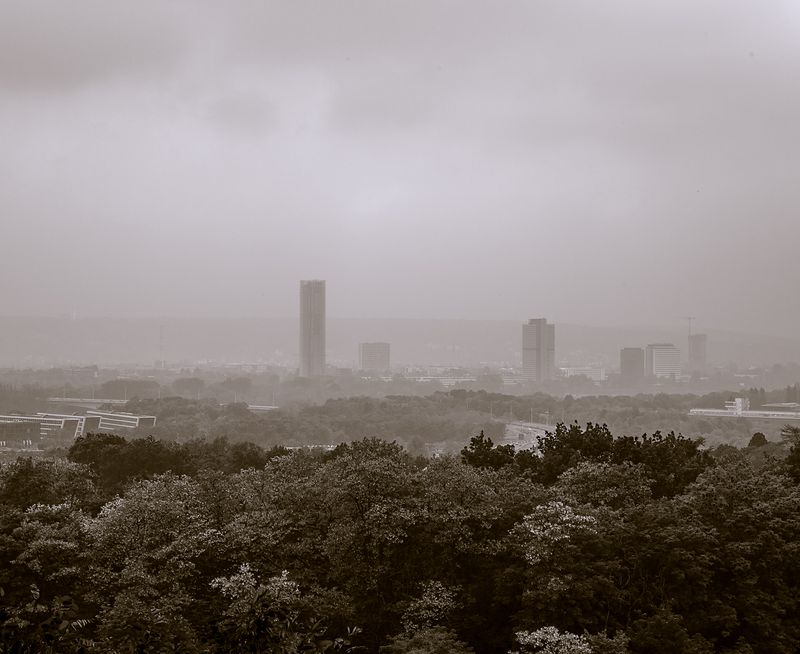
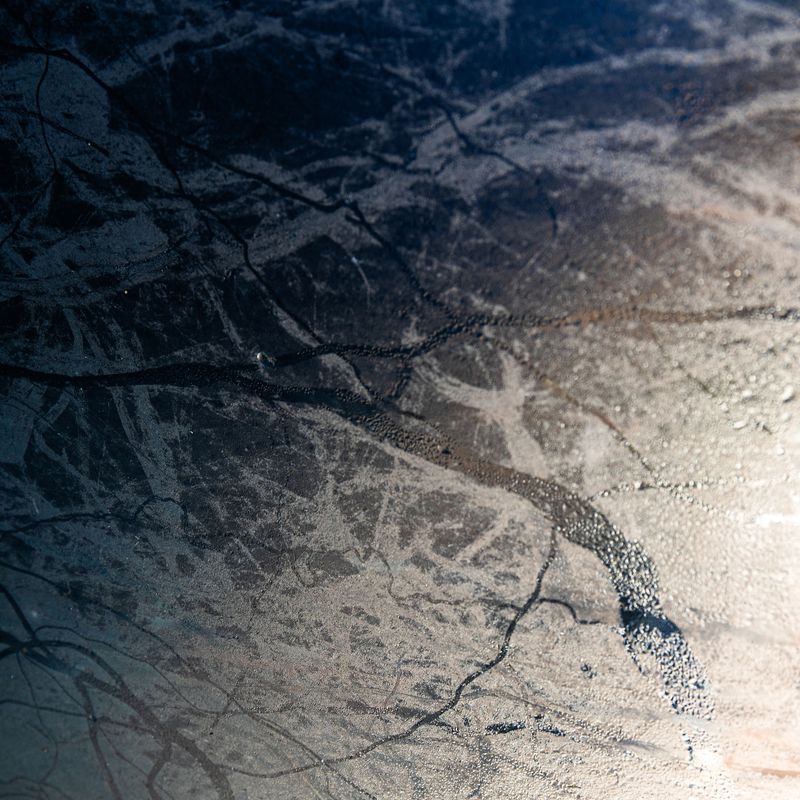
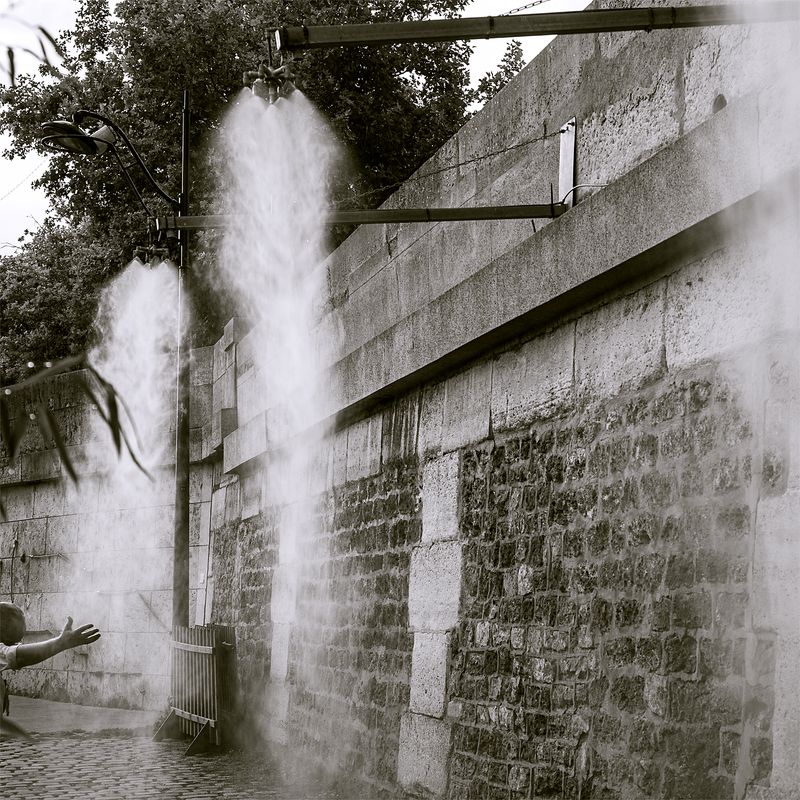
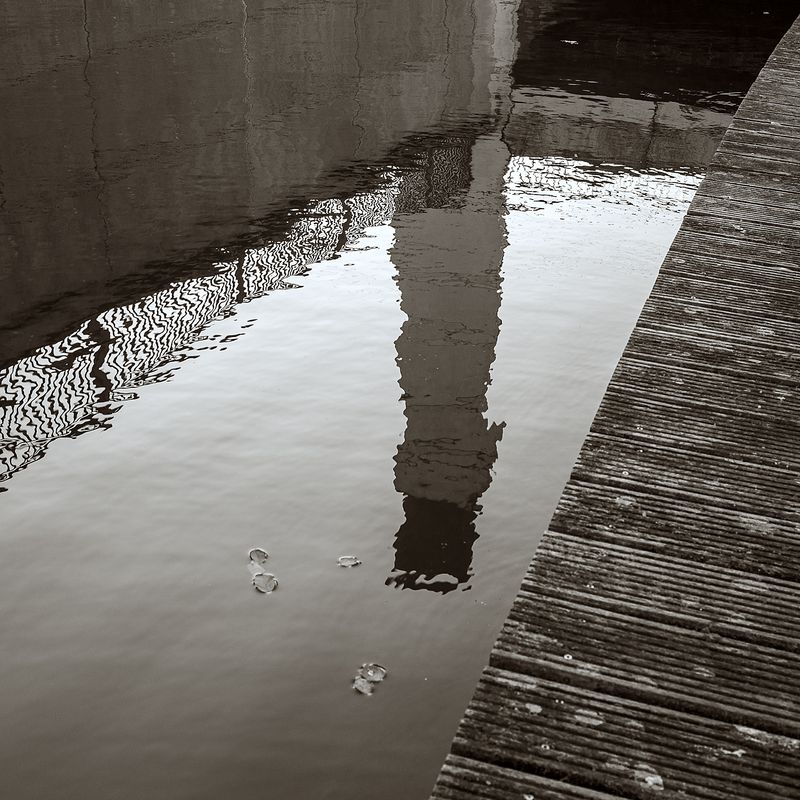
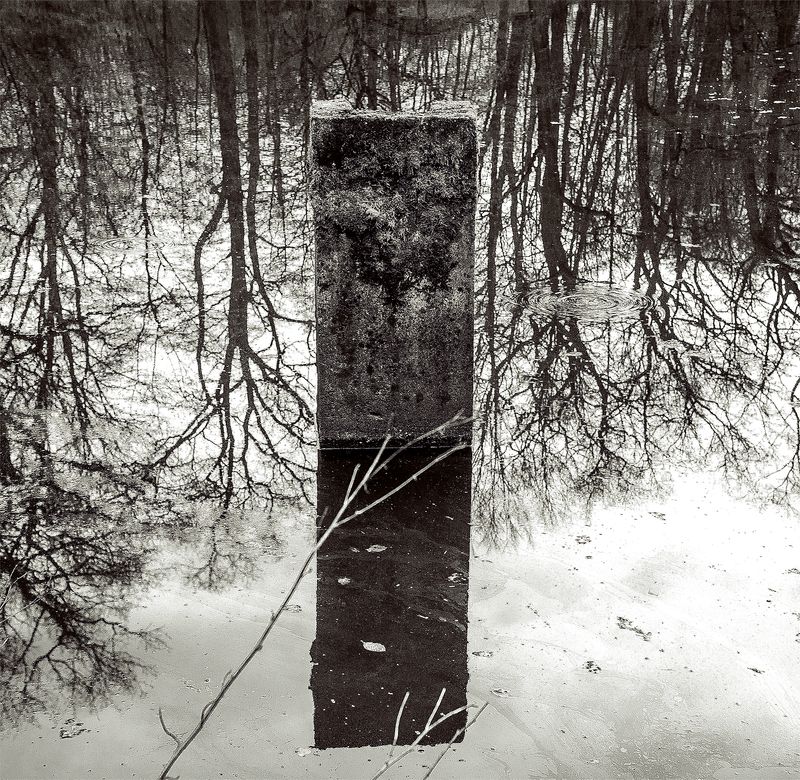
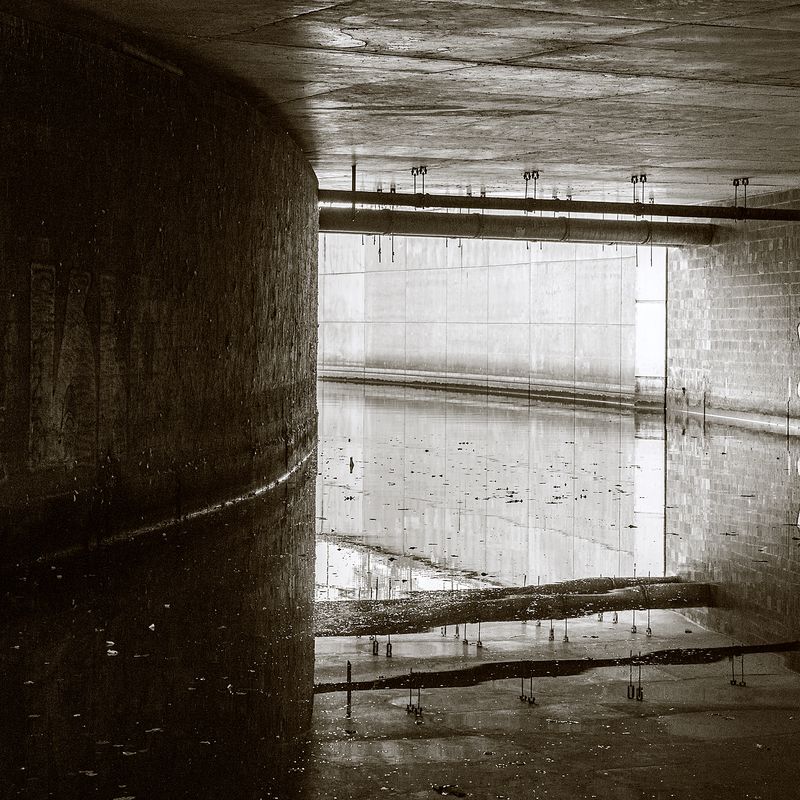
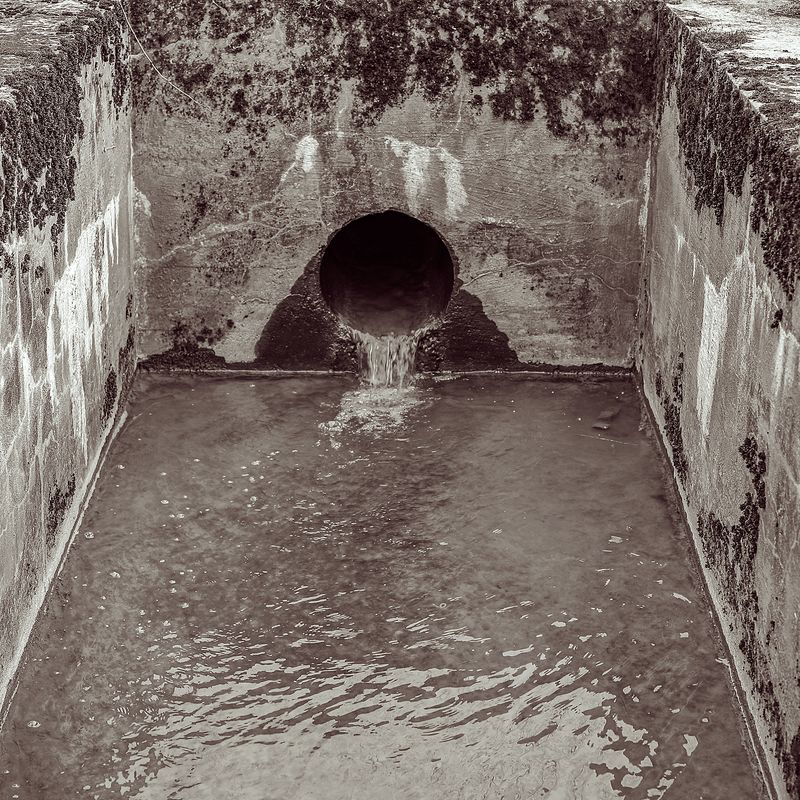
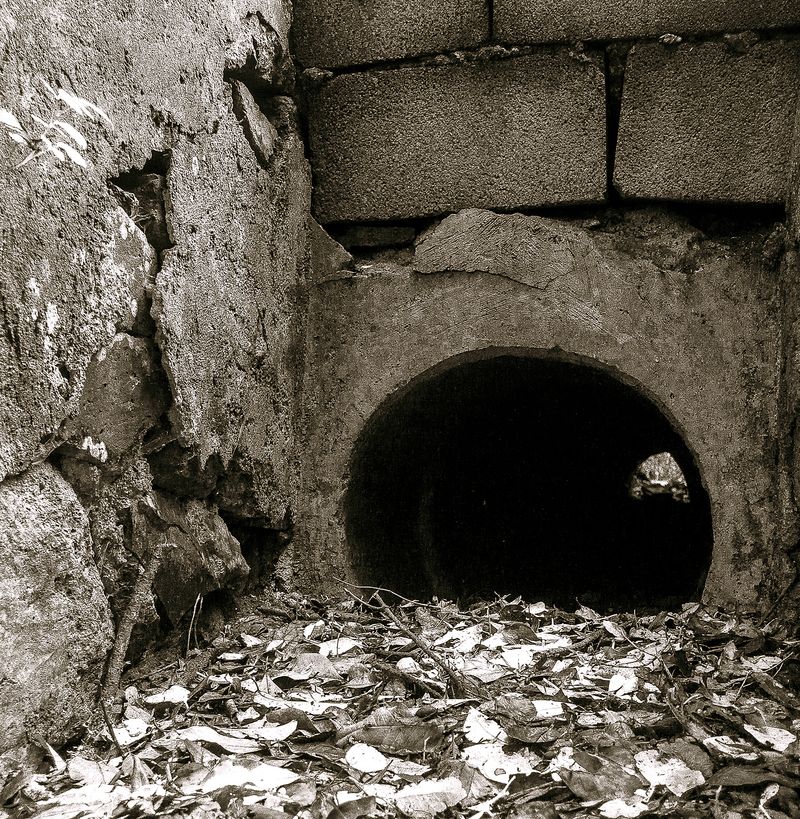
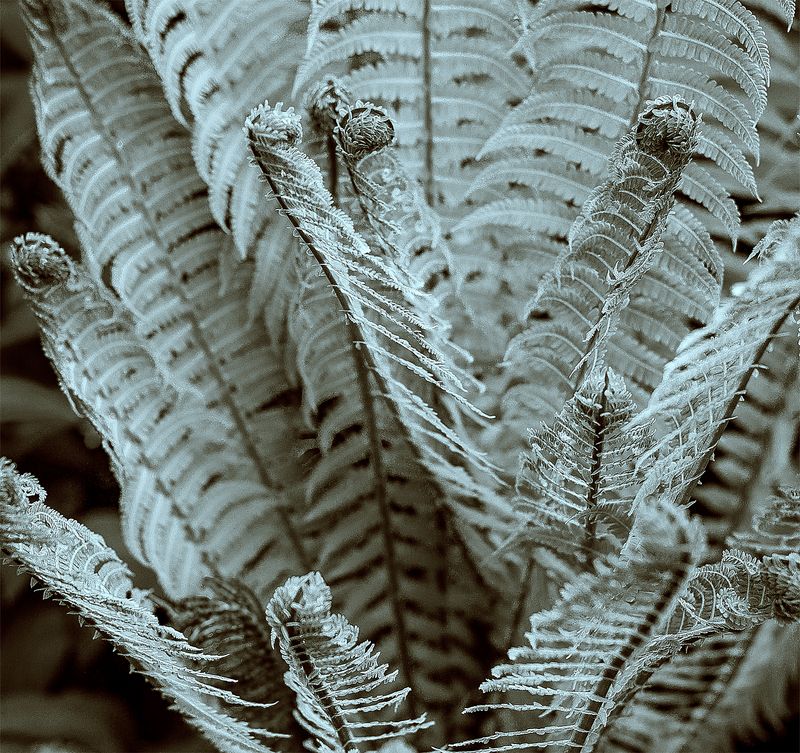
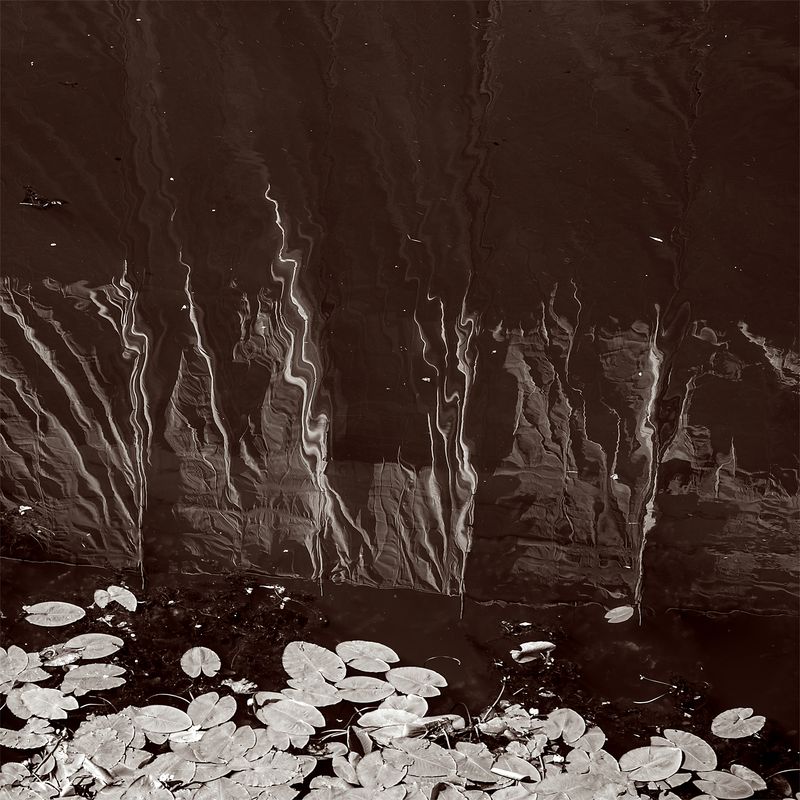
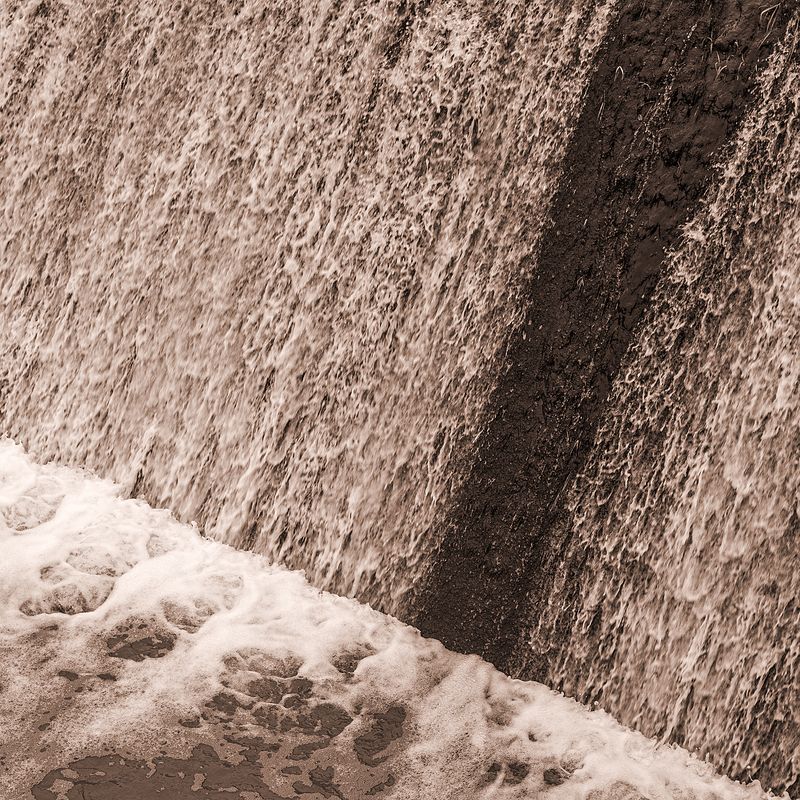
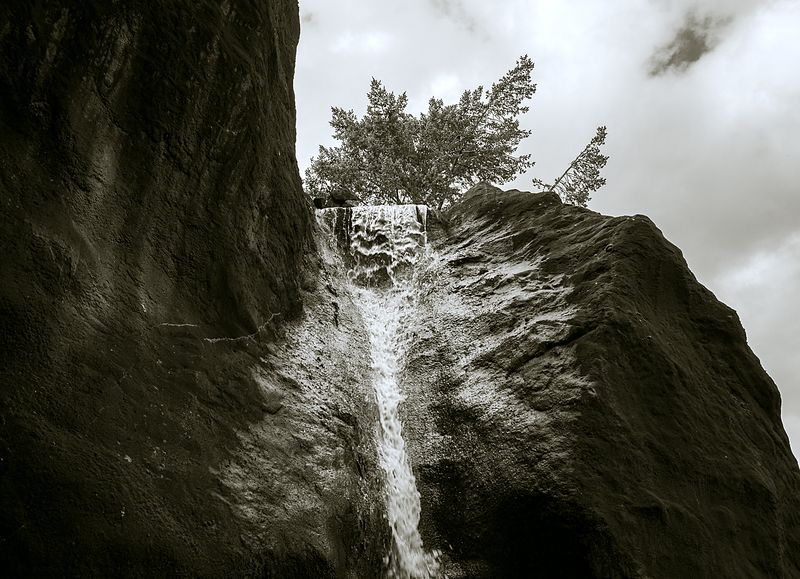
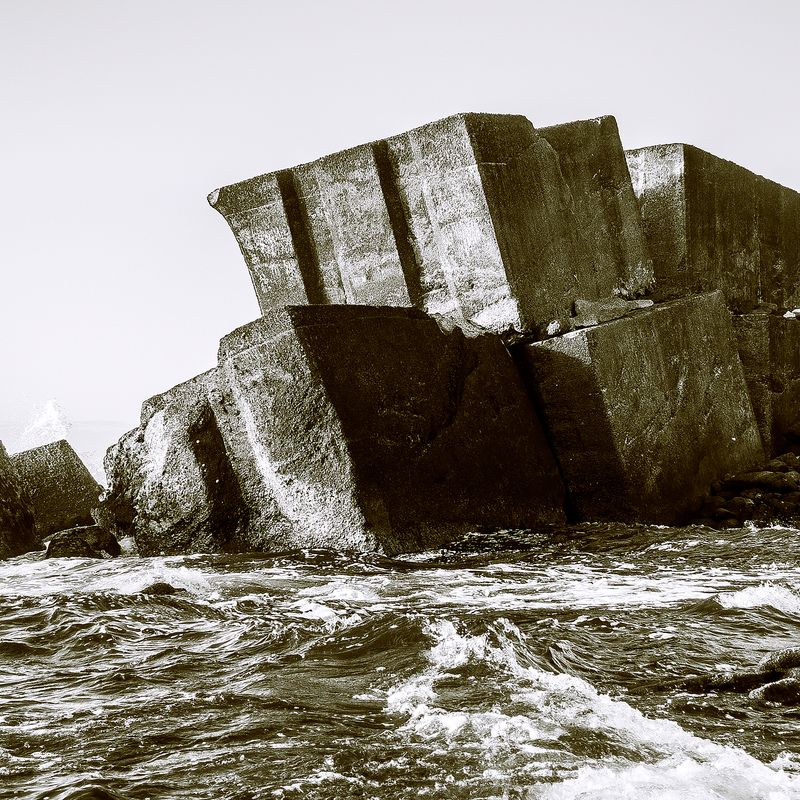
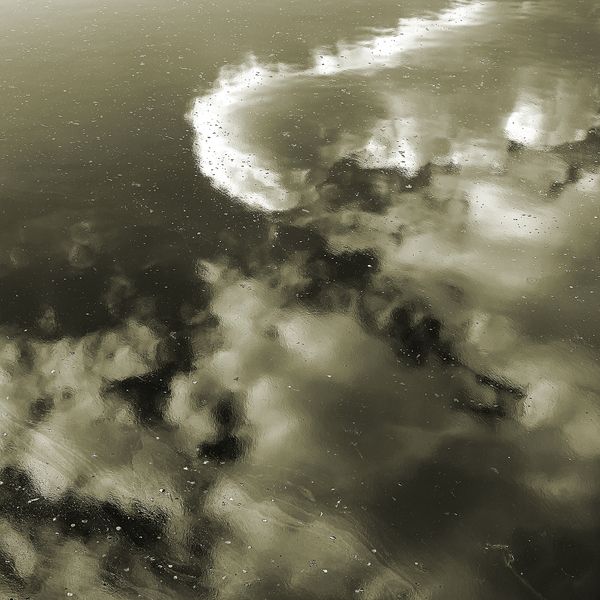
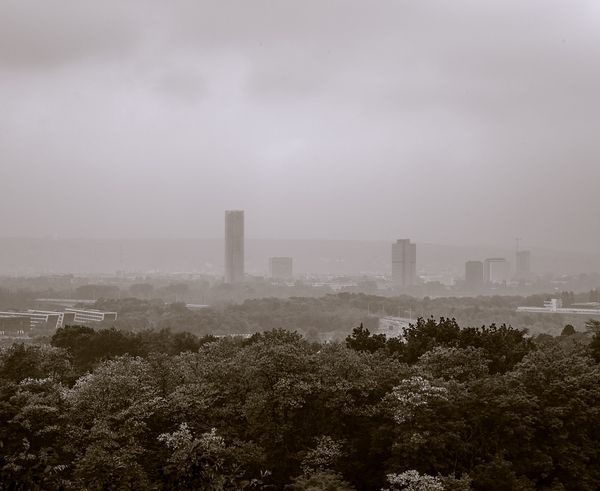
World of Water follows water through a cyclical arc—from cloud and mist to still lakes, “green water” within plant life, urban water infrastructures, and the surging sea. Across these stations, water appears as one continuous force that connects bodies, landscapes and built environments.
In dialogue with science
The project was developed in dialogue with researchers at the Helmholtz Centre for Environmental Research (UFZ) in Leipzig. This exchange supports a photographic inquiry into the complex ecosystem services water enables: cooling and climate regulation, storage and flood moderation, groundwater recharge, habitat and biodiversity support, provisioning, and cultural meaning. The work also addresses water’s increasing pressure under climate change—drought and altered flows, heat stress, intensified extremes, and rising seas—without reducing these processes to illustration.
Visual approach
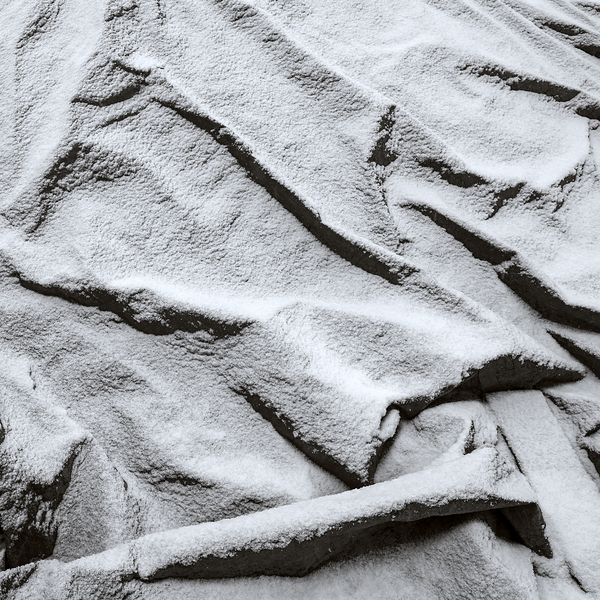
The series uses a slowed gaze and a restrained tonal register. By limiting palette and contrast, light and surface—grain, crack, ripple, reflection—carry the narrative. Poetic moments are kept tethered to ecological realities: the beauty of a reflection can sit beside the legible absence of flow; the calm of a reservoir can echo questions of control, scarcity, and responsibility.
Outputs
Photobook (2025): 124-page monograph with 66 plates and an introductory essay by Prof. Dr Erik Gawel (UFZ/University of Leipzig).
Exhibition (2026): planned solo presentation at Technical University of Applied Sciences Aschaffenburg.
Intention
Rather than arguing, the work aims to invite attention: to water as a living infrastructure of the planet, and to the fragile conditions that make its cycles—and our futures—possible.