WIPHALA

  • Dates
    2021 - 2021
  • Author
  • Topics Contemporary Issues, Fine Art
  • Location Argentina, Argentina

The WIPHALA project investigates Andean Cosmovision as a possible source of inspiration to shape our planet as a sustainable place.

www.consuelo-oppizzi.com

Climate change is without a doubt the most urgent topic of our times. While world leaders keep meeting to discuss possible solutions to global warming and activists keep pressuring, the collapse of our planet is unfolding. Now more than ever, humankind has come to the collective realization that, unless we rethink our approach to life, we will succumb.

As the clock keeps ticking, the search for new sustainable models has become one of the most defining challenges for living generations. As we transition to a new era, we’re responsible for the choices we make and for the foundations we build for the future of the planet. In developing a new vision, we need to realize that we’re part of something bigger, on which we depend and that depends on us -- the latter being the core value within Andean Cosmovision.

Cosmovision is an ancestral philosophy that endures in South America since the pre-Columbian era; by advocating the link between humans to the cosmos, Cosmovision may embed the emphatic key to rethink what we are as a species. In particular, what role we play toward other species and the ecosystem to which we belong.

Through this project, I investigated Cosmovision as a possible source of inspiration for a sustainable future, revealing the region where Cosmovision is embedded in every day’s life and represented by the Andean people’s own official flag: the Wiphala. This iconographical compass was originally created to relate each of the rainbow’s color to the core values within Cosmovision, a sort of bridge between the terrestrial and the spiritual realms that guides Andean society.

Inspired by this concept, I developed WIPHALA, by metaphorically using the Andean emblem as a prism. By using filters of different types and colors through double-exposure, I photographed each subject through one of the Wiphala’s colors. That process allowed me to symbolically connect viewers to the Altiplano, through Cosmovision.
© Consuelo Oppizzi - Image from the WIPHALA photography project
i

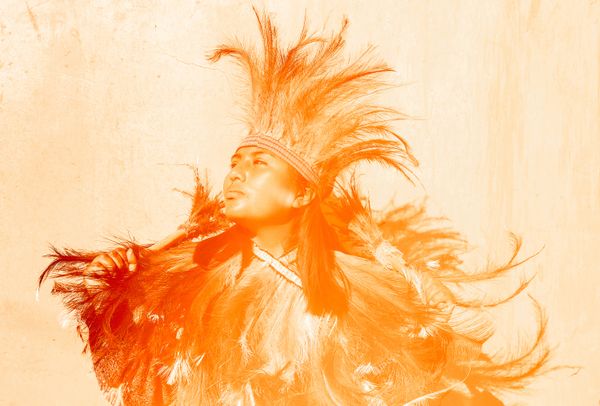
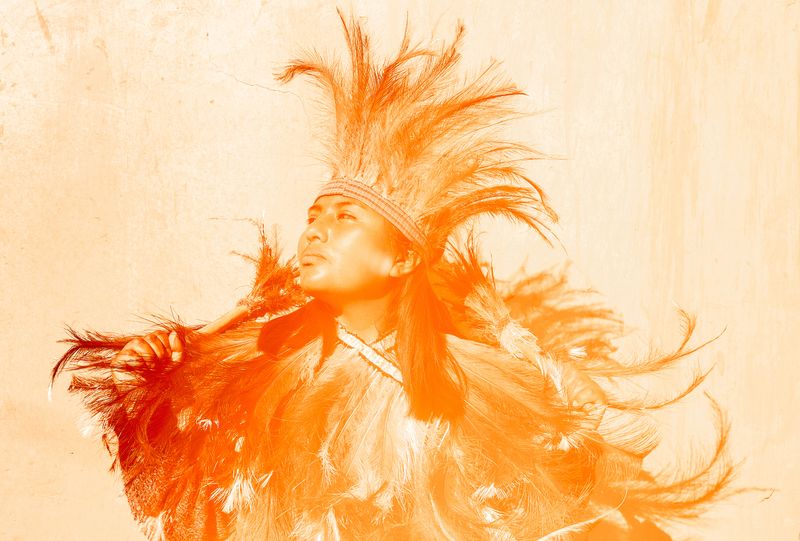
BELÉN Belén, a Samilante, prepares to celebrate a new agricultural cycle. The Samilantes are a cultural group that was born from a local belief. According to a legend, rain had vanished and crops were dying. People were desperate, invoked rain. All of a sudden, a female suri bird appeared and as soon as she vanished rain began to pour. Through their ritual dance, the Samilantes recreate that moment.

© Consuelo Oppizzi - Image from the WIPHALA photography project
i

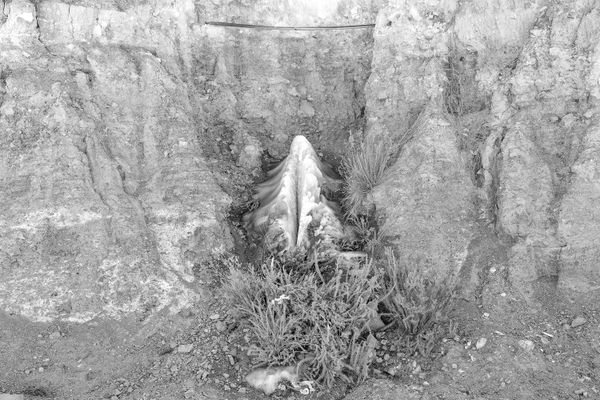
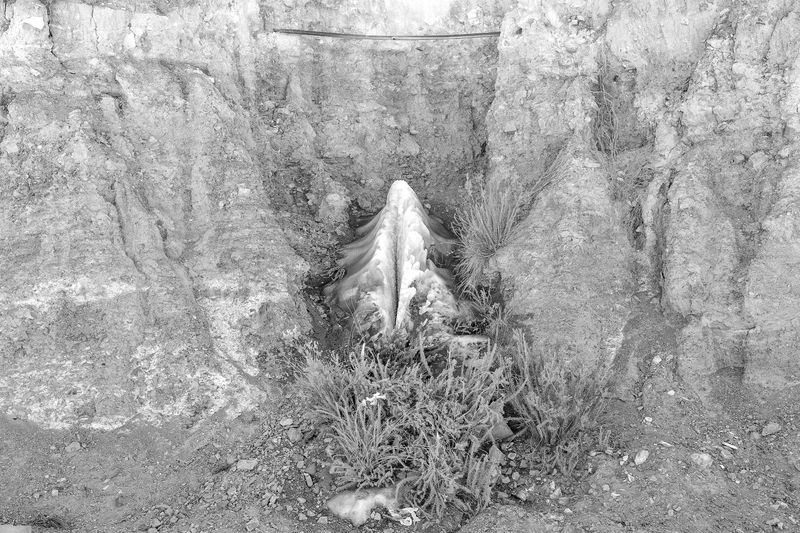
GENESIS The photograph depicts a natural ice formation resembling female genitals, symbolizing fertility. The image was taken in the outskirts of Abra Pampa, in the heart of the Argentine Altiplano, during the month of August. At this time of the year the Andean people worship Pachamama through a variety of offering rituals, as a new agricultural cycle begins. Pachamama is the Andean's supreme goddess, and the very origin of life.

© Consuelo Oppizzi - Image from the WIPHALA photography project
i

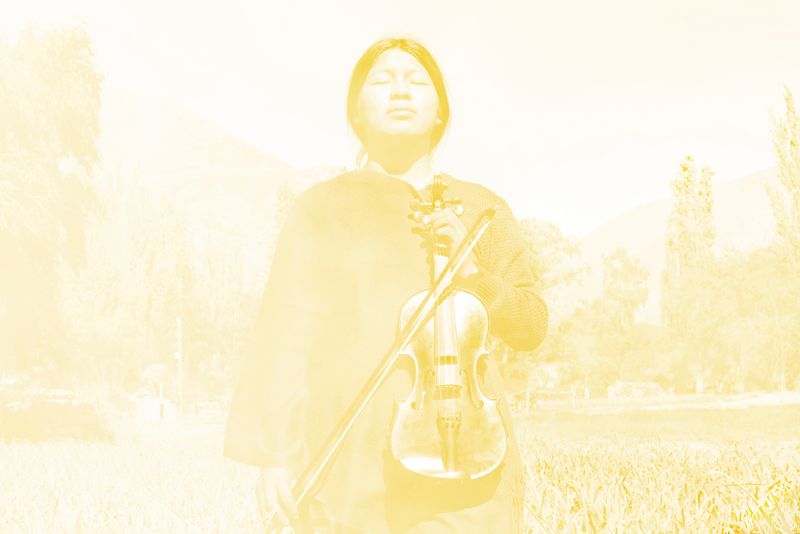
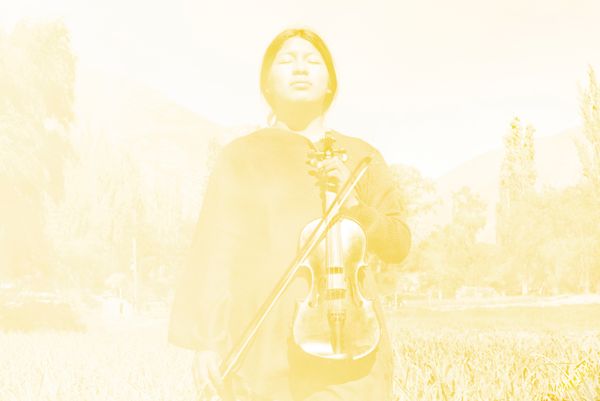
CAMILA Camila Lamas poses for a portrait in her family house, in La Huerta, a flourishing village in the Quebrada de Humahuaca. In this series, she represents harmony, one of the pillars of Cosmovision, and the essential element to achieve spiritual plenitude. Harmony is a founding value within the Andean culture, and has been determinant since the pre-Columbian era in defining a balanced relationship between the Andean people and the environment.

© Consuelo Oppizzi - Image from the WIPHALA photography project
i

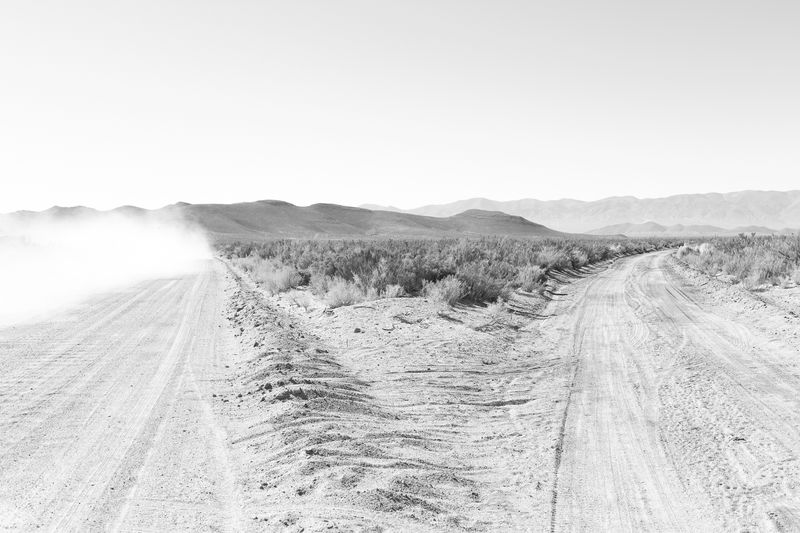
NOWHERELAND The photograph was taken on the way to Casabindo, a small village hidden in the heights of the Altiplano. It symbolizes dualism, a core-concept within Cosmovision, according to which two different and often opposite realities may coexist in harmony, if their nexus is based on reciprocity, mutual understanding and respect.

© Consuelo Oppizzi - Image from the WIPHALA photography project
i

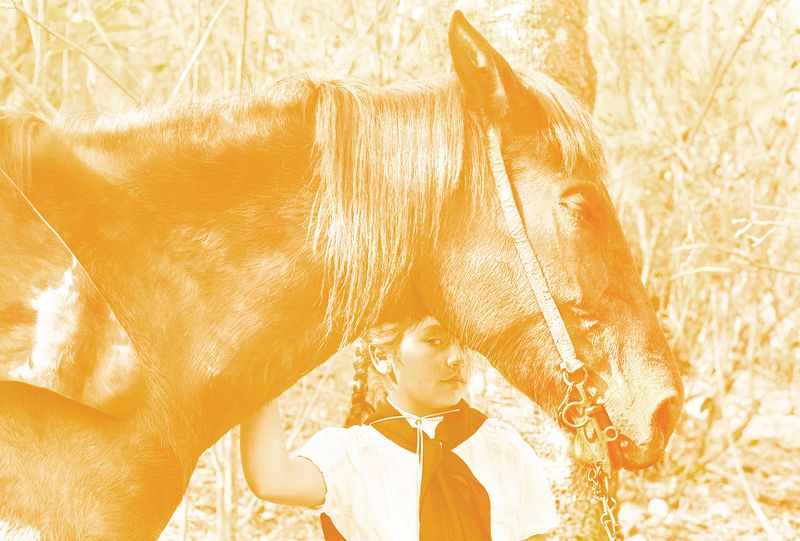
ELUNEY Eluney Tarifa poses for her portrait with her favorite horse, Preciosa, during a female gaucho festival. Like her mother, she was initiated to the gaucho culture in her early childhood, inheriting ancestral knowledge and the core values within Cosmovision. Eluney belongs to a new generation of gauchas, and she therefore represents the bridge to the future. Through girls like her, ancestral traditions and values merge into modernity, hopefully redefining where our planet is going.

© Consuelo Oppizzi - Image from the WIPHALA photography project
i

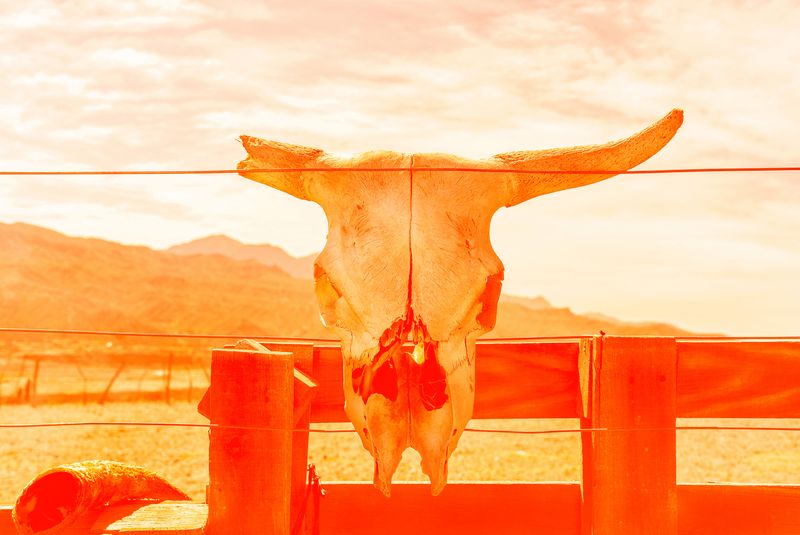
MEMENTO MORI This photograph was taken by the pen of a family farm in Huacalera. It symbolizes the sustainable approach of the Andean people toward the exploitation of natural resources. Based on reciprocity and interdependence, Cosmovision leads to a considerate approach to farming -- as opposed to the predatory industrial methodology. In a country positioned as a producer and exporter of meat, this photograph becomes a reminder that different models are possible.

© Consuelo Oppizzi - Image from the WIPHALA photography project
i

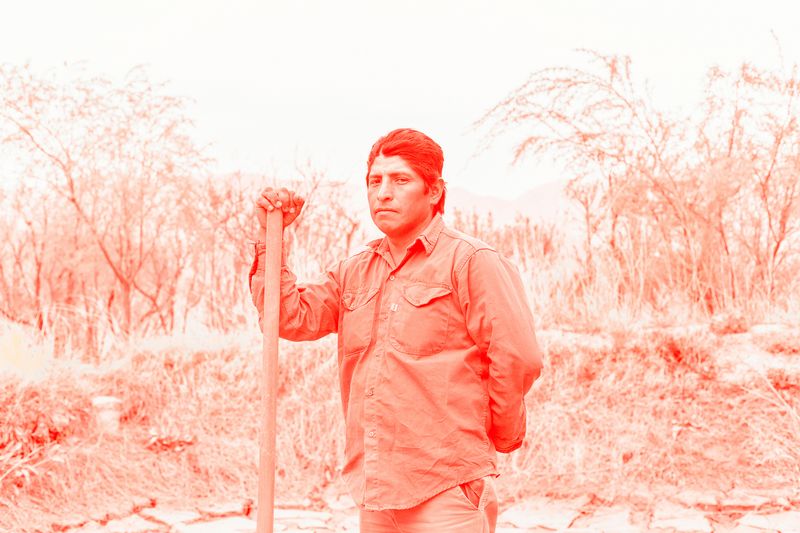
PABLO Pablo Cruz poses for a portrait as he prepares the fields for new crops, in Huichaira. Most of the Altiplano's economy is based on small-scale farming. Since the Inca empire, Andean farmers developed a series of agricultural practices based on the lunar calendar. Such ancestral methods contributed to shape a sustainable model called biodynamic agriculture, that has fed the Andean people for centuries and that is now being used worldwide.

© Consuelo Oppizzi - Image from the WIPHALA photography project
i

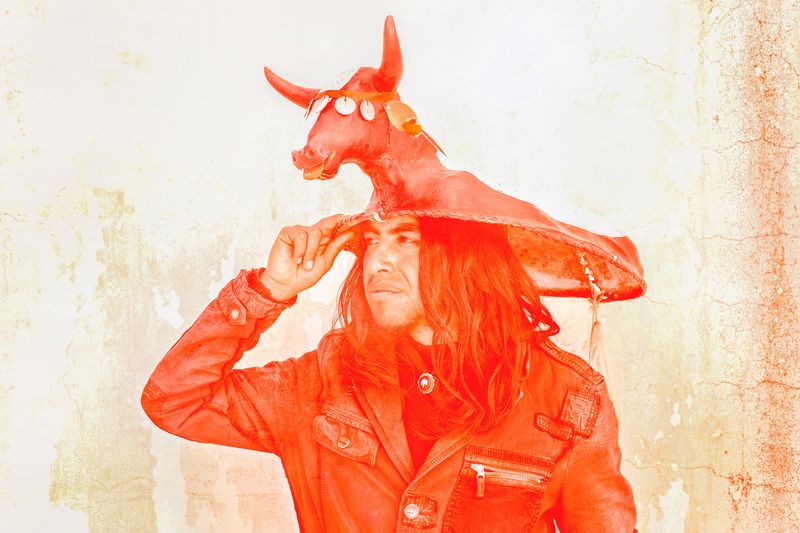
LEONARDO Leonardo, an amateur bullfighter, poses for a portrait in Casabindo, during the local festival. Before meeting with the bulls, he performed a ritual dance impersonating through his helmet the Spanish conquistadores. In the Andean symbology, the bull represents the colonial era; during the dance, the bull is chased and beaten by Samilantes, mimicking a symbolic victory of the indigenous on the Spaniards.

© Consuelo Oppizzi - Image from the WIPHALA photography project
i

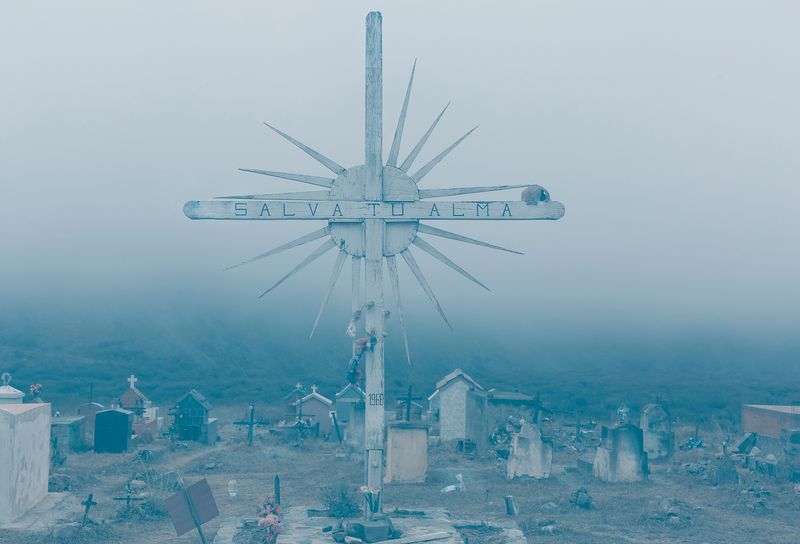
UNDERWORLD The photograph depicts the Salva Tu Alma cross, a ubiquitous reminder of the Altiplano’s colonial past. The cross was introduced by Jesuit Missionaries around 1550. As the conquistadores began to build villages, natives were offered housing and work in the fields, but had to convert to Christianity first. Indigenous people were humiliated for centuries. Today, Christianity and cosmovision have eventually blended into the vibrant, syncretic culture that we know today.

© Consuelo Oppizzi - Image from the WIPHALA photography project
i

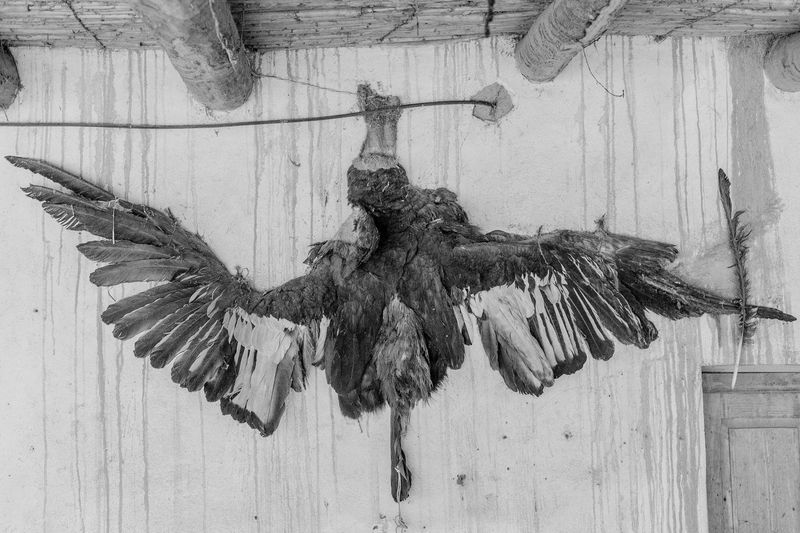
HANAN PACHA The photograph depicts the remains of a condor, as they were found in a farm. The decoration belongs to the Carrizo family, who forty years ago found the dead body of the scavenger. Since then, the remains were placed on the walls, to protect the family. The condor is a key species in both Andean's ecosystem and culture, and represents the Sky and the Upper World.

© Consuelo Oppizzi - Image from the WIPHALA photography project
i

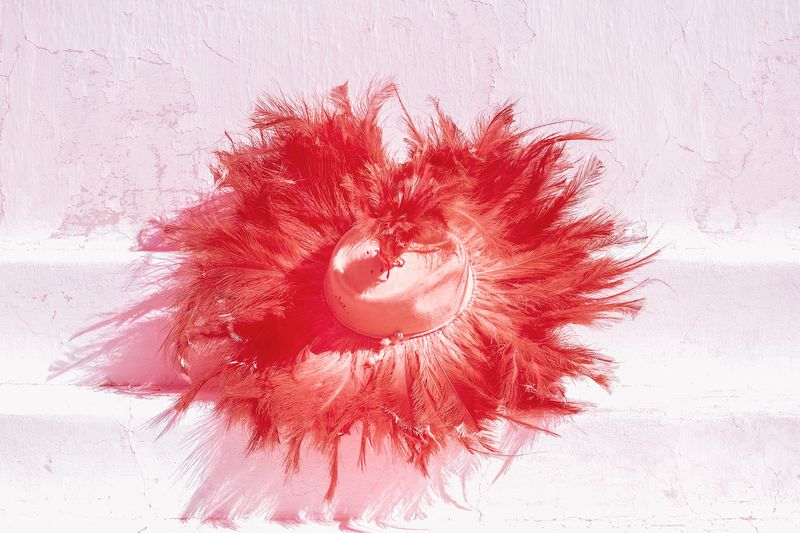
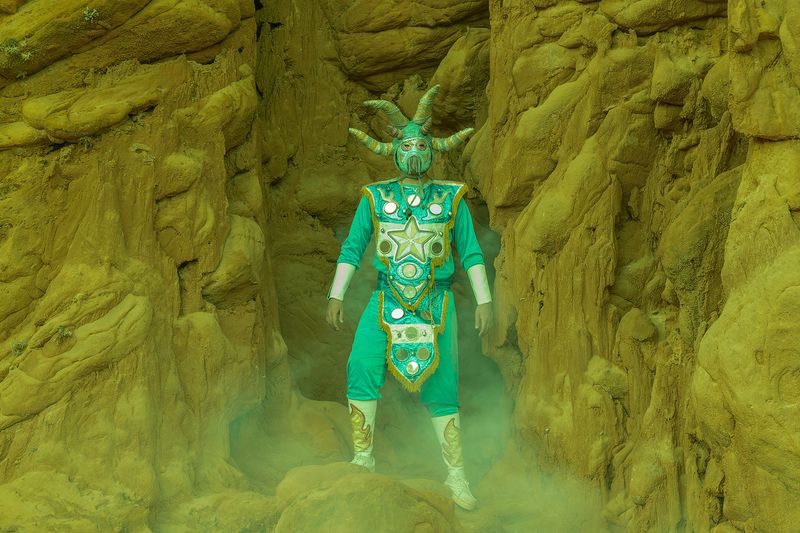
SUPAY Conrado Caseres poses for a portrait in his Diablo regalia, as he rehearses choreography for the upcoming carnival. Conrado belongs to the Comparsa de Diablos de Uquia, one of Quebrada de Humahuaca's older cultural groups. El Diablo is one of the most iconic characters of the Andean culture, and a vibrant example of syncretism that merges the ancestral Supay with the traditional Devil, a concept of Christian's origins.