Why I Stopped Meditating And Started Screaming
-
Dates2025 - Ongoing
-
Author
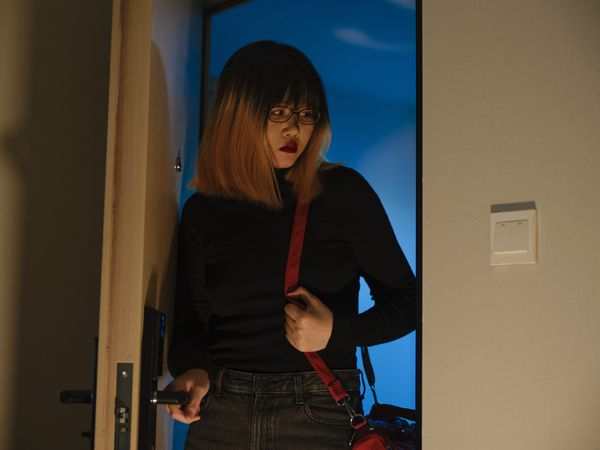
This project explores how patriarchal power shapes women’s bodily awareness and sense of safety. Quiet, tense images reveal internalized vigilance while subtly shifting the gaze and being gazed at.
For several years, the recurring reports of harm and violence against women in the news have filled me with unease and concern. At the same time, those unnameable yet undeniably real moments of boundary-crossing behavior and language in everyday life have also, in subtle ways, shaped my awareness of my own position. As an ordinary East Asian woman, within a social environment that emphasizes competition, achievement, and self-validation, finding a balance between maintaining dignity and attaining a sense of safety has become an ongoing realization.
On the one hand, patriarchal structures impose direct and sustained pressure on women through violence, the gaze, and objectification; on the other hand, they regulate men through singular imaginaries of strength, success, and control, guiding them toward an endorsed model of the “strong.” Gendered power operates in ways that are both concealed and persistent, continuously shaping the position of the body and the limits of its movement. Within this structure, women are more likely to be pushed toward the far end of violence and oppression, making the constant negotiation of safety an everyday condition that occupies perception and attention.
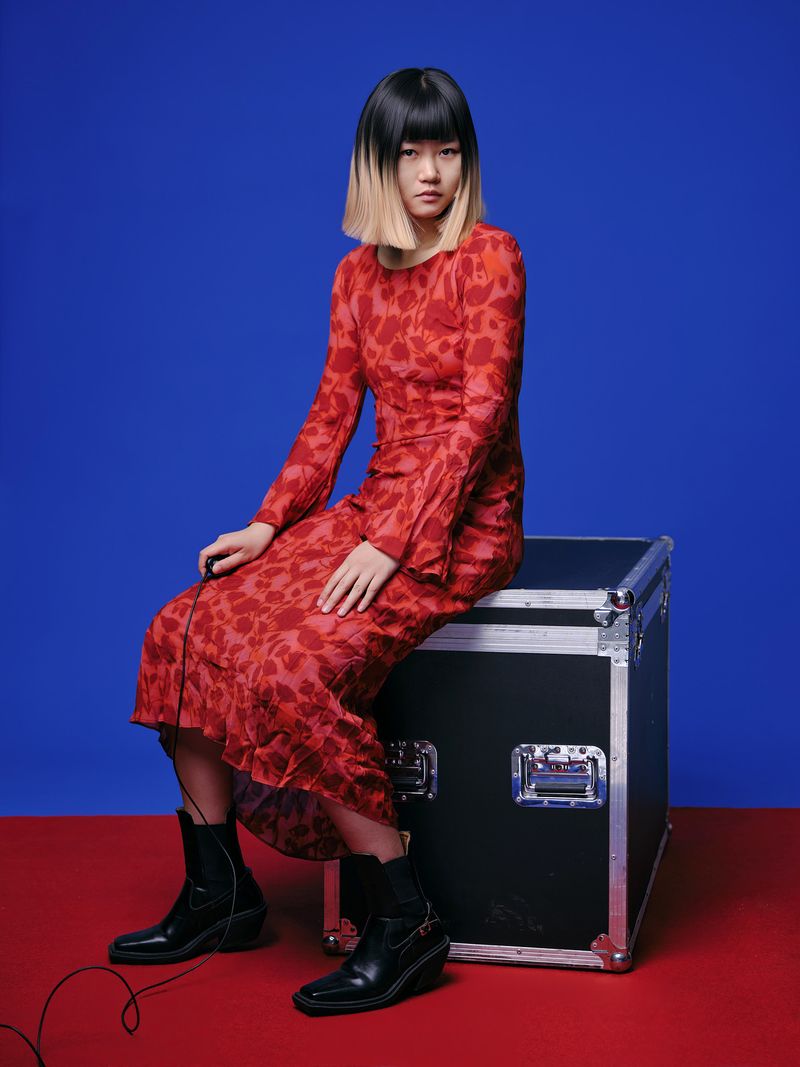
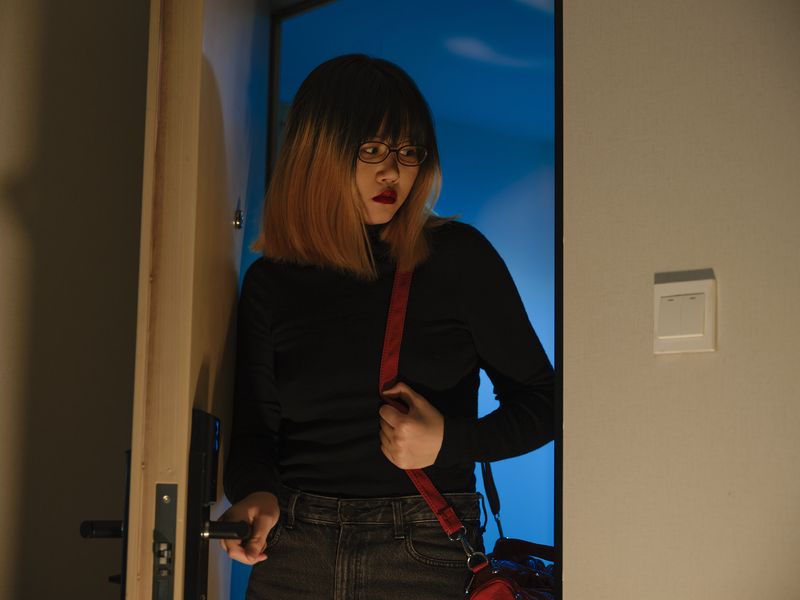
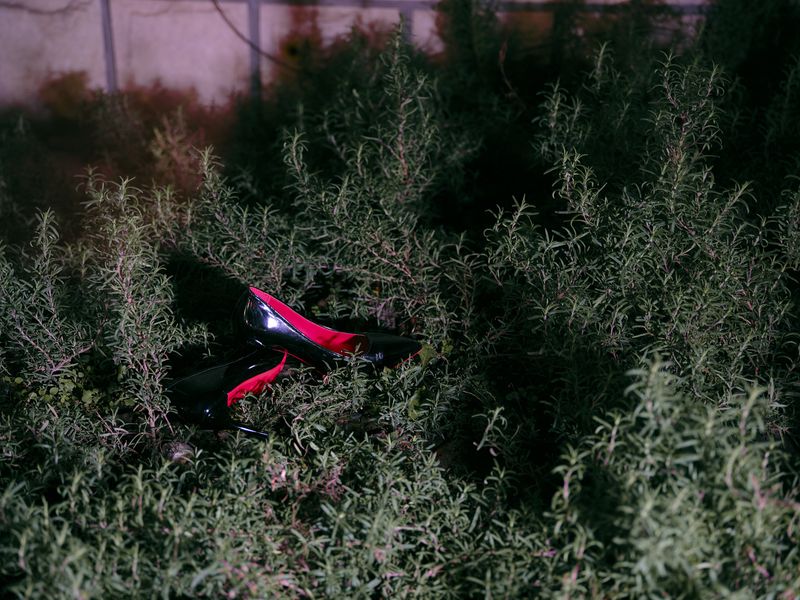
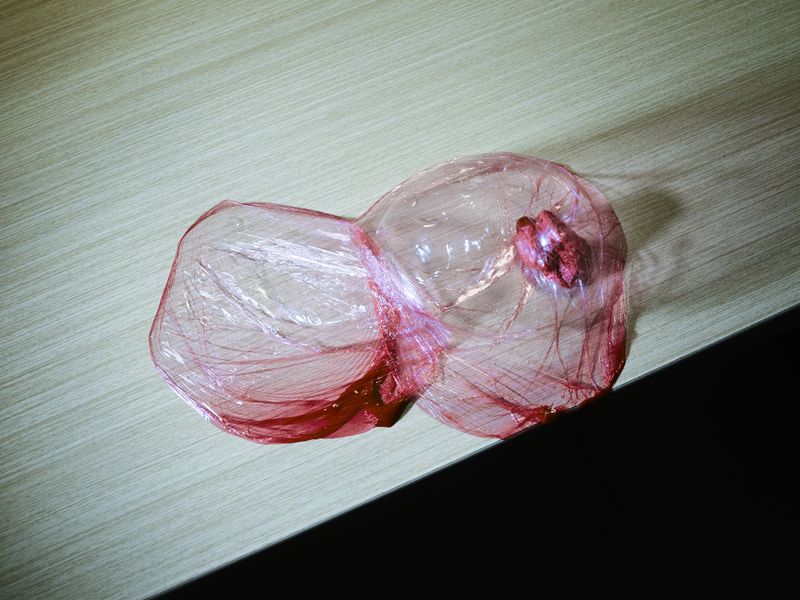
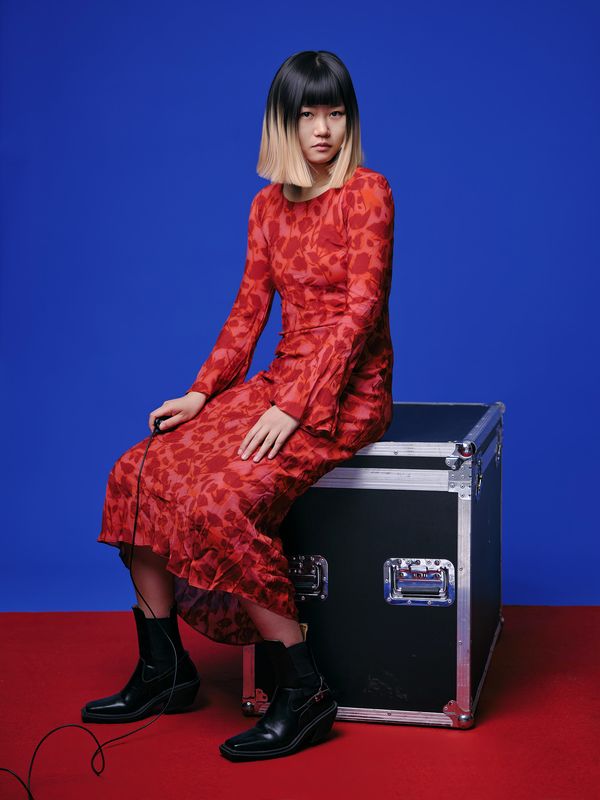
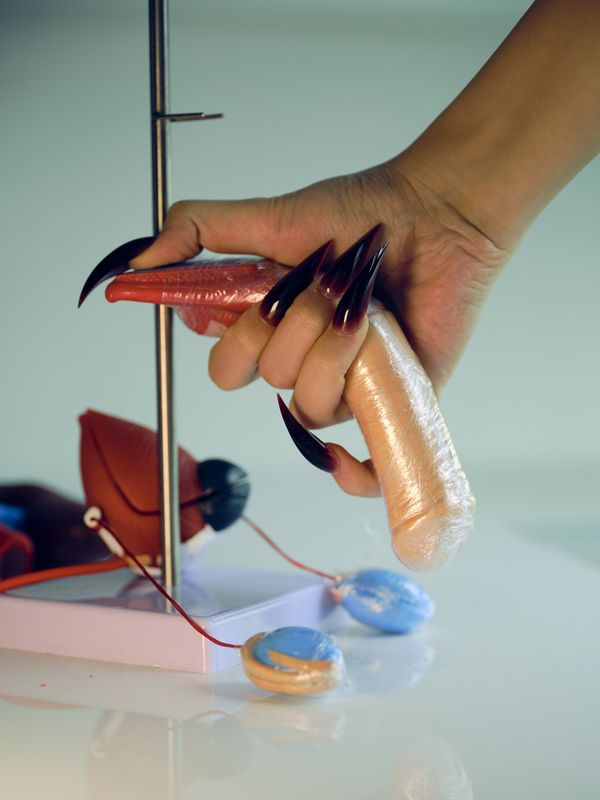
Against this backdrop, I use self-portraiture and carefully constructed scenes to situate these difficult-to-articulate emotions within the image. A latent tension lies beneath the calm surface of the photographs, becoming part of an everyday state of being. The camera is both an apparatus of viewing and a site of positional shift. When I return the gaze of the camera, a once one-directional viewing relationship is quietly altered, allowing the familiar act of being seen to become perceptible in a new way.