Whiteout
-
Dates2022 - Ongoing
-
Author
- Topics Contemporary Issues, Nature & Environment, Archive
Whiteout traces how territories shaped by imperial expansion continue to transform after the political and ideological systems that formed them begin to erode.
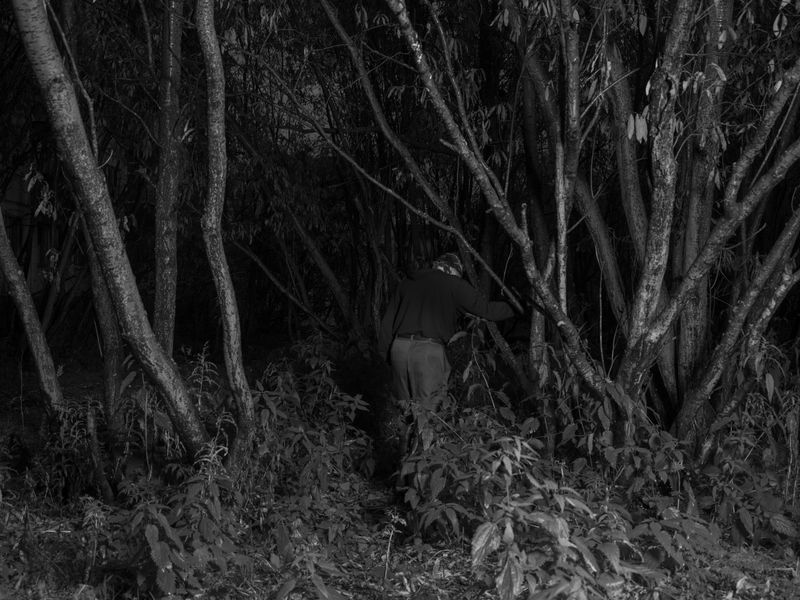
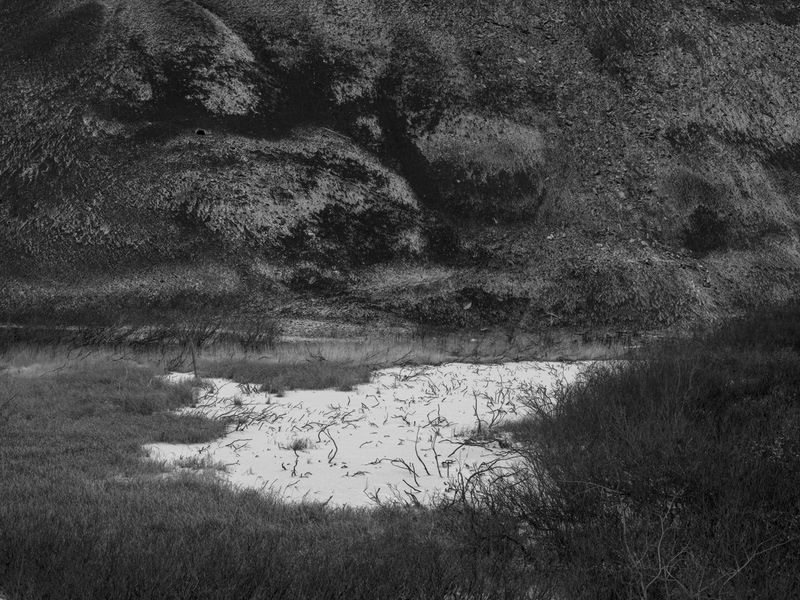
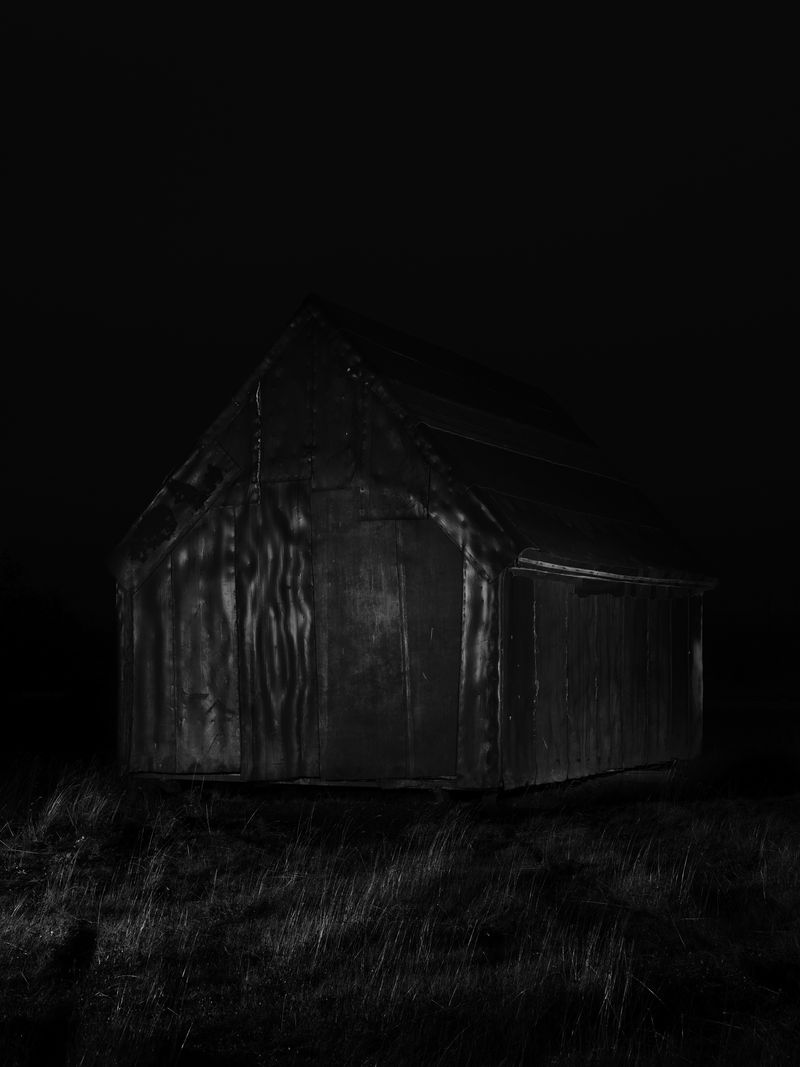
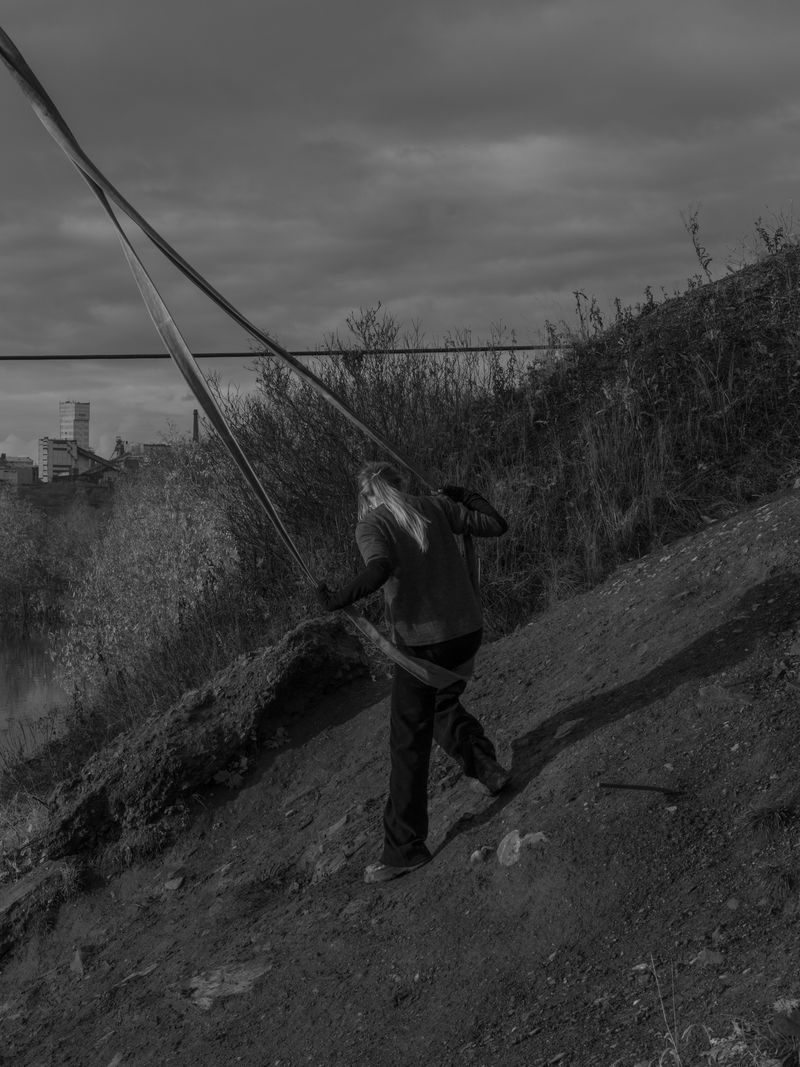
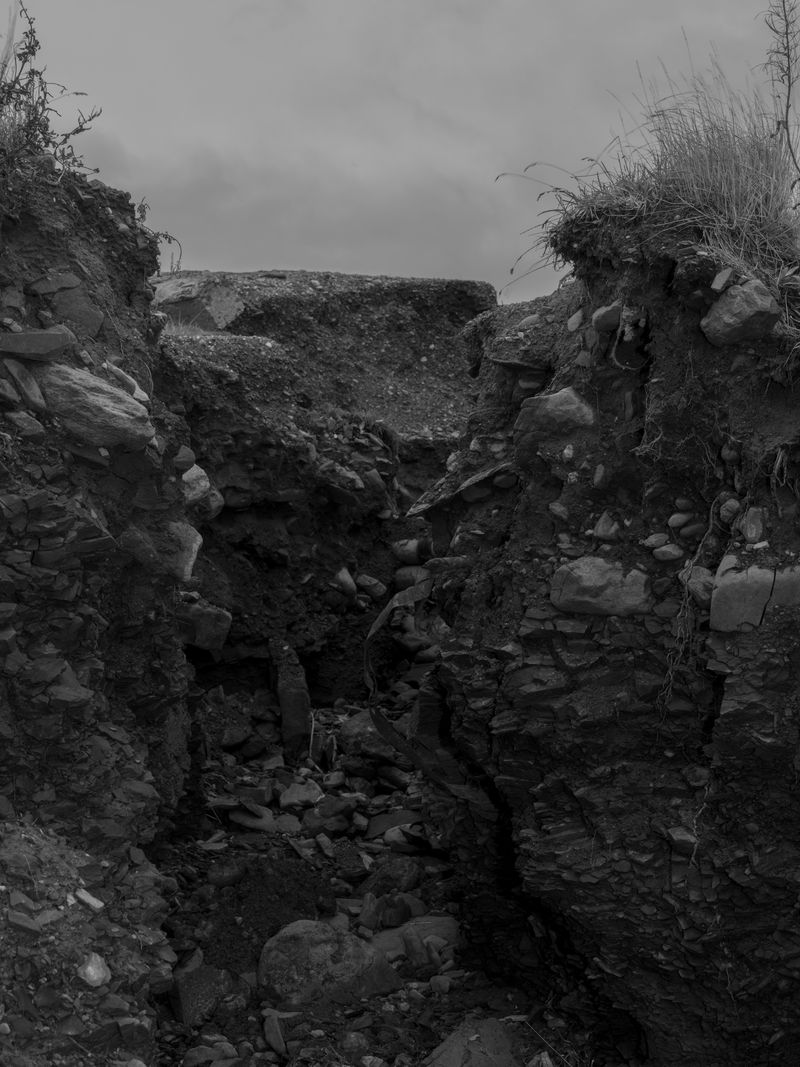
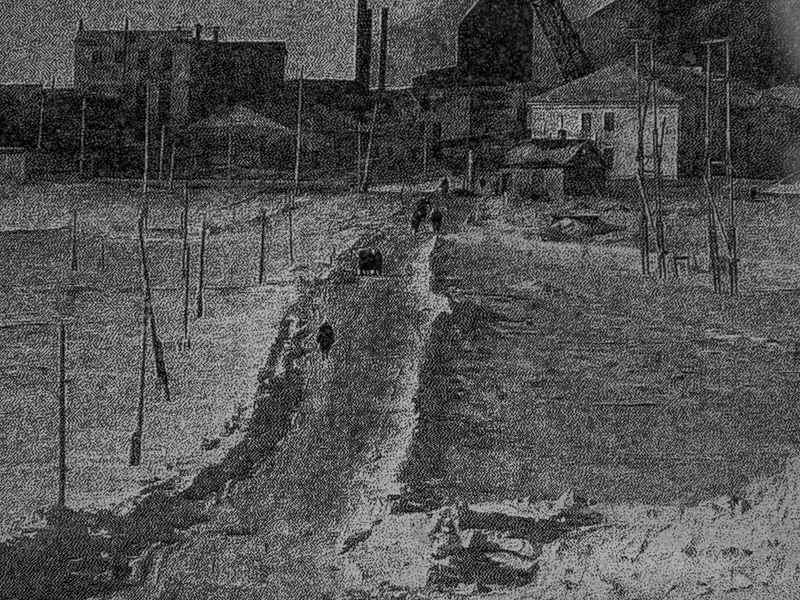
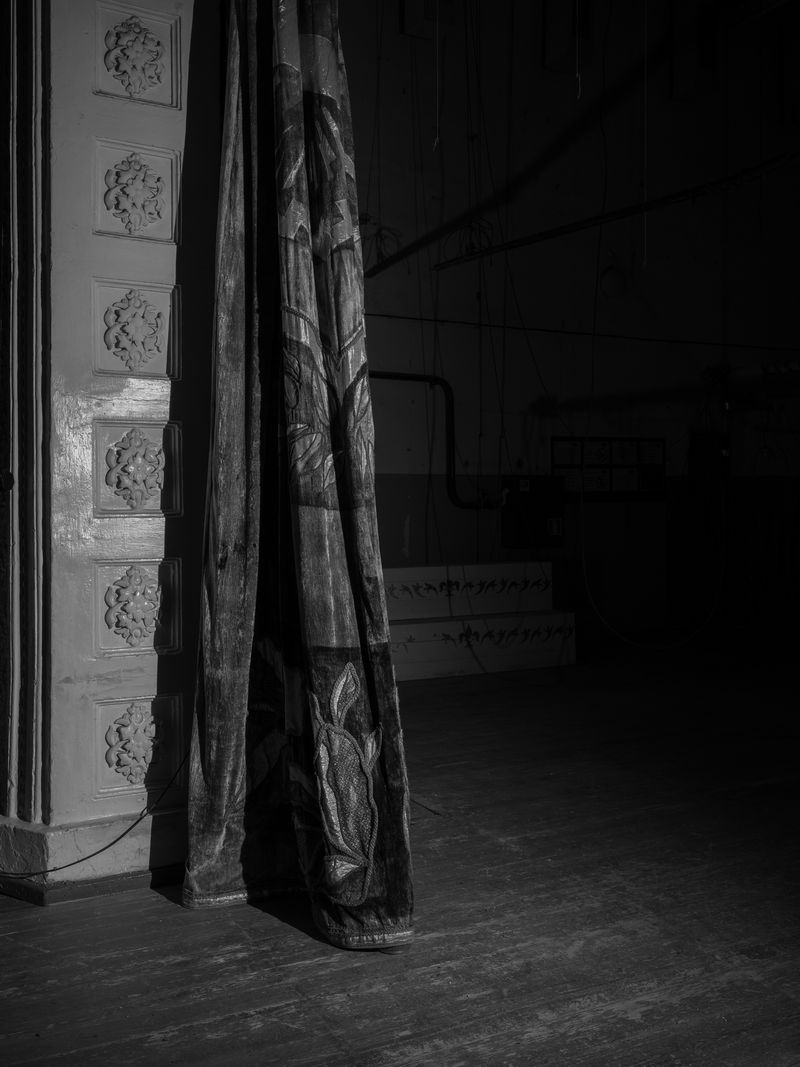
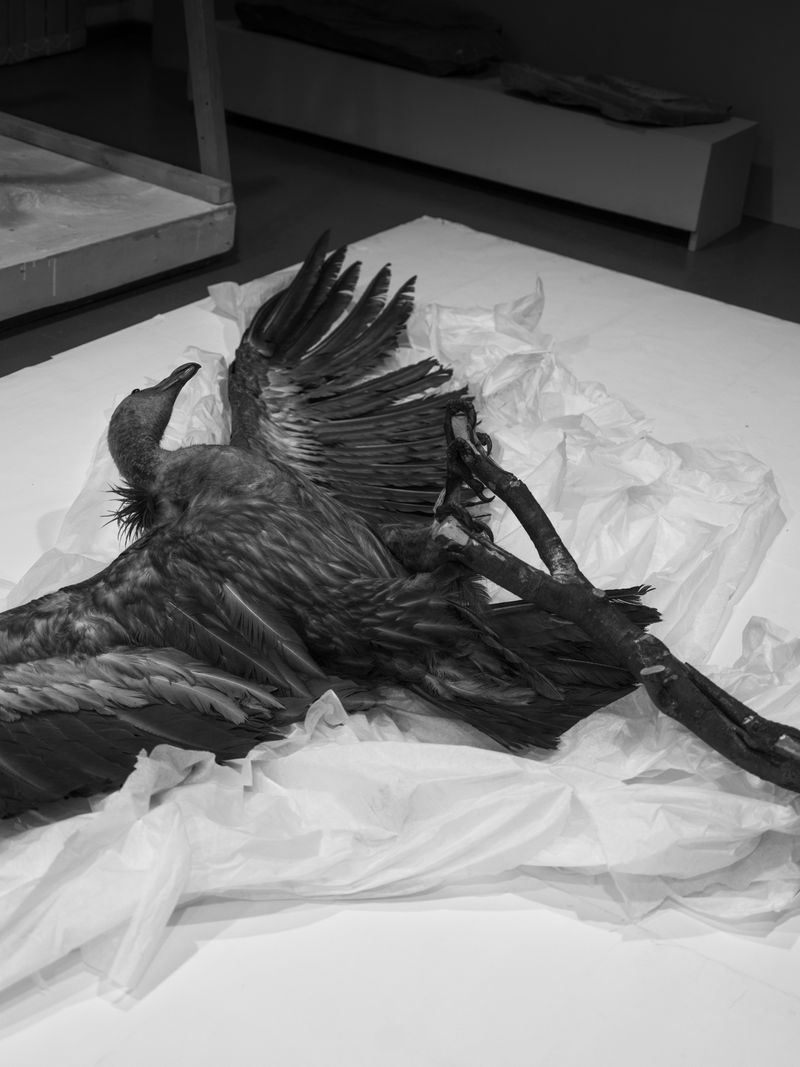
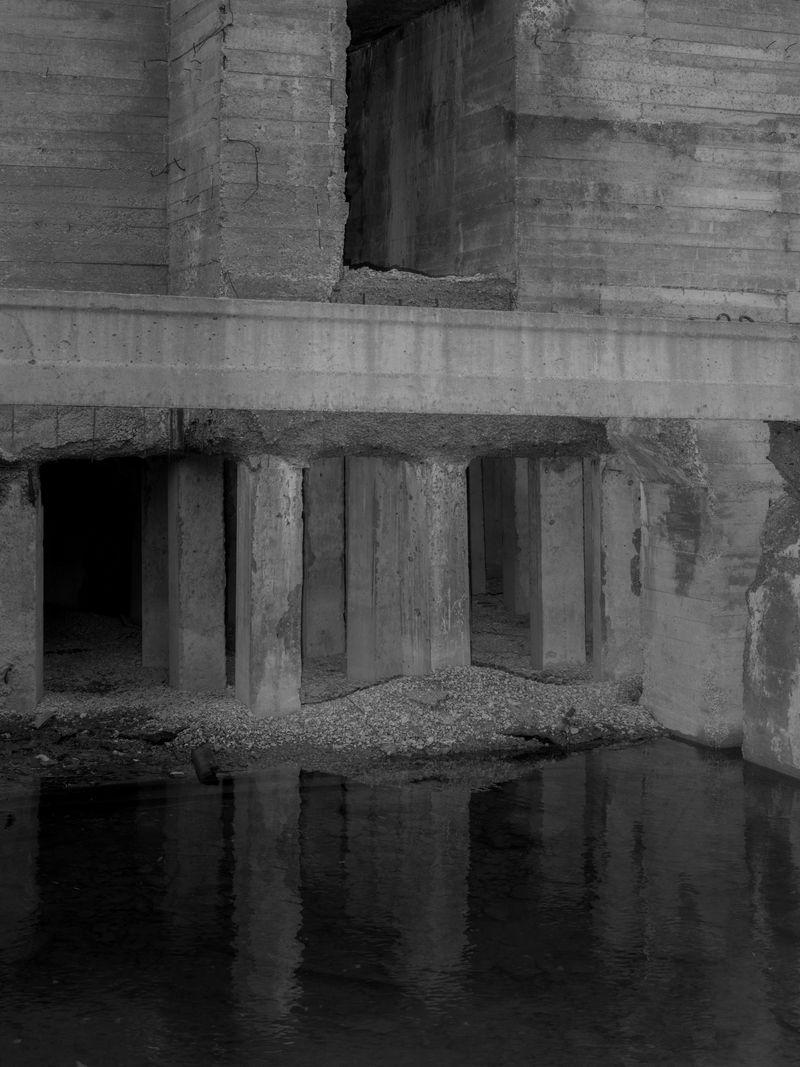
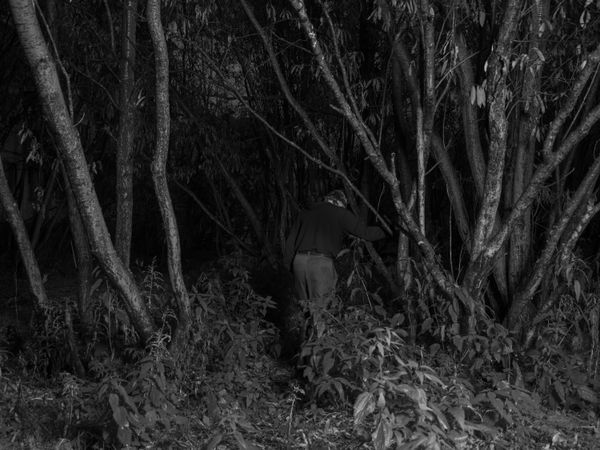
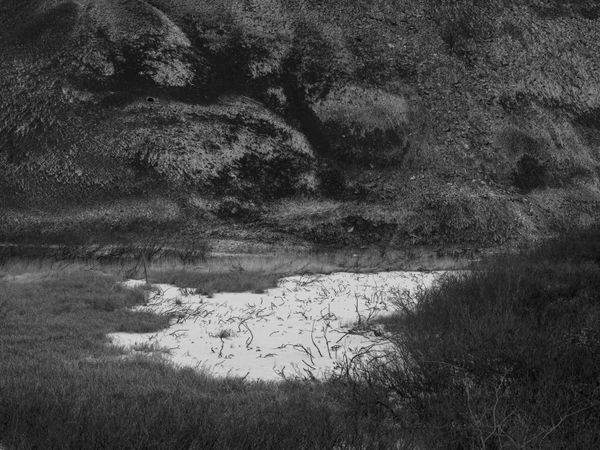
Whiteout is a long-term photographic project exploring the aftermath of industrial expansion in the Arctic. It traces a territory shaped by coal mining, forced labour, and Soviet industrial planning, asking what remains when the industry that justified this occupation disappears while its consequences persist.
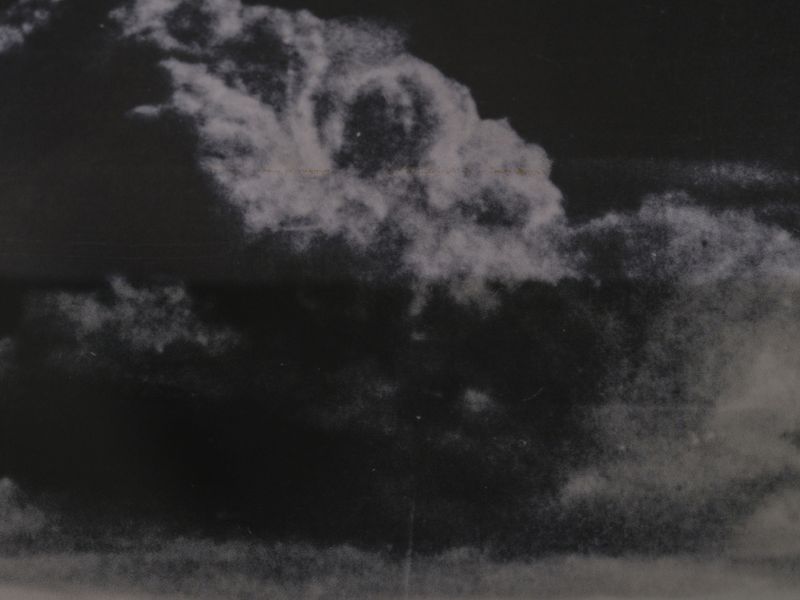
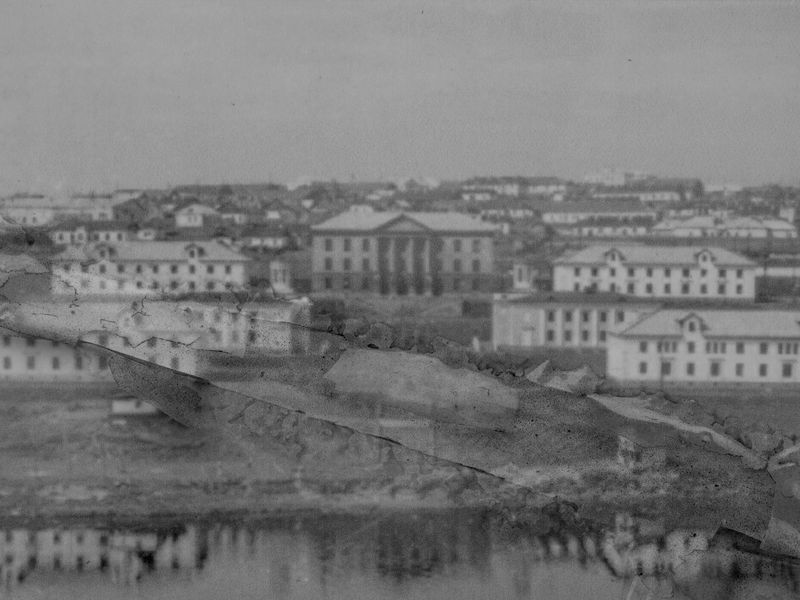
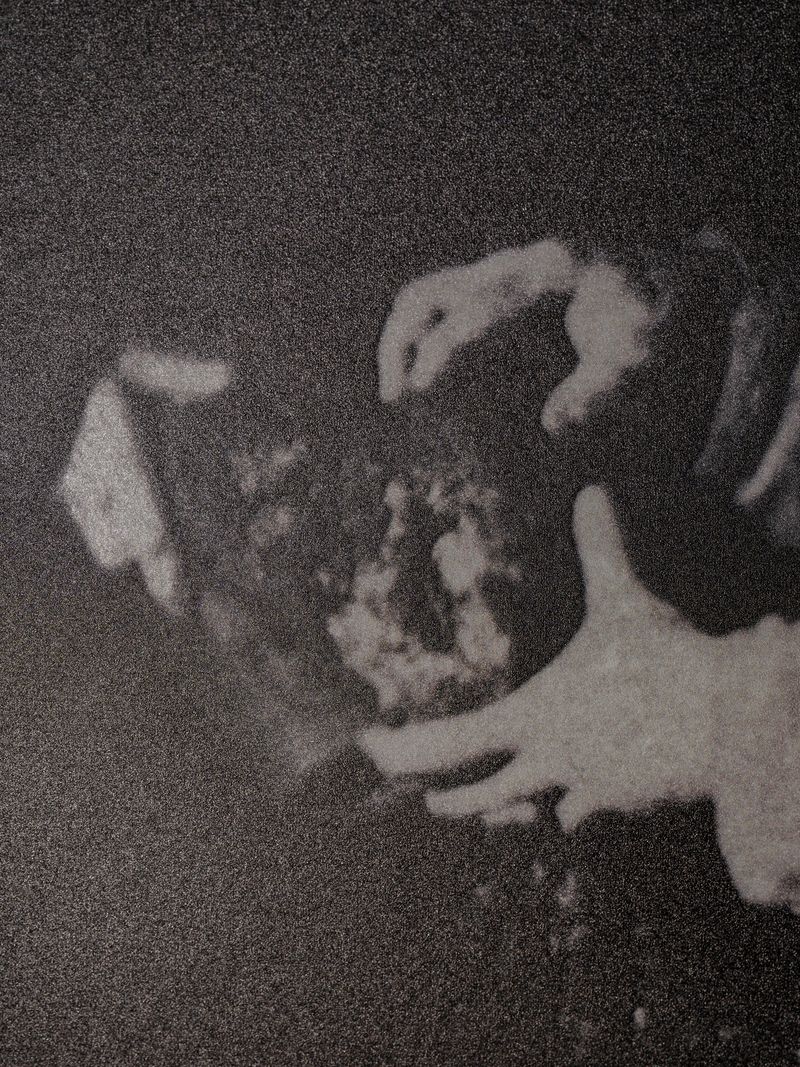
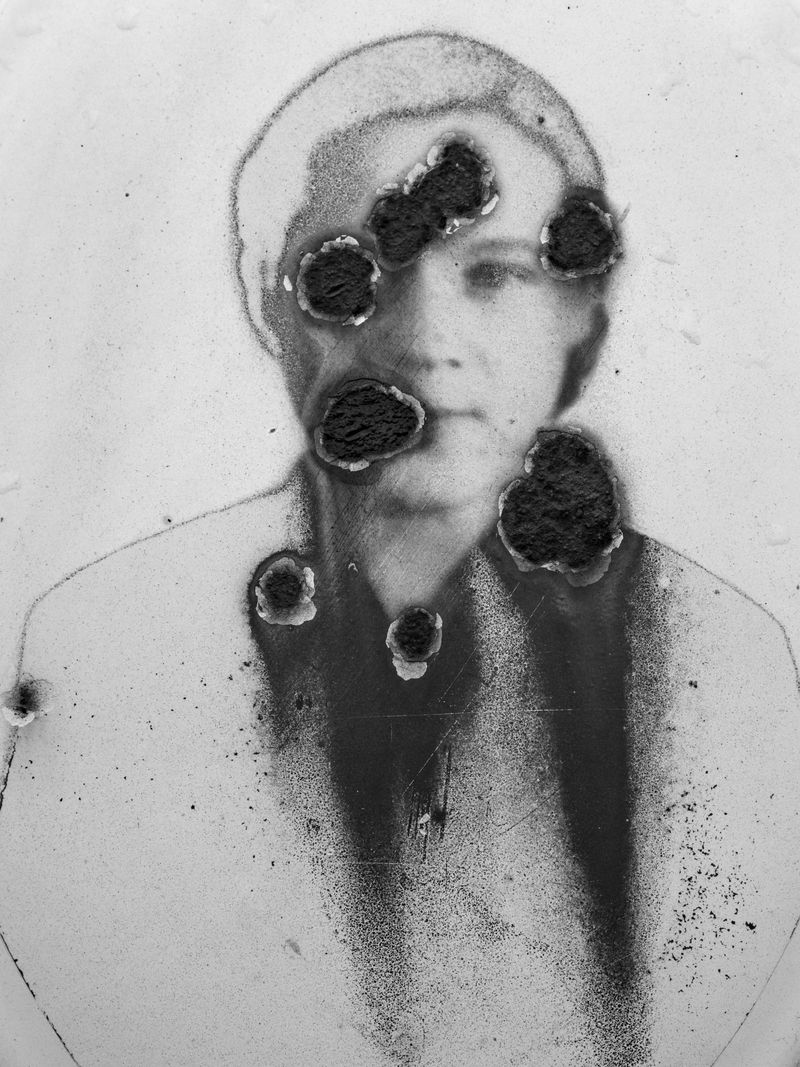
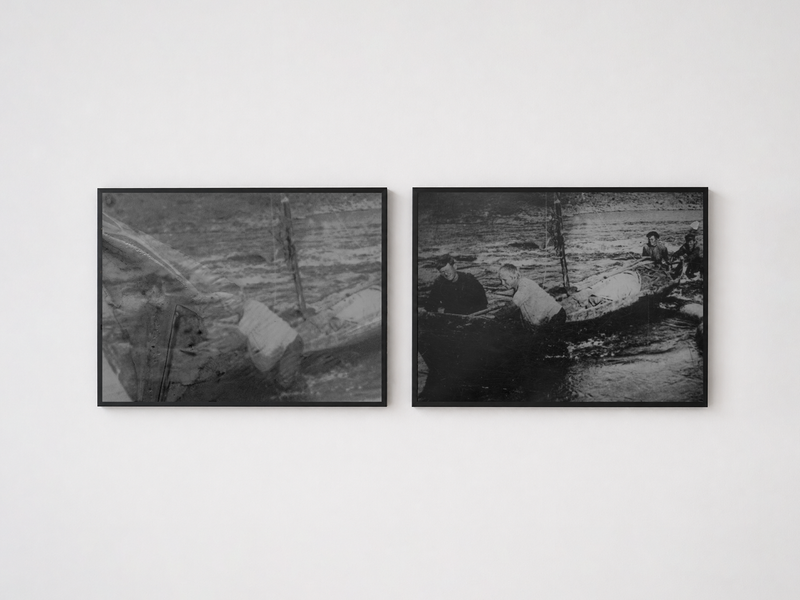
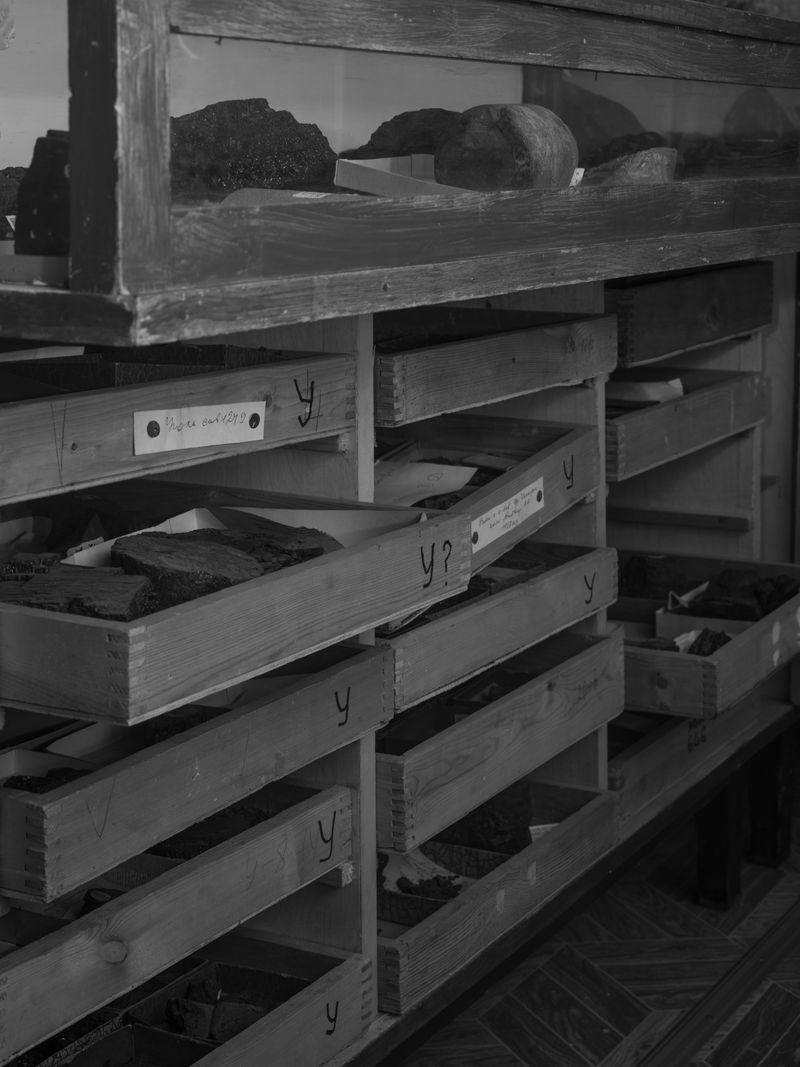
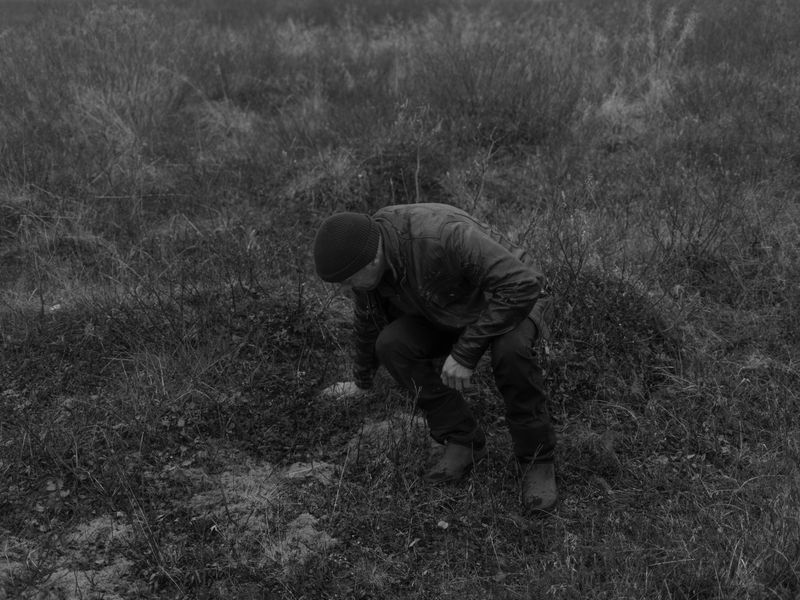
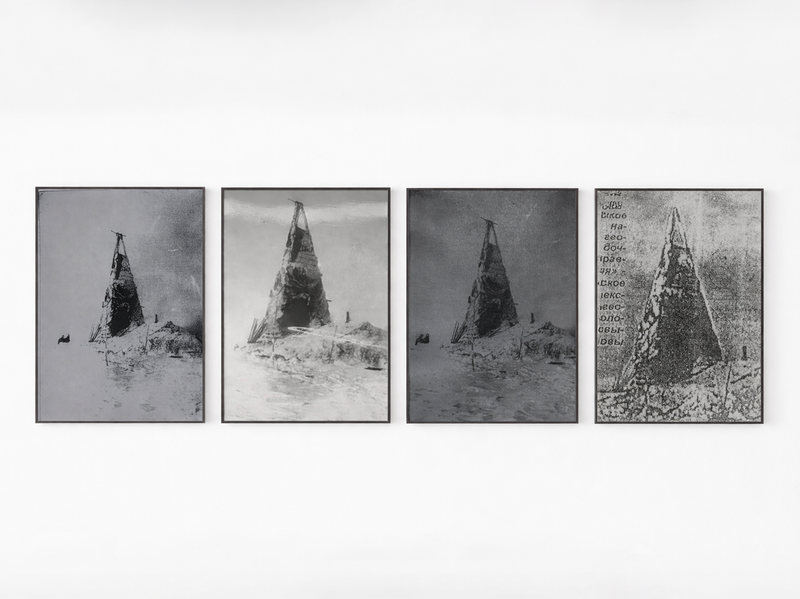
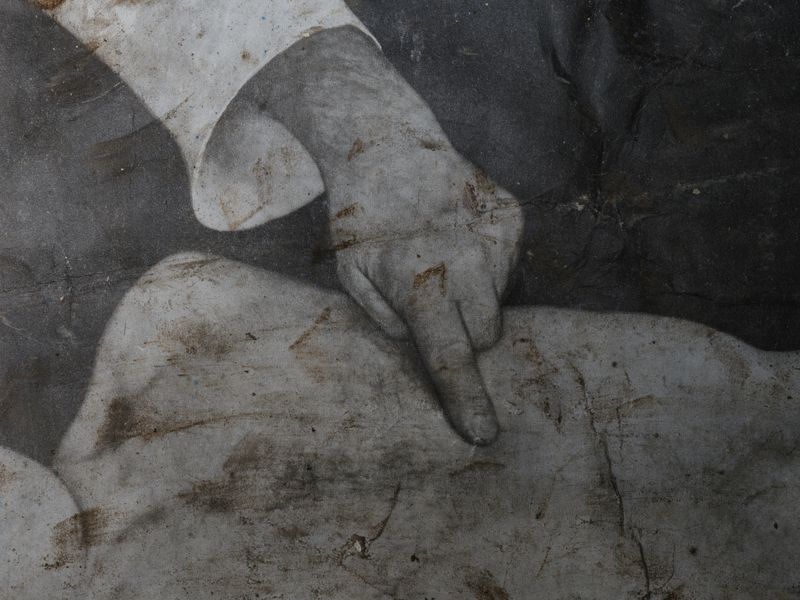
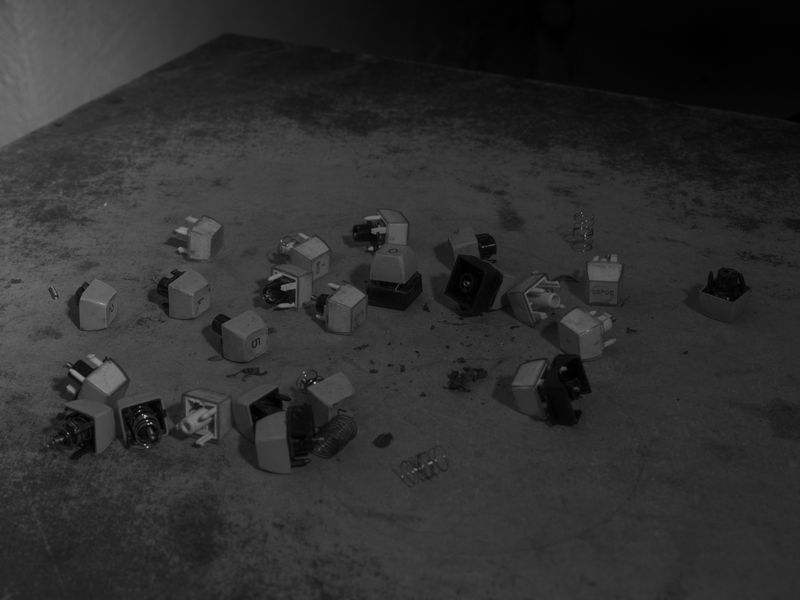
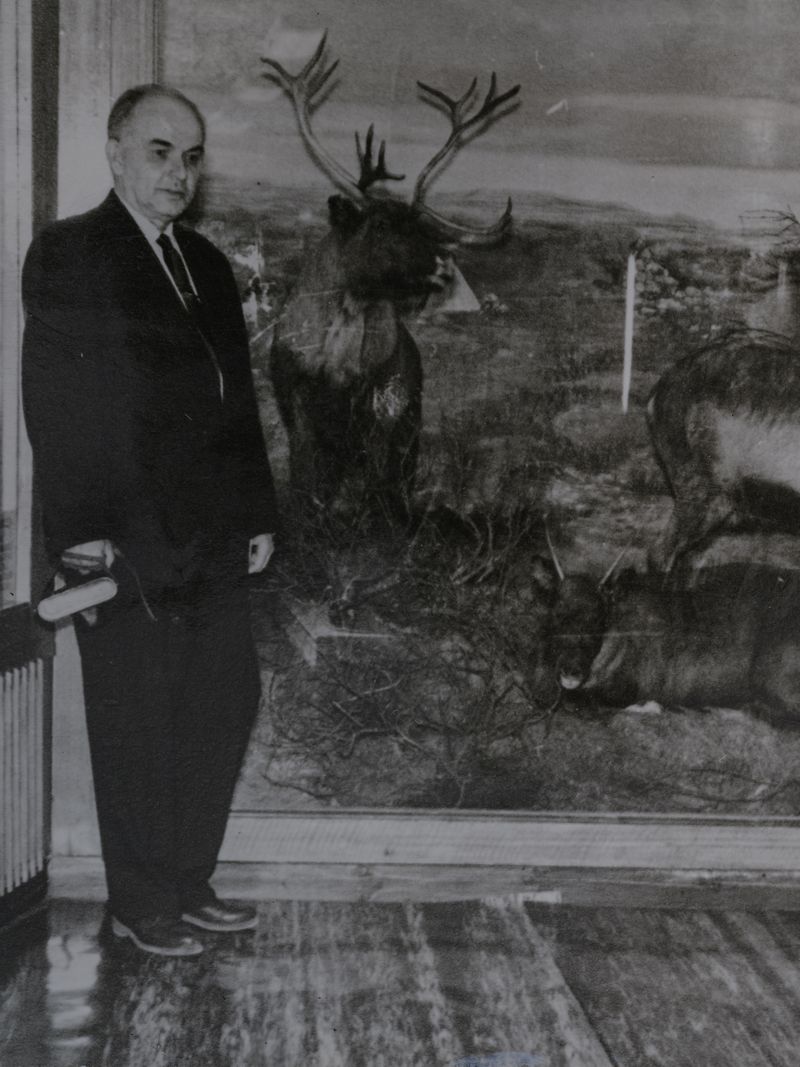
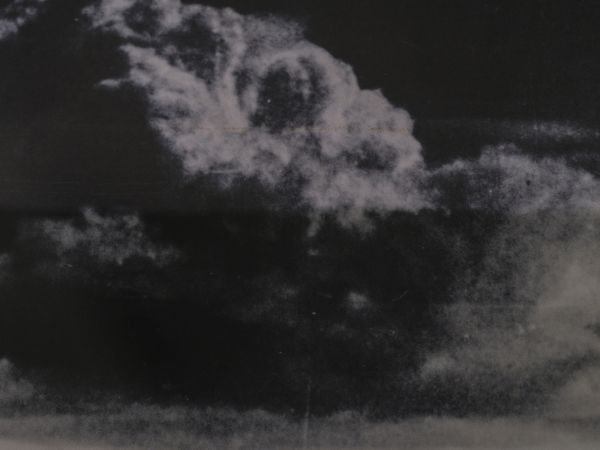
Combining photographs made during repeated visits with archival images from museums, newspapers, private collections, and abandoned buildings, the project examines the photograph itself as an unstable object that changes alongside the landscape it depicts.
As industrial infrastructure decays and climate change reshapes the Arctic, Whiteout reflects on how imperial projects outlast the systems that created them, and how the idea of the frontier as an empty territory to conquer continues to resonate today.