When The Wind Blows North
-
Dates2020 - 2024
-
Author
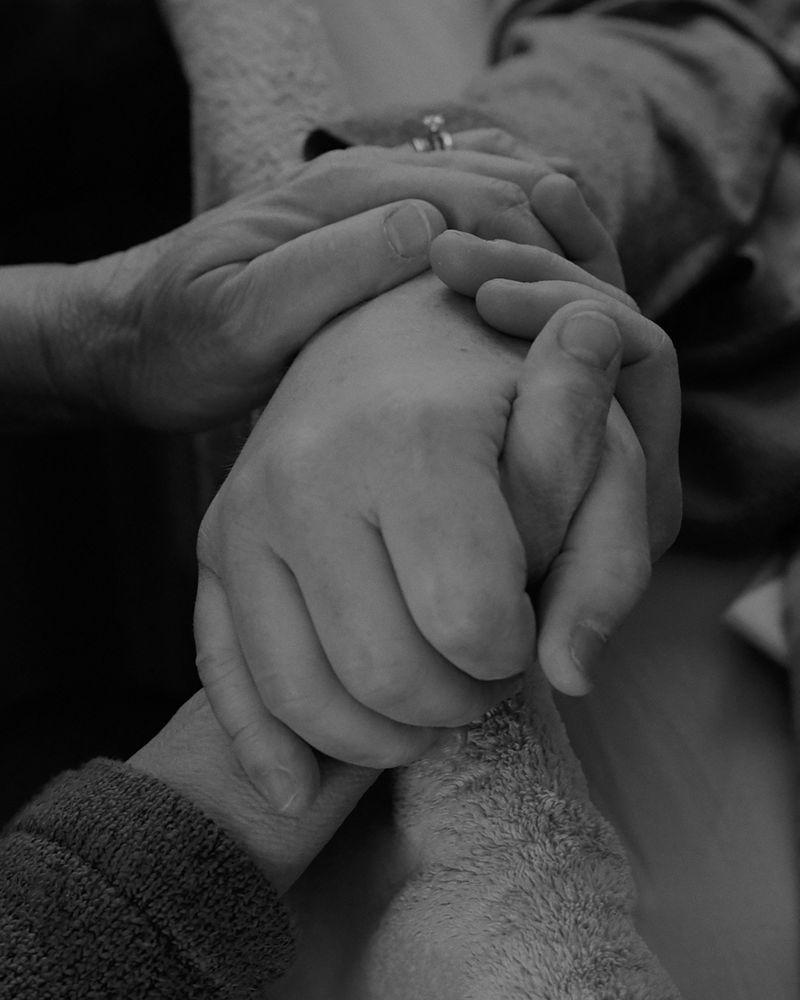
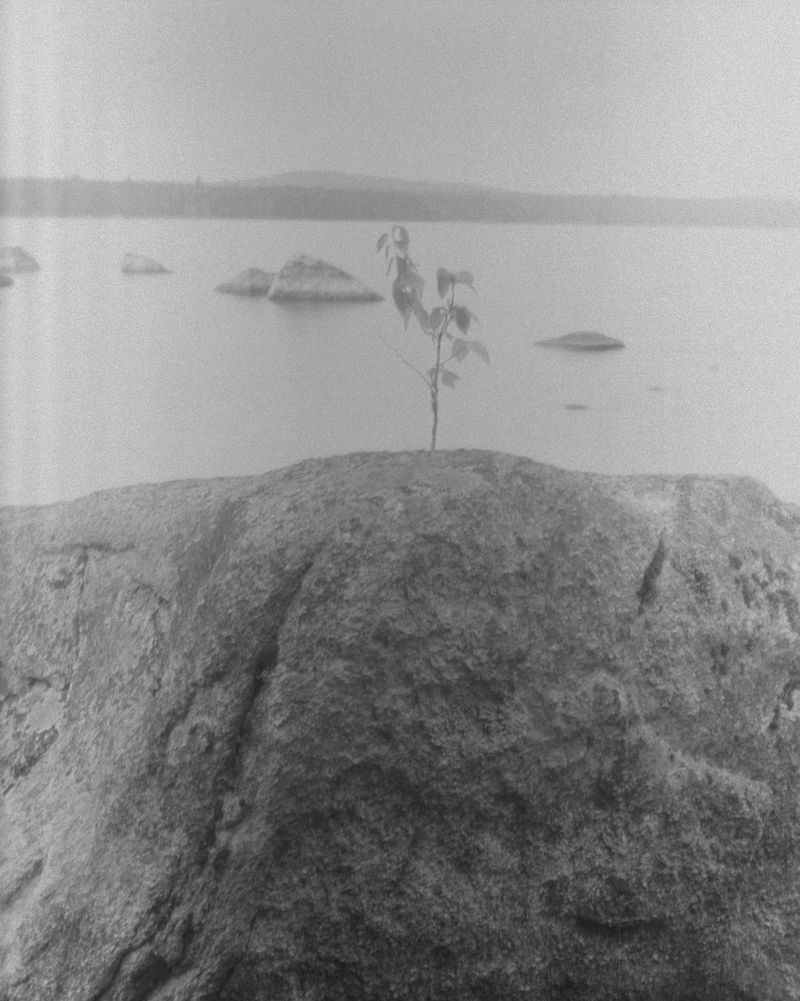
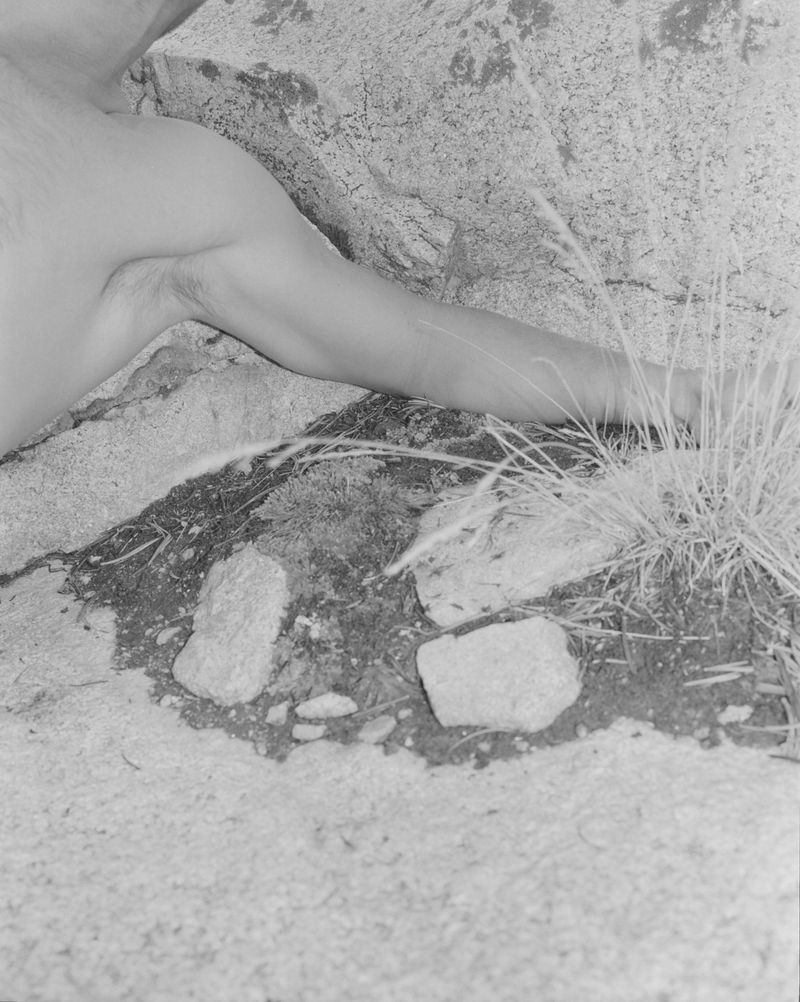
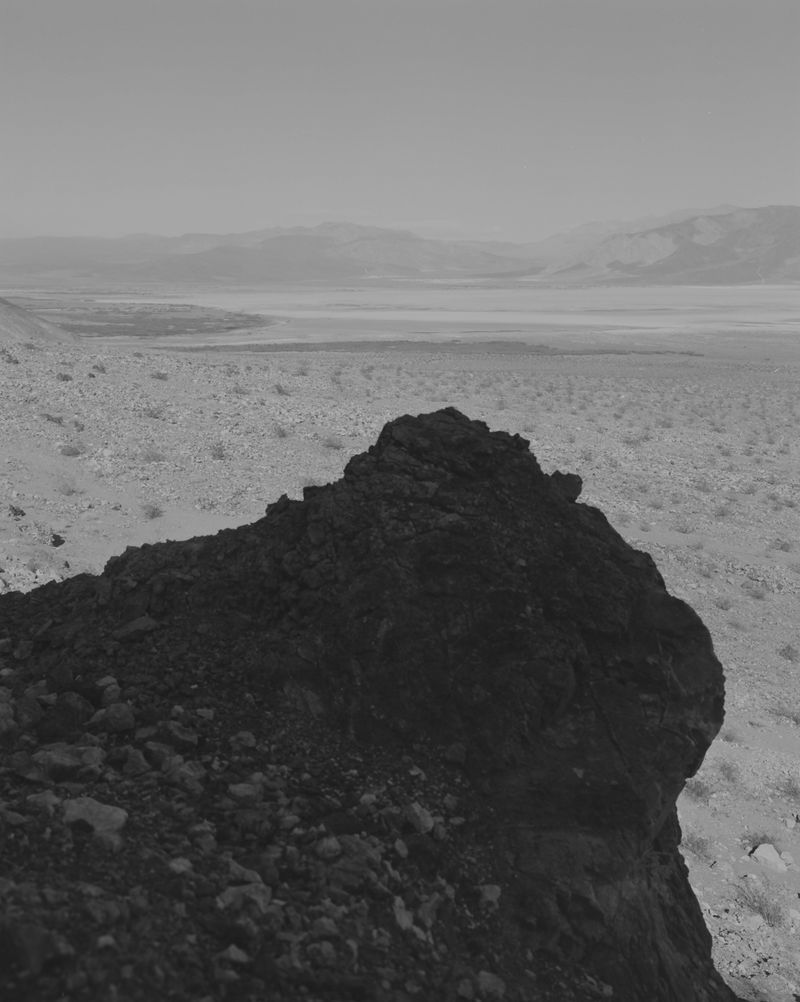
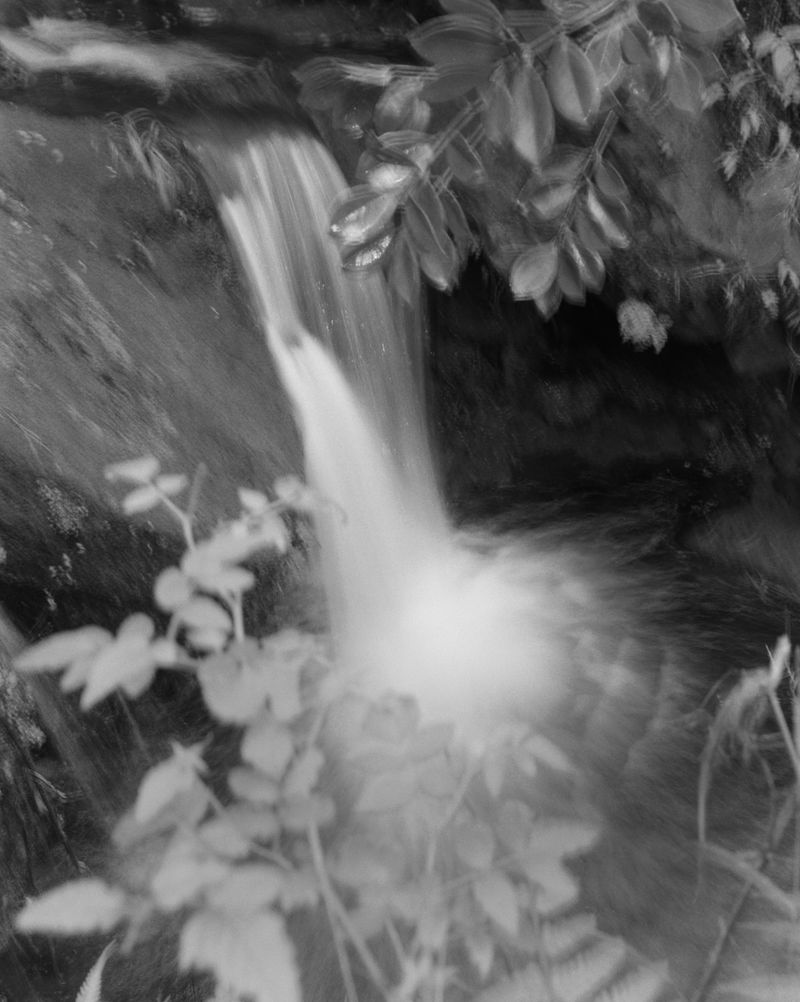
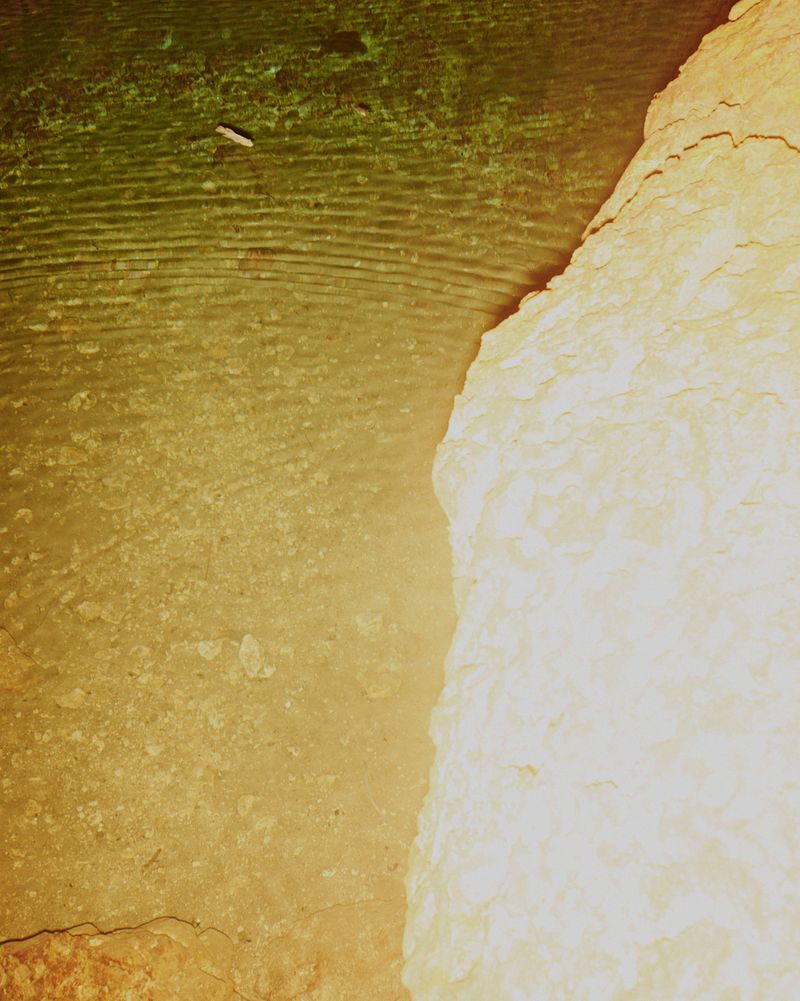
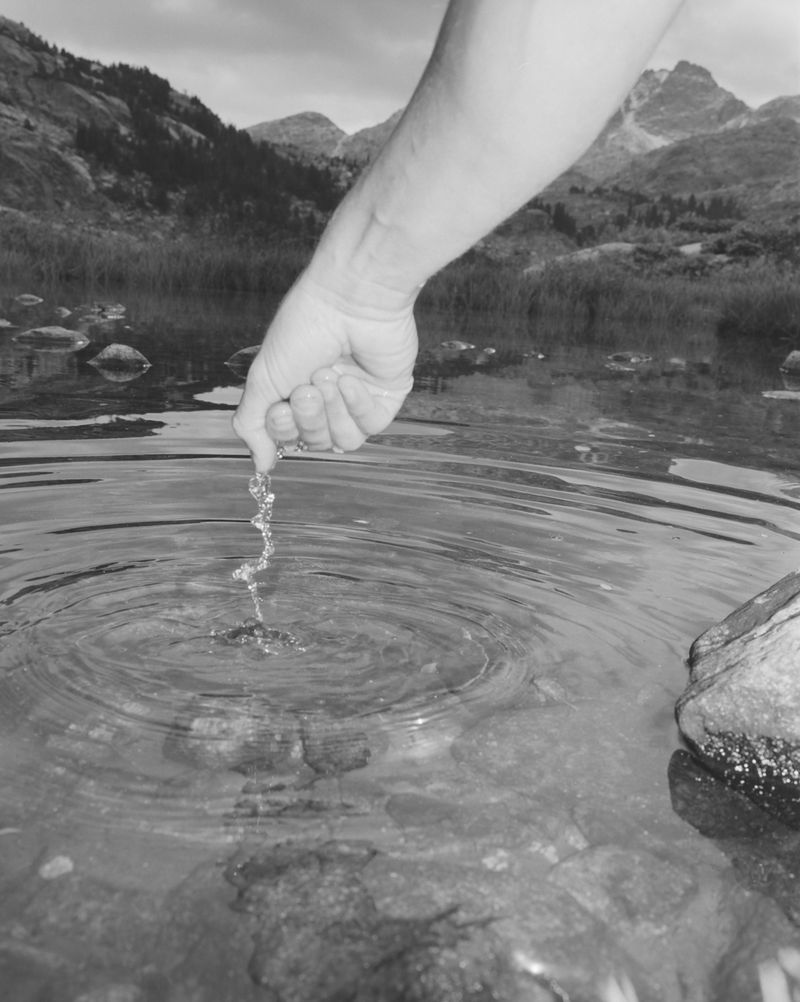
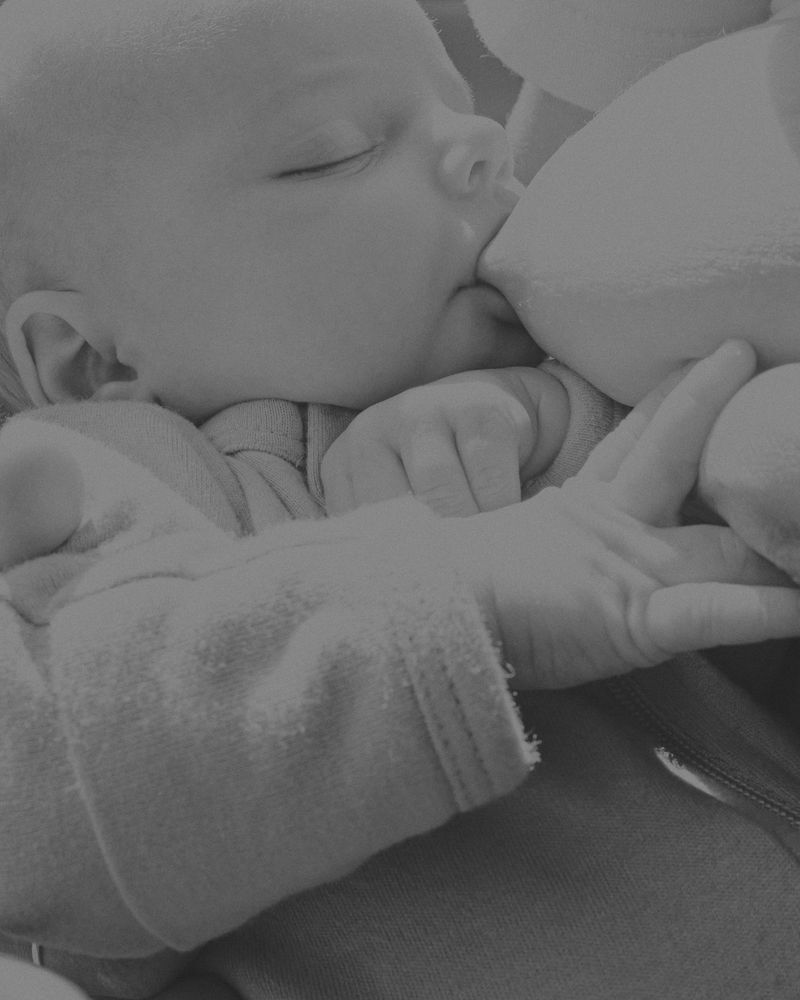
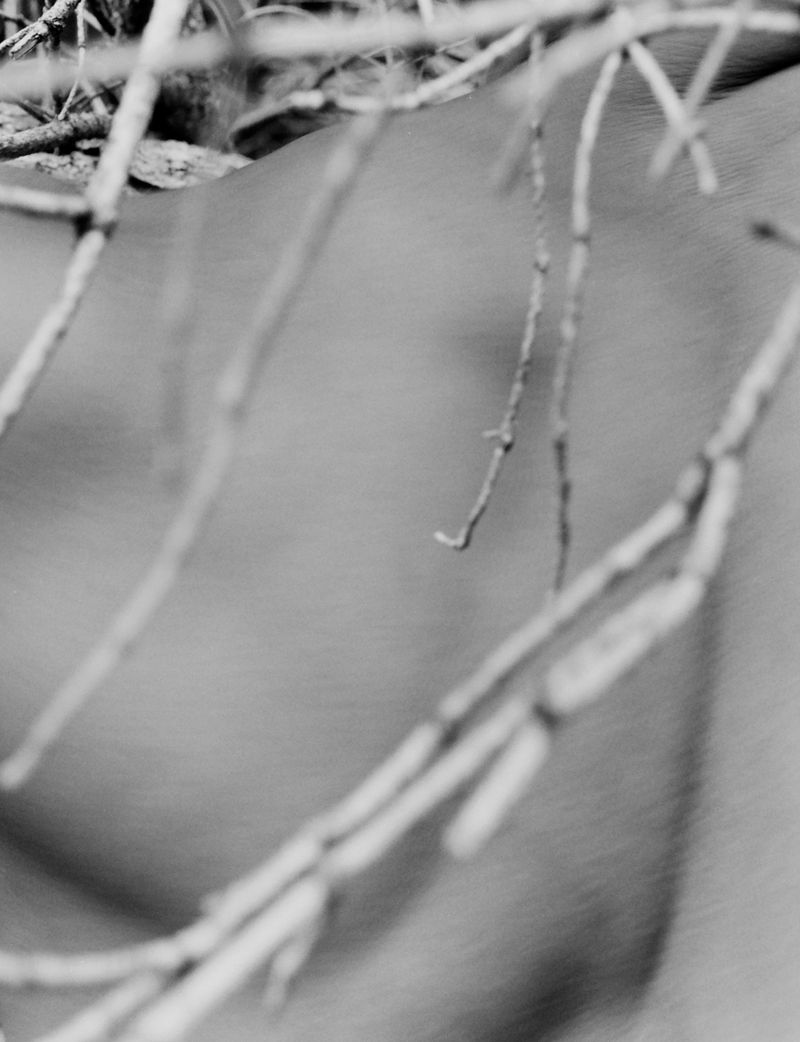
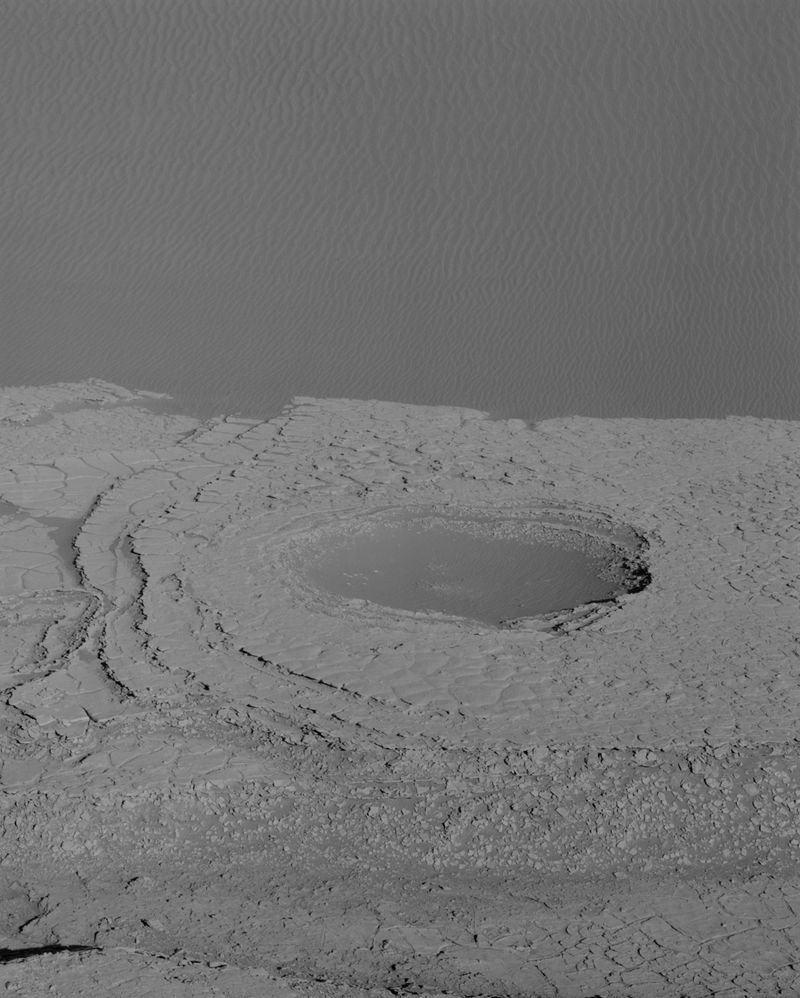
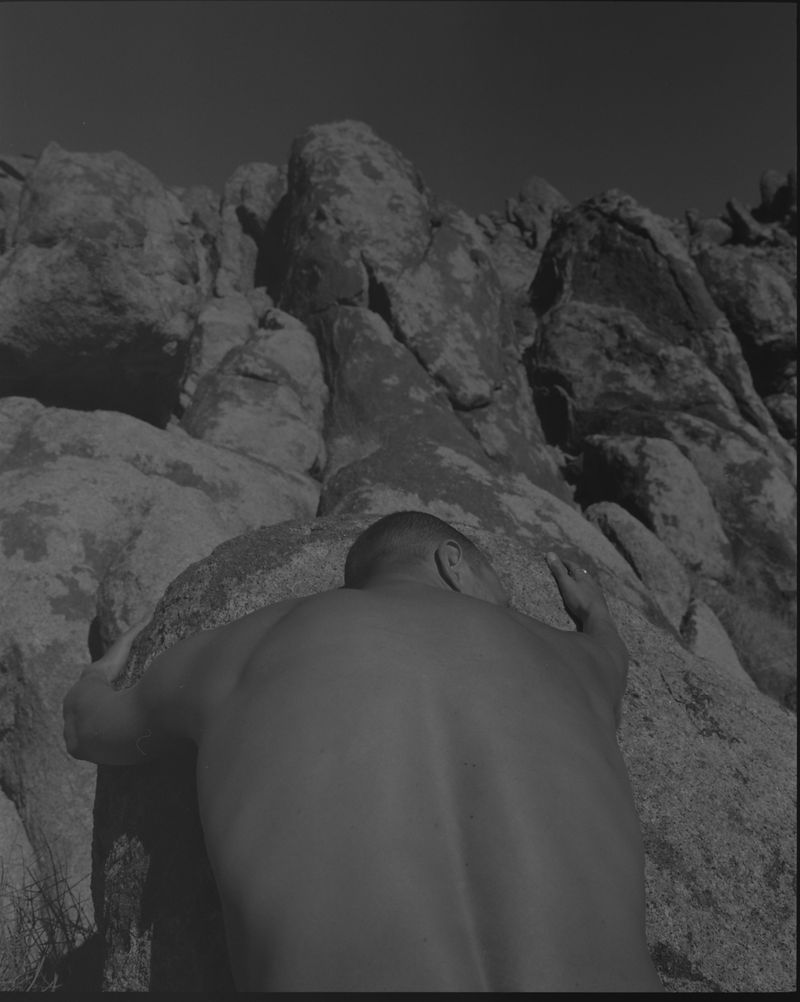
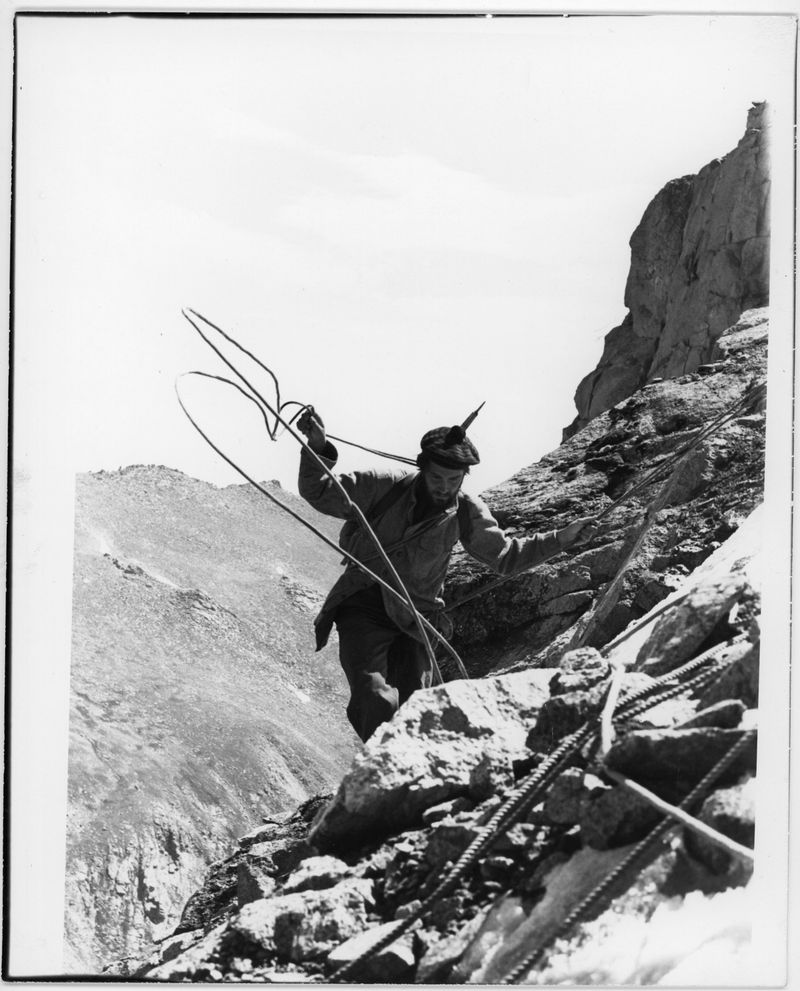
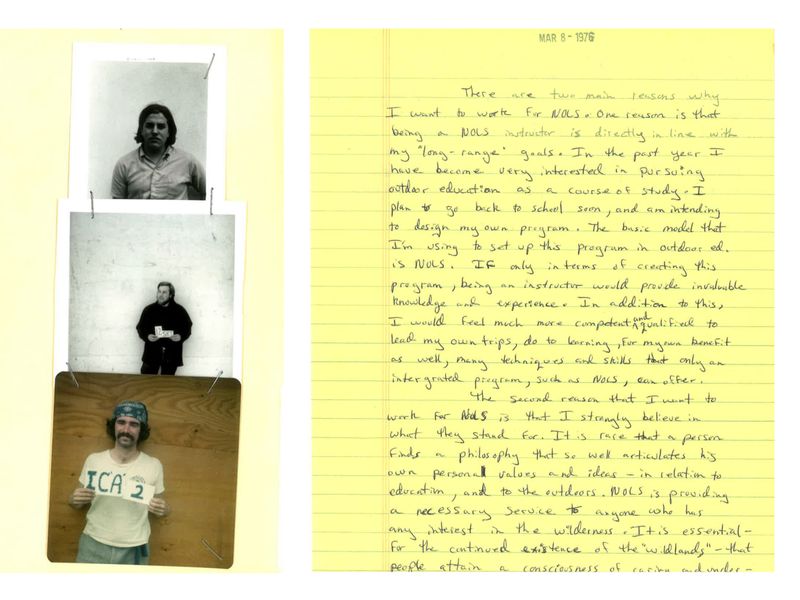
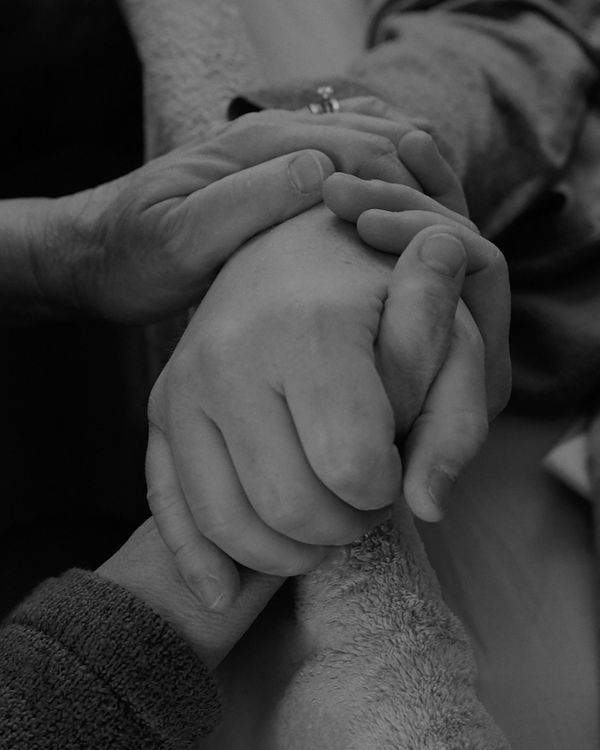
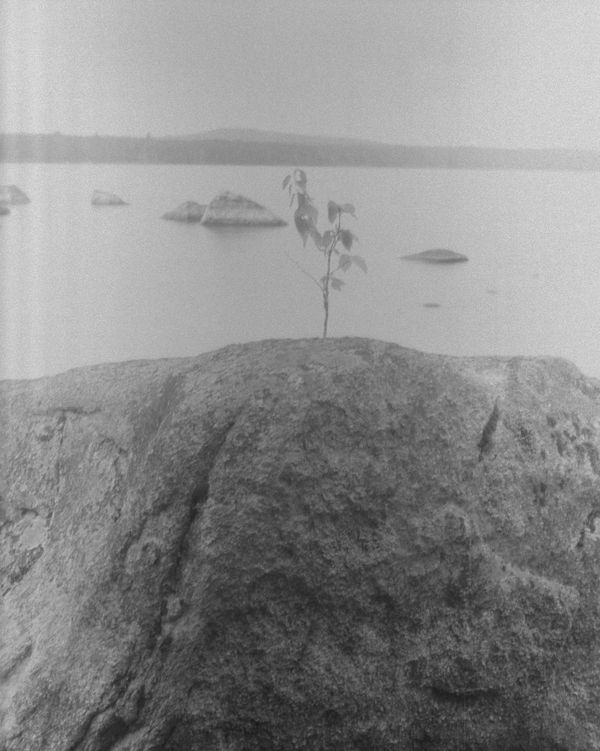
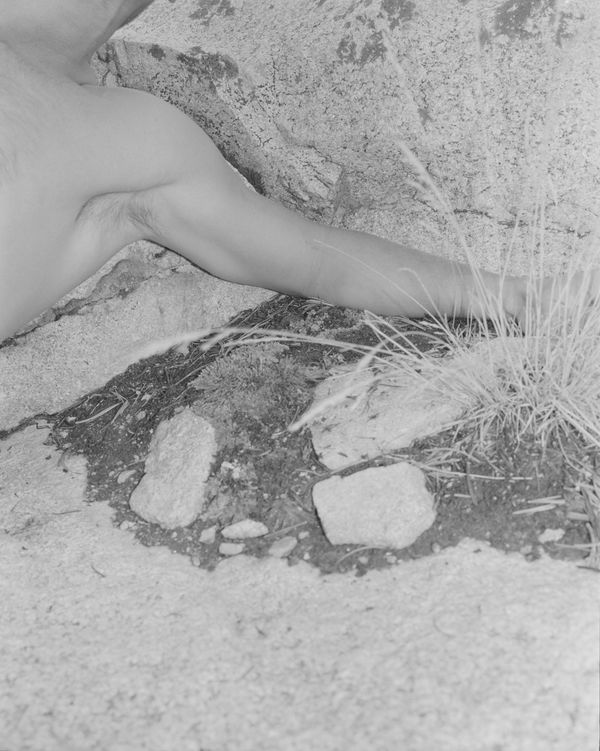
When The Wind Blows North is a photographic series created over four years, exploring loss, personal history, and generational legacy through the act of retracing my late father's routes across the West and Northeast. To be published in 2026 with TBW.
When The Wind Blows North
This series represents an ongoing examination of loss, place, and personal history that has unfolded over the past four years since the death of my father. During this period, I have retraced many of his routes across the West and Northeast. These solitary journeys, both physically demanding and introspective, have served as a means of confronting grief and examining the nature of my continued relationship with him. The work does not seek nostalgia, but rather a deeper, more nuanced understanding of my father’s life and legacy.
At its core, the project interrogates the intersection of nature, human experience, and memory. It explores how landscapes shape our identity and how, through mourning and generational continuity, we engage with both the physical and emotional landscapes that define us. How do our responses to grief resonate with the rhythms of nature? In what ways do these interactions expose patterns of survival, conflict, and adaptation?
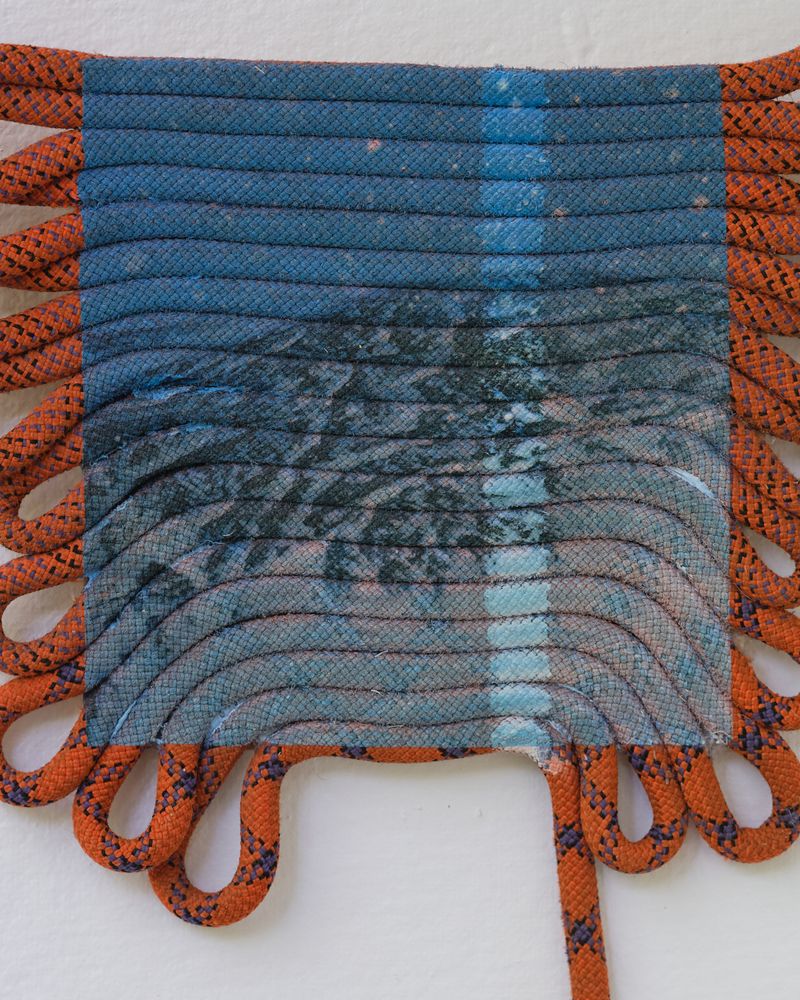
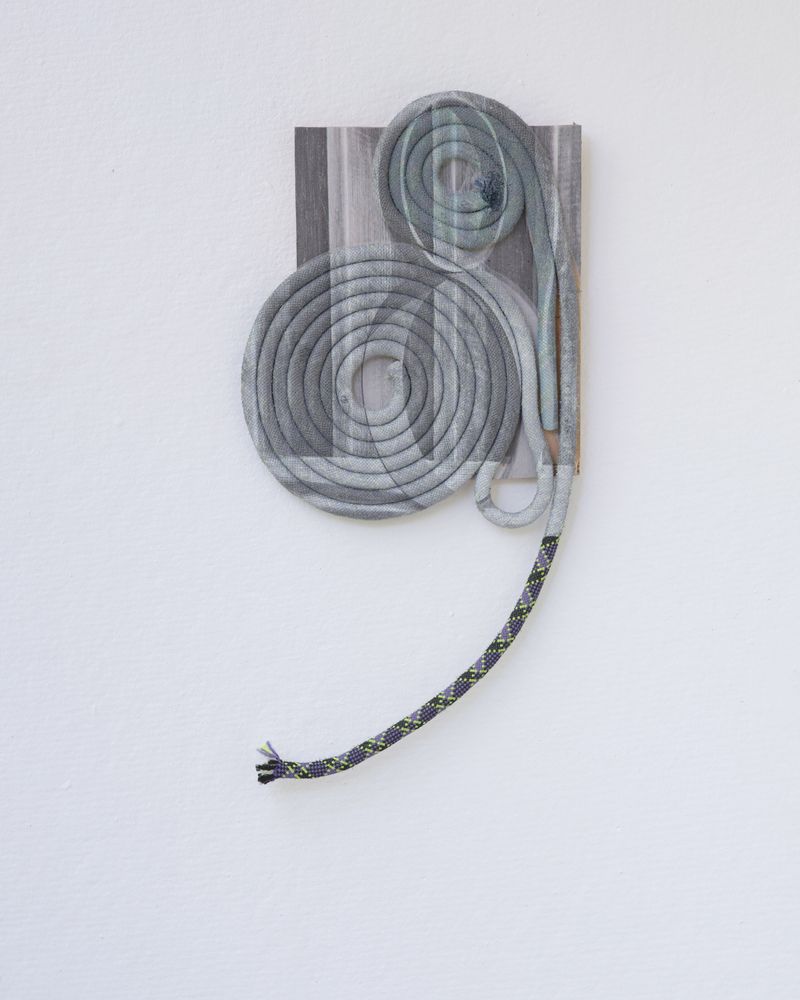
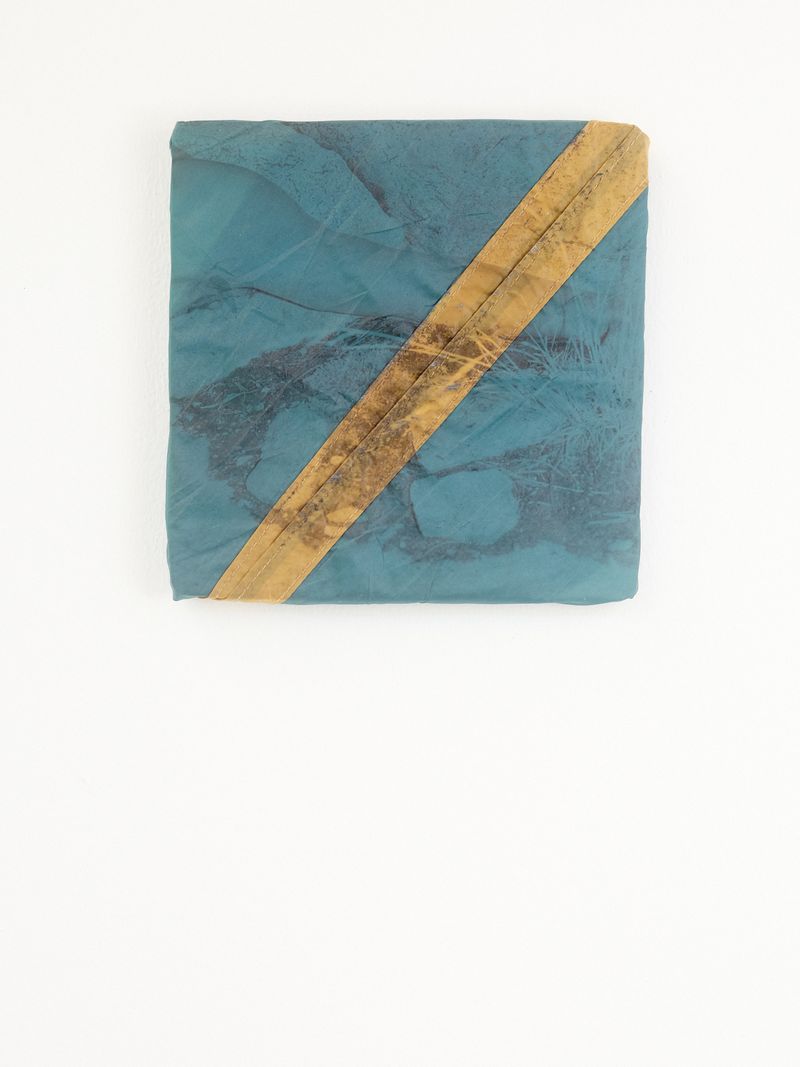
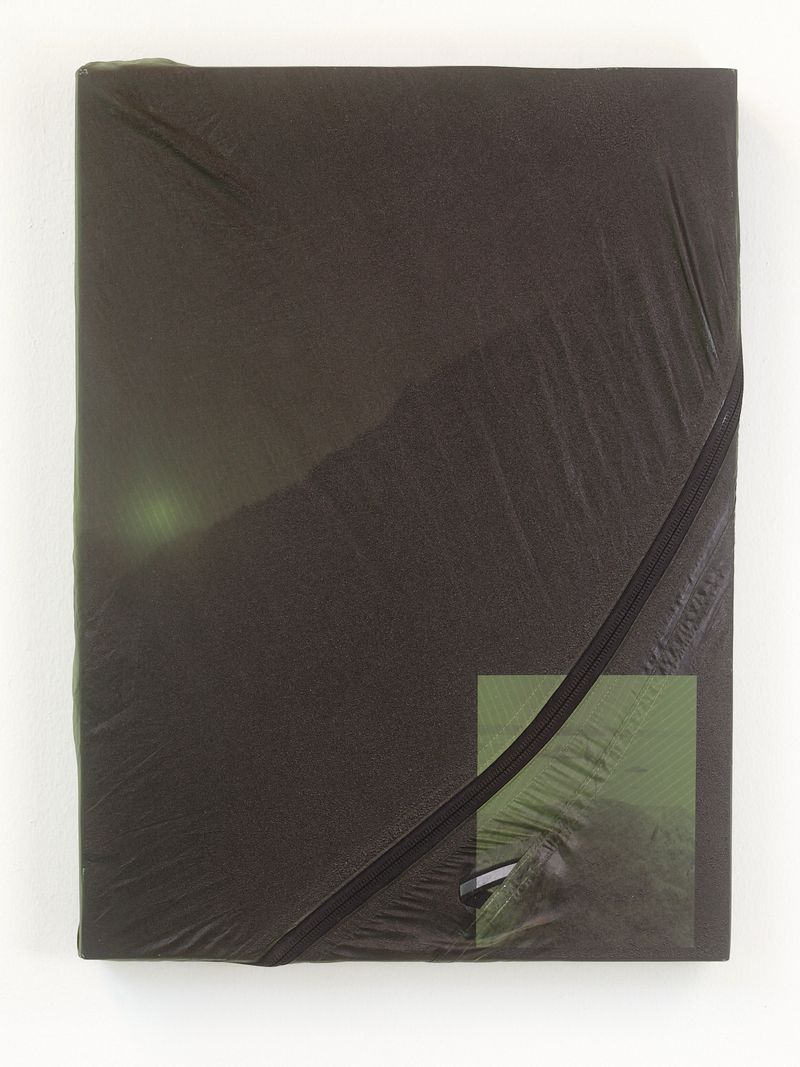
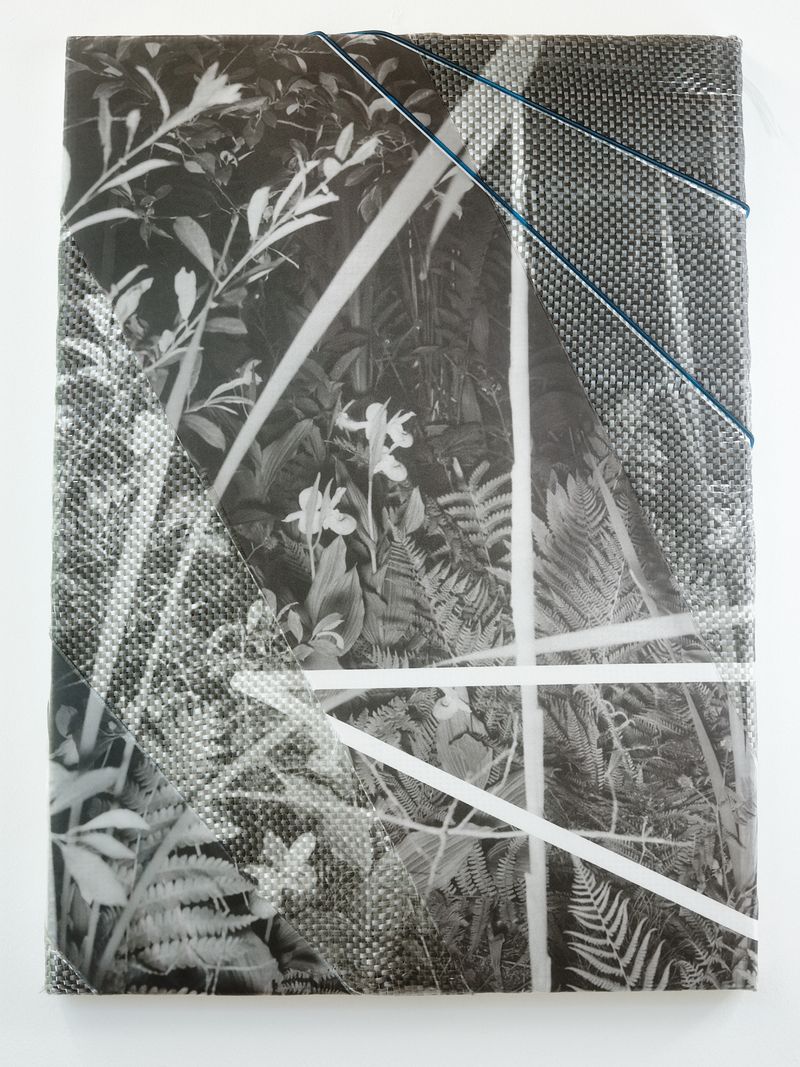
The series also challenges the conventions of documentary photography by integrating sculptural elements. The images are printed on objects I have carried through the wilderness—materials such as climbing rope, tents, and sleeping bags—items that are both utilitarian and symbolic. These objects, often found or donated, bring their own histories into the work, making the photographic process a means of material exploration. By incorporating these elements, the project becomes an embodied engagement with both the physical and conceptual dimensions of the images.
While the series acknowledges the influence of photographers like Walker Evans, Robert Adams, and Dorothea Lange, it departs from their traditions. It does not present a linear narrative of loss or landscape; rather, it occupies the space between those narratives, where the complexities of grief, nature, and survival are neither tidy nor easily resolved. This is not an attempt to idealize wilderness or mourning, but rather to confront their realities and explore the tensions that arise when these forces collide.