Wastelands: breaking down the dikes of control.
-
Dates2025 - Ongoing
-
Author
- Topics Contemporary Issues, Documentary, Landscape, Nature & Environment, Social Issues
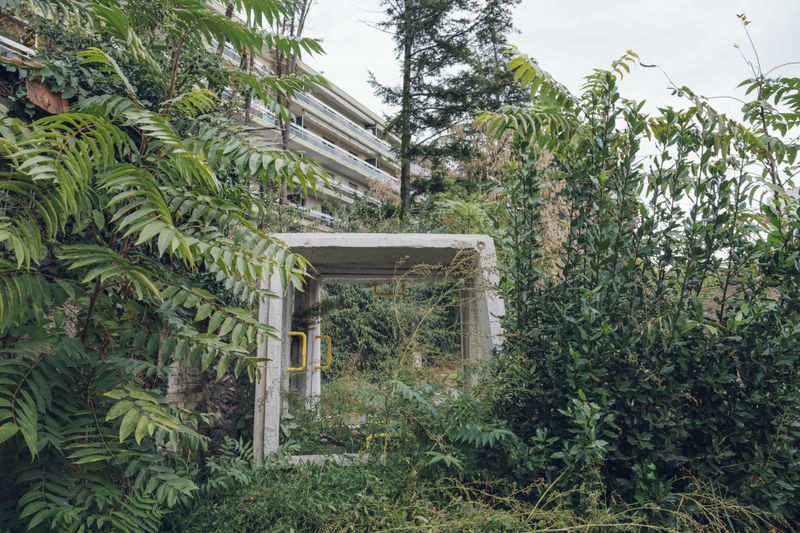
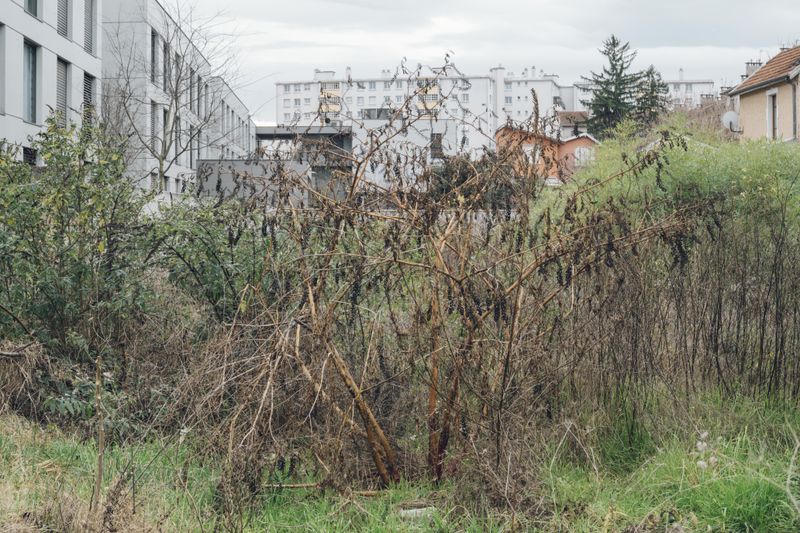
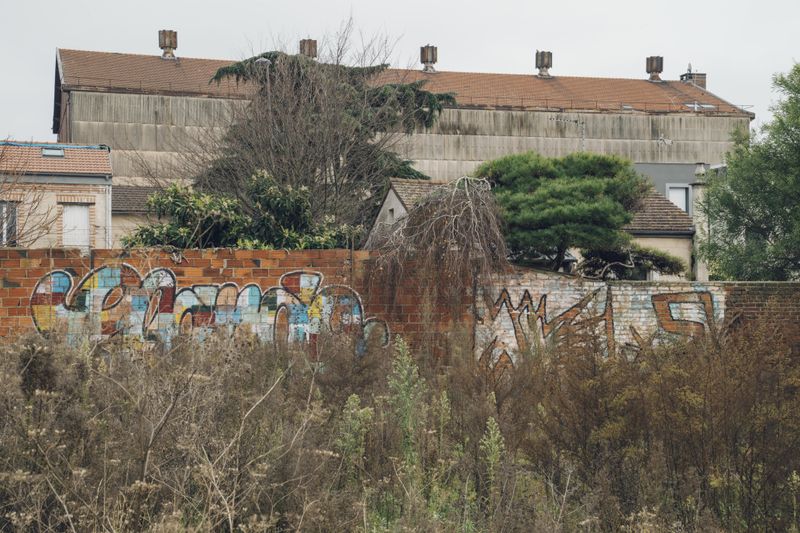
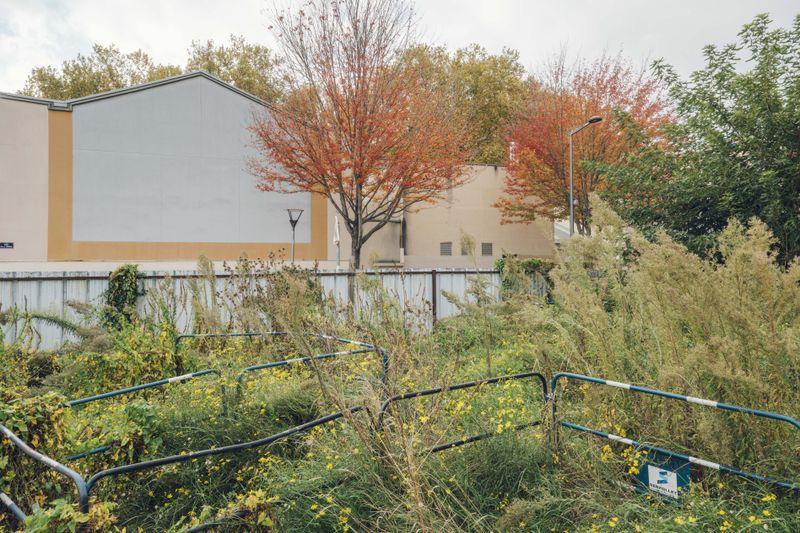
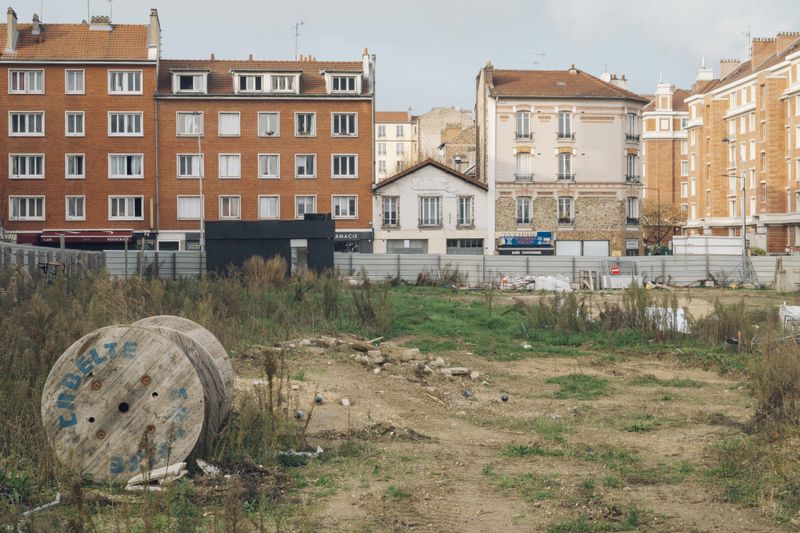
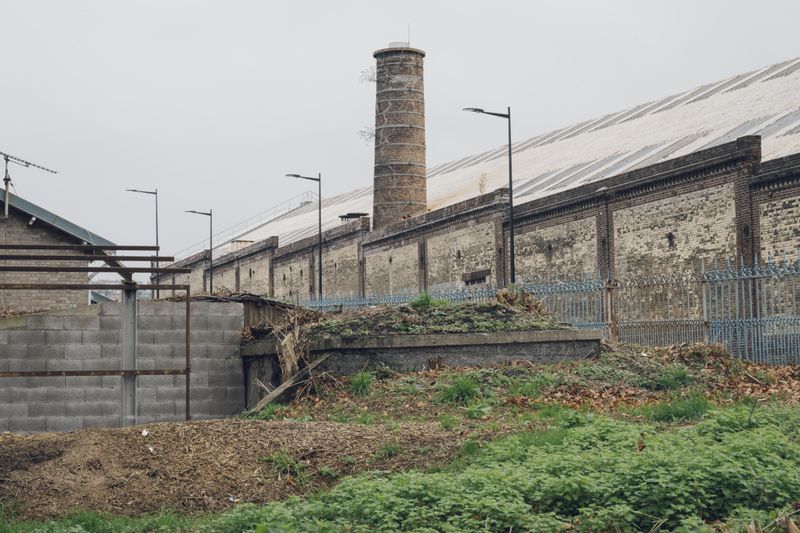
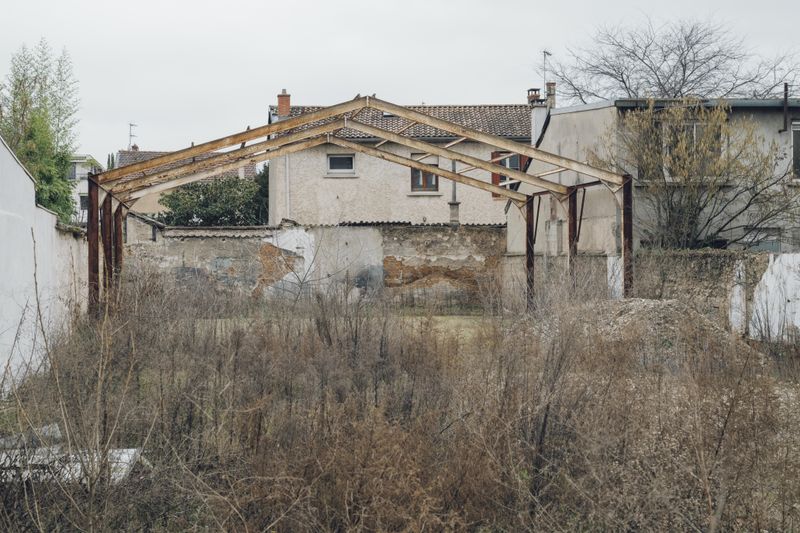
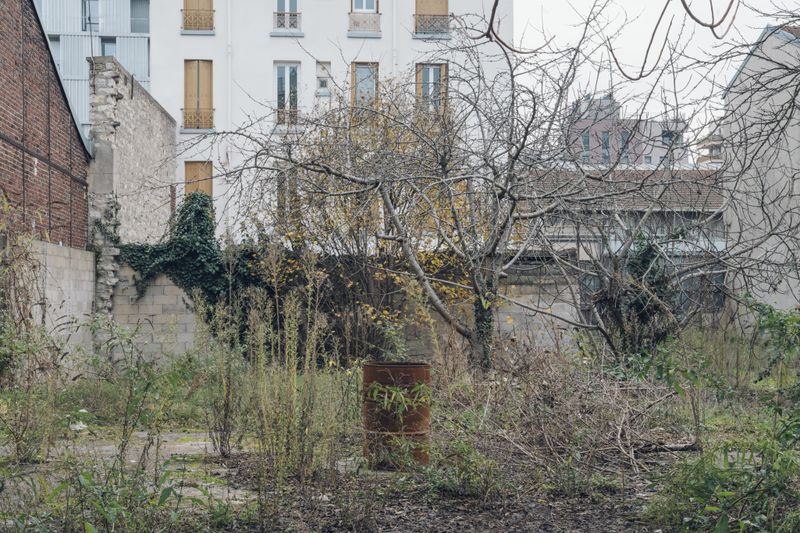
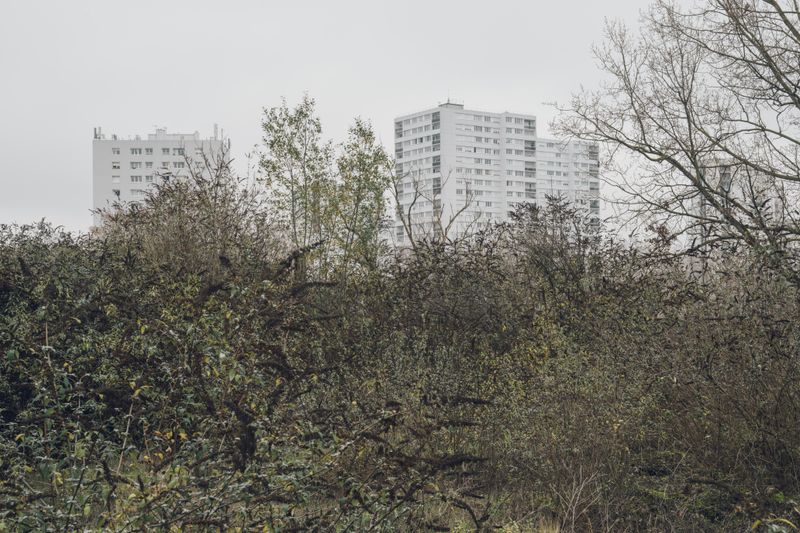
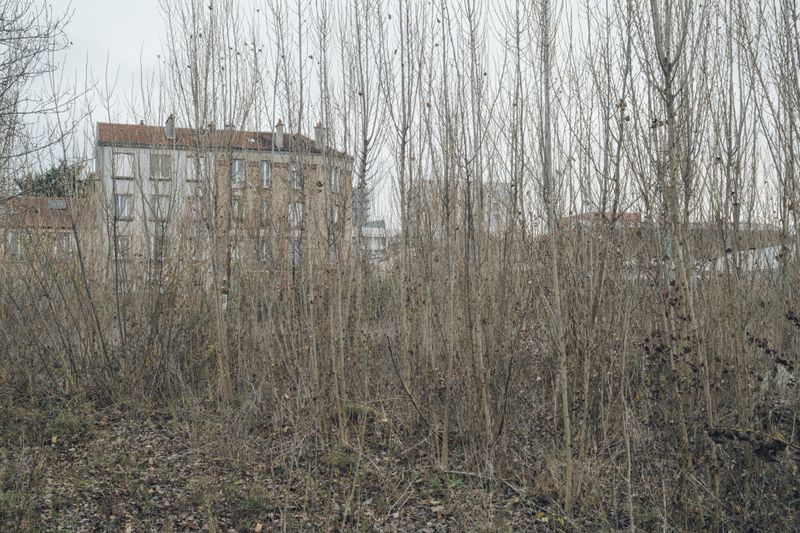
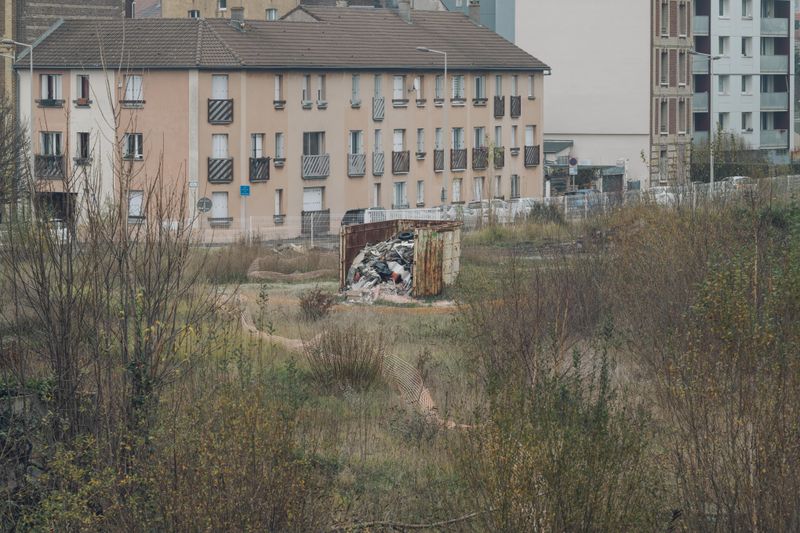
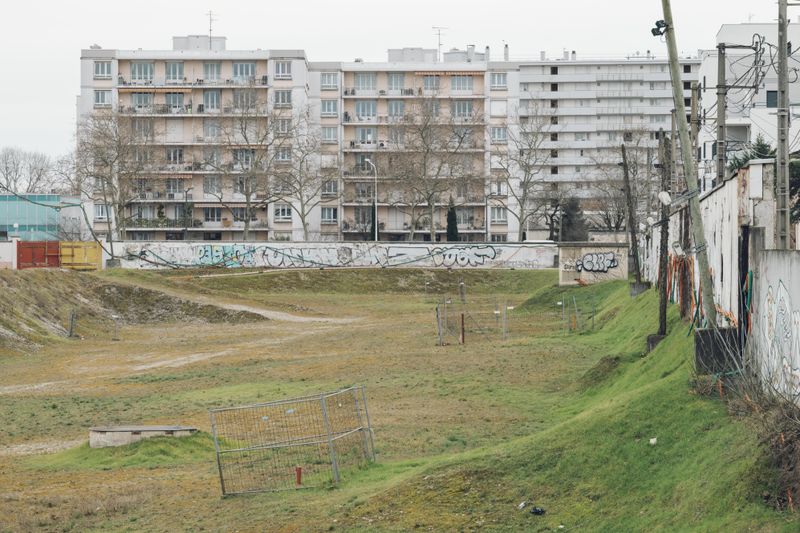
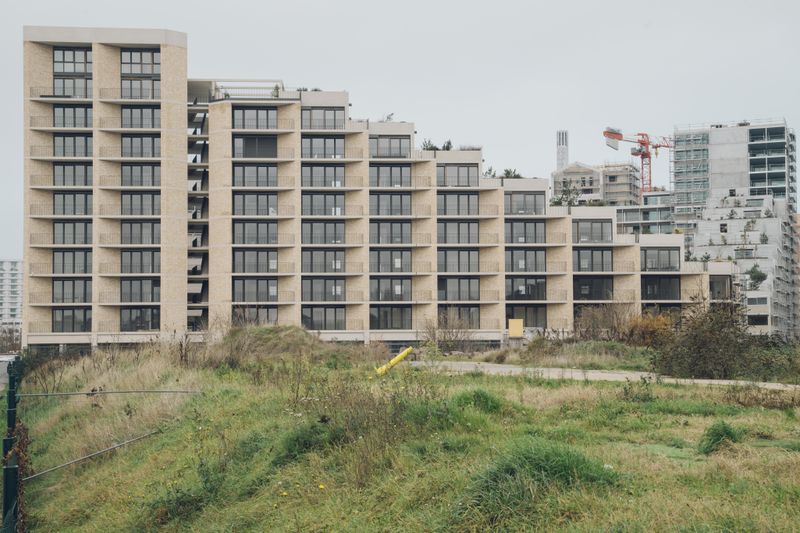
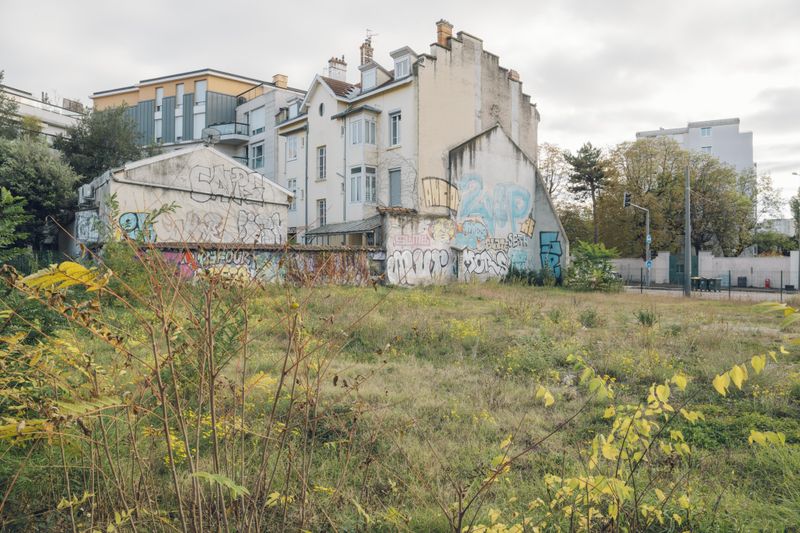
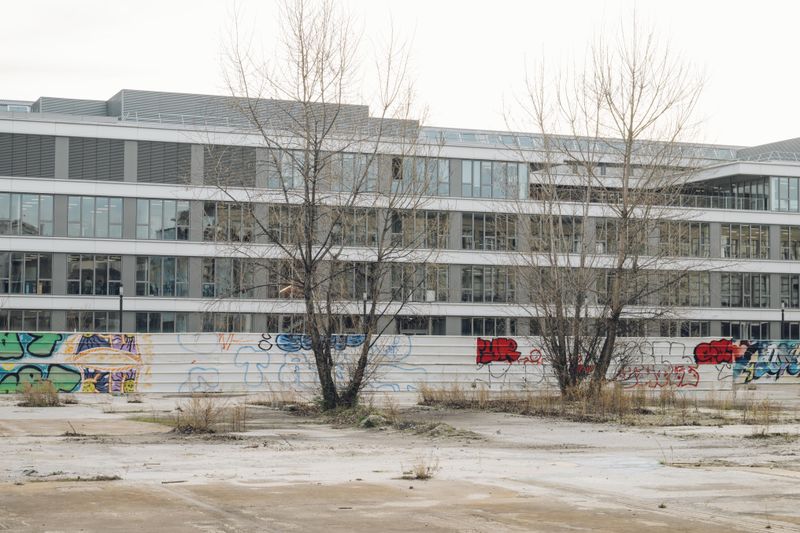
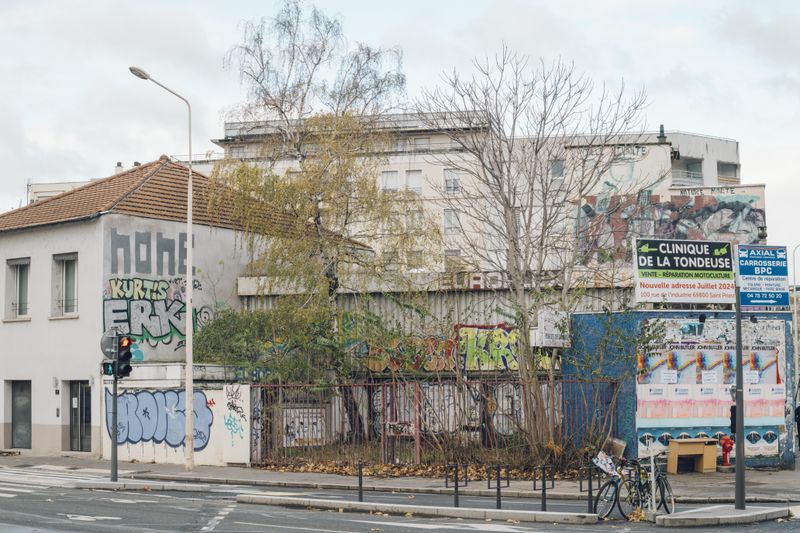
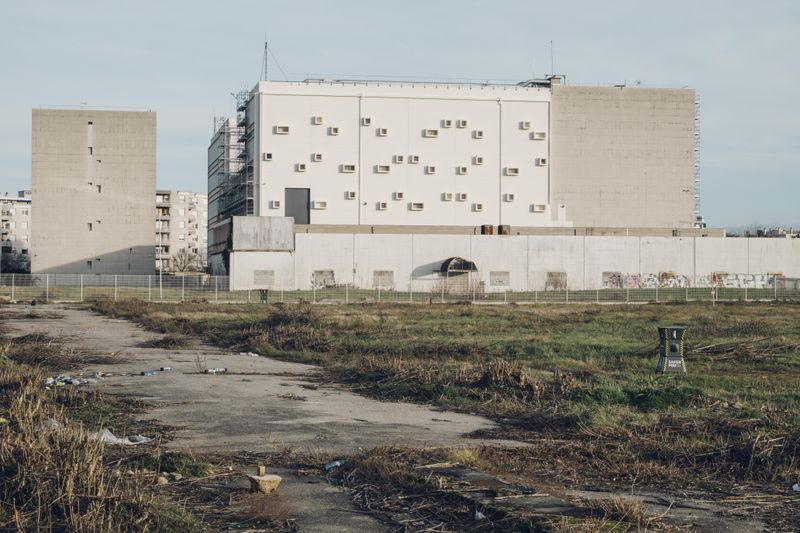
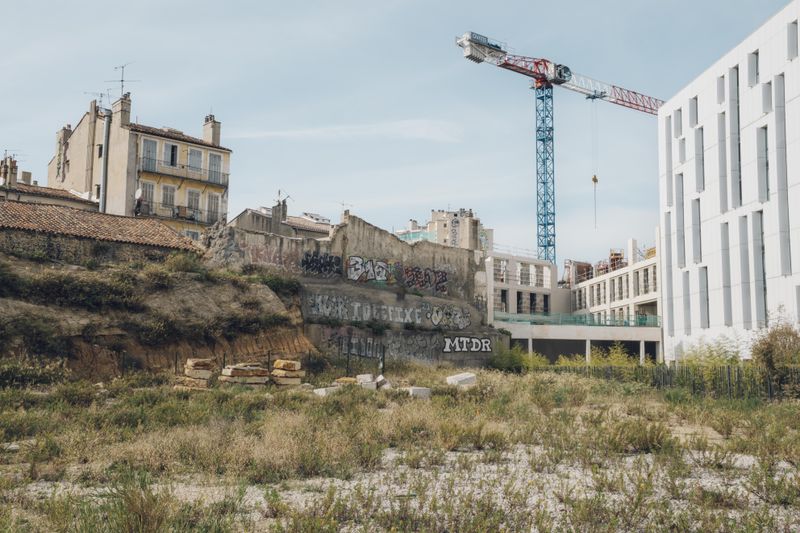
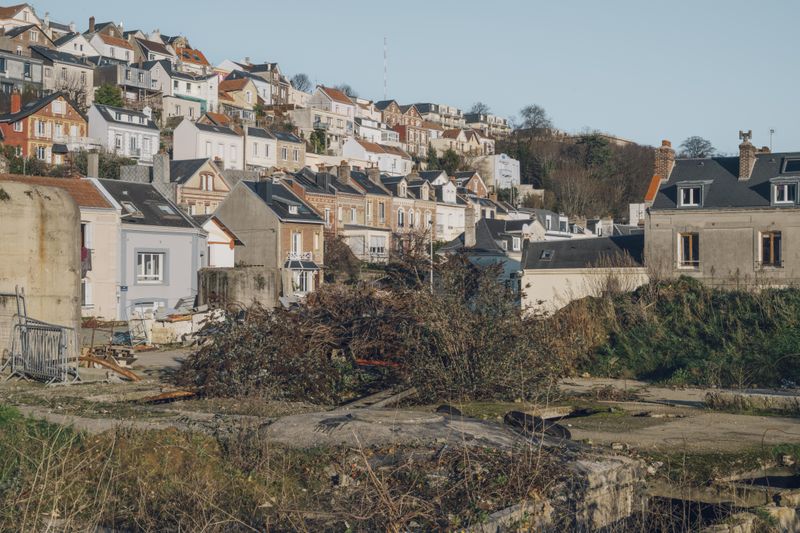
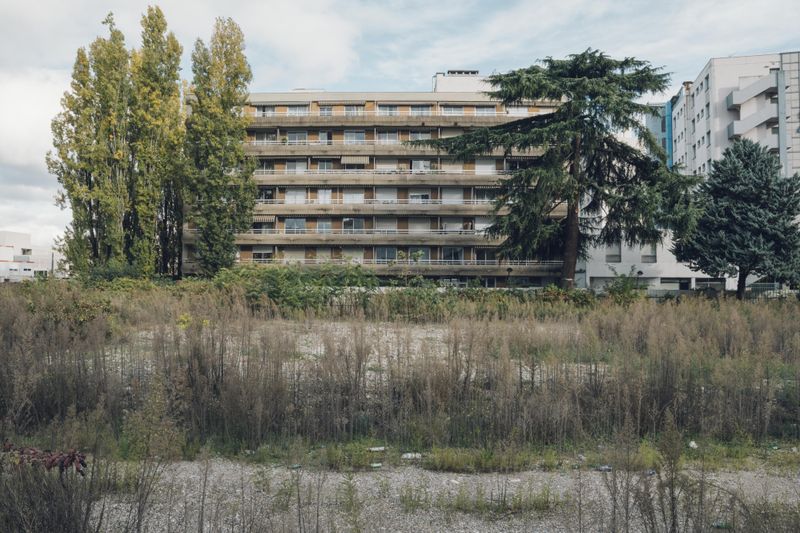
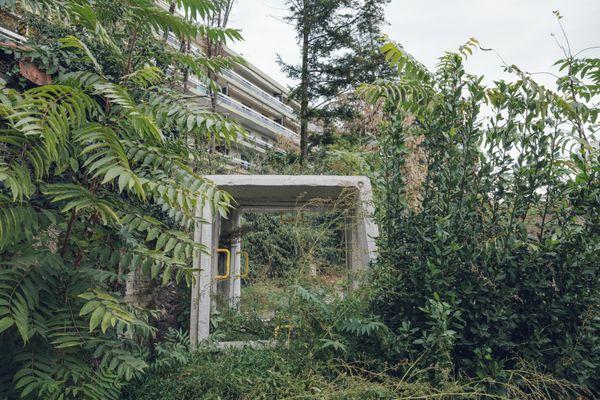
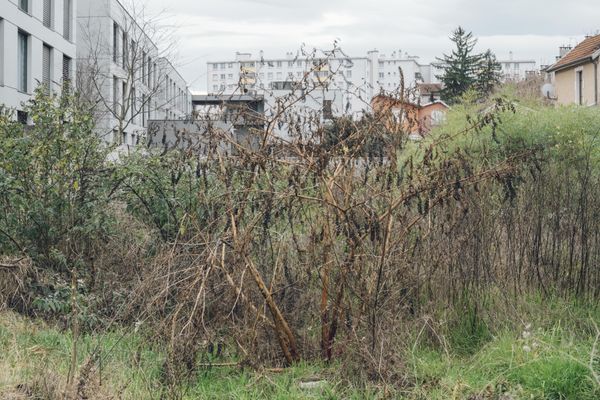
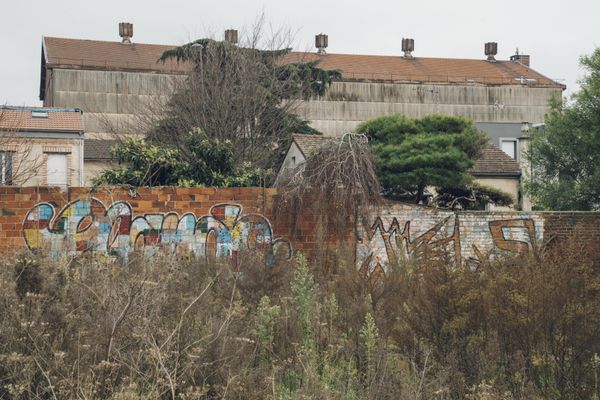
This series reveals places we've been taught to see as empty, unproductive, and therefore useless. On the contrary, I see them as necessary, not only for ecological reasons but also to allow the imagination to escape from where society orders us to be.
Wastelands: breaking down the dikes of control.
Between destruction and construction, wastelands appear and disappear. They surge forth with the slowness of the tree of heaven and the butterfly bush that grow spontaneously there in the silence of a space-time separate from the vicissitudes of the city. These plants are pejoratively labeled as weeds, invasive or wildflowers, terms that delegitimize even their right to exist on the same footing as their other natural inhabitants who do not meet the criteria for existence imposed by the system: vagrants or gypsies. These gaps on the margins can be called "hollow teeth" (in french) thus judged empty, useless, unproductive, anomalies to be filled as quickly as possible because they escape the system's grasp. The vagrant is therefore forbidden to wander there, the passerby to even see them; Fences, railings, walls, and palisades are the dikes erected to circumscribe them and, it seems, to conceal even the imagined temptation they might inspire.
But is it truly legitimate, according to legal principles, to prohibit movement on these Third Landscapes, as Gilles Clément calls them in his manifesto, asks the jurist and philosopher Sarah Vanuxem in On the Right to Wander?
This prohibition awakens in me the little being who defied it by climbing to the other side of the wall of my childhood garden to land on this fertile territory of imaginary adventures, a nostalgia that resonates with André Breton's poem-object: "These wastelands where I wander, defeated by the shadow and the moon, clinging to the house of my heart."
Since that distant time, after being instilled with universal values but seeing that the world seemed to be drifting further and further away from them, I felt the need to rediscover these places of escapism to keep from losing my footing.
I first located these "blank spaces" on maps, like Philippe Vasset in his White Book, and set off to discover these sanctuaries as one goes on a treasure hunt. To see these worlds beyond the barriers, I had to use my camera like a periscope, peering above the surface of things. I was then able to breathe again while photographing these parallel worlds to share them with those who feel a profound melancholy, a desire to disappear from where society orders them to be, those who seek a breach to escape this world of contradictory injunctions, who want to let go for a moment, to wander, to live again.
Some voices, drowned out by the prevailing clamor, describe them as shelters for biodiversity and islands of coolness in the heatwave where the soil can be decontaminated by plants and penetrated by rainwater in a world made of concrete. I join these environmental voices by suspending images of vacant lots in time, naming them by their GPS coordinates to remind us where they were located and that other worlds and lives are possible.