"Wâ bâ tumba"
-
Dates2025 - Ongoing
-
Author
- Location Dakar, Senegal
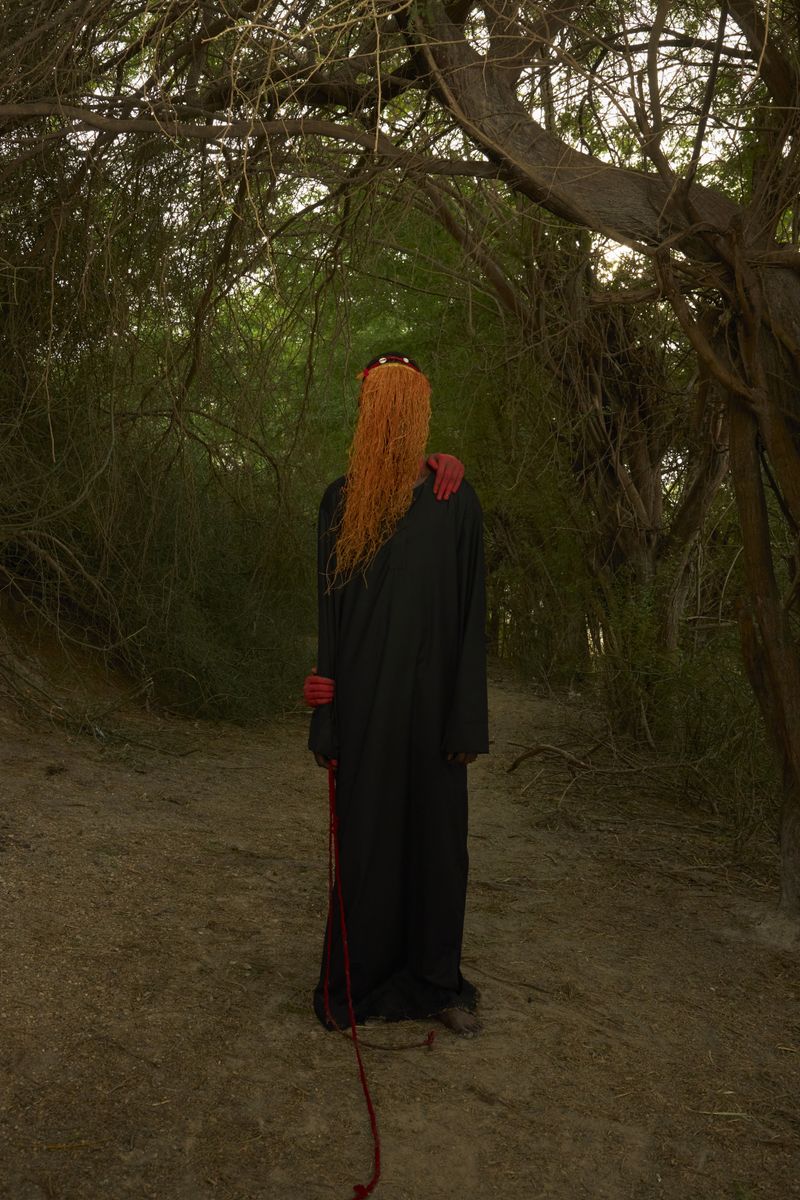
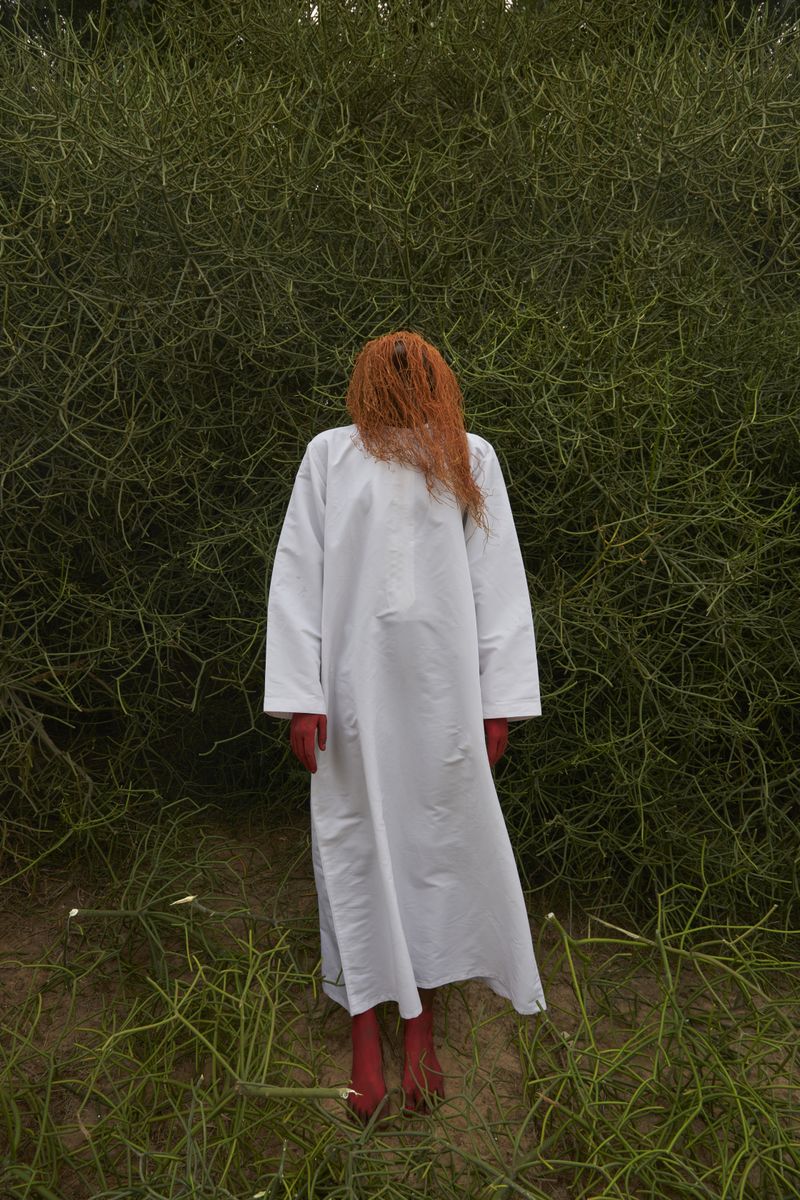
"Wâ bâ tumba", "the initiated one" in Lari ,explores the body as a space of transformation, between the visible and the invisible, memory and spirituality, through a photographic language rooted in Bantu cultures.
Wâ bâ tumba means the initiate in Lari, the language of the Lari people of the Republic of Congo. This title is not an ornament: it is the conceptual threshold of the entire series.
The figure of the initiate, one who has crossed over, who has been transformed by an invisible ordeal — structures the project as a whole.
Wâ bâ tumba is a photographic series that explores the relationships between body, memory, and spirituality. It questions what passes through individuals unseen: transmissions, presences, transformations — and seeks to render their density perceptible.
The body, in this project, is not a subject to be represented. It is a surface of resonance, a space where states, tensions, and immaterial flows are inscribed. It is in this in-between — between the visible and what exceeds it that the series takes root.
The visual language rests on a deliberate formal economy. Light, color, and material are not mere aesthetic choices: they structure meaning, carrying a symbolic vocabulary built around duality, memory, and metamorphosis. Each image functions as an autonomous unit, while participating in a larger narrative.
The series draws inspiration from African systems of thought and spiritual practices in particular from Bantu cultures, not to illustrate them, but to summon them as a framework for contemporary reflection on the bonds between the individual and the transcendent dimensions of the living world.
Wâ bâ tumba offers a perceptive and intuitive experience. It wagers on evocation rather than demonstration, and conceives of photography as a space of passage between matter and immateriality, between individual memory and collective memory.