Vorort
-
Dates2023 - Ongoing
-
Author
- Location Austria
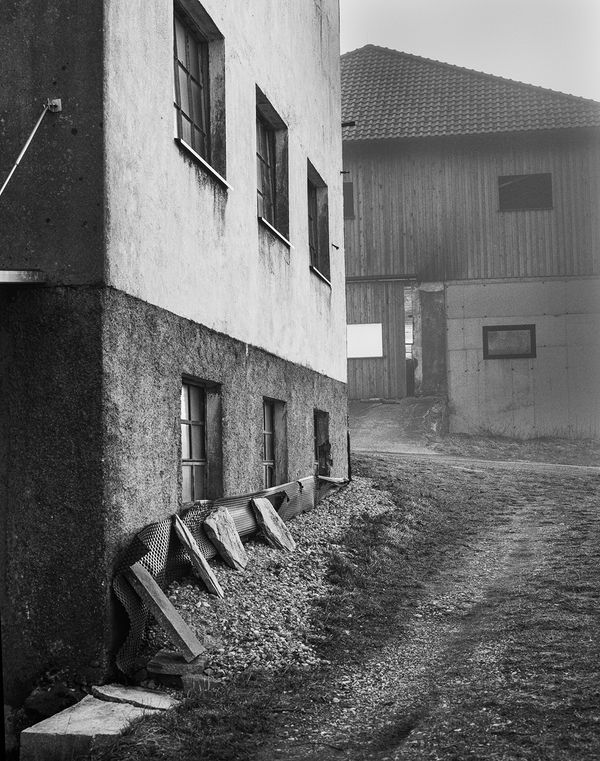
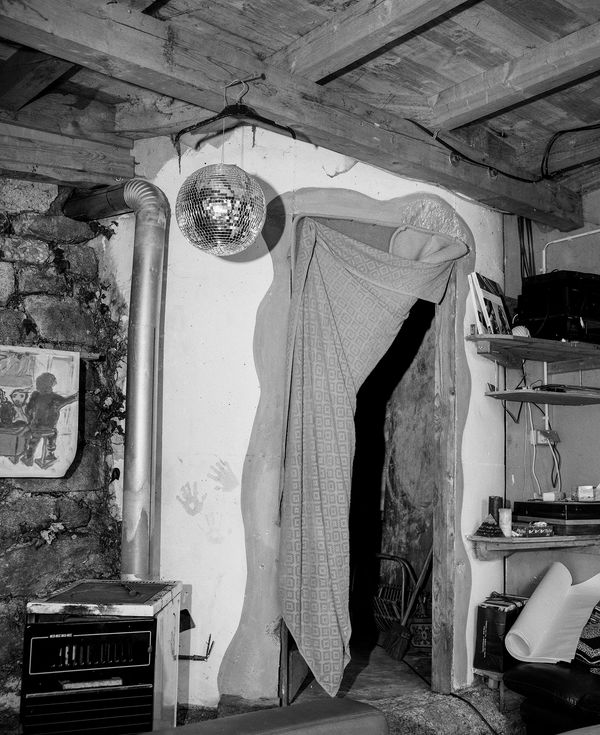
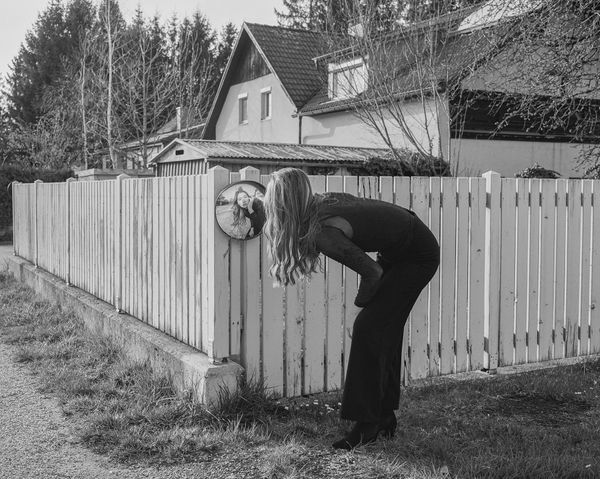
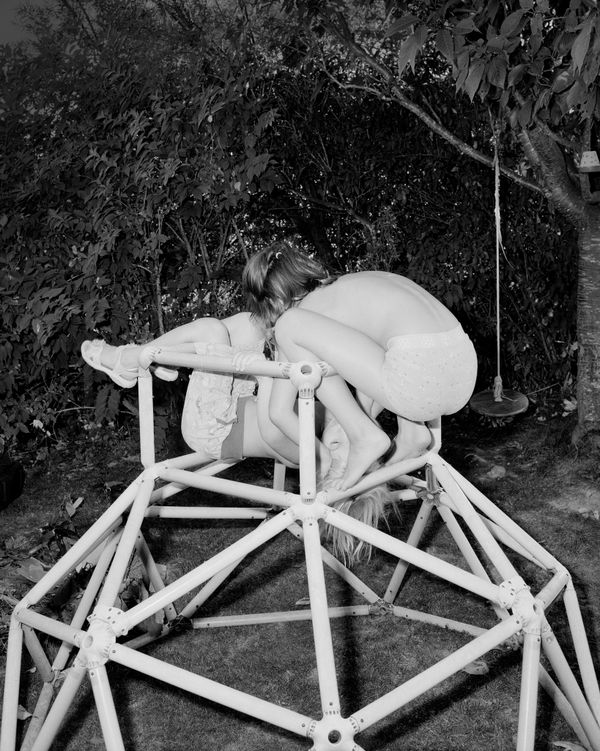
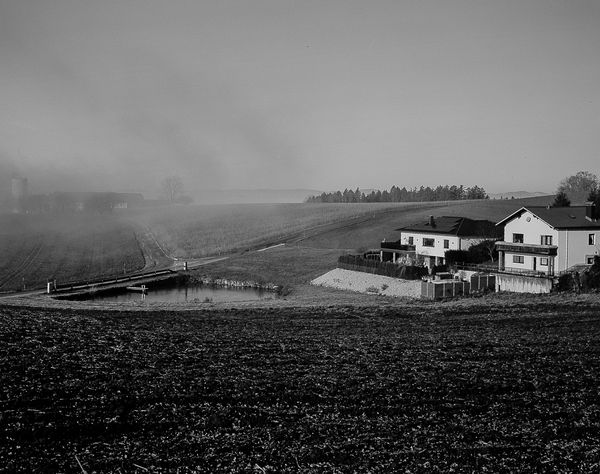
Set in the rural outskirts of Austria, my work combines candid images of village life with staged scenes performed by actors to construct a fictional world that explores loneliness, isolation, and belonging.
Introduction
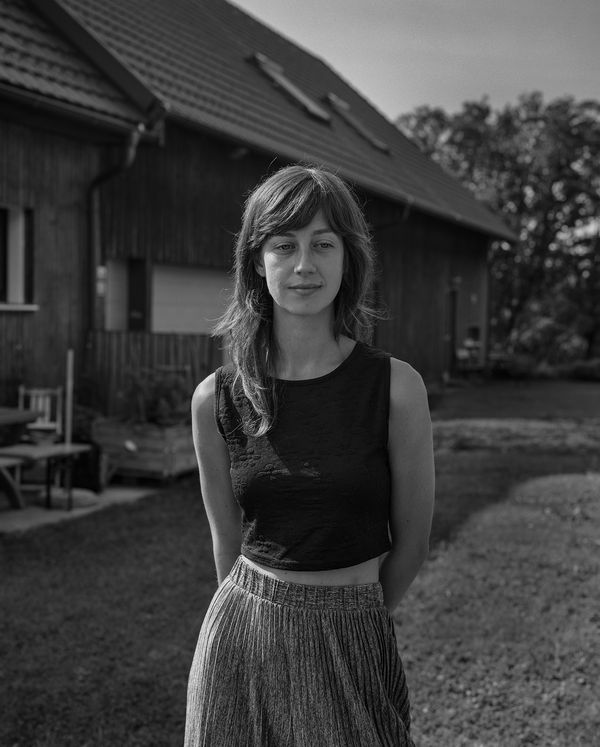
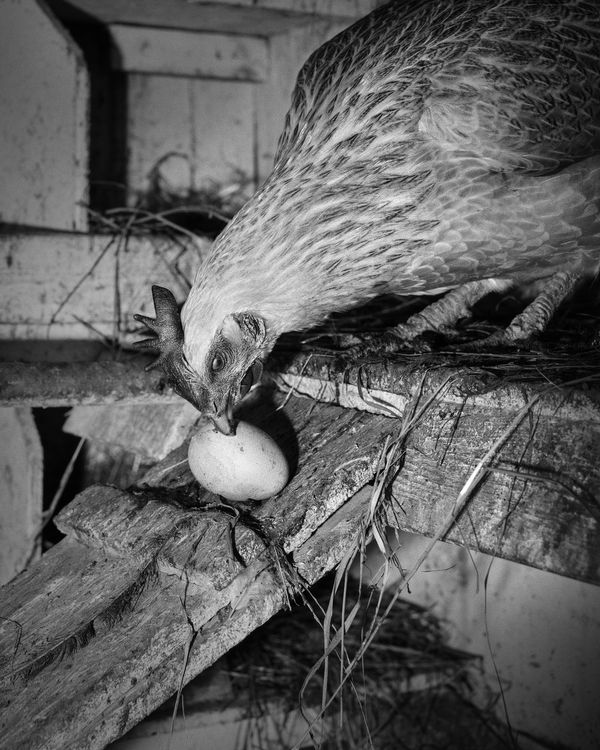
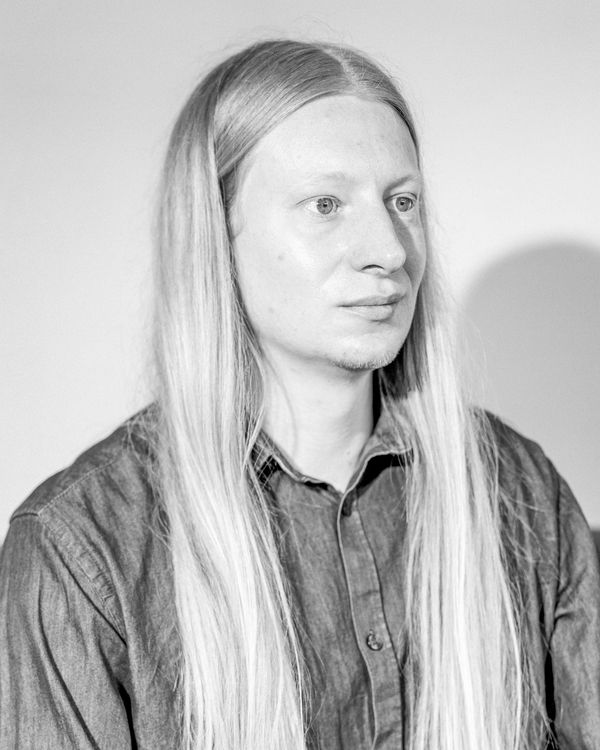
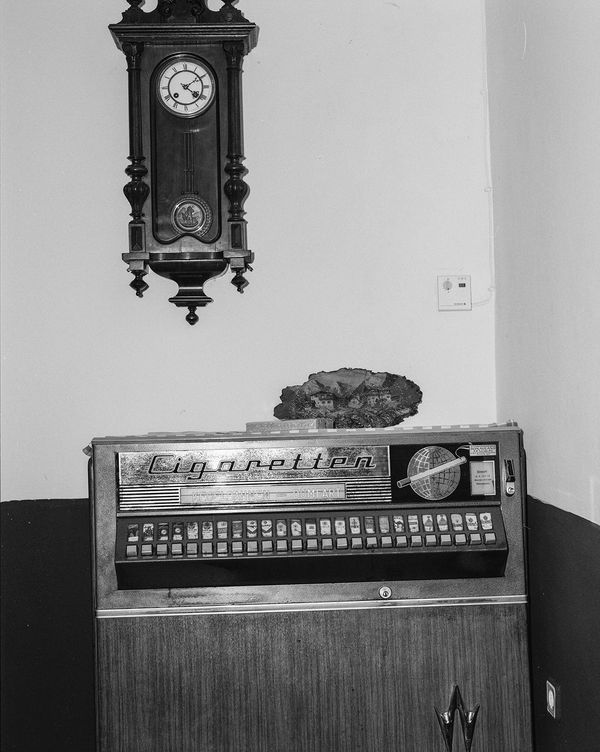
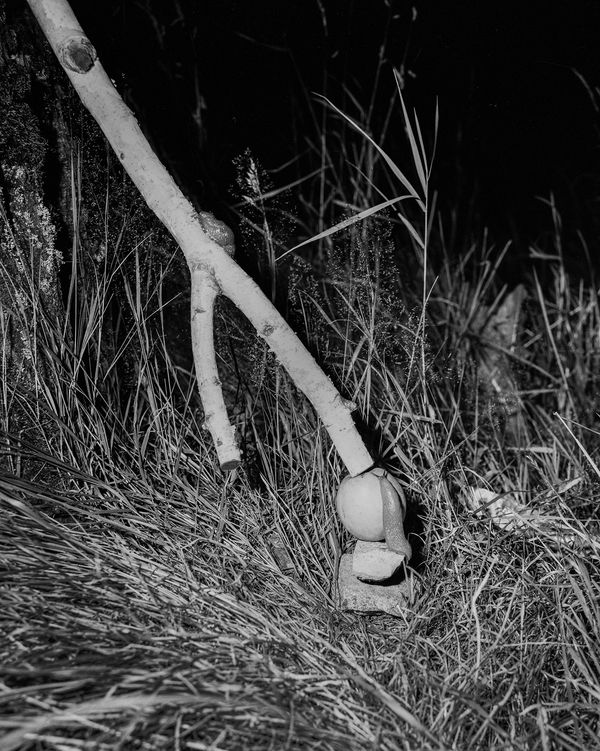
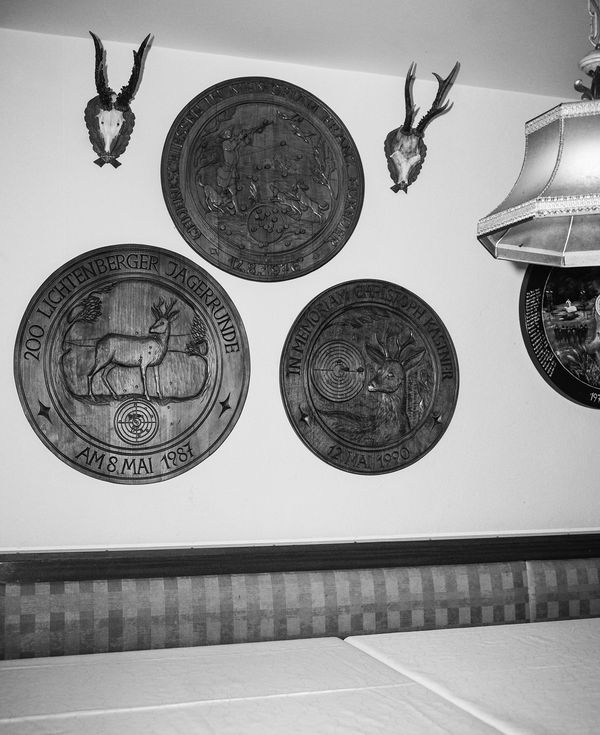
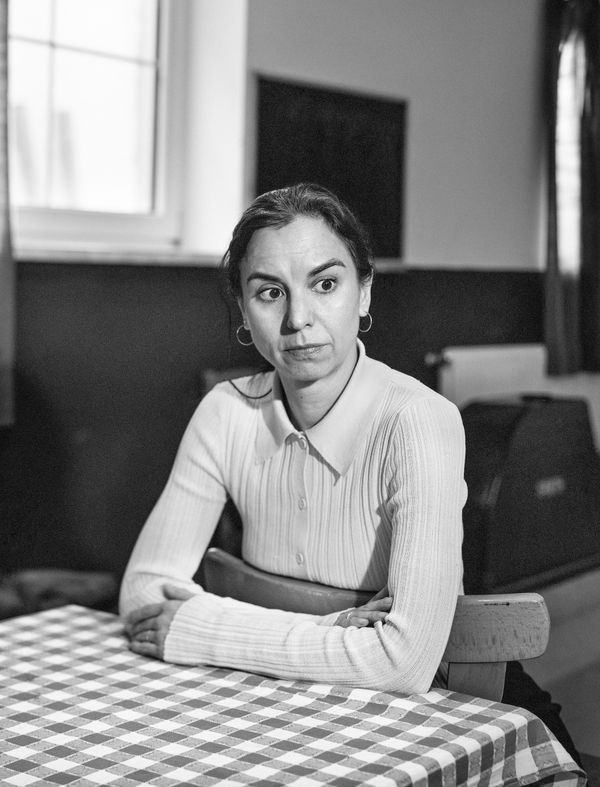
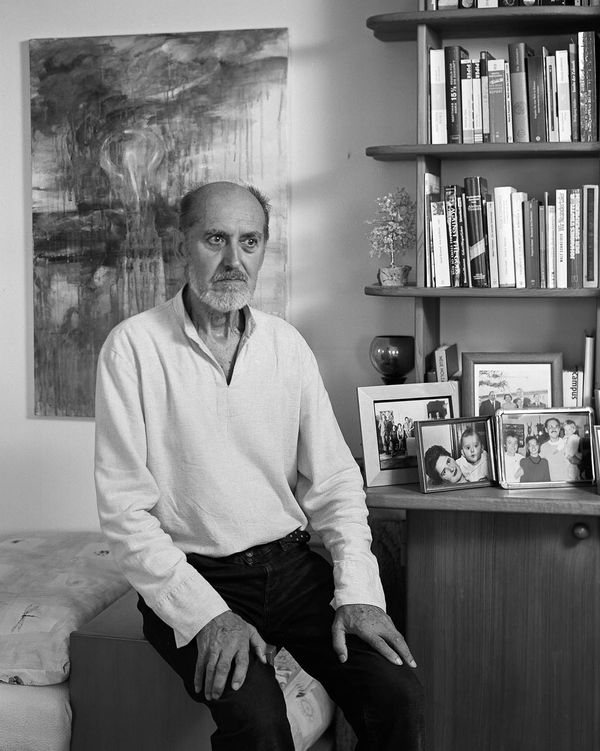
Vorort is a series of black-and-white photographs merging Austrian village life in the town where I now live with memories of growing up in United States suburbia. My work builds a fictional world drawn from both settings, blurring past and present, memory and observation. Through a combination of portraits of neighbors, spontaneous flash photographs, and staged scenes with actors, I explore themes of loneliness, isolation, and belonging.
Title
In German, the word Vorort refers to a residential area on the outskirts of a city and is roughly equivalent to the English term “suburb”. Its origin lies in Old High German, combining the words vor (in front of) and Ort (place). When separated into its root words, vor Ort, the meaning shifts to describe being “on site” or “live from the scene.” This expression, now common in journalistic language, can be traced back to Alpine mining terminology, where Ort referred to the working point of a mine. Depending on how it is read, it implies both a geographic location and an embedded, on-the-ground perspective—suggesting that I, too, am reporting “live from the scene.”
Background
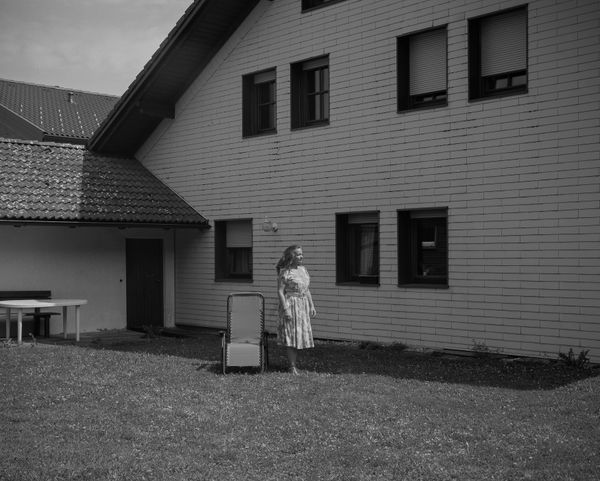
Although I have lived in Austria for many years, moving to a small rural town coincided with the start of my MFA program. I began exploring my new surroundings by intuitively photographing the landscape and observing daily life. Aware of how private Austrians can be, I was initially hesitant to approach my neighbors for portraits, fearing I might alienate them before building any trust. Instead, I began by hiring actors I found through local film clubs. These actors traveled to my town and posed in various locations as though they were locals—sometimes staging them in neighbors’ backyards when granted permission.
Approach
I photograph my own neighbors in their homes or around the village, while also creating staged setups with actors, including lookalikes. Drawing on my background as an Art Director, I was drawn to photographers who incorporated visual strategies borrowed from commercial contexts into their art practice—particularly the use of stylized lighting. Using a large-format camera slowed the process, demanding careful preparation and heightening the tension in staged scenes. The resulting images feel both constructed and candid, blurring the ways in which images can be interpreted and creating a subtle sense of the uncanny.
Through working on this project over the past two years, I have slowly been able to build my own fictional world–one in which my past and present intersect and inform one another. Long-term projects are rarely static and what began as a form of reportage–an attempt to observe and record my new surroundings as an outsider–gradually transformed into something more introspective and constructed. I became less of a stranger and integrated myself into the small community. Yet, many of the figures I photographed appeared withdrawn or suspended in thought, even after I had achieved a sense of belonging in my new surroundings.
I began to realize that these fictionalized scenarios were not solely about the town I now live in, but about the merging of two places—my current neighborhood had become entangled with the memories of American suburbia which triggered latent fears of not fitting in. Staging became a way to collapse that distance and build a fictional town drawn from both settings–blurring past and present and memory with observation. This imagined space becomes a vehicle for navigating my own fears of isolation, belonging and unresolved emotions, ultimately revealing just how fluid the boundary between memory and observation can be.