Virgin Soap
-
Dates2023 - Ongoing
-
Author
In her new body of work, Virgin Soap, Polish-American artist Ilona Szwarc toys with power dynamics, photographing herself in the act of casting a lookalike model’s torso in silicone and plaster. Virgin Soap builds on Szwarc’s long-standing fascination wit
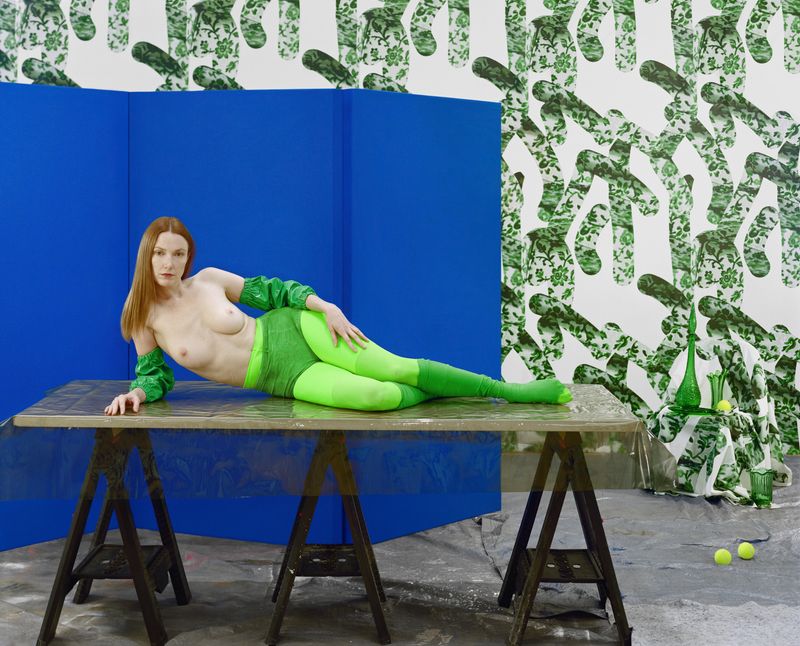
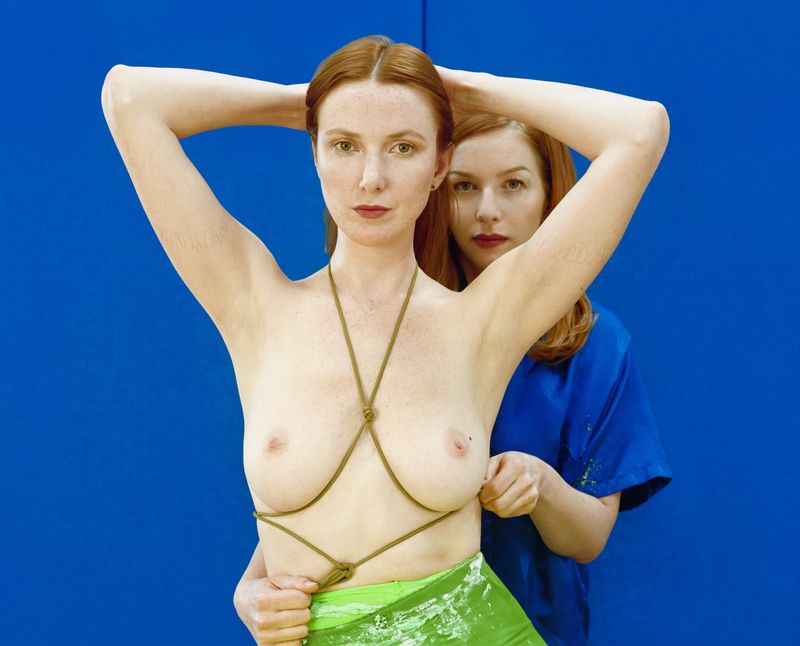
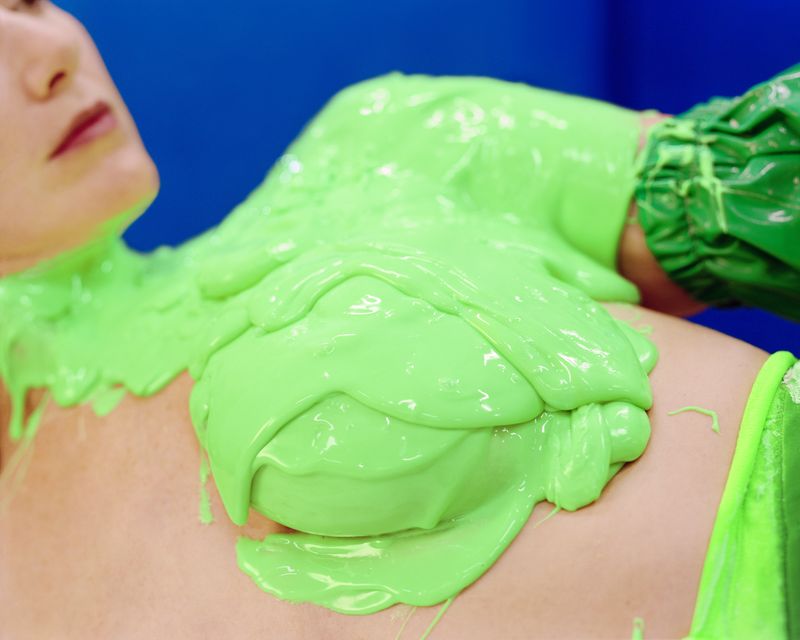
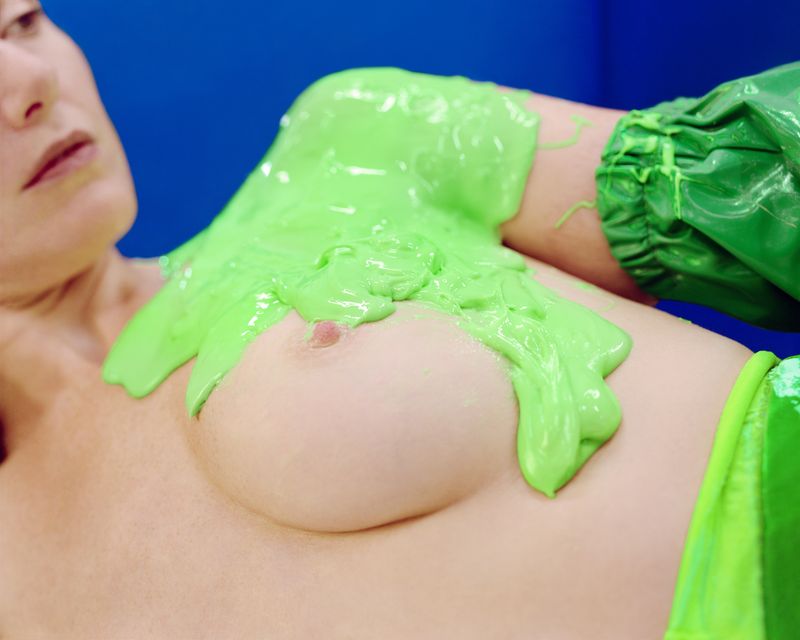
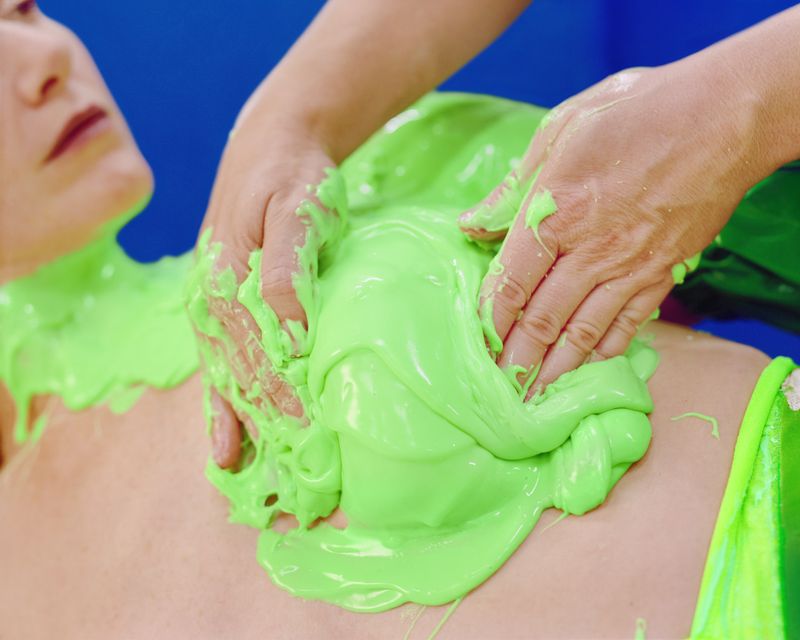
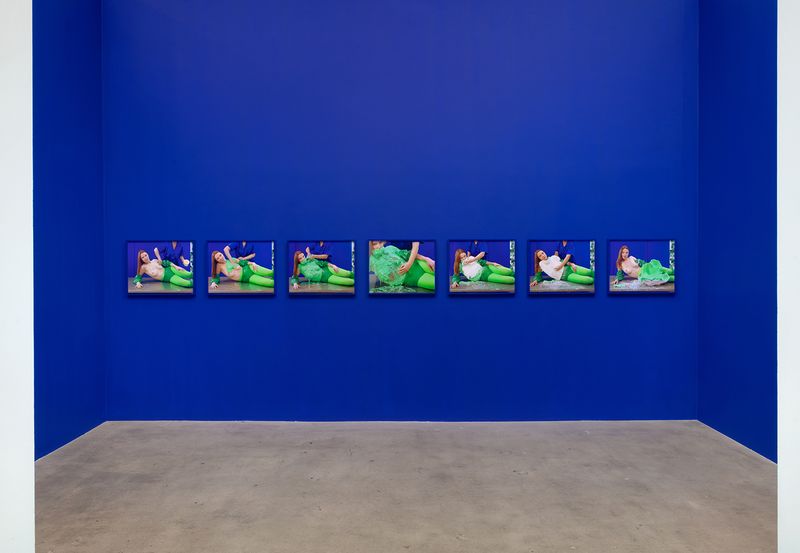
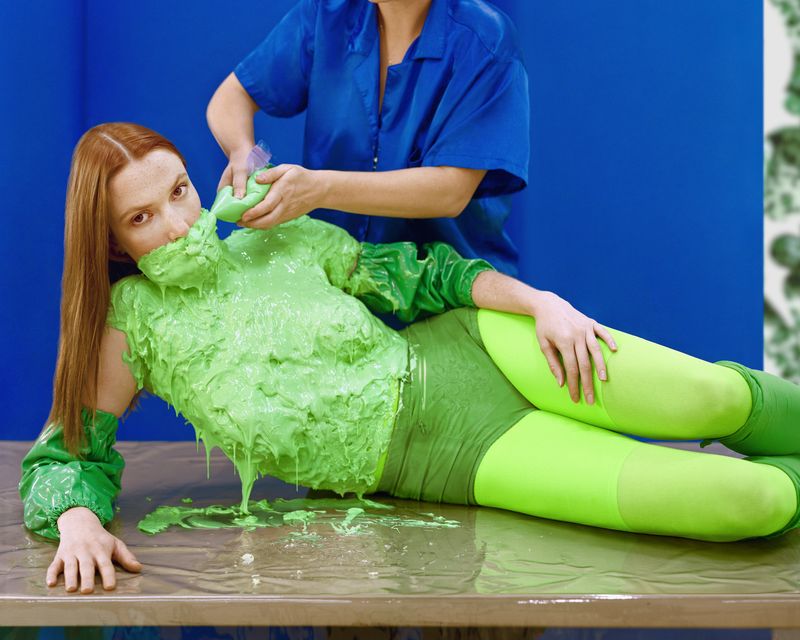
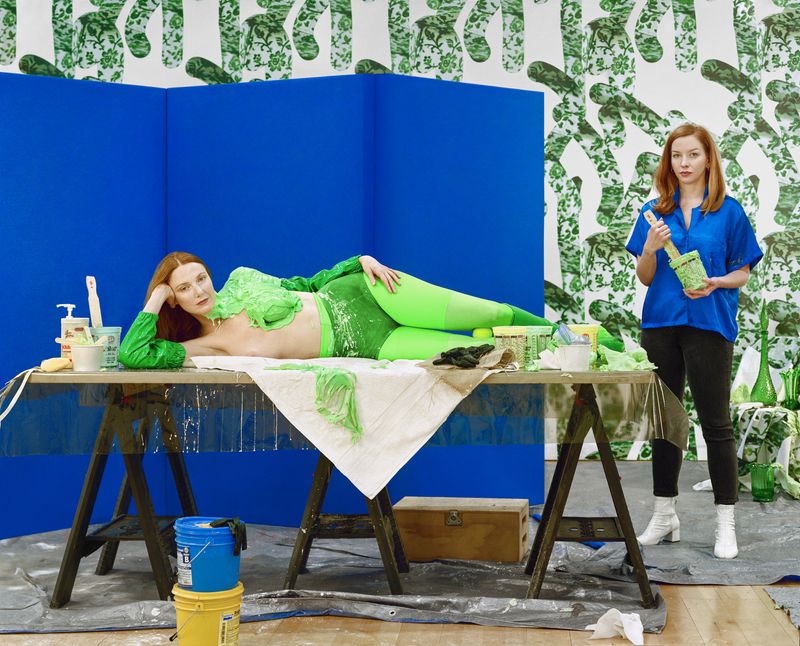
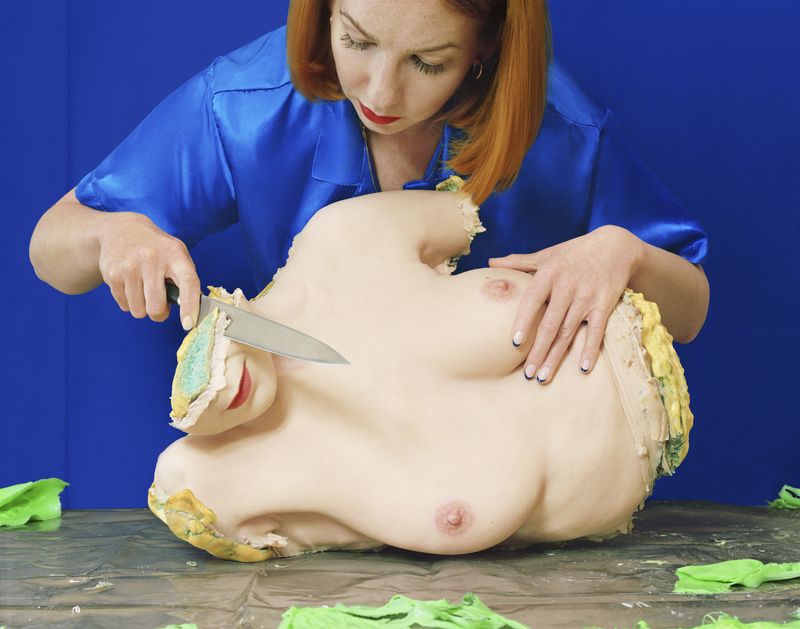
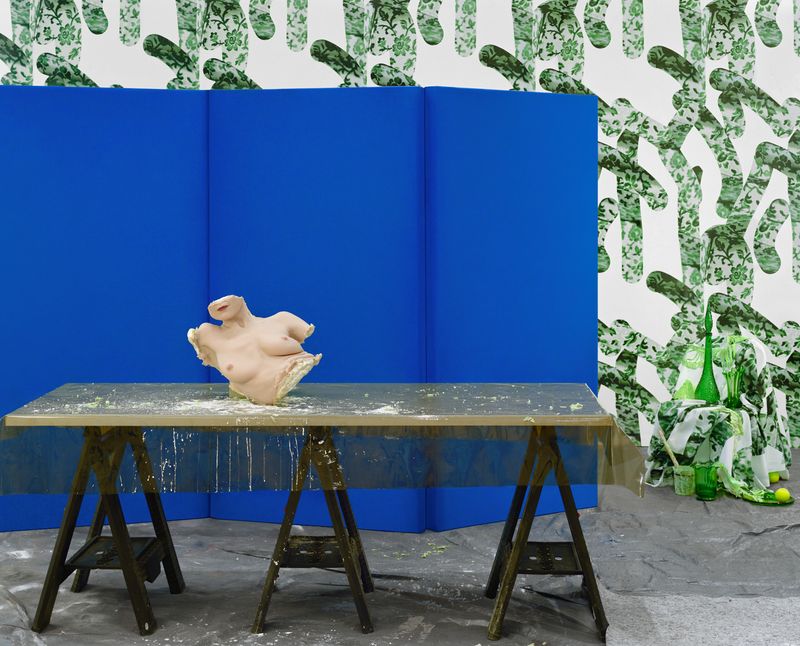
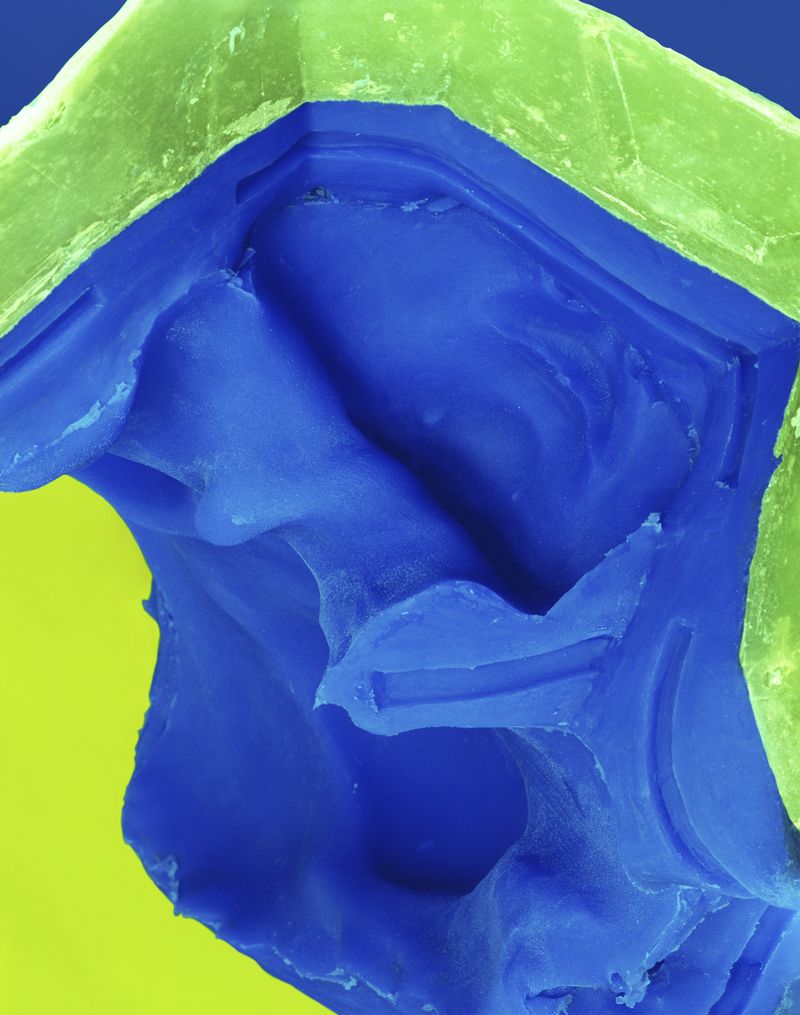
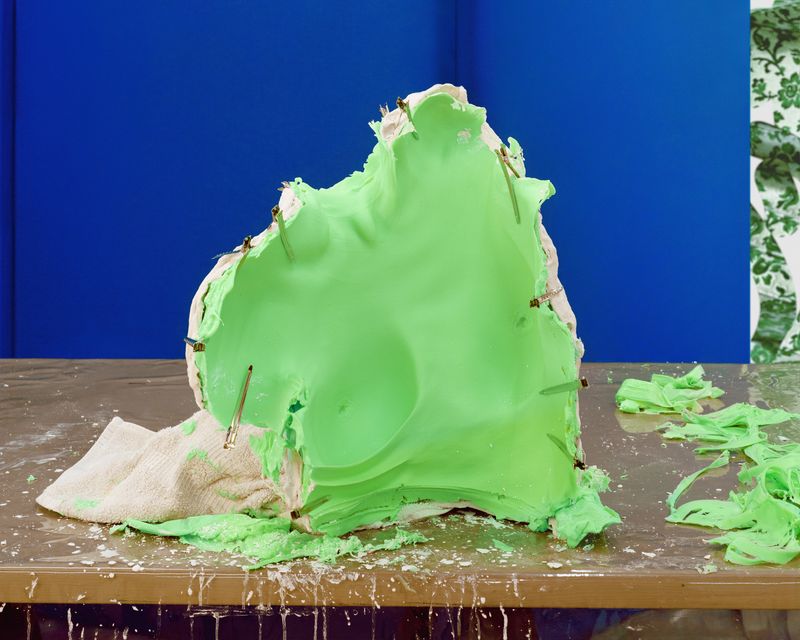
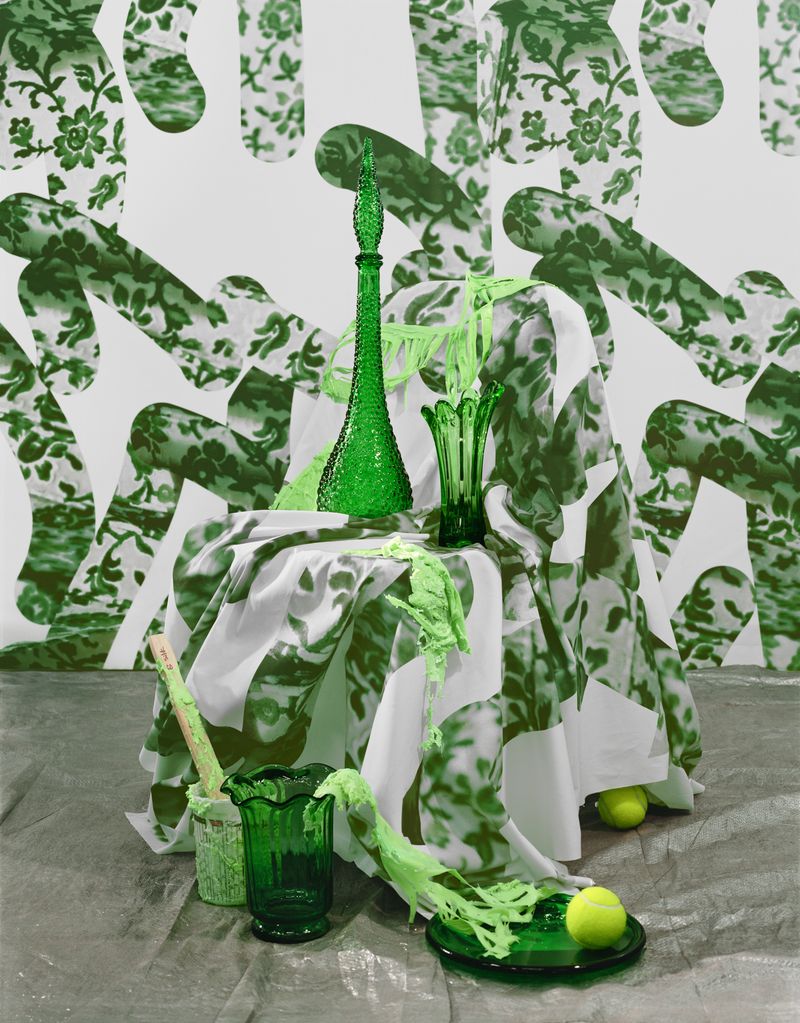
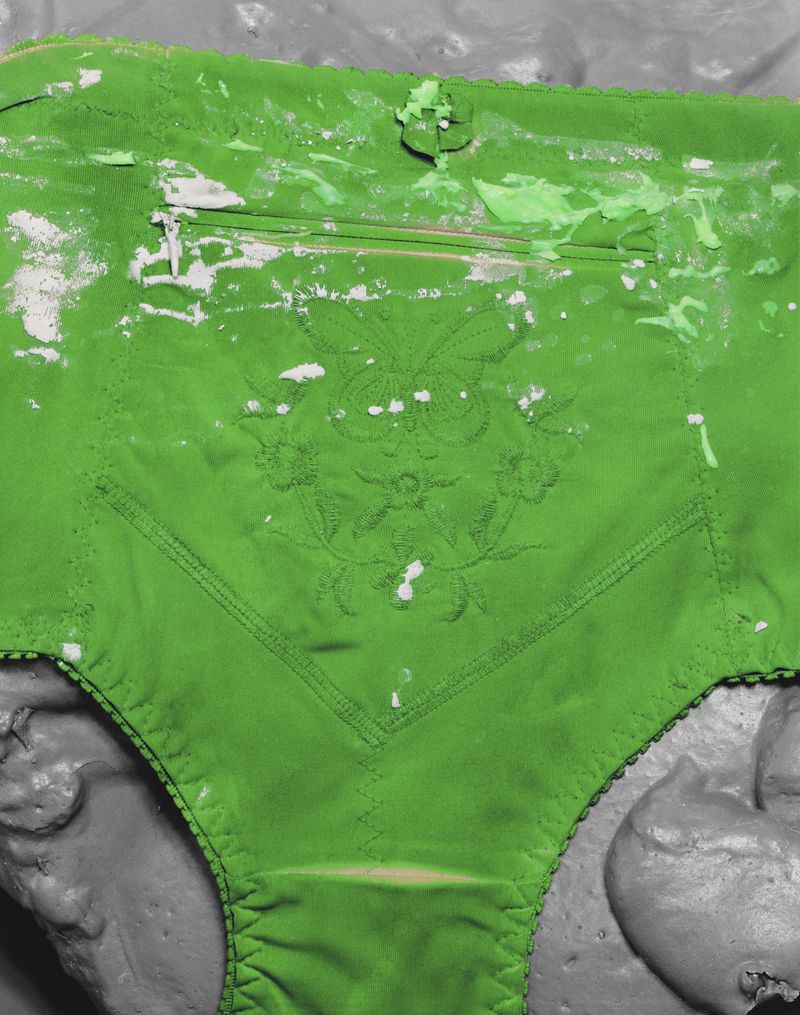
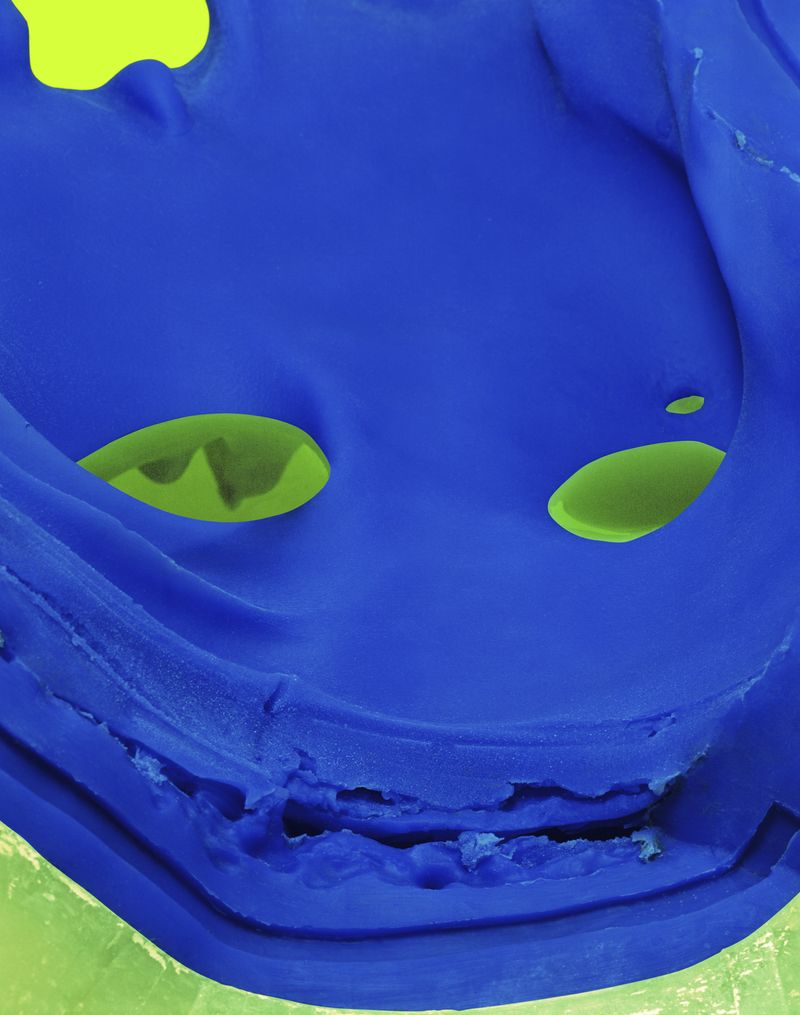
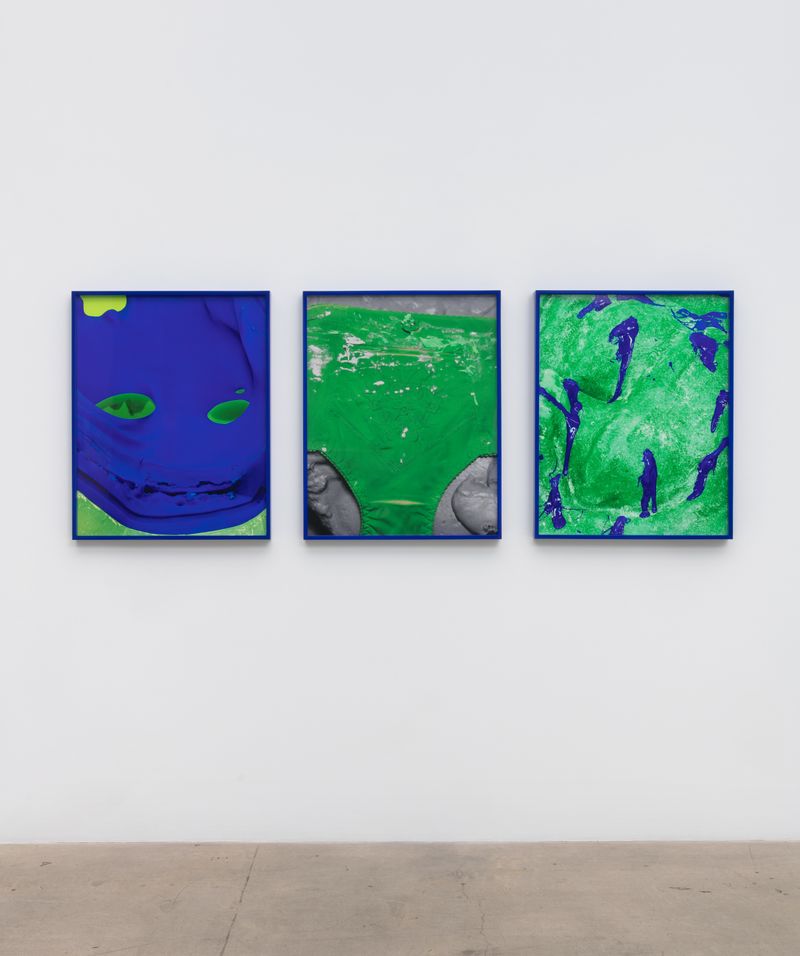
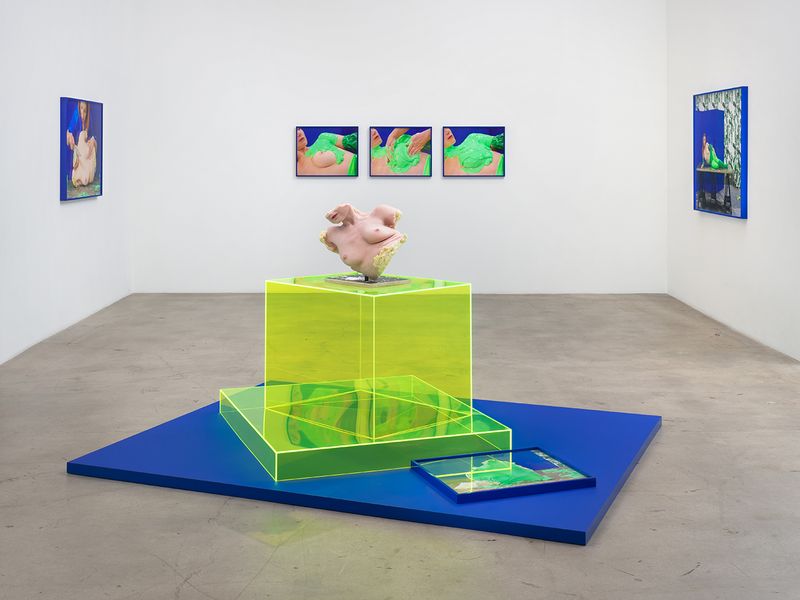
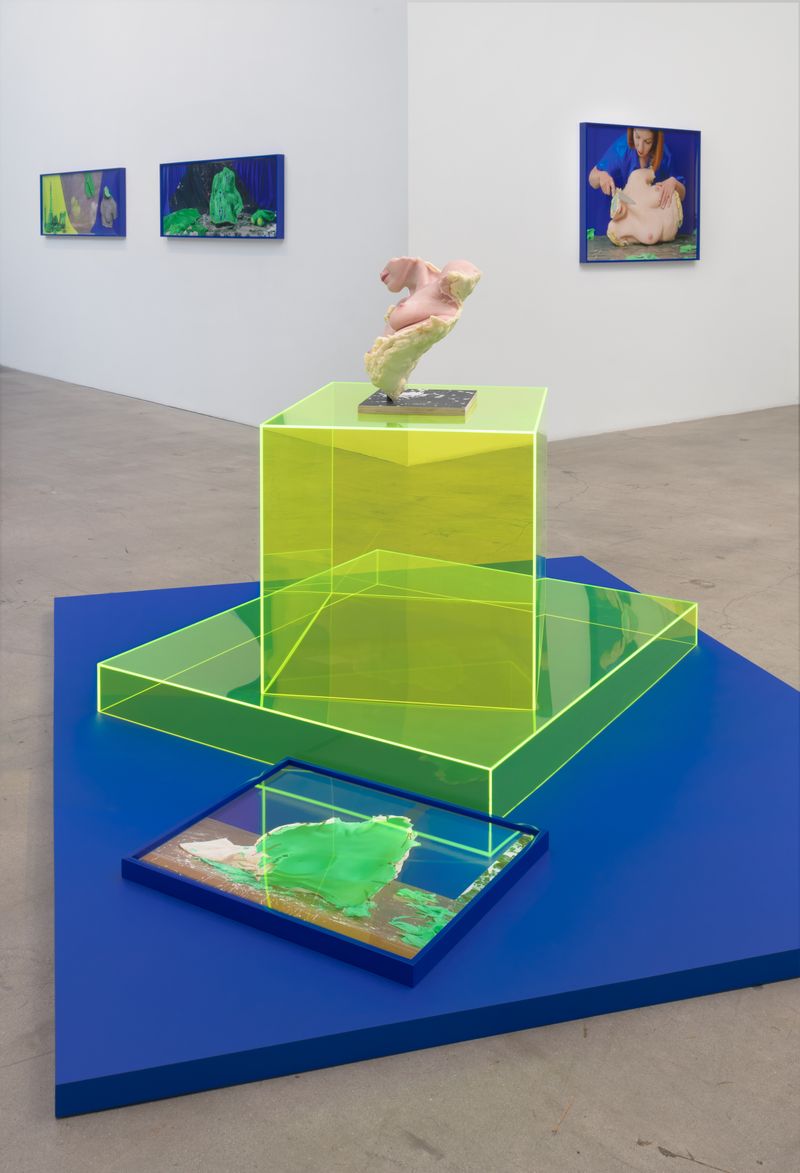
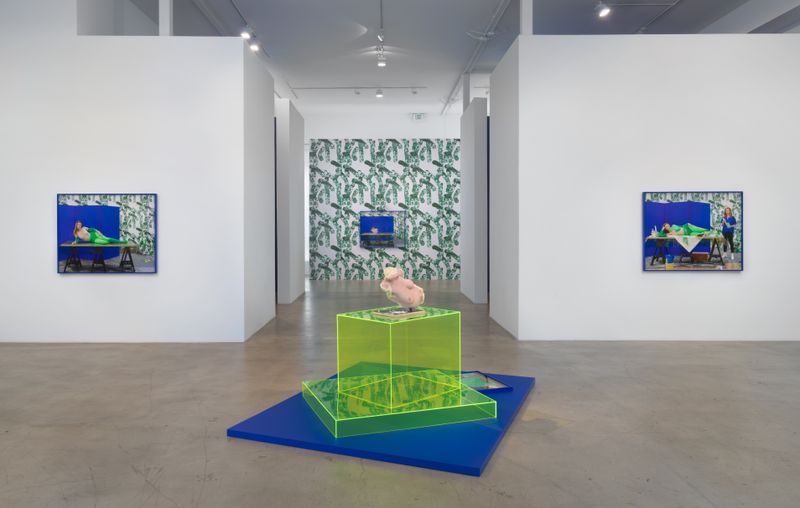
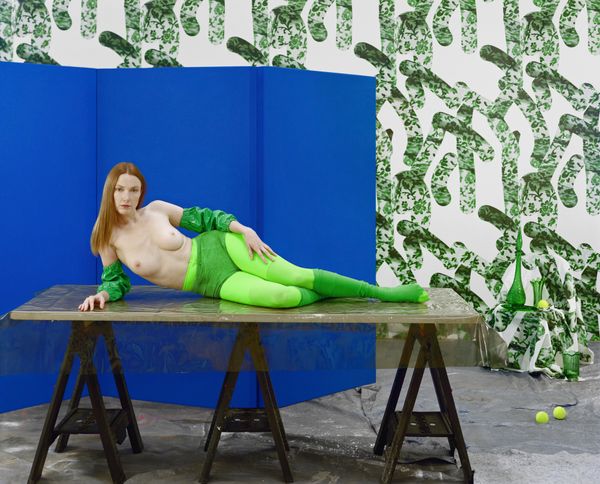
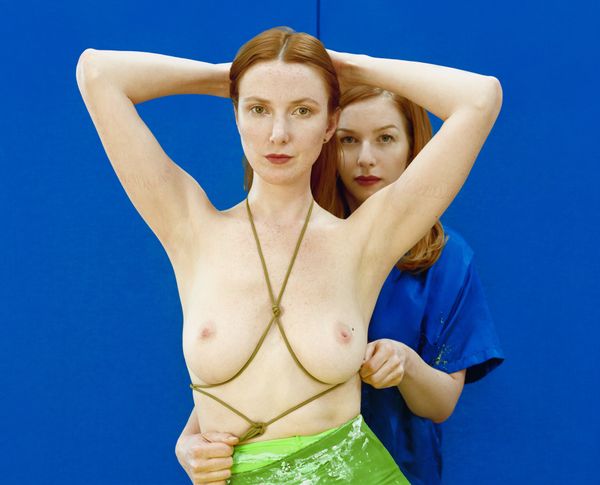
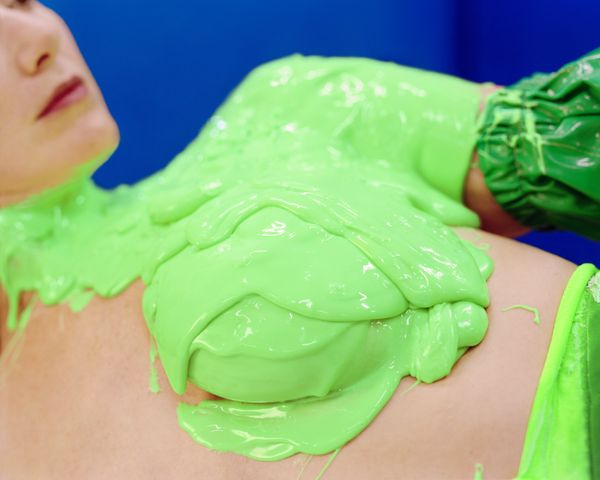
In her new body of work, Virgin Soap, Polish-American photographer Ilona Szwarc documents herself casting a model’s torso in silicone and plaster. The model lies prone on a table, her breasts exposed, classically posed against a highly colored backdrop. A perverse tutorial proceeds: Szwarc stands behind the model, a presence at once intimate and coercive. The artist binds her subject’s breasts with laces in order to measure them, then covers the model’s breasts, shoulders, and mouth in green silicone. The title of Virgin Soap is drawn from Charles Simic’s poem, “Breasts”, a devotional in which Simic declares breasts to be “foam on which our hands are cleansed.” In Szwarc’s work, this metaphoric cleansing is both transformational and restrictive: While physically restrained by the plaster, the model challenges the camera with her gaze. Szwarc leaves her to dry. When the rest of the room is cleared, the cast torso remains on the table, surgically pale. In a companion series of images, Szwarc abstracts the raw materials of the casting process, crafting formal still lives that play with the poetics of silicone and fiberglass. Likewise, a couplet of panoramic shots offers an elliptical glance at Szwarc’s process, a view of a world at once decorative and dangerous.
With Virgin Soap, Szwarc draws on her long standing fascination with dopplegangers.
Szwarc could be the model’s sister; they share an uncanny resemblance. The model -- a Russian immigrant whose experience and appearance present an imperfect double of the artist’s own -- is the false subject of Szwarc’s self-portrait. In casting the model’s breasts, Szwarc collaborates with her subject to produce a third doppelganger, a remnant torso that remains after both women have left the frame. Virgin Soap invokes a curious trinity. Two twinned women observe and are observed, are bound by the frame of the photograph and within the drying plaster. This binding process creates a third, abject body. Between all the looking and posing and waiting, the women have shed something -- an object borne of the process of objectification. The faceless cast remains, a fragment somehow more feminine than artist or subject.
As a female photographer with a focus on self-portraiture, Szwarc plays the voyeur of her own experience. As an immigrant to the United States whose identity was reformed around another language and home, Szwarc is familiar with what it means to observe oneself; to see oneself clearly through gaps produced by an unfamiliar familiarity. Szwarc is cognizant of the power dynamics inherent in the process of witnessing oneself. Like the plaster torso cast in Virgin Soap, Szwarc’s photographic work is a kind of third body, an object shed in the irreconcilable moments of womanhood and an immigrant experience.
Szwarc’s photographic work is concerned with rendering her experience visible in a way impossible in language. In Virgin Soap, there’s something melancholic about that process. Szwarc plays Pygmalion, unsure where the boundary lies between the real and the fake. But the perfect sculpture she creates is only a fragment. In the final image of the series, a still life -- wildly green wallpaper, a vase, and stray objects from the casting process -- suggests a more vivid representation of life than the art ever could.