Villa Floresta
-
Dates2025 - 2025
-
Author
Villa Floresta intertwines social housing, the appropriation of space, time, and memory. Villa Floresta includes the first houses built in Tijuana in the early 1970s by Thom Mayne—winner of the 2005 Pritzker Architecture Prize—, M. Rotondi, and L. Santini
Villa Floresta is a photographic essay about a housing complex located in Tijuana, designed by architects Thom Mayne—winner of the 2005 Pritzker Architecture Prize—Michael Rotondi, and Livio Santini. The project is considered one of the first works built by Morphosis, the firm founded by Mayne and Rotondi, and is a landmark of modern architecture in Tijuana.
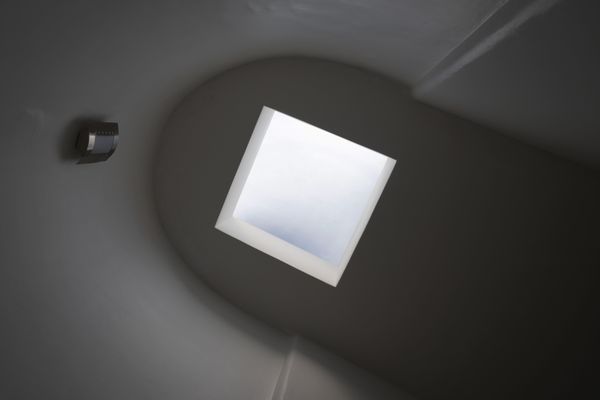
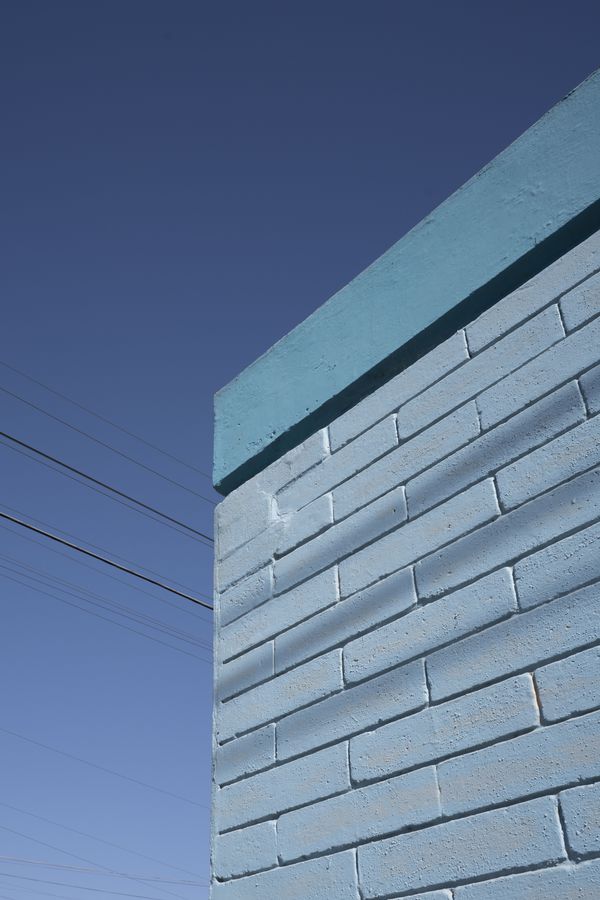
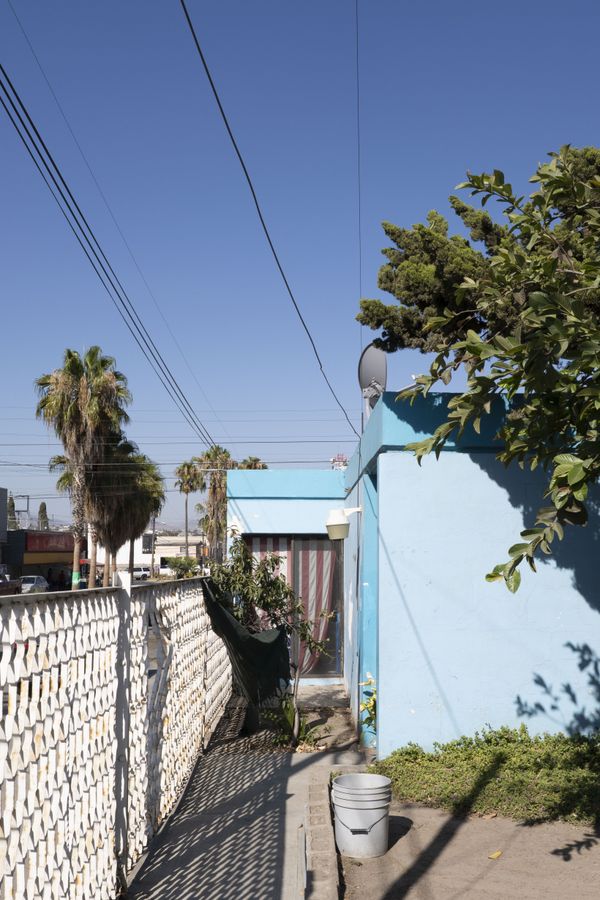
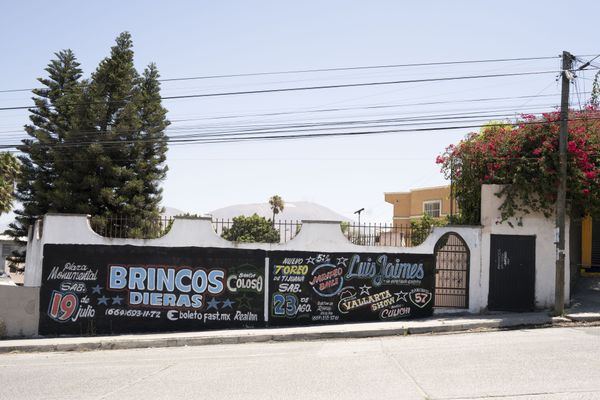
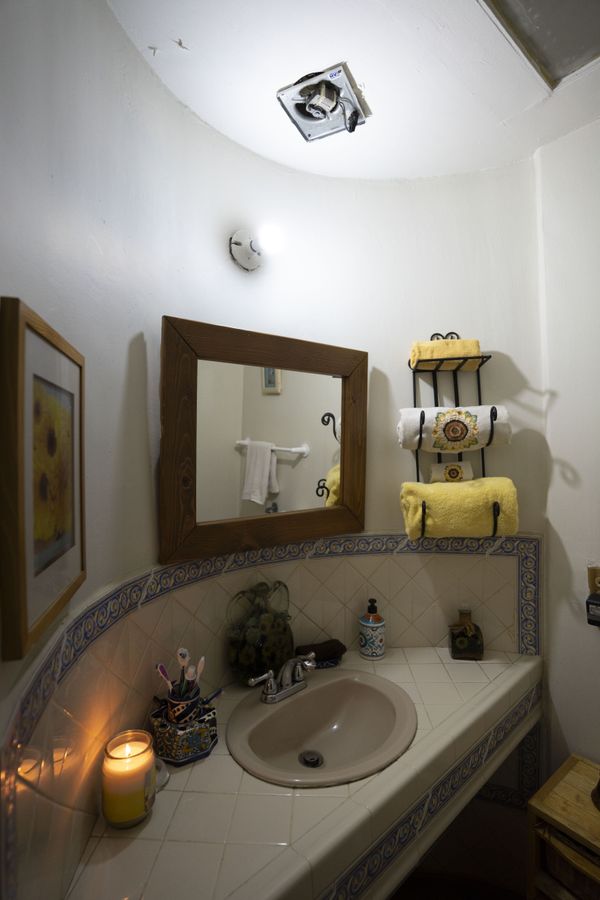
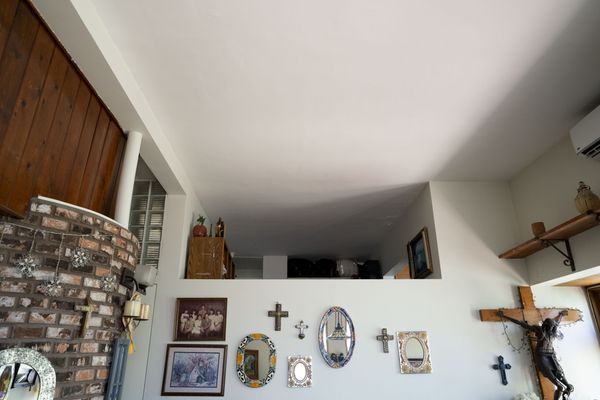
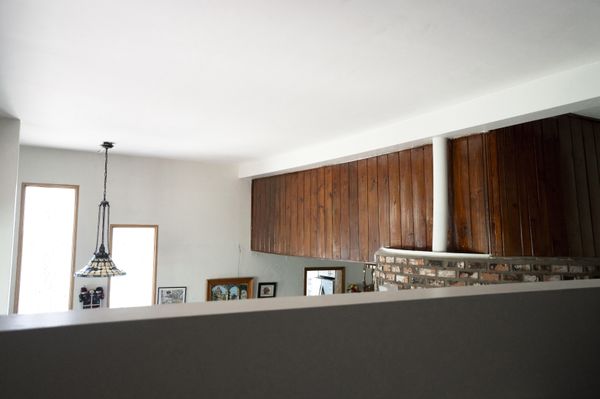
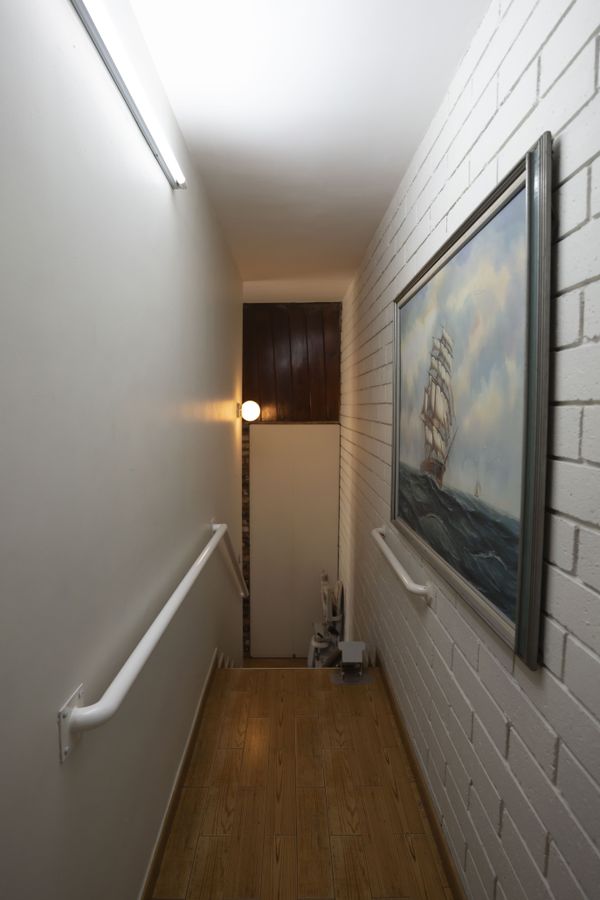
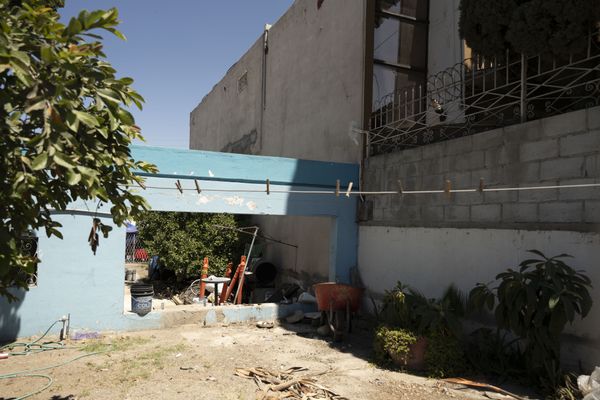
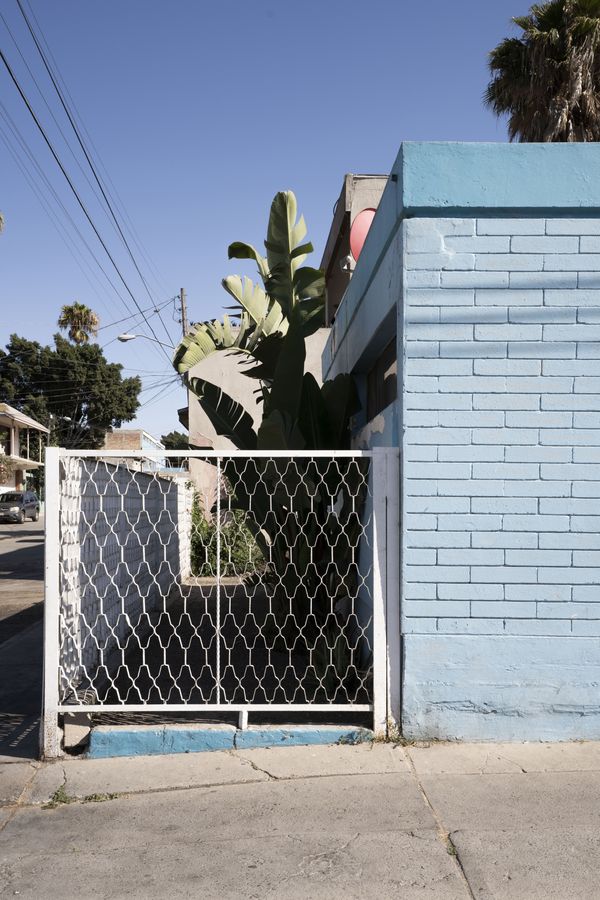
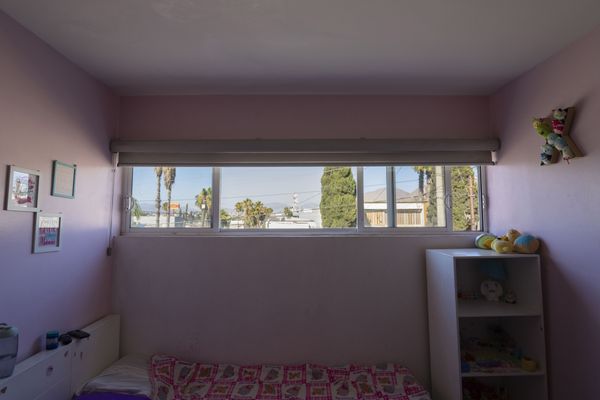
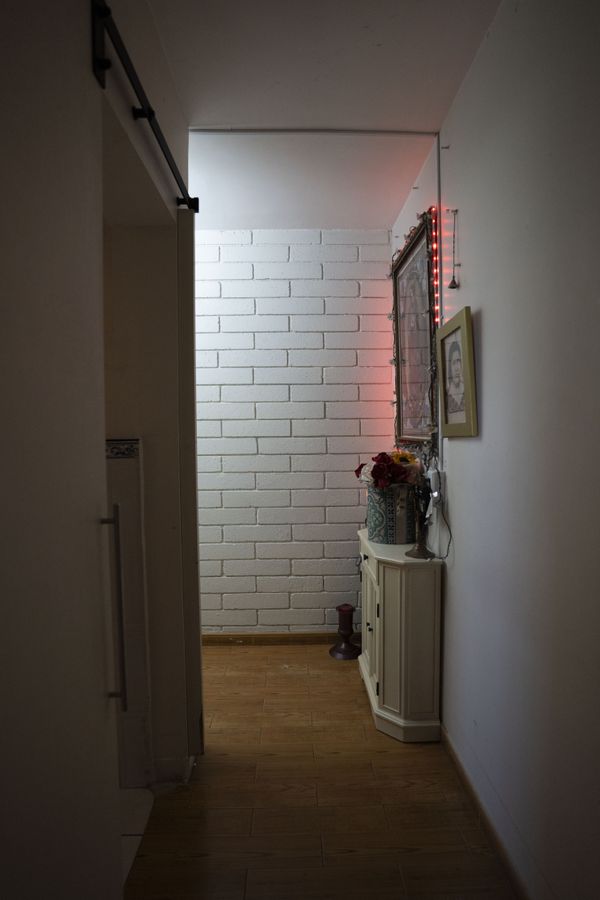
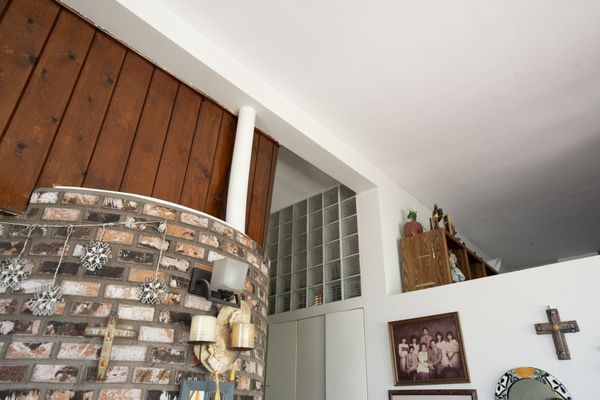
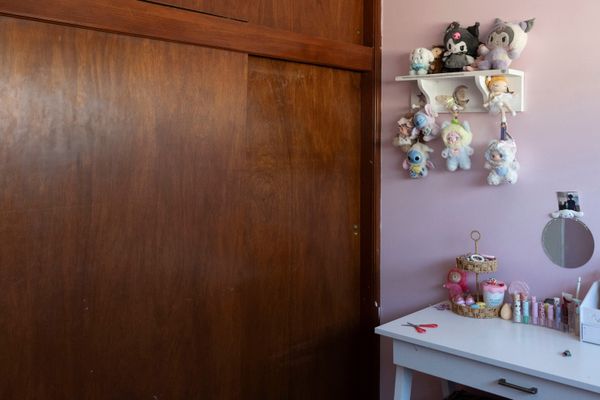
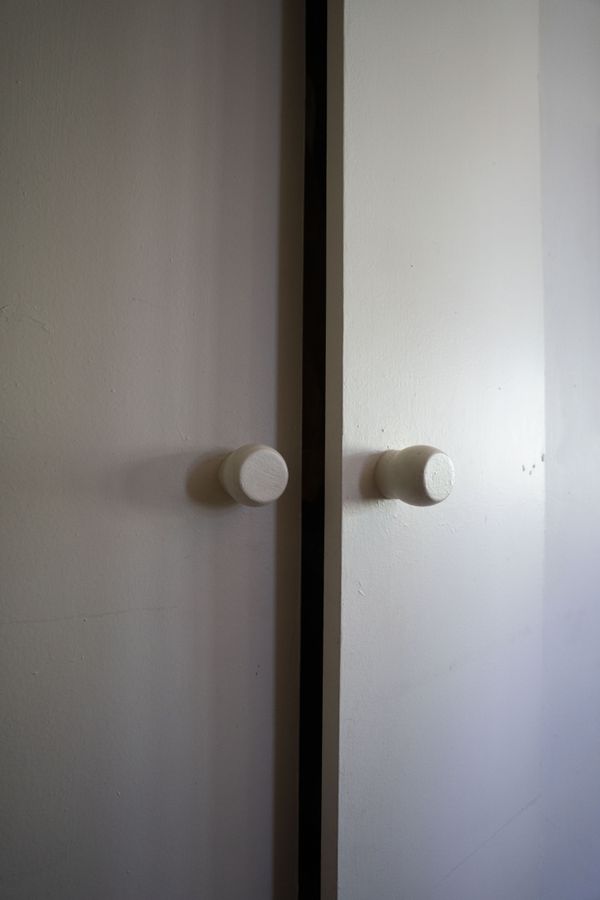
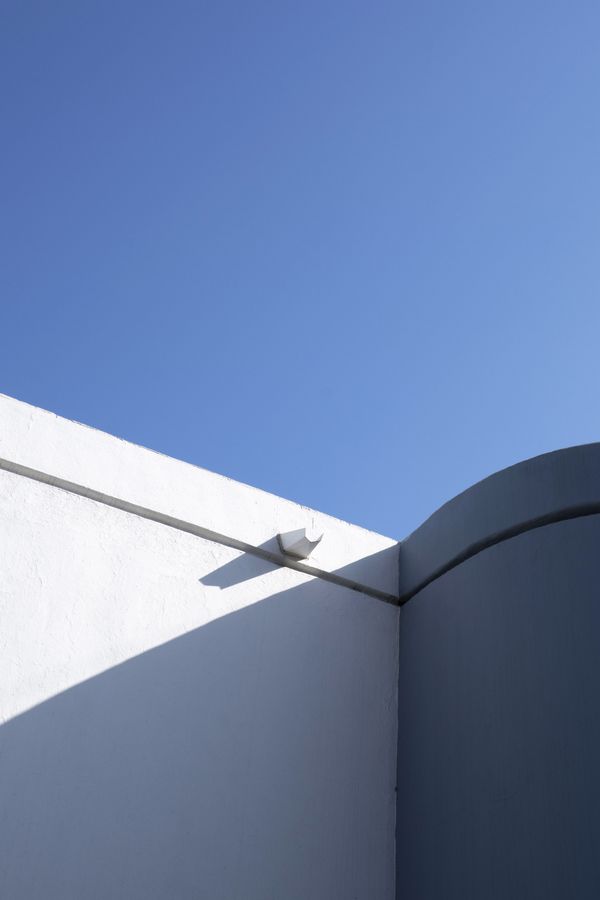
The Villa Floresta photographic series intertwines different perspectives on the relationship between social housing, the appropriation of space, time, and memory. The images document the first houses—originally conceived as model homes—built in the early 1970s. The photographs explore the intimacy of their interiors: inhabited spaces that, over time, have become family homes. The photographed interiors reveal the traces of those who have lived there, as well as the transformations the houses have undergone over the years. In parallel, the series observes the exterior of the houses through their facades, where textures, colors, shapes, and materials function as records of the passage of time. The architectural forms of the exterior reflect the social and avant-garde character of the project, while also offering a glimpse into the image of a city undergoing transformation in the early 1970s. Today, these same forms stand in contrast to the metamorphoses produced by daily contact with its inhabitants.
The photographs of Villa Floresta seek to document and highlight a project fundamental to the history of modern architecture in Tijuana during the 1970s, but also to explore the social and intimate dimensions of housing. The transformation of these houses into homes reveals how architecture is appropriated, modified, and takes on new meanings by its inhabitants, giving rise to a unique identity for the space we inhabit.
The images of Villa Floresta construct a visual archive in which housing appears as a living space, where memory, time, identity, and family converge, as well as the diverse ways in which a community builds, transforms, and inhabits its home.
Some photographs are part of the publication: Villa Floresta. Transborder Living. Edited by Marcel Sánchez and Felipe Orensanz. Publisher: Arquine, 2026.