VIEIRA, Apt 1010
-
Dates2018 - Ongoing
-
Author
- Locations New York, Brazil
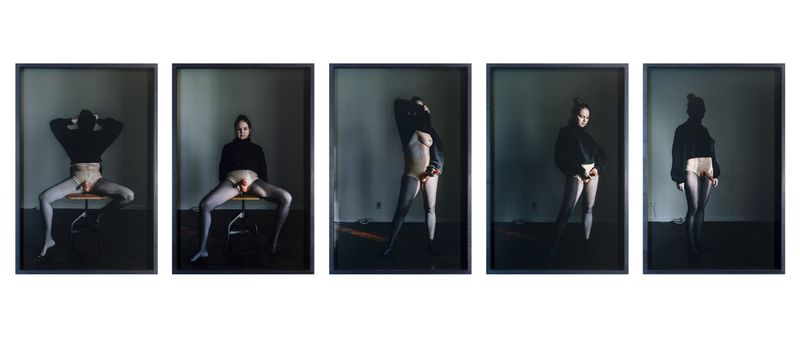
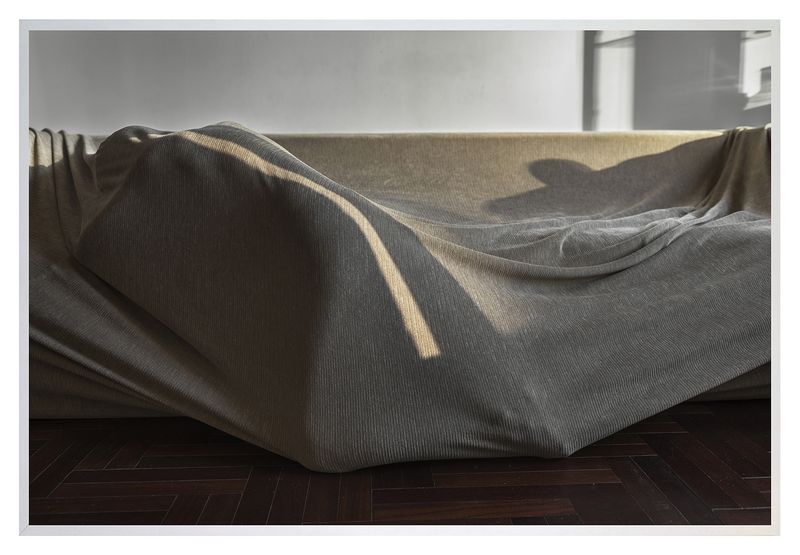
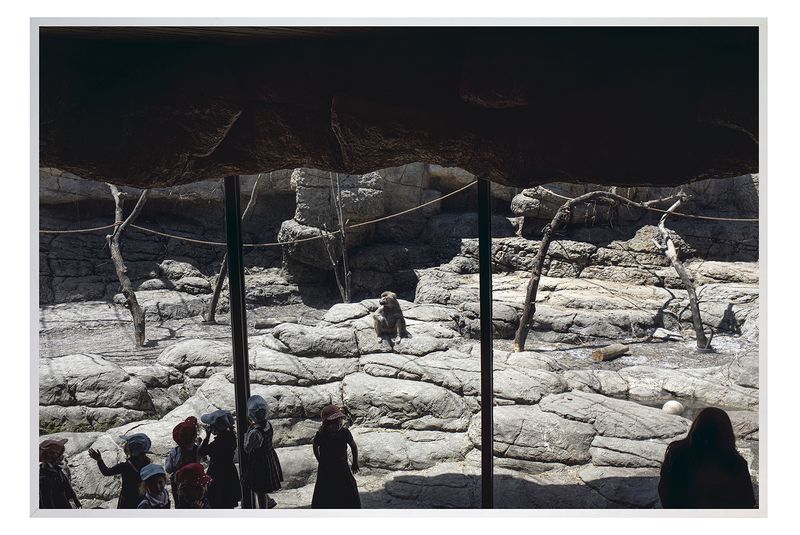
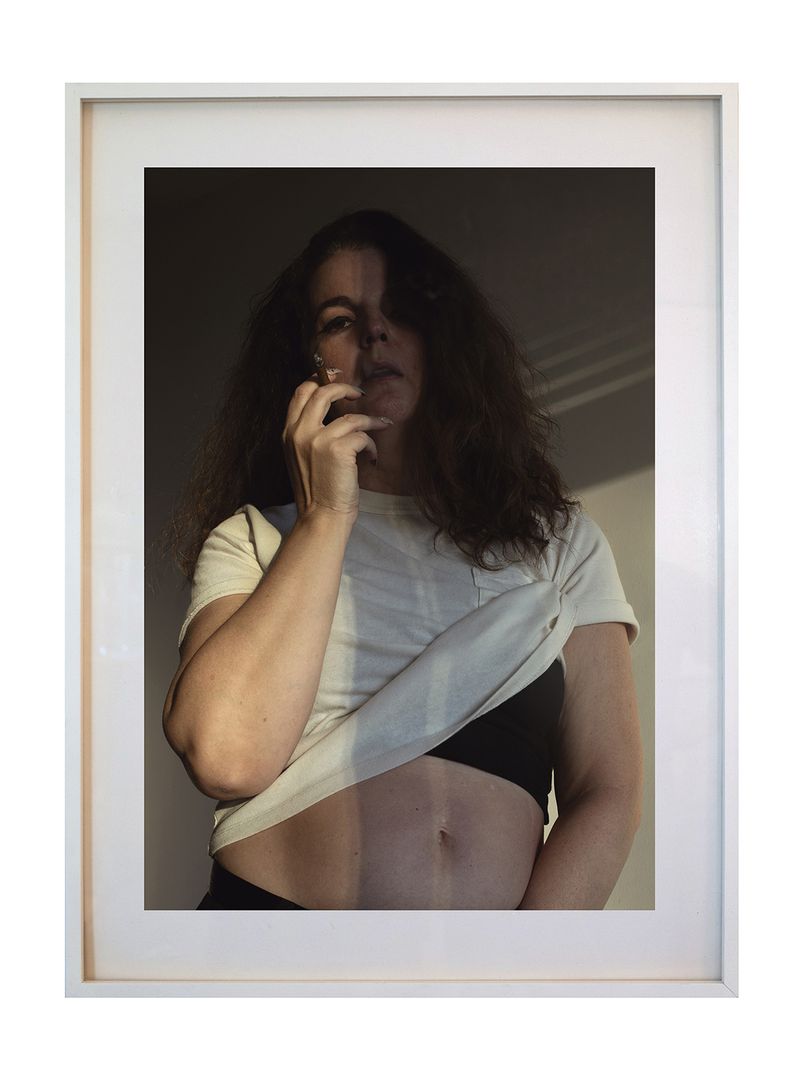
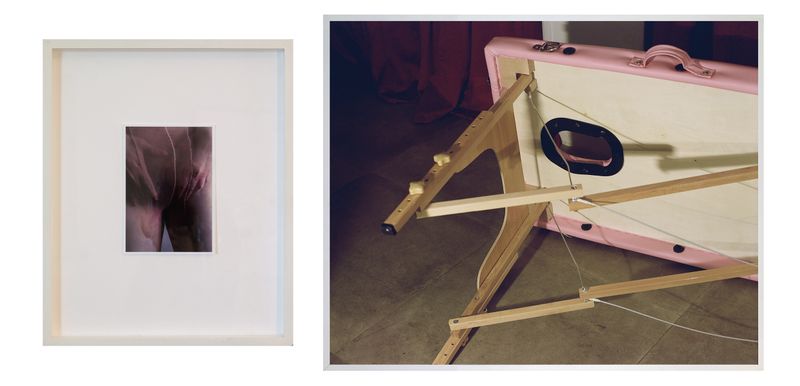
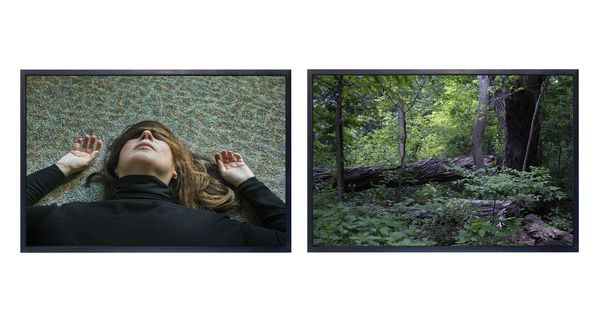
Using strategies of autofiction, my ongoing series ‘VIEIRA, Apt 1010’, an atypical family album, uses my own subjectivity – that of a middle-aged woman raising two sons – to sound out the meaning of womanhood within the social context surrounding me.
Marilia Vieira
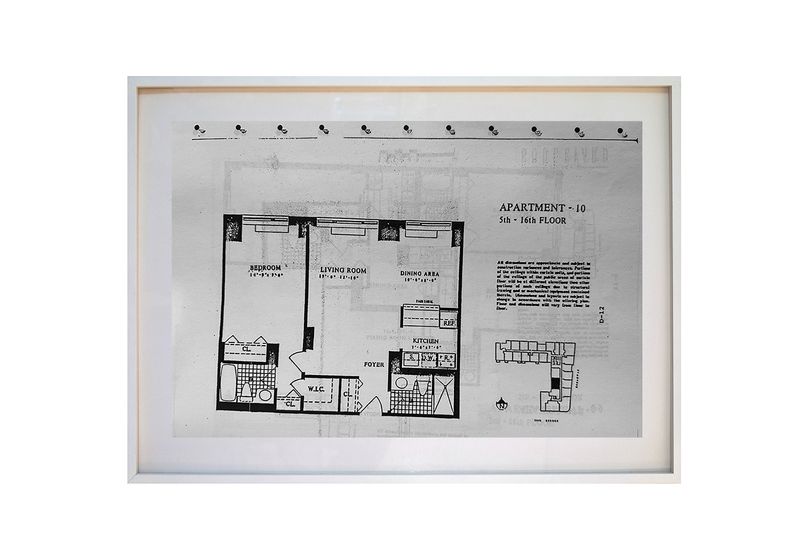
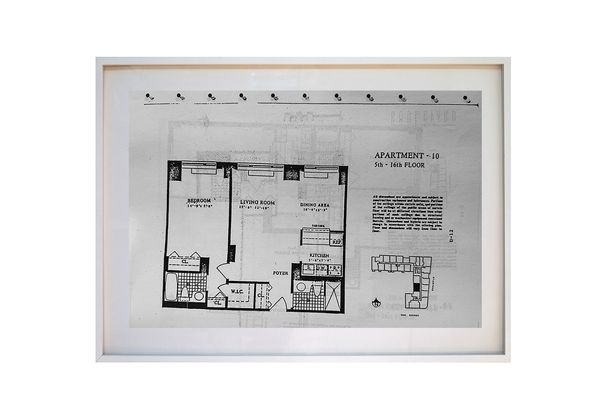
Evoking Chantal Ackerman’s seminal feminist film ‘Jeanne Dielman’, my ongoing series ‘VIEIRA, Apt 1010’ appropriates its title from the site of my own physical residence: a converted single-bedroom apartment on the 10th floor of a high rise on Manhattan’s Upper West Side. It is here that I live with my family, a household of men, or soon to be men – including my husband, age 49, and two sons, 6 and 13. Beyond indexing family name and home, I see this cramped blue print as a stand-in for the psyche, mapping not only my own interiority but also that of my family’s – each member in relation to the other, just as each apartment comprises one part of the building as a whole.
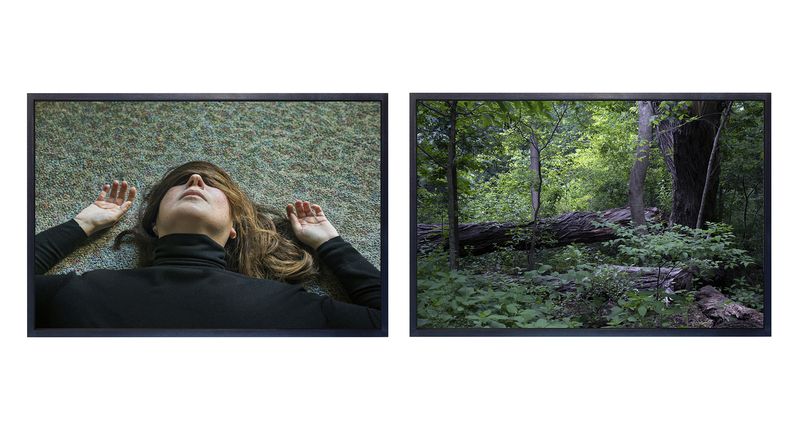
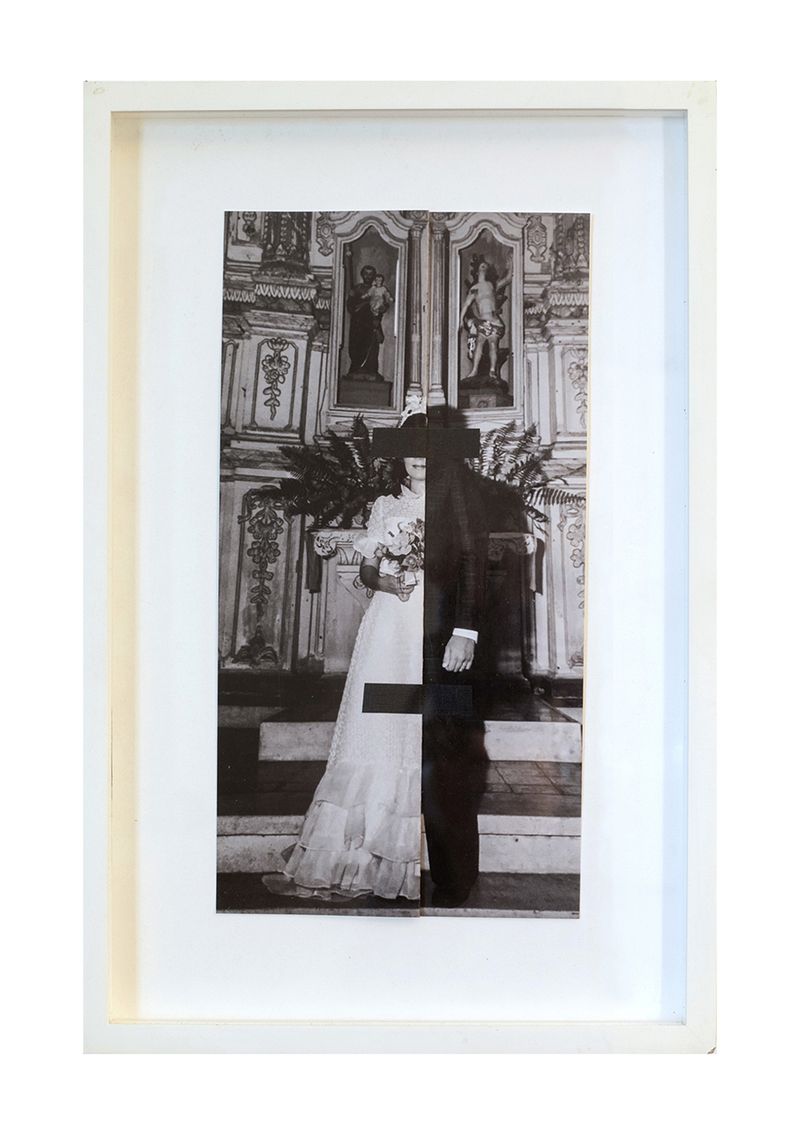
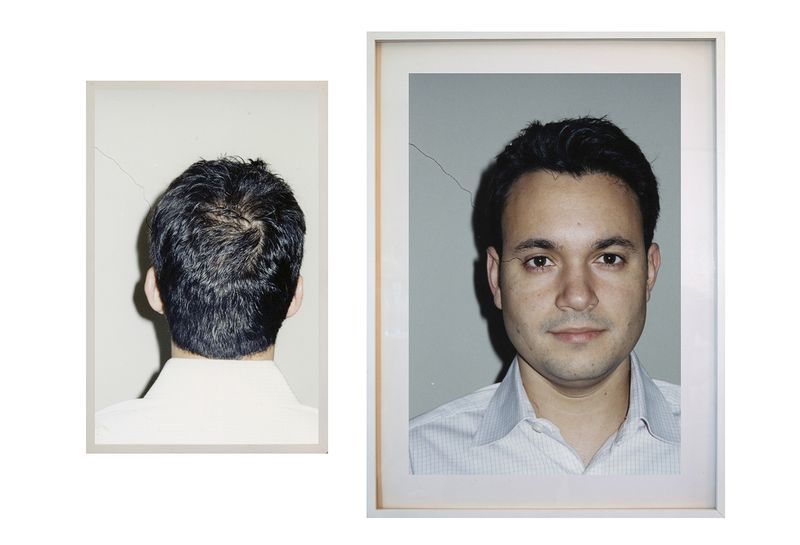
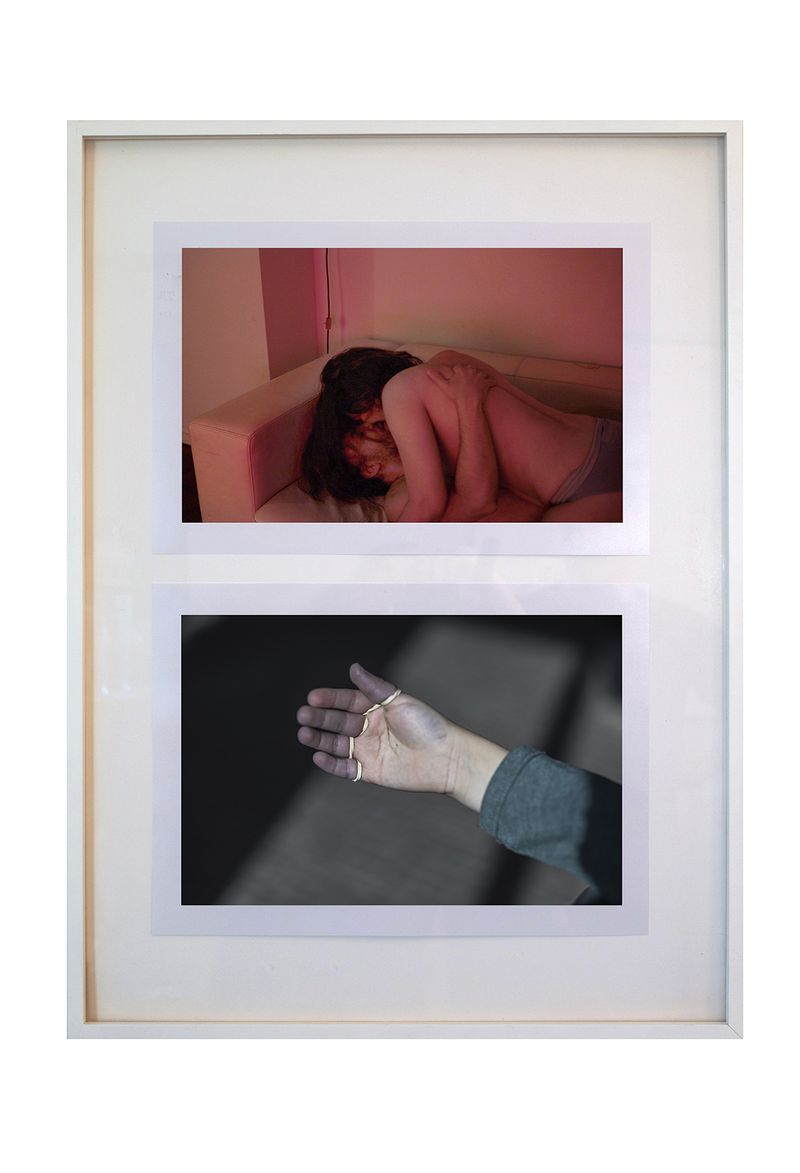
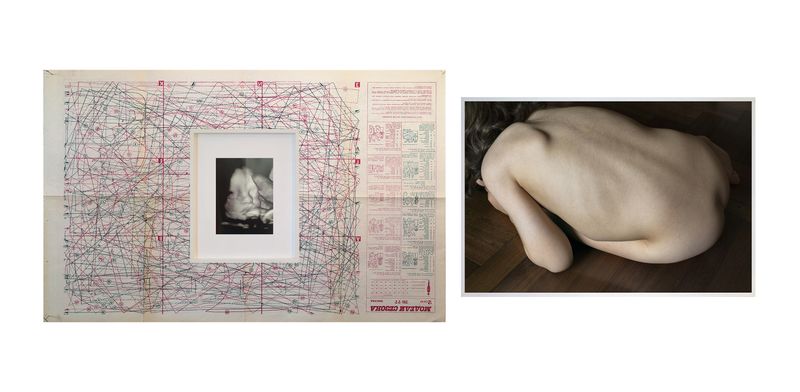
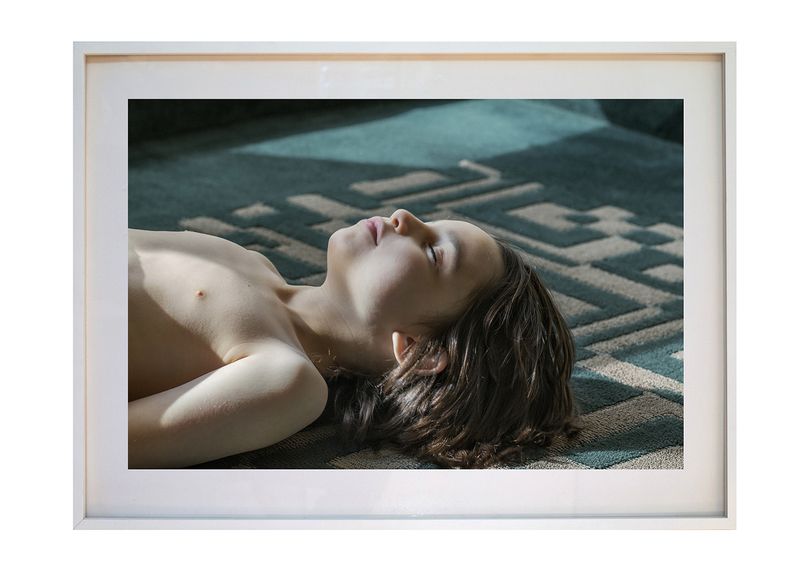
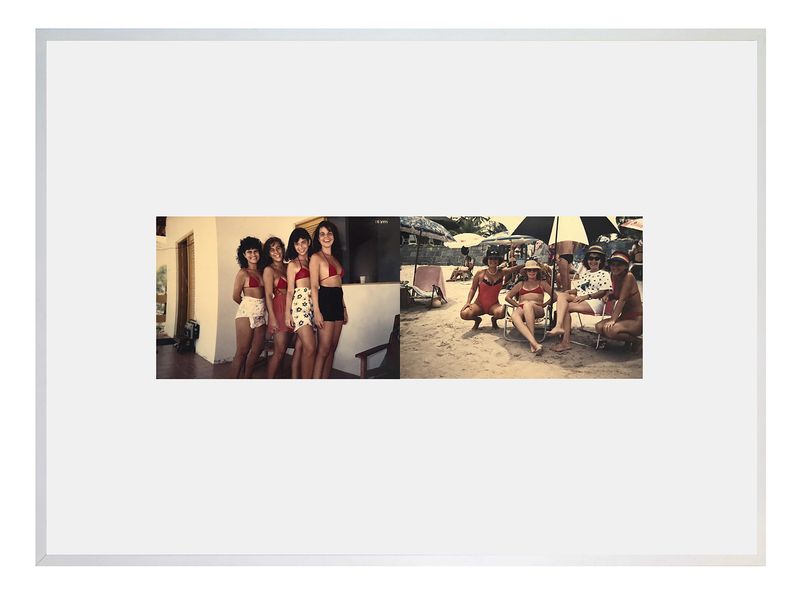
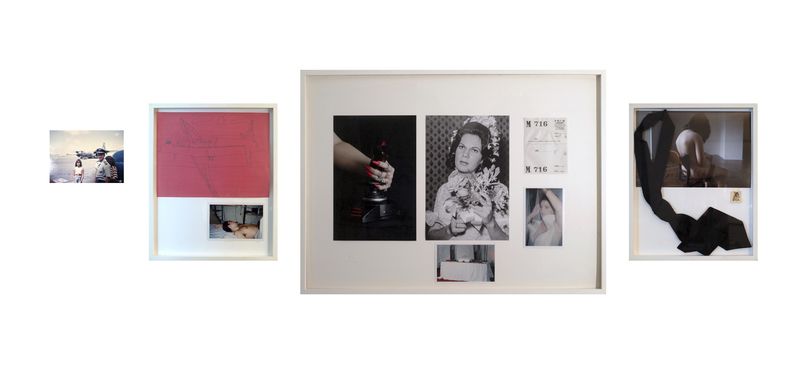
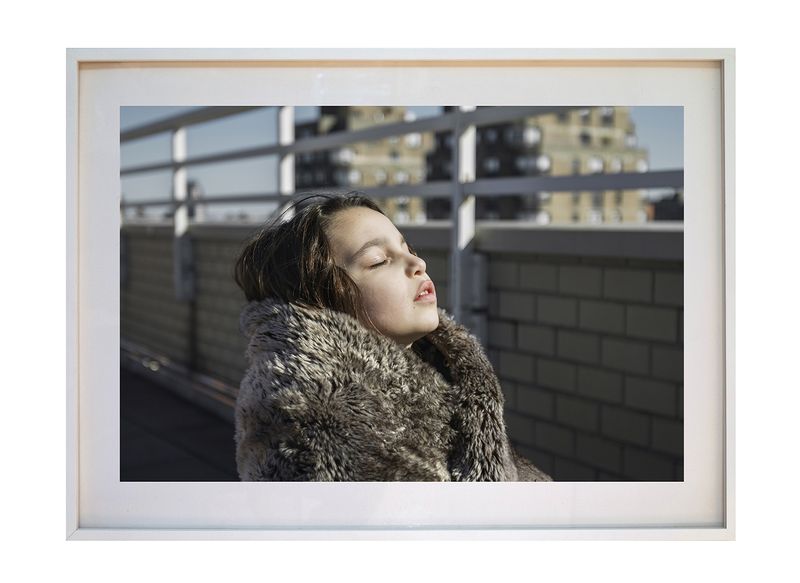
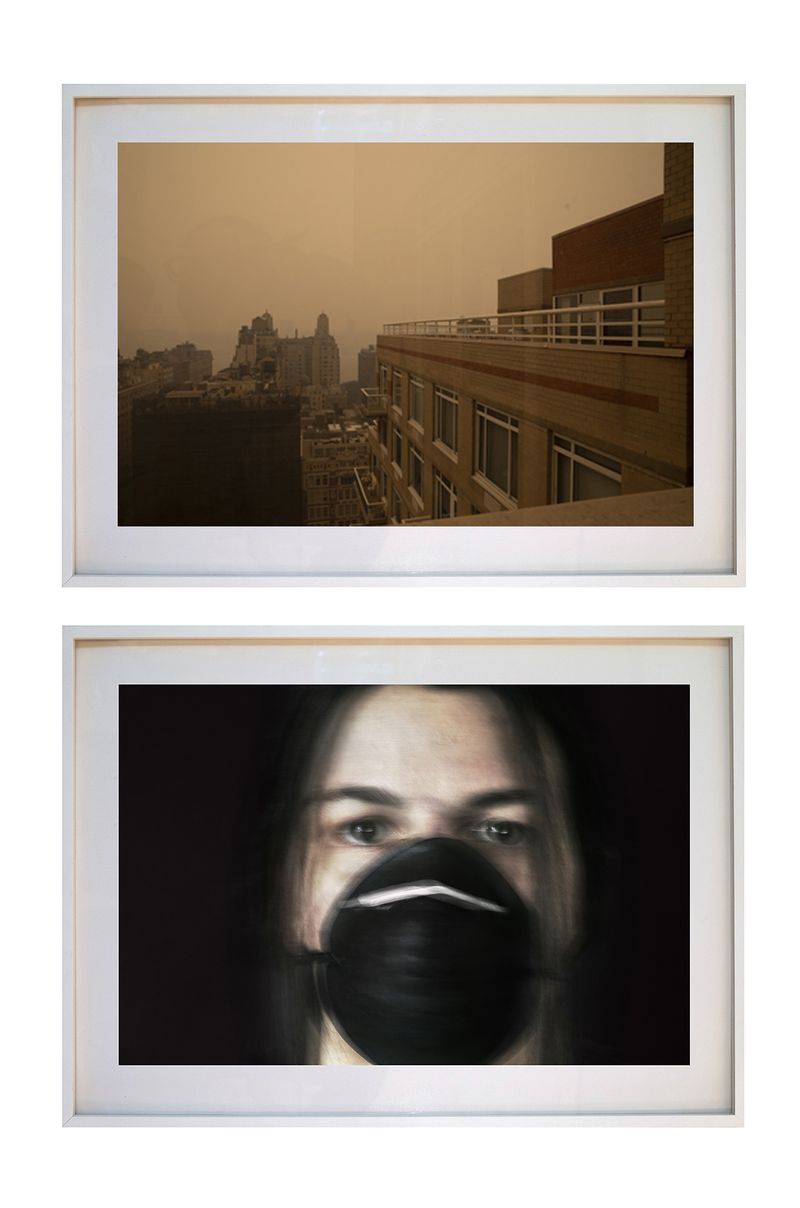
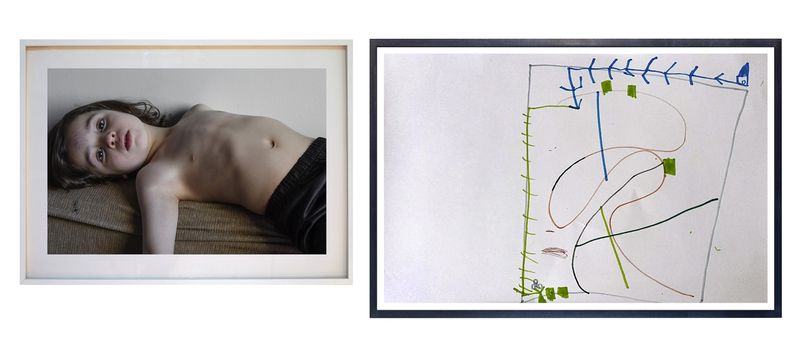
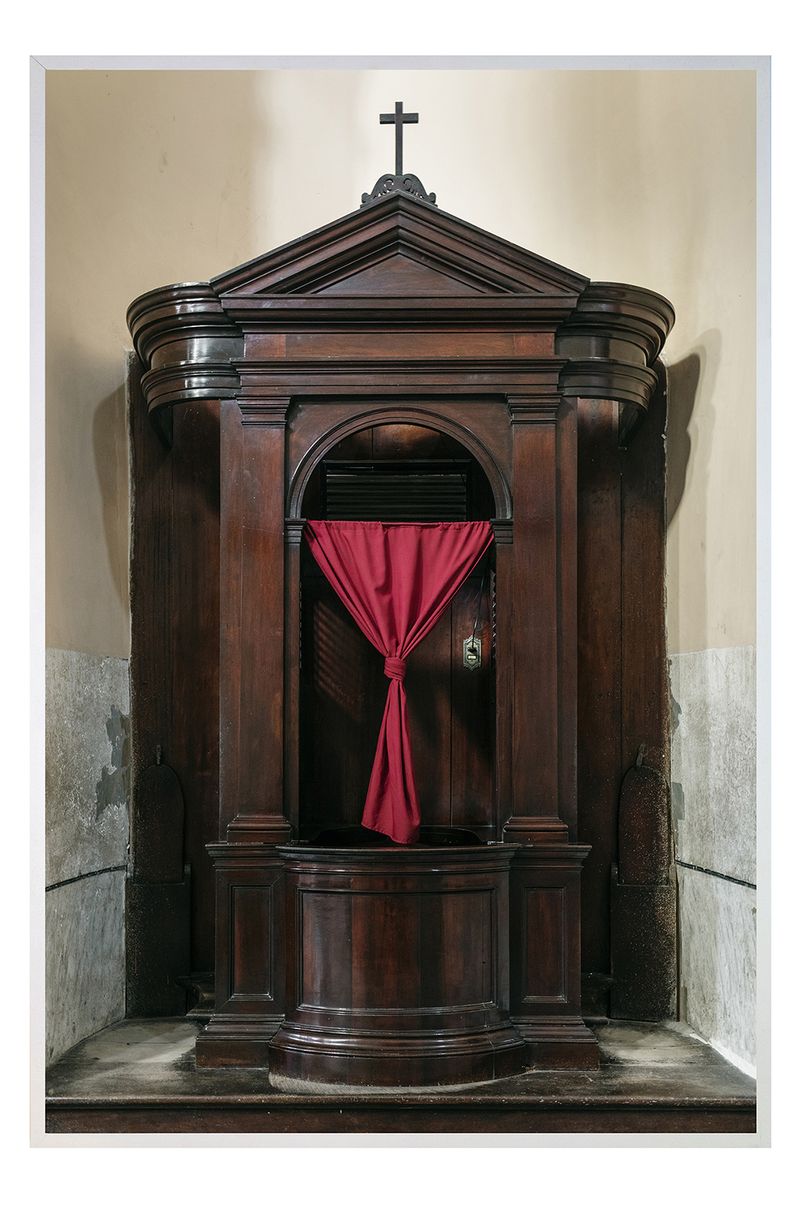
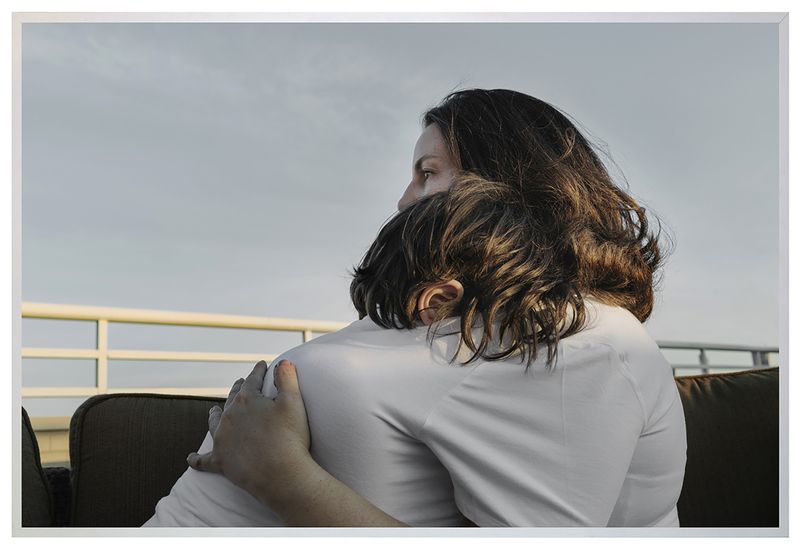
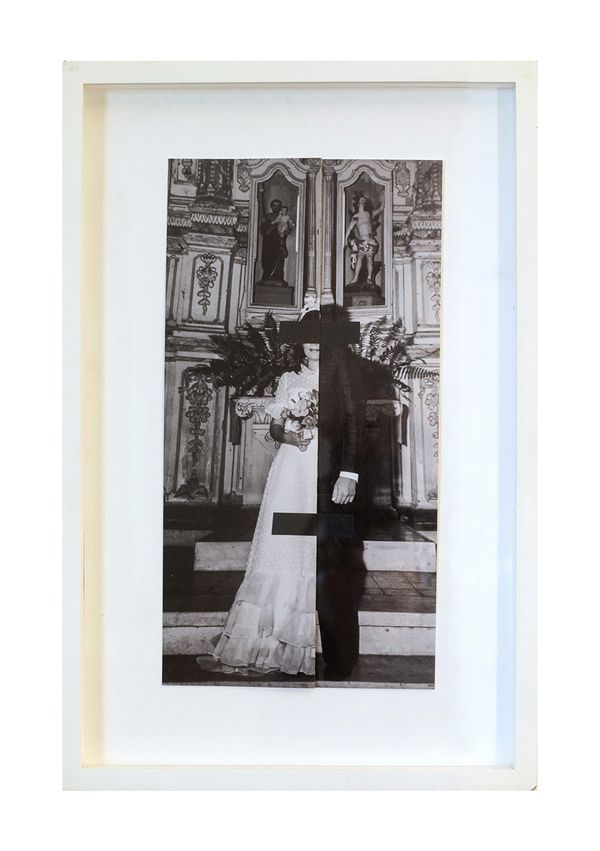
At first glance this series suggests a family album. At times I present my photographs individually as tableaus, while in other instances I’ve arranged them into constellations of relationships, their meaning being worked and reworked to evoke something greater than the sum of its parts. Exploring cycles within the progression of my own life and my marriage, and within the developing lives of my children and parents, my own photographs appear amid snapshots and family archives to reveal intergenerational patterns that bare broader shifts in culture.
While ‘VIEIRA, Apt 1010’ takes my personal life as its departure point, my approach favors strategies of auto-fiction over traditional diaristic photography. This approach hinges on using my own subjectivity to ask questions of the context surrounding me, staging a series of dialectics between the subject and society that reveal the psychological dynamics surrounding my personal experience: that of a now middle-aged woman, living in New York but originating from a far more conservative country, Brazil.
Playing with the numerous social roles projected onto me, my work sounds out my relation to frameworks afforded other members of the family – my mother, my father or husband, not to mention those positions occupied by my two sons, who will in turn be weaned into similar roles by society. This approach responds to contradictions within the masculine order. By exploiting excesses that are pronouncedly feminine – the realms of feeling, nature, nurture, and self-examination – my work privileges the poetic over the rational. Spanning this work, it is perhaps vis-a-vis the children that masculinity is revealed to be most complex, presuming that my sons will in time relinquish what vulnerable traits they have to the female.
Employing contradictory roles with which the viewer may identify – mother/child, husband/wife, caretaker/dependent, self/other – my work aims to hold a mirror to society, exploring the contours of these relationships through reflecting the viewer’s own complicity. At the end of the day, my images are marked not only by the question of meaning within the social, but by the isolation and weight of responsibility, the trials and joys of parenting, not to mention the search for self in spite of it all.