Verrà la morte e avrà i tuoi occhi
-
Dates2023 - Ongoing
-
Author
- Topics Archive, Contemporary Issues, Daily Life, Documentary, Fine Art, Photobooks
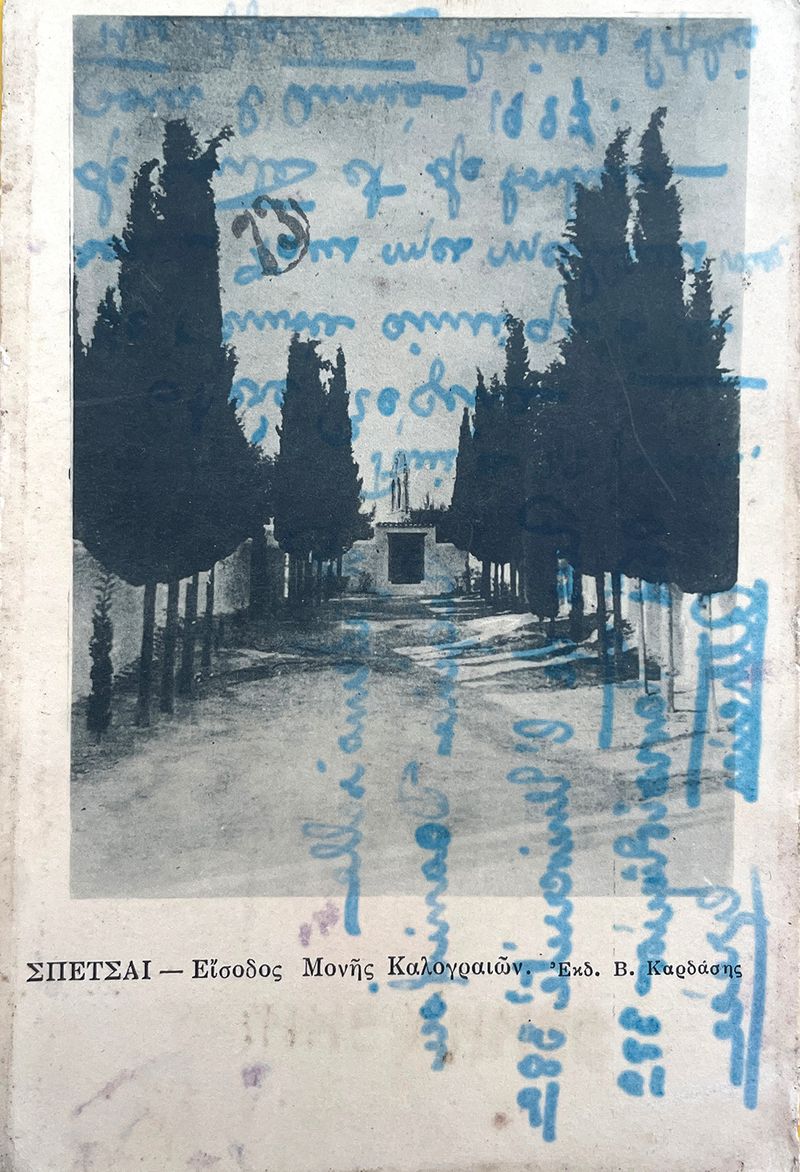
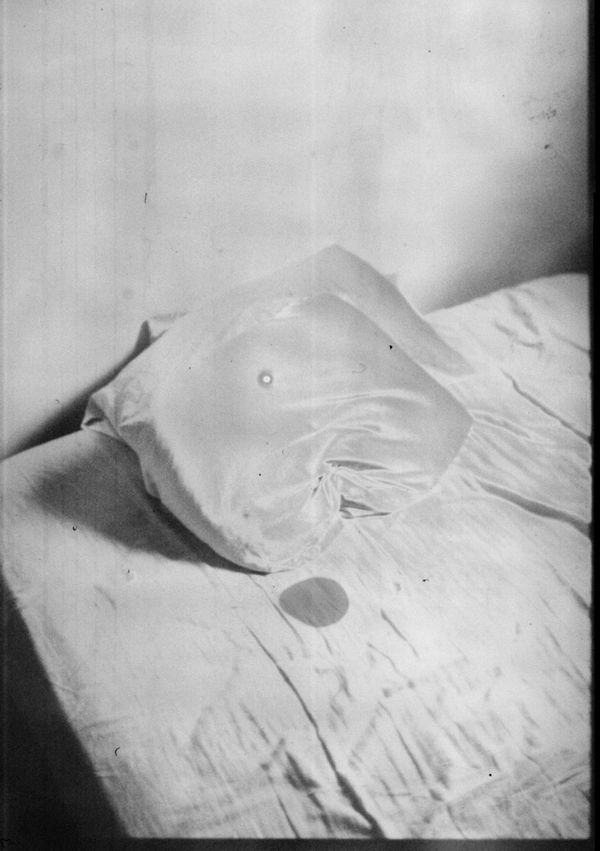
This work began as an investigation into a series of recurring dreams I had since I was a child. This led me to search for my roots through my family archives and after extensive research, I discovered common ground that I share with previous generations.
Verrà la morte e avrà i tuoi occhic began as an investigation into a series of dreams that I have had repeatedly since I was a child. As it developed, I realized that the influences and their formation come from my intergenerational circle. This led me to search for my roots through my family archive and, after extensive investigation, I discovered common spaces that I share with previous generations.
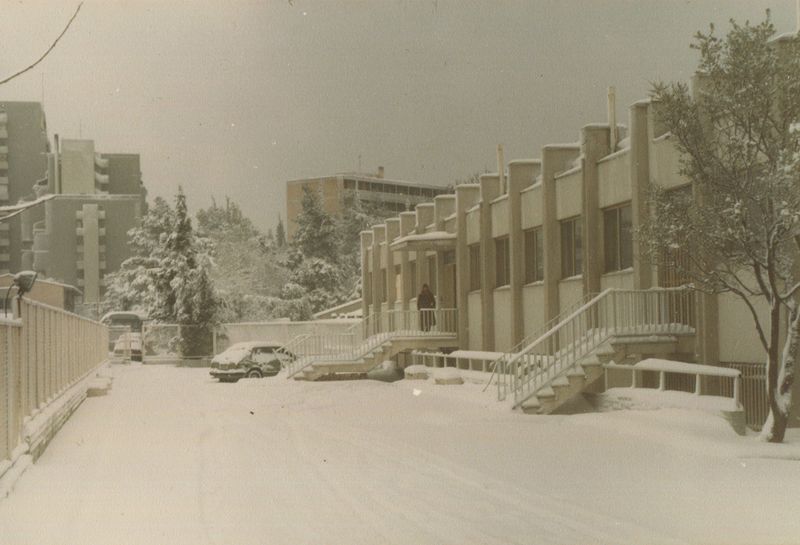
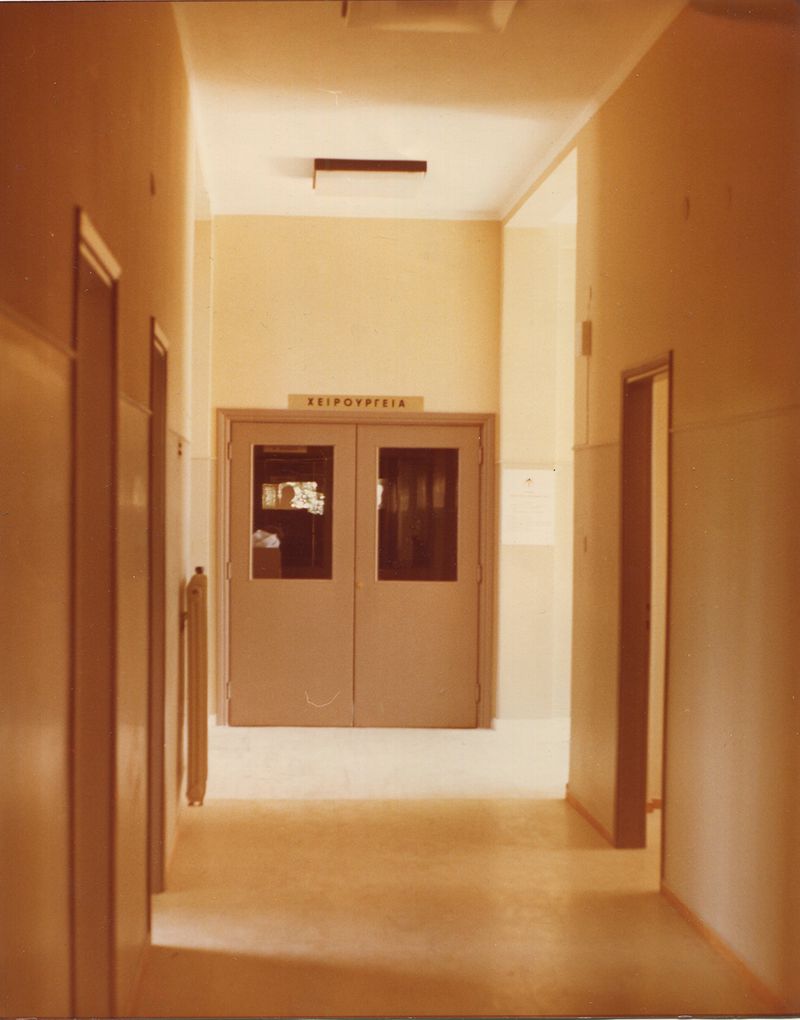
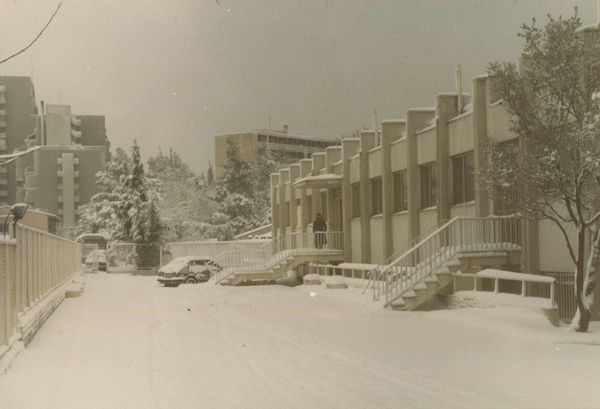
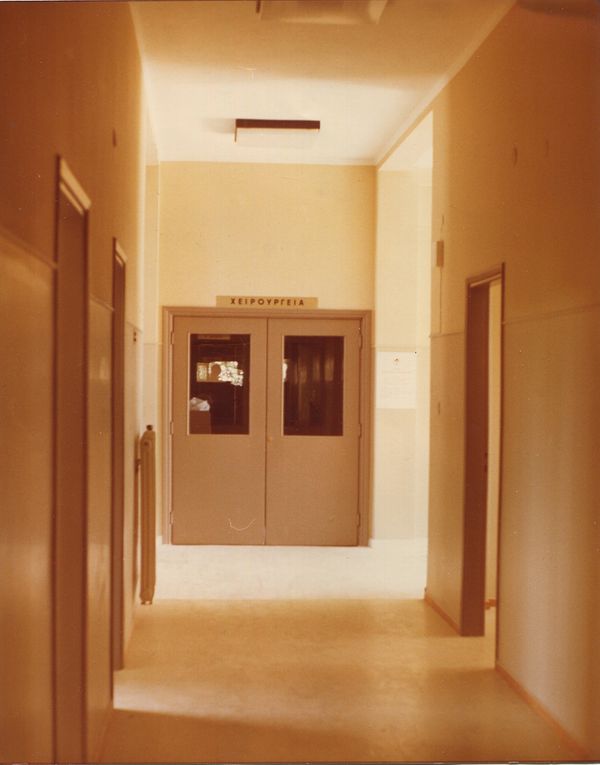
In this way, the concept of the laboratory space was introduced into my research. These spaces function as places of memory but also as scenes where the people who shaped my family environment appear.
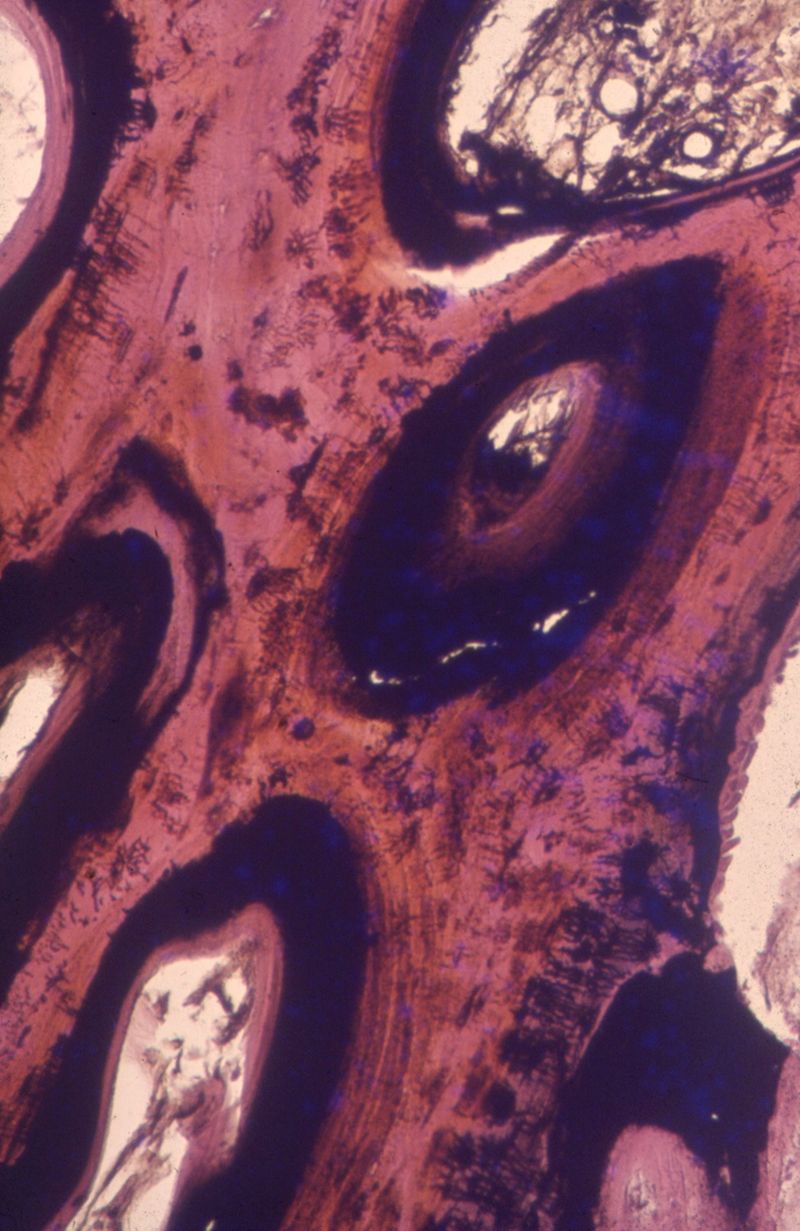
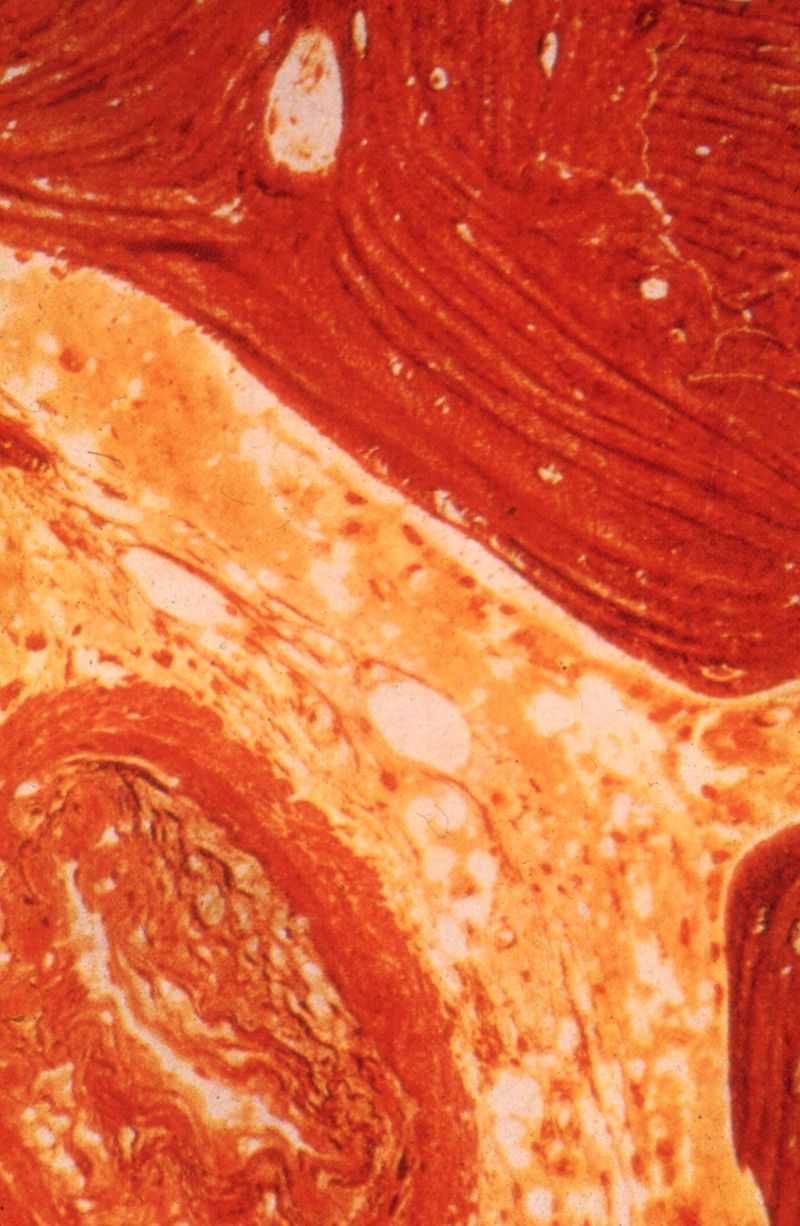
My grandfather, through the practice of orthopedics, develops a relationship that is linked to the observation and analysis of forms. And my grandmother, who through sculpture, transforms thoughts into three-dimensional form.
Between these two spaces I observe the dialogue of concept and form.
The laboratory is not only a physical place, but an interpretive framework within which memory takes shape and can be read as “frames” in the sense attributed by Hirsch, that is, frames that organize the narration of family history and determine what is preserved and what is silenced.
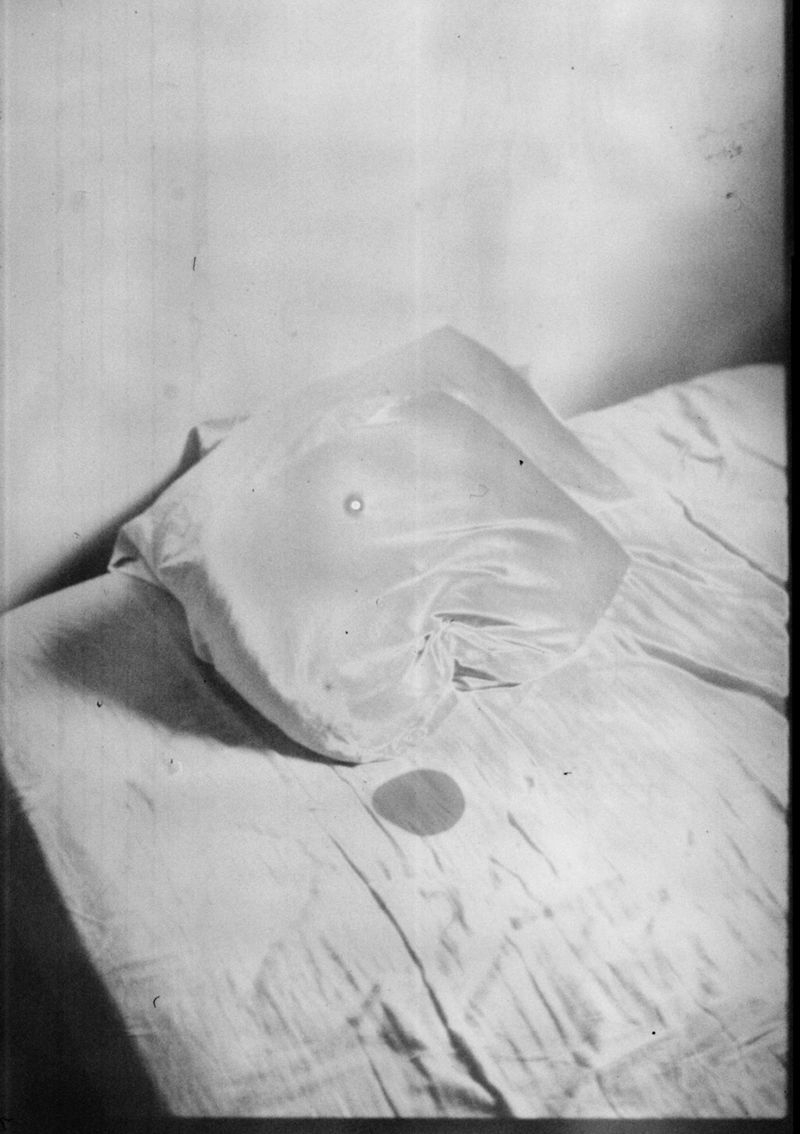
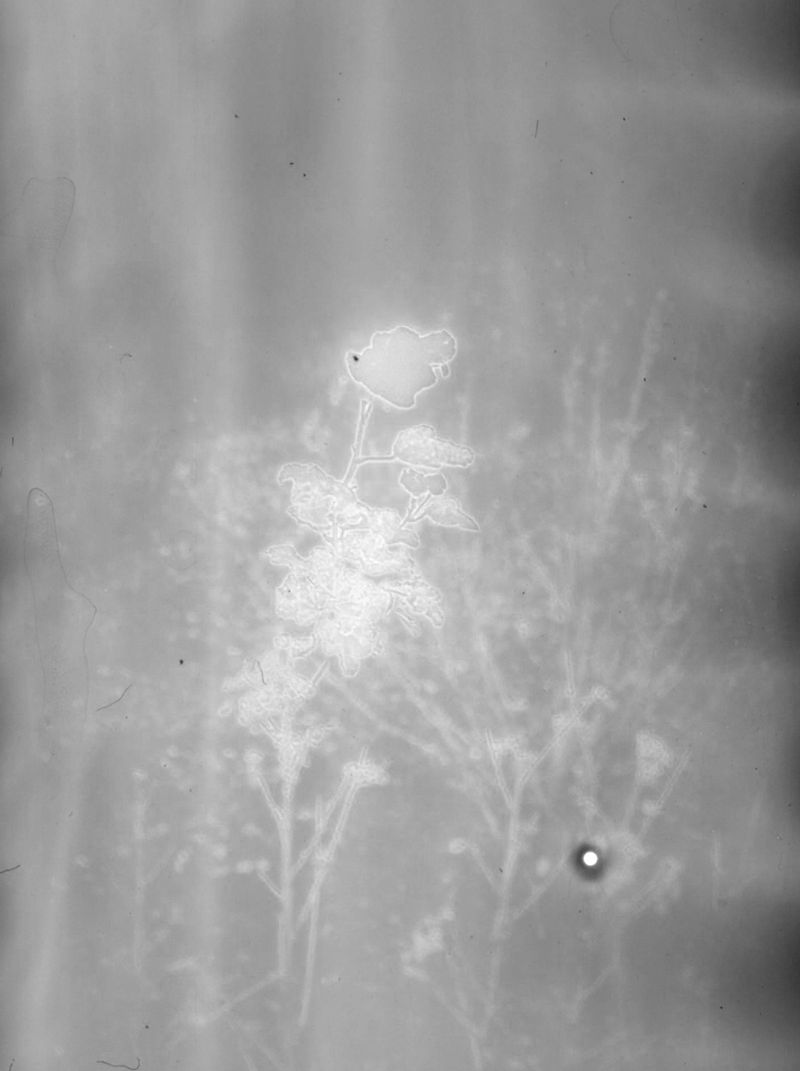
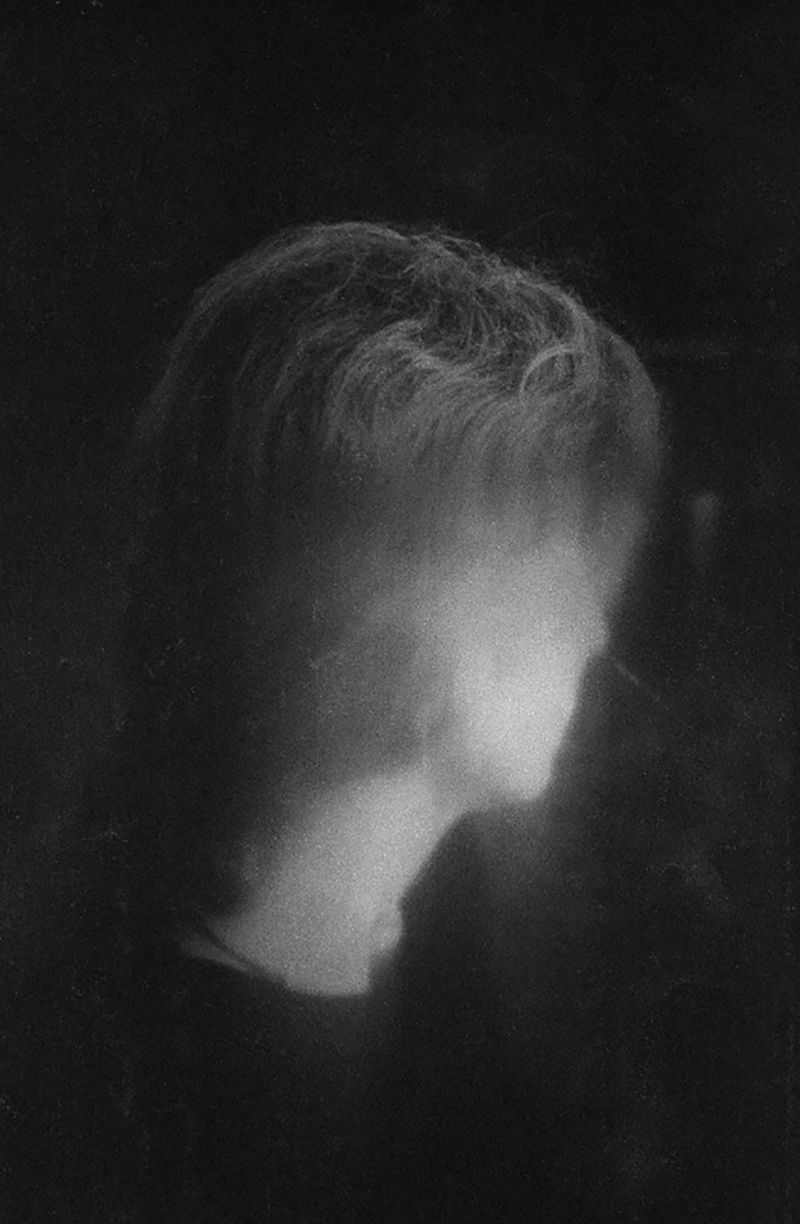
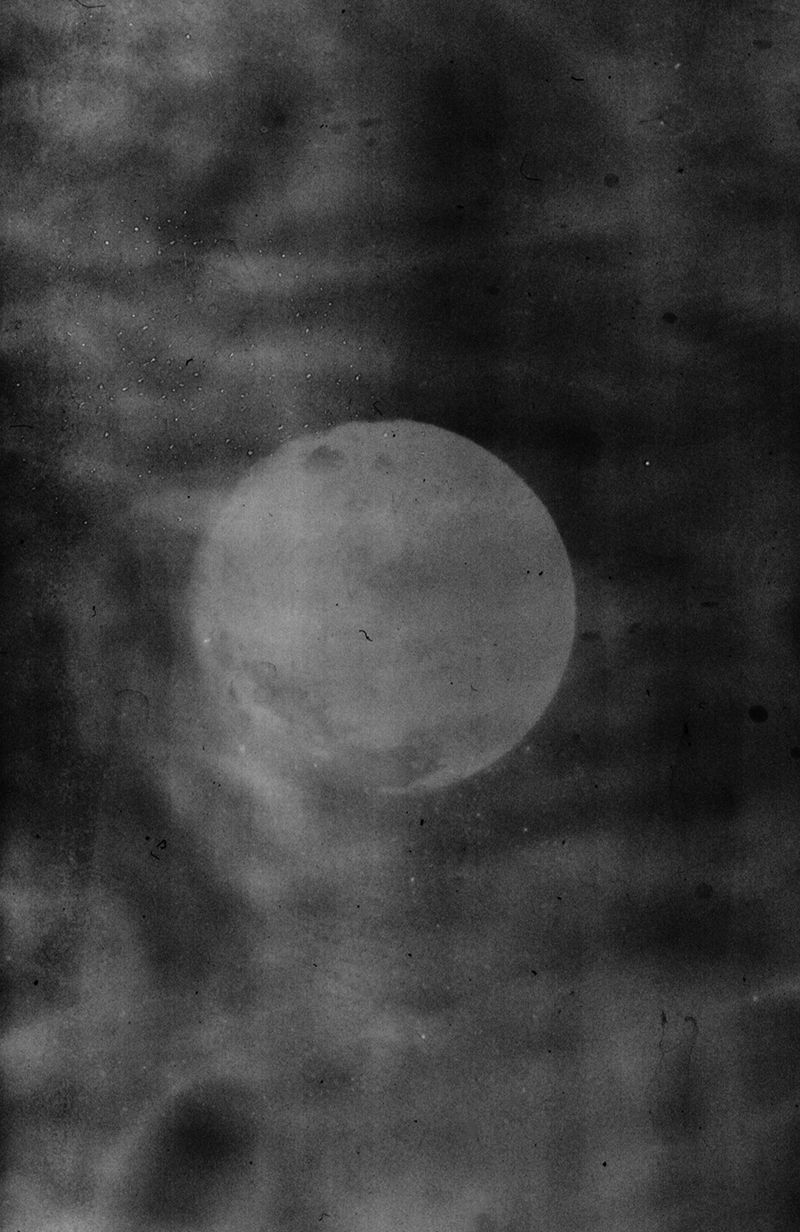
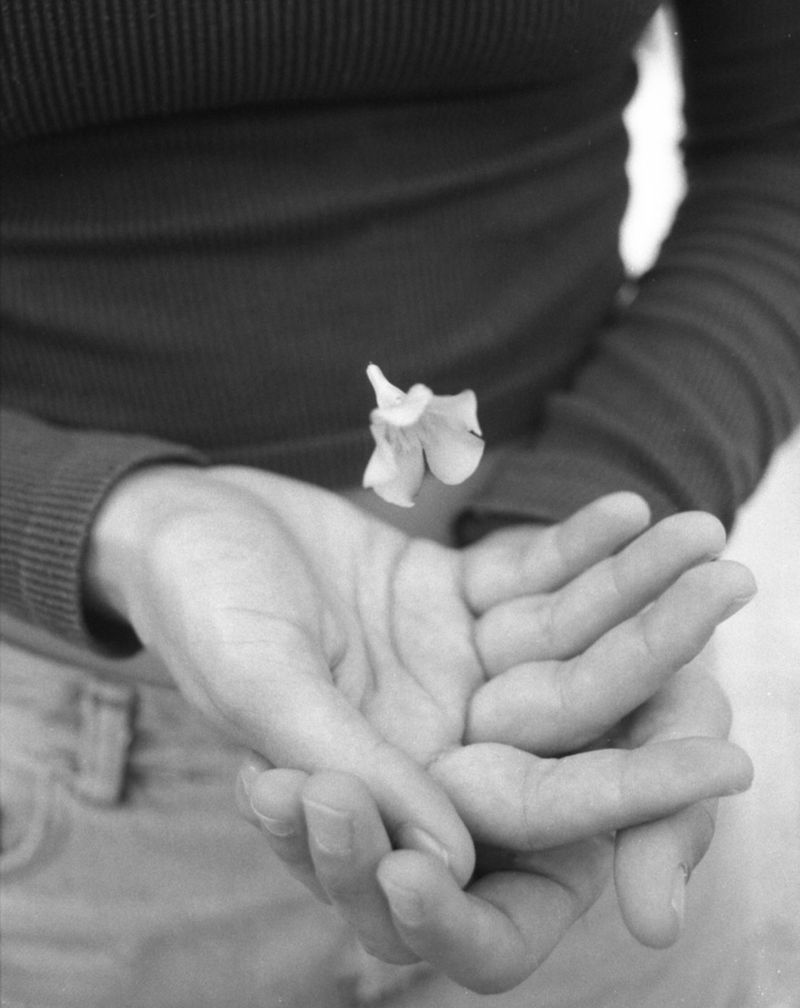
Thinking about how the mechanism of memory works, I began to intervene in my materials in the darkroom. The visual effect given to a photograph imitates the constructions of a dream, thus showing the temporality and transience of the deterioration of memory but also of the photochemical image. The family photographs and negatives are traces of an era where photography functioned as a basic means of recording and are placed within a historical time that concerns photographic practice in the twentieth century. In this context, family photographs do not function exclusively as evidence of a past time, but as active carriers of emotional and imaginative identification.
The title, borrowed from Cesare Pavese, introduces the concept of the “hereditary archetype” as a mechanism for connecting love and death. In the context of the work, this poetic reference is incorporated into the family archive as an additional layer of memory as well as another context for reading the work, where memory, love and loss coexist as intergenerational forces that shape the gaze.