Urban Development vs. Wildlife
-
Dates2025 - Ongoing
-
Author
- Topics Landscape
- Locations Kenya, Nairobi, Nairobi County
Conflicts between urban development and wildlife
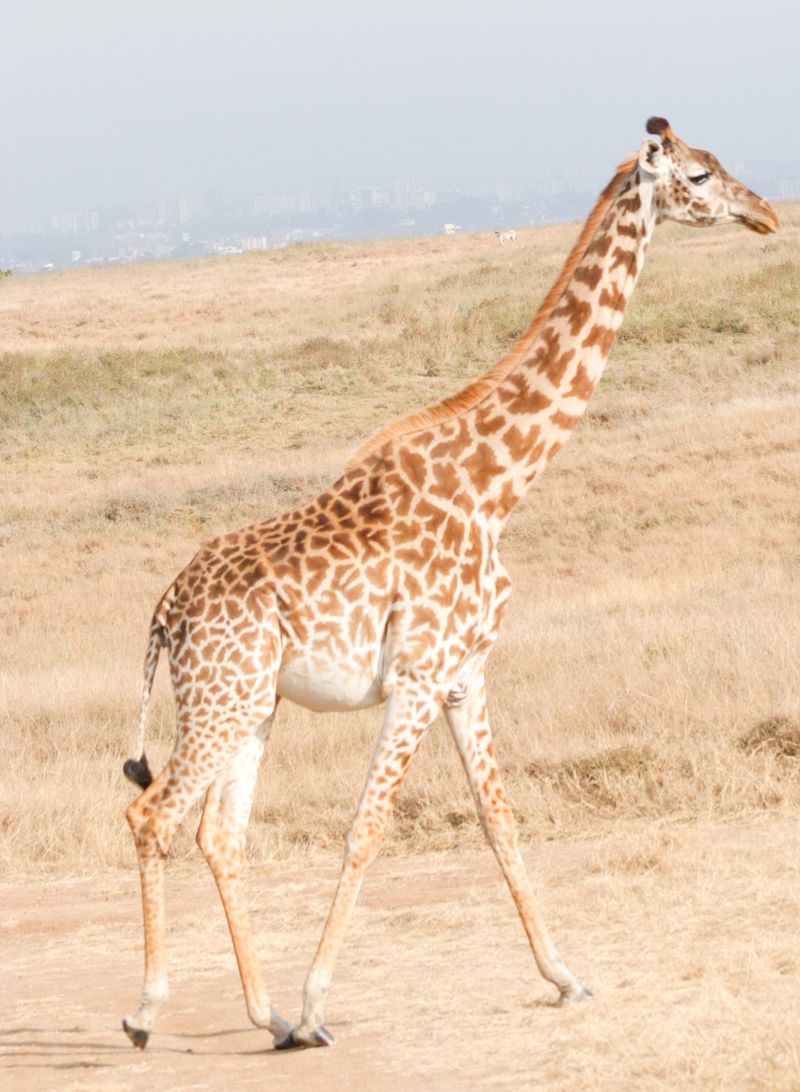
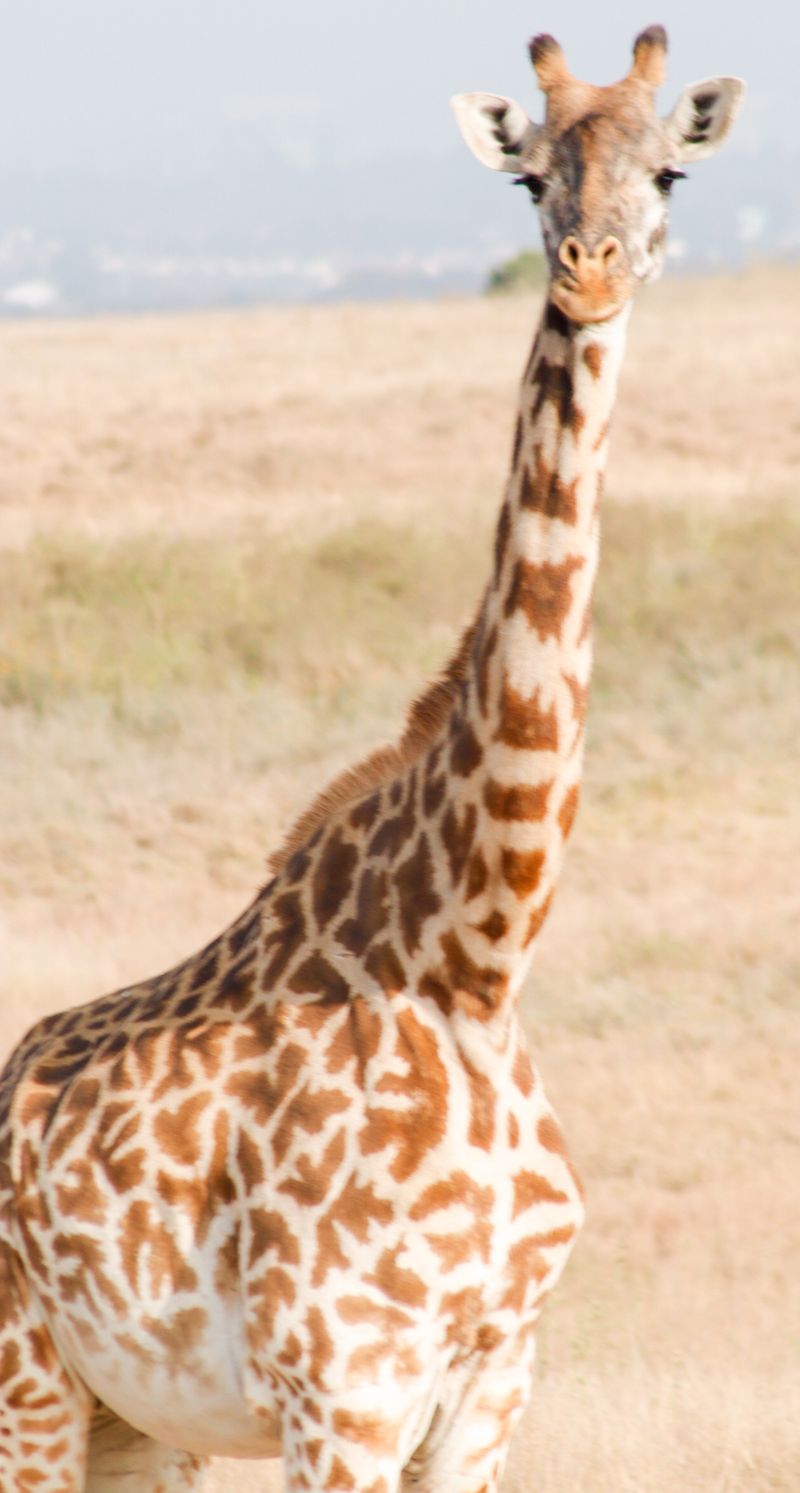
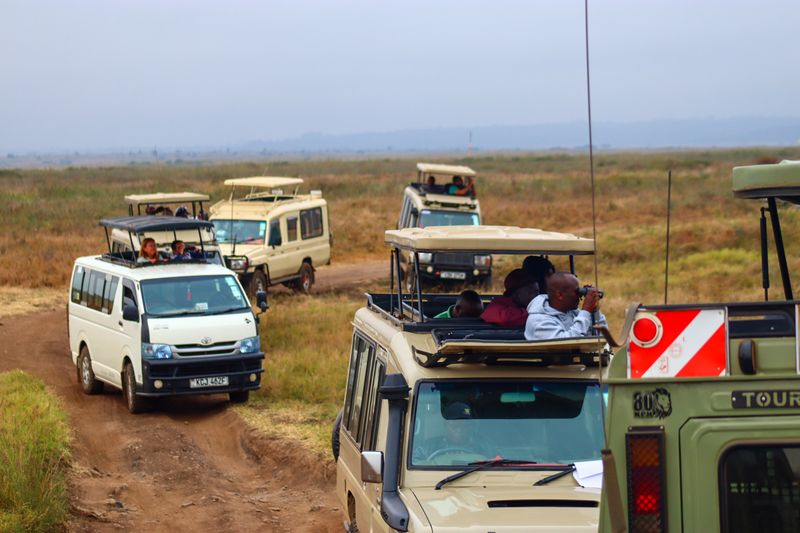
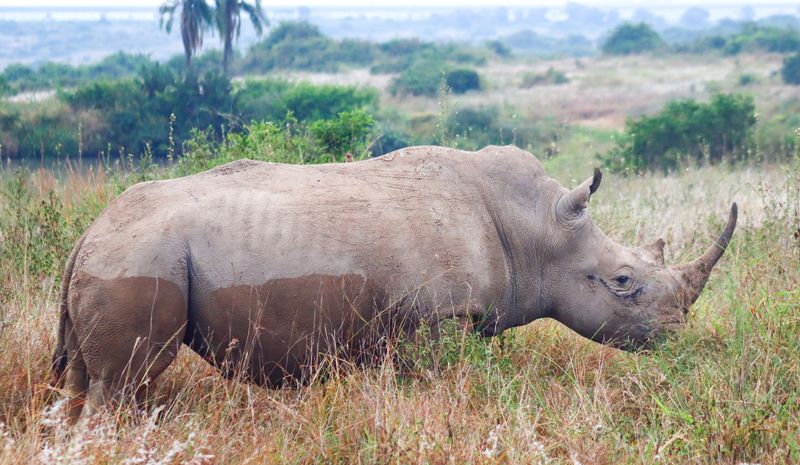
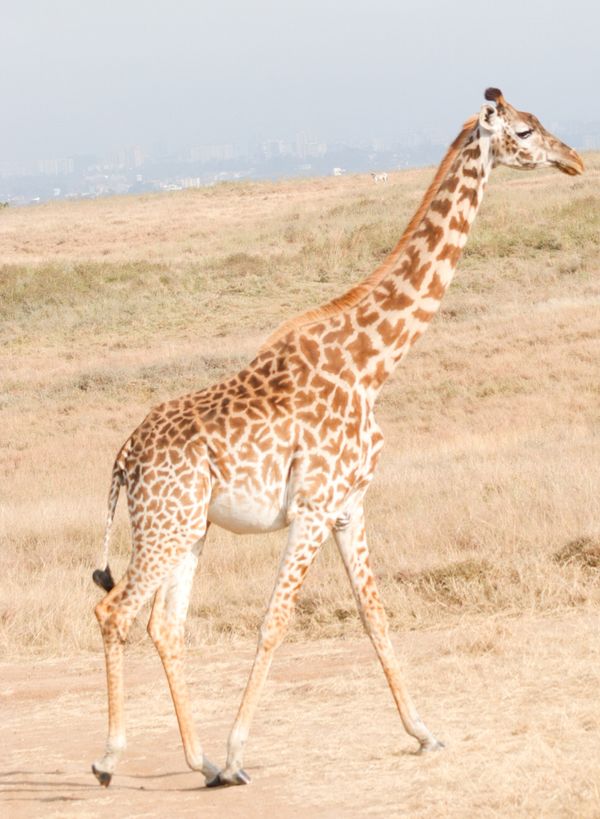
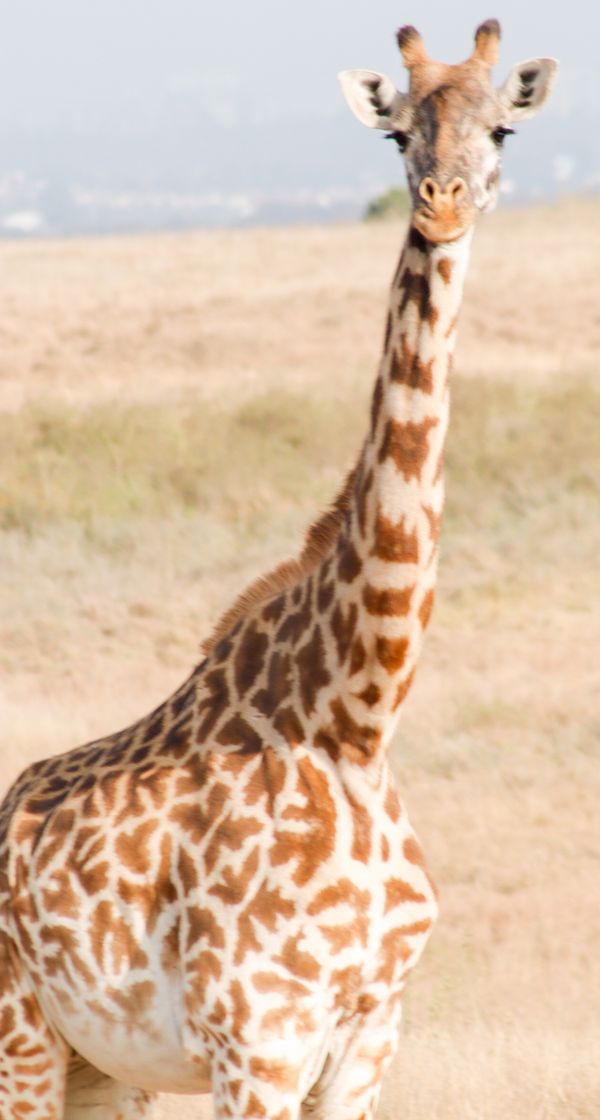
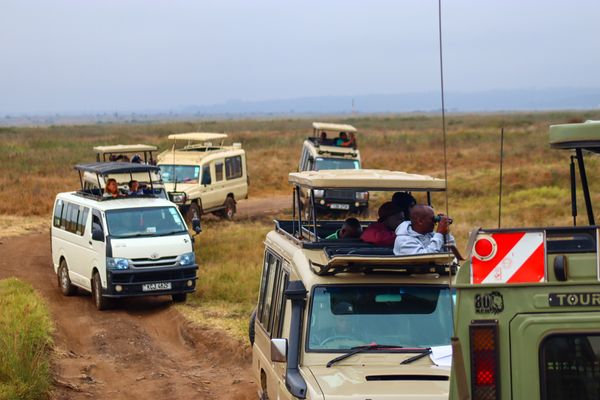
Urban Development vs. Wildlife in Nairobi National Park, Kenya:
Rapid expansion of cities and infrastructure destroys, fragments, and degrades natural habitats, creating intense competition for space and resources between humans and wildlife.
Key Impacts on Wildlife:
Habitat Loss: Direct removal of forests, wetlands, and grasslands.
Habitat Fragmentation: Roads and development create isolated "island" habitats, blocking migration and reducing genetic diversity.
Pollution: Light, noise, chemical, and plastic pollution disrupt behaviors and health.
Invasive Species: Urban areas often introduce non-native species that outcompete natives.
Resource Alteration: Changes to water sources, food availability, and microclimates.
Human Impacts and Conflicts:
Safety Risks: Encounters with large predators.
Economic Damage: Wildlife damages property, crops, or livestock.
"Nuisance" Species: Some animals, such as raccoons, monkeys, adapt and thrive, creating persistent conflicts.
Mitigation Strategies:
Green Infrastructure: Wildlife corridors, green roofs, urban parks.
Wildlife-Friendly Design: Road under/overpasses, bird-safe glass.
Policy: Habitat conservation plans, zoning laws, light/noise ordinances.
Community Action: Responsible pet management, habitat gardens, citizen science.