Uprooting a Flower
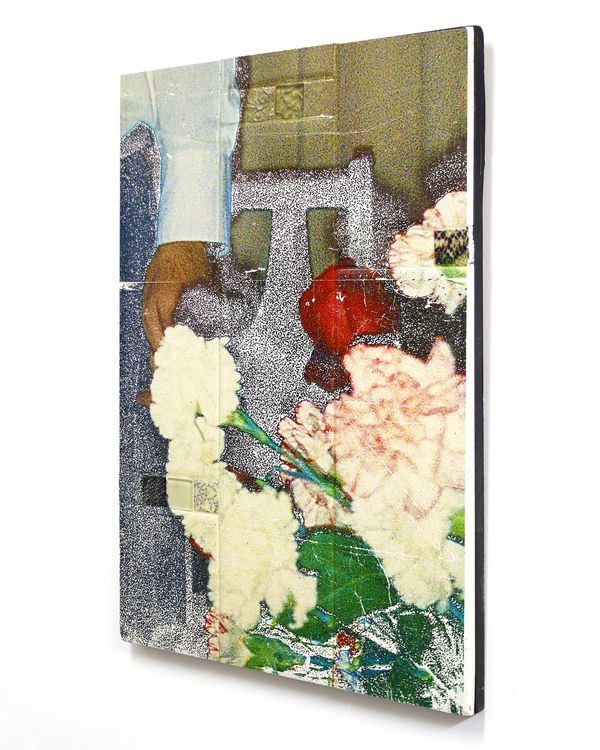
-
Dates2025 - Ongoing
-
Author
- Locations Mexico, Toronto, Puebla
"Cabral de Luna has made of memory a divinity. Drawing from symbols of his upbringing, he constructs a system of display that illuminates what is sacred to him... his transfers onto glass show, to fresh eyes, a miracle – divine light." - Kay Rangel
When I pick up a memory, I do so very carefully, holding it at the edges, cautious not to bend its corners. I check the back for scribbled notes and invent stories about who took the photograph or whose handwriting I am reading. This is where my alternate narratives begin to take shape—where I confidently fill in the blanks with very little to go on.
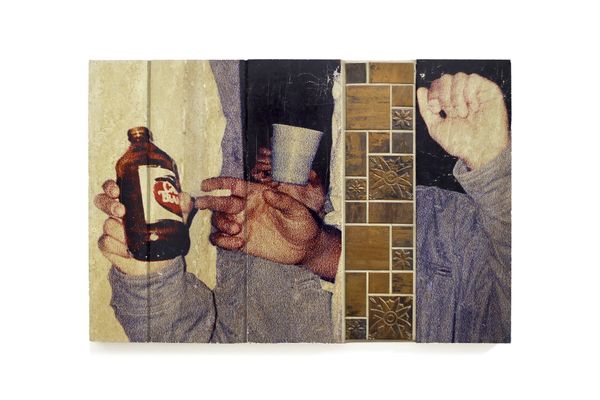
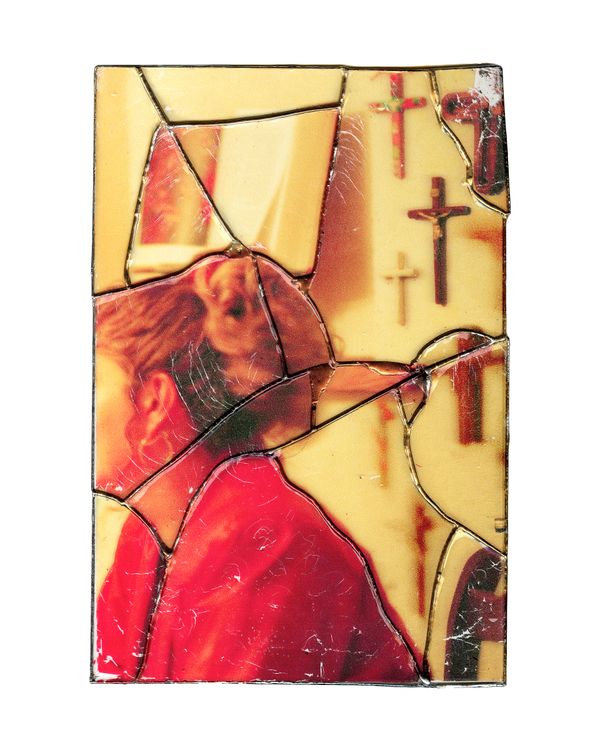
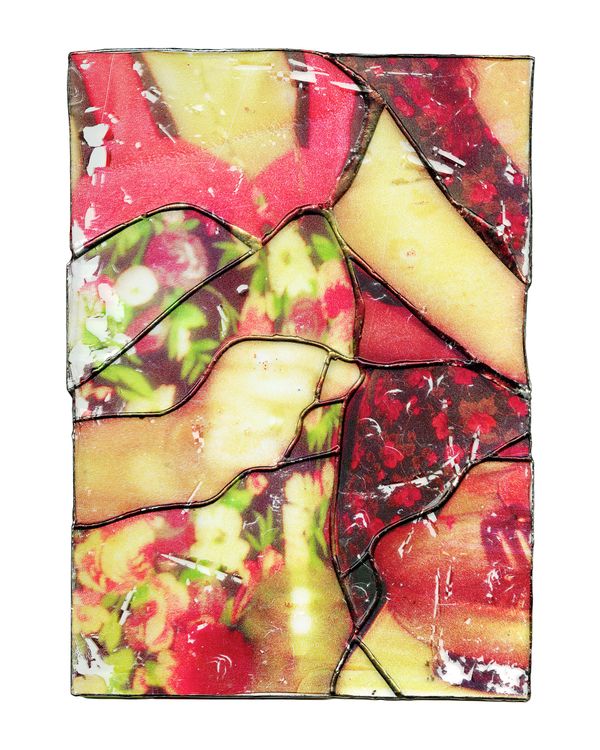
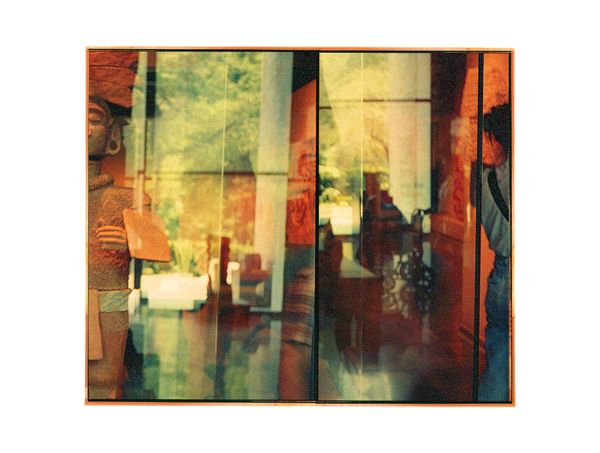
For the past several years, I have worked with memories that are not my own, appropriating family photographs to create reinterpretations, facsimiles, and abstractions. I transform them into physical objects—containers of memory—using found and often weathered materials. By recontextualizing both image and object, I bring together material and familial histories to produce alternate readings of an instance.
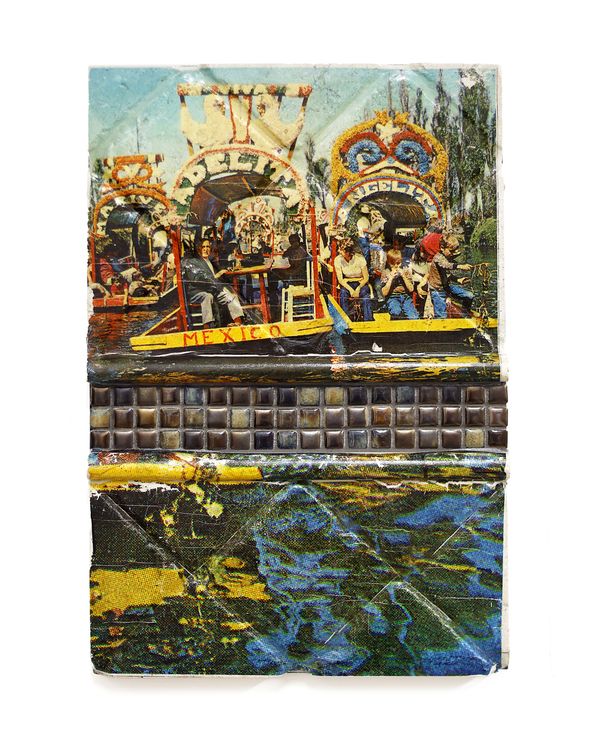
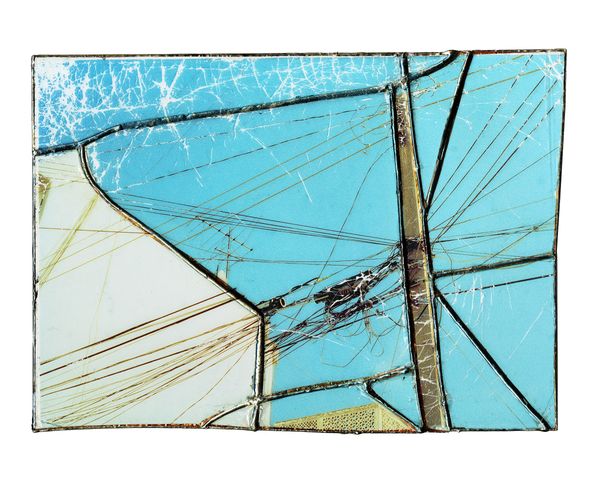
Akin to immigration, to transfer an image is to displace it from its original source. A transfer becomes an eidetic image: an almost identical version of the original, remembered with clarity yet still subject to distortion. Traces of its journey remain visible through scratches, tears, folds, and imperfections produced through its translation and displacement.
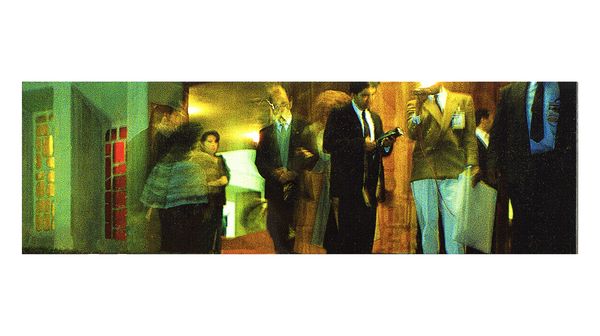
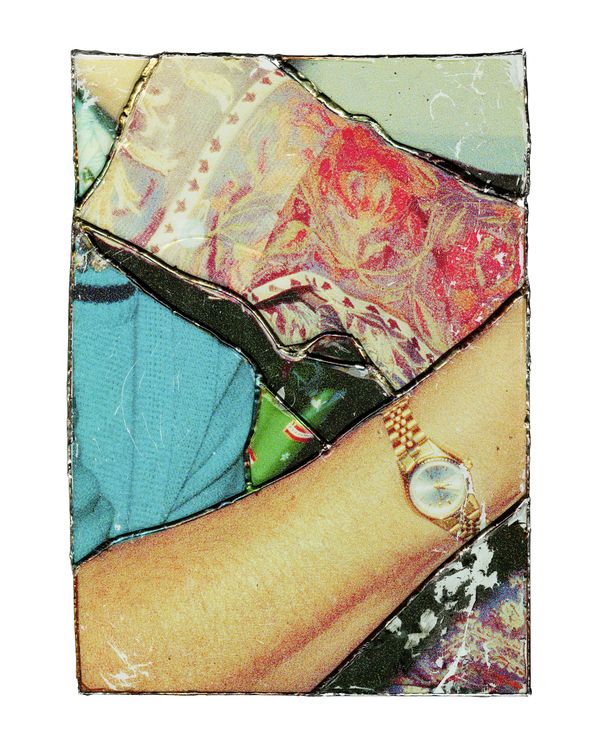
Windows, reflections, flowers, hands, and systems of division appear prominently throughout these works. Close framing becomes a deliberate strategy for revealing compositions that might otherwise go unnoticed within the wider scope of the original photograph. I focus on blurred figures in the background of wedding photos, floral patterns on blouses and aprons, sunlight reflected in museum display cases, and boats reflected on the ripples of a river. I cut, omit, and rearrange these moments, fragmenting them across multiple ceramic tiles or broken pieces of glass before carefully mending them back together.
Appropriating archival family photographs becomes a meditation on displacement and self-reinvention. Through an image transfer, an alternate reality is formed. Alberto Manguel writes that the artist in exile sees their home country as it never truly is: “Everything he does is colored by something half-remembered... it is a country drawn from memory, from things half-known or half-dreamt.”
When I pick up a memory, I become hyper aware of the dust in the air, and am conscious of the fingerprints I leave behind.