Under the Palm Trees
Under the Palm Trees follows Ukraine's western external borders—the geographical line separating Europe from war. From Poland to the Black Sea, the work explores how the presence of war is tangible in its absence.
In the third week of the war, a Polish border guard tells me that everything has changed. In the same town, a hotelier insists that nothing has changed. These two statements frame the tension at the heart of the project. Along this border, the war feels both intensely present and strangely distant, often barely noticeable. Under the Palm Trees explores this contradiction, tracing the confusion between everyday life and a permanent state of emergency.

Since the beginning of the war, I have followed Ukraine’s western border with a large-format camera through Poland, Slovakia, Hungary, Romania, the Republic of Moldova, and Transnistria. The work documents how the war shapes these regions in subtle and uneven ways, revealing perspectives that remain largely absent from mainstream coverage.

In recent months, the war has increasingly crossed the border: drones have exploded in Moldova and Romania, Polish airspace has been violated, and acts of sabotage and espionage are rising. What once seemed distant is moving closer. It is precisely in these border regions that Europe's supposed distance from the war is beginning to crumble.
© Ludwig Nikulski - Image from the Under the Palm Trees photography project
i

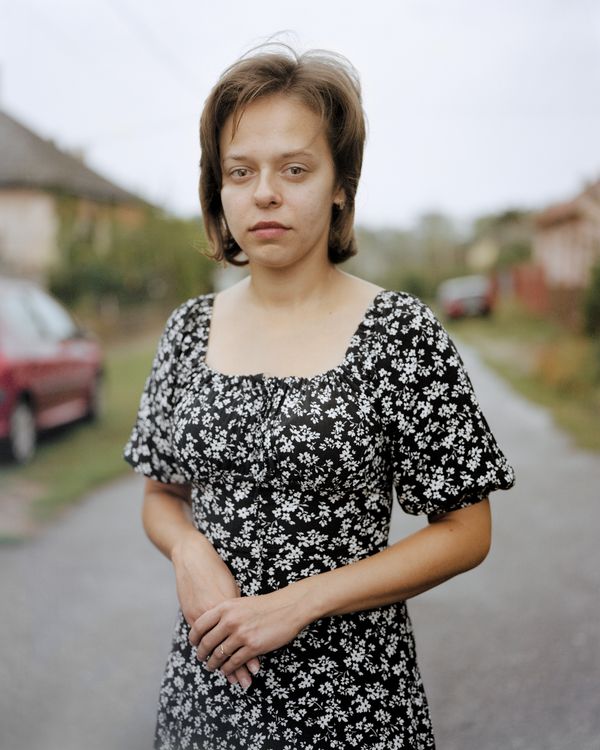
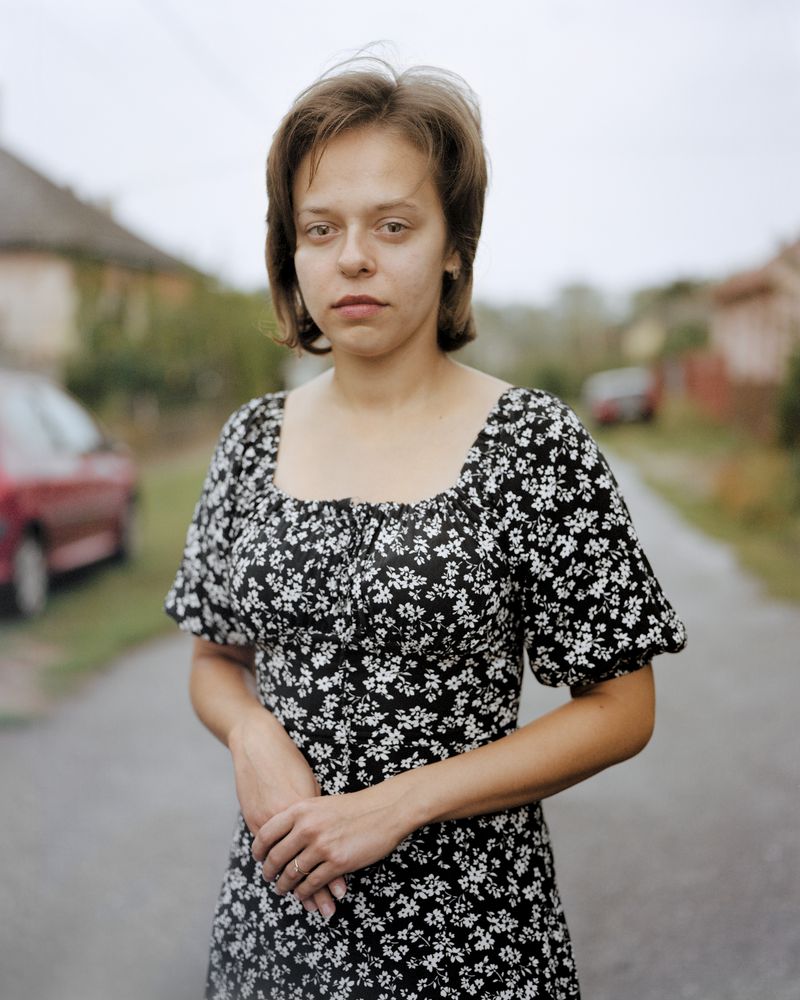
Izabella after the church service in Záhony, a small Hungarian town right on the border with Ukraine, separated only by the Tisza River. Every morning, the Ukrainian national anthem can be heard across the border, played for the fallen soldiers whose names no one can count anymore. Some time ago, the impact of a Russian missile in nearby Mukachevo could be heard. Záhony, Hungary, August 2025

© Ludwig Nikulski - Image from the Under the Palm Trees photography project
i

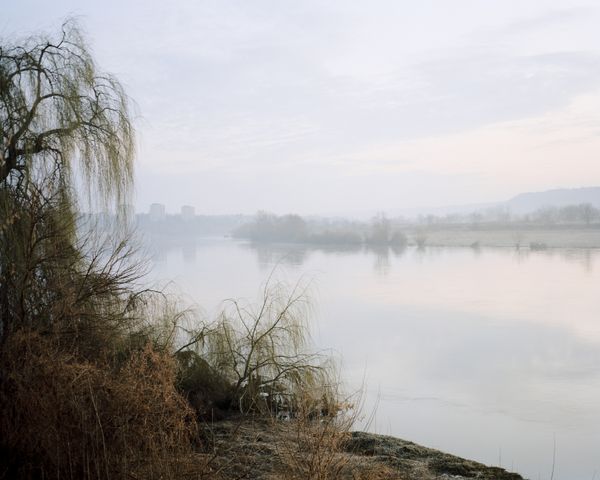
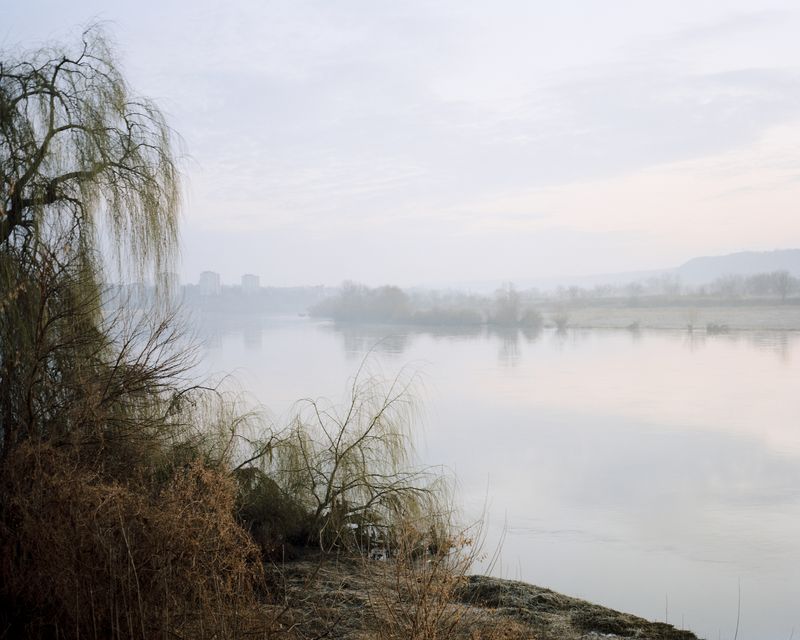
The Dniester forms part of the border between Moldova and Ukraine. The peaceful, almost romantic landscape has been subject to special security regulations since the start of the Russian invasion. During the day, residents spend time by the river. Photography is prohibited. Soroca, Republic of Moldova, February 2024

© Ludwig Nikulski - Image from the Under the Palm Trees photography project
i

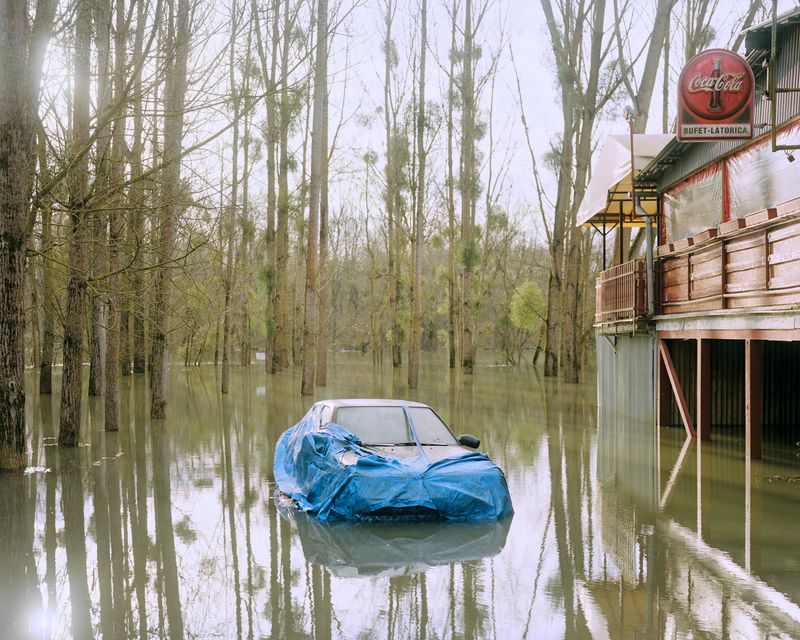
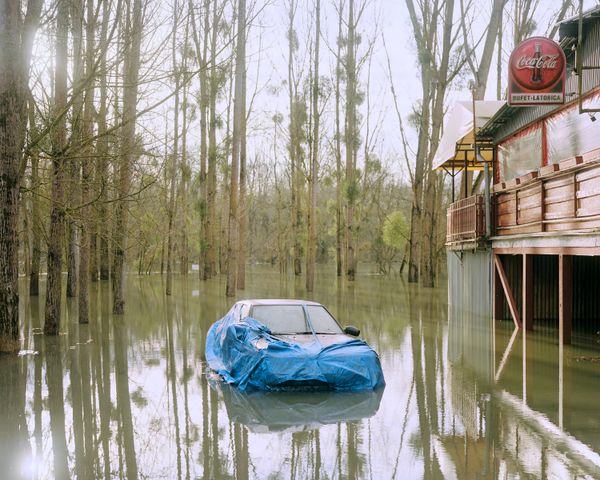
Heavy snow and rain caused flooding in Slovakia. An abandoned car and a restaurant were submerged in the structurally weak east of the country. Leles, Slovakia, February 2024

© Ludwig Nikulski - Image from the Under the Palm Trees photography project
i

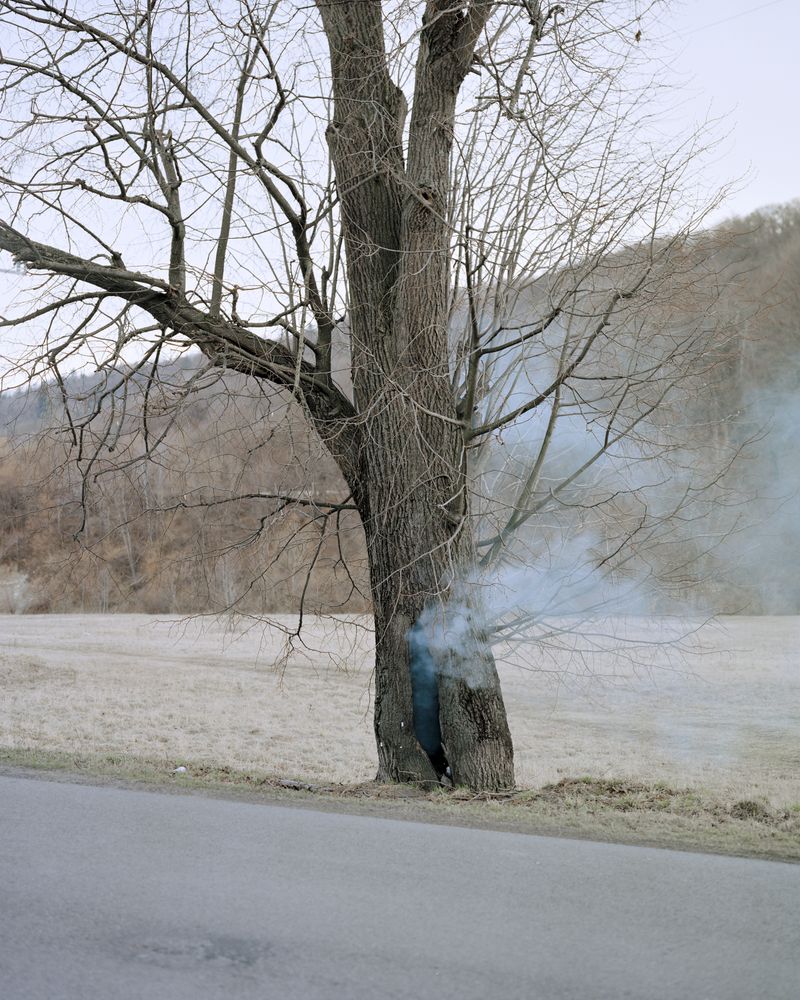
A burning tree in Huwniki, a small village near Ukraine in eastern Poland. During the Second World War, Huwniki was occupied by the Nazis. In 1942, the Jewish population of the village was murdered by the nationalist Ukrainian police, who were collaborating with Nazi Germany at the time. Huwniki, Poland, March 2022

© Ludwig Nikulski - Image from the Under the Palm Trees photography project
i

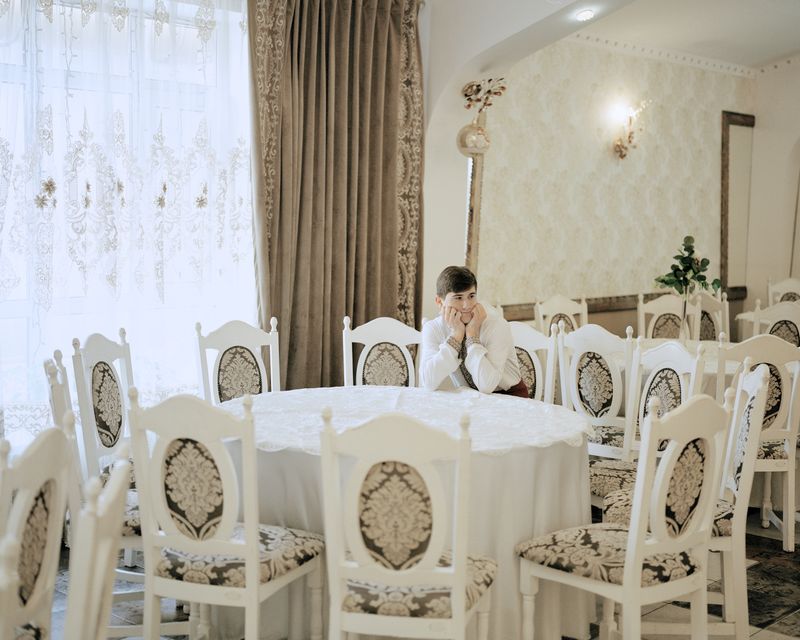
Yuri lives and works in Gagauzia, an autonomous region in the south of the Republic of Moldova. The Gagauz population is an ethnic minority and considers itself predominantly pro-Russian. Nevertheless, at the beginning of the war, the owner of the wedding hall put up a "Refugees Welcome" sign on the street. They took in refugees from Ukraine and cared for them. Rep of Moldova, Feb 2024

© Ludwig Nikulski - Image from the Under the Palm Trees photography project
i

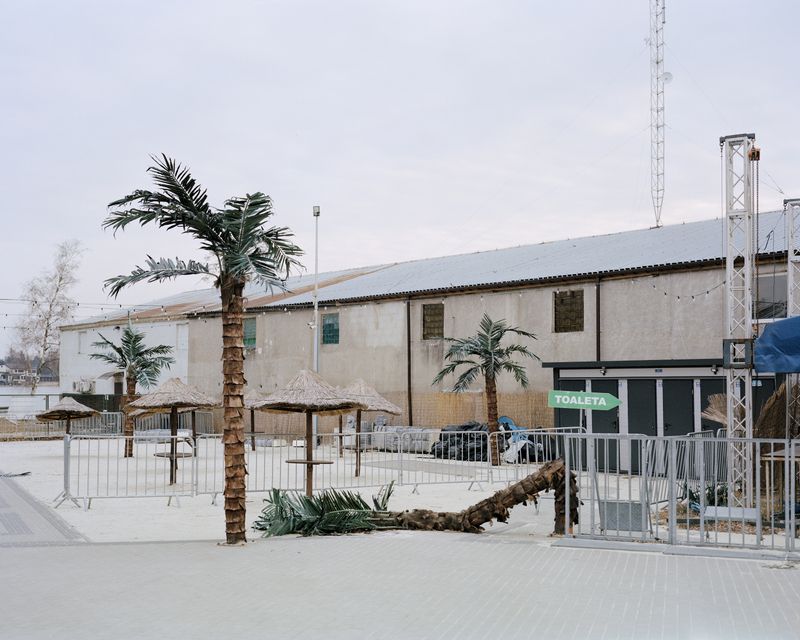
Okuninka is a popular holiday resort in the border triangle of Poland, Belarus and Ukraine. The party area is deserted, the plastic palm tree bent. At night, soldiers guard the place. The near-by hotel “Pod Palmami - Under Palm Trees” ist fully occupied by the soldiers. During the day, they drive from here to the border. Okuninka, Poland, March 2022

© Ludwig Nikulski - Image from the Under the Palm Trees photography project
i

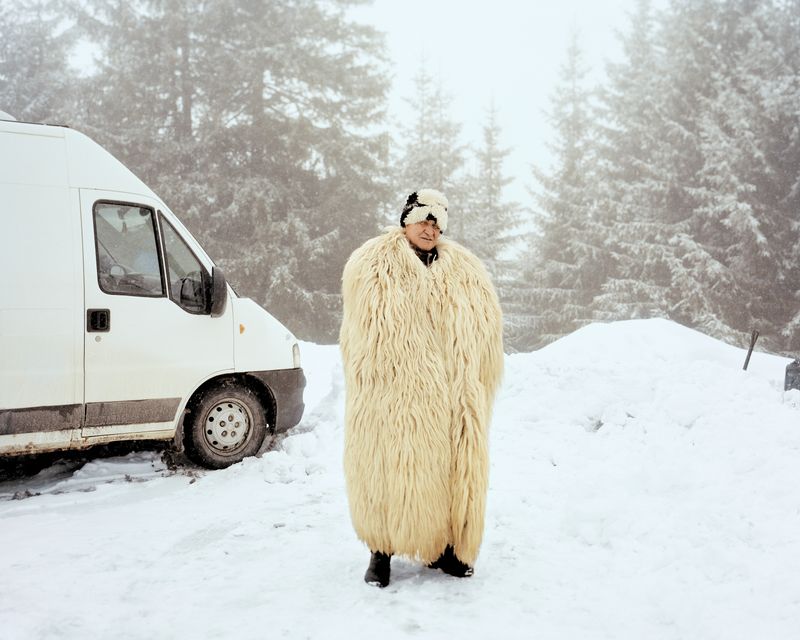
A shepherd poses for a portrait wearing a traditional sheepskin coat. He sells food he has produced himself at a Sunday market in a car park in the Carpathian Mountains. Rarau, Romania, February 2024

© Ludwig Nikulski - Image from the Under the Palm Trees photography project
i

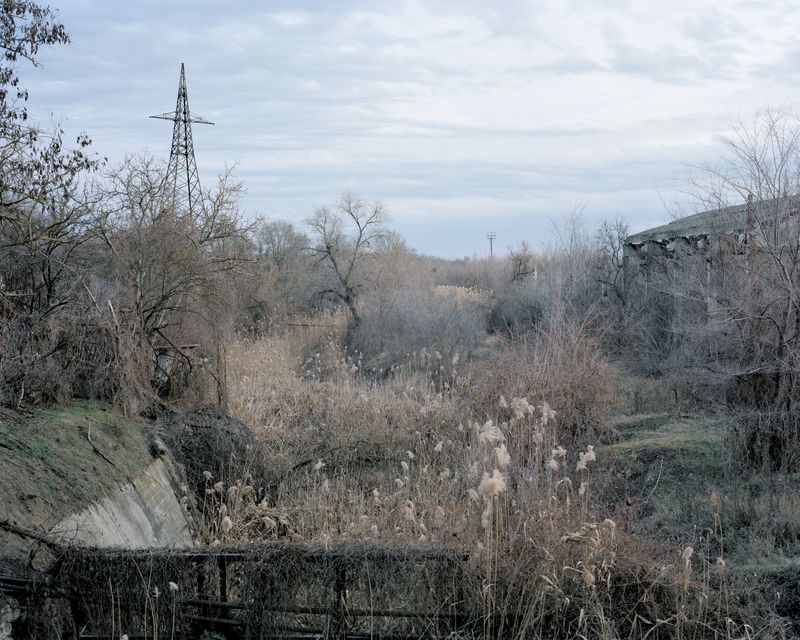
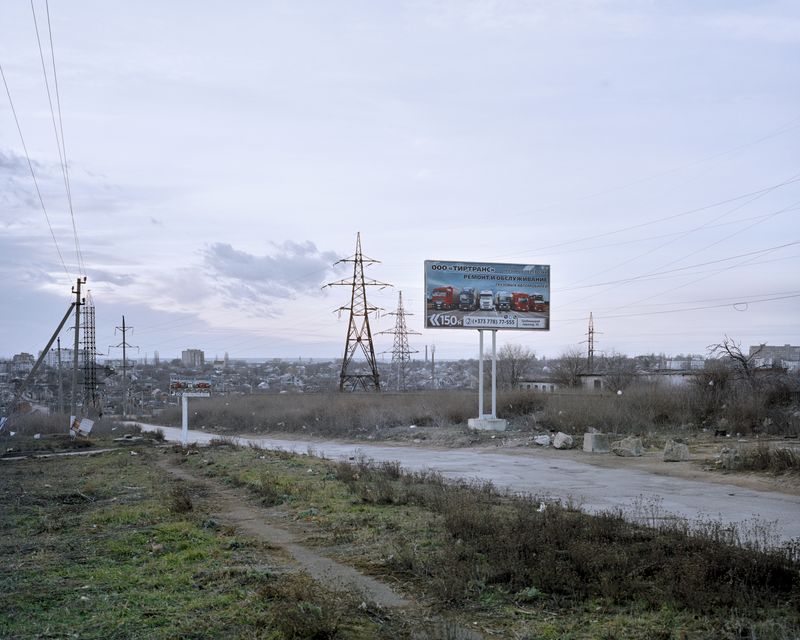
Landscape in industrial area in Tiraspol. As an internationally unrecognised, Russian-backed de facto regime within the Republic of Moldova, Transnistria is feared to be a back door to war. Around 1,500 Russian troops are stationed in Transnistria. However, these have not yet been made available for the Russian attack on Ukraine. Tiraspol, Transnistria, February 2023

© Ludwig Nikulski - Image from the Under the Palm Trees photography project
i

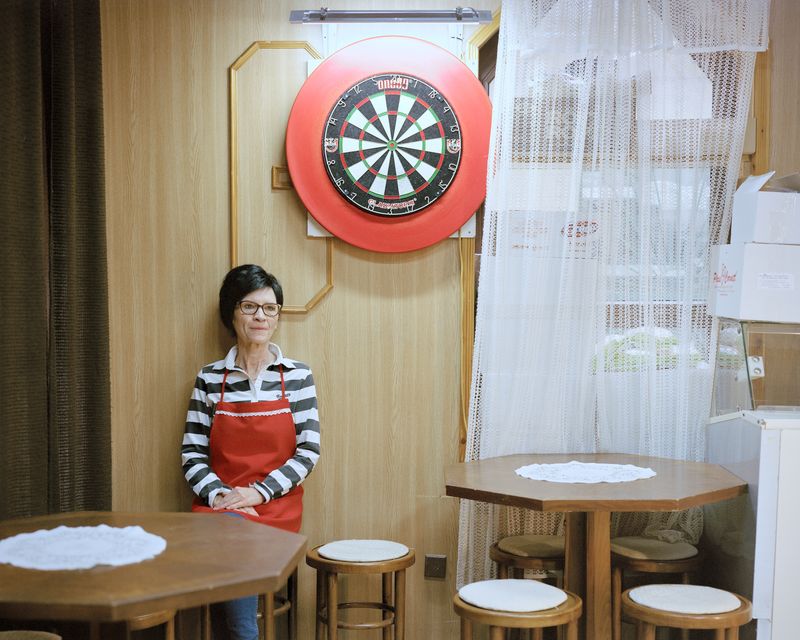
Ildikó works in the ice cream shop in Záhony. Since 2022, Ukrainians who are completely soaked have occasionally come into the shop. They have fled through the Tisza, the river that separates Hungary from Ukraine. Those who made it are desperately seeking help. Others die in the attempt. Záhony, Hungary, August 2025

© Ludwig Nikulski - Image from the Under the Palm Trees photography project
i

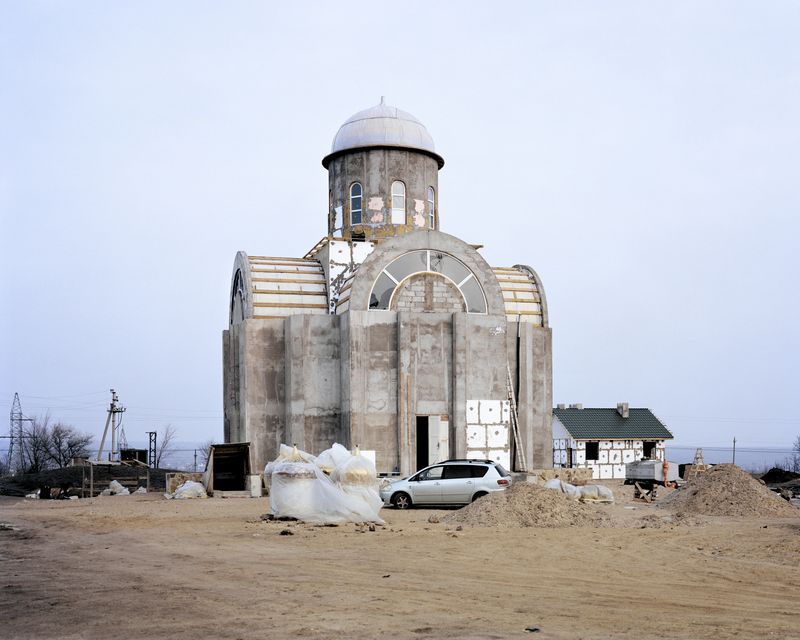
Churches are increasingly being built in Transnistria, reports a friend who regularly visits his family there. The assumption is that this is intended to distract the population from Russia's war of aggression against Ukraine. Pervomaisc, Transnistria, February 2023

© Ludwig Nikulski - Image from the Under the Palm Trees photography project
i

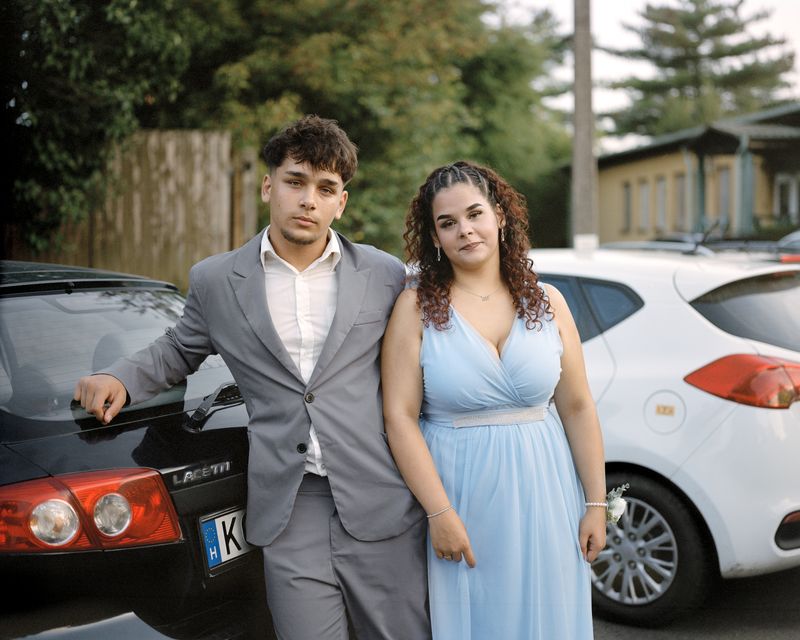
Gergo and Liliana pose for a portrait at a wedding in Záhony, a Hungarian town on the border with Ukraine. Záhony, Hungary, August 2025

© Ludwig Nikulski - Image from the Under the Palm Trees photography project
i

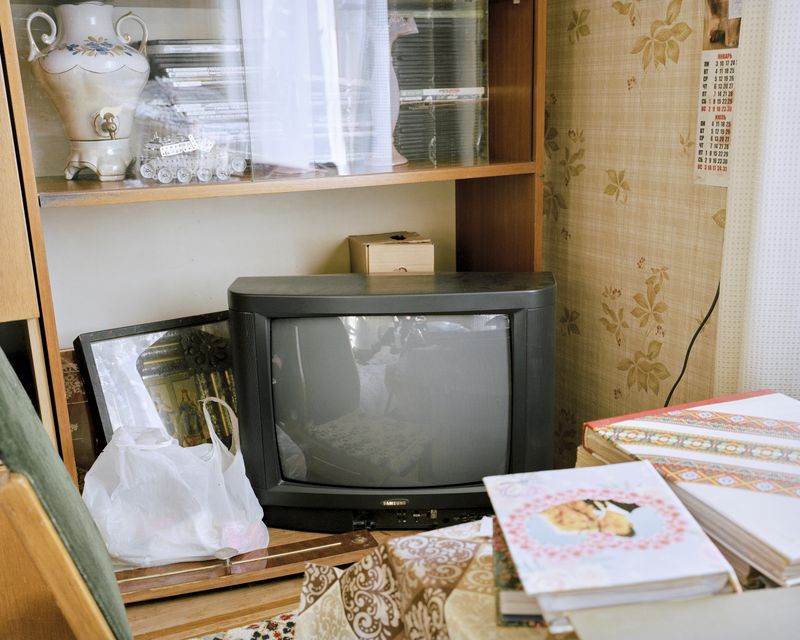
A guest room in a house on the outskirts of Tiraspol, with a tube television, toy tanks and a family album. Tiraspol, Transnistra, February 2023

© Ludwig Nikulski - Image from the Under the Palm Trees photography project
i

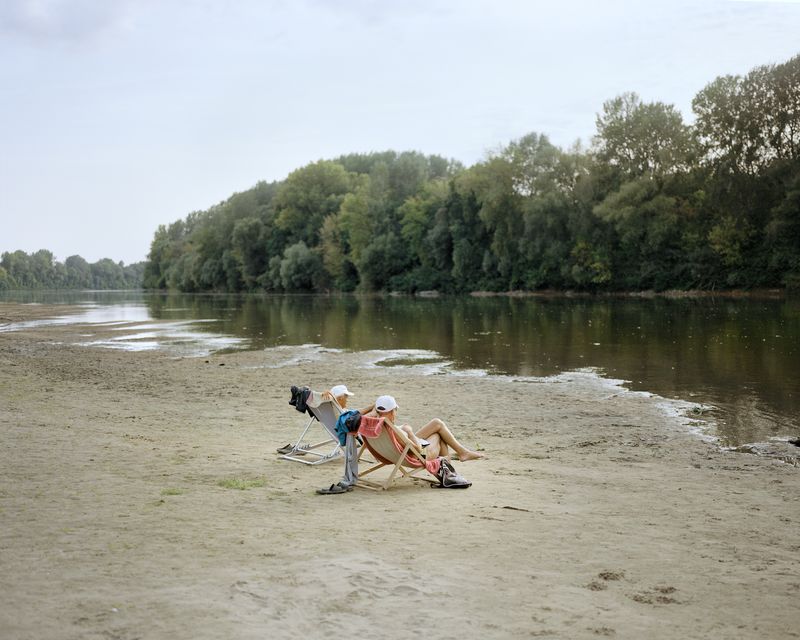
On the banks of the Tisza, two men enjoy the beach – just a few hundred metres away, dozens of Ukrainian men of military age risk their lives to swim across the river and reach Hungary. Tuzsér, Hungary, August 2025

© Ludwig Nikulski - Image from the Under the Palm Trees photography project
i

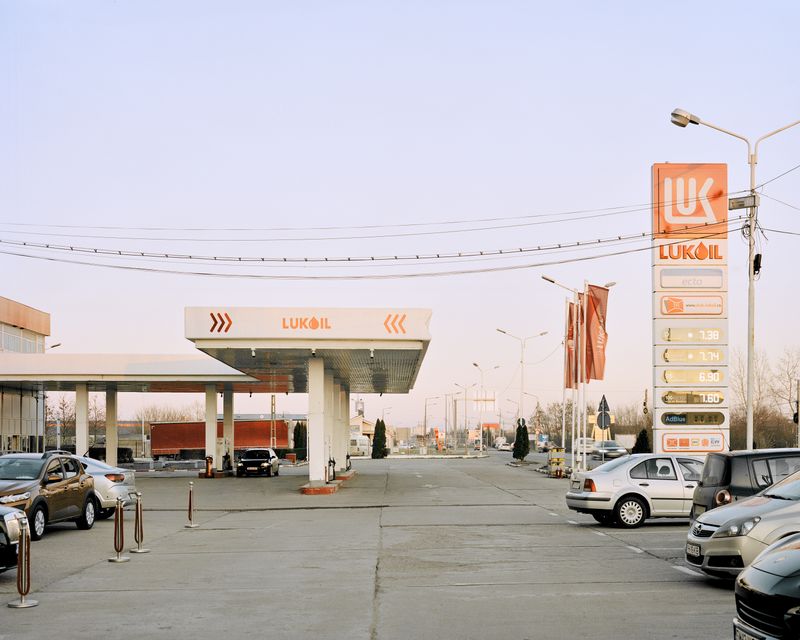
Near the Ukrainian border in Romania, on the outskirts of Satu Mare, a LUKOIL petrol station stands in the subdued light of dusk. The Russian energy company continues to be part of the everyday infrastructure, even here, just a few kilometres from the war. In the same city, Rheinmetall operates a maintenance station for military vehicles. Satu Mare, Romania, February 2024

© Ludwig Nikulski - Image from the Under the Palm Trees photography project
i

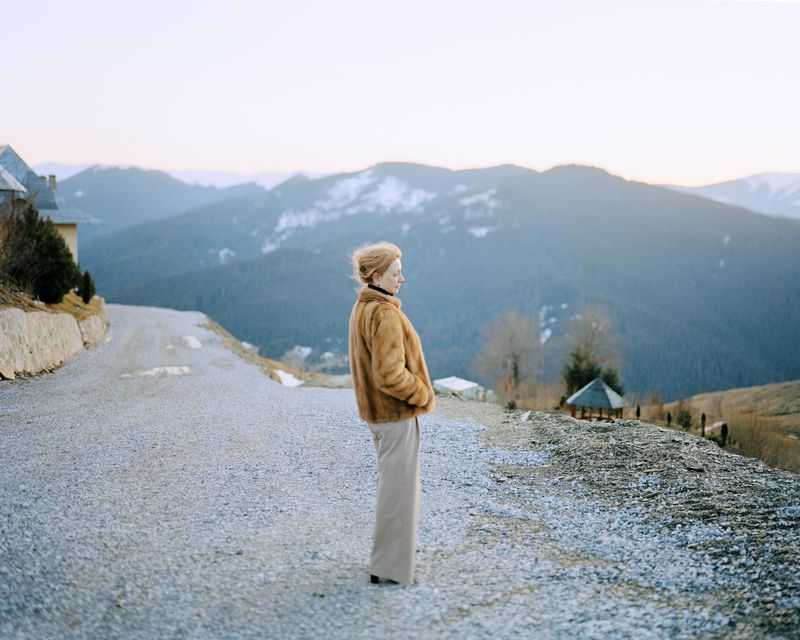
Liliana gazes at the Carpathian Mountains and poses for a portrait at the "Sfintii Apostoli Petru si Pavel" monastery. She regularly comes here with her friends to spend several days of prayer at the monastery. Here, she is oblivious to the war. Botos, Romania, February 2024

© Ludwig Nikulski - Image from the Under the Palm Trees photography project
i

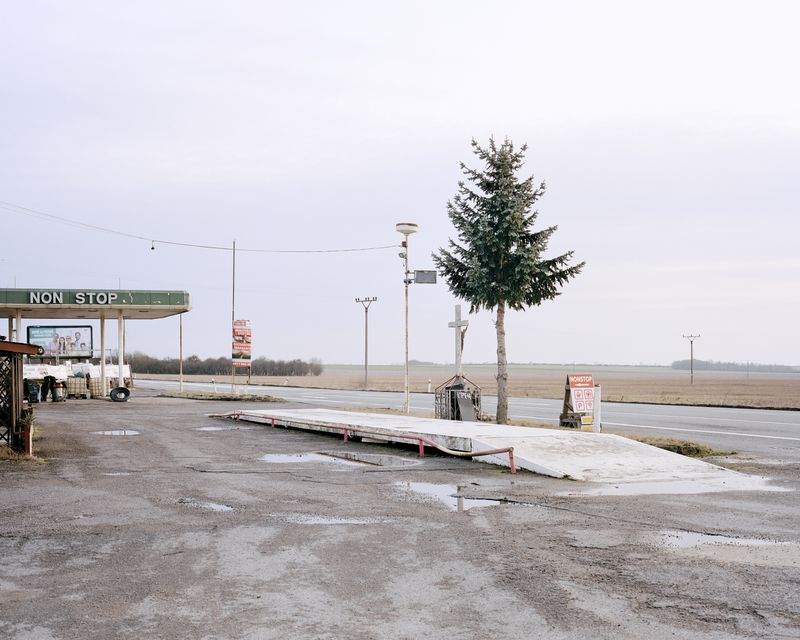
An abandoned rest area in Tibava, a small municipality in the structurally weak border region in the far east of Slovakia. Since the fall of communism in 1989, most governments have neglected the eastern regions of Slovakia. One source of hope for the region is refugees from Ukraine, who have been buying more and more houses here in recent years. Tibava, Slovakia, February 2024

© Ludwig Nikulski - Image from the Under the Palm Trees photography project
i

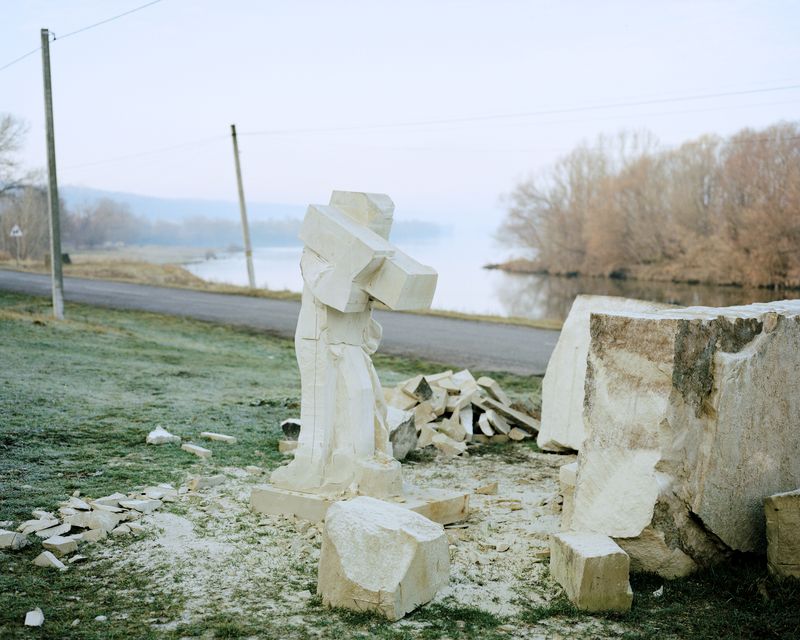
Christian sculptures are made from granite in Coșăuți. The town is located on the Dniester River, directly opposite Ukraine. Coșăuți, Republic of Moldova, February 2024

© Ludwig Nikulski - Image from the Under the Palm Trees photography project
i

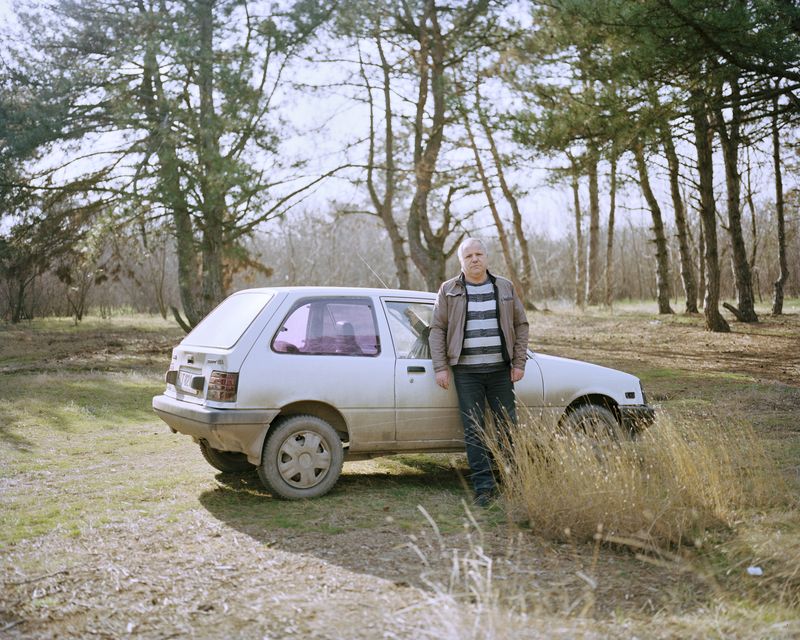
Vasily, known as Wasya, poses for a portrait. He lives in Tiraspol and earns some extra money as a driver. While life is life by Opus was playing in the radio, he told me to not look at the soldiers at the checkpoint because I look European. They might think I am a spy. Transnistria, February 2023

© Ludwig Nikulski - Industrial area. Tiraspol, Transnistria, February 2023
i

Industrial area. Tiraspol, Transnistria, February 2023