UNCONVENTIONAL LOVE
-
Dates2017 - 2017
-
Author
- Topics Portrait, Social Issues, Contemporary Issues
Sara Magni : she graduates in Scenography in 2004, at the Accademia di Belle Arti di Brera, Milan. She has been focusing her work on socials contemporary issues, in particular women issues. Chiara Luxardo: she graduates in Business Administration, Milan and Development Studies in Soas, London.
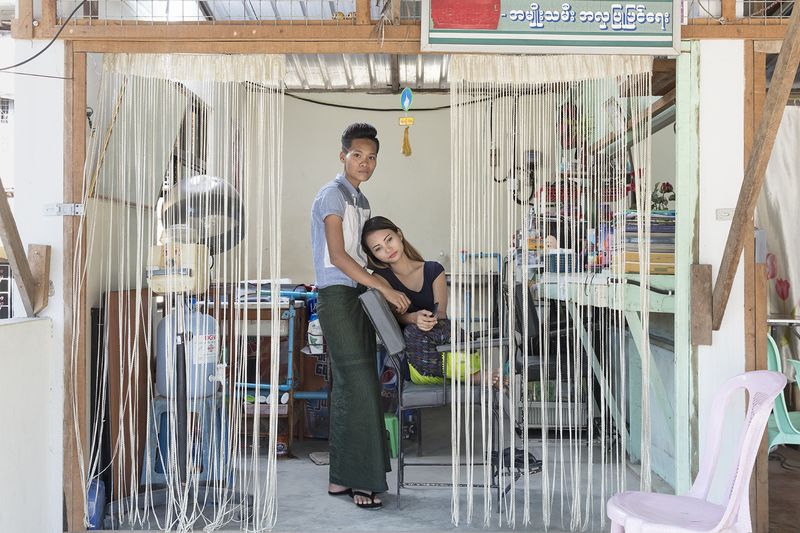
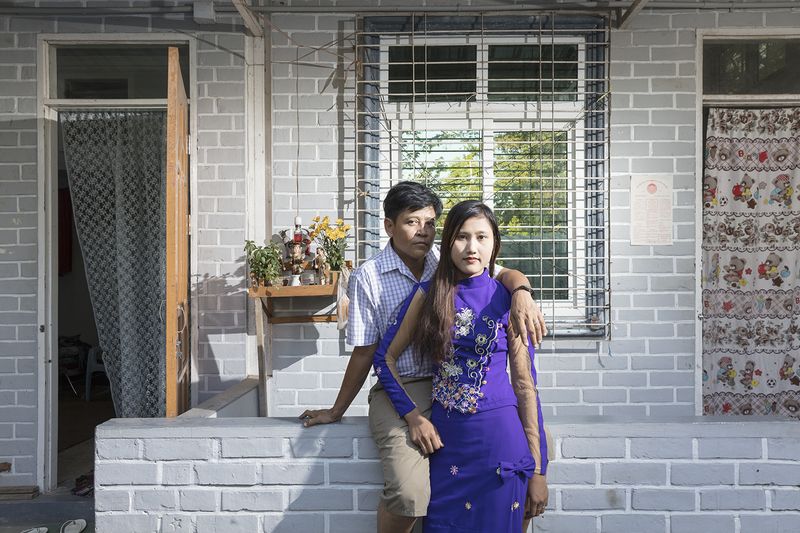
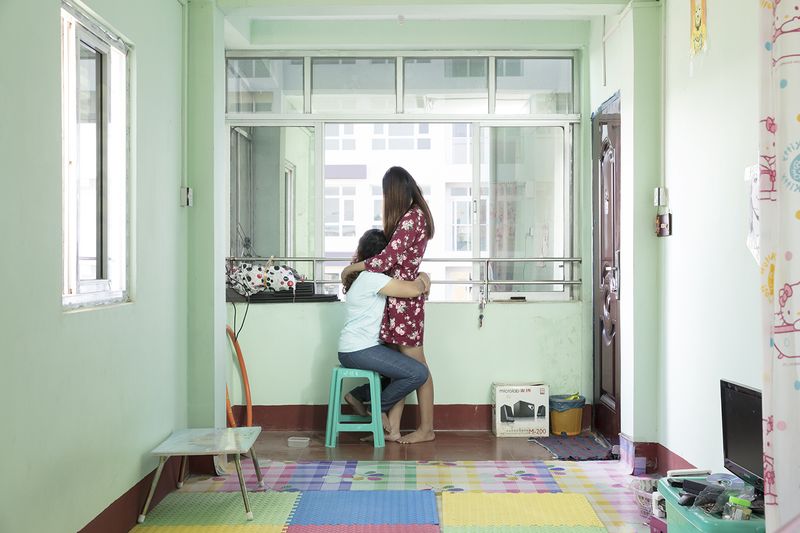
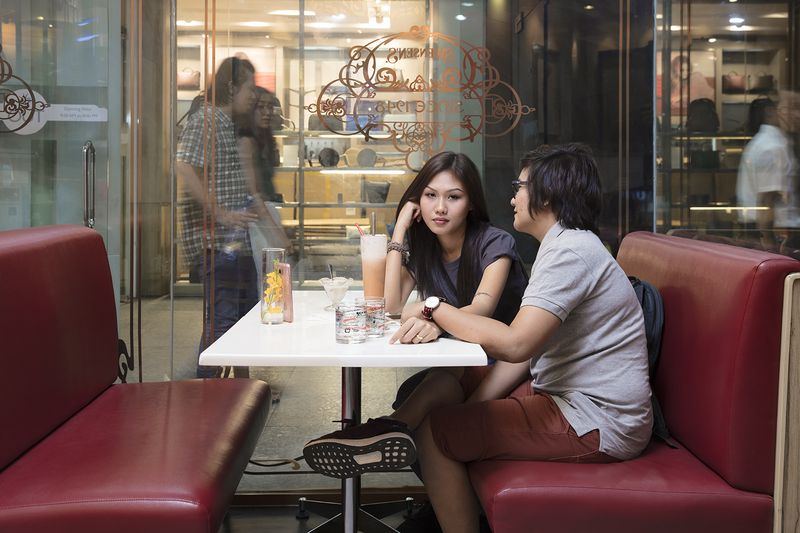
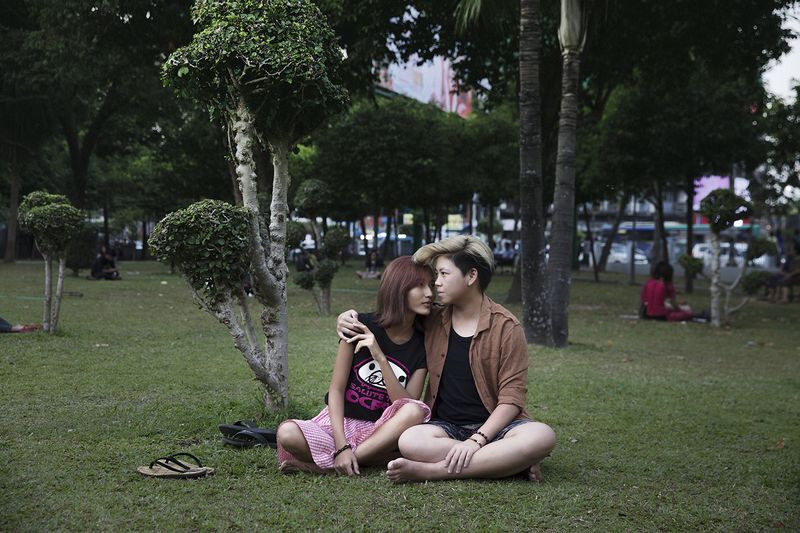
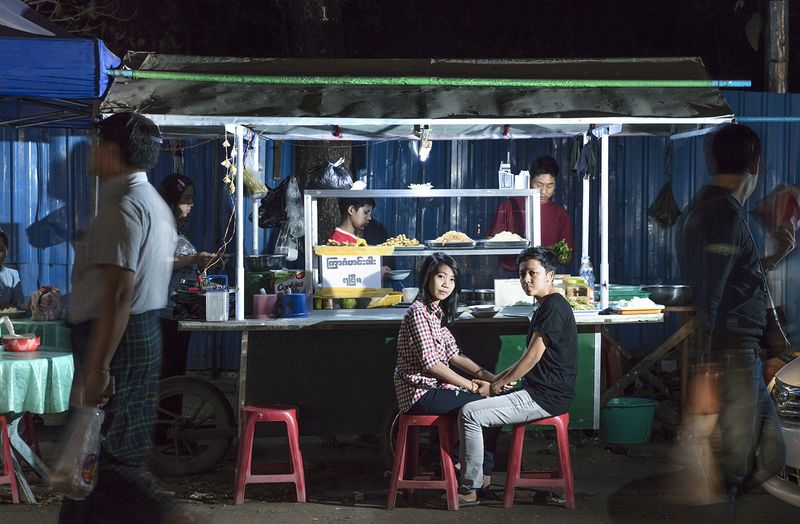
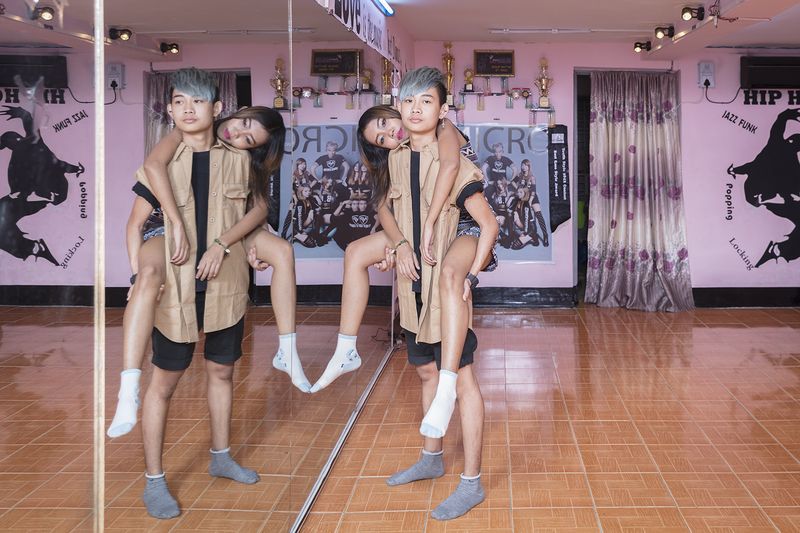
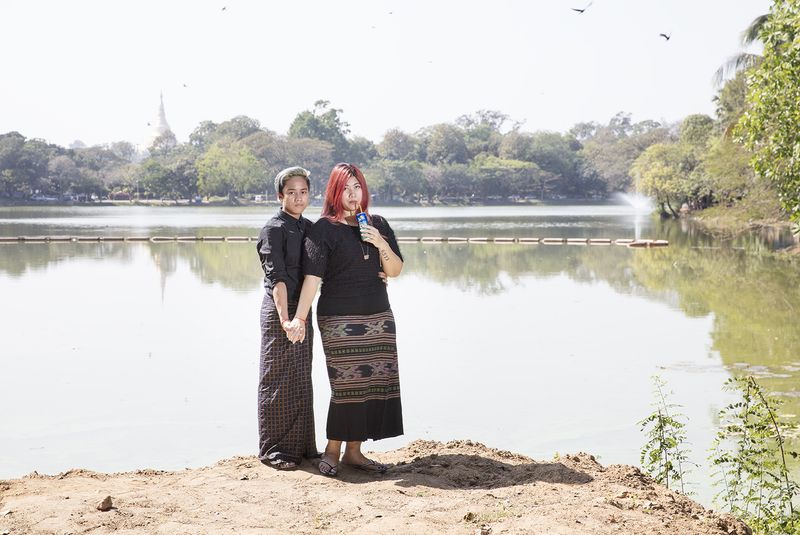
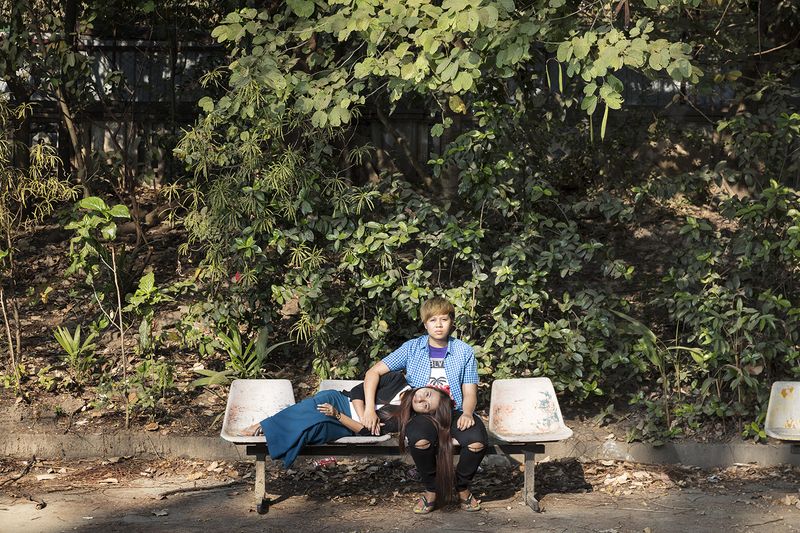
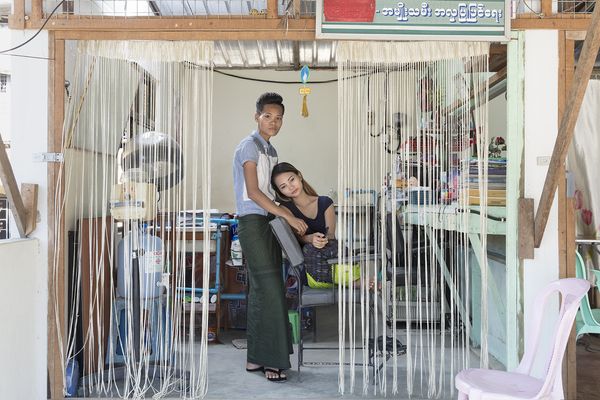
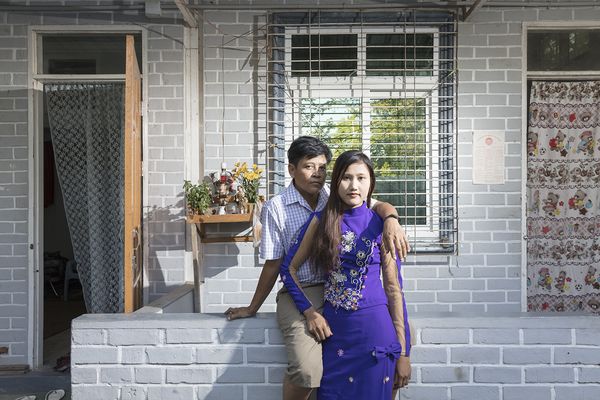
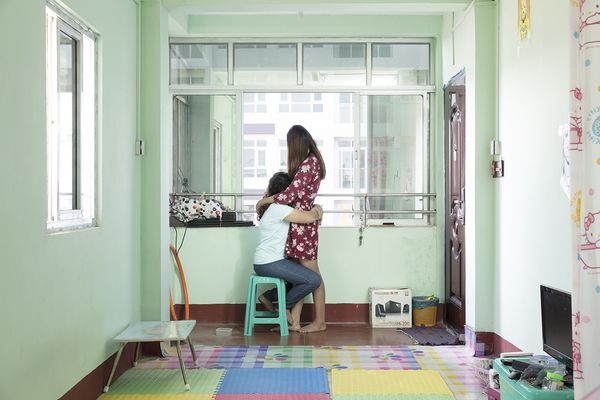
As Myanmar undergoes political and economic liberalization after over fifty years of military dictatorship, LGBT minorities continue to face myriad forms of discrimination. Although political and legal institutions have been rapidly changing since the 2010 general elections, same-sex relationships are still illegal: according to Section 377 of the Penal Code, “unconventional love” could be punished with imprisonment for a term which may extend to ten years, in addition to a fine. Aim of this first-hand photographic project is to presents the readers with stories of unconventional love through the extraordinary testimony of Burmese lesbian couples that decided to break the silence acting as agents of change.
Within contemporary Burmese society, the daily life of LGBT people is constantly threatened by religious and social norms that underpin their rights to enjoy civil-political freedoms and speak out against oppression. Along with existing discriminatory laws, social prejudices are in some cases further boosted by Buddhist practices and beliefs. In Buddhist thought, in fact, life is cyclical, and everyone' social position is determined by their karma at birth, as accumulated in previous lives through actions involving the body, tongue, and mind. Accordingly, homosexuality is often seen as a result of sexual transgressions and adultery perpetrated in a past life.
Due to a deeply rooted hierarchical structure that places men above women, the Buddhist society seems to be slightly more tolerant regarding homosexual women; however this does not come without a cost. Lesbians must prove they wanted to be men since birth in order to get their “illness” partially justified. As a result, the majority of Burmese lesbian couples establish relationships in which one of the two partners dresses up, acts and behaves in public like a man, referring to herself as a tomboy. In some cases, the process of transformation gets irreversible. Trasgender man call themselves tomboy, using the english word as there is no word in Burmese for gay or lesbian, only insult. For instance, one of the girls that participated in the project is currently undergoing hormone treatments to be become a man, with the final intent to/ hoping to get more easily accepted by her family or at the workplace.