Try Again Later
-
Dates2025 - Ongoing
-
Author
- Topics War & Conflicts, Social Issues, Contemporary Issues, Documentary, Archive
- Locations France, Egypt
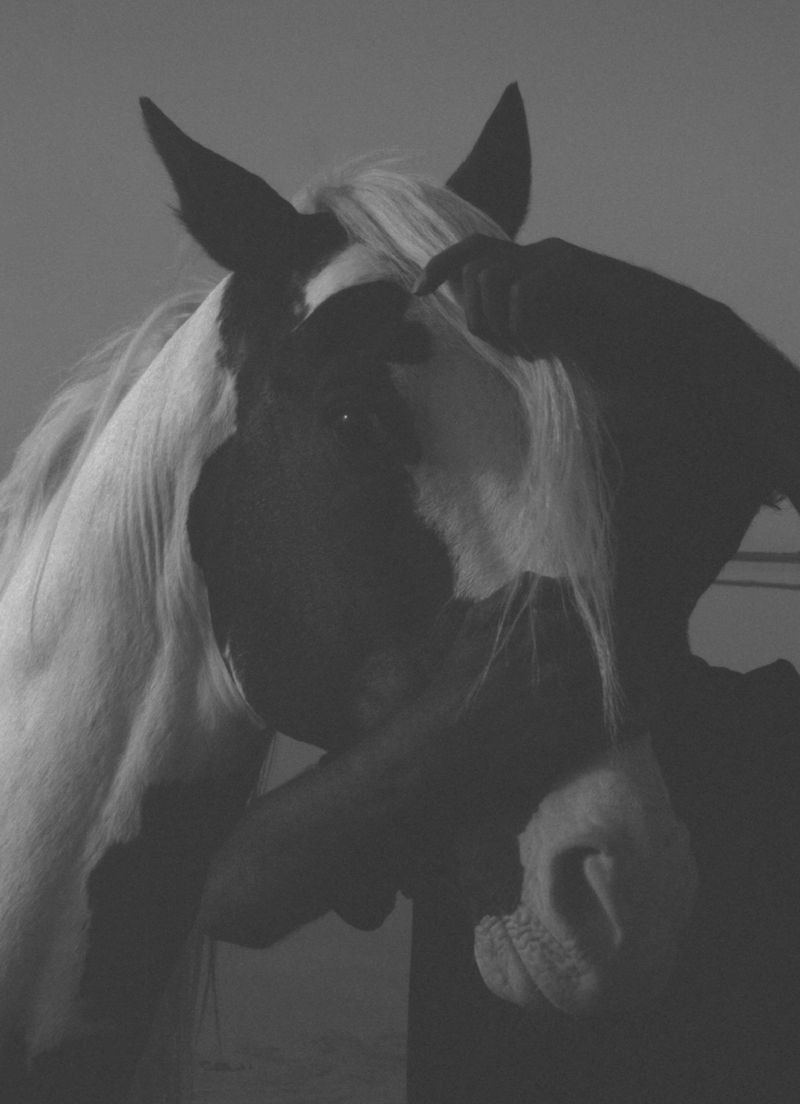
“Try Again Later” explores the consequences of certain restrictions on masculine identity in Egypt. In intimate spaces where speech is curtailed, the language of the body and relationships between men express silent forms of tenderness and resistance.
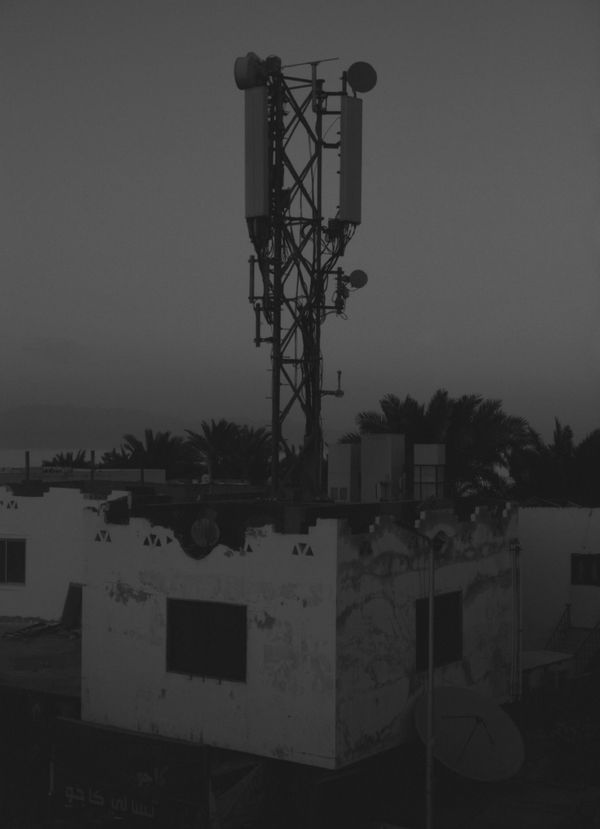
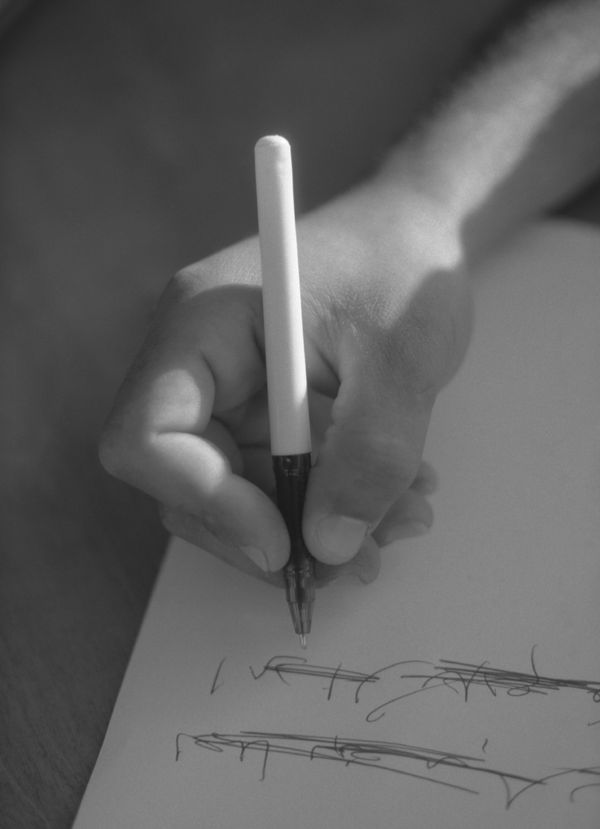
Since the 2013 military coup, Egypt has experienced a tightening of authoritarian rule, intensified by a growing religious obscurantism. In this repressive climate, free forms of expression—whether artistic, intellectual, or personal—are actively monitored and punished, sometimes silenced altogether. It is an environment where censorship, omnipresent, is not merely a tool of political control but also functions as a mechanism of social normalization, shaping narratives, bodies, and identities.
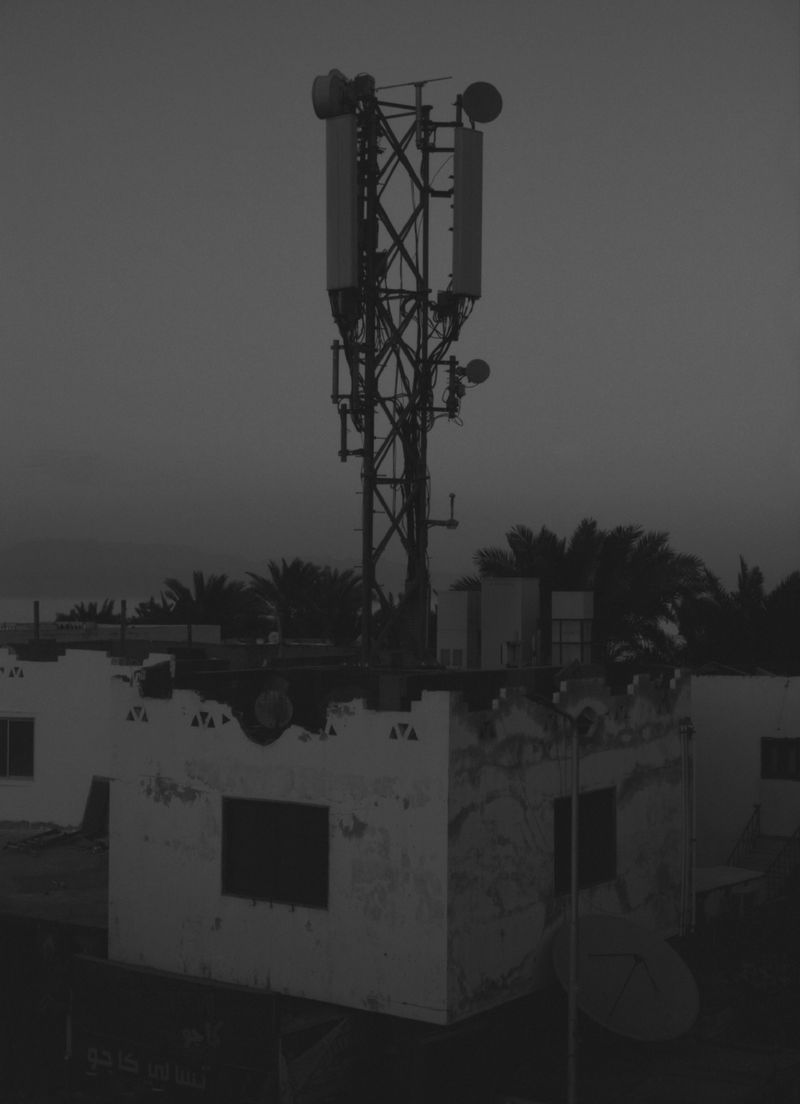
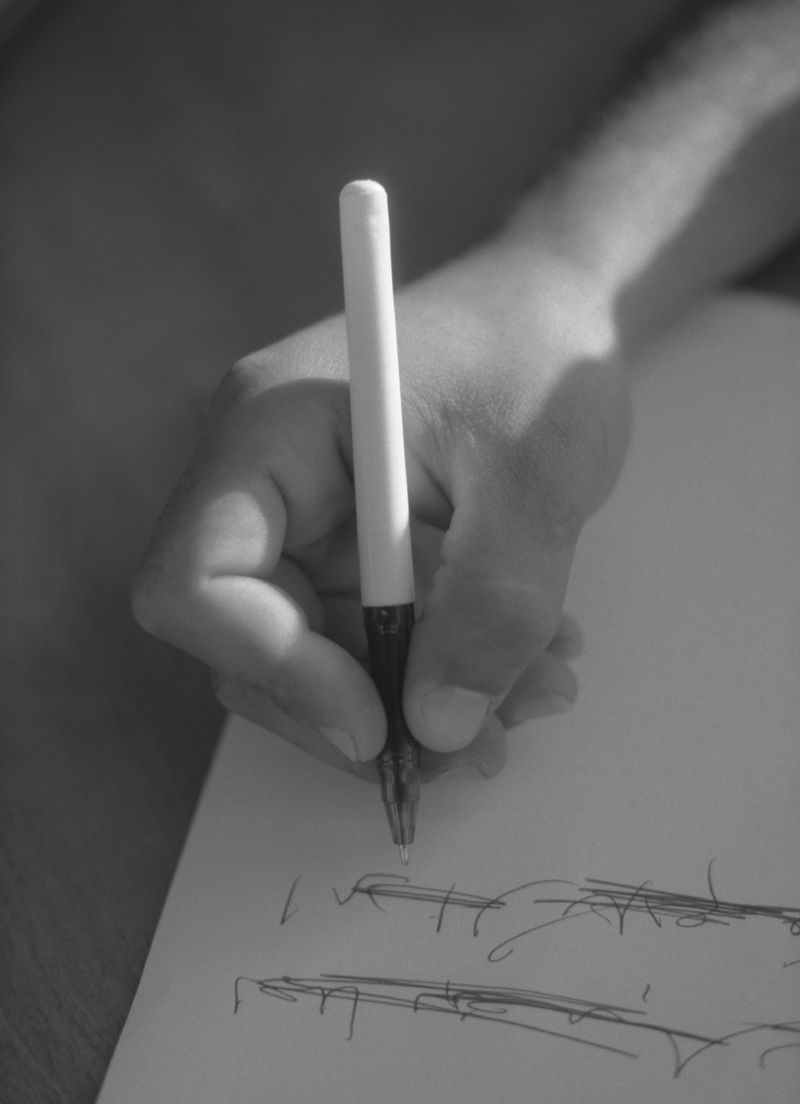
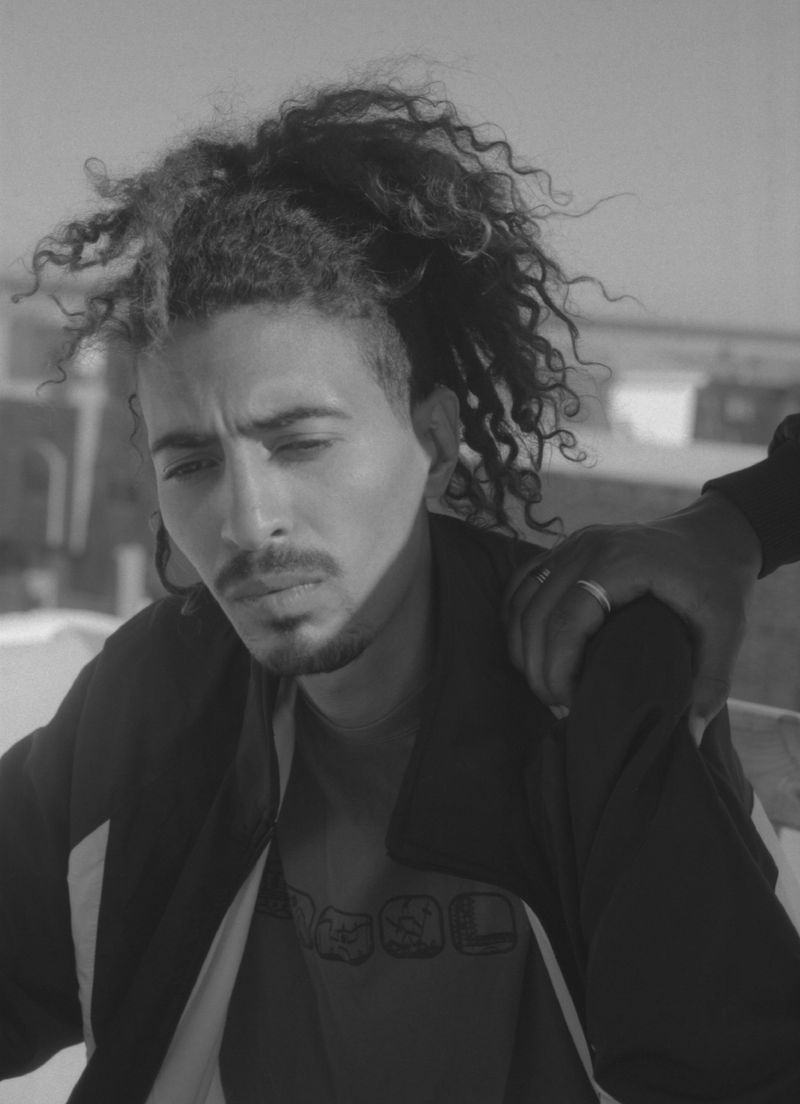
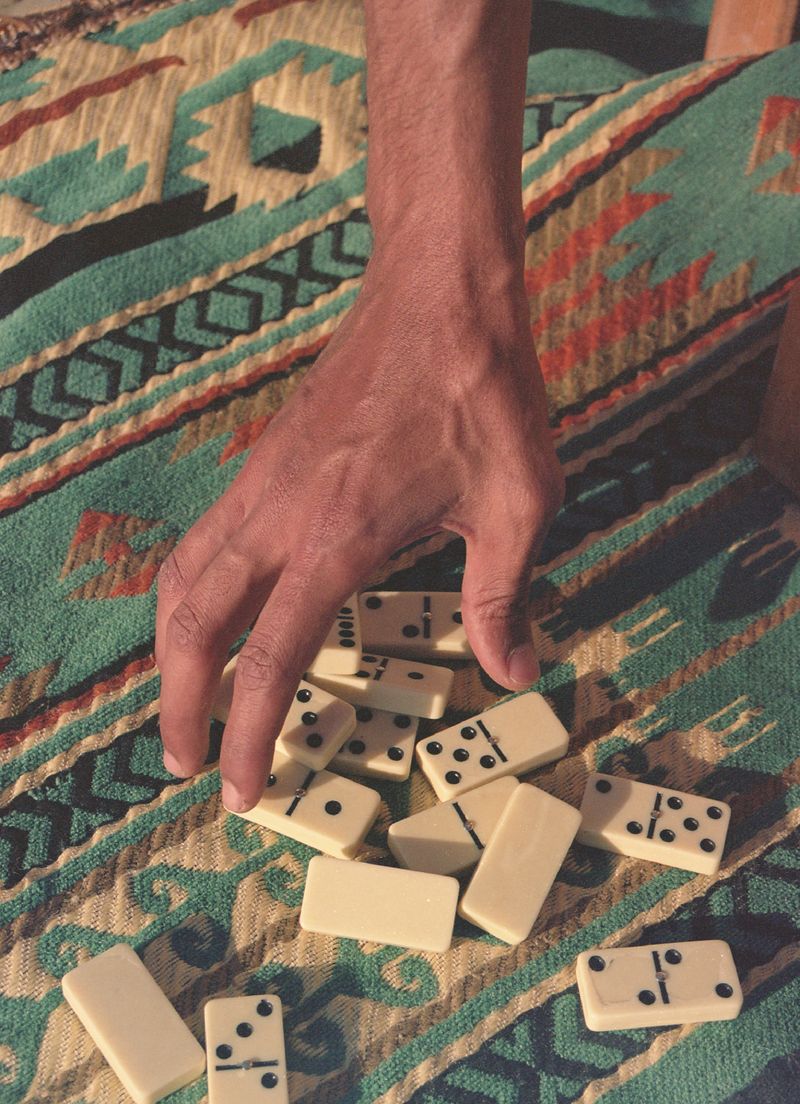
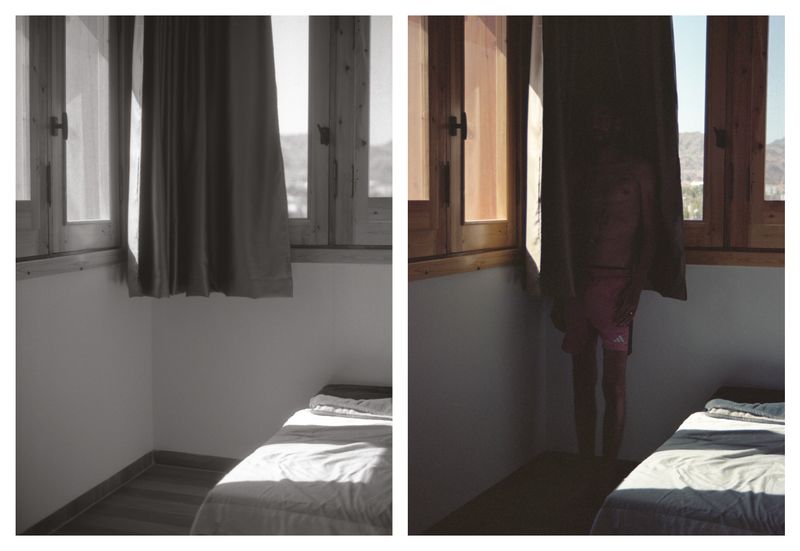
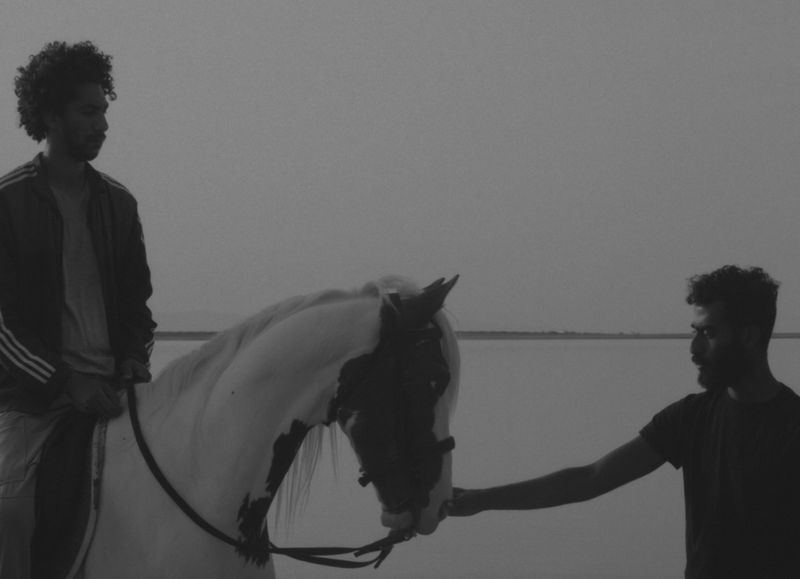
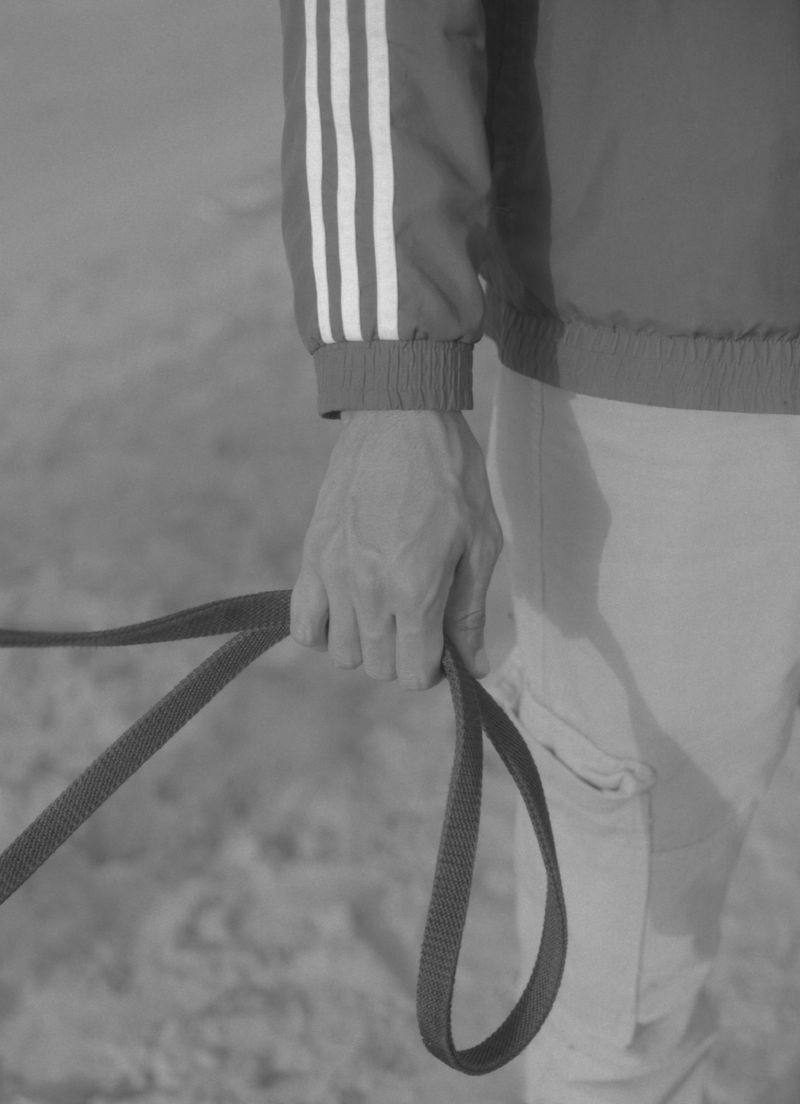
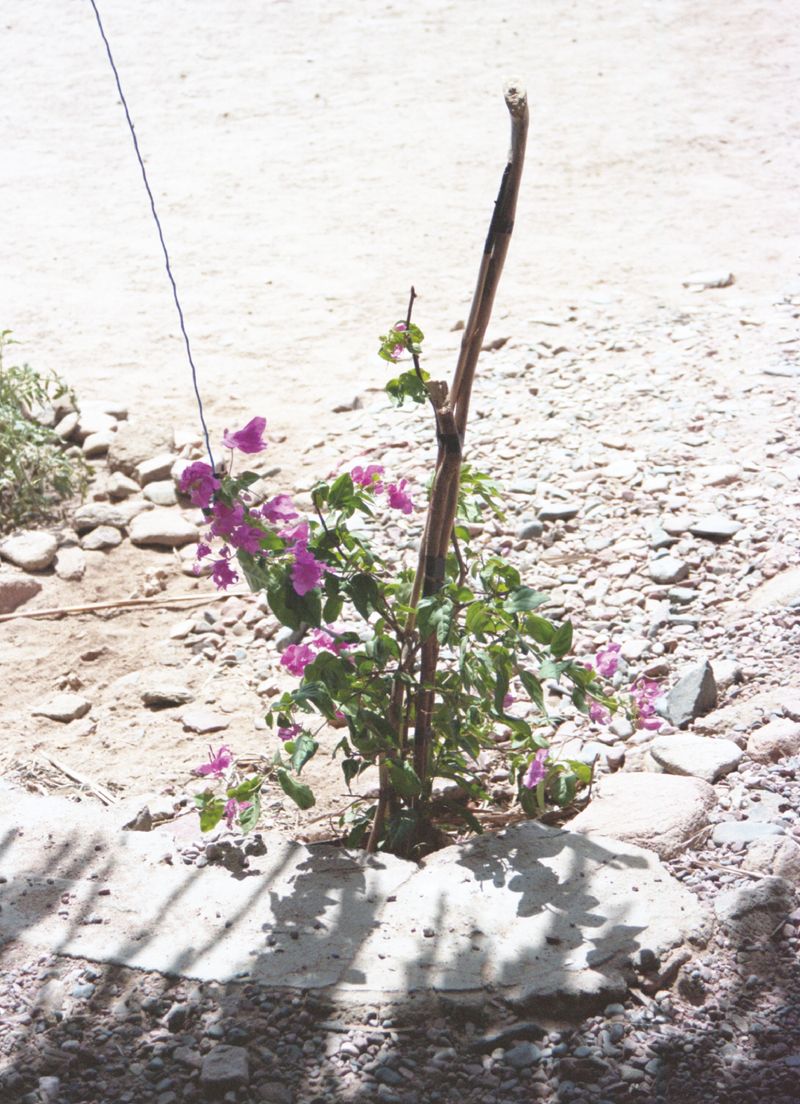
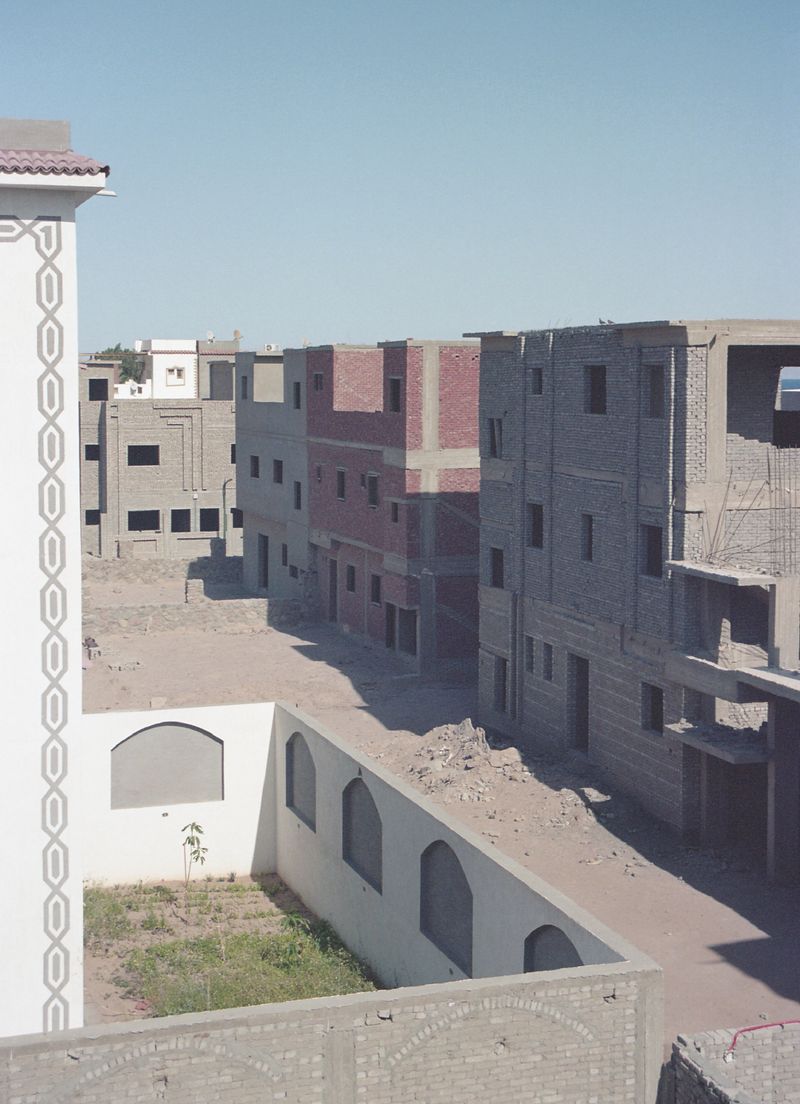
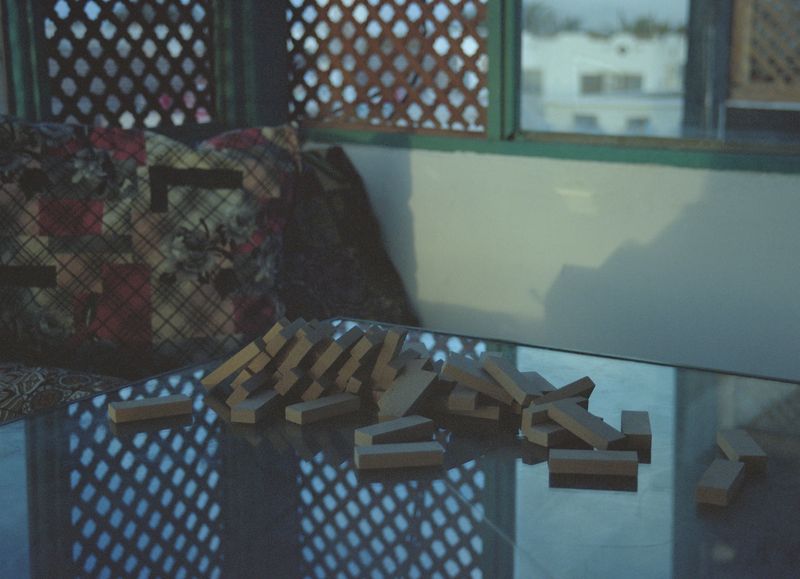
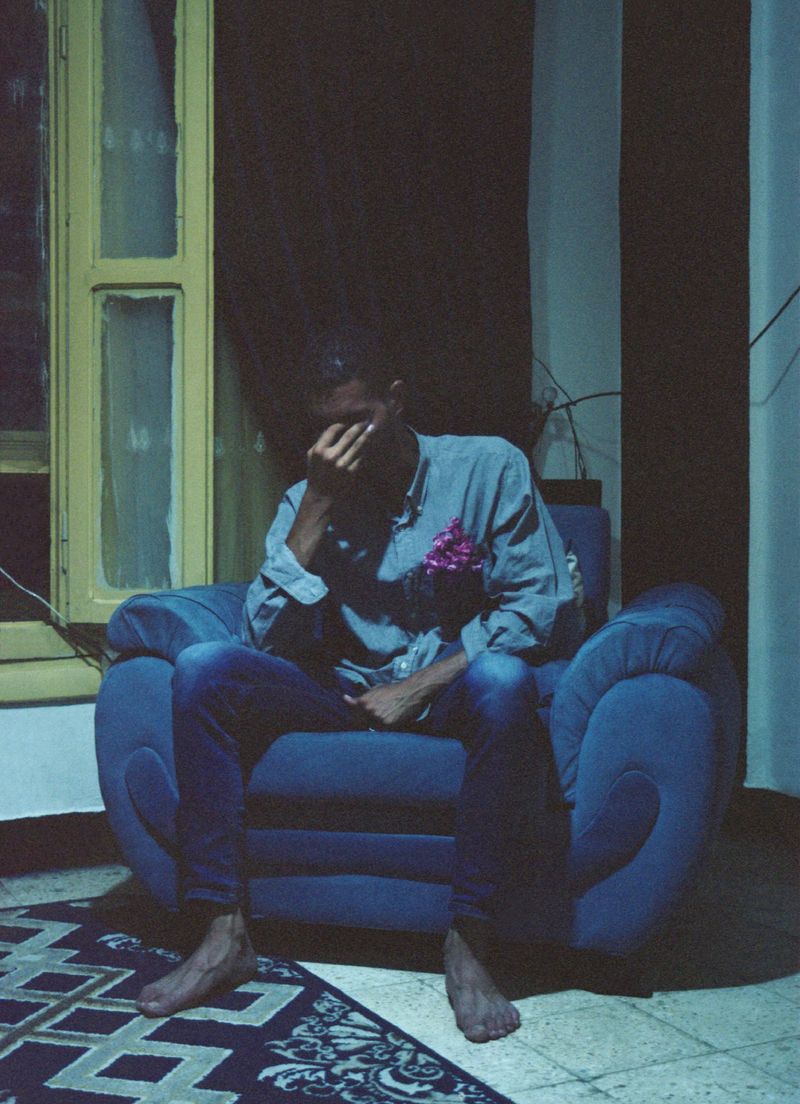
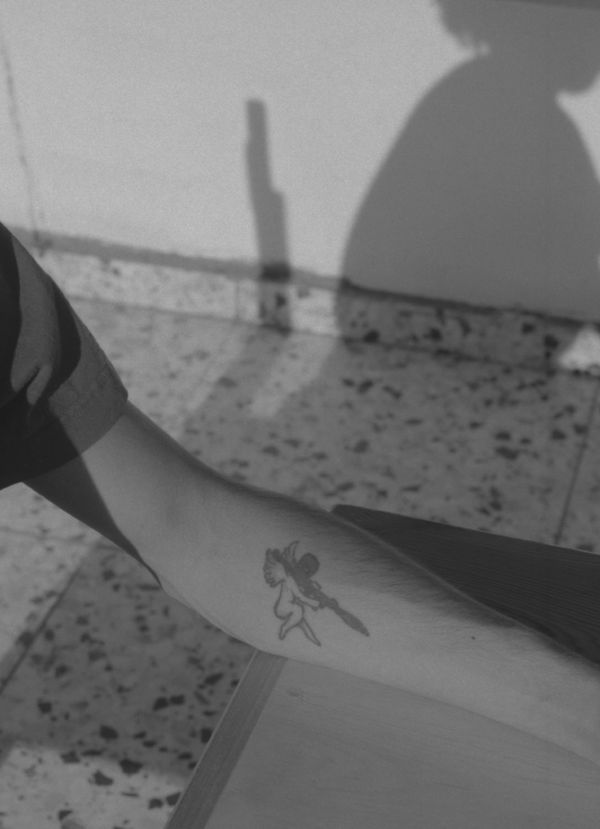
Through a series of staged performative photographs and videos, Try Again Later takes place within this context. Recently settled in the Sinai region, where censorship is less visible, a group of six young adults—long subjected to arbitrary and nearly inescapable censorship—reveal, by reenacting fragments of their daily lives, the latent effects of an authoritarian regime's decisions, effects that are often absurd and at times even fictional. Deprived, in some cases, of their fathers’ presence, the protagonists navigate intimate spaces where paternal figures have faded, where speech is curtailed, yet where the language of the body and relationships between men gradually manage to express forms of tenderness.
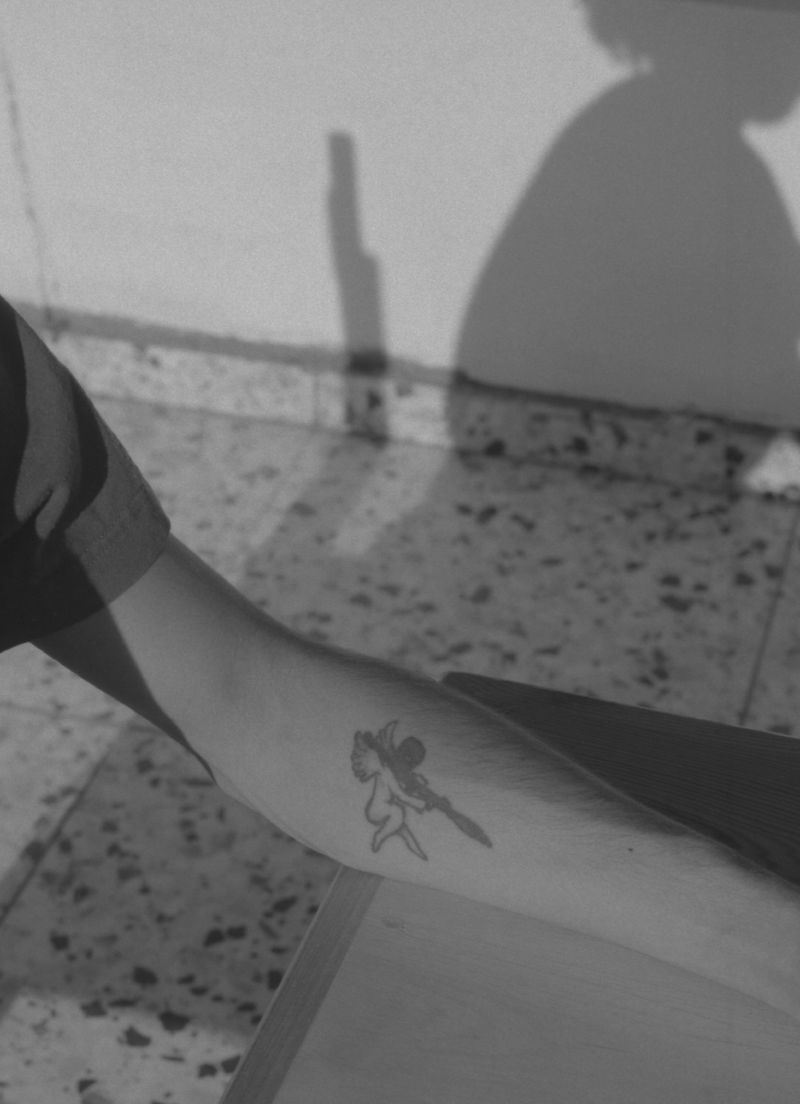
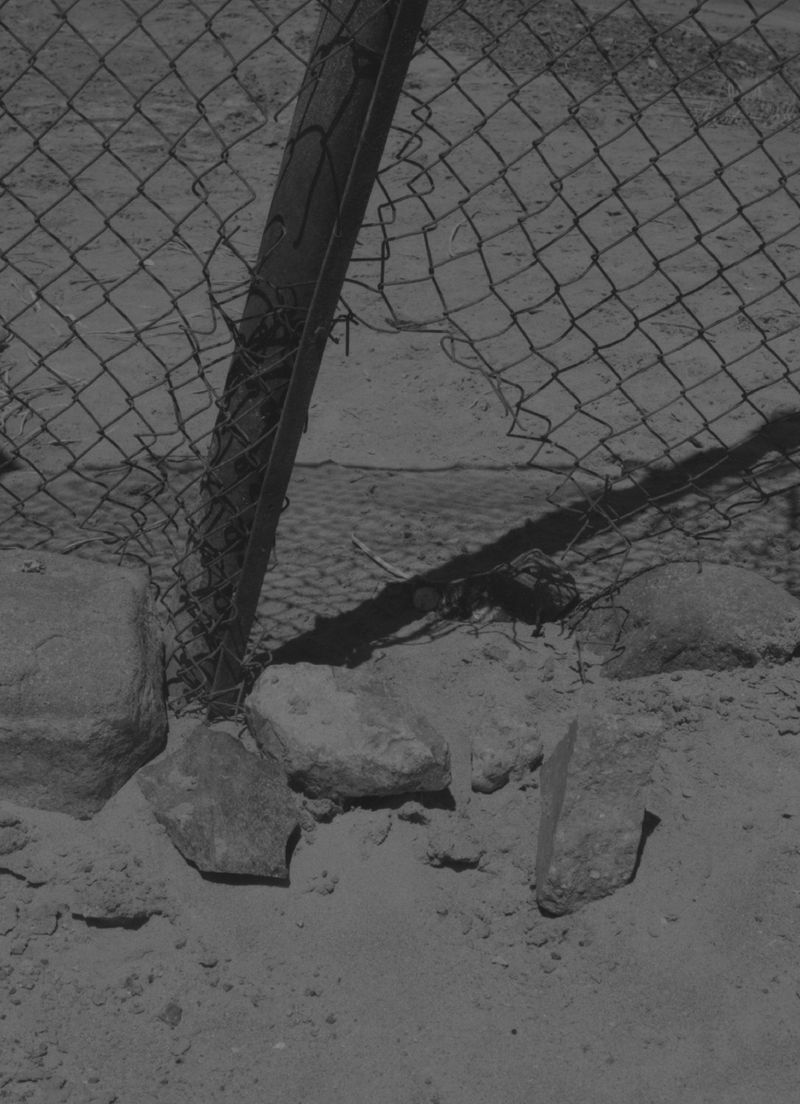
Arab male bodies, projected for centuries into narratives of brutality, continue to be portrayed today as symbols of threat or barbarity. As both a promise and a denial, the injunction in the title Try Again Later invites us to explore a fragile and tense iconography. Once unfolded, it seeks to deconstruct these fixed representations, making room for other narratives: moments of life marked by doubt, gentleness, and friendship—but also traversed by gestures of defiance, negotiation, domination, and quiet forms of resistance.