Trembling Earth
-
Dates2023 - Ongoing
-
Author
- Location Georgia, United States
The Okefenokee Swamp is one of the largest intact freshwater ecosystems in the world and home rare and endangered species. Now under threat by the mining industry, this unique place needs further protection before its remarkable biodiversity is lost.
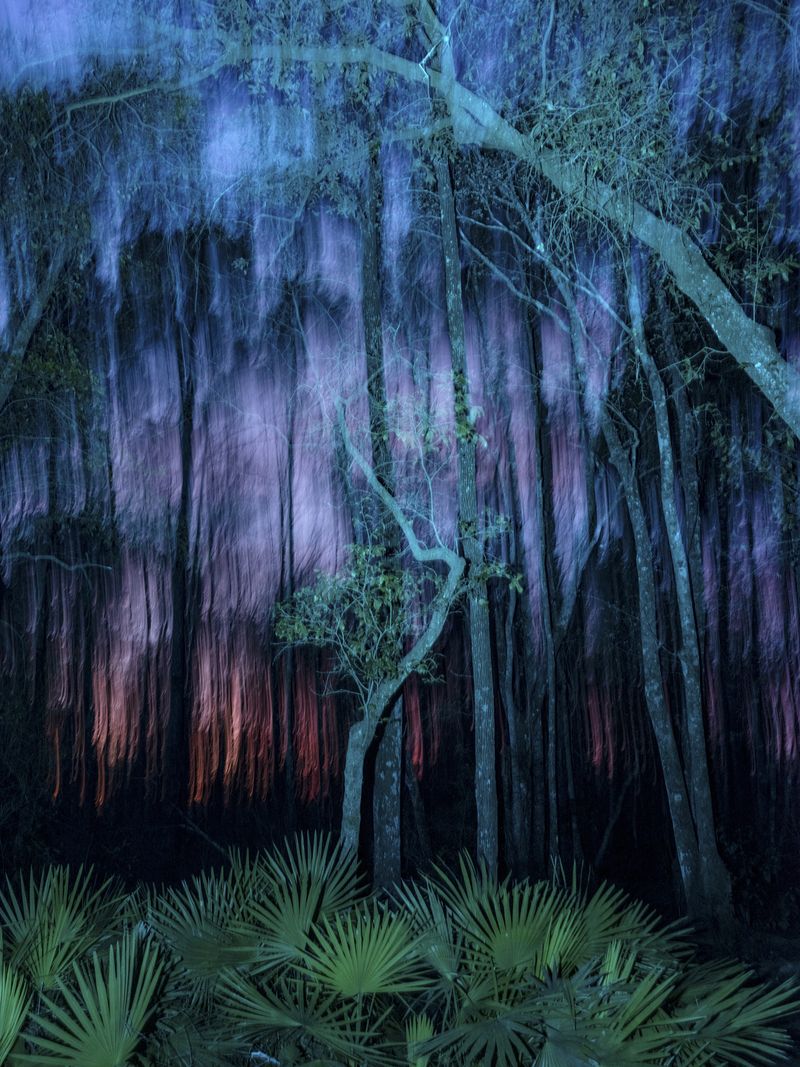
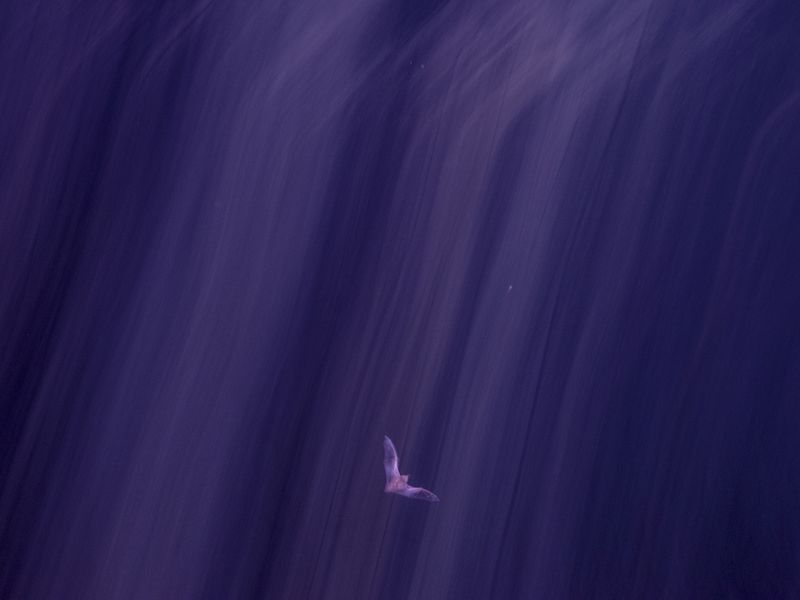
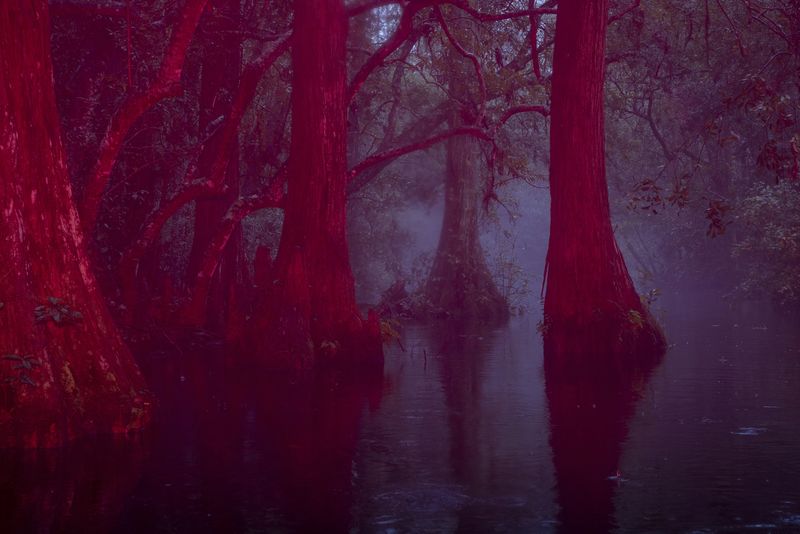
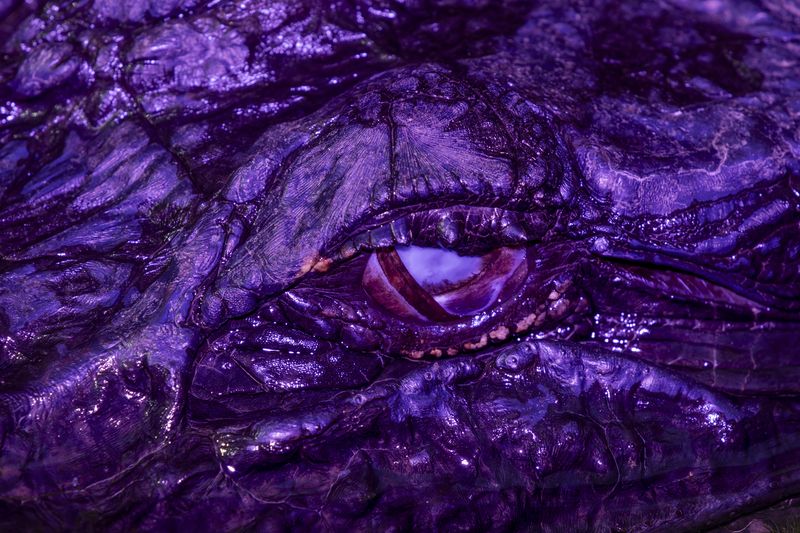
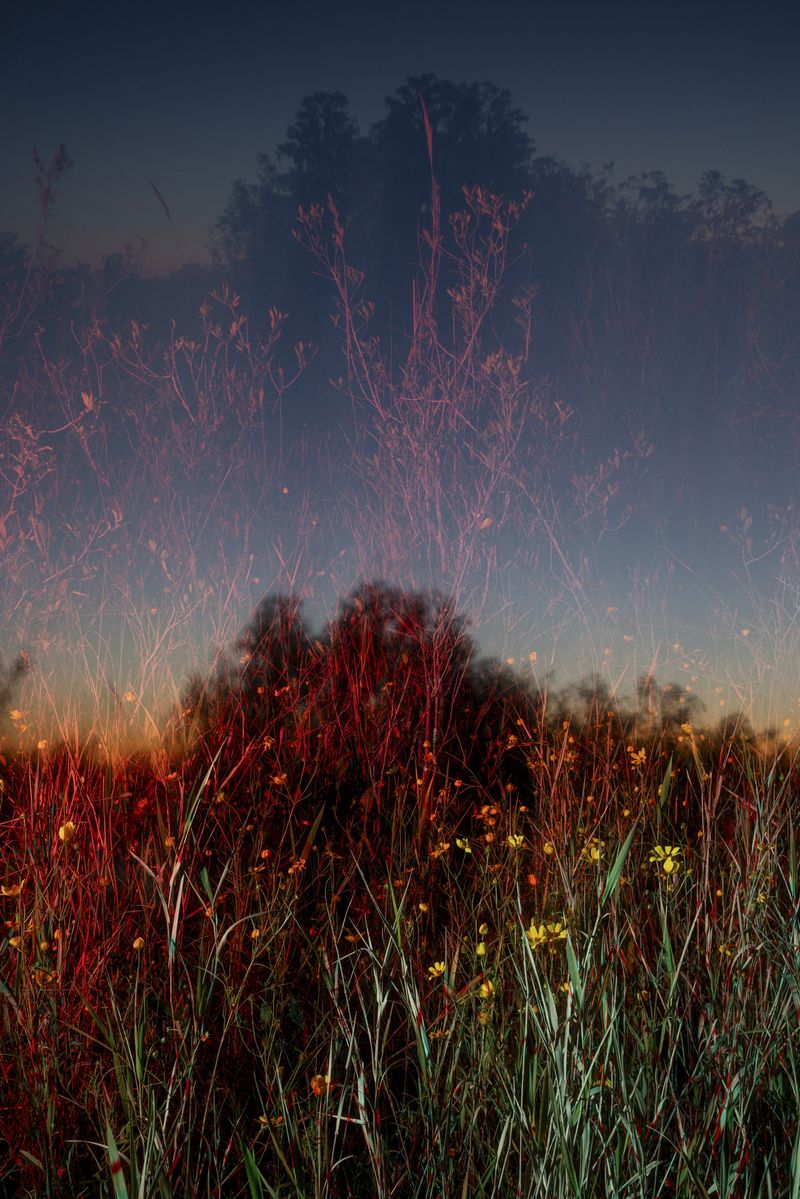
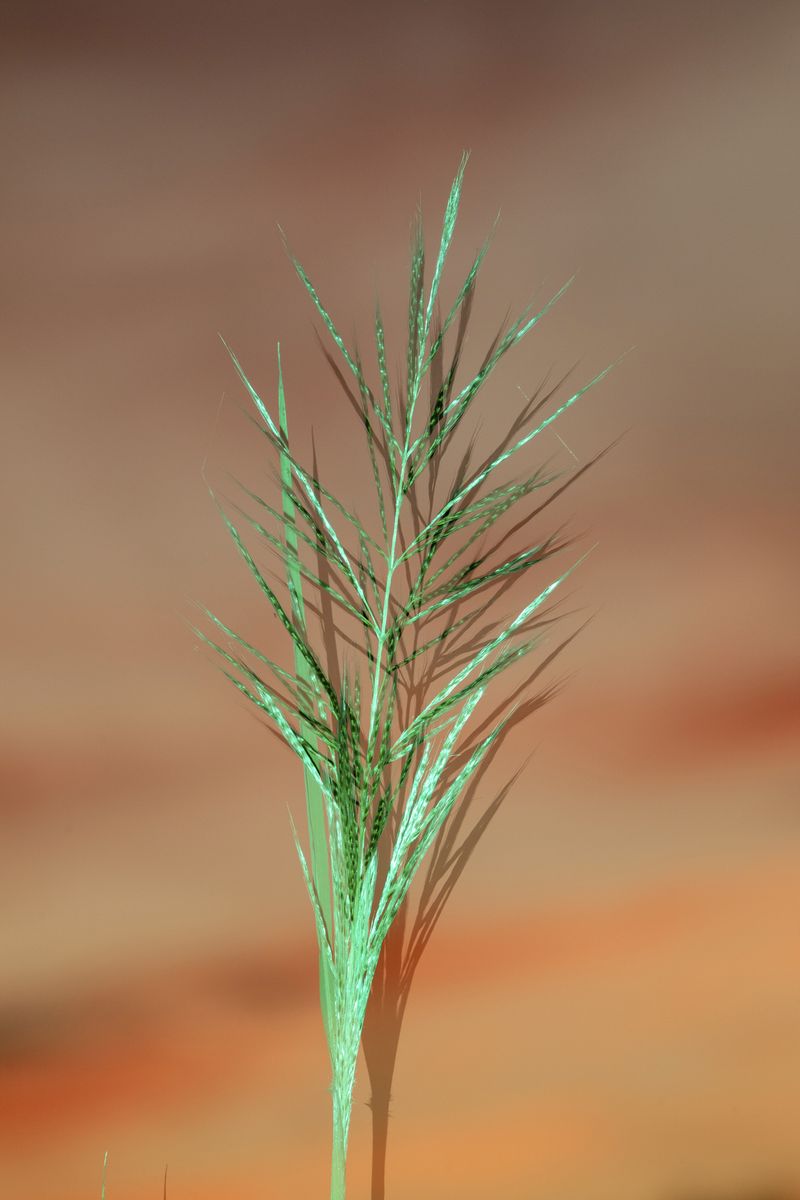
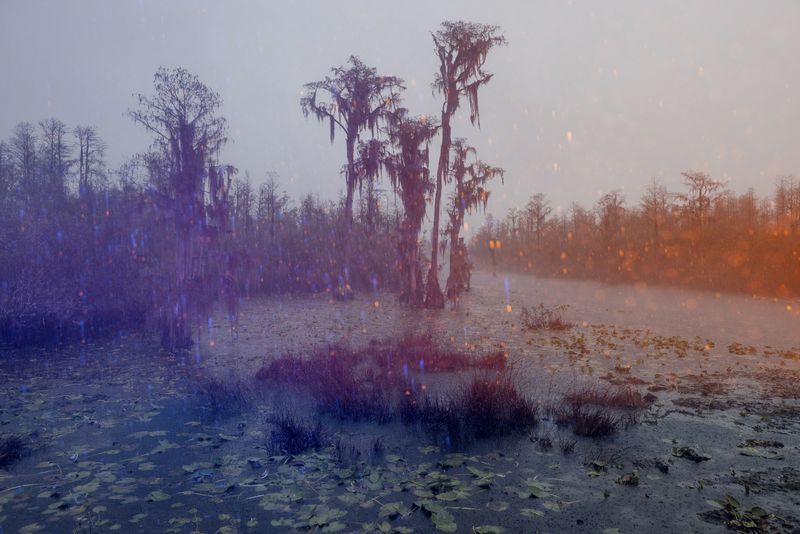
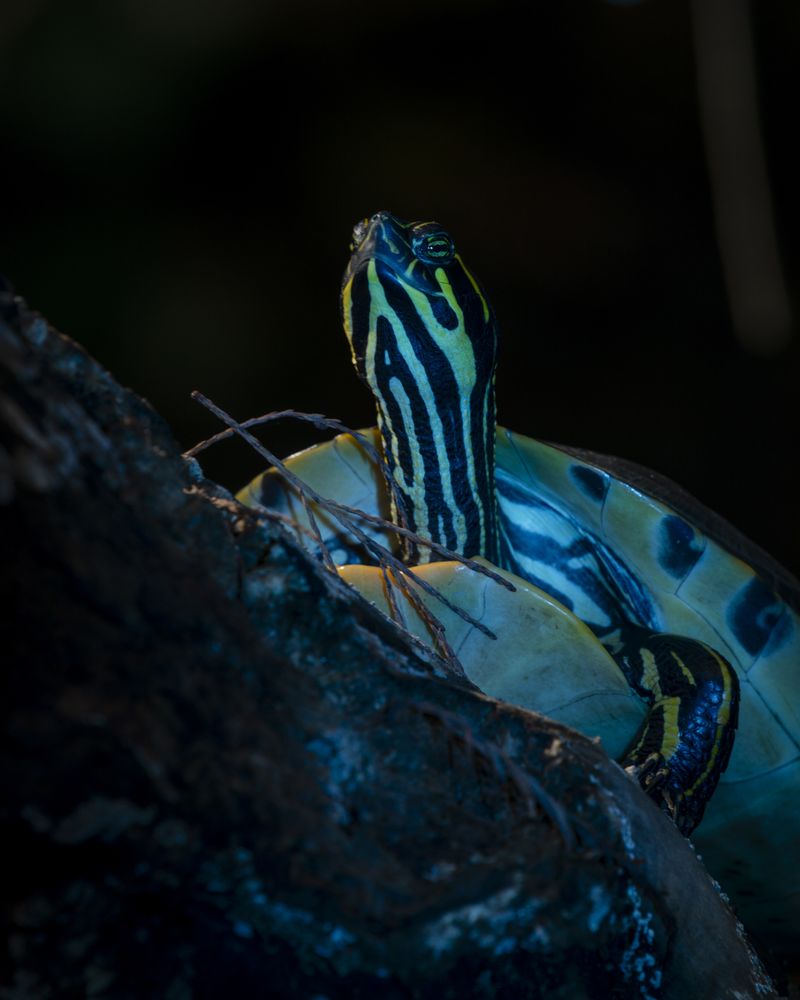
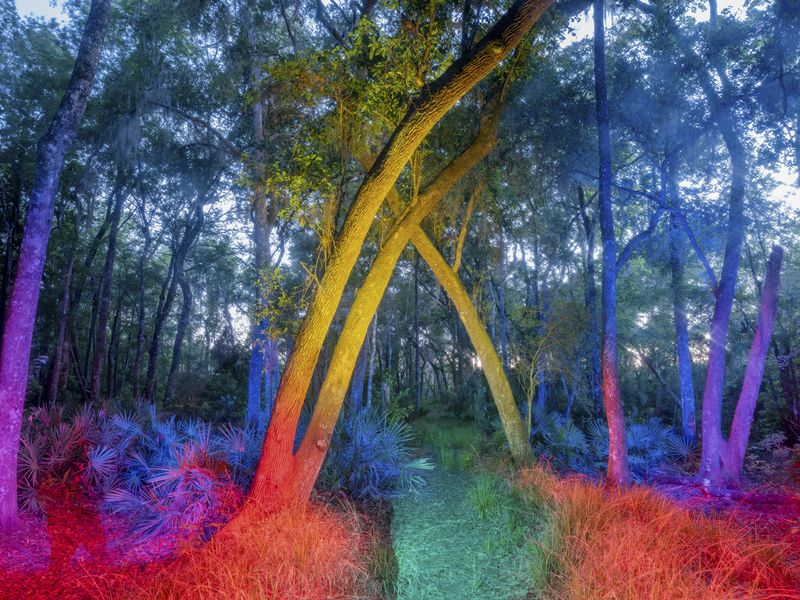
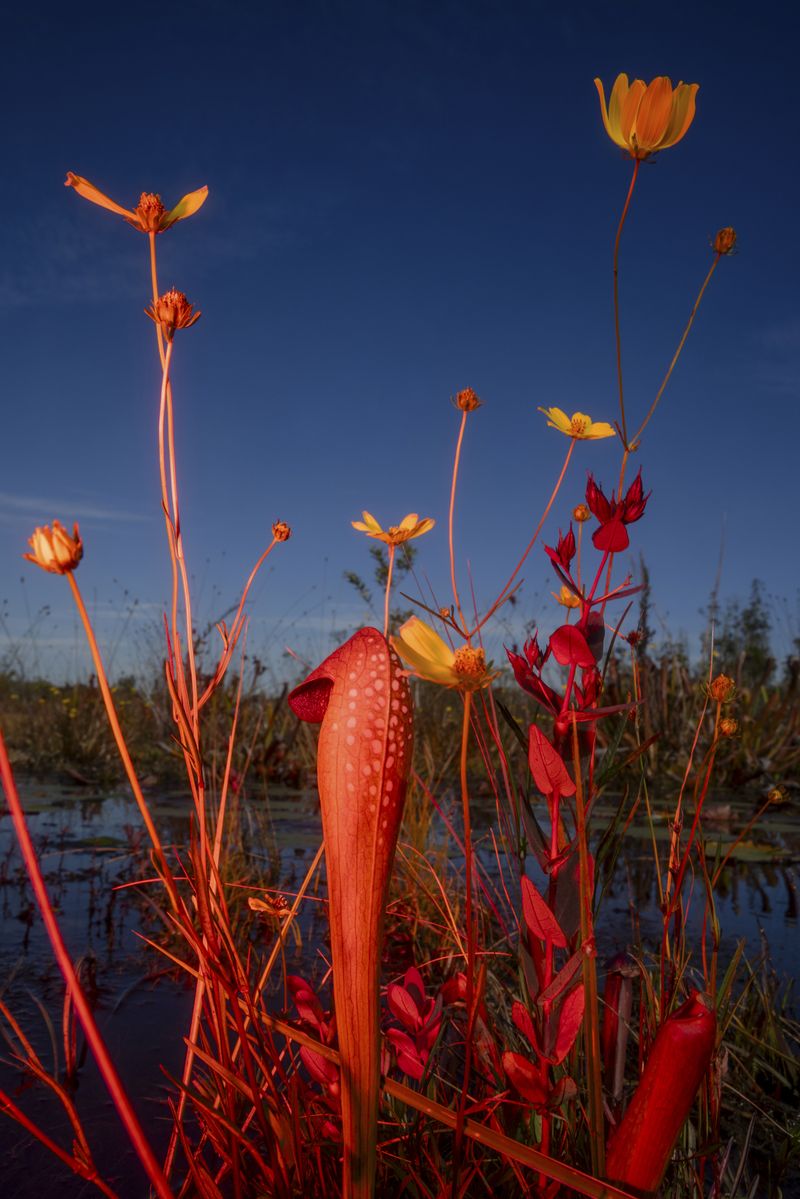
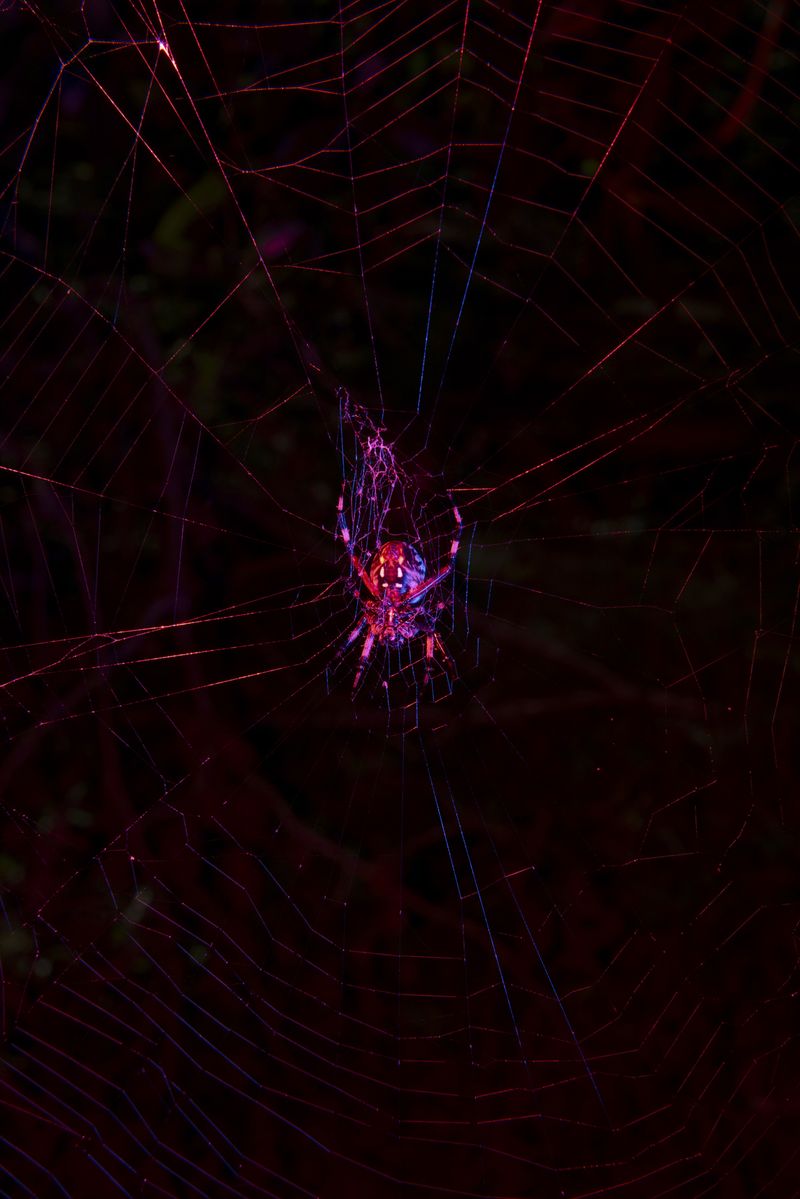
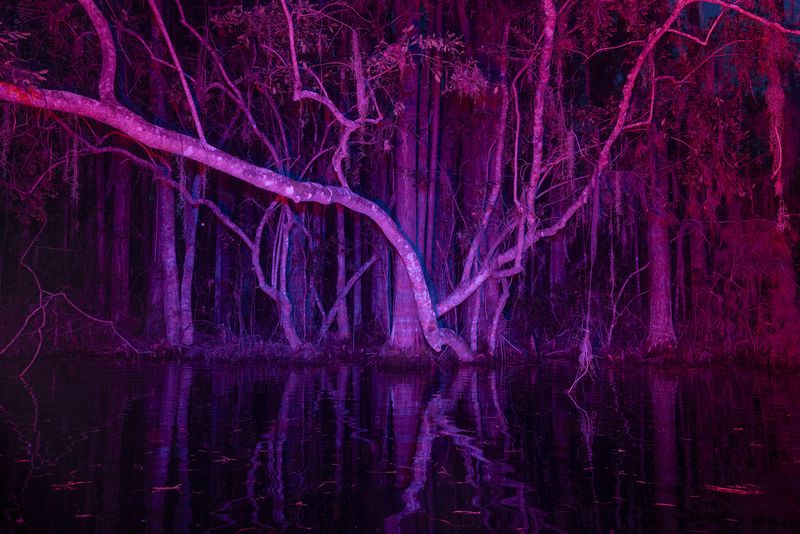
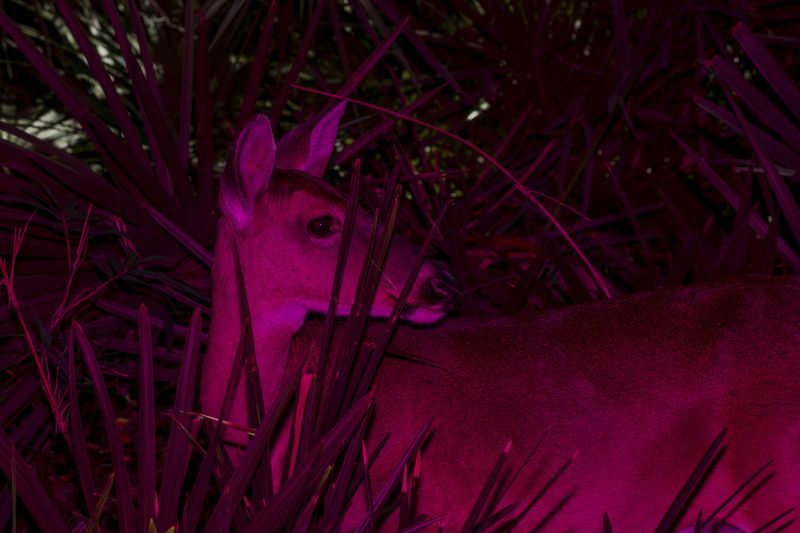
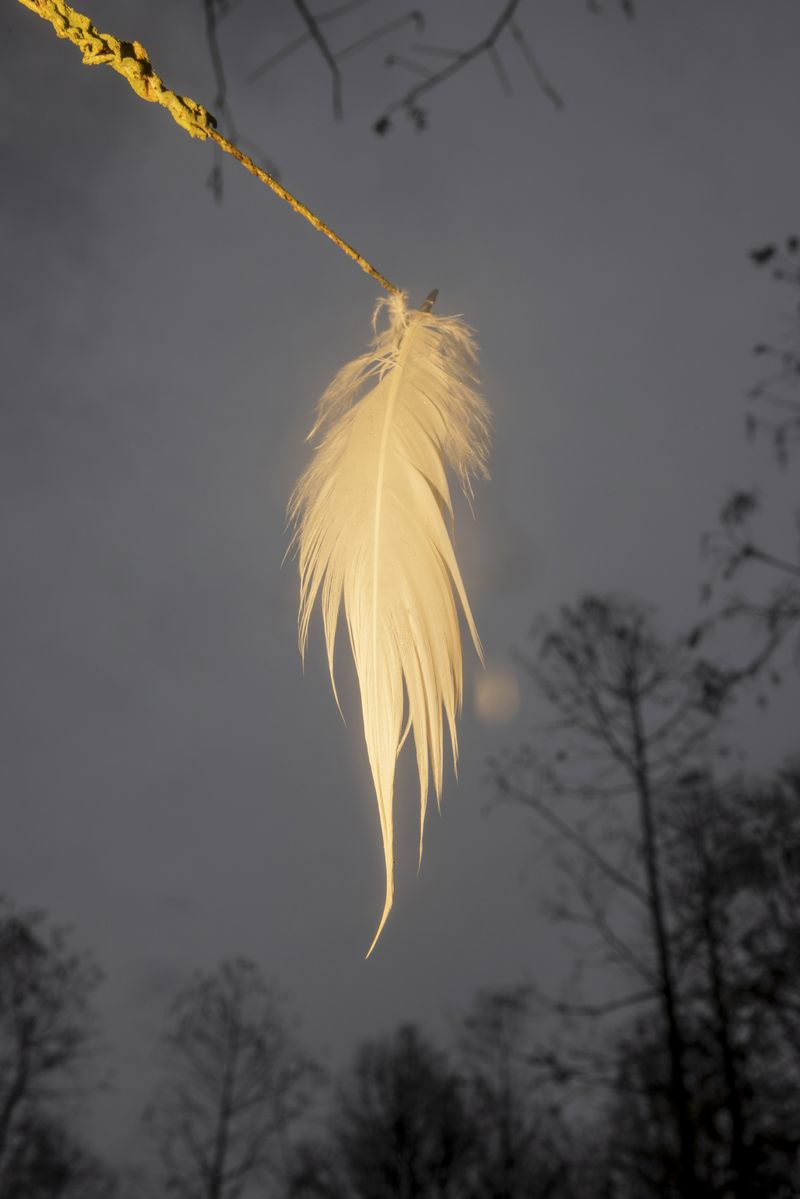
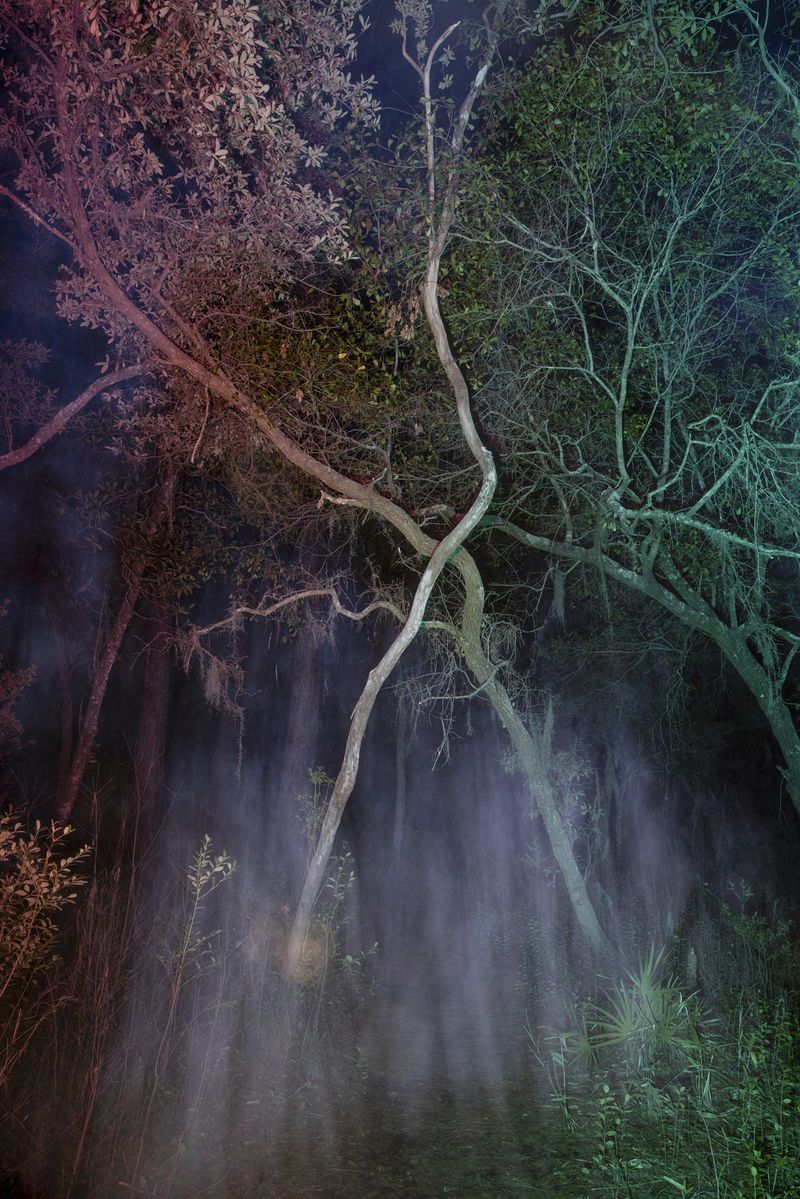
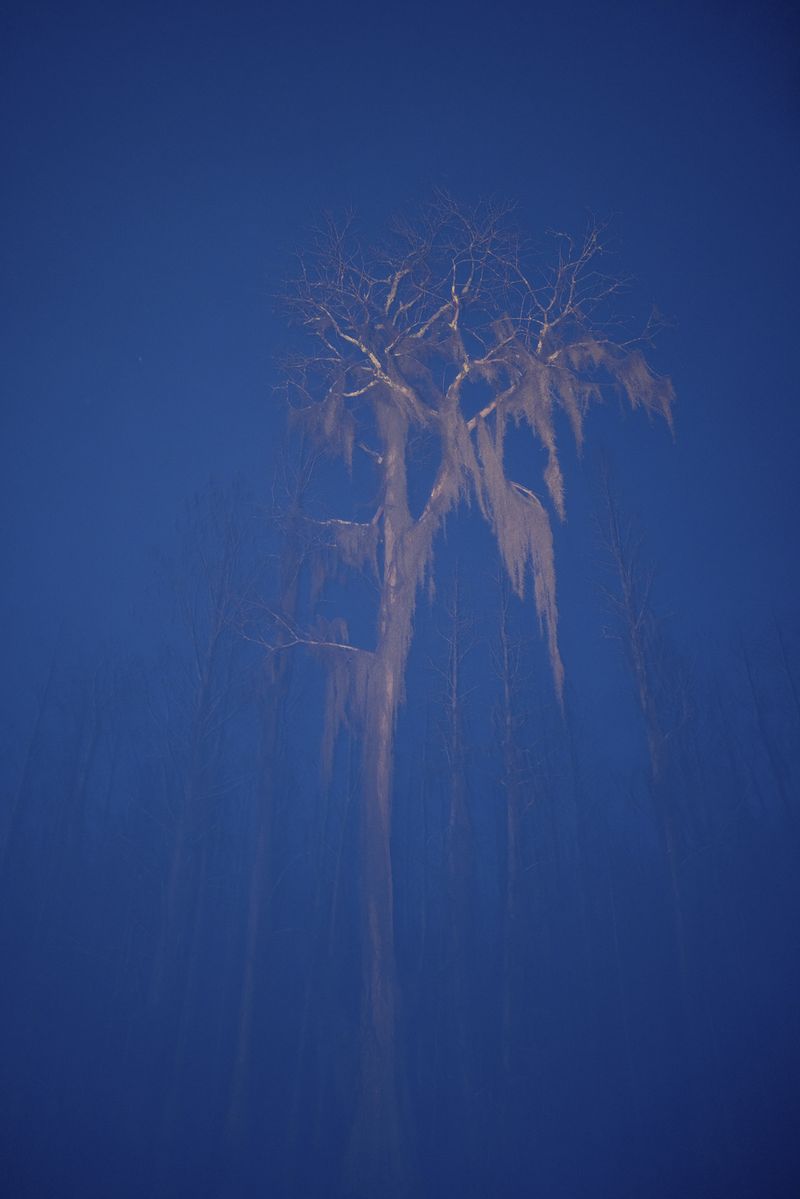
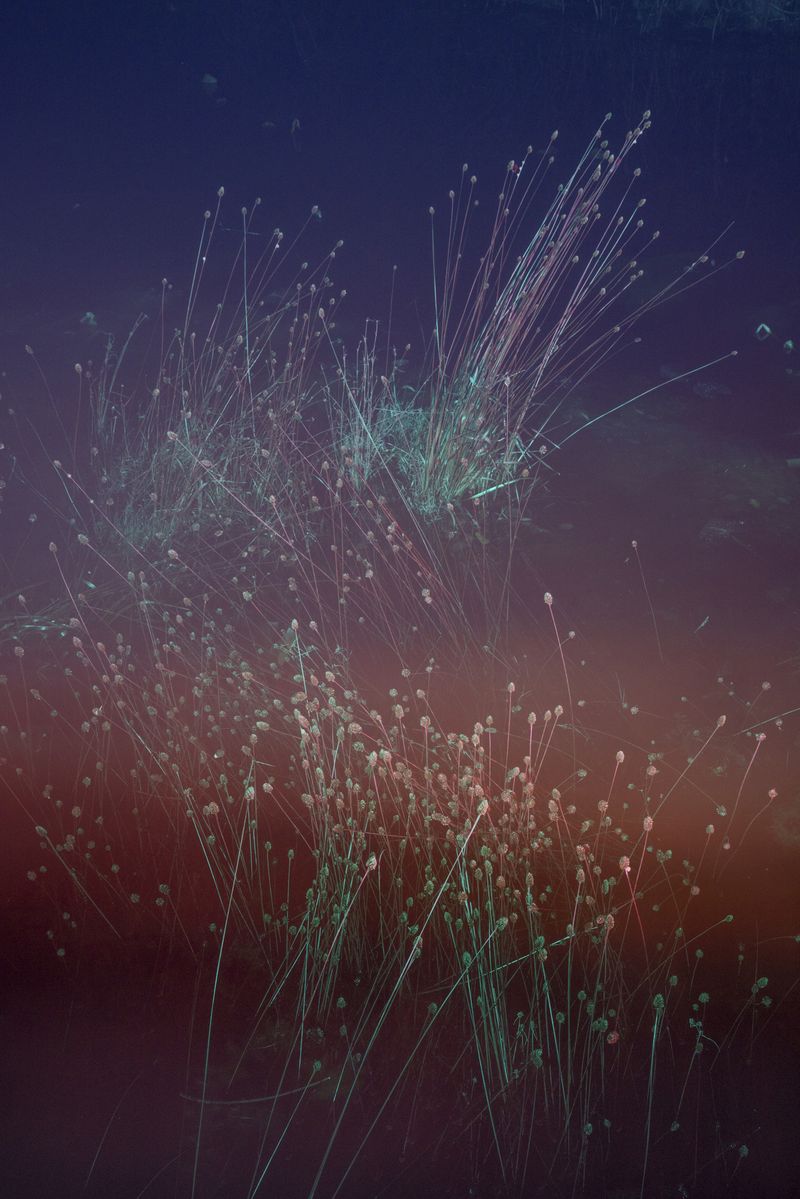
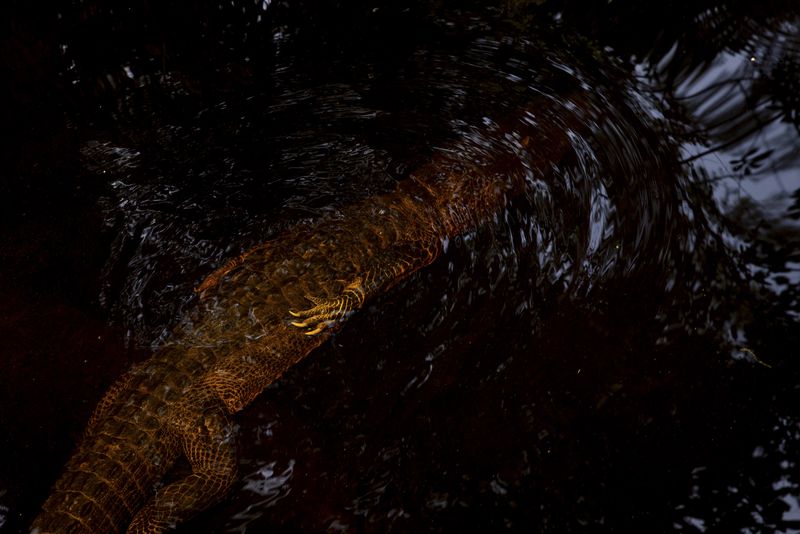
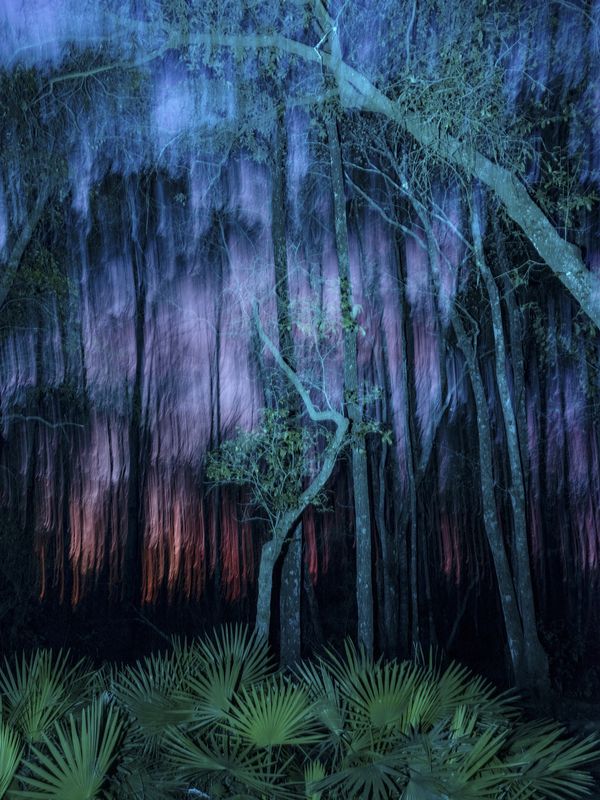
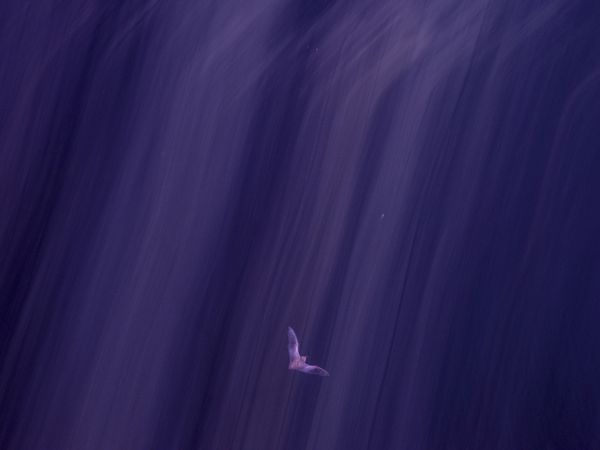
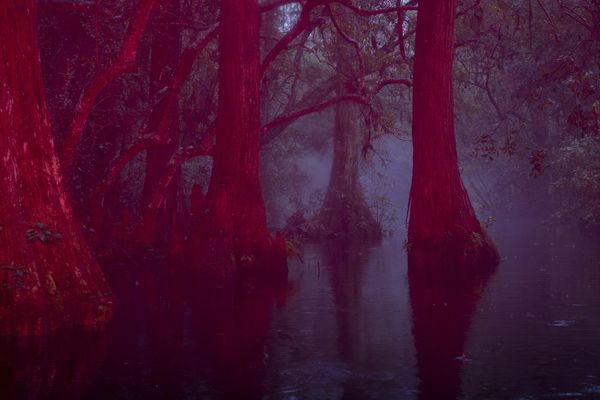
There is intrigue to Georgia’s Okefenokee Swamp, a mystical energy that renders these well-trodden waterways terra incognita to the first-time visitor. In this photographic essay, I’ve injected fantastical visual elements into my documentary photographs, using in-camera techniques rather than post-production effects, to portray both the environmental and the metaphysical significance of the Okefenokee National Wildlife Refuge.
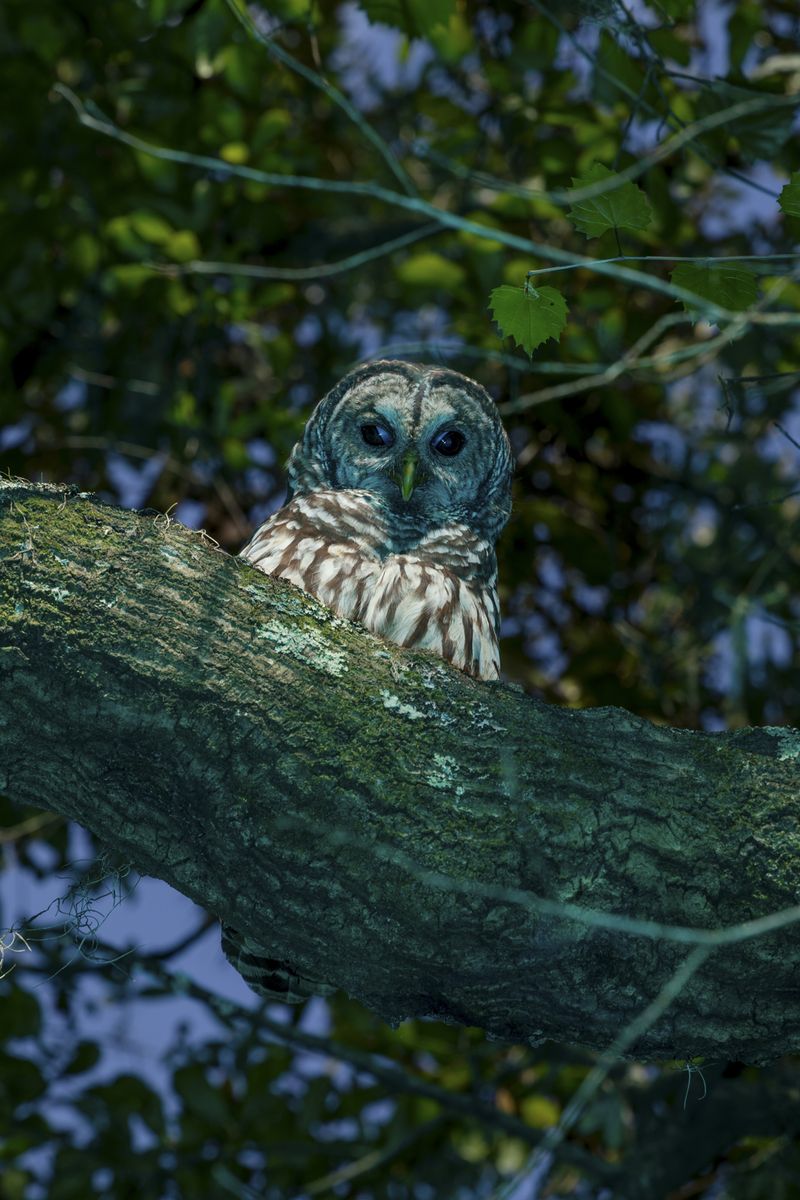
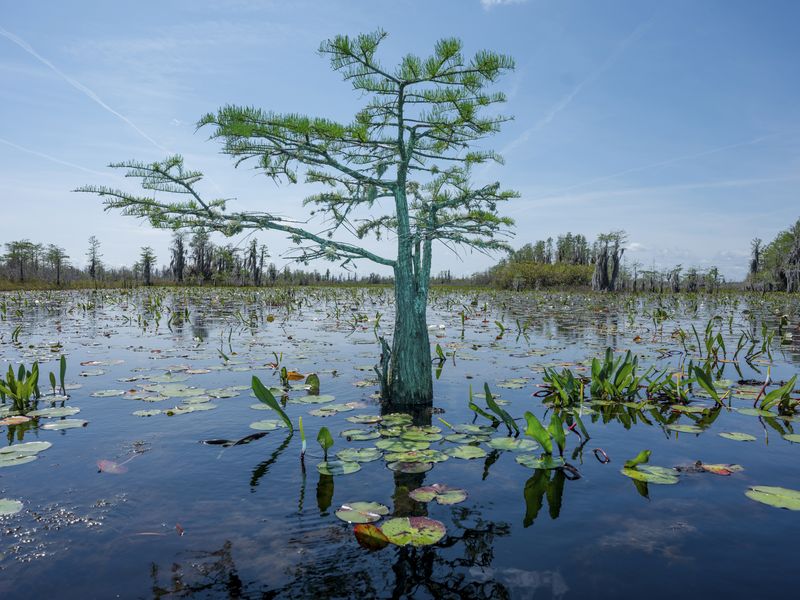
At 438,000 acres, the refuge is one of the largest intact freshwater ecosystems in the world and home to more than 600 species of wild plants, 200 species of birds, 100 species of amphibians and reptiles, and 35 species of fish, including some that are rare and endangered. Already affected by climate change, and now under threat by industry, this unique place needs further protection before it is lost to future generations. Despite designation as a national wildlife refuge, North America’s largest blackwater swamp is still vulnerable. The refuge is protected, but its boundaries are not.
Trail Ridge is the geologic formation that spans the swamp’s eastern boundary, where Twin Pines Minerals, a mining company, has proposed heavy mineral sand mining that would cover an expanse of roughly 8,000 acres next to the refuge. Environmentalists (is biologists better? Do you know who exactly that might help for the word) say the mining could lower the water table and lead to increased drought, greater susceptibility to wildfire, and the collapse of an entire ecosystem.
Before embarking on this project, I believed that those possibilities alone should be enough to preserve this special land. Once I set foot there, my thesis grew. If we allow for the destruction of this place, we lose more than its biodiversity; we lose a powerful, if unknown, spiritual presence that I have witnessed firsthand and others have spoken of throughout history. Even the famed botanist, ornithologist, and natural historian William Bartram described the swamp as “a most blissful spot on earth” in the 1770s.
The work will culminate in a book and exhibition, but I plan for a multi-tiered approach to effect change and support conservation. My images will be published this spring alongside an essay I wrote for The Bitter Southerner Magazine. I have also partnered with The Nature Conservancy for further distribution in the fall (please keep confidential). I am also in communication with the independent committee petitioning for UNESCO World Heritage Site status for the refuge, whom I have plans to collaborate with.
I will use the funding from the PhMuseum grant to continue my fieldwork, edging closer to completion of the book, while expanding my distribution partners to reach a wider audience, supporting conservation by raising awareness and interest. As a local Georgia resident, I am able to keep my expenses low, maximizing the impact of the grant’s funding while keeping my own carbon footprint minimal in the process of creating an environmental advocacy story.
Upon completion I hope the body of work captures not only what can be seen, but what can be felt: the unmistakable yet ineffably mystical quality of this primordial space.