TransParent
-
Dates2026 - 2026
-
Author
- Topics Portrait, Daily Life, Contemporary Issues, Fine Art, Documentary, Archive
- Locations England, Spain
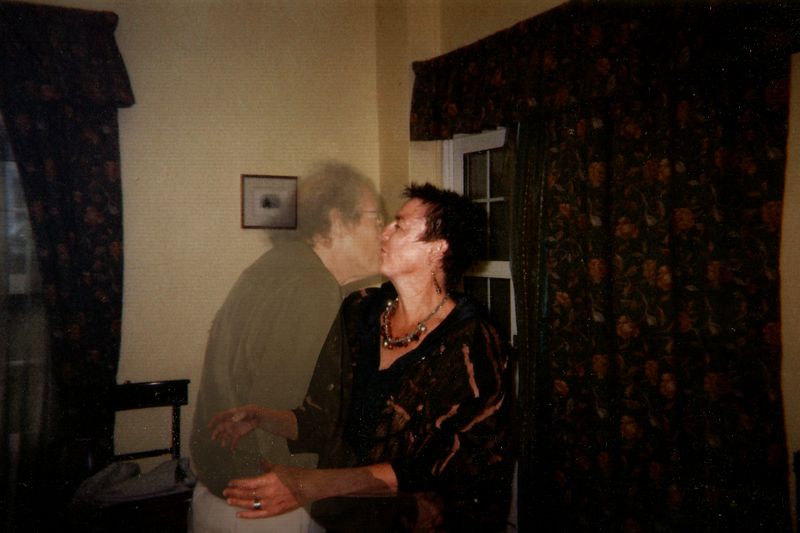
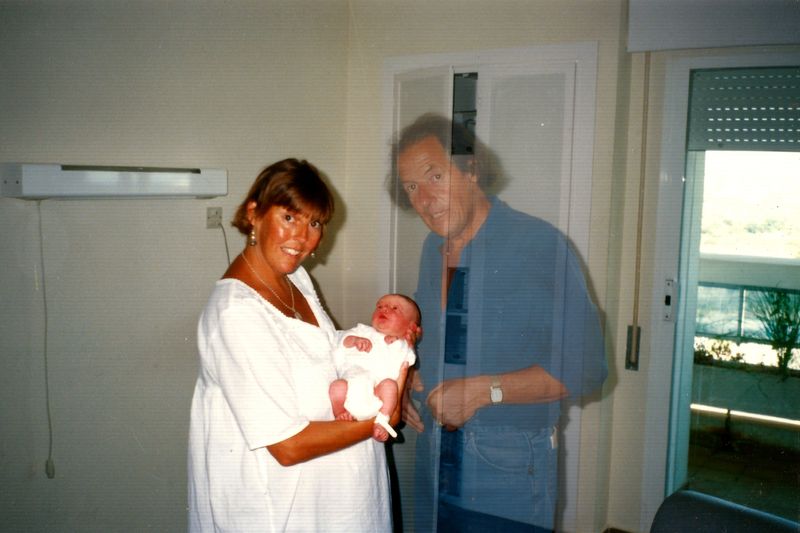
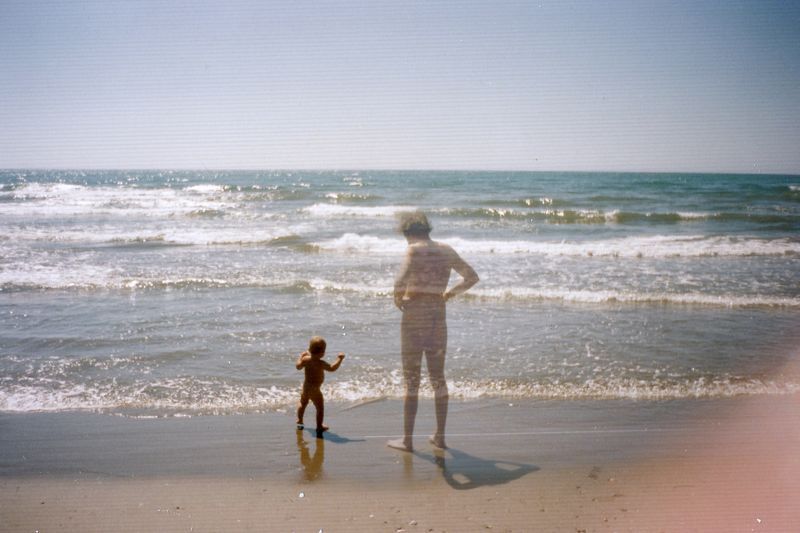
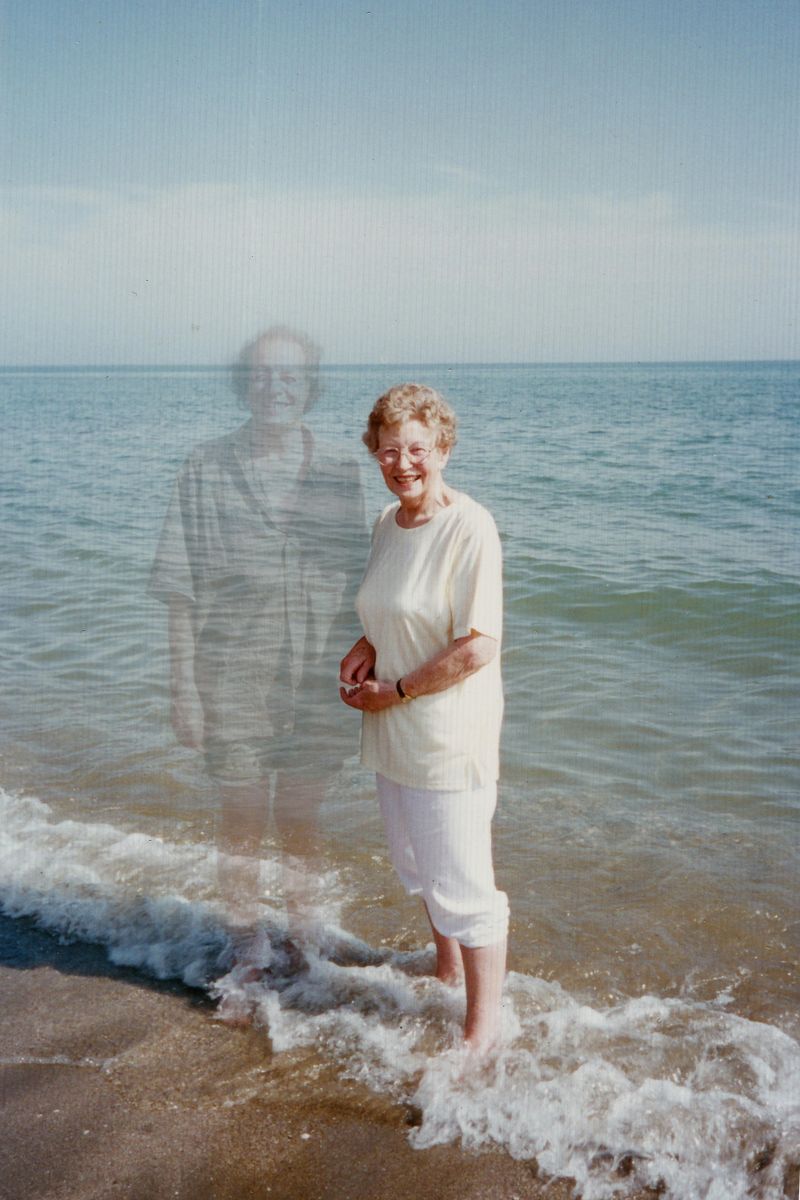
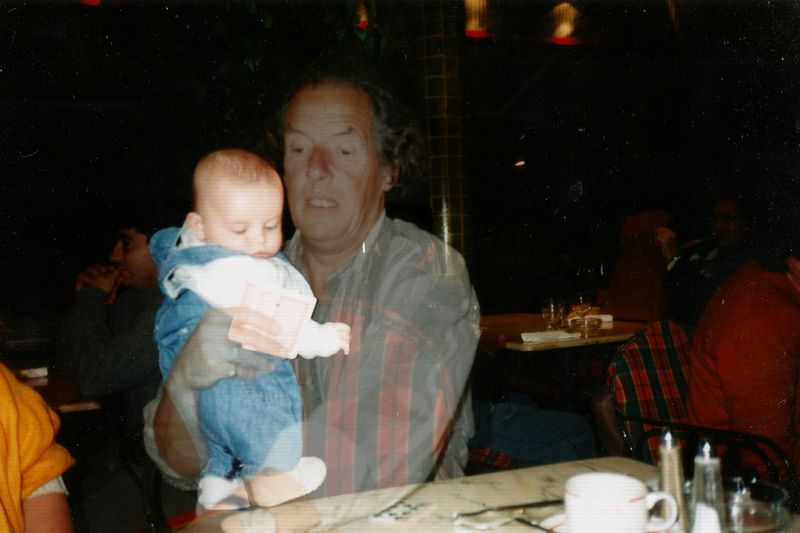
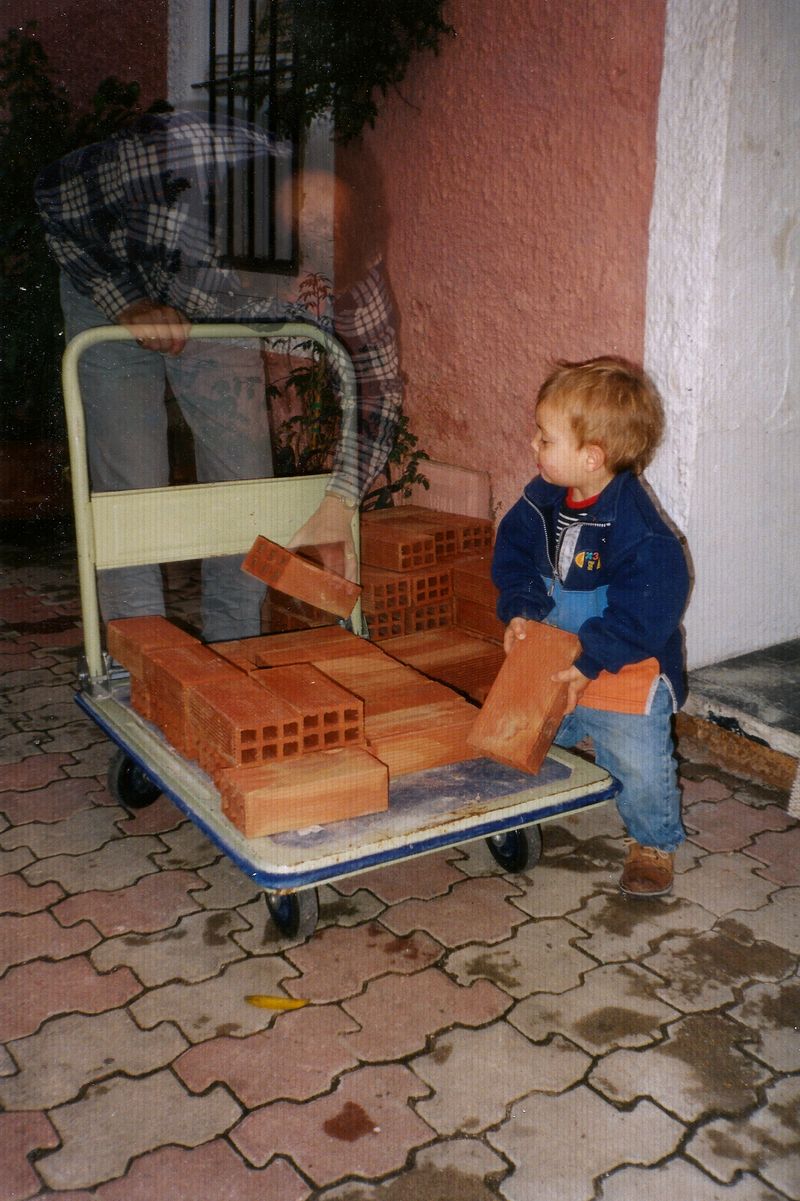
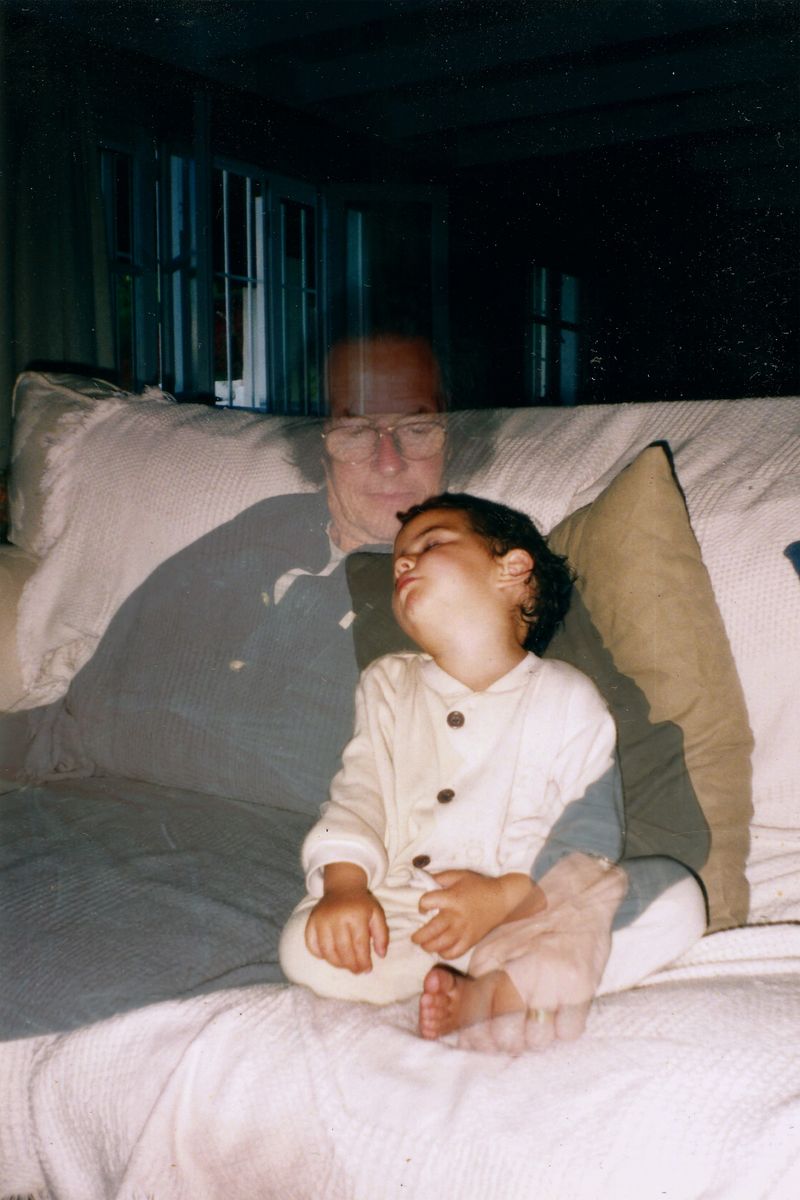
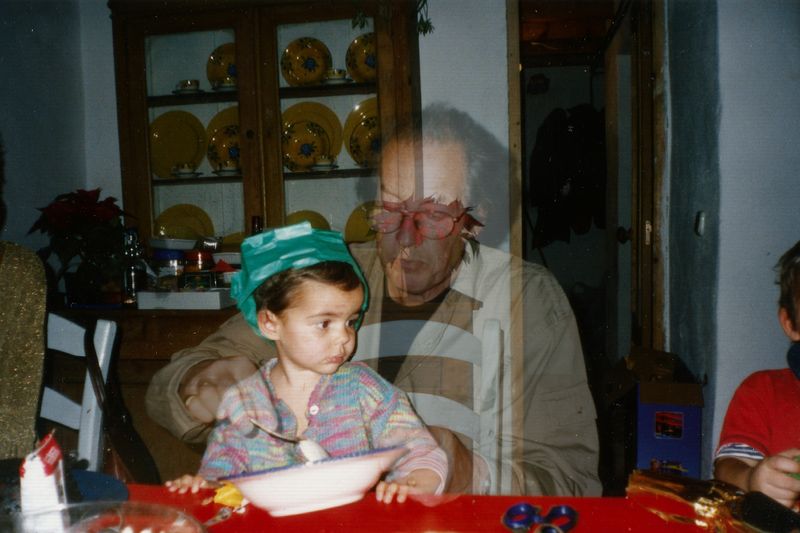
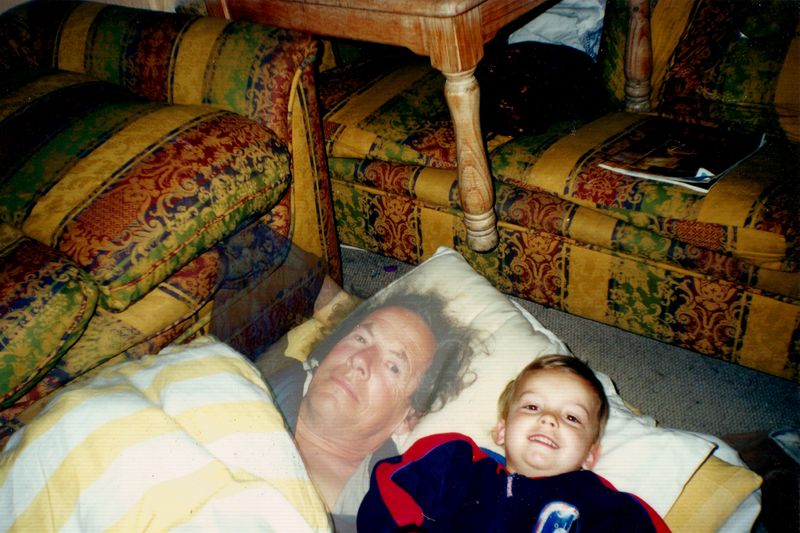
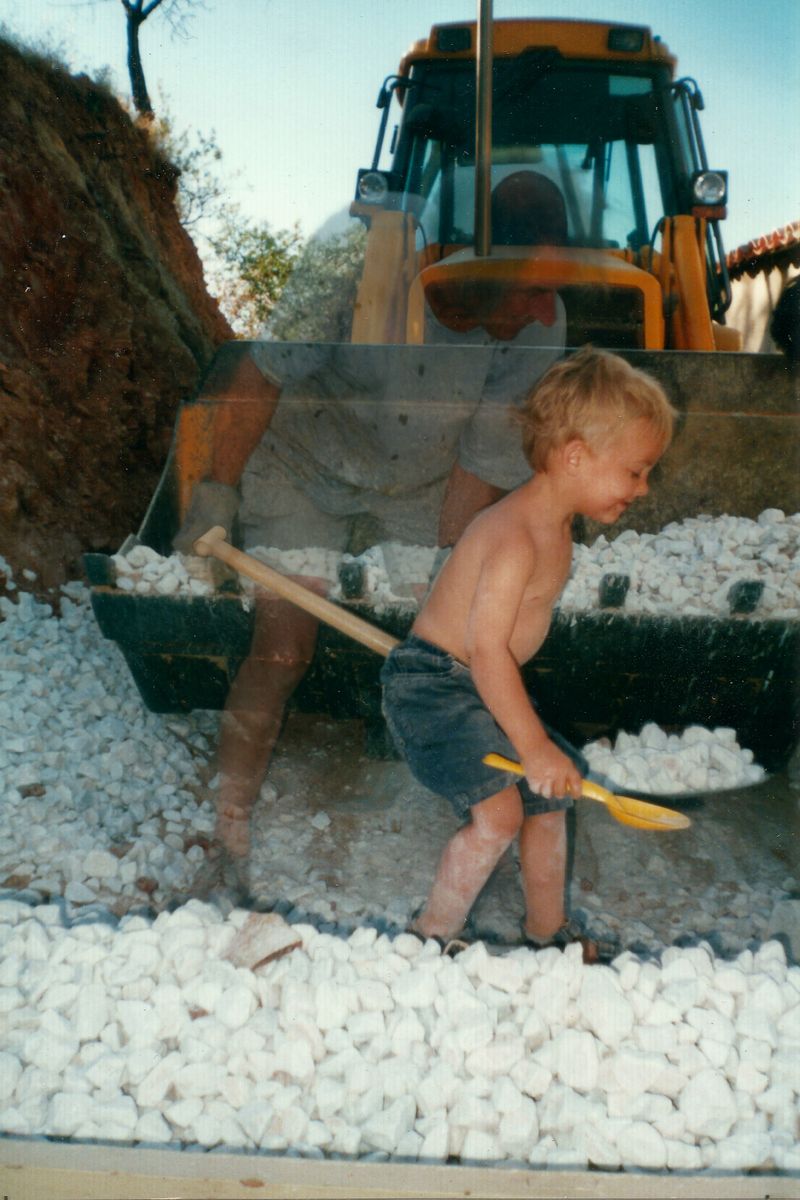
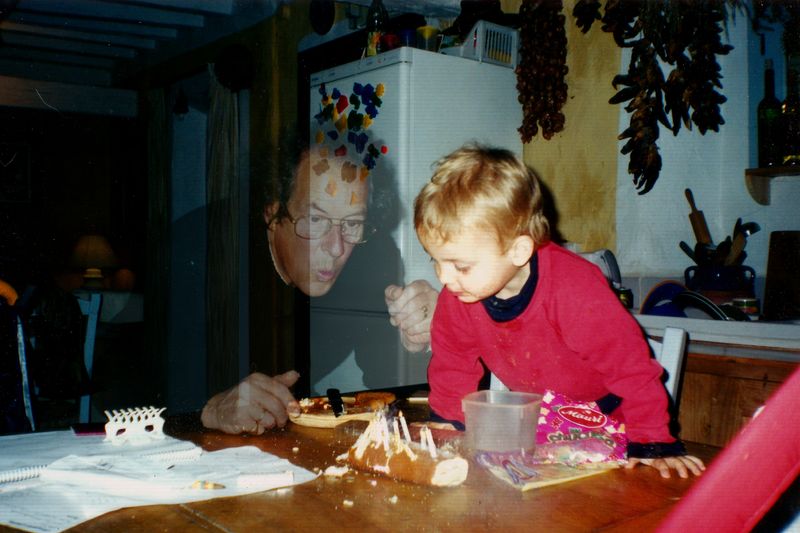
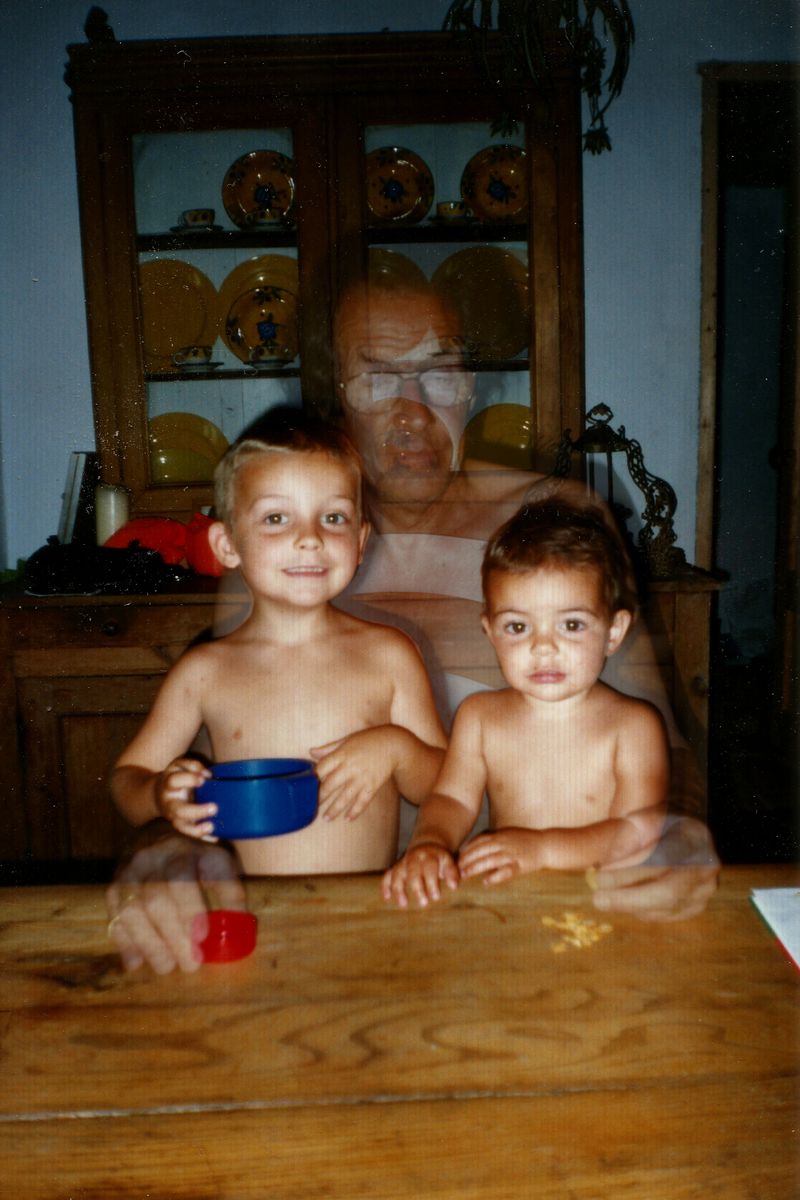
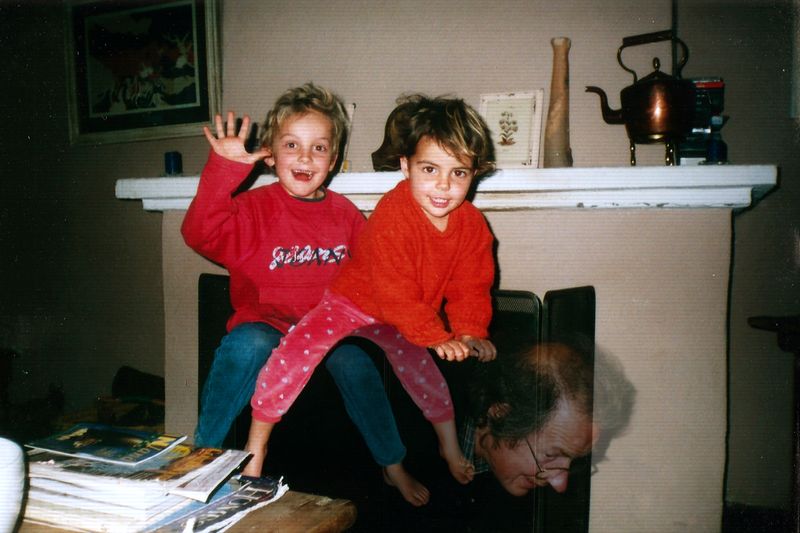
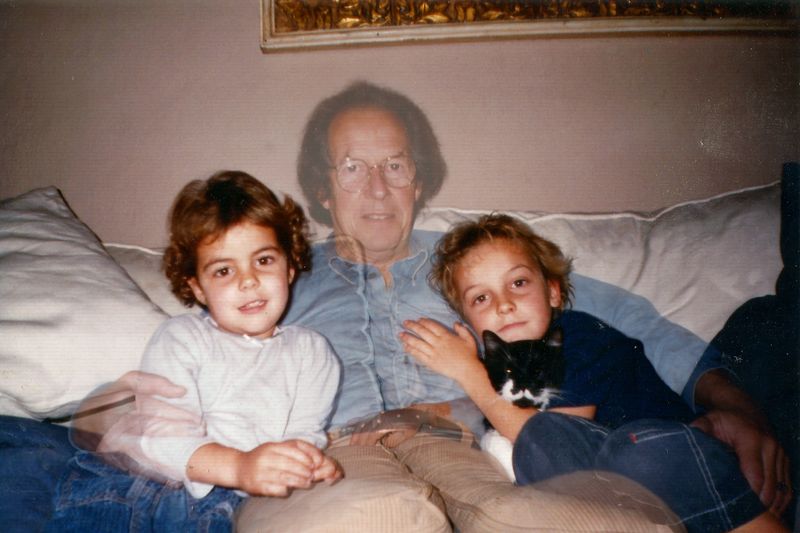
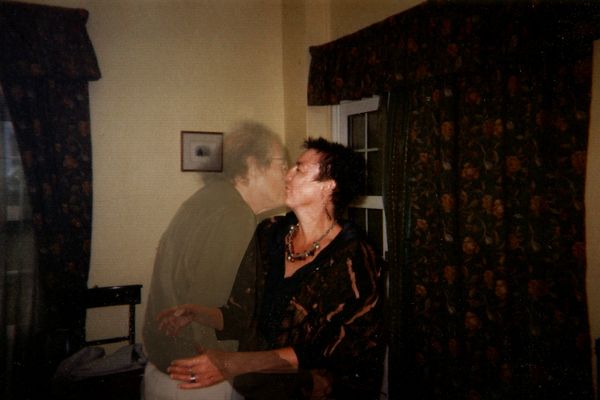
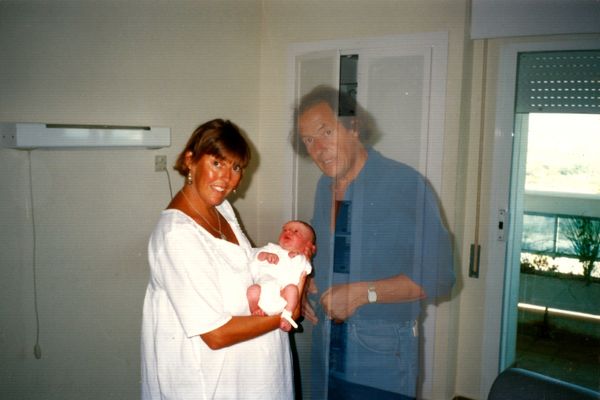
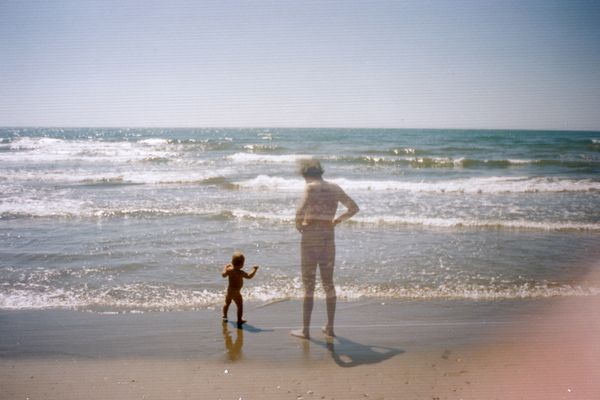
Transparent is the fifth and final project in a series exploring the stages of grief. Over six months, I carefully removed my father from our family photographs. I then transformed these altered images into lenticular prints that change as you move.
Somewhere in the last eighteen months, "remove person from photo" quietly became one of the most-used functions in consumer photo editing. It sits a tap away in the default phone gallery app now, no subscription, no learning curve — point at an ex, a photobomber, a stranger in the background of a holiday snap, and watch them dissolve into believable sky or pavement. The tool was built for convenience. Nobody designing it, presumably, was thinking about grief. William Josephs Radford's Transparent is what happens when someone points that same technology at their dead father and asks it to do something considerably more complicated than tidying up a background.
The project — the closing chapter of a five-part body of work made in the two years since Radford's father died — takes a set of ordinary family photographs and removes him from each one, rebuilding the vacated space so convincingly that the alteration is only legible through the lenticular printing process Radford uses to present it: tilt the print and he's there; tilt it back and he isn't. It's a simple mechanical trick borrowed from novelty postcards, repurposed here to put the viewer's own body in charge of a decision no one should really have to make twice — whether someone is present or not.
What makes the work worth paying attention to right now, rather than as a purely personal document, is how squarely it lands inside a live and largely unresolved argument about what AI image tools are actually for. Public anxiety about generative editing tends to cluster around deception — synthetic events that never happened, public figures inserted into scenes for political effect, the slow erosion of the photograph as evidence. Radford's project runs in the opposite direction. Nothing here is being falsified for anyone's benefit but his own, and the falsification is announced rather than hidden: the whole premise depends on the viewer knowing, immediately, that what they're looking at has been altered. It's manipulation stripped of its usual motive.
That inversion matters partly because of who's doing it. Radford has built a decade-long practice on refusing exactly this kind of intervention, working instead through flash gels, long exposure and in-camera light painting — methods that leave the photograph's evidentiary claim more or less intact, whatever creative liberties they take with light and colour. His decision to abandon that principle for Transparent, spending the better part of a year in Photoshop and generative tools to get it right, tracks a broader and increasingly public reckoning among photographers who've spent careers treating the unedited frame as a kind of ethical baseline. The generation currently working out what to do with AI-assisted tools split fairly cleanly, by 2025, into refuseniks and early adopters, with not much room acknowledged in between for photographers who might use the tools exactly once, for exactly one reason, and mean it entirely differently from either camp.
There's a second, quieter cultural current running under the work: the rise of AI grief technology proper — the resurrection chatbots, the "deep nostalgia" animation tools that make still photographs blink and turn toward camera, the apps that promise a few more minutes of conversation with someone who's gone. That industry is generally in the business of addition: giving the bereaved more of the person than the archive actually contains, extending a presence past its natural limit. Radford's project sits at the opposite pole of the same technology, using identical tools to subtract rather than restore. Where the resurrection apps offer the comforting fiction that nothing has really been lost, Transparent insists on the opposite — that the loss is total, structural, retroactive, and that a photograph's usual claim to have simply recorded what was there can be undone as easily as it was made.
It's worth noting, too, that Radford appears to have been alert to the reputational risk of the medium he'd chosen — reportedly pushing for enough fidelity in the finished prints that they wouldn't read, in a gallery, as a shortcut. That instinct says something about where the culture currently sits on this question: AI-assisted work still has to earn the benefit of the doubt in a way that gel-and-shutter photography doesn't, regardless of the sincerity behind it. Whether that scepticism is warranted or just a hangover from a noisier, more careless wave of AI content is a separate argument. But Transparent is a useful test case either way — a body of work that used the technology everyone's currently worried about, for a purpose almost nobody anticipated, and came out the other side looking less like a trick than a form of mourning that happened to need new tools to finish the sentence.