Traces of Dissolution

-
Dates2017 - 2025
-
Author
- Location Germany
"Traces of Dissolution" charts a self’s retreat: hands move from invocation to imprint, then the figure fragments and fades. From a wide threshold image to square cells, the portrait dissolves into breath, grain and skin-as-landscape.
Core conceptTraces of Dissolution rethinks portraiture as a process of withdrawal rather than a description of likeness. “Escape” appears here as a change of state: the self does not vanish at once, but gradually migrates from body to gesture, from gesture to residue, and finally into atmosphere. Across five images, the portrait becomes less representational and more indexical—made of imprint, fragment, orientation loss, and ultimately a material “geography” where intimacy survives without a recognisable subject.
A tactile thread: hands as the first anchor of identityThe first three works are bound by a tactile motif: hands. They function as the project’s initial anchor because they are the body’s most immediate instrument of agency, contact, and refusal. In this sequence, hands move from invocation (reaching outward), to sovereignty (a body held, yet self-possessed), to evidence (the hand reduced to an imprint). Only after this tactile thread has been established does the series allow the figure to fragment and finally dissolve into pure atmosphere.
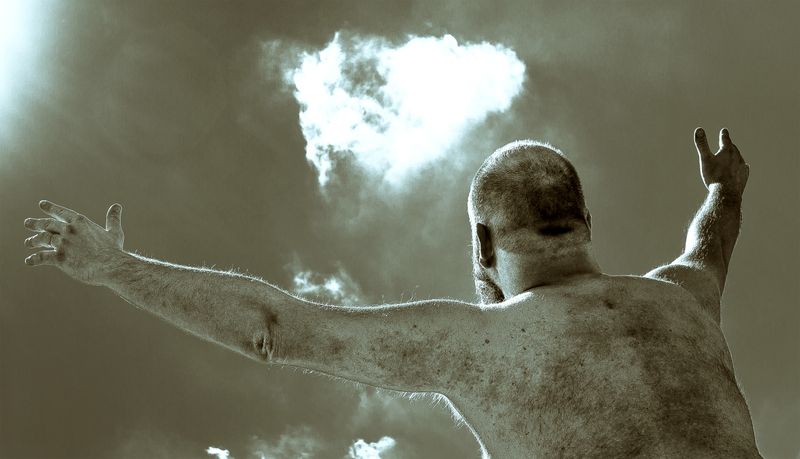
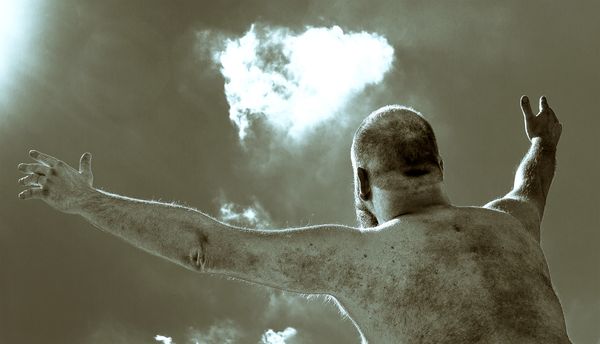
Formal strategy: a threshold opening, then square “cells”The sequence begins with a deliberate formal break. The opener appears as “The Invocation” in a horizontal frame: outstretched arms span the width like a threshold gesture—an active ritual act that initiates the break from the tangible world. From image two onwards, the series switches to the square format, conceived as visual “cells”: tighter, enclosing, and increasingly insistent. The square compresses space and attention, turning the portrait into a chamber where the self is contained, examined, and ultimately allowed to slip away.
Sequence rationale (image-by-image)1) “The Invocation”
A beginning conceived as a ritual. The arms extend as if to summon another state of being: the first insistence of the hands as agency and threshold.
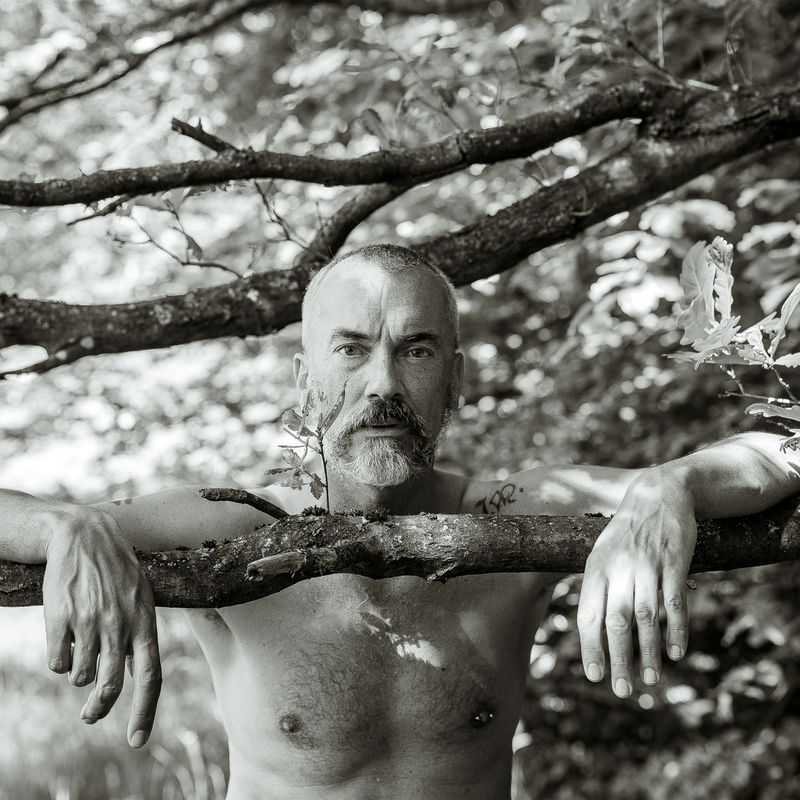
2) “Sovereign of Shadows”
A last moment of embodied presence—already altered. The figure is held within the tree’s geometry, poised between shelter and constraint. Hands and posture read as a quiet claim to autonomy in retreat.
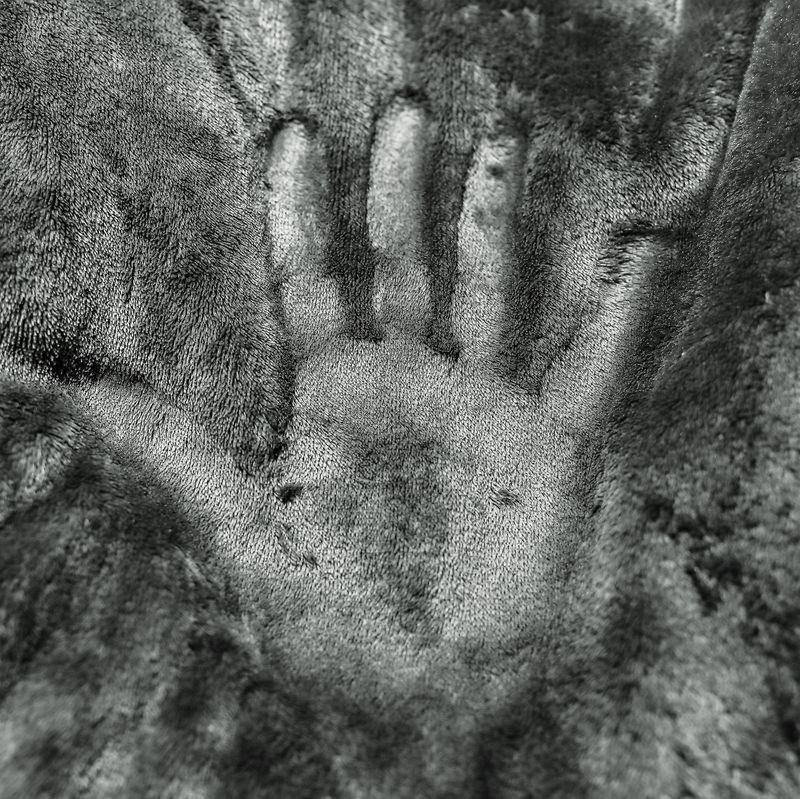
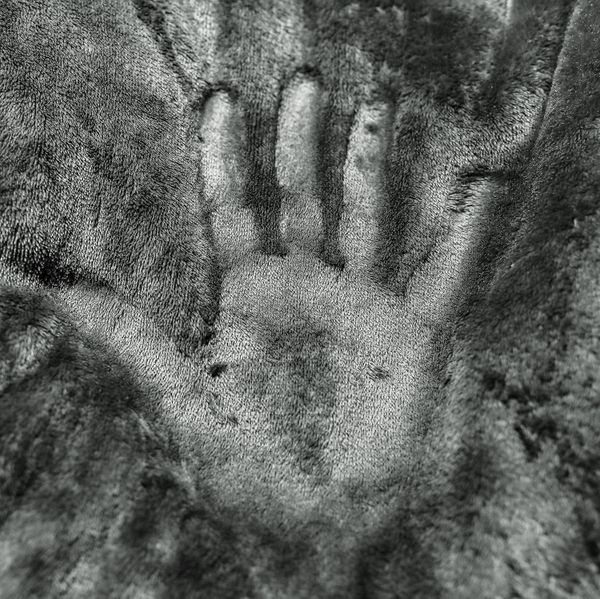
3) “Imprint of Absence”
The body withdraws into evidence. The hand is no longer a hand, but a memory of contact—texture that reads like a fading fossil. Portraiture becomes an index: proof of a presence that has already left.
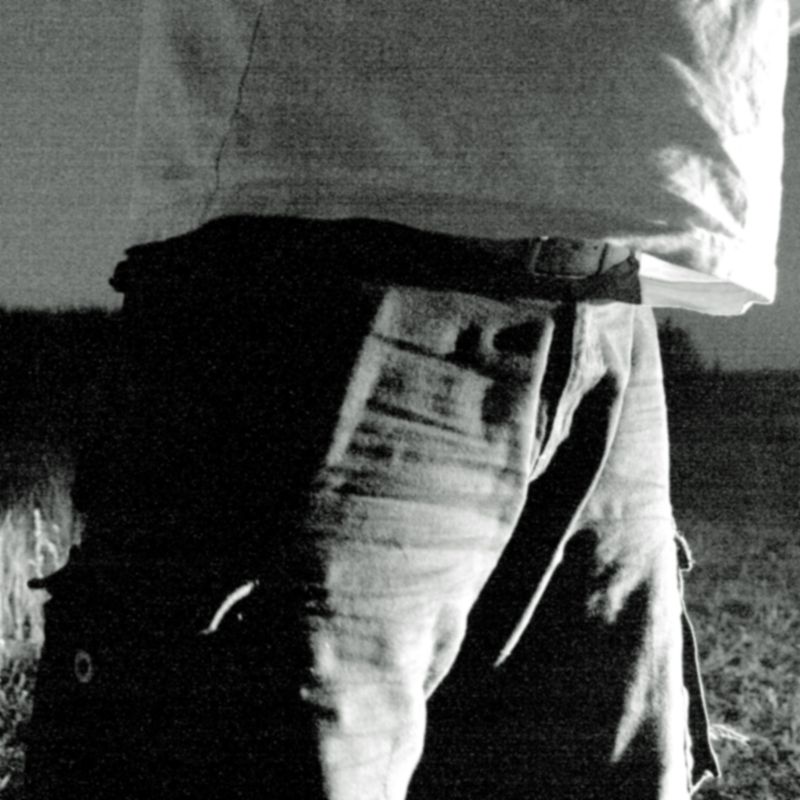
4) “The Fading Meridian”
Orientation begins to fail. The body fragments, drifts, and loses its last stable coordinates in space; the final physical anchors of identity fade.
5) “Topography of Intimacy”
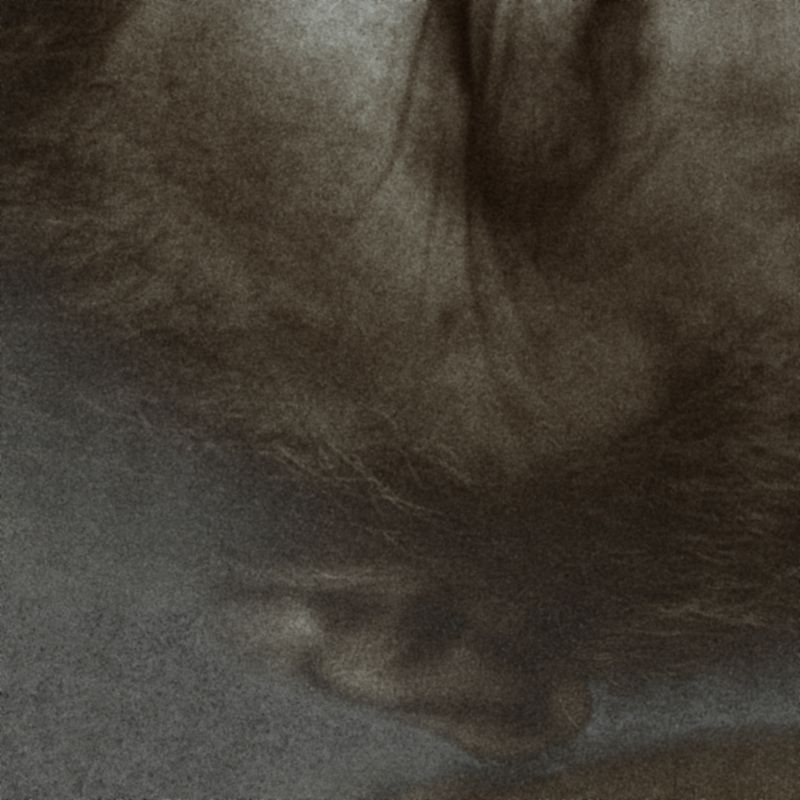
A coda of transformation. The final image is a tilted, macro-like portrait—so close and slightly off-axis that the body slips from recognition into terrain. What could be a face becomes a side-leaning relief of skin and haze: an intimate topography where scale is lost and orientation dissolves. The tilt acts like a last disturbance of balance, suggesting that identity is no longer held upright for viewing, but has rotated into a different register—material, tactile, and almost geological. Here, the portrait persists only as texture, breath, and trace: intimacy relocated from the subject to the surface itself.
Even without conventional likeness, the work is anchored in human states: longing, retreat, autonomy, vulnerability, and the desire to become unreadable. In a culture saturated with self-images, Traces of Dissolution proposes a counter-portrait—one that persists precisely at the moment it dissolves.