To Joy
-
Dates2015 - Ongoing
-
Author
- Location Malaysia
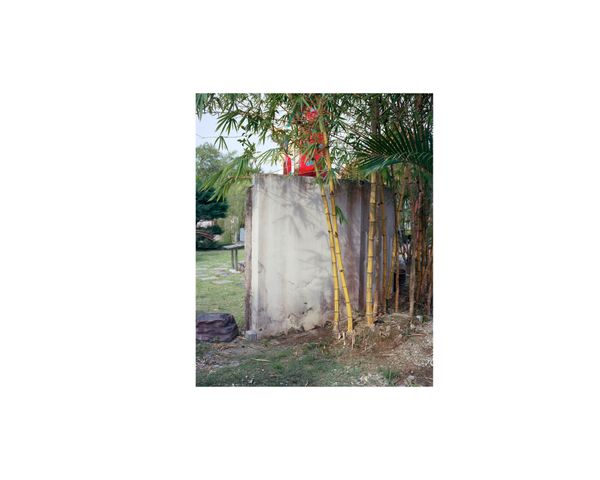
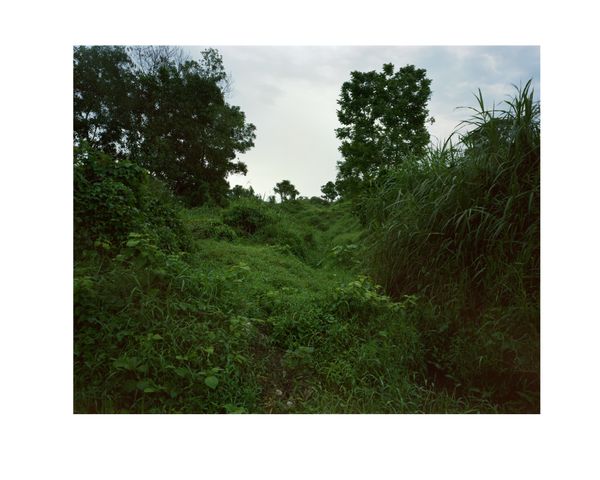
Part exploration of an atrocity and part exploration of family, To Joy comments on inconvenient histories and how information is directed in domestic, national, and international environments. Empty images act as forensic markers for lost information.
To Joy captures the failure of preserving post-war memory, despite the struggle of affected families to escape its traumatic trace. It is partially a critical observation of the Japanese occupation of Malaya in WWII, and partially a personal reflection into how atrocities caused a complete disassociation between my own family and their heritage. The two narratives are intertwined through the suppression of memories that follow traumatic events. Fighting the loss of information due to time, language and ideologies, To Joy is a wider investigation into post-war memory guided through its places of (in)significance.
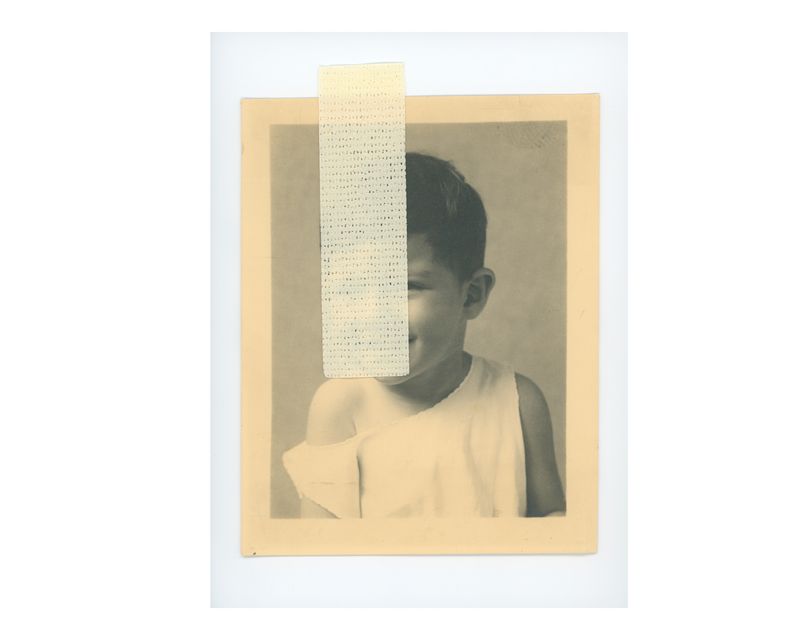
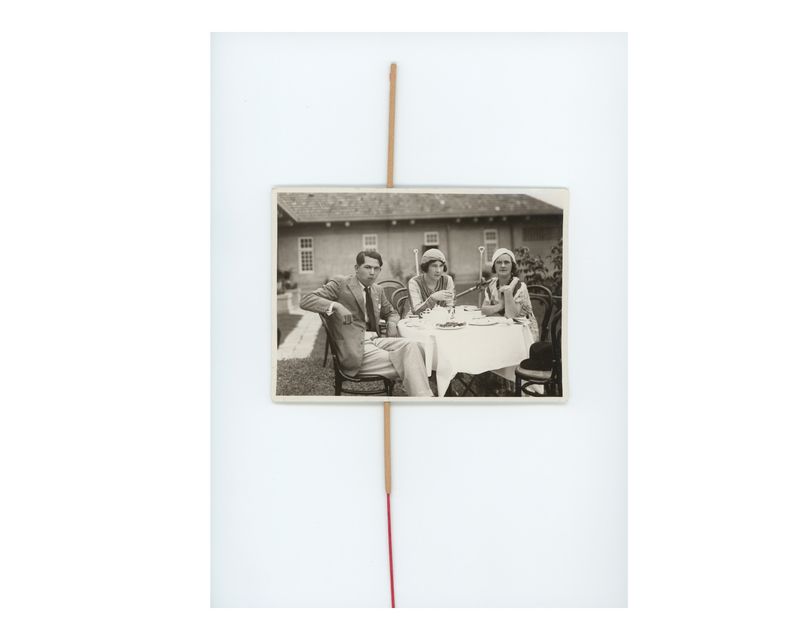
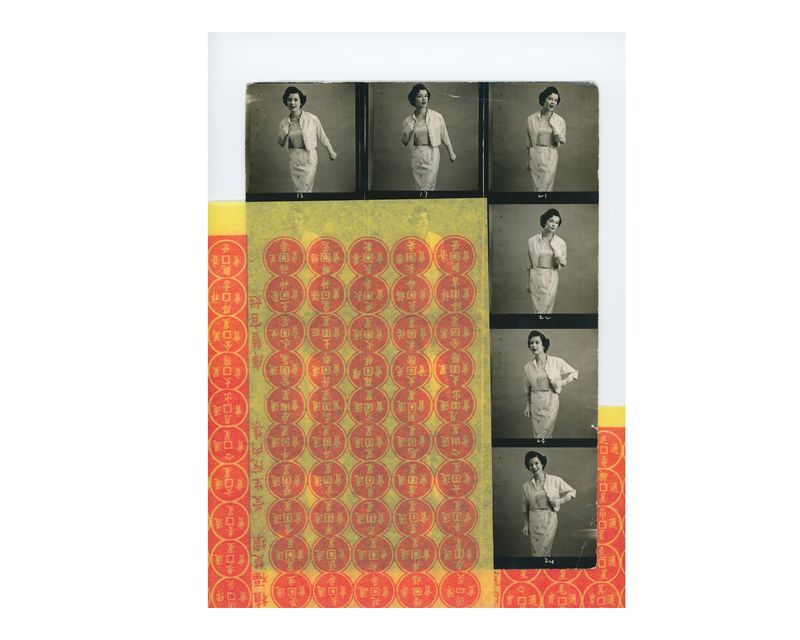
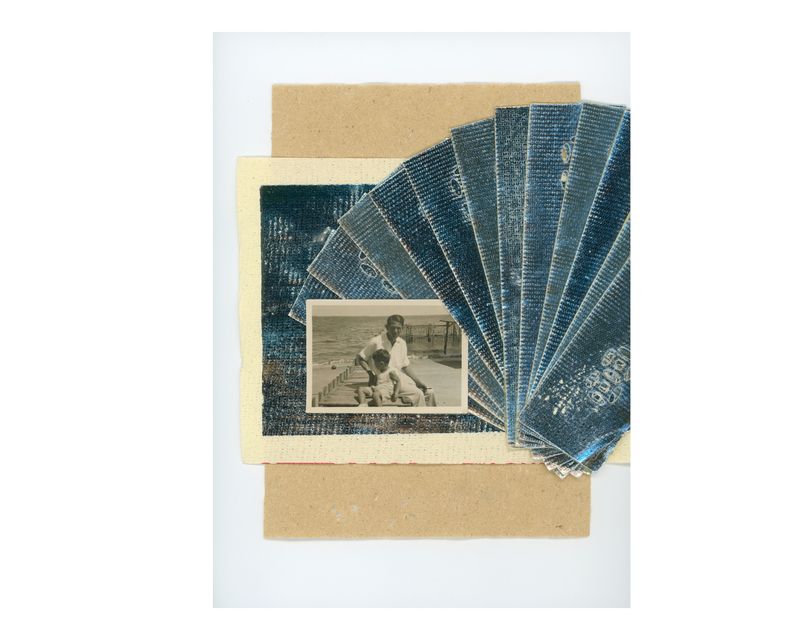
The seemingly empty and stale images mirror the attitudes toward these subjects displayed by my family and the nation state. But deeper, hidden in the context of each image, lie various strands of emotional residue – marks left behind by the locations’ past or by the recollection of personal and gathered stories. The work includes collages using archival material from my family combined with materials burnt in Chinese memorial rituals. As a whole, it accumulates in single image narratives that collectively tell a wider story around not just the Japanese occupation, but fluid memories, directed histories, remembrance culture, and detached loss.
To Joy is a reality of silenced atrocity. After my grandmother and her mother left Malaya, her father and brother were murdered by the Japanese at the start of the invasion. Since the end of the war, Chinese communities were left to exhume the dead and fund memorials themselves. The Malaysian state does little to recognise these atrocities while the Japanese also do little to acknowledge and teach about their atrocities. My grandmother’s mother never spoke about the family or the events. They were an obstacle to the socialite lifestyle she aspired to in England. My grandmother grew up with no connection to her Chinese heritage apart from her “funny face”. What is left is the gradual diffusion of a traumatic past towards a state of neutrality. The pain remains but the people have grown around it and memory feathers off as the last survivors pass.
This is an attempt to latch onto the last strands of information before it dissolves, when it is already barely in existence. Just like the narrative, the medium of photography acts in two ways: each image poses as a forensic marker, or a visualised emotional response.
Image descriptions
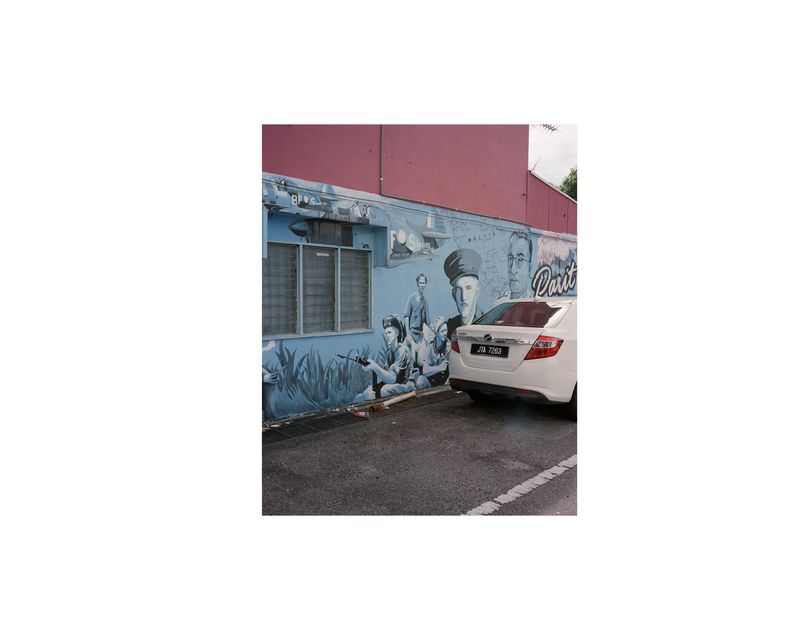
Image descriptions here have been made in a shortened, purely informative style to give you context while also taking up as little of your time as possible. In the final work, the text accompanying the images is more poetic and the information for each image is given at the end of the work. Most information is not publicly known (even by Chinese) and involved me collect this information from researchers, academics, and local organisations. The medium format and collage images don’t have text, rather, they tie an alternate emotional narrative throughout the work.
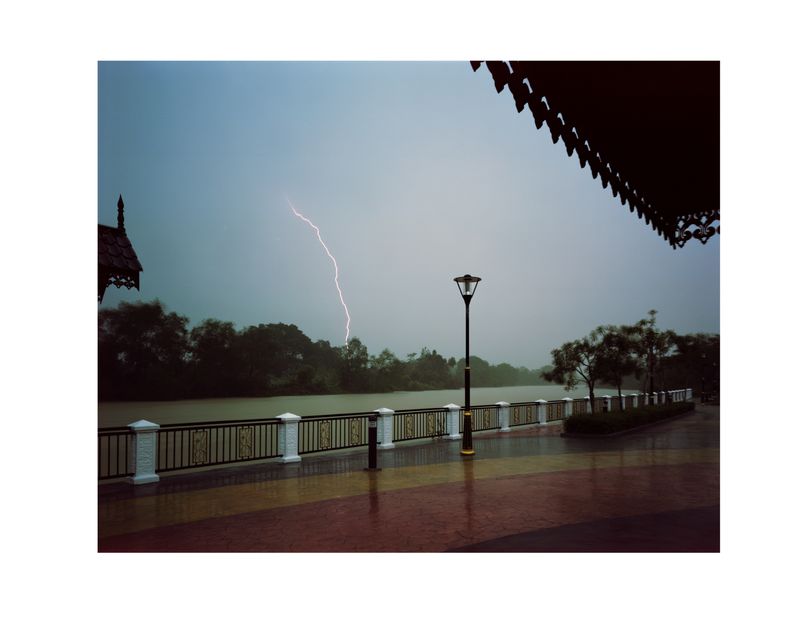
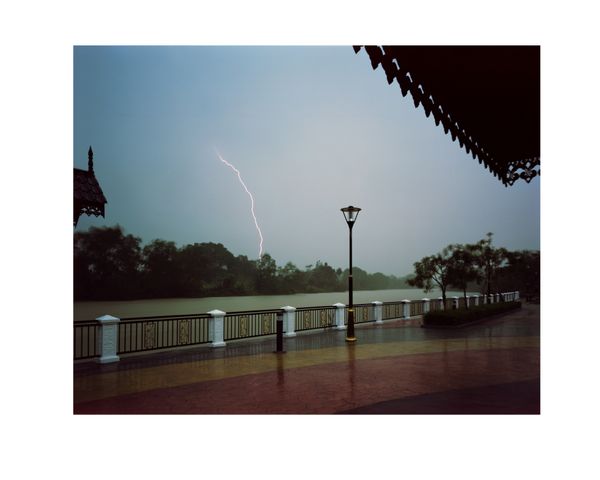
Image 1: Lightning, Kota Tinggi
To slow the speedy invasion, British troops blew up Kota Tinggi bridge. This angered the Japanese and a red circle was drawn on a map with instructions to kill all Chinese inside. As the troops arrived, 300 Chinese locals were forced to rebuild the bridge. Upon completion, the workers were tied up and executed into the river.
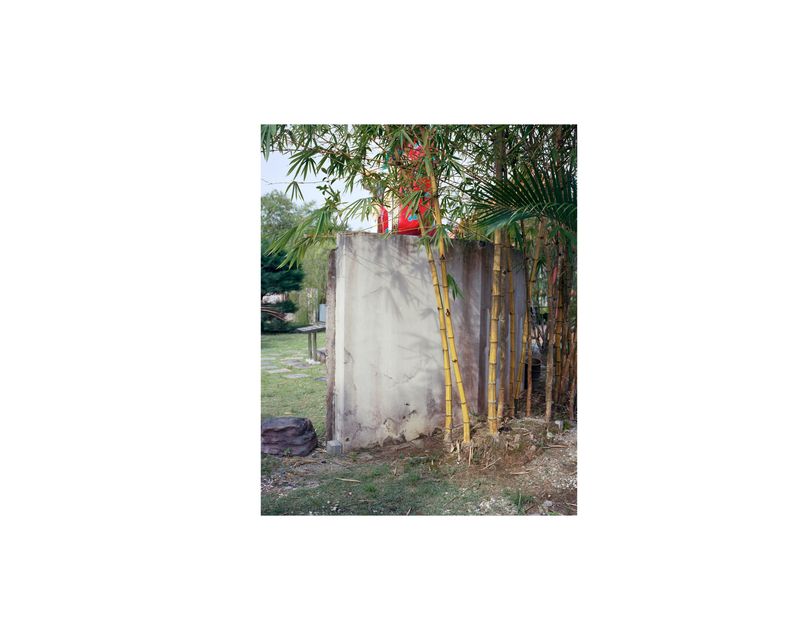
Image 2: Temple Garden
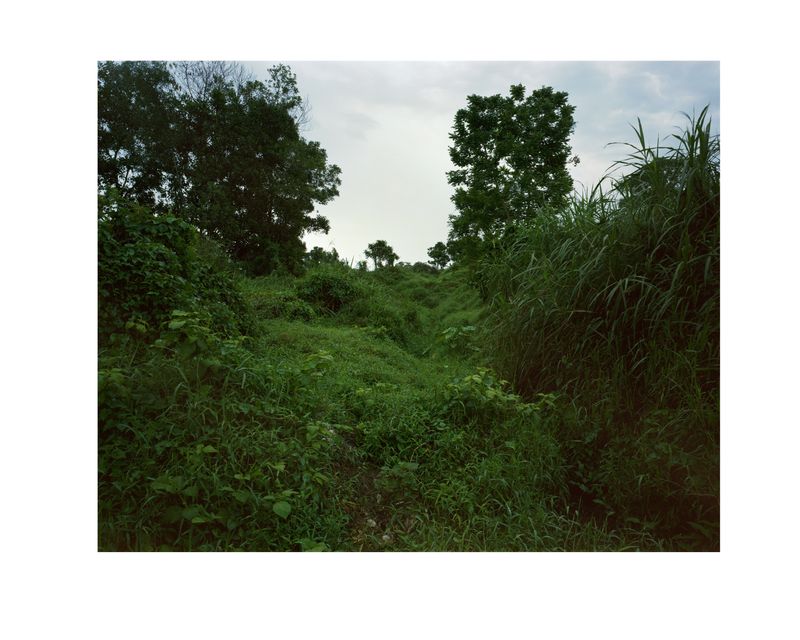
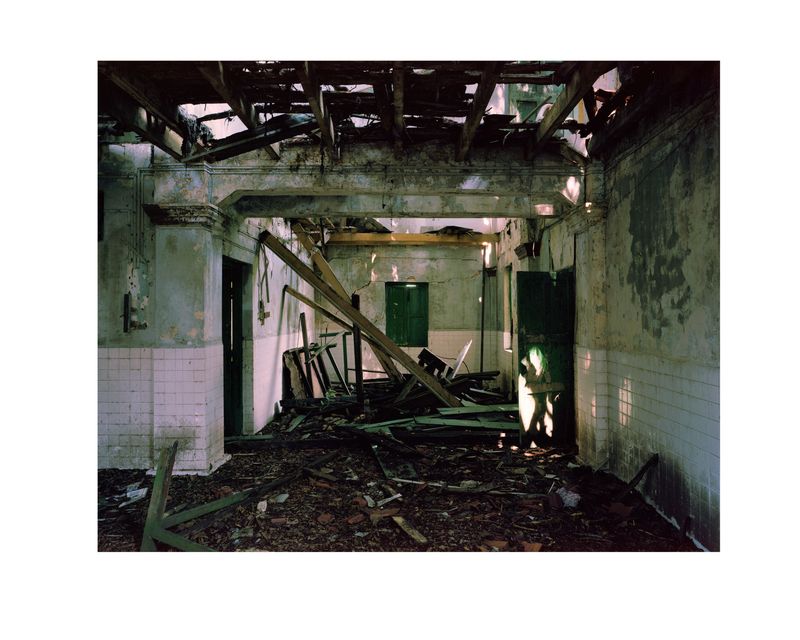
Image 3: Chinese School, Saleng
Chinese from Johor Bahru fled the city. In Saleng, some Chinese fled to a Chinese school. At night, a group of Japanese soldiers arrived and separated the men from the women and children. The men were bayoneted in the open while the women and children were locked in the school and the school was set alight.
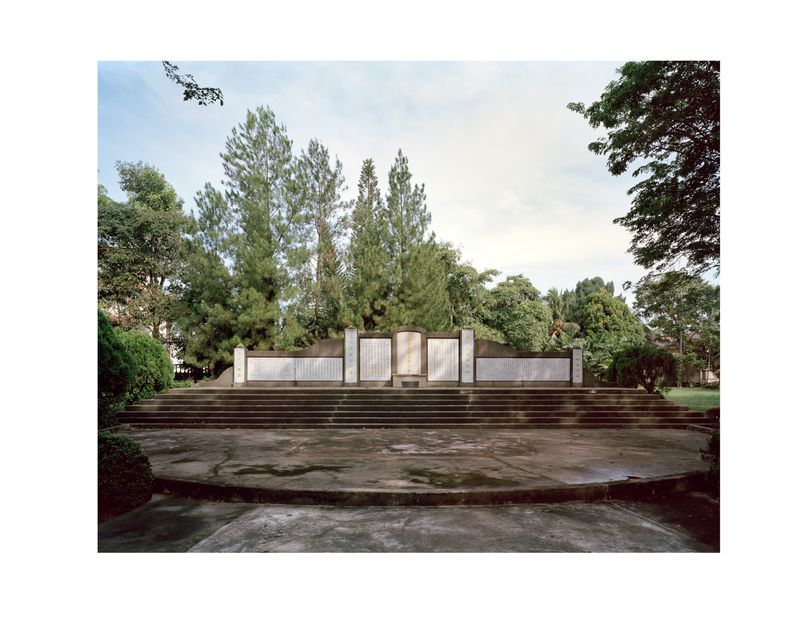
Image 4: Memorial, Johor Bahru
The main memorial for the Sook Ching Massacres in Johor exists in a ‘memorial garden’ closed off through locked gates. It is not in a central location and would not be something that you stubble across unless you knew it was there. The memorial garden is right next to the popular Foon Yew (primary) Chinese school.
Gim Hann’s (my great grandfather) name is mentioned in the middle left plaque of the memorial. There is no mention of Peter (grandmothers brother.)
The english inscription in the far left panel reads:
“This monument is erected by the Chinese Community of Johore Bahru District in undying memory of those thousands of our beloved countrymen who were massacred by the Japanese between 25th February and 31st March 1942 in the towns and villages of the district and of those who were apprehended and tortured to death many for having been members of the China Relief Fund Organization. Here lie the remains recovered and reverently re-interred of some two thousand of the victims. August 1947.”
Image 5: Collage #1
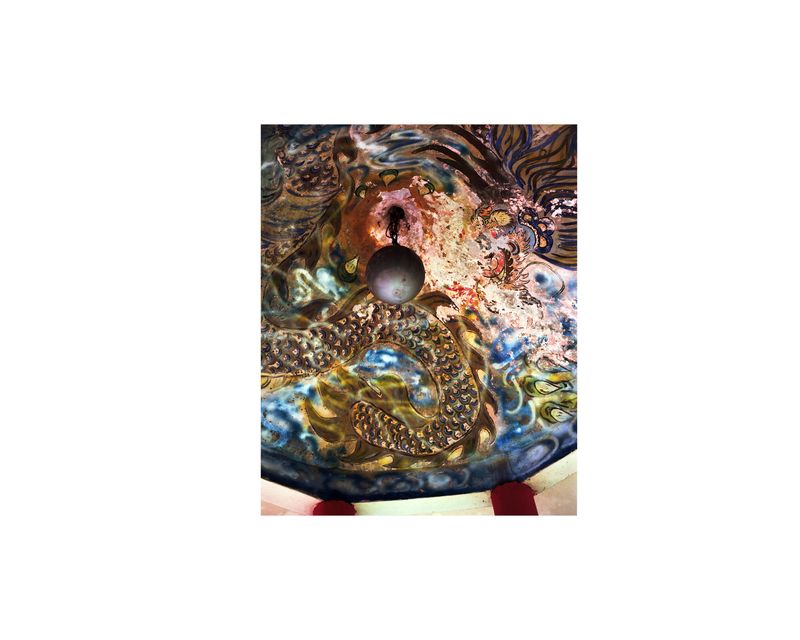
Image 6: Faded Dragon in Temple Grounds
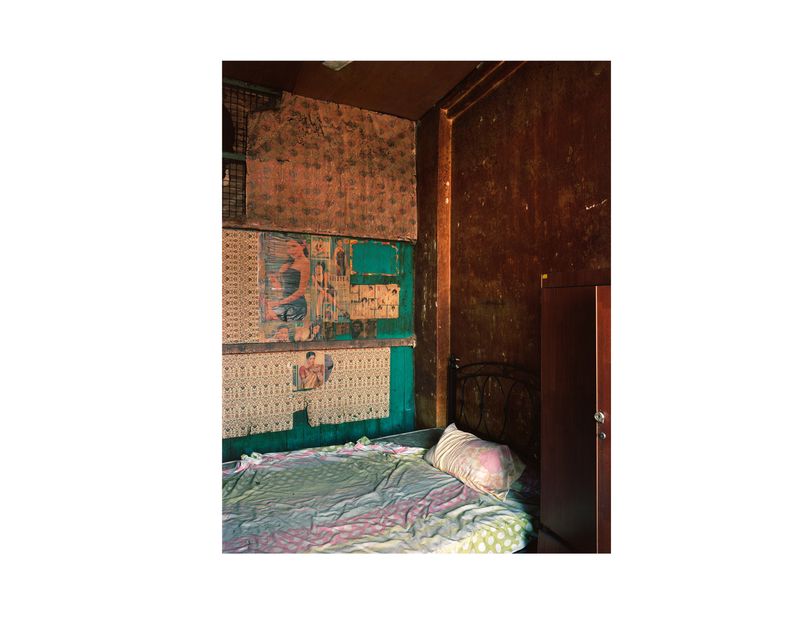
Image 7: Comfort House, Kluang
Comfort houses were locations where local and foreign girls were forced into sexual slavery to serve the Japanese army. Young girls would cut their hair short and dress like boys to avoid being sought after by the Japanese. This was common across all the locations where the Japanese army had occupied.
Image 8: Family Home, Johor Bahru
Upon finding lost family through a common ancestor, they told me their old house still stands in central Johor Bahru. As their family got poorer, they had to rent out half of their house, eventually leading them to sell it. They shared stories from the wider family, telling me of how the inheritance from the common ancestor caused many difficulties in the family. The family is now quite separate, and underlying issues still remain tense today.
Image 9: Collage #2
Image 10: WWII Graffiti in Location of British Massacre
Image 11: McDonalds, Kuantan
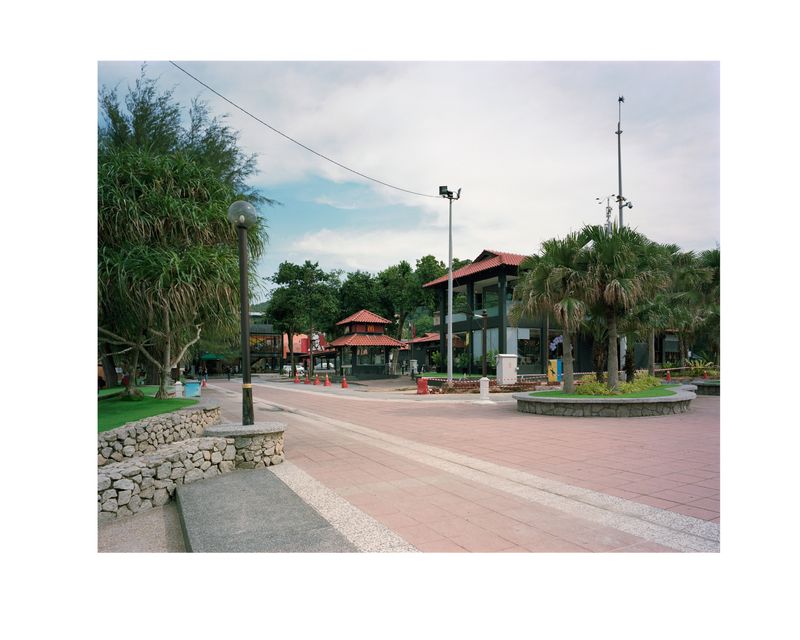
This is the beachside promenade by Teluk Cempedak. During the Japanese occupation, the beach was used as a location for killings. In a report by a local, there was a ‘death pit’ right where the McDonalds is. During the Japanese occupation the beach only had a single, small jungle path leading to it.
Image 12: Pillbox, Kota Tinggi
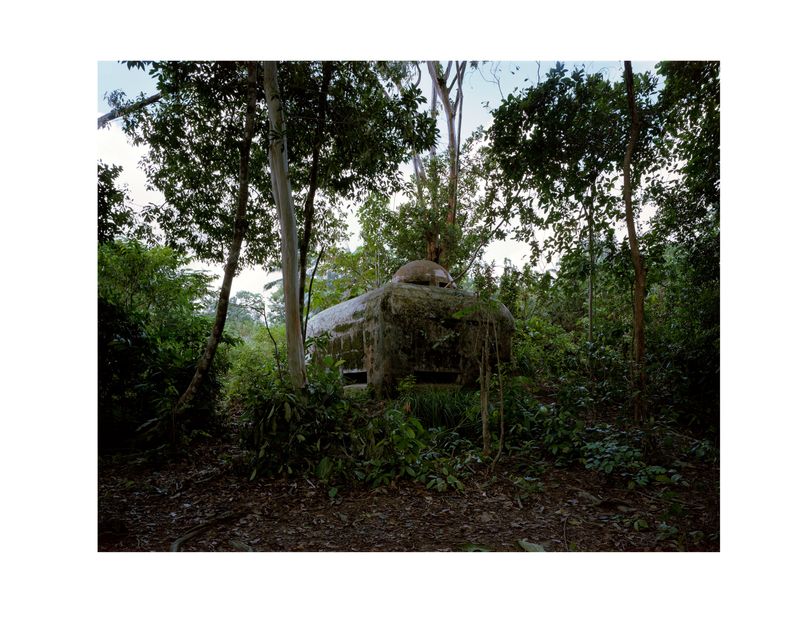
This is a British Pillbox built along Sungai Sedili Besar. The British had built many pillboxes in this area as they thought this is likely where the Japanese would invade from. These pillboxes were never needed as the Japanese invaded from the top of the country. This highlights British unprepared/ pompous/ poor approach they had to protecting their ‘Gibraltar of the east’. This image therefore encapsulates British failure, failure in multiple forms; to protect the people, to produce an accurate defensive plan against the Japanese, and a failure to properly acknowledge the suffering of the Chinese. (Reason for this last point was the following Malaysian Emergency.)
Image 13: Collage #3
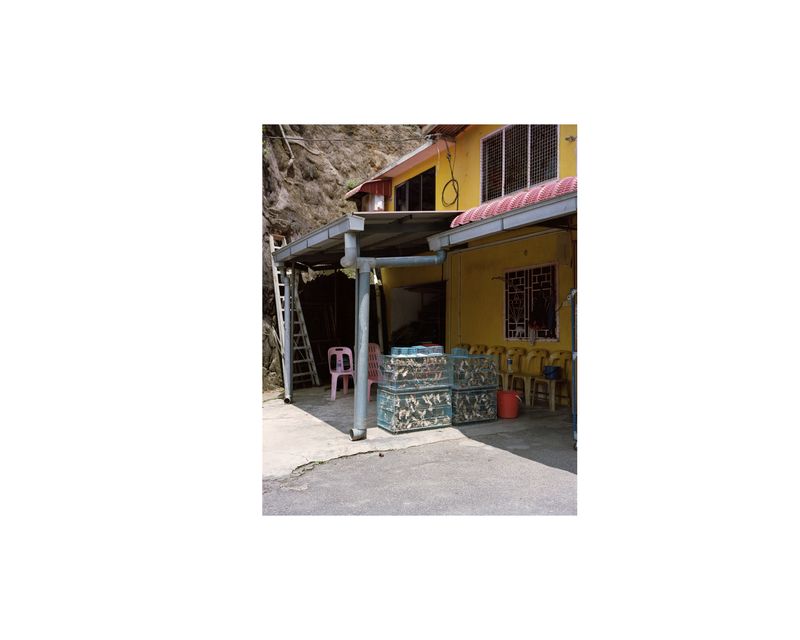
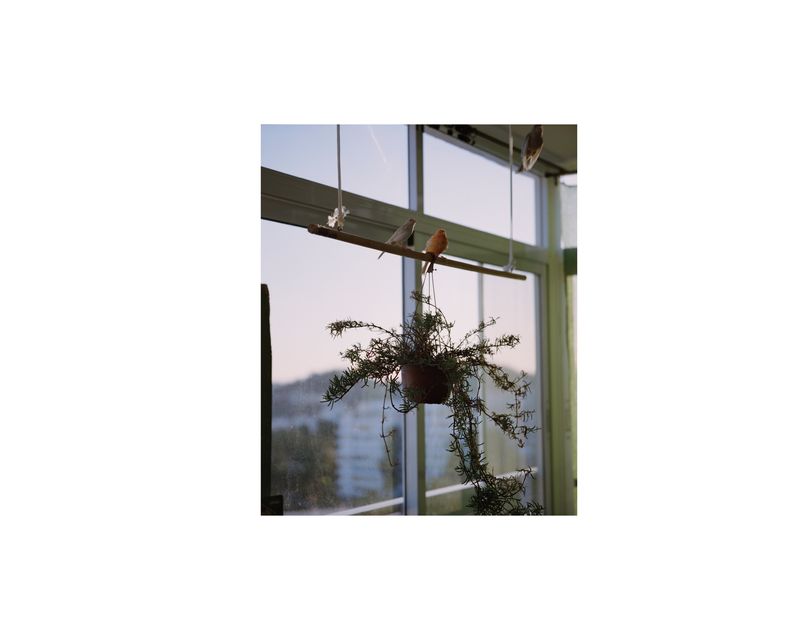
Image 14: Caged Birds
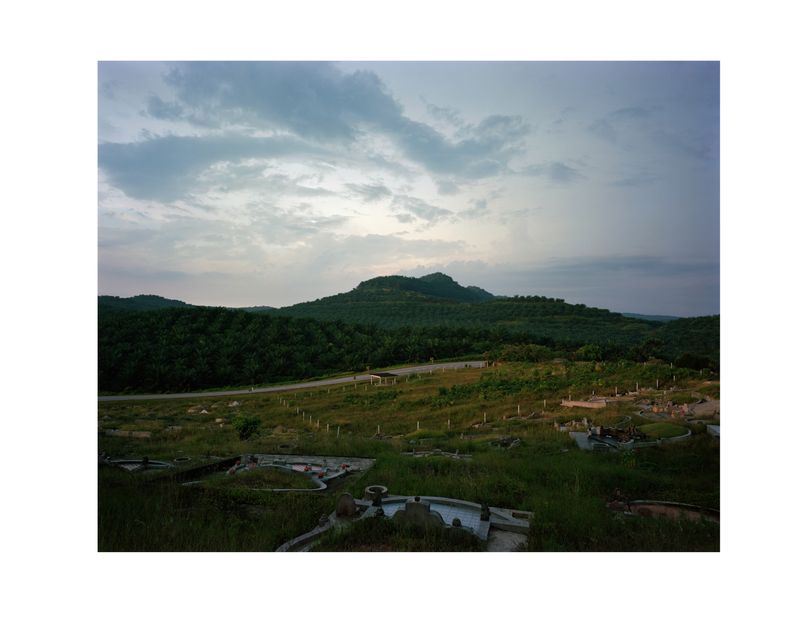
Image 15: Chinese Graveyard, Paloh
The town of Paloh is the title and location for a romantic and tragic film set during the Japanese occupation. In this movie a Malaysian soldier working for the Japanese falls in love with a Chinese girl and the story questions the motives of higher powers such as the Japanese and British occupation. A researcher told me his family come from this town. They were part of the MPAJA (Malaysian Peoples Anti Japanese Army, a guerrilla force that consisted mainly of Chinese communists) and were operating in this area. The area used to be dense jungle, now almost the entire landscape is palm oil plantations.
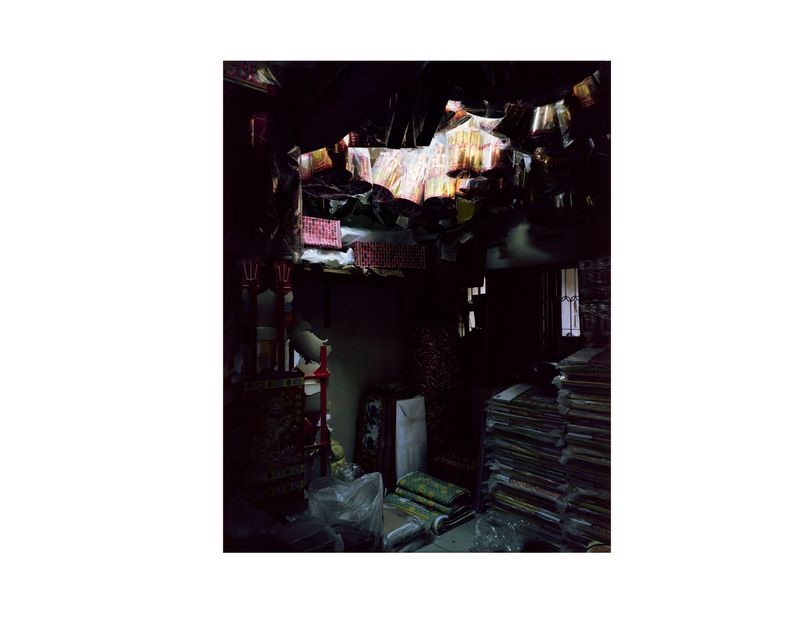
Image 16: Joss Paper Shop, Johor Bahru
During memorial rituals Chinese burn items made from Joss paper to assist their dead ancestors. These items range from money to houses, essentials, and even electronics. These memorial rituals take place during Qingming, tomb-sweeping day. The origins of Qingming go back almost 2500 years. Although the holiday lost popularity in Mainland China, as the Overseas Chinese in Malaysia and Singapore were not subject to the cultural revolution the festival stayed prominent in their yearly calendar. Qingming is seen as a family event and even an obligation.
Memorial rituals for the dead allow their passage and comfort in the afterlife. Bodies who are not prayed for turn into ‘hungry ghosts’. Many Qingming rituals take place at massacre memorials, but many of the sporadic massacres do not have memorials.
Image 17: Birds in Grandmothers House
Image 18: Collage #4
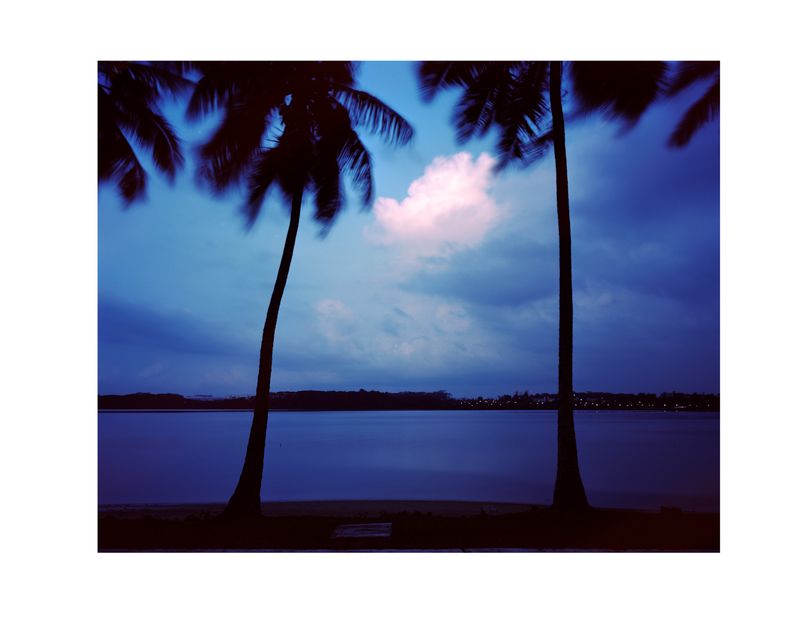
Image 19: Storm across the Straits, Johor Bahru
The final push toward Singapore involved crossing the Straits. The Japanese landed in the north through Thailand and Kota Bahru in Malaysia and made their way down the peninsular to reach the supposed “fortress” Singapore. Churchill labelled it as “The biggest military defeat”. Upon securing Singapore, the 5th and 18th divisions of the 25th Army were sent back up the peninsular to conduct planned sporadic massacres.
Many victims of the Sook Ching massacres (Sook Ching means purge through cleansing) were shot into the Straits, including my great grandfather.